

You come home after a long day, kick off your shoes, and stop dead in your tracks. The couch cushion is shredded. Your favorite shoe is unrecognizable. There’s a mysterious hole where the backyard used to be flat. Sound familiar? If it does, you are definitely not alone, and more importantly, your dog is not broken.
Here’s the thing – behind every chewed-up shoe or shredded couch cushion, there is a simple truth: dogs are smart, emotional beings, and their needs extend far beyond food, water, and a comfy bed. It’s natural to want to call a misbehaving pup “naughty,” but it’s much more productive to consider their behavior a request for more attention, purpose, and engagement. Some breeds, though, are wired in ways that make them far more likely to redecorate your living room the moment boredom strikes. So let’s talk about who the usual suspects are, and who the gentle souls are that’ll leave your furniture blissfully intact.
Why Dogs Get Destructive in the First Place

Before pointing fingers at any particular breed, it’s worth understanding what’s really going on. Boredom in dogs is often the result of insufficient mental and physical stimulation, and this can manifest in unwanted behaviors such as chewing furniture, digging, excessive barking, and other forms of destruction. Think of it like leaving a five-year-old alone in a room with no toys. Something is going to get destroyed.
Many breeds were developed for specific purposes like herding, guarding, and retrieving, and when modern life does not provide a need for those roles, they invent their own “jobs,” like chewing furniture or barking at every leaf that falls outside the window. It’s honestly kind of brilliant, in the most inconvenient way possible.
According to the American Kennel Club, such behaviors are usually remedied by ensuring dogs receive regular physical exertion and mental stimulation. Additionally, not leaving your dog alone for long stretches can also head off the development of separation anxiety, which is expressed through destructive behavior, in the future. Prevention is always easier than repairing a chewed sofa.
Border Collie: The Smartest Wrecker in the Room
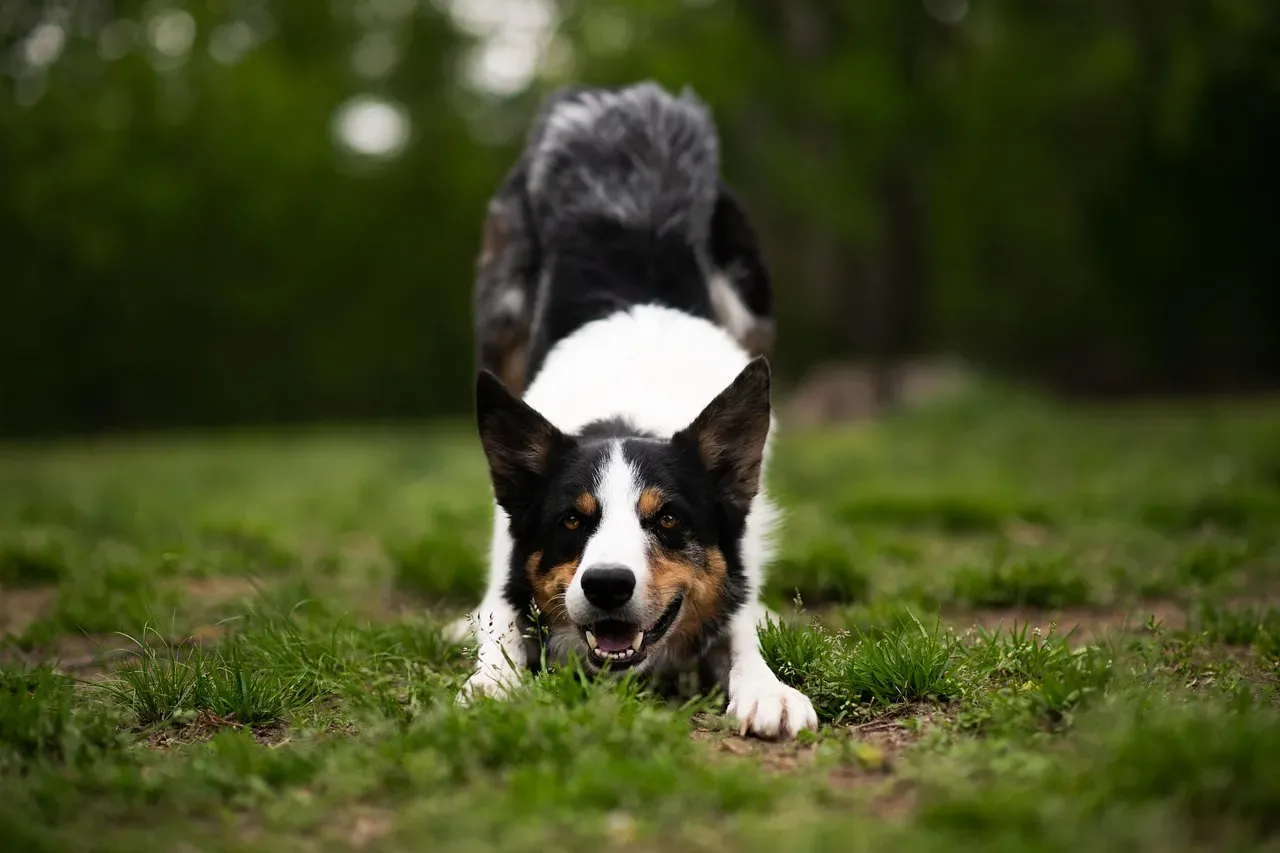
Border Collies are considered by many to be the smartest dog breed on the planet. And honestly, that’s exactly what makes them so potentially catastrophic when they’re bored. Imagine giving a genius absolutely nothing to do all day. Disaster waiting to happen.
This combination of intelligence and energy means that Border Collies can quickly become bored if they’re not given enough to do. When bored, they can become destructive, turning their attention to chewing, digging, and even herding children or other pets in the home. Yes, your toddler could become livestock.
Their high energy levels require plenty of daily exercise. They are also more prone to struggle with intense boredom when alone, which can often lead to destructive behavior and excessive barking. Agility training, fetch, puzzle feeders – these dogs need a full schedule, not a lazy Sunday every single day.
Belgian Malinois: The Canine Tornado
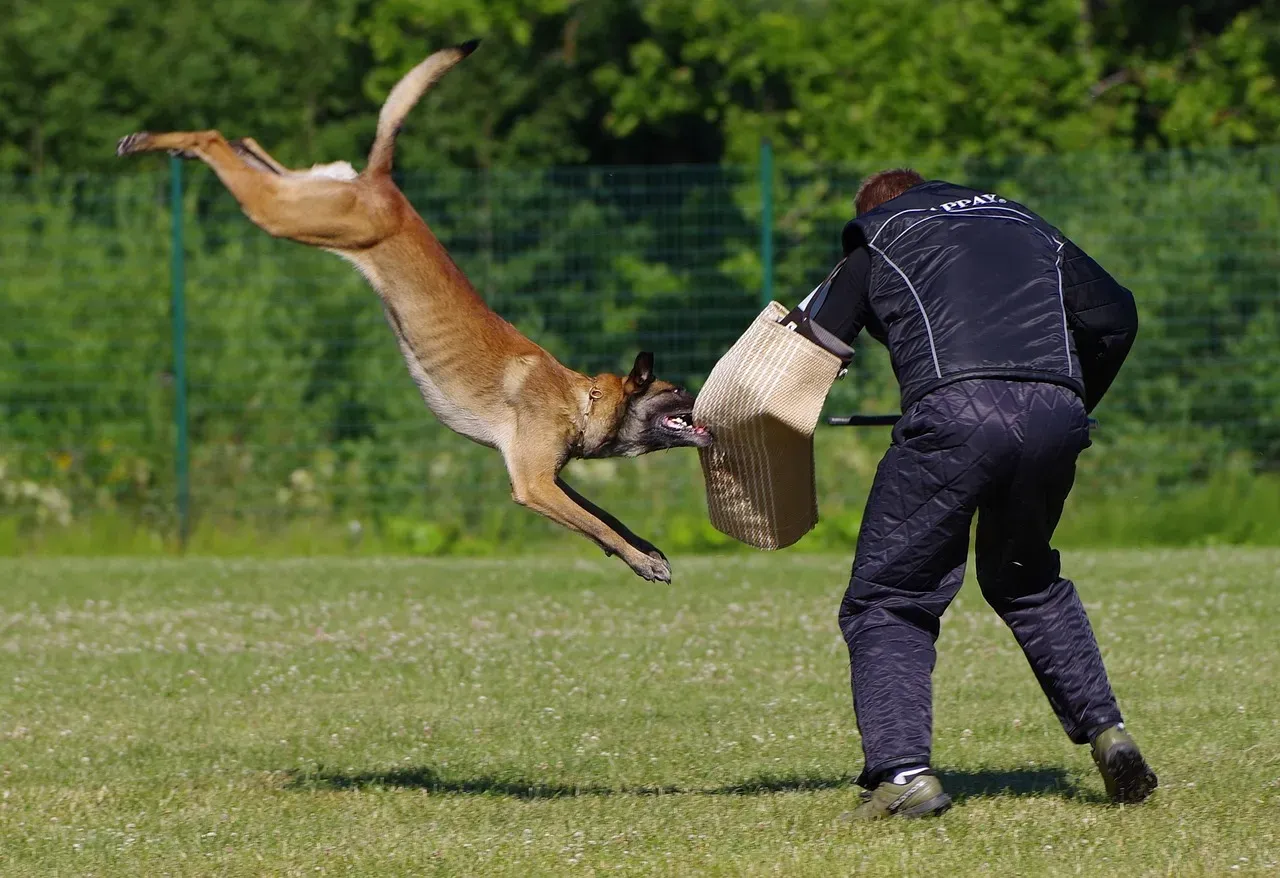
I’ll be honest with you – the Belgian Malinois is not a beginner’s dog. Bred for work such as police and military duties, they possess a high drive and exceptional intelligence. When a Belgian Malinois is bored, it can become one of the most destructive dogs, engaging in behaviors like chewing, digging, and excessive barking. Their energy can be overwhelming if not properly managed, making them unsuitable for many homes.
Originally bred as working dogs, the Malinois can get easily bored. When bored, they resort to excessive barking, digging, and chewing. This can get so overwhelming that experts at PetMD advise against getting the breed as a family pet. That’s not a knock against the breed – they’re extraordinary animals. They just need an equally extraordinary commitment from their owners.
Labrador Retriever: The Lovable Disaster Machine

Don’t let that warm, goofy grin fool you. Labradors are bred as retrieving dogs, so they’re used to having things in their mouth. They’re also a very energetic and exuberant breed, always wanting to do something and keep themselves busy. If you have an active breed with lots of energy that has nothing to do in the day, there’s going to be chewing involved.
As natural retrievers, Golden Retrievers and Labs love to explore the world with their mouths – and that means anything that catches their eye might end up a chew toy, yes, even your phone. Their primary trigger is usually separation anxiety. The fix? Consistent exercise, interactive toys, and never underestimating how much company this breed truly craves.
Jack Russell Terrier: Small Dog, Maximum Chaos

The Jack Russell Terrier is known for having a big personality in a small body, and this is a recipe for destructive behavior when they are bored, unhappy, or just missing their owners. The breed is known for its intelligence, cute looks, and high energy. Without enough exercise and playtime, a Jack Russell can get frustrated and let loose their energy in less-than-pleasant ways.
They might chew up anything in sight or turn your flower beds into their personal digging zone – yapping all the while! If you’re up for the challenge, be ready to commit to daily walks, plenty of play, and brain-teasing games to keep this lively little pup happy and out of trouble. Don’t be fooled by the compact size. This is one of those dogs that could give a Labrador a run for its money in the chaos department.
Dalmatian: Built to Run, Prone to Ruin

Dalmatians are famous for their striking spotted coats and history as firehouse mascots, but they are also known for their high energy levels and need for constant activity. Bred as carriage dogs, they were meant to run long distances and guard horses, which required both stamina and alertness. When that energy has nowhere to go, buckle up.
Dalmatians can quickly become bored and restless when they don’t receive enough physical exercise or mental stimulation. This boredom can lead to destructive behaviors, such as chewing on furniture, digging up the yard, or finding ways to escape and explore independently. Dalmatians are also known for their intelligence, meaning they need tasks that challenge both their minds and bodies. Long daily runs and consistent training are non-negotiables with this breed.
German Shepherd: The Powerful Overachiever

German Shepherds are loyal, breathtakingly capable, and deeply devoted. They’re also, when under-stimulated, surprisingly destructive. German Shepherds can go through chew toys at a rate of knots. They have a strong work drive, athletic physique, and powerful bite force, which makes them notoriously demanding on their toys. These heavy-duty chewers tend to love exercising their strong jaws throughout their life, not just in the puppy phase, and it serves as a useful distraction, reducing stress and providing mental stimulation.
As a working dog breed, they need to use their mind and body to ward off frustration and stress – chewing can be an outlet for this. Obedience training, scent work, and daily structured exercise are your best tools. Think of a German Shepherd like a high-performance car – magnificent when maintained, rough when neglected.
Basset Hound: The Surprising Couch Companion

Now let’s shift gears entirely and talk about some of the gentlest souls in the dog world. The Basset Hound is one of those breeds that almost seems custom-designed for peaceful living. The Basset Hound is a calm, gentle dog breed that’s adaptable to new surroundings and content with moderate exercise. These low-energy dogs aren’t very athletic, so don’t expect them to excel at sports!
They’re friendly and placid by temperament and get along well with families. Basset Hounds have among the best senses of smell among all dog breeds, so you’ll find it smart to keep them physically and mentally active with scent games, like a scavenger hunt for their favorite toys. A slow sniff-walk around the neighborhood genuinely fills this dog’s soul. They are simple, joyful creatures and there’s something deeply comforting about that.
Cavalier King Charles Spaniel: The Velcro Dog Who Prefers Sofas to Destruction

The Cavalier King Charles Spaniel has been a favorite lap dog of British royalty for generations, and the breed’s affinity for laps remains true today. Their sweet, gentle temperament makes these calm, small dogs great for families with kids and other pets, and they are easy to train. They’re the kind of dog that will happily melt into your lap and stay there for hours. Honestly, same.
The sweet and docile Cavalier King Charles Spaniel is highly adaptable to various environments and lifestyles. Often described as “Velcro dogs” because of their strong desire to be wherever their human is, Cavaliers are perfectly content with lounging around the house or going on leisurely walks, as long as they’re spending time with you. Their emotional needs are high, but their destruction risk is refreshingly low.
Greyhound: The World’s Fastest Couch Potato

If you’ve never had a Greyhound, the idea of one being laid-back might seem ridiculous. Racing dogs? Calm? But here’s where it gets interesting. Bred for speed, the Greyhound might seem like a surprise as a low-energy dog breed, but the reality is that these large dogs are quite lazy at home and are often referred to as couch potatoes. That said, Greyhounds do require a daily outlet for pent-up physical and mental energy. A leashed walk or short sprint within a fenced space to stretch those long legs is ideal.
If you give them space to expend short bursts of energy exercising, they’re content to lounge around the rest of the time. These sensitive pups love a calm, quiet home as much as you do, so they’re the perfect match for a low-key family without younger children or lots of noise. Think of them like sprinters at the Olympics – explosive for thirty seconds, then happily horizontal for the next twelve hours.
Conclusion: Every Dog Deserves to Be Understood

Here’s the takeaway that I hope sticks with you: no dog is destructive out of spite. When their needs go unmet, dogs can become bored and engage in destructive behaviors like furniture chewing, hole-digging, or incessant barking. These are not acts of disobedience, but signs that your dog wants an outlet for engagement and activity. That shredded cushion is basically a letter that reads, “I need more from you.”
Calm dogs typically share several characteristics: they don’t react intensely to stimuli, have moderate to low energy levels, and are emotionally steady. These dogs often adapt well to different environments, don’t bark excessively, and are less likely to be destructive if their basic needs are met. Meanwhile, high-energy breeds simply need a different kind of investment – more time, more movement, more mental challenge.
Whether you share your home with a chaotic Border Collie or a sleepy Basset Hound, the relationship you build through understanding your dog’s needs is what changes everything. Knowing your dog well and providing them with stimulation that satisfies their individual needs can result in a happier dog, a happier you, and a happier home. Does your dog’s breed make this list? Tell us in the comments – we’d love to hear your stories, the destructive ones especially.


