
Ever wondered why some dogs seem to read your mind while others appear completely oblivious to your emotional meltdowns? The truth is, not all dogs are created equal when it comes to emotional intelligence. While some breeds act like furry therapists who instinctively know when you need comfort, others might as well be wearing emotional blinders until you actively teach them to care.
This fascinating divide in the canine world has everything to do with selective breeding and evolutionary purpose. The breeds that were developed to work closely with humans naturally developed stronger empathetic abilities. Meanwhile, those bred for independent tasks like hunting or guarding learned to rely on their own judgment rather than human emotional cues.
Golden Retriever: The Ultimate Emotional Support Dog
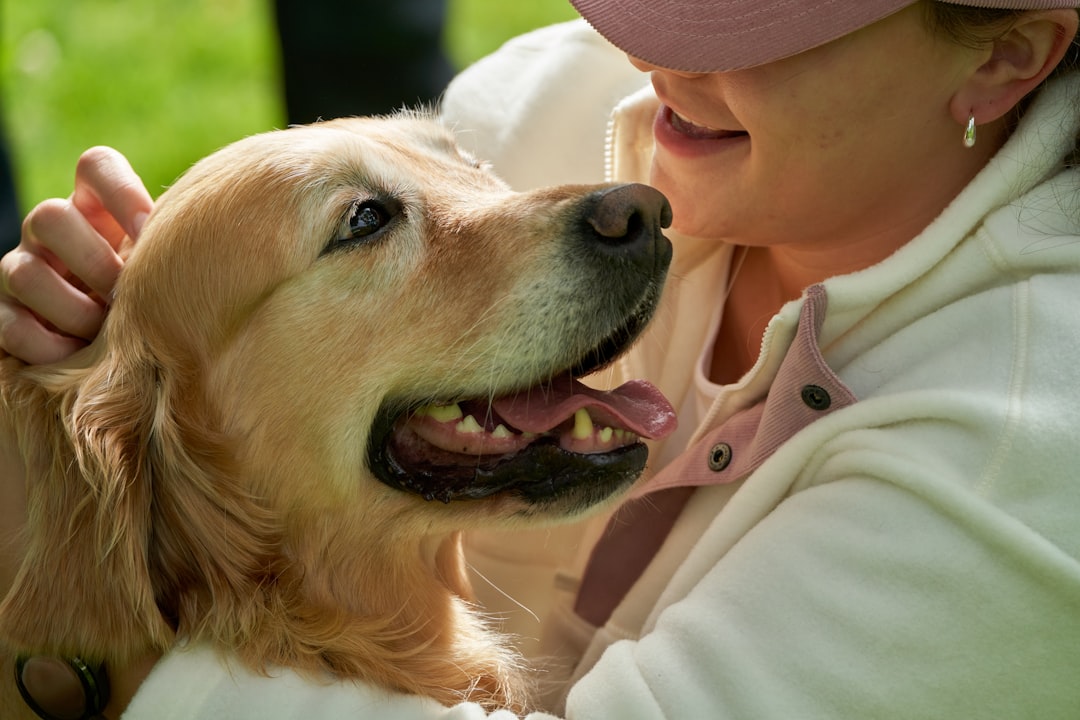
Golden Retrievers are synonymous with a gentle temperament and an emotionally intuitive nature, often showing a particular sensitivity to their owner’s moods and emotions. Think of them as the friend who shows up with ice cream without being asked when you’re having a bad day. Golden Retrievers are highly intelligent and know when you’re upset or anxious, picking up cues from your body language and responding appropriately. They’ll offer comforting cuddles or simply lay their head in your lap when they sense distress.
Golden Retrievers are not only highly intelligent but also deeply empathetic, making them exceptional service and therapy dogs. It’s easy to see why they remain one of America’s top ten most popular dog breeds! Their emotional radar is so finely tuned that they often mirror your energy throughout the day.
Labrador Retriever: The Cheerful Mood Lifter
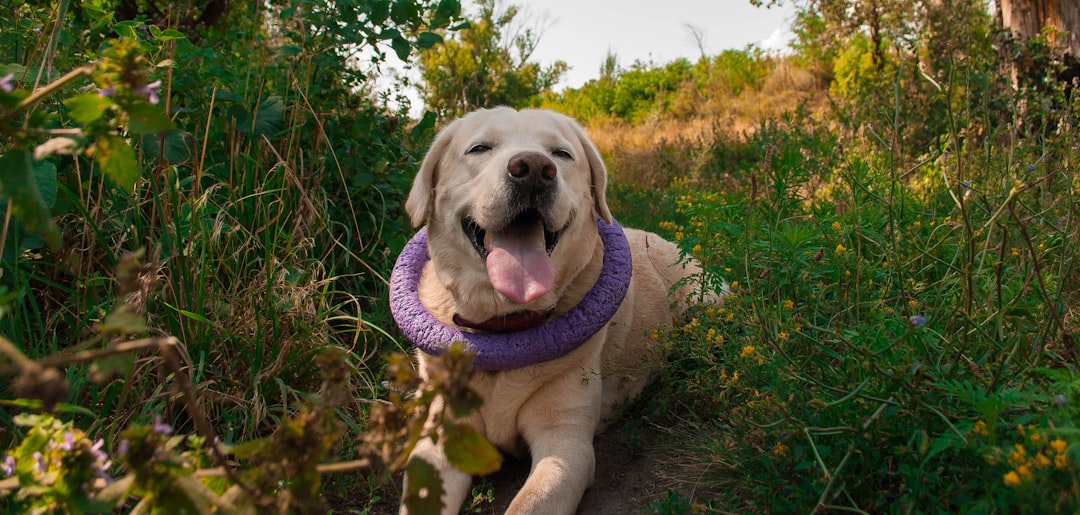
Labrador Retrievers are not just popular for their friendly demeanor and loyal nature but also among the breeds with the highest emotional intelligence. Known for their patience and gentleness, Labs have an innate ability to sense the emotions of those around them. These dogs have mastered the art of being your personal sunshine on cloudy days. The Labrador Retriever radiates joy the moment it enters a room, having a rare ability to sense emotional tension and replace it with lighthearted affection that feels like sunshine after a storm.
Their cheerful disposition isn’t just surface level happiness. Their friendly, exuberant nature makes them excellent “icebreakers” for people who suffer from anxiety in social situations.
Border Collie: The Mind Reader
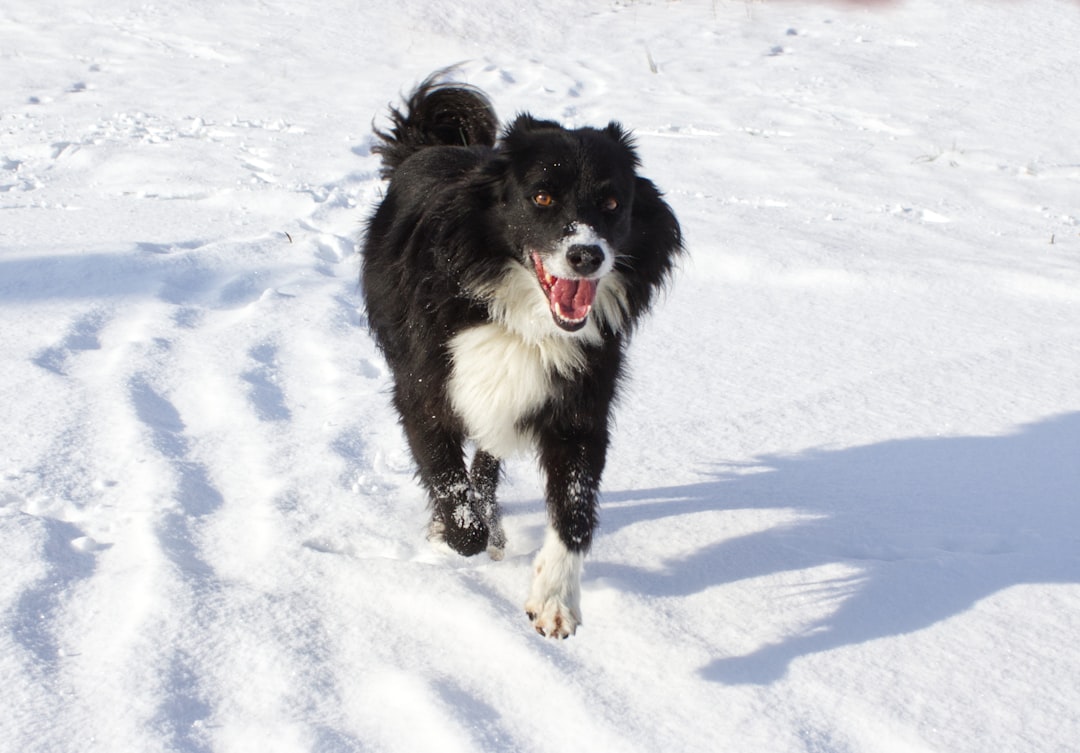
Border Collies are highly intelligent and perceptive dogs, traits that contribute to their empathetic nature. They have an incredible ability to read body language and understand their owner’s emotional state, making them excellent companions for people in need of emotional support. Imagine having a dog that can sense your stress before you even realize you’re stressed. Border Collies are renowned for their intelligence, but they also possess high emotional intelligence. They are incredibly attuned to their human companions’ body language and tone of voice, allowing them to respond appropriately to various emotional cues.
Their intuition makes them great as psychiatric service dogs for anxiety, depression, or panic attacks. However, remember that a bored Border Collie can become destructive, so keep their brilliant minds engaged.
Cavalier King Charles Spaniel: The Gentle Comforter
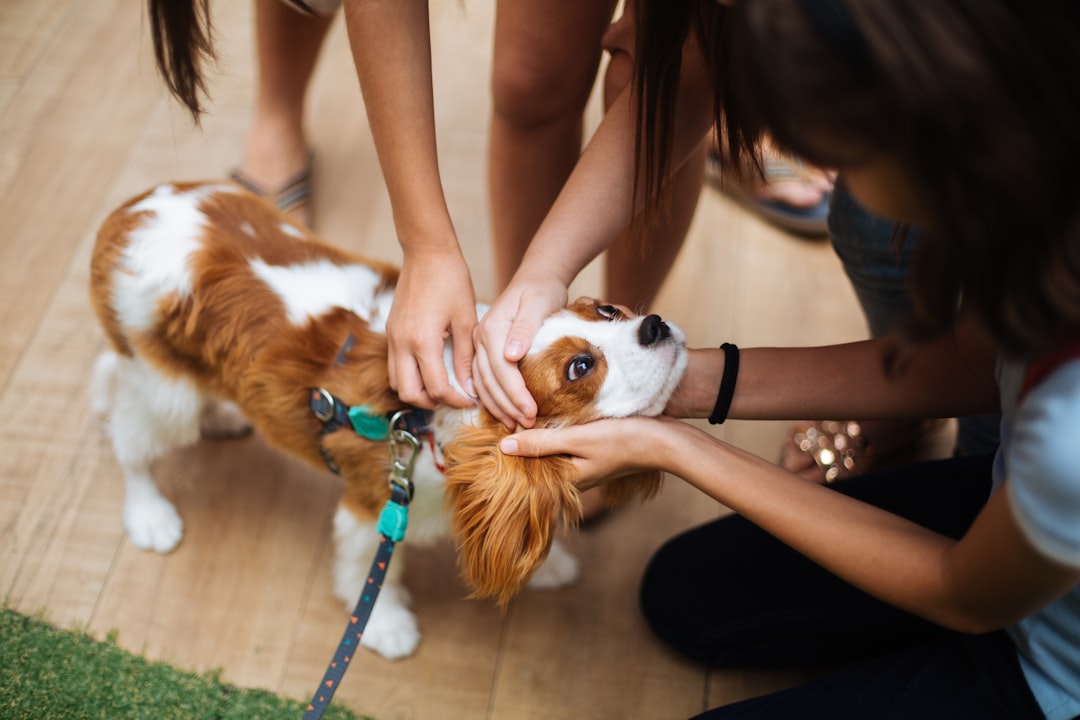
Cavalier King Charles Spaniels are adorable, highly empathetic, and emotionally intelligent. They are known for their affectionate nature and ability to tune into their owner’s emotional states, often sensing when their owners are upset or stressed and responding with comforting gestures like cuddling or gently resting their heads in their lap. These little dogs are like living teddy bears with supernatural empathy powers. This service dog is incredible and is attuned with their owner’s emotions.
Their small size makes them perfect lap companions who can sense when you need comfort without being overwhelming. They thrive on providing emotional support through simple presence and gentle affection.
Poodle: The Sophisticated Empath
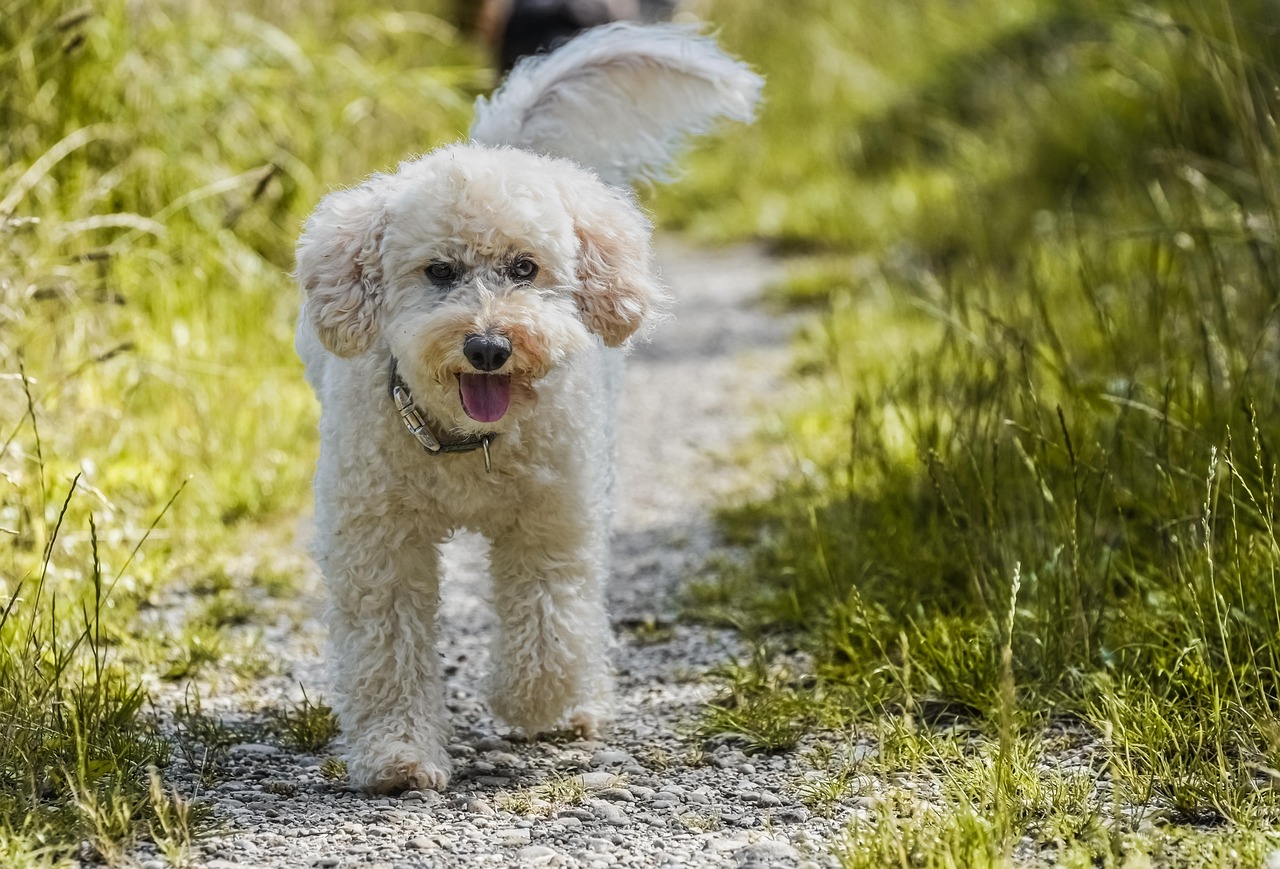
Poodles, known for their intelligence, are also highly empathetic. They are incredibly intuitive dogs that can quickly sense changes in their owner’s mood or emotional state. Poodles are often used as therapy dogs due to their empathetic and calming presence. Don’t let their fancy haircuts fool you into thinking they’re just pretty faces. Poodles form deep emotional bonds with their owners and are sensitive to their needs and feelings. Their intuitive nature and affectionate and gentle temperament make them excellent companions, particularly for those who value a deep, emotional connection with their pets.
These dogs combine intelligence with emotional awareness in a way that makes them incredibly responsive to human needs. They’re like having a therapist who never judges and always listens.
Great Dane: The Gentle Giant Empath

Great Danes may be large, but they have a gentle and empathetic heart. Known as “gentle giants,” these dogs are deeply in tune with the emotions of their family members. They are particularly good at sensing distress and will often stay close to their owner’s side during difficult times. Despite their intimidating size, these dogs are emotional softies who use their massive presence to provide comfort. Their calm, gentle, and loyal demeanor make them surprisingly suited to emotional support.
Their size actually becomes an advantage when providing emotional support, as their physical presence can be incredibly grounding during anxiety or panic episodes. They’re like having a living, breathing security blanket that weighs over a hundred pounds.
German Shepherd: The Loyal Protector
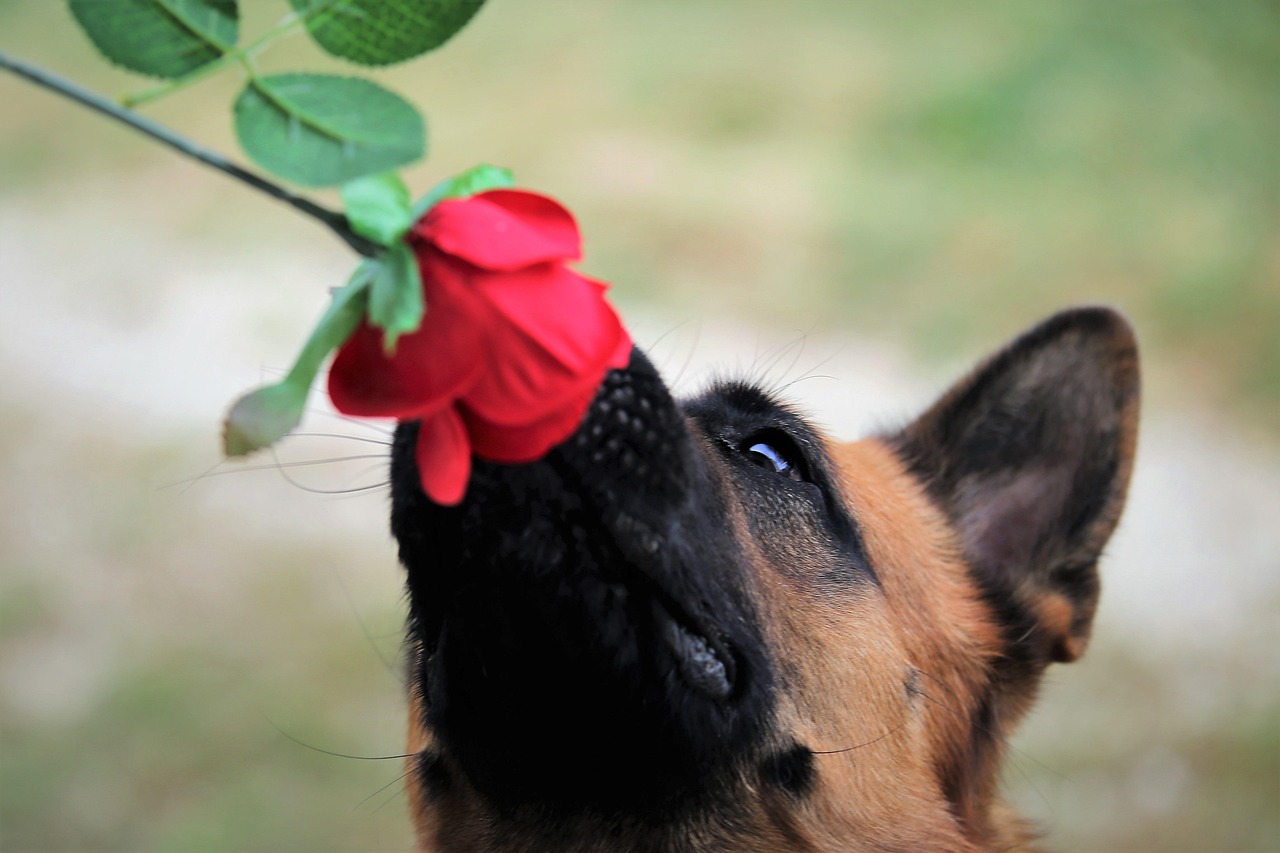
The German Shepherd embodies loyalty in its purest form. Strong yet sensitive, this breed feels every shift in its owner’s emotions and responds with steadfast devotion. These dogs don’t just protect your property; they guard your emotional wellbeing too. German Shepherds are known for their loyalty and protective nature but are also highly emotionally intelligent. Their work in military and police roles proves their ability to read human cues and respond appropriately under pressure.
German Shepherds form incredibly strong bonds with their families and often become protective of vulnerable family members. They seem to understand when someone needs extra care and attention.
Newfoundland: The Lifesaving Companion
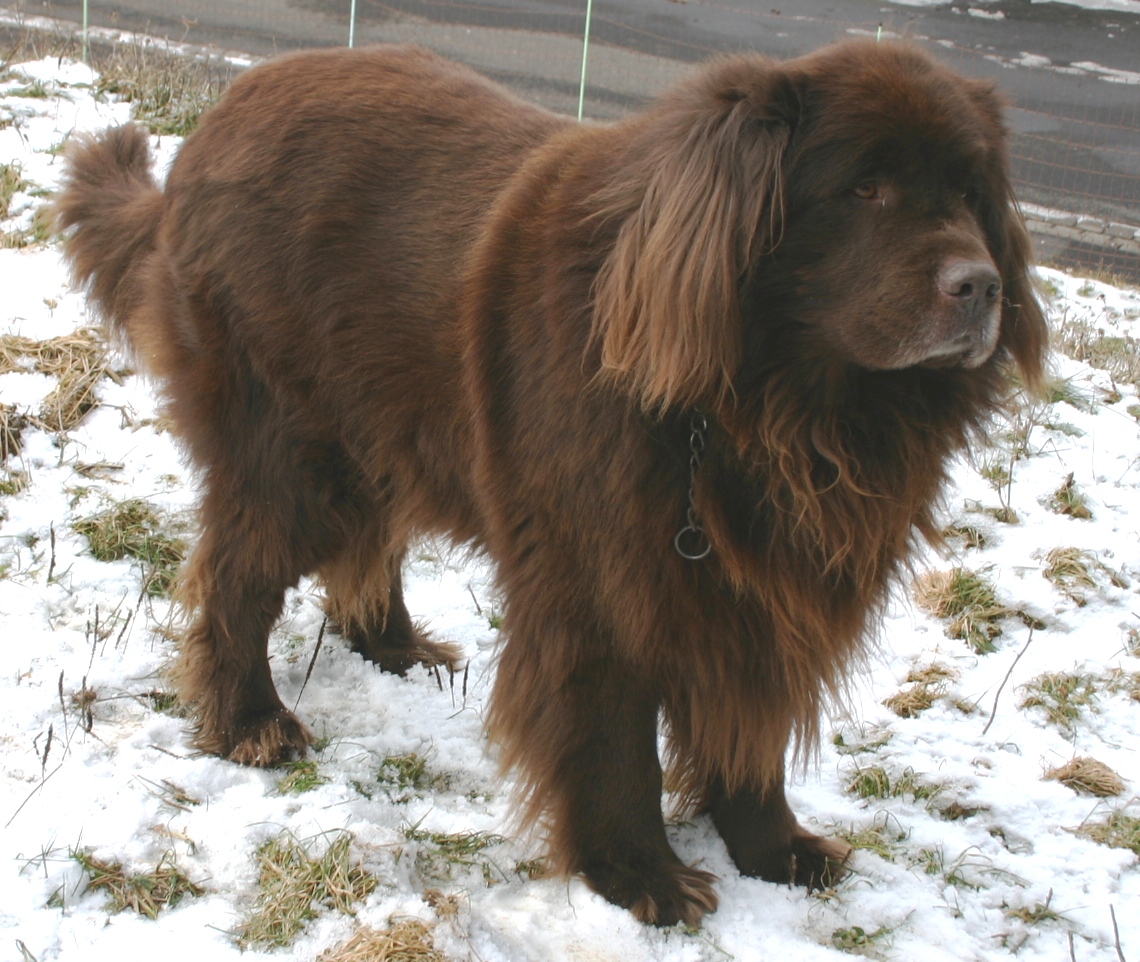
These gentle giants have been man’s best friend for centuries, and in fact have lifesaving instincts. Calm, patient, devoted and loyal – Newfoundlands make fantastic companions. Known for their water rescue abilities, these dogs extend their protective instincts to emotional rescue as well. Their massive, fluffy presence provides both physical and emotional comfort that’s hard to replicate.
Newfoundlands have an almost supernatural ability to sense when someone is in emotional distress. Their calm demeanor and patient nature make them excellent for families with children or elderly members who need extra emotional support.
Australian Shepherd: The Work-Focused Empath
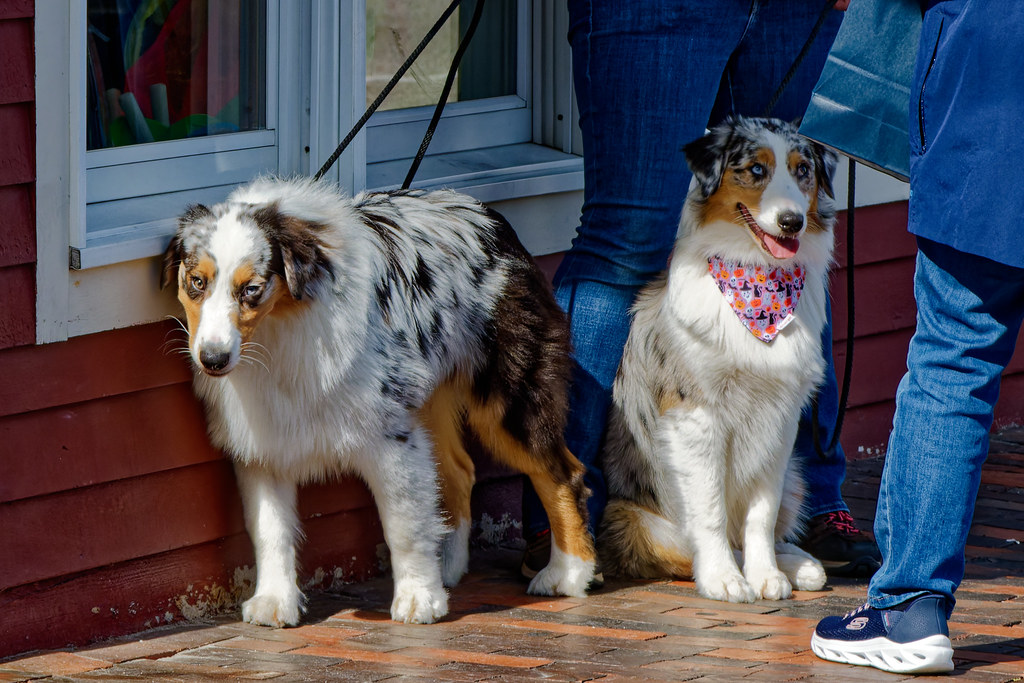
Australian Shepherds are famous for their work ethic, but their emotional intelligence is what truly sets them apart. These dogs are alert to their owner’s needs, often anticipating what’s required before a word is spoken. These dogs combine their herding instincts with an incredible ability to read human emotions. Australian Shepherds are also great at being rescue dogs. Their desire to help and protect is what makes them a great emotional support dog breed.
Their high energy and intelligence mean they need both physical and mental stimulation, but they channel this energy into caring for their human family. They’re the type of dog that will gently herd you toward self-care when you’re neglecting yourself.
Maltese: The Tiny Therapist
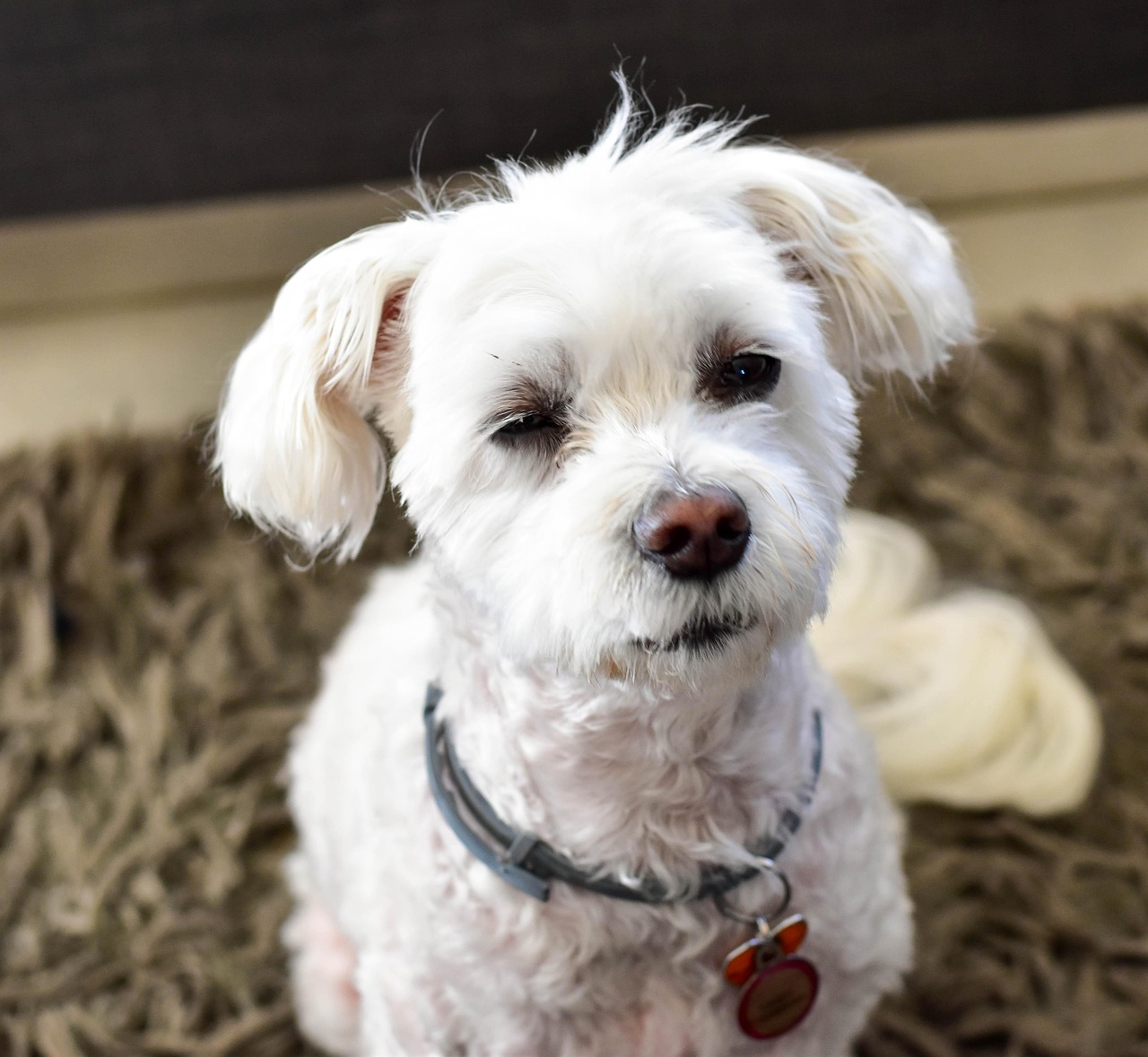
According to The Kennel Club, these empathetic pups provide excellent emotional support. A smaller breed, the Maltese can be a good emotional support and companion dog, particularly for those who are less mobile, due to their compact size, sweet nature and gentle characteristics. They tend to bond easily and love to have attention from their owners, too. Don’t underestimate these small dogs’ emotional capabilities. The Maltese is a small, affectionate breed that is particularly attuned to its owner’s emotions.
Their size makes them perfect for apartment living and for people who need a constant emotional companion. They’re like having a living, breathing emotional support animal that fits in your lap.
Beagle: The Cheerful Comfort Dog
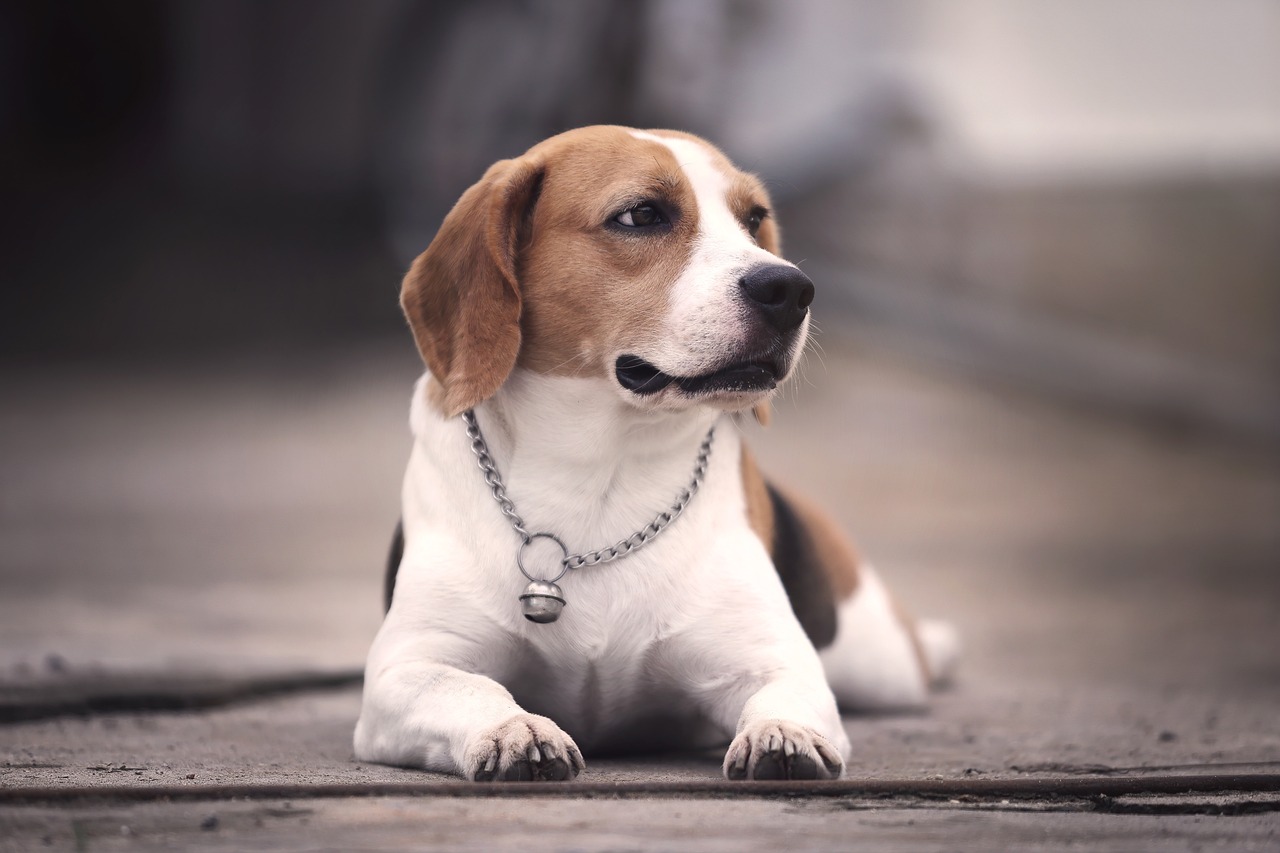
Beagles are not just known for their excellent sense of smell – they are also incredibly in tune with the emotions of the people around them. Beagles form strong attachments to their families and are quick to offer comfort when they sense sadness or stress. Their playful yet empathetic nature makes them a great choice for families who want a dog that can provide both emotional support and lots of love. These dogs use their hunting pack instincts to stay emotionally connected with their human family.
Their gentle nature and moderate size make them excellent family dogs who can sense when individual family members need extra attention or comfort.
Shiba Inu: The Independent Loner
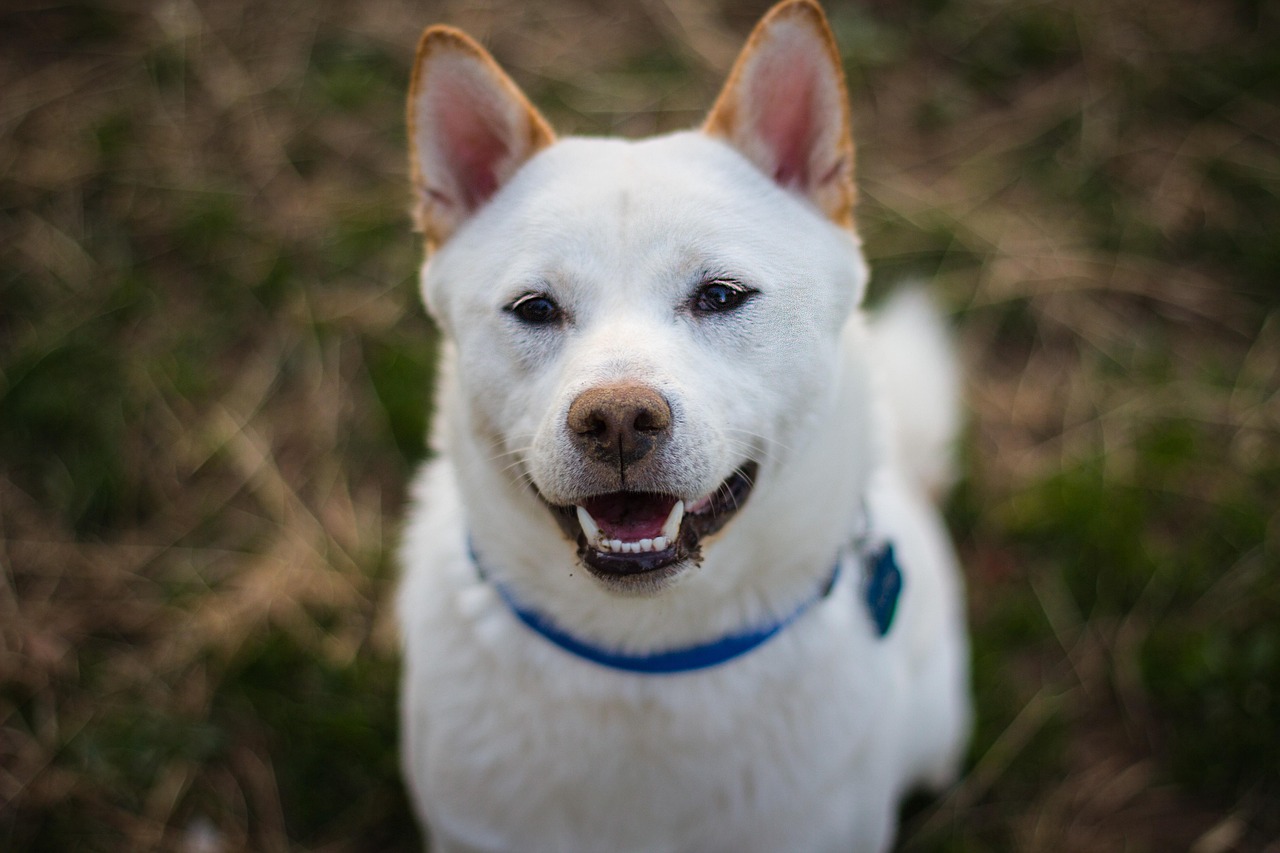
These handsome dogs hail from Japan, where they were bred for hunting. Compact in size and very smart, they are deeply loyal companions, but they’re aloof with strangers. They prefer to approach people on their own terms. Many refer to the Shiba Inu as a “cat-like” dog. Honestly, expecting a Shiba Inu to comfort you during an emotional crisis is like expecting a cat to fetch your slippers. They’re fiercely independent and don’t want to be pushed into socializing. Even though Shiba Inus have gained a lot of internet fame, they’re not interested in people outside their family circle.
These dogs need extensive socialization and training to develop empathy. Without consistent work on their emotional intelligence, they’ll remain emotionally distant even from their own families.
Chow Chow: The Aloof Guardian
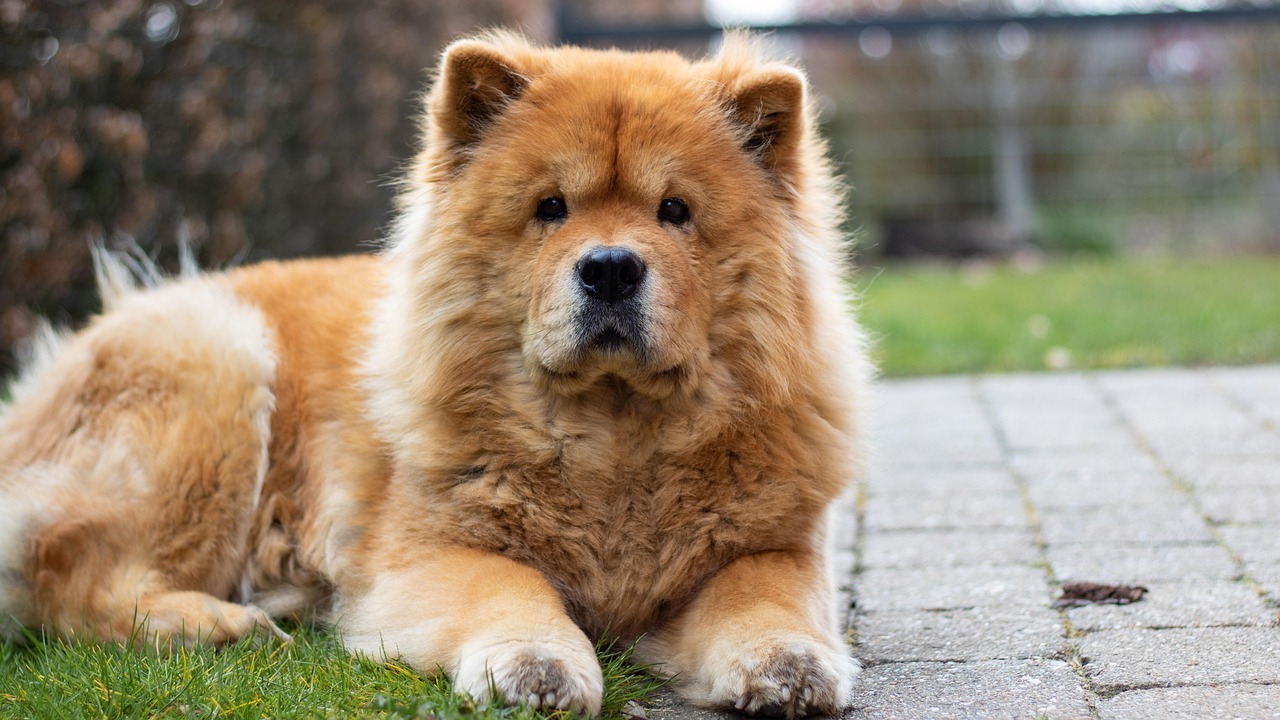
Chow Chows are working dogs from China, and are known for their distinctive blue-black tongues and thick fur. They’re popular companions and actually quite devoted to their owners. However, they’re also stubborn and reserved around strangers, and can be aggressive without proper socialization and training. They are some of the most loyal dogs out there, but they are not over-huggers or cuddlers. Not an emotional support dog breed, Chow Chows have the ability to form a firm bond with their pet owners but are not amongst the highly sensitive dogs that will snuggle in your warm bed.
Their independence means they won’t naturally offer emotional comfort. You’ll need to actively teach them to recognize and respond to your emotional needs through consistent training.
Basenji: The Silent Observer
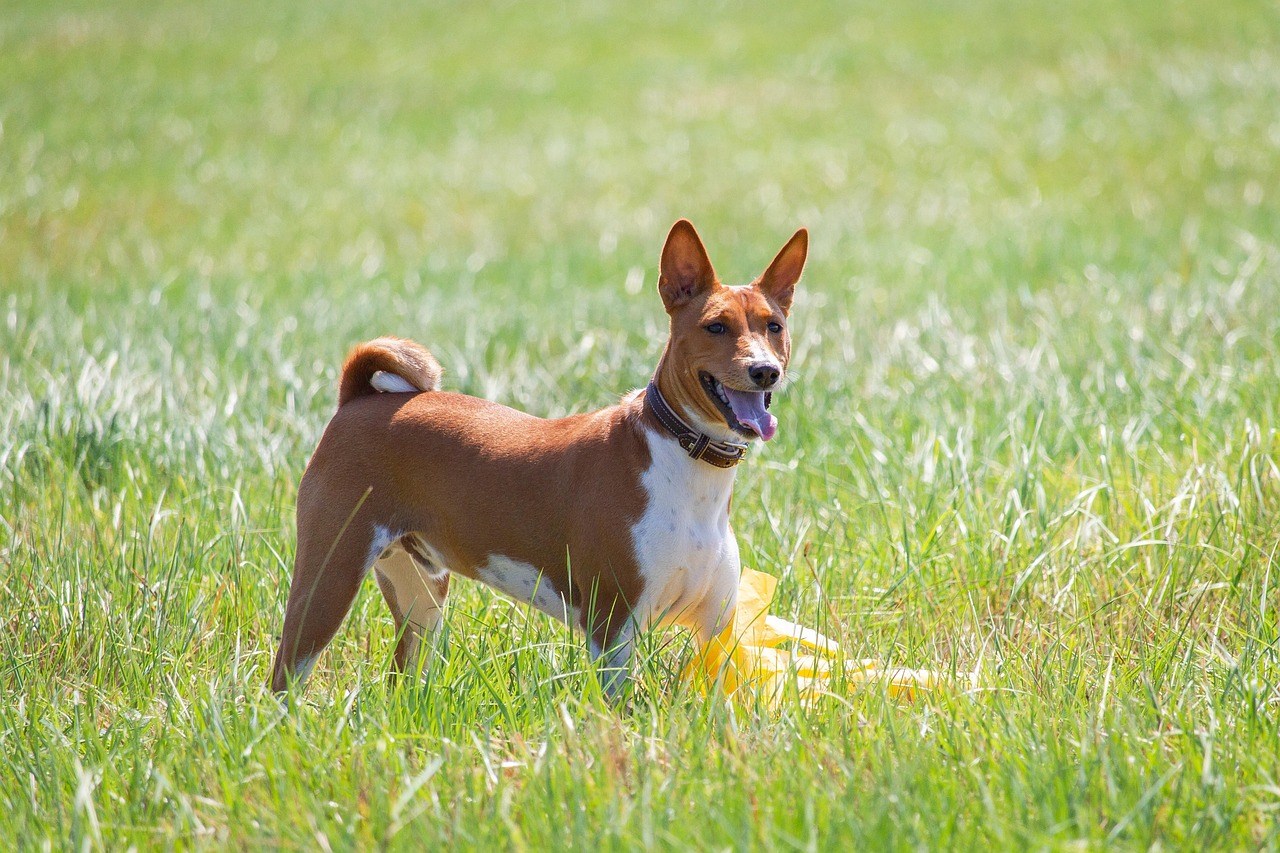
The independent Basenji is notorious for being quiet – they’re often referred to as “the barkless dog.” These medium-sized pups are frequently described as having a catlike personality because of their aloof temperament, reserved nature, and tendency to groom themselves. Basenjis, with their independence and self-sufficiency, are generally not considered highly emotionally sensitive dogs. They are perpetually alert and mostly aloof, especially around strangers.
These dogs observe emotions but don’t naturally respond to them. They need structured training to learn that human emotions require a response beyond simple observation.
Afghan Hound: The Dignified Diva
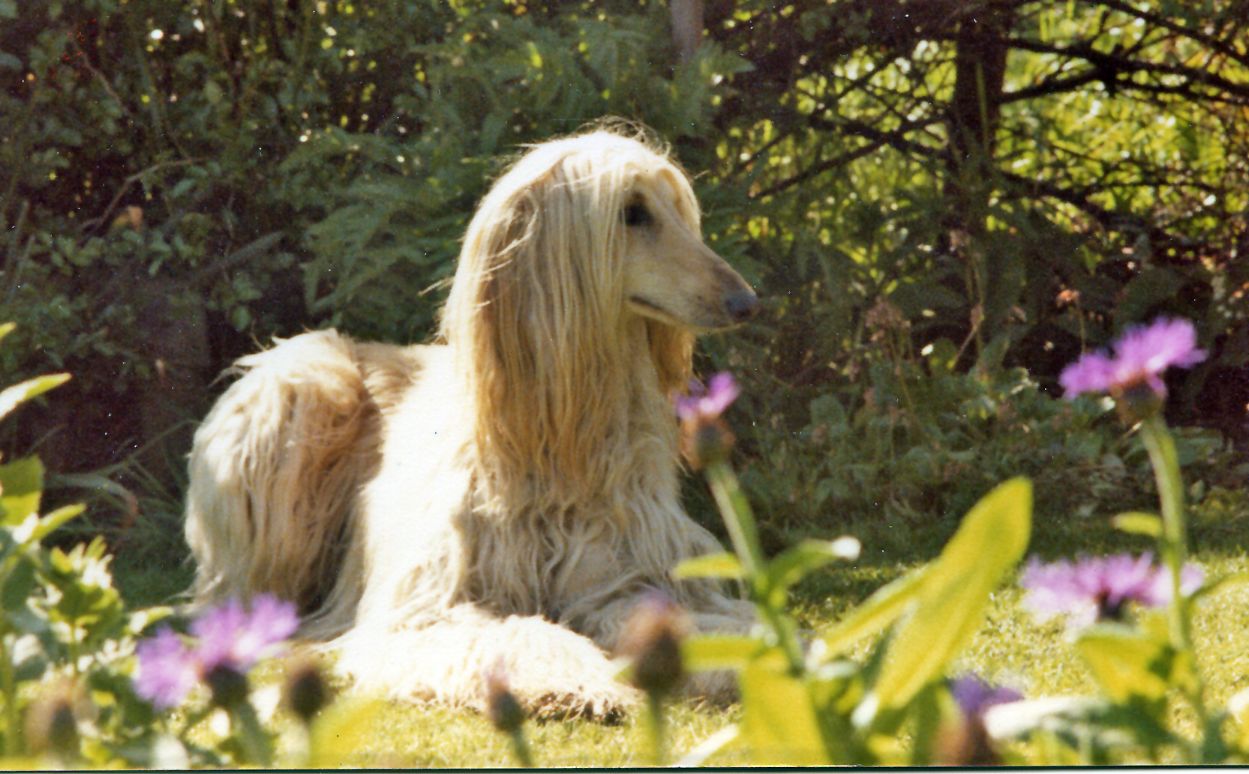
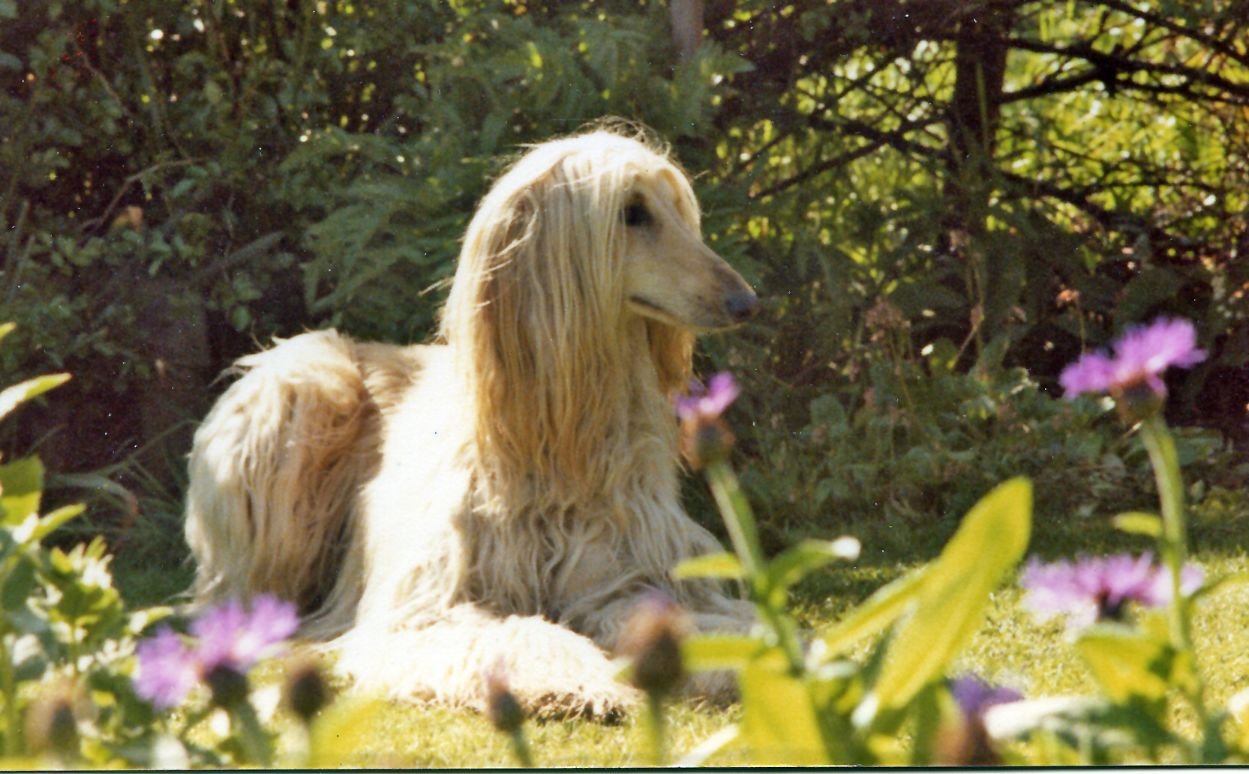
Afghan Hounds are dignified, independent dogs that maintain a reserved demeanor with outsiders. These long-haired pooches are incredibly eloquent and aristocratic. Considered to be one of the oldest breeds, Afghan Hounds, don’t like strangers and tend to be aloof. While they are deeply loyal – they only show affection in very subtle ways. Think of them as the aristocrats of the dog world who consider emotional displays beneath their dignity.
Their sighthound heritage means they’re more focused on visual stimuli than emotional cues. Training them to respond empathetically requires patience and consistent positive reinforcement.
Alaskan Malamute: The Pack-Focused Worker
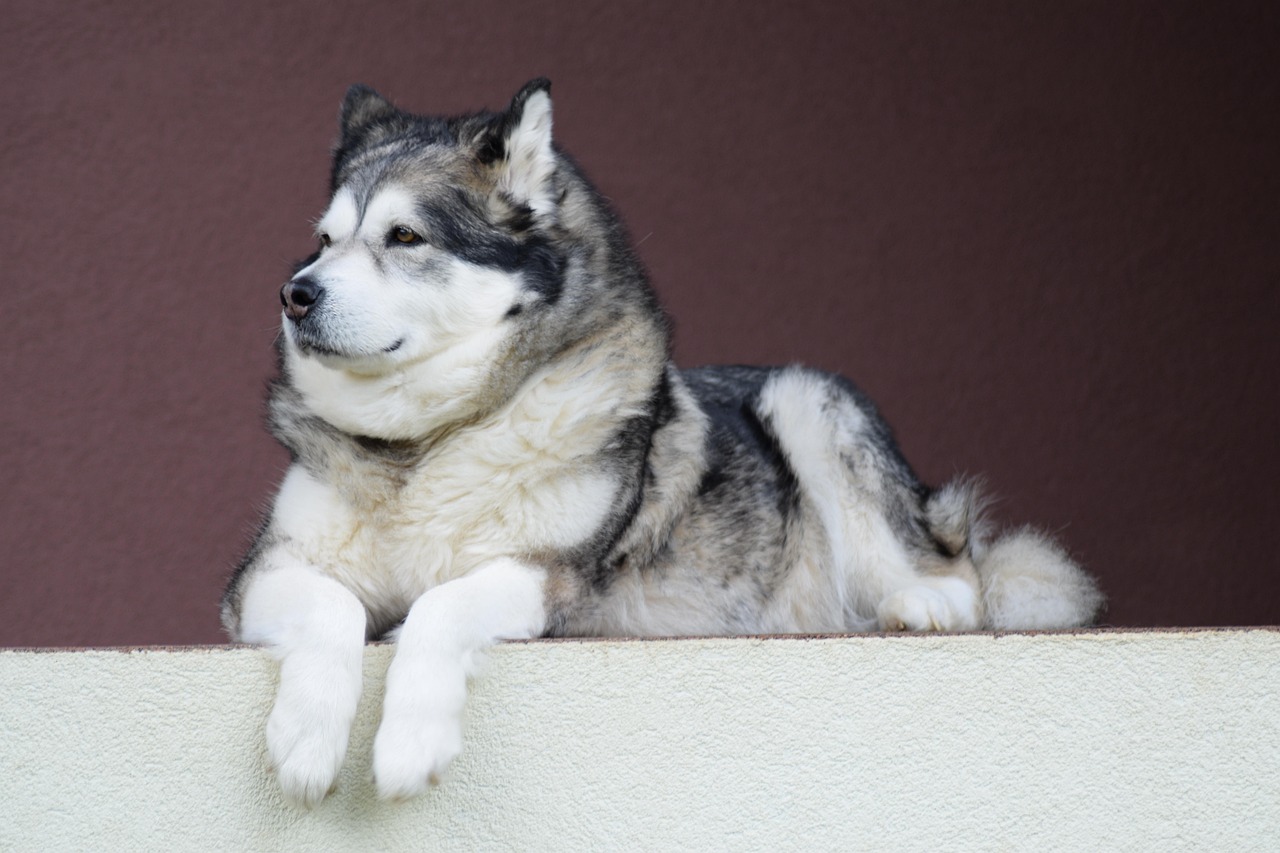
This handsome breed is powerful and hardworking, with many working as sled dogs in Alaska. They’re known for their dominance, strong pack mentality, and independent streak. Malamutes can be great family dogs, but they’re not motivated to please humans in the same way other breeds can be, so they need extra training and socialization. The Alaskan Malamute is bred for hard work and needs a strong leader to prevent them from misbehaving. They will guard this one companion with their life, but they will remain aloof around strangers.
Their loyalty is to the pack structure rather than individual emotional needs. Teaching them empathy means establishing yourself as the pack leader first, then gradually introducing emotional responsiveness training.
These five less empathetic breeds aren’t heartless; they simply weren’t bred to prioritize human emotions. While some dogs may be more naturally attuned, all puppies can build emotional intelligence through training and positive social experiences. The key is understanding that developing empathy in these breeds requires intentional effort, early socialization, and consistent training. Some owners believe that with the right training and early socialisation, you can expect them to showcase better behaviour. You can turn a shy and emotionally distant dog into an affectionate one. Socialisation is necessary to ensure this transformation, especially at a young age.
The difference between naturally empathetic dogs and those that need training isn’t about capacity for love. It’s about instinctive response versus learned behavior. With patience and dedication, even the most aloof breeds can learn to recognize and respond to human emotions. What makes you think about your own dog’s empathy level?


