Have you ever wondered what your dog is trying to tell you when they bark, howl, or whine? Some dogs just can’t keep quiet, filling the house with their opinions, excitement, and sometimes hilarious commentary on the world. For dog lovers, these chatty canines bring a lively soundtrack to everyday life. But what’s really behind all that noise? Let’s dive into the world of the most talkative dog breeds and discover what they’re trying to say!
Siberian Husky: The Drama Queen of the Dog World
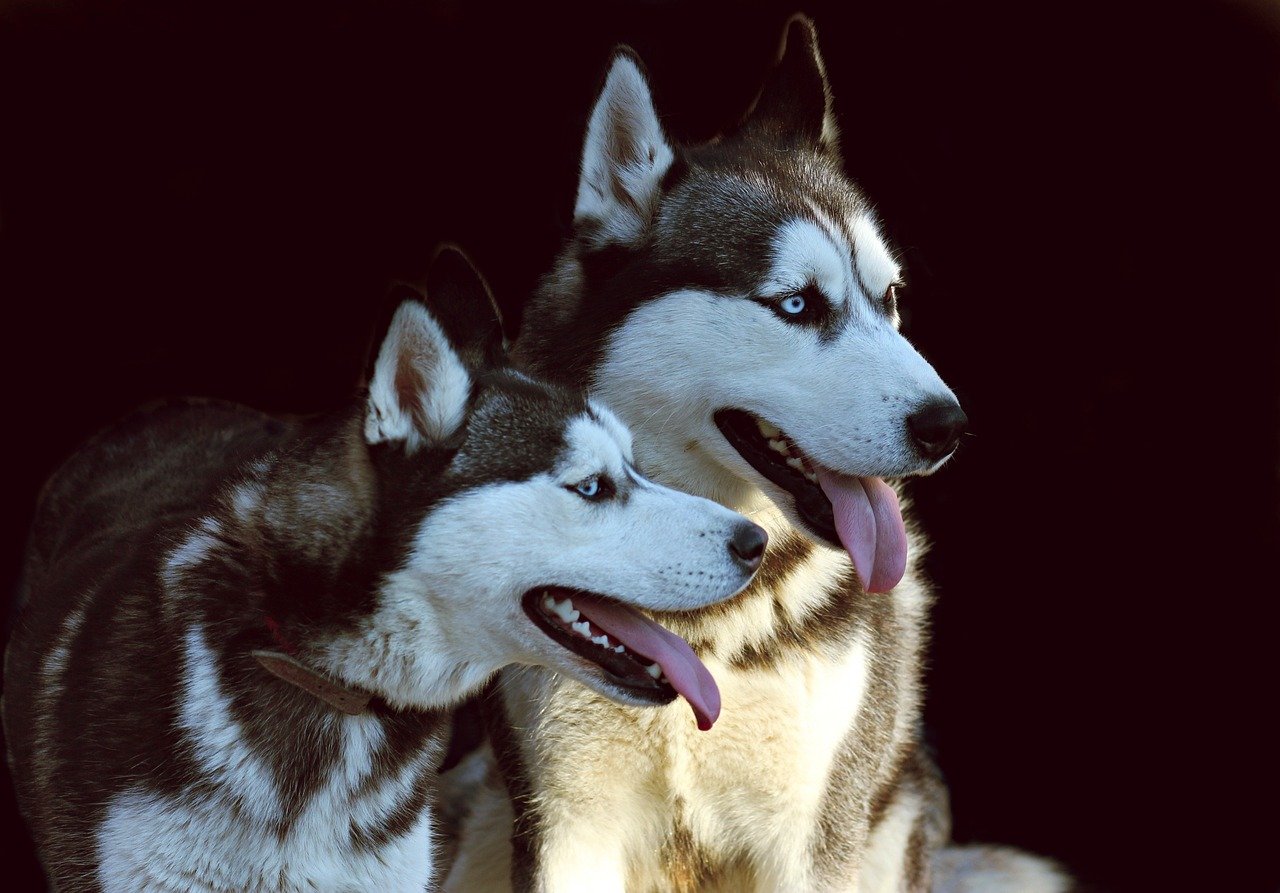
Siberian Huskies are famous for their stunning looks and even more so for their talkative nature. These dogs don’t just bark—they howl, yodel, and make a variety of quirky sounds. It’s almost like they’re trying to hold a conversation with you! Huskies often “talk back” when you give them instructions, expressing their excitement, frustration, or even their sense of humor. They’ll howl when they’re bored, sing along with sirens, or chatter away for attention. Living with a Husky means embracing constant, often hilarious vocal performances. Their expressive nature means they’re saying, “I have something to add to this conversation!”
Beagle: The Curious Commentator
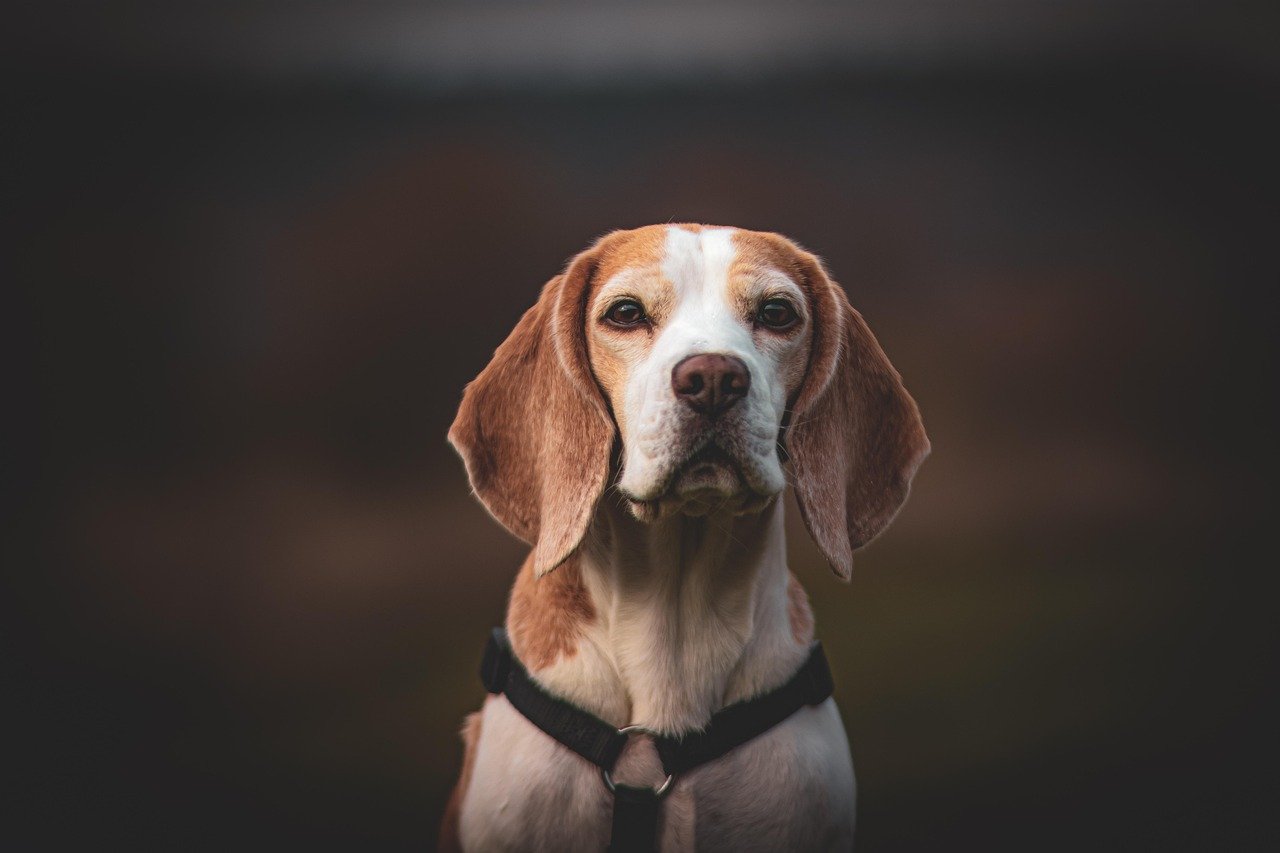
Beagles have a distinctive baying bark that can be heard from quite a distance. Originally bred for hunting, their voices were meant to alert their humans to interesting scents or prey nearby. At home, this means a Beagle may bark at the mailman, howl at passing cars, or whine when they want to play. Their voices are full of curiosity, always eager to share their discoveries. Whether it’s a new smell or an unfamiliar sound, your Beagle will make sure you know about it. For Beagle owners, every day is a lively exchange of thoughts and barks.
Yorkshire Terrier: The Tiny Town Crier
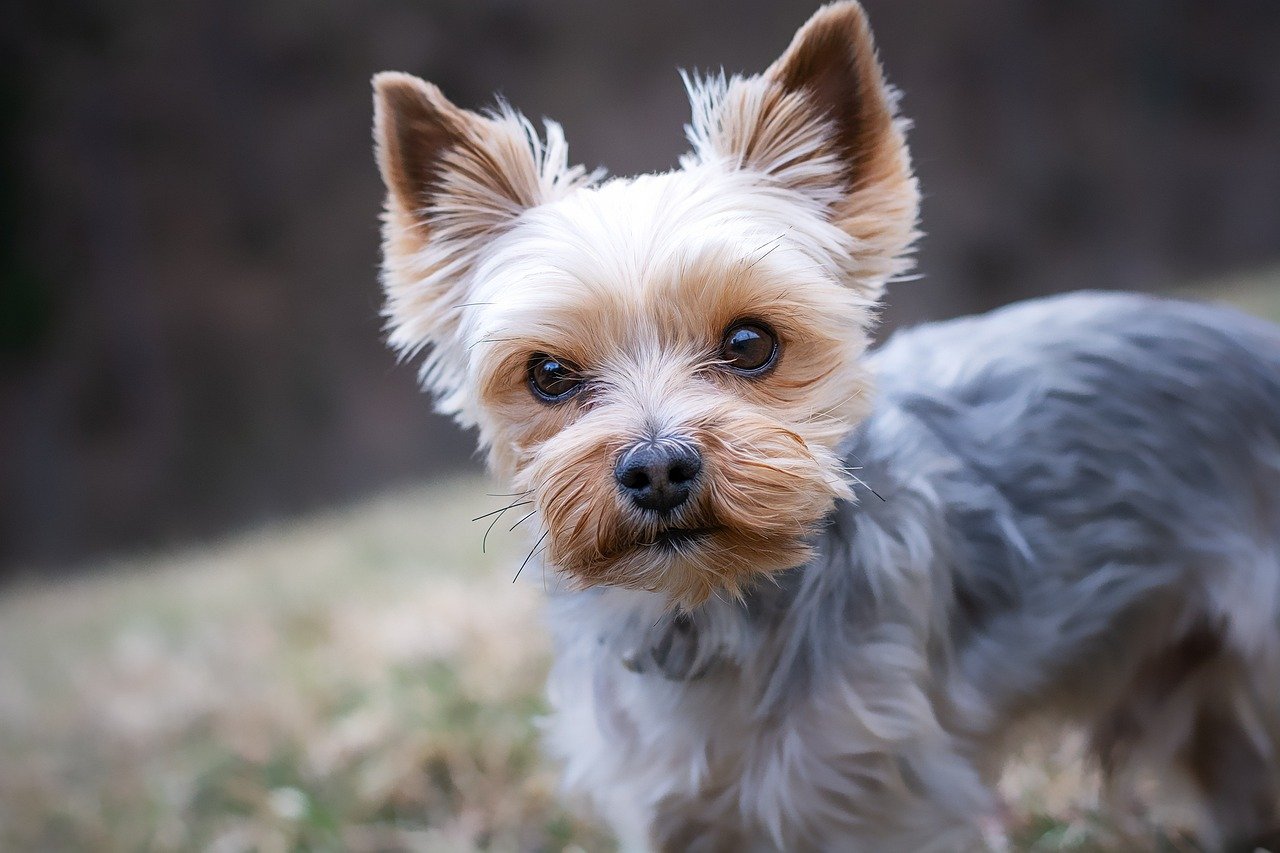
Don’t let their small size fool you—Yorkshire Terriers have big personalities and even bigger voices. These little dogs are fiercely loyal and love to alert their families to anything unusual. Whether someone is at the door or another animal walks by the window, your Yorkie will let you know. Their high-pitched barks are impossible to ignore, and they often use them to demand attention or express excitement. With a Yorkie, it feels like you have a pint-sized security guard who takes their job very seriously.
Pomeranian: The Fluffy Alarm Bell
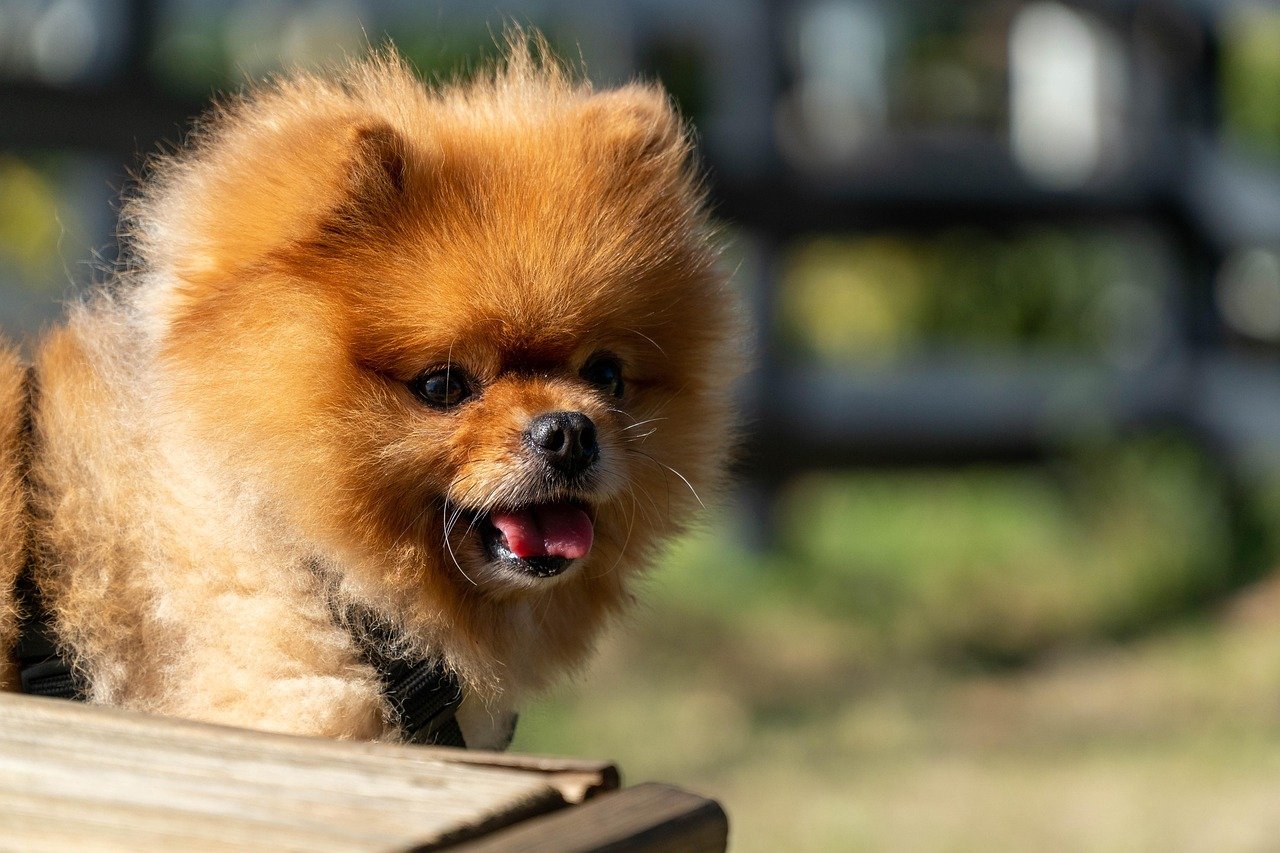
Pomeranians are known for their fluffy coats and vibrant personalities, but they’re also one of the most vocal breeds. These dogs have a wide range of sounds, from sharp barks to cute grumbles. Pomeranians use their voices to communicate everything from joy to suspicion. If they hear a strange noise or see something unfamiliar, expect a flurry of barking. They’re always eager to “talk” about what’s happening around them, making them both entertaining and vigilant companions.
Miniature Schnauzer: The Spirited Storyteller
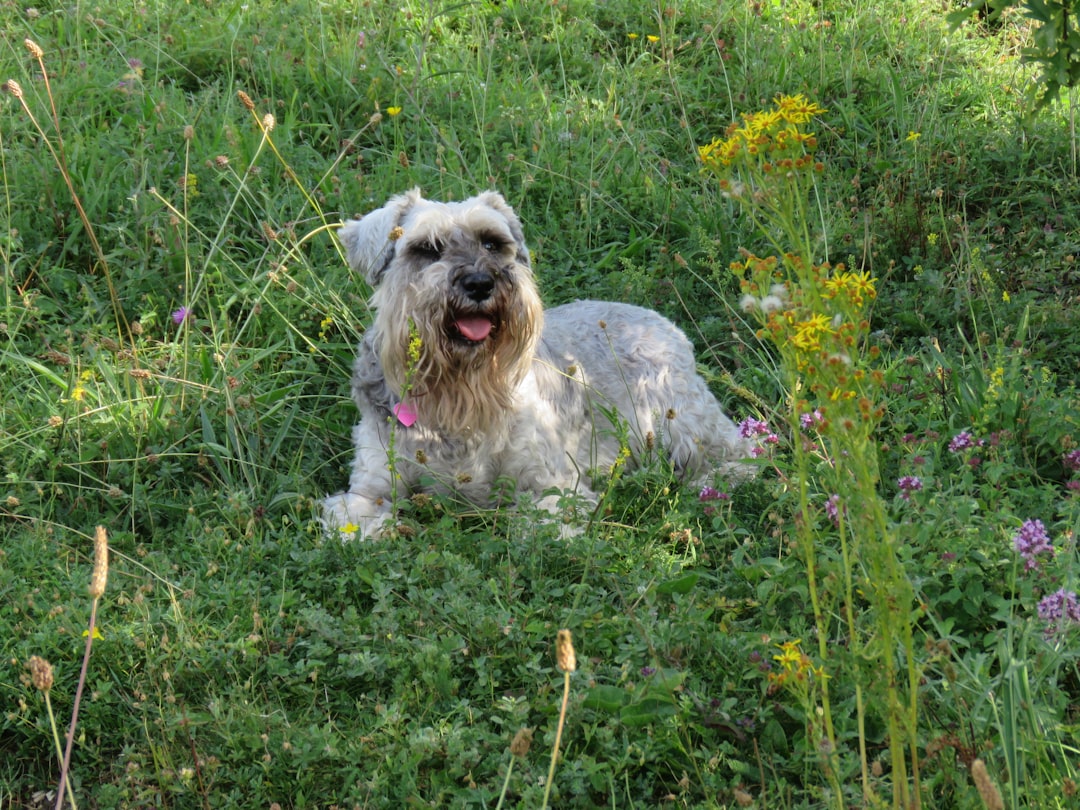
Miniature Schnauzers are lively, intelligent, and always up for a chat. Their barking is sharp and persistent, often used to get your attention or warn of visitors. These dogs are keenly aware of their environment, and they don’t hesitate to voice their opinions. Whether they’re excited about a walk or concerned about a new sound in the house, Schnauzers make sure you’re always in the loop. Their expressive faces and energetic barks create a constant dialogue between dog and owner.
Chihuahua: The Little Dog With a Lot to Say
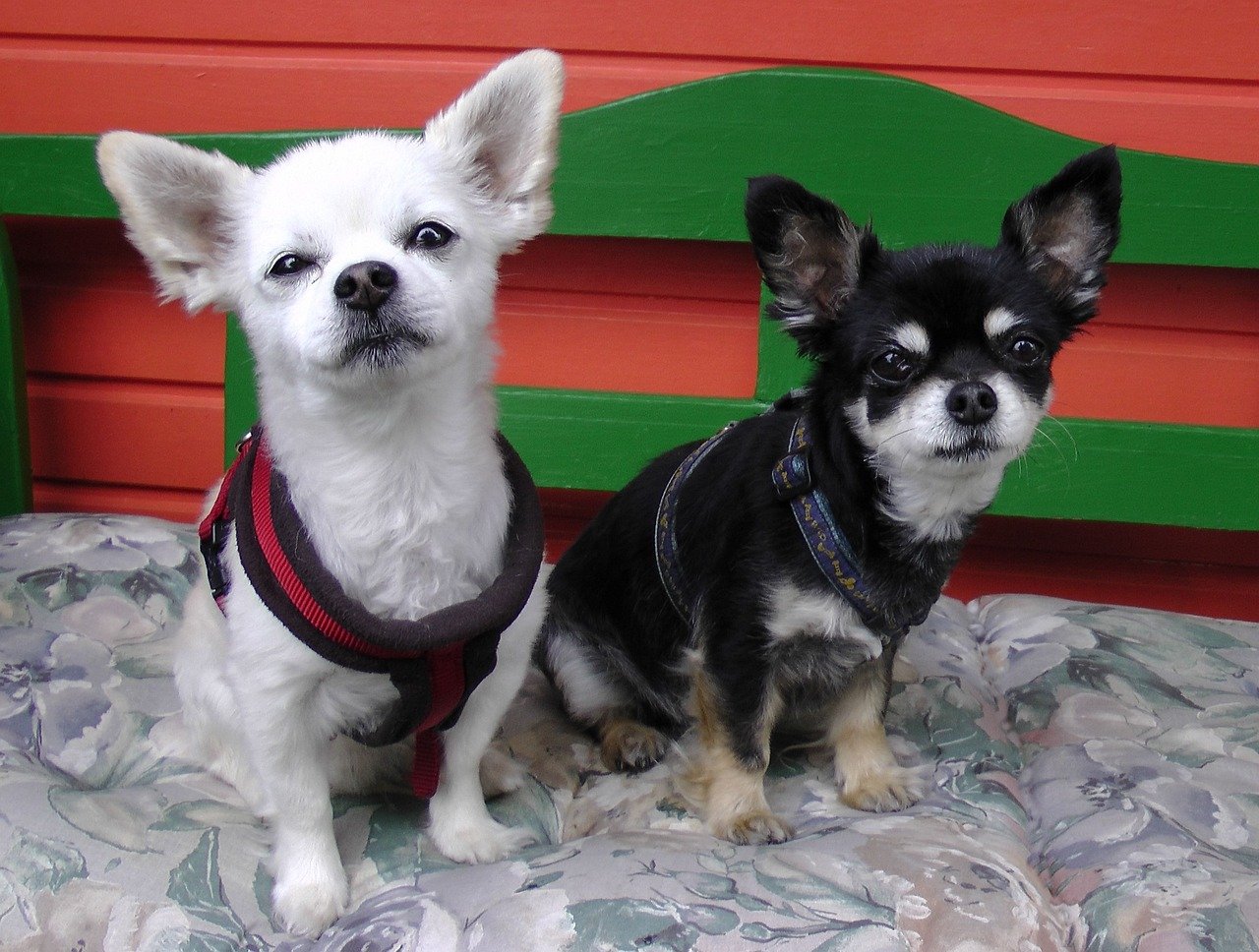
Chihuahuas may be tiny, but their voices are anything but small. These dogs are bold and confident, often barking to express excitement, fear, or protectiveness. Chihuahuas will bark at strangers, other animals, or even just to get your attention. Their talkative nature makes them excellent watchdogs, despite their size. For many, a Chihuahua’s chatter is both endearing and a little bit comical, adding a spark of personality to every moment.
Australian Shepherd: The Herding Chatterbox
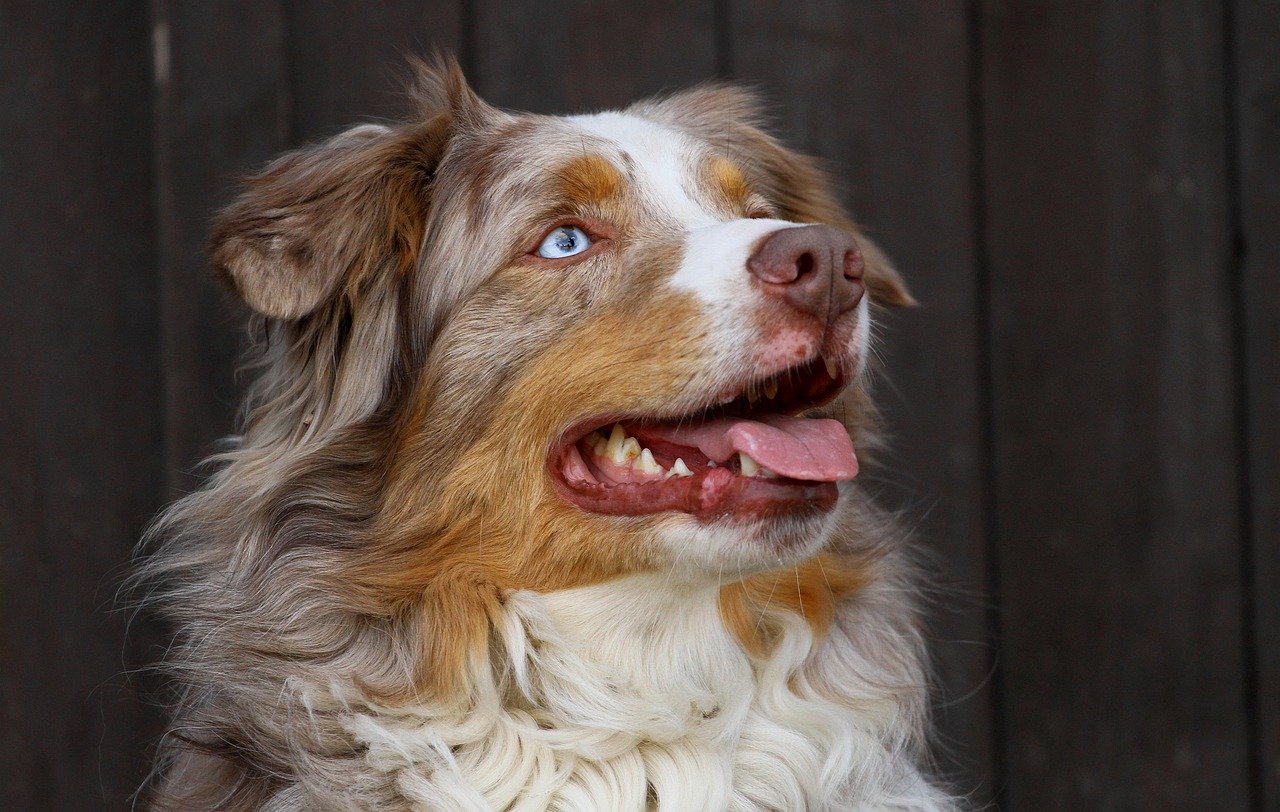
Australian Shepherds are energetic, intelligent, and love to be involved in every family activity. They use their voices to communicate excitement, eagerness, or sometimes impatience. Aussies are known for barking when herding, playing, or simply trying to direct their humans. If something interesting is happening, you can bet your Aussie will have something to say about it. Their talkative nature reflects their working background, always alert and ready to communicate.
Sheltie (Shetland Sheepdog): The Vocal Guardian
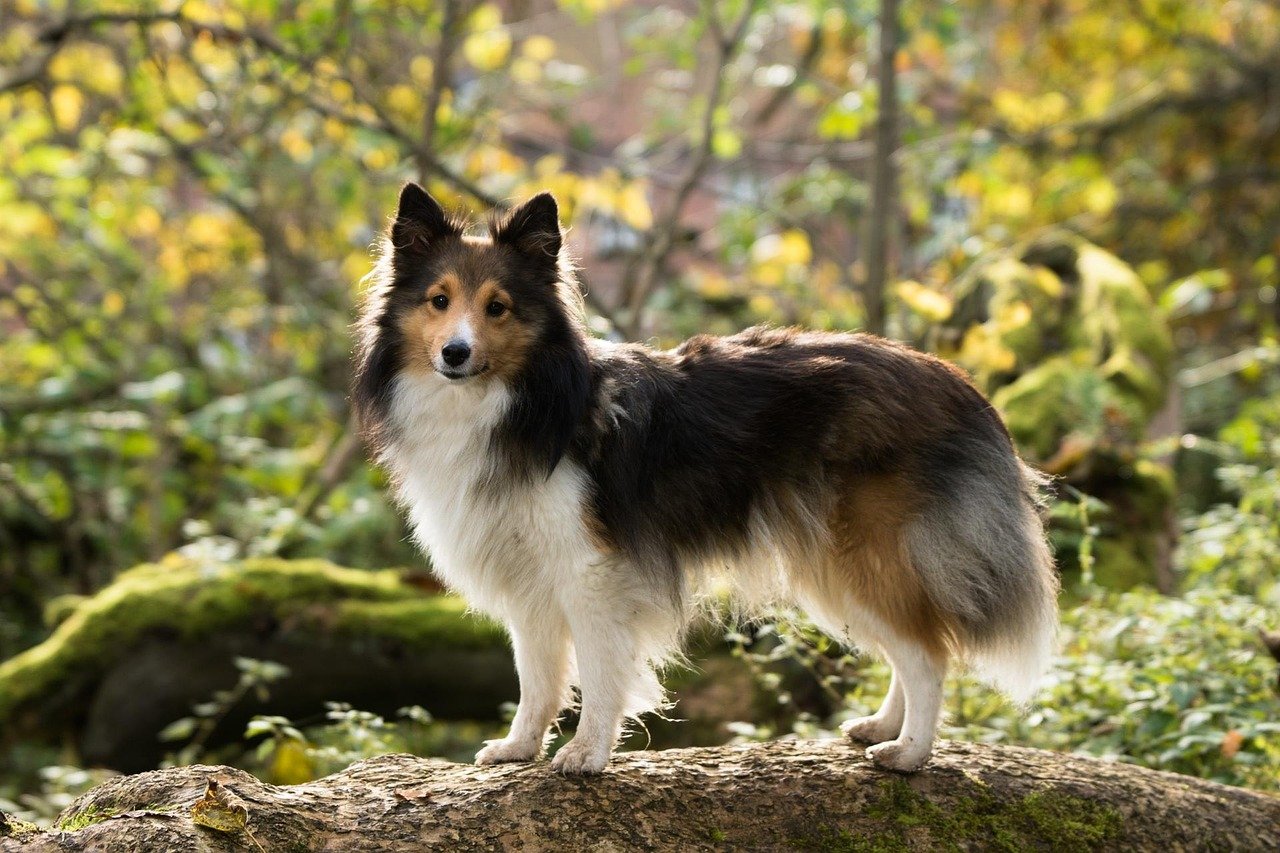
Shelties are often described as the “barkiest” of the herding breeds. Their sharp, insistent barks were once used to control livestock, but now they use them to alert their families to anything out of the ordinary. Shelties are highly sensitive and will bark at new people, animals, or noises. They’re passionate communicators, always eager to express their feelings and keep their loved ones informed. For Sheltie owners, silence is a rare luxury!
Basset Hound: The Melancholy Crooner
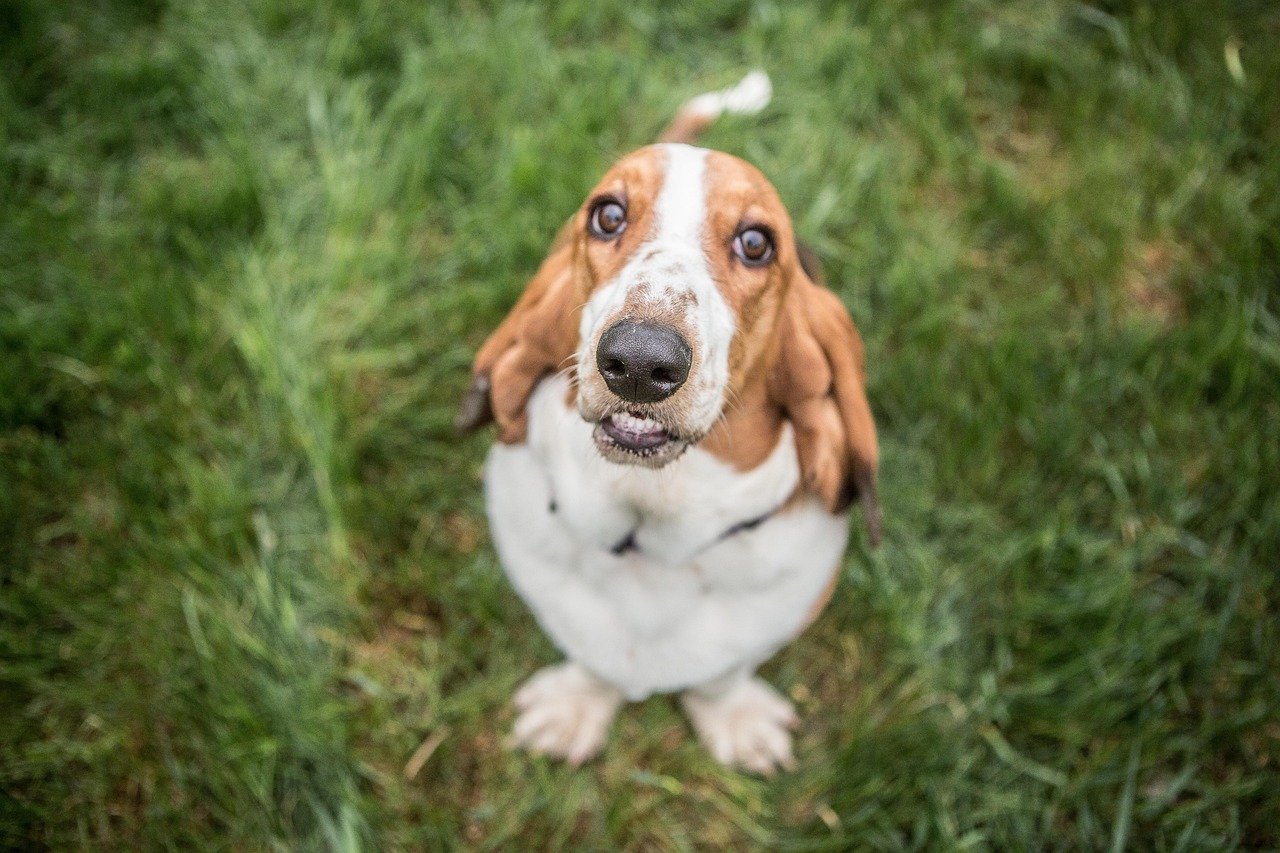
Basset Hounds have a distinctive, deep bay that’s impossible to miss. They may look sad and quiet, but these dogs have a powerful voice. Bassets use their vocal cords to express loneliness, hunger, or even boredom. Their long, drawn-out howls can sound almost musical, and they’re not afraid to use them to get attention. Living with a Basset means getting used to their soulful serenades, especially if they feel left out or want company.
German Shepherd: The Confident Communicator
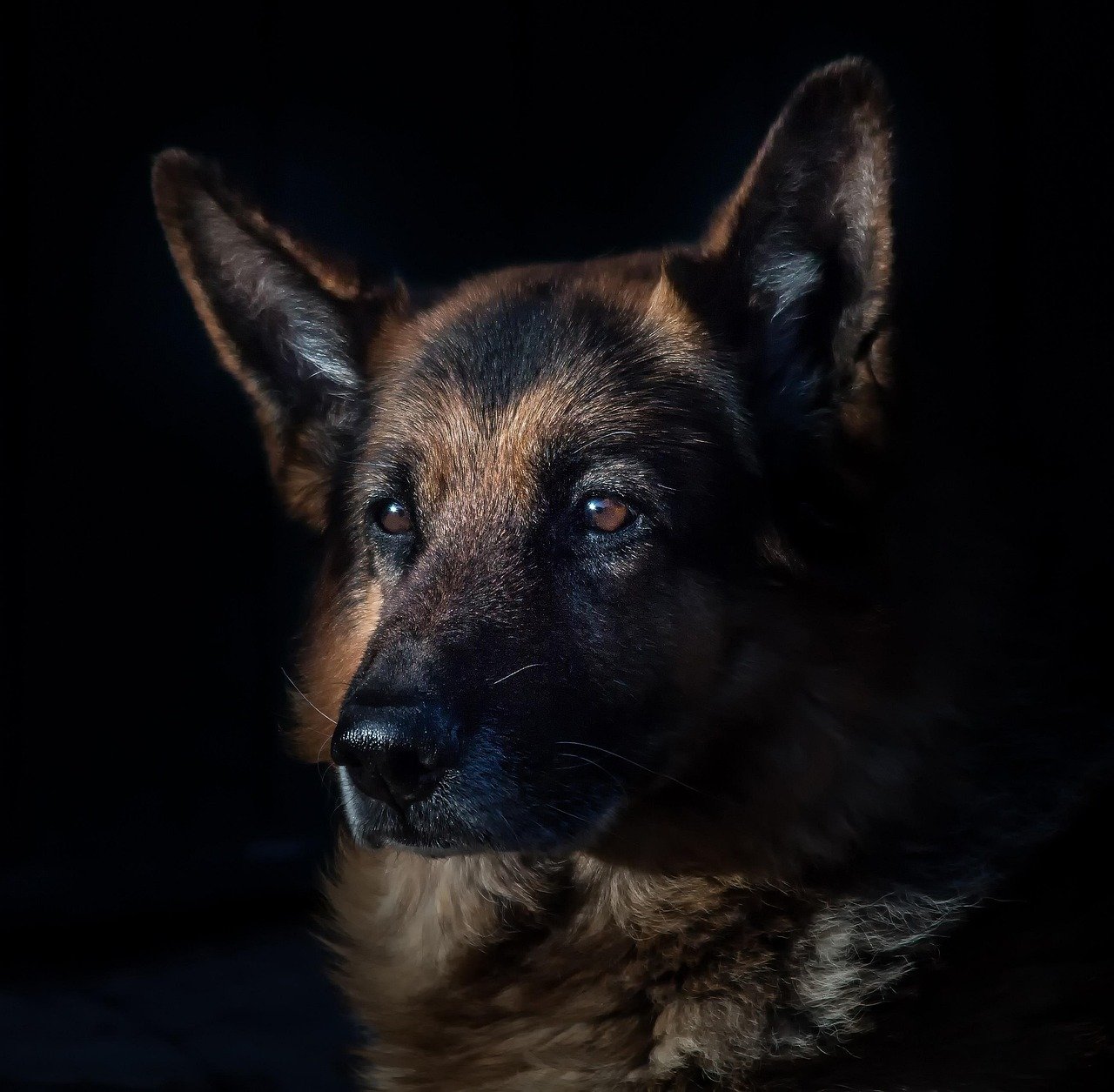
German Shepherds are known for their intelligence and loyalty, but they’re also quite talkative. These dogs use a variety of sounds—barks, whines, and even grumbles—to communicate with their owners. They’ll bark to alert you of strangers, whine when they’re excited, or grunt if they’re feeling stubborn. German Shepherds are always “talking” to their families, making their presence known and their opinions clear. Their expressive nature is one reason why they are such beloved companions.
Dachshund: The Persistent Commentator

Dachshunds are small but mighty, and their voices pack a punch. Originally bred to hunt badgers, these dogs have a loud, determined bark. They use it to alert their families to anything unusual or just to get attention. Dachshunds often bark when bored, excited, or even just for fun. Their persistence can be both charming and challenging, especially in a quiet household. Dachshund owners often find themselves in ongoing “conversations” with these determined little dogs.
Alaskan Malamute: The Friendly Howler
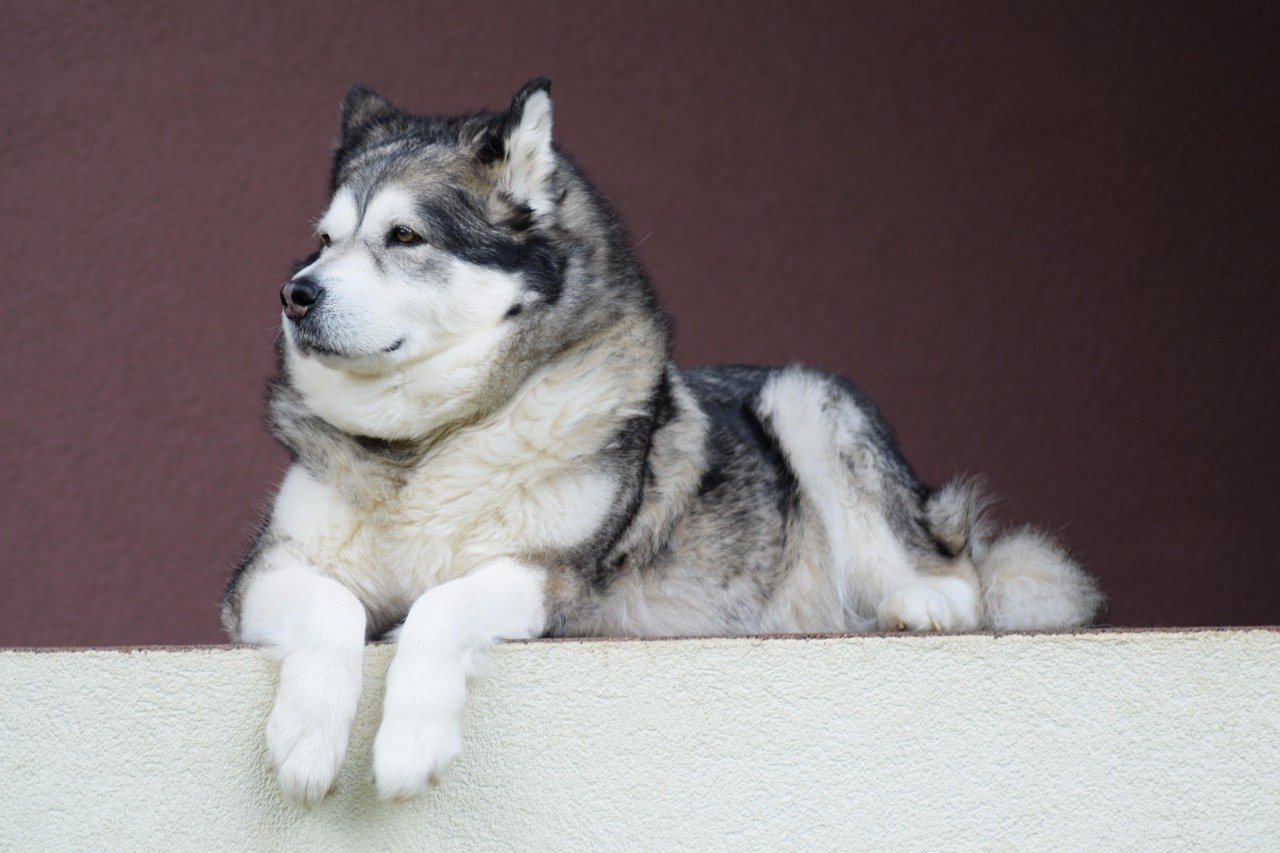
Alaskan Malamutes are big, powerful dogs with even bigger voices. Unlike some breeds, Malamutes don’t bark much—they prefer to howl. Their howls are long, melodic, and can be surprisingly loud. Malamutes use their howls to communicate with their pack, whether canine or human. They’ll “talk” when they’re happy, bored, or just want to join in with the neighborhood sounds. Living with a Malamute means embracing their wolf-like serenades.
Samoyed: The Smiling Chatterbox
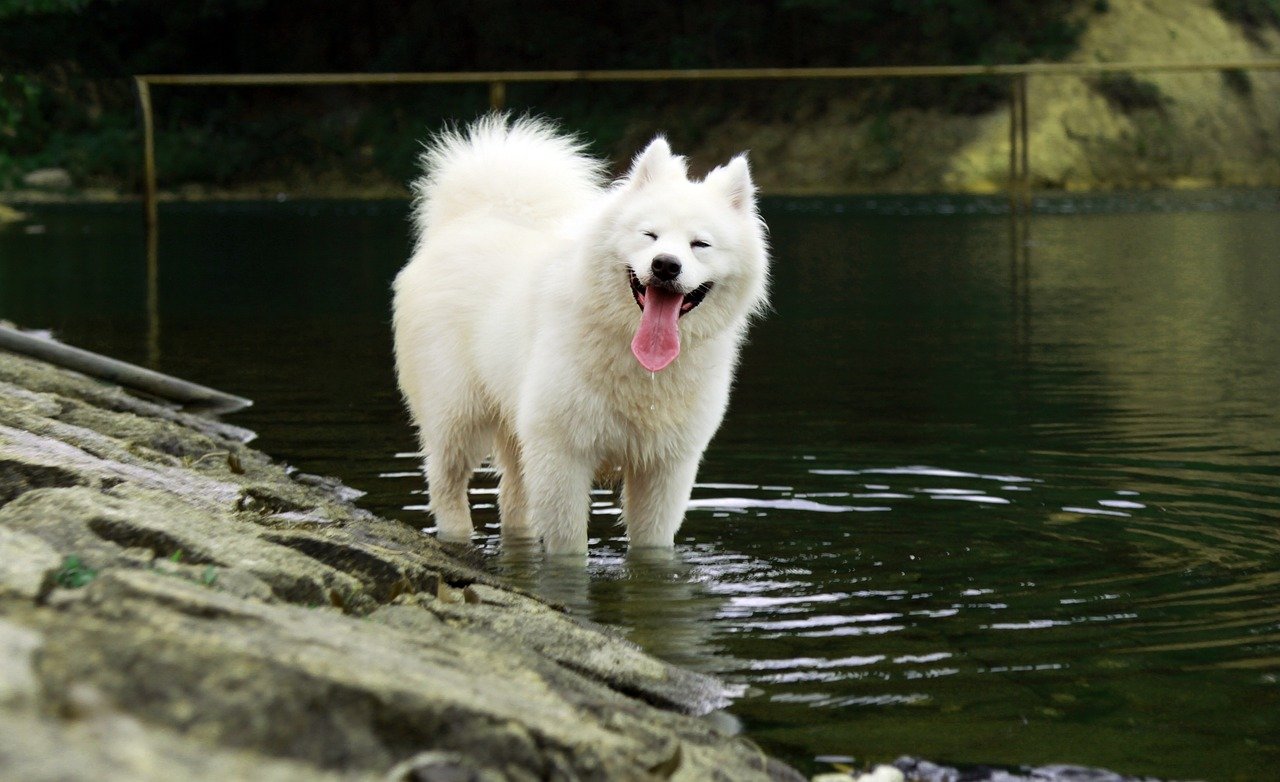
Samoyeds are famous for their “Sammy smile,” but they’re also known for being extremely vocal. These dogs love to express themselves through a variety of barks, howls, and even “talking” noises that almost sound like human words. Samoyeds are social animals, using their voices to greet people, express excitement, or ask for attention. Their cheerful chatter can brighten up any home, making every day feel a little more joyful.
American Eskimo Dog: The Happy Announcer
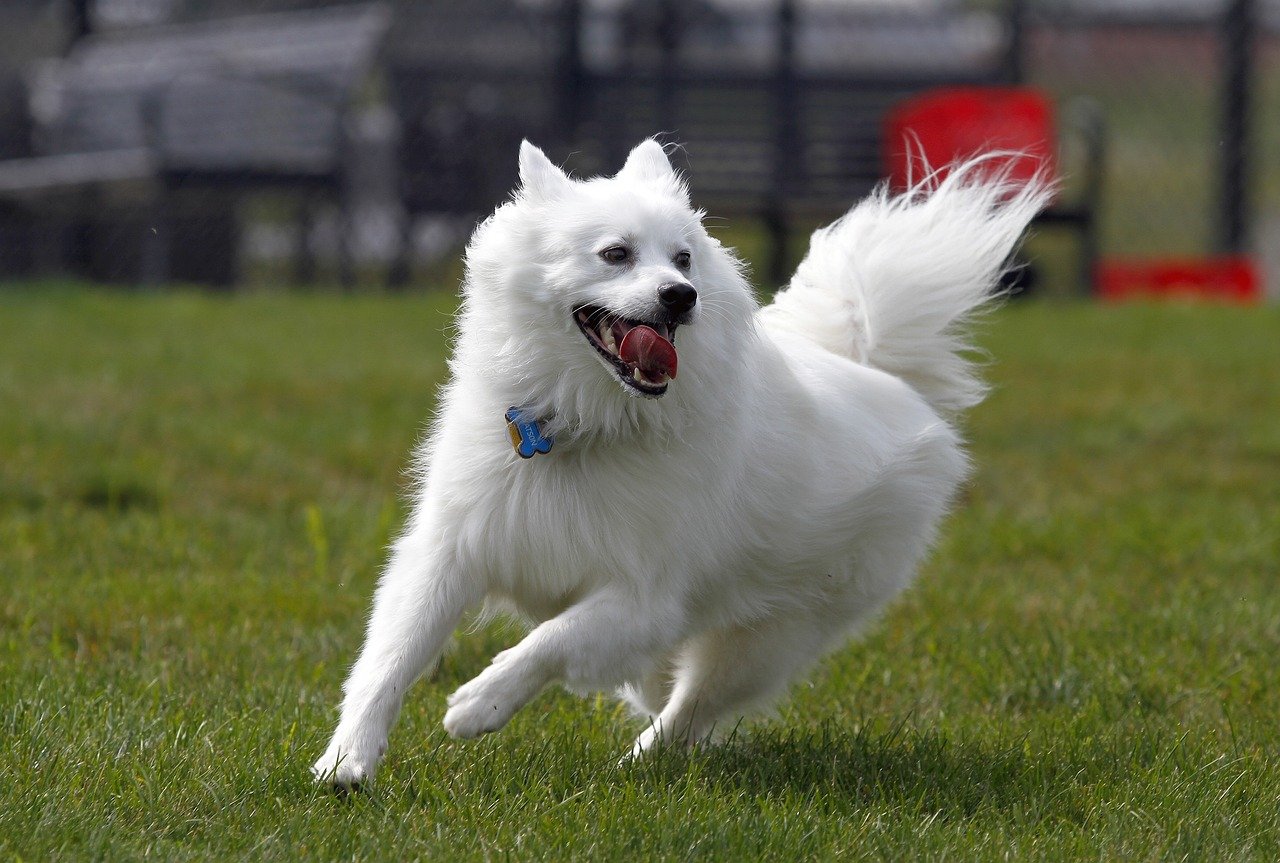
American Eskimo Dogs are energetic, playful, and absolutely love to “talk.” These dogs bark to announce visitors, warn of strange noises, or just share their excitement. Their voices are high-pitched and enthusiastic, often urging their family to join in the fun. Eskies thrive on interaction, and their vocalizations are just another way they show how much they care. Owners of these dogs quickly learn to “read” the different tones and pitches in their barks.
Border Collie: The Intelligent Conversationalist
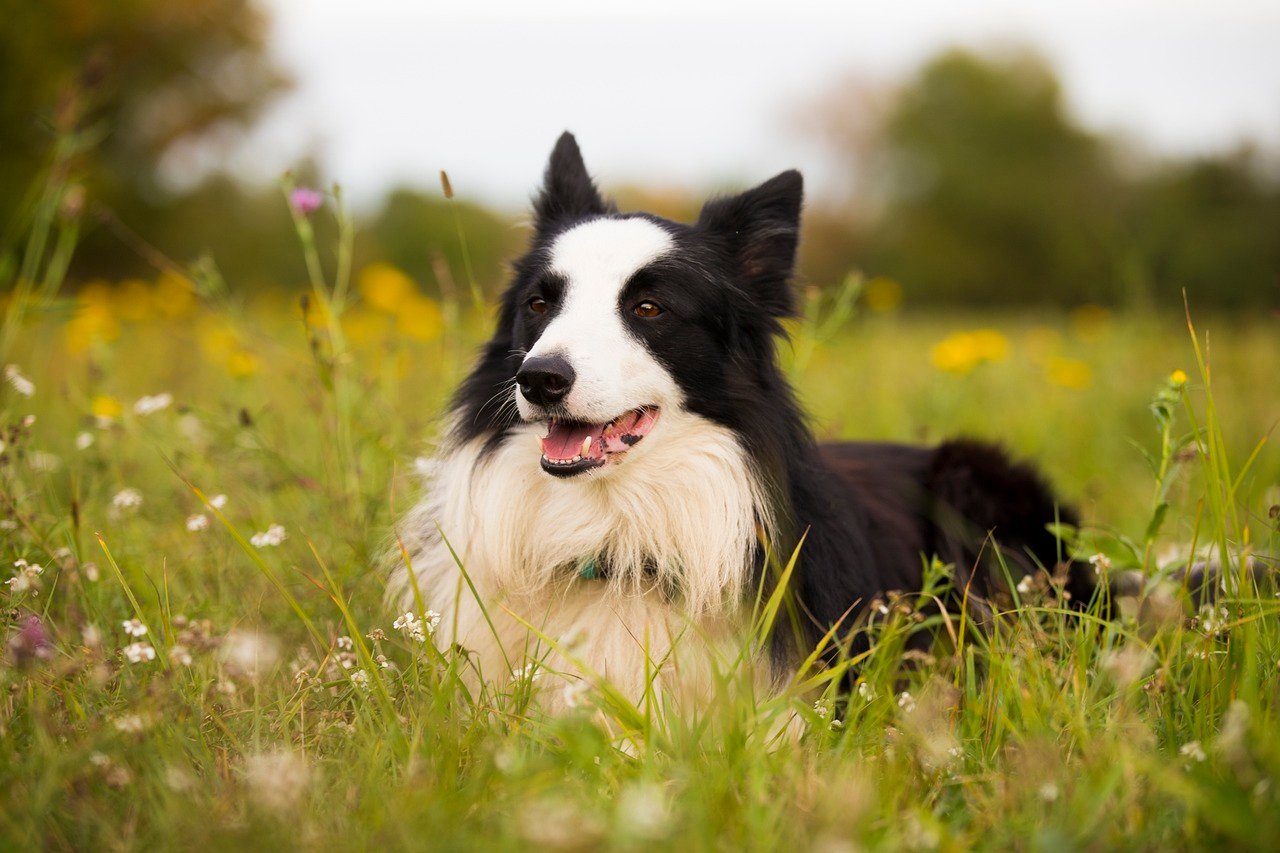
Border Collies are widely considered the smartest dog breed, and they use their intelligence to communicate in creative ways. While not always the loudest barkers, they use a combination of barks, whines, and body language to “talk” to their humans. Border Collies will bark to alert you of something important, whine when they want to play, or use their eyes and posture to make their wishes known. Their communication style is complex and nuanced, making them fascinating companions for those who love a good conversation.
Corgi: The Playful Announcer
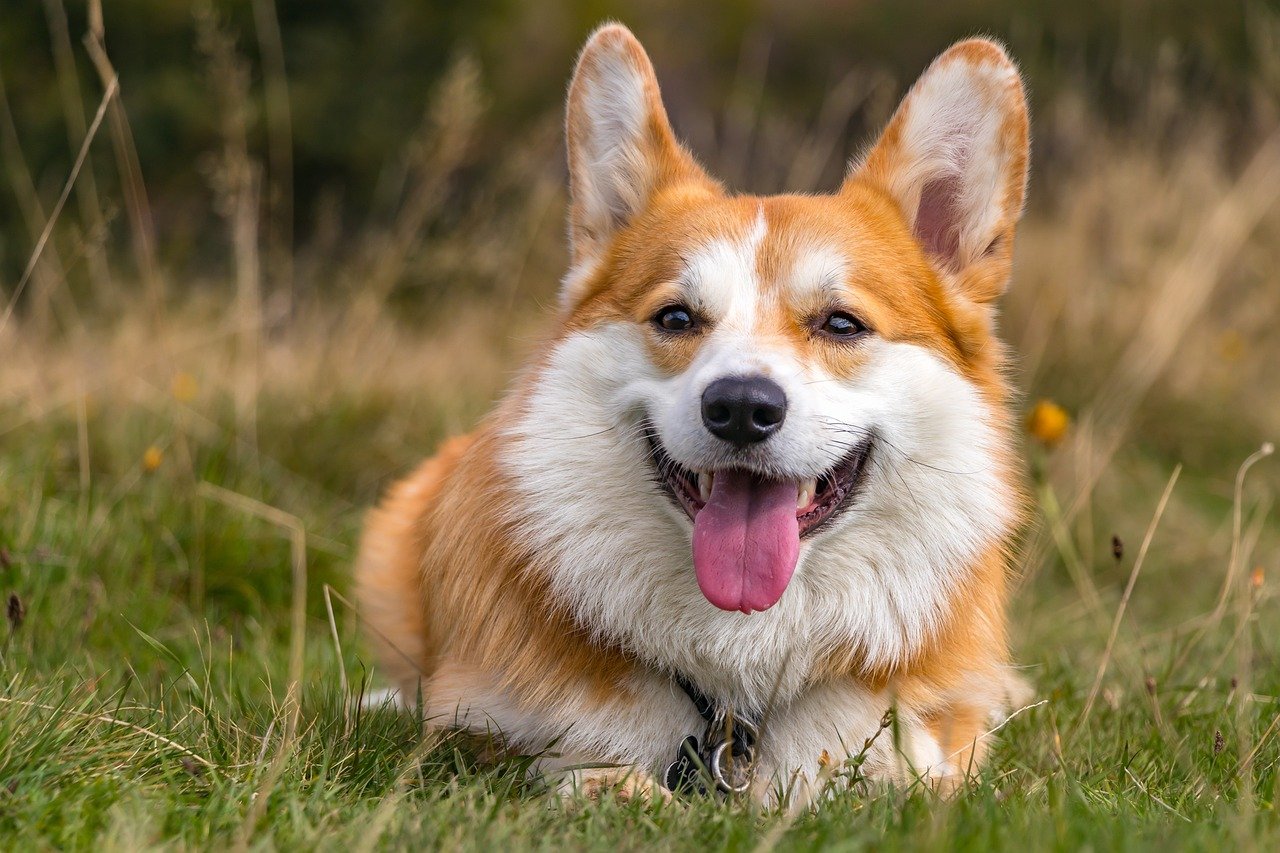
Corgis may be short in stature, but they have plenty to say. Whether it’s barking at the doorbell, “talking” during playtime, or grumbling when they want more treats, Corgis are always eager to share their opinions. Their playful voices reflect their fun-loving personalities, making them delightful companions. Corgi owners often find themselves laughing at their dogs’ dramatic announcements and expressive vocalizations.
Buy Website Backlinks
Tuesday 21st of October 2025
Aw, this was a very nice post. In concept I wish to put in writing like this additionally – taking time and precise effort to make a very good article… however what can I say… I procrastinate alot and in no way seem to get one thing done.