
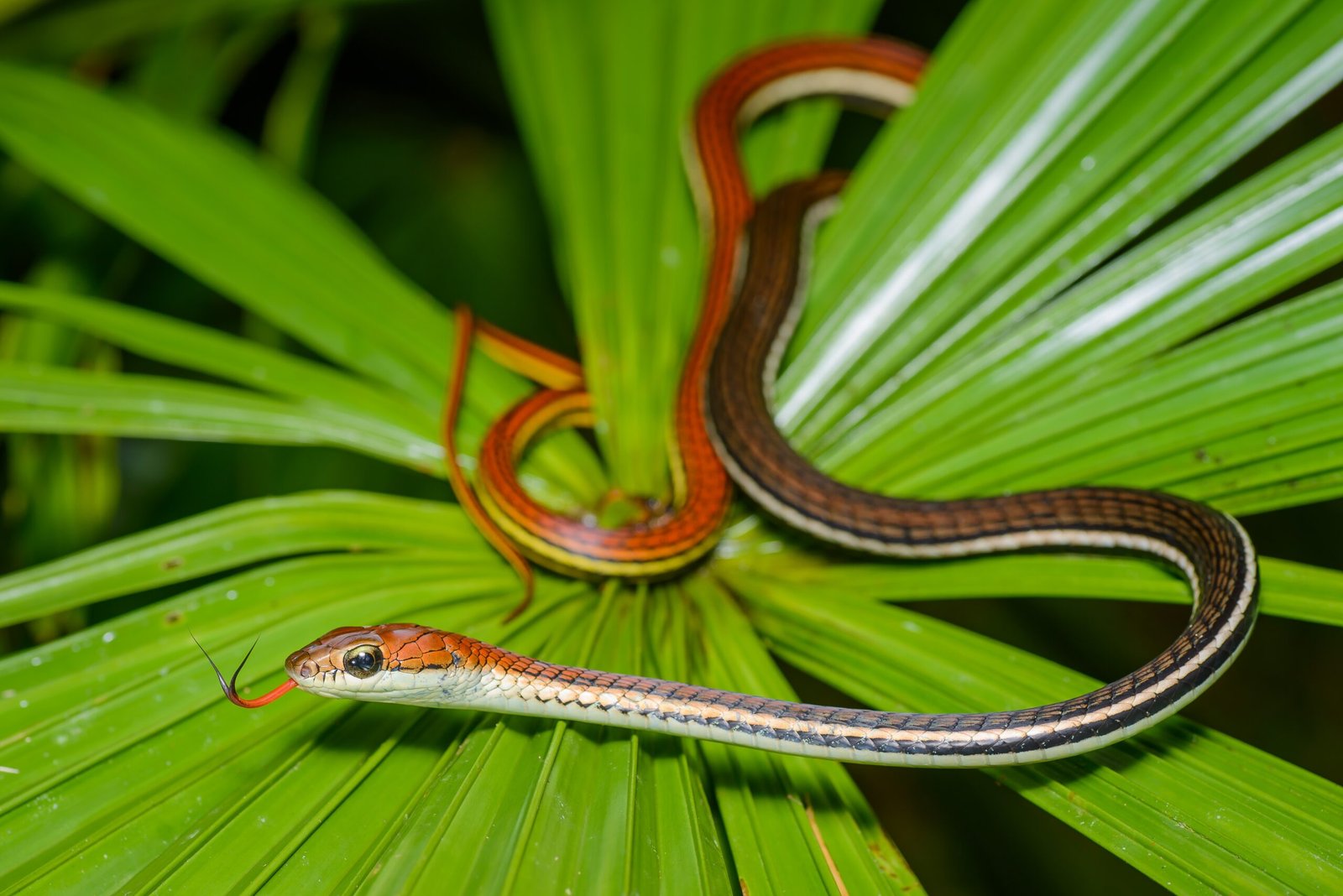
Have you ever been mesmerized by the hypnotic beauty of a snake’s scales? There’s something almost magical about the way colors and shapes twist and shimmer across a snake’s body. For many snake enthusiasts, it’s not just the mystery of these creatures that captivates them, but also the breathtaking patterns that make each breed so special. From dazzling zigzags to intricate mosaics, the world of snake patterns is a gallery of living art. Let’s take a closer look at the most unique and jaw-dropping patterns found in snake breeds—prepare to be amazed by nature’s creativity!
Snakes come in a stunning array of colors and patterns that rival the beauty of any wild creature. From the hypnotic saddles of the Corn Snake to the bold geometric shapes on a Ball Python, these patterns are more than just eye-catching—they serve as camouflage in the wild. Some snakes even shift shades depending on mood or temperature! Each breed tells a visual story through its scales, making them a favorite among reptile lovers. If you’re drawn to the exotic and the extraordinary, these uniquely patterned snakes will absolutely fascinate you.
Diamondback: Nature’s Living Jewels
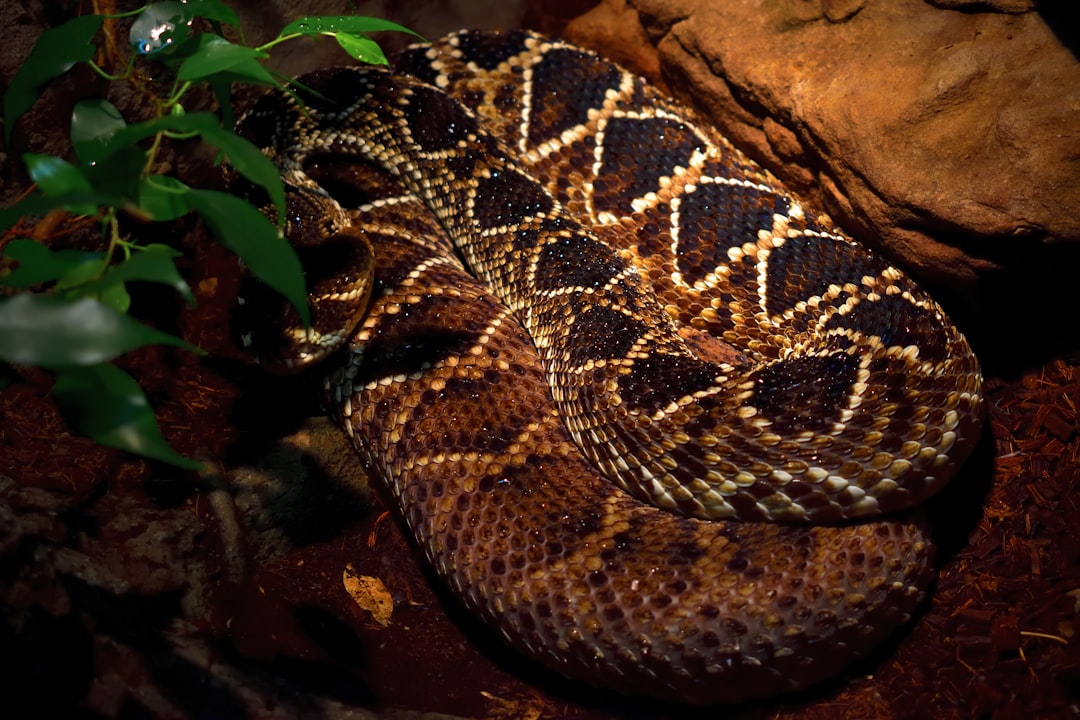
The diamondback pattern is one of the most recognizable and iconic in the snake world. Found most famously on rattlesnakes like the Western and Eastern Diamondbacks, this pattern features a series of bold, geometric diamonds running the length of the body. The sharp contrast between the dark outlines and lighter centers makes these snakes look almost as if they’re wearing a sparkling necklace. This pattern is not just beautiful—it also provides camouflage, allowing the snake to blend into rocky or sandy environments. Diamondbacks seem to shimmer in the sunlight, and their unique look often leaves onlookers in awe. It’s as if each snake is a moving piece of jewelry, crafted by nature with incredible precision. For many, seeing a diamondback in person is an unforgettable experience.
Banded Patterns: Classic Elegance
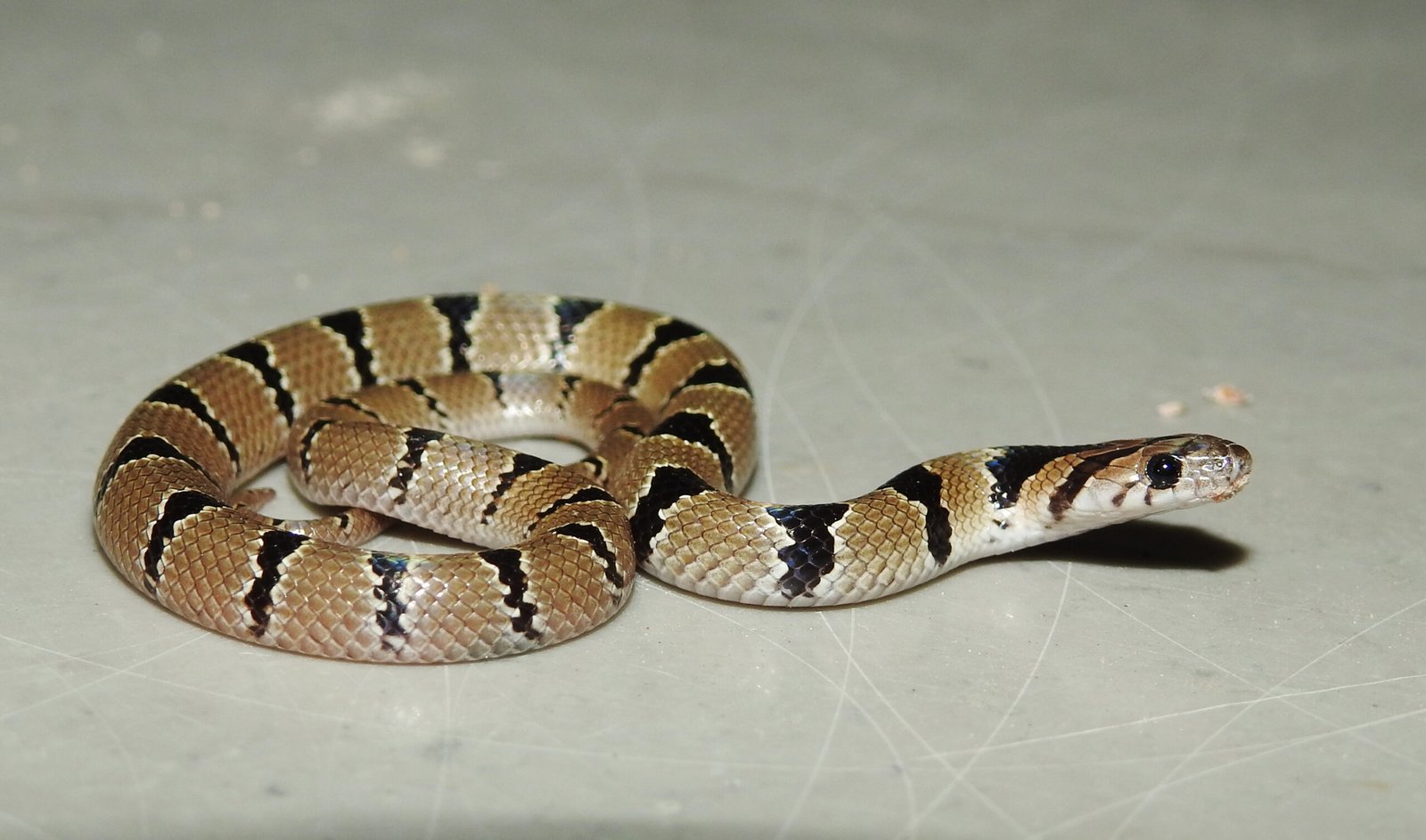
Banded patterns are another striking example of nature’s artistry. These patterns consist of alternating rings or bands—often in vivid colors like black, red, white, or yellow—that wrap around the snake’s body. Kingsnakes, coral snakes, and milk snakes are famous for their banded appearances. The contrast between the bands can be so sharp that it looks almost painted on. Interestingly, some harmless snakes mimic the banded patterns of their venomous cousins to ward off predators, a clever trick known as Batesian mimicry. The rhythm and regularity of these bands give the snakes a sense of order and sophistication, almost like a designer accessory. It’s hard not to be captivated by the bold beauty of a banded snake.
Speckled and Spotted: Dots That Dazzle
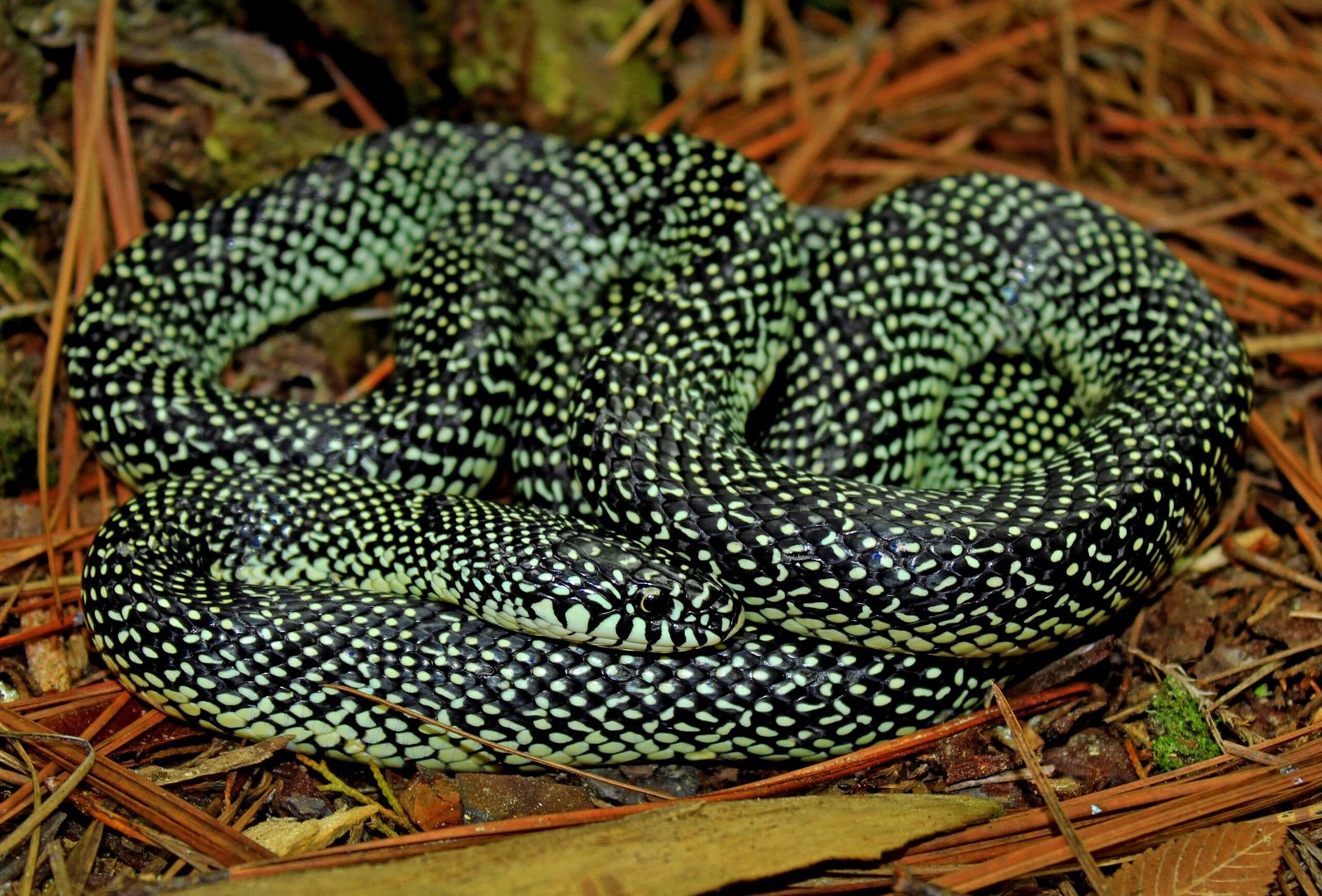
Speckled and spotted patterns turn snakes into moving constellations. Species like the Speckled Kingsnake and the Spotted Python are covered in tiny, irregular dots or spots that create a starry effect. These patterns help break up the outline of the snake, making it harder for predators to spot them. Each speckle or spot is unique, meaning no two snakes are exactly alike—almost like nature’s own fingerprint. The arrangement of the spots can sometimes appear random, yet together they form a harmonious pattern that’s both beautiful and practical. Spotting a speckled snake in the wild can feel like discovering a hidden treasure.
Striped Wonders: Racing Lines of the Reptile World
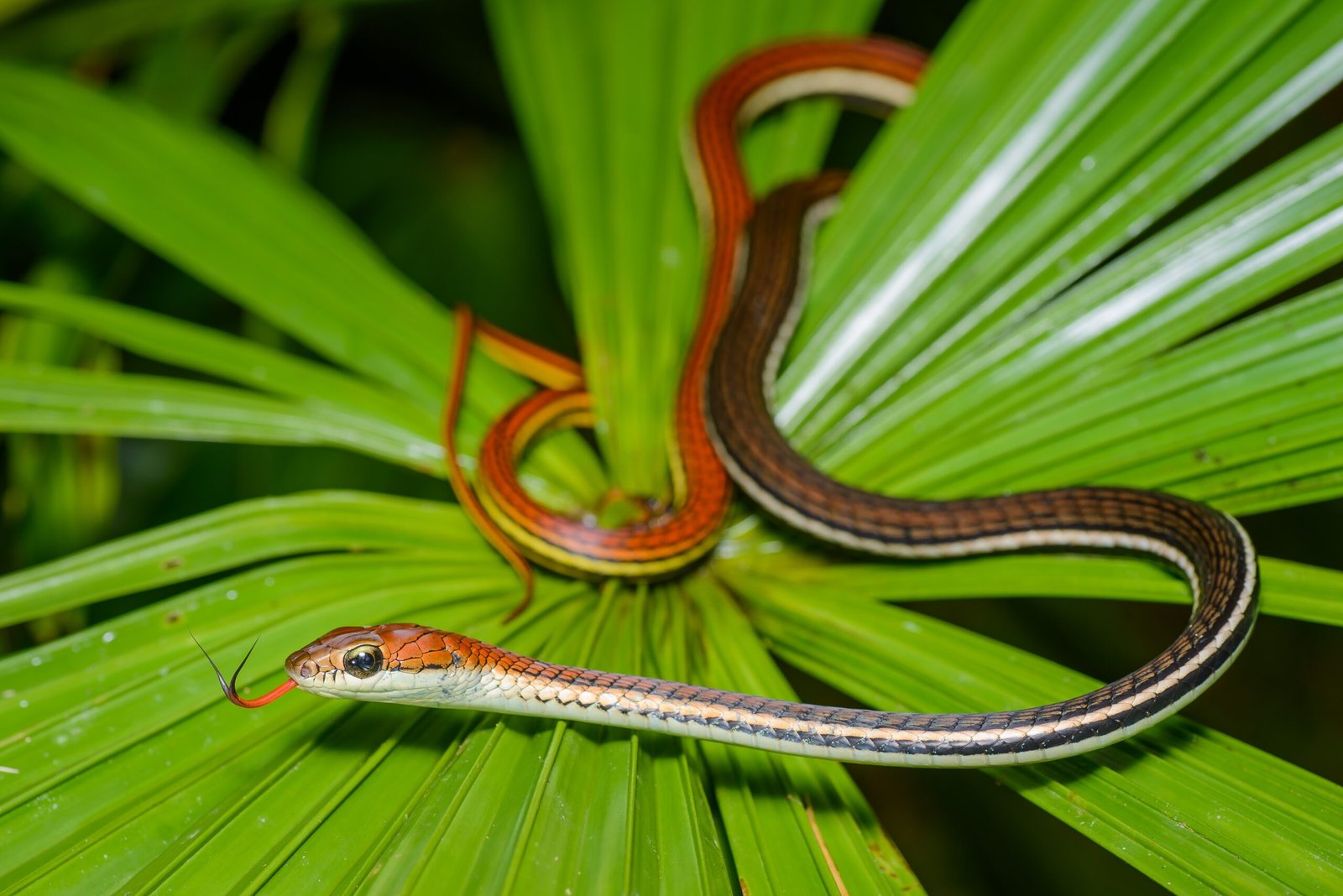
Striped snakes look as if they’ve donned racing stripes for speed and style. Garter snakes, ribbon snakes, and some pythons showcase longitudinal stripes that run from head to tail. These lines can be bold or subtle, but they always give the impression of movement, even when the snake is perfectly still. The purpose of stripes isn’t just for show; they help snakes blend into grassy environments and can even confuse predators by making it hard to judge the snake’s speed or direction. There’s something sporty and energetic about striped snakes, as if they’re always ready to dash off into adventure.
Blotched Beauties: Nature’s Abstract Art
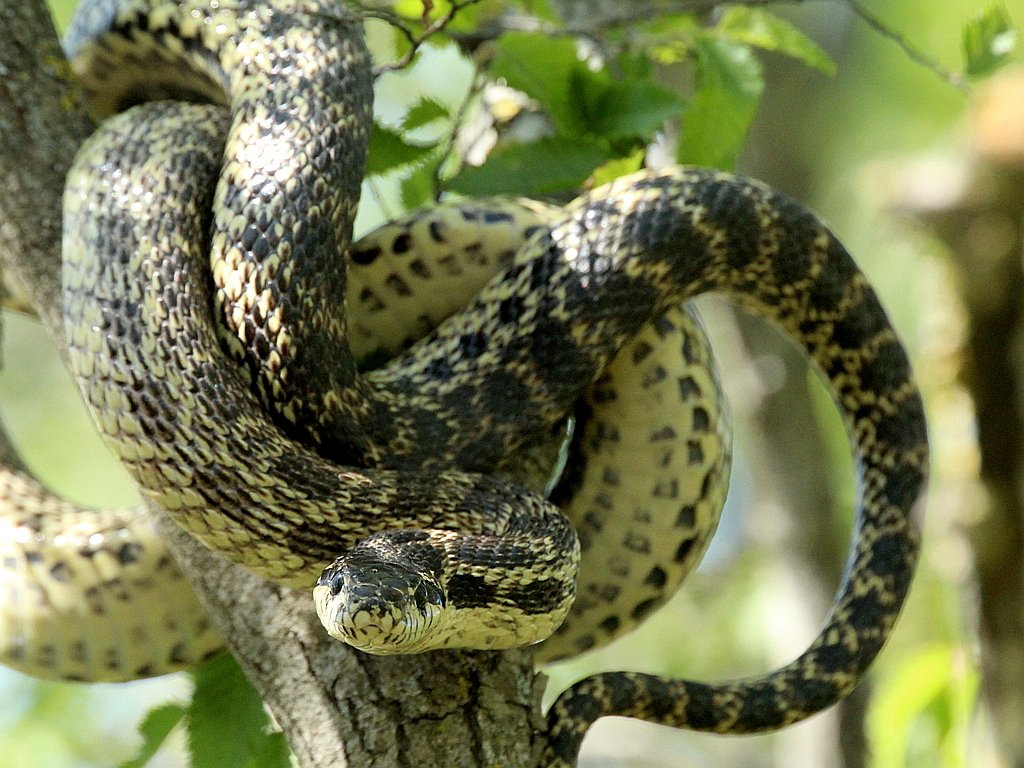
Blotched patterns are like abstract paintings splashed across a snake’s body. Boa constrictors, pythons, and corn snakes often display these irregular splotches or blotches in varying shades of brown, red, or gray. The shapes and sizes of the blotches are never exactly the same, giving each snake a one-of-a-kind appearance. These patterns help them disappear among leaves, rocks, or forest floors, making them masters of disguise. The randomness of the blotches creates a wild, untamed beauty that captures the essence of these fascinating reptiles. It’s as if each snake is wearing its own unique work of art.
Checkered Patterns: Chessboard Charm
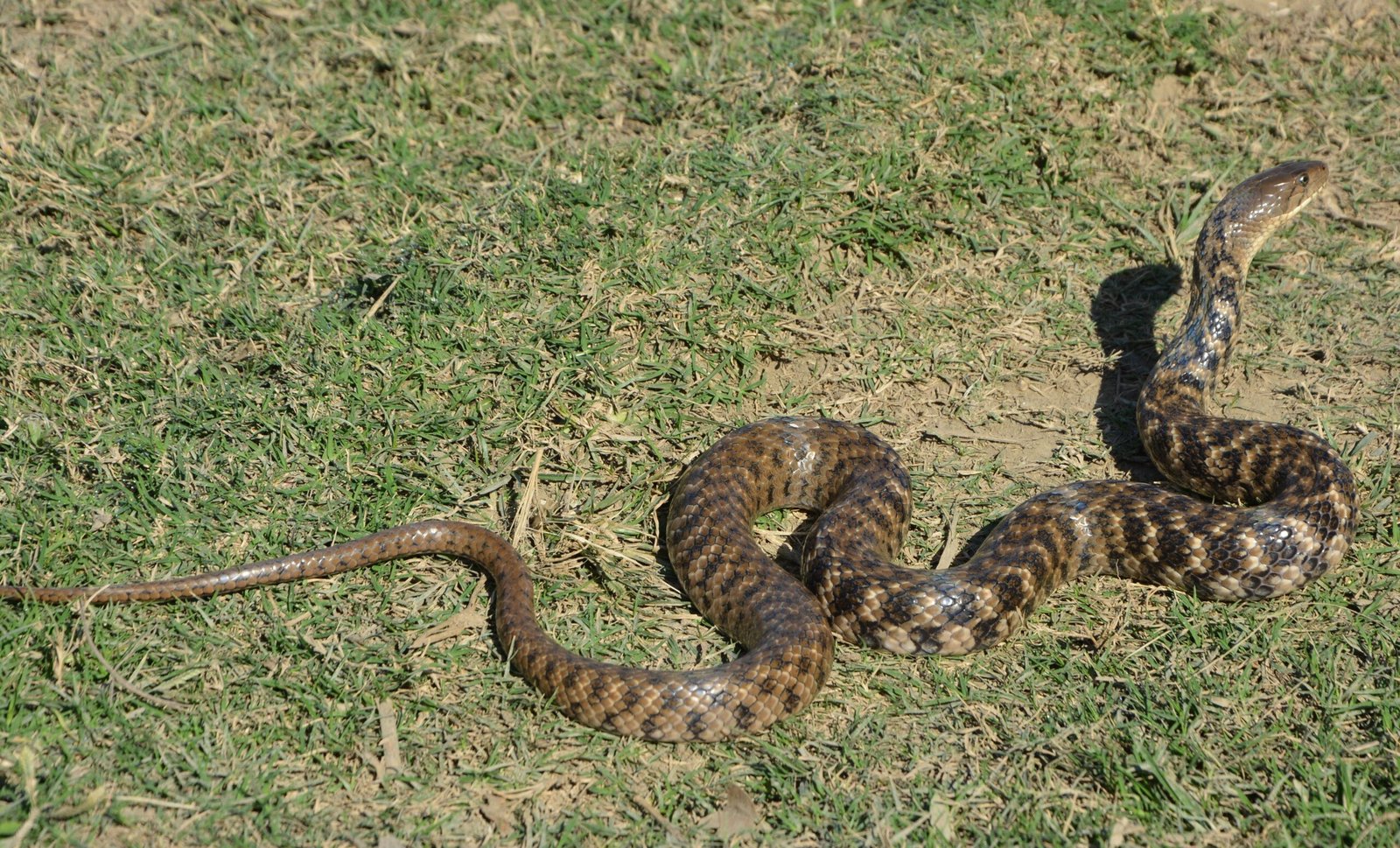
Checkered snakes are a true spectacle, with their scale patterns resembling a chessboard or checkerboard. Gopher snakes and some garter snakes are known for their checkered bellies or backs, where alternating light and dark squares create a dramatic effect. The checkered pattern is both eye-catching and functional, helping to break up the snake’s outline and confuse predators. It’s amazing how such a simple pattern can look so striking in the wild. The visual impact of checkered snakes is undeniable, making them a favorite among reptile lovers who appreciate bold designs.
Ocelli: Eyespots That Startle and Dazzle
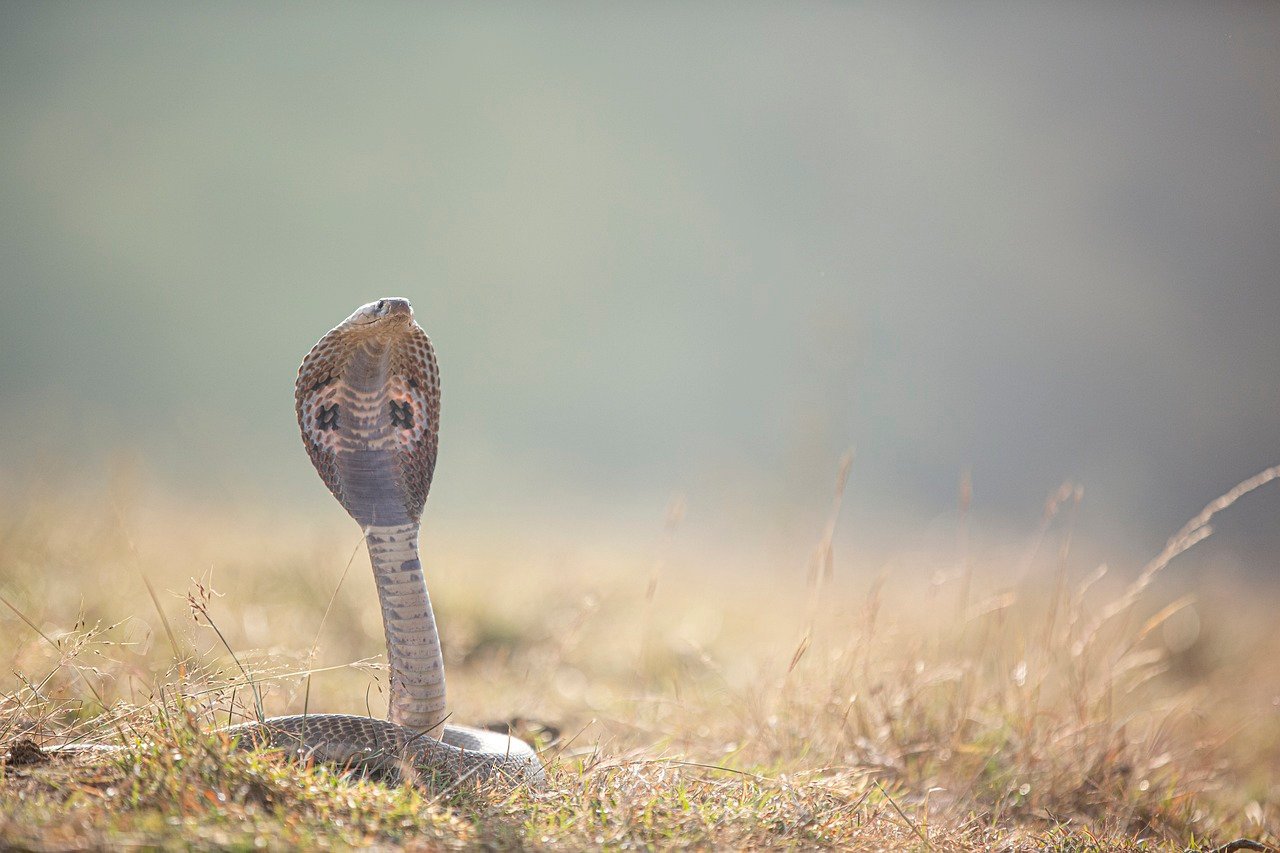
Some snakes take patterning to the next level with ocelli, or eyespots. These are circular markings that look like eyes and are found on species like the False-Eyed Cobra. The purpose of these spots is to startle predators by mimicking the eyes of larger animals, giving the impression that the snake is watching or even more dangerous than it really is. Ocelli can be brilliantly colored, often surrounded by contrasting rings that make them pop. The psychological impact of these markings is impressive—they can make a snake seem both mysterious and intimidating. Seeing a snake with eyespots is like encountering a living illusion.
Mosaic and Puzzle Patterns: Intricate Masterpieces

Some snake breeds display patterns that are so complex they look like living mosaics or puzzles. Brazilian Rainbow Boas and some morphs of Ball Pythons have scales that interlock in mesmerizing ways, creating patterns that seem almost too perfect to be real. These intricate designs often involve a mix of colors and shapes that seem to shift and change as the snake moves. The effect is hypnotic, drawing in anyone who takes the time to look closely. These mosaic patterns showcase nature’s ability to surprise and delight, offering endless variety in even the smallest details.
Solid Colors and Minimalist Patterns: Subtle Sophistication
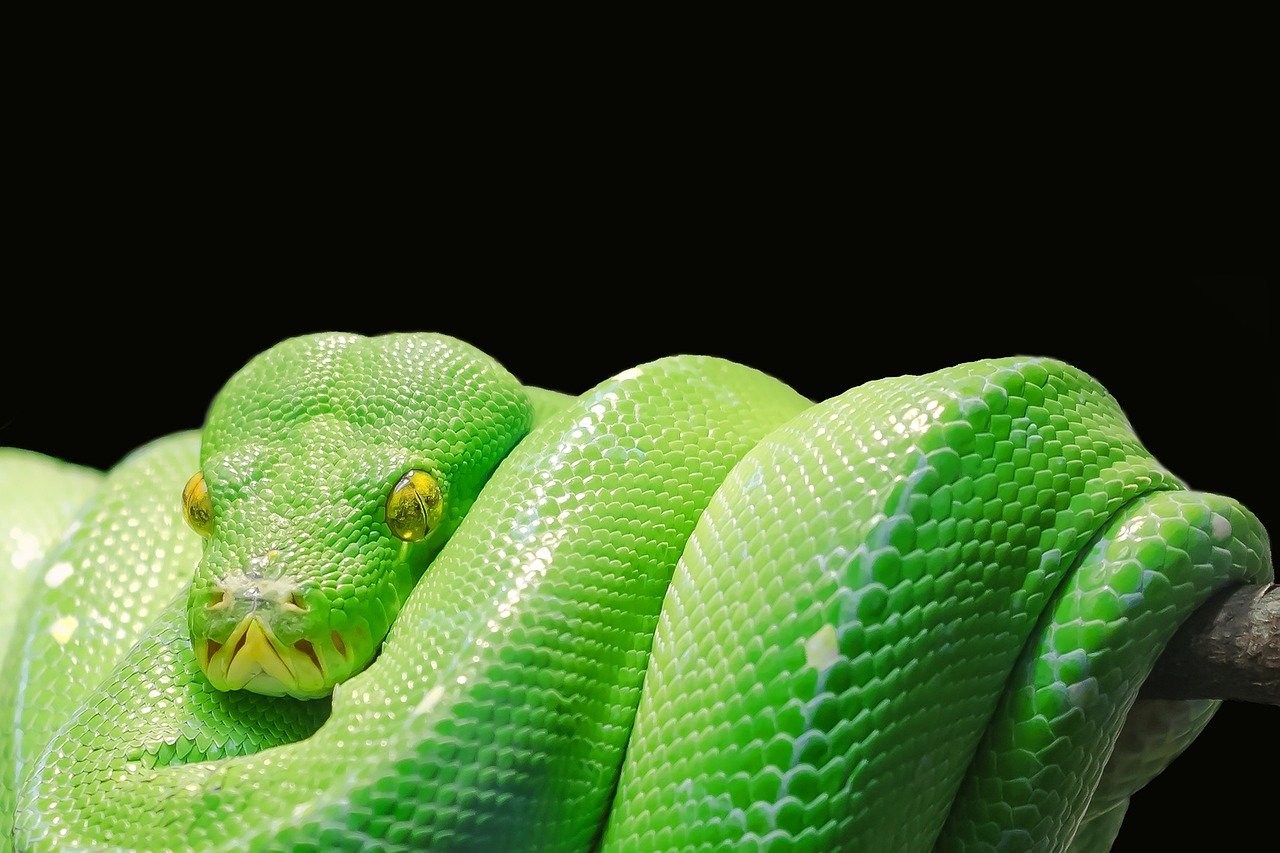
Not all snakes rely on bold patterns to stand out. Some, like the Green Tree Python or the Black Mamba, are celebrated for their striking solid colors or very subtle markings. These snakes prove that sometimes, less is more. A single, unbroken color can be just as captivating as the most complex pattern, especially when it comes in an unexpected shade like emerald green, jet black, or powder blue. The simplicity of these snakes makes them look almost sculptural, as if they’ve been carved from a single piece of stone or glass. Their elegance lies in their restraint, showing that beauty can be both loud and quiet.
Albino and Morph Patterns: Genetic Wonders
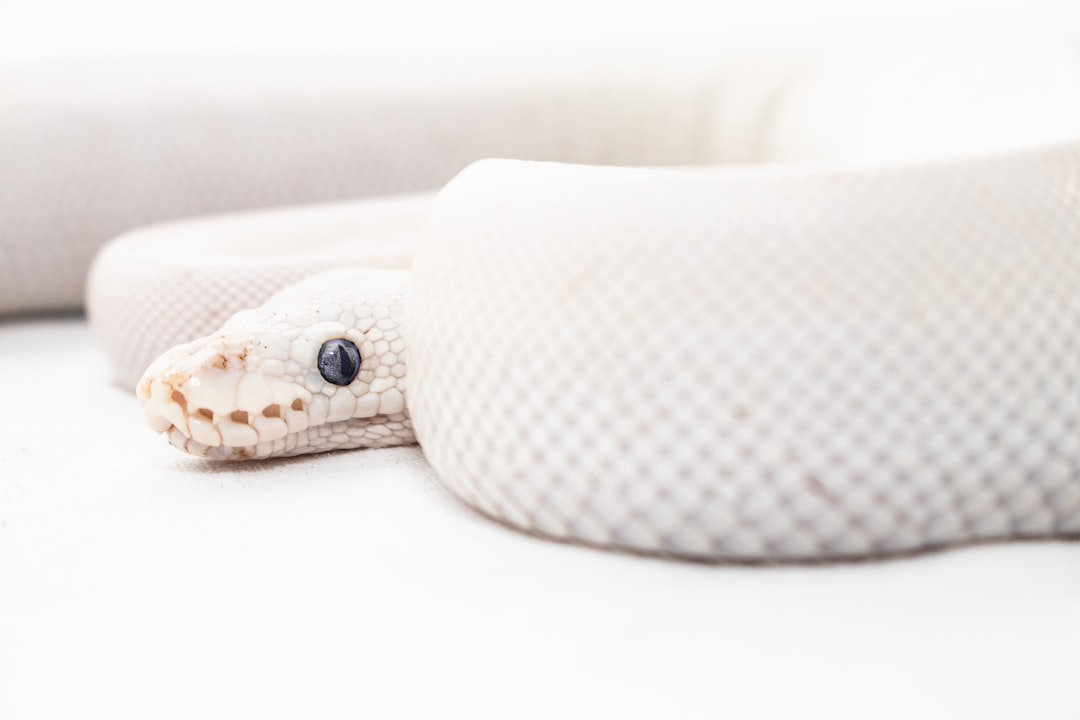
Selective breeding and genetic mutations have given rise to a dazzling variety of morphs, especially in captive snake populations. Albino snakes, for example, lack the pigment melanin, resulting in beautiful patterns of white, yellow, and orange. Other morphs can have unique combinations of stripes, spots, or completely new designs that don’t occur in the wild. Ball Pythons are especially famous for their dizzying array of color and pattern morphs, each more unique than the last. For collectors and breeders, discovering or creating a new morph feels like unlocking a secret code in nature’s design handbook. These genetic wonders are a testament to the endless possibilities hidden in the DNA of snakes.
From vibrant stripes to mesmerizing mosaics, snakes show off some of nature’s most artistic designs. These patterns aren’t just beautiful—they serve a purpose, from camouflage to communication. Whether you’re a snake enthusiast or just curious, appreciating these intricate markings gives you a whole new respect for these fascinating reptiles. Nature really is the best designer!


