

Your dog watches you from across the room, eyes following your every move. You reach for your keys, grab your coat, check your phone. Suddenly, their tail drops. Their ears pin back. The pacing begins.
You might think it’s just separation anxiety, but here’s the thing: the real culprit often runs deeper than those few moments before you leave. It’s the interruption of daily routines, the inconsistency in their schedule, that causes chronic stress in dogs. Think about it. Dogs can’t check their phones to see what’s happening next. They rely entirely on the patterns you create. When those patterns shift without warning, their world tilts off its axis.
Let’s get real about something most of us don’t even realize we’re doing. We live busy, unpredictable lives. Sometimes we feed our dogs an hour early. Other days, walks happen whenever we squeeze them in. Weekends throw everything off completely. To us, these feel like minor adjustments. To your dog, it can feel like chaos. The science backs this up too, with research showing that dogs on inconsistent schedules experience measurably higher stress levels.
So let’s dive in and explore why routine matters so desperately to your furry friend, what happens when it’s disrupted, and most importantly, how you can help them feel safe and secure again.
Why Your Dog’s Brain Craves Predictability Like We Crave Coffee
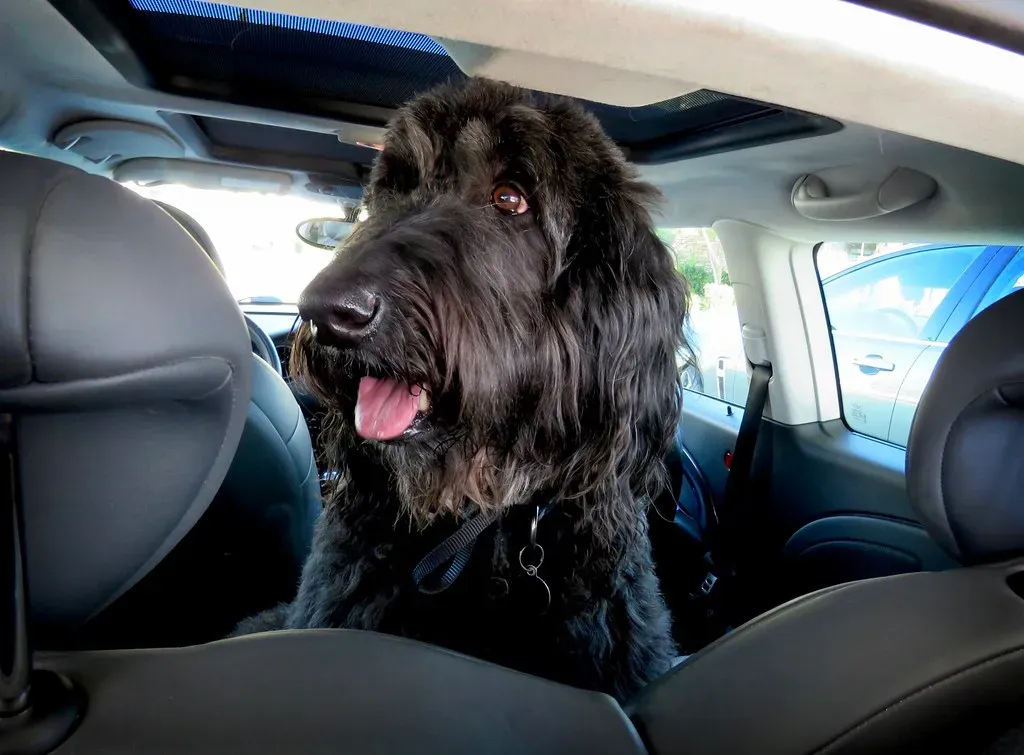
Dogs thrive on structure and predictability, and routine helps them feel secure, reduces anxiety, and creates a foundation for consistent behavior. Unlike us, they don’t process time the same way. They can’t rationalize that dinner will come eventually.
Dogs don’t tell time by the clock but observe daily cues like daylight changes, your body language, and household activity patterns to anticipate what’s coming next, and when those cues follow a consistent pattern, your dog learns to expect what happens when, which provides emotional stability. It’s almost like they’re reading a familiar book over and over, finding comfort in knowing how each chapter unfolds.
Uncertainty and inconsistency elevate cortisol, the stress hormone, and a 2021 study published in Animals found that shelter dogs on consistent schedules had significantly lower cortisol levels than those without a routine, with predictability signaling safety, and when dogs feel safe, they’re more relaxed, focused, and responsive. Lower cortisol means a calmer nervous system, better sleep, and overall improved well-being.
Think of your dog as having an internal clock that’s constantly calibrating based on what you do. When you consistently walk them at seven in the morning, their body prepares for that activity. Their energy builds, their bladder knows it’s almost time, their mind anticipates the joy of sniffing every tree on the block. When that walk doesn’t happen, or happens at wildly different times, it throws their entire system into confusion.
The Sneaky Ways Inconsistent Routines Mess With Your Dog’s Head

Shifting meal time by even an hour can cause restlessness, whining, loss of appetite, and anxiety. I know it sounds dramatic, but dogs are that sensitive to timing changes. Their digestive system operates on a schedule too.
A dog who knows food is coming at the same time each day is less likely to become stressed, agitated, or overly focused on food throughout the day, and when dogs are fed at inconsistent times, it can lead to unpredictability and erratic energy surges that make training less effective. You might notice them shadowing you more in the kitchen, becoming clingy or demanding at random times.
For dogs, walking and exercising are mandatory activities as they help stimulate them physically and mentally, and when they miss these activities or there is a delay, it can lead them to display destructive behavior, increased barking, and show excess energy. That chewed-up shoe or scratched door frame? Probably not spite. More likely, it’s pent-up anxiety and energy with nowhere to go.
Most dogs become emotionally connected to their owners and gradually form a deep bond, and any changes in the work schedule can trigger separation anxiety, confusion, and clinginess, as for dogs, the absence of their favorite person can change the world. When you suddenly start working different hours or spending more time away without preparation, your dog doesn’t understand why their whole universe has shifted.
Reading Your Dog’s Secret Stress Signals

Dogs yawn when they are tired or bored, and they also yawn when stressed, with a stressful yawn being more prolonged and intense than a sleepy yawn, and dogs may also drool and lick excessively when nervous. These subtle signs are easy to miss when you’re rushing out the door.
Stressed dogs, like stressed people, may have dilated pupils and blink rapidly, may open their eyes wide and show more sclera (white) than usual giving them a startled appearance, and their ears may be pinned back against their head. Watch their face closely. That wide-eyed look isn’t always excitement.
If a healthy dog with no orthopedic problems shifts their weight to the rear legs or cowers, they may be exhibiting stress, and when scared, dogs may also tuck their tails or become rigid. Body language speaks volumes when we take the time to really observe it.
Dogs pant when hot, excited, or stressed, and if your dog is panting even though they have not exercised, they may be experiencing stress. Pacing around the house, unable to settle, refusing their favorite treat, hiding in unusual places. These are all your dog’s way of waving a red flag and saying something doesn’t feel right.
Simple Fixes That Make a World of Difference

Start by establishing consistent meal times. Feeding time has a major impact on dogs’ mood, energy, and training success, and a dog who knows food is coming at the same time each day is less likely to become stressed, agitated, or overly focused on food throughout the day. Pick two times that work for your schedule and stick to them as closely as possible, even on weekends.
When rehabilitating a stressed or anxious dog it’s important to follow a predictable and positive daily routine to help the dog feel grounded, safe and secure, including consistent exercise and play schedules as well as feeding the dog at the same times every day, and when a dog can anticipate what’s going to happen and when, and they are all positive experiences, it nurtures a calm and happy dog. This doesn’t mean you need military precision, just general consistency.
Create visual and verbal cues that signal what’s coming next. Use the same words before walks, meals, and bedtime. Dogs thrive on cues, so ensure using the same leash, the same feeding bowl, and using the same words when introducing changes, as these consistencies in signals reduce their uncertainty to a great extent. Your dog will learn to read these signs and relax knowing what to expect.
If you absolutely must change your routine, do it gradually. If you need to alter feeding times, do it in small increments, as this prevents sudden shocks and helps the dog adjust comfortably, and gradual changes within a consistent environment reduce the impact of disruptions. Shift things by fifteen minutes every few days rather than making dramatic overnight changes.
Building Confidence Through Calm Consistency
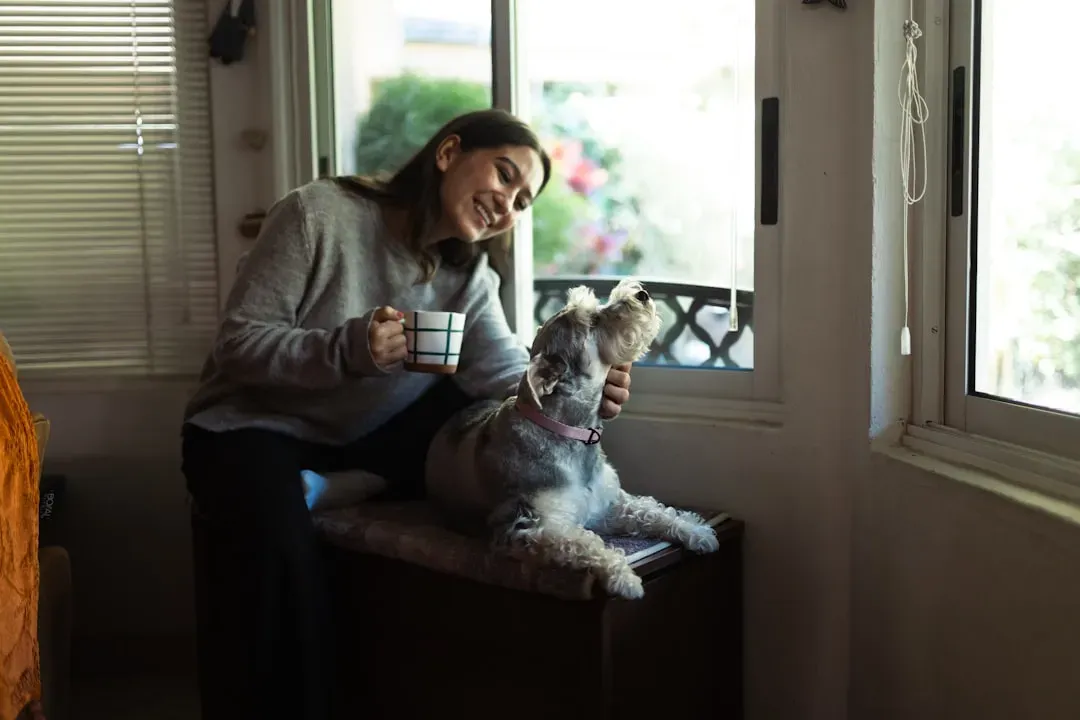
Some dog owners think that a fixed routine would make their dogs rigid, but practically it’s the other way, as a dog that is on a routine will adapt better to occasional changes, will remain emotionally secure, and recover faster from stress. This really surprised me when I first learned it. Structure actually creates flexibility.
Designate a safe space in your home where your dog can retreat when feeling overwhelmed. It is important to provide your dog with a safe place in the home where they can escape stimuli that trigger a stress response, as everybody enjoys a calm place to retreat. This could be a quiet corner with their bed, a crate they love, or even just a room with less traffic.
Exercise can be a great stress reducer, and for healthy dogs, physical activities such as walking or playing fetch may help both you and your dog release tension. Make daily walks non-negotiable. Even twenty minutes at roughly the same time each day can dramatically reduce anxiety levels.
Keeping a predictable daily routine helps pets feel secure. The goal isn’t perfection. Life happens, emergencies arise, schedules shift. What matters most is that you recognize the impact these changes have on your dog and make efforts to maintain as much consistency as possible in their daily life.
Conclusion

Your dog’s anxiety might not be about what’s happening in the moment. Often, it’s about the unpredictability of their entire day, their week, their life with you. Dogs thrive on structure and predictability, so when their routine is suddenly disrupted, it can cause stress, anxiety, and behavioral changes.
The beautiful thing is that the solution doesn’t require expensive equipment or complicated training programs. It just requires awareness and commitment to keeping their daily rhythm as steady as possible. Feed them at the same times. Walk them consistently. Use familiar cues. Give them a safe space when the world feels uncertain.
Dogs not only get used to routines, but they thrive on them, and consistent schedules help regulate dog behavior, support healthy habit formation, and provide a sense of stability that contributes to stress reduction. When you give your dog the gift of predictability, you’re giving them peace of mind.
What small change could you make today to bring more consistency to your dog’s routine? Maybe it’s setting an alarm for feeding time, or committing to that morning walk even when you’d rather sleep in. Your dog is already watching you, reading your patterns, hoping to understand what comes next. Make it easier for them to relax into the safety of knowing.


