What if the love and care you pour into your furry friend could unintentionally lead to aggressive behavior? It’s a shocking thought, but many dog owners unknowingly make a common mistake that can trigger aggression in their beloved pets. This article will delve into this surprising issue, shedding light on how simple actions can have profound effects on a dog’s temperament. If you’re a dog lover, you’ll want to read on to ensure you’re not inadvertently contributing to your pet’s behavioral problems.
One of the biggest mistakes dog owners unknowingly make is failing to properly socialize their pups early on. Without regular, positive exposure to different people, pets, and environments, dogs can develop fear or anxiety—which often manifests as aggression. It’s not just about obedience; it’s about confidence and trust. By helping your dog feel safe and secure in new situations, you’re setting them up for a lifetime of calm, friendly behavior. A little effort in the beginning can prevent big problems down the road.
Understanding Aggression in Dogs

Aggression in dogs can manifest in various ways, from growling and snapping to biting. It’s a complex behavior often rooted in fear, anxiety, or frustration. Understanding these triggers is crucial. Dogs communicate differently from humans, and what might seem like a minor annoyance to us can be a significant stressor for them. For instance, a loud noise that we quickly dismiss could be terrifying for a dog, leading to aggressive reactions. By recognizing these signs, we can better empathize with our pets and address their needs more effectively.
The Role of Socialization

Socialization is a critical component in a dog’s development. It involves exposing them to different environments, people, and other animals. A well-socialized dog is less likely to react aggressively because they are familiar with various stimuli. Imagine a child who has never been to a playground; their first visit could be overwhelming. Similarly, a dog that hasn’t been socialized might feel threatened in new situations, leading to aggression. Regular, positive exposure to the world around them can help mitigate these feelings.
Misinterpreting Dominance
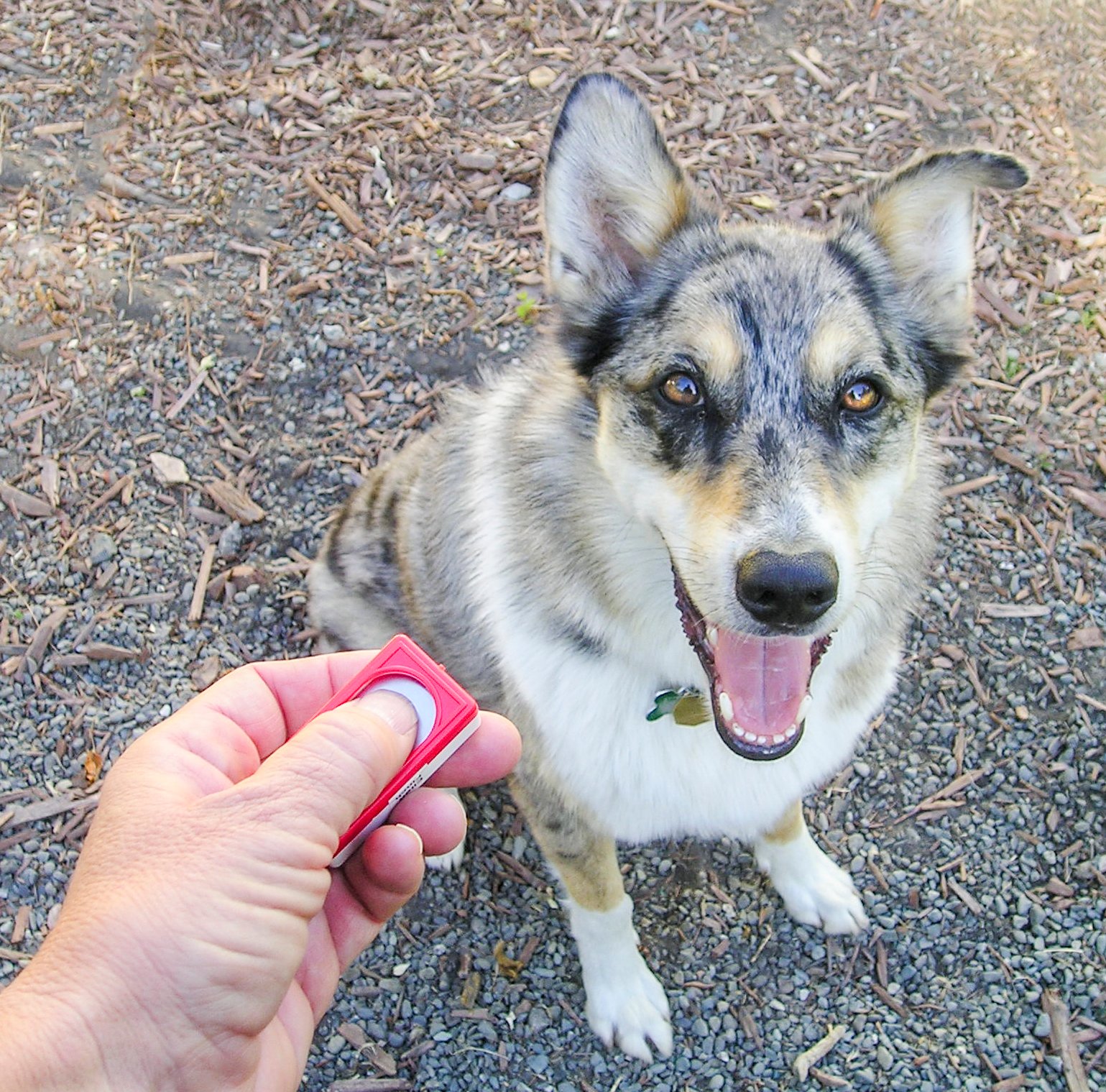
Many dog owners mistakenly believe that they need to establish dominance over their pets. This outdated theory suggests that dogs are constantly vying for control, which isn’t the case. Dogs are pack animals and thrive on cooperation and trust, not dominance. Treating your dog as a subordinate can lead to fear and anxiety, which are common precursors to aggression. Instead, focus on building a relationship based on mutual respect and understanding.
Inconsistent Training Methods
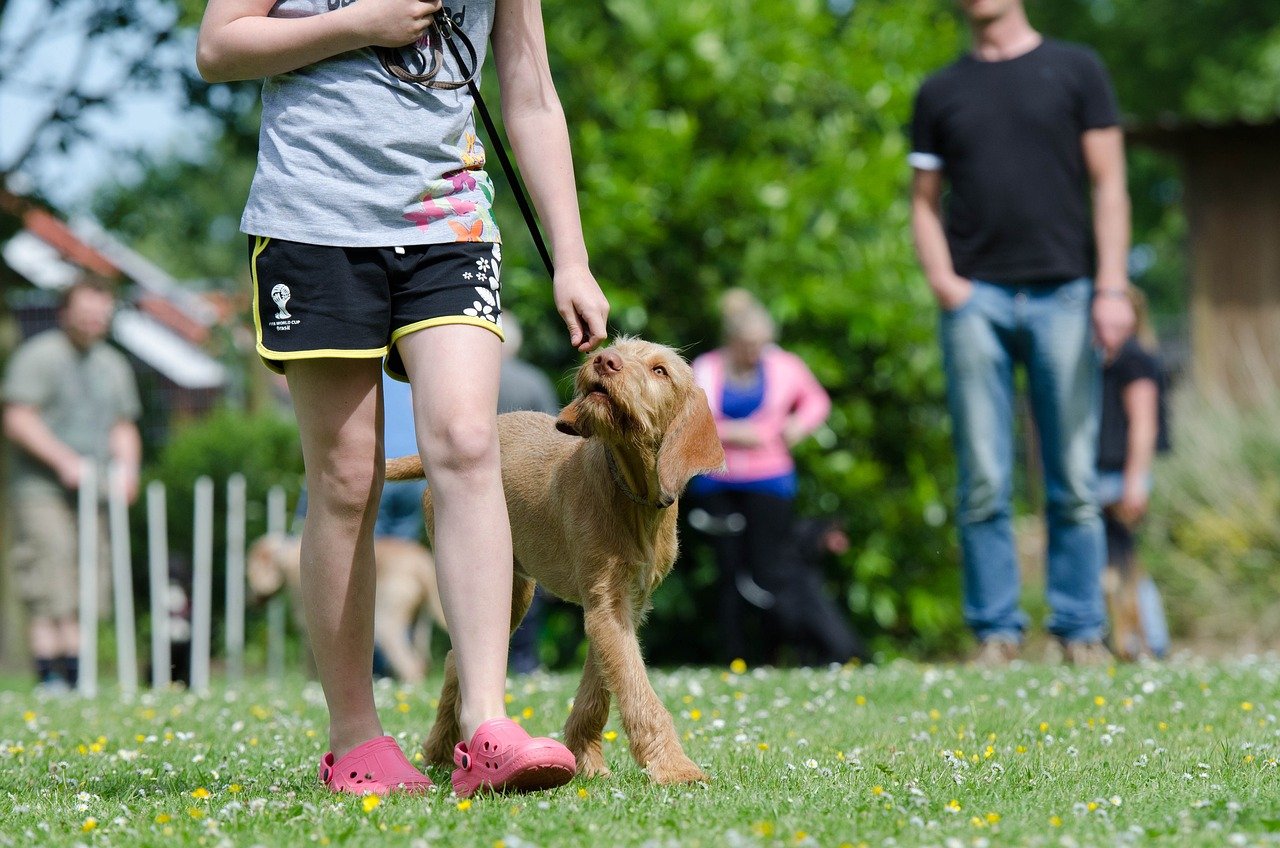
Consistency is key when it comes to training your dog. Mixed signals can confuse your pet, leading to frustration and aggressive behavior. For example, if you allow your dog to jump on you one day but scold them for it the next, they become unsure of what’s expected. Establishing clear rules and sticking to them helps your dog feel secure and reduces the likelihood of aggression. Think of it as teaching a child; consistency fosters confidence and understanding.
The Impact of Fear and Anxiety
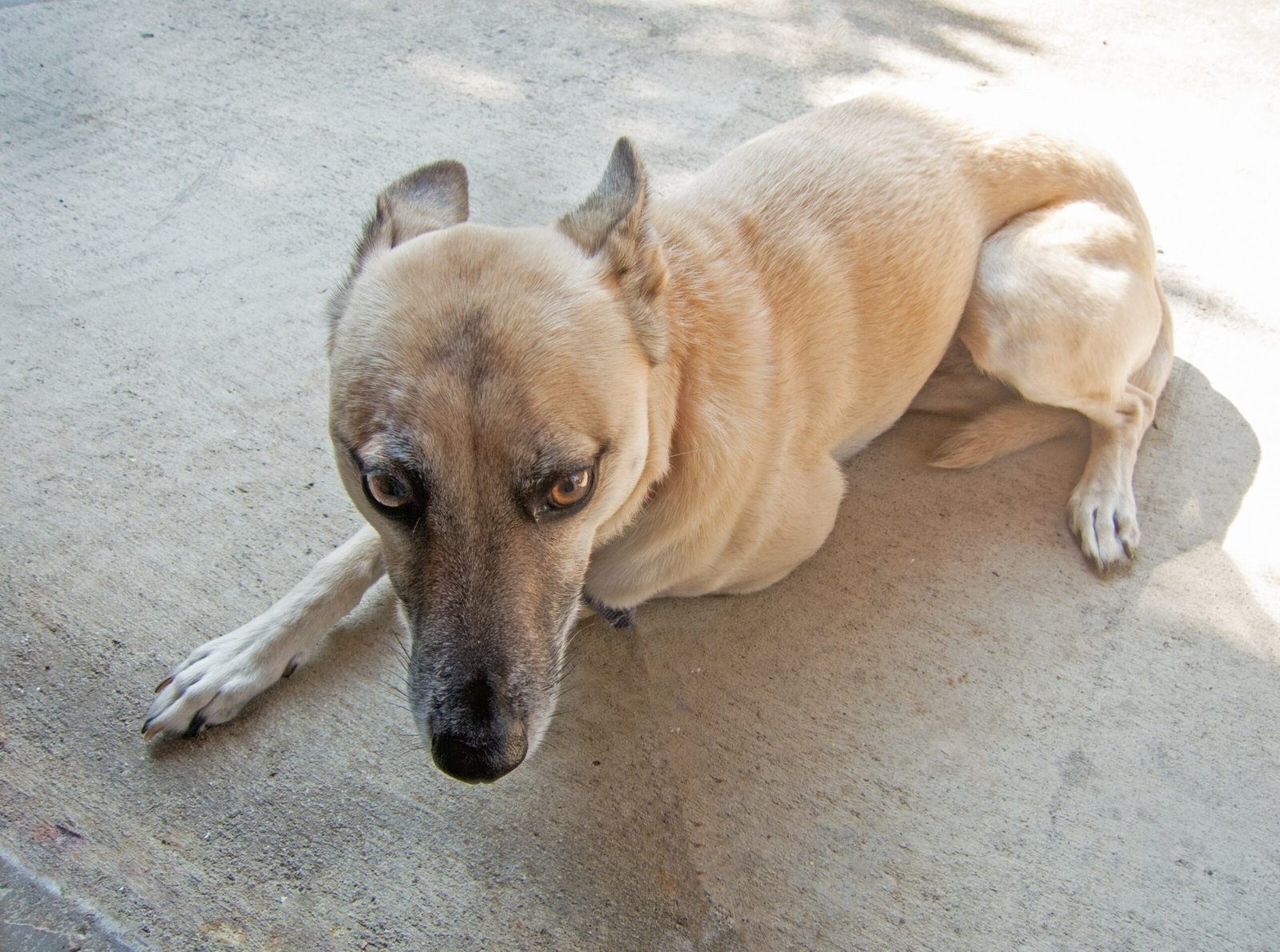
Fear and anxiety are significant contributors to aggressive behavior in dogs. These emotions can stem from various sources, such as past trauma, lack of socialization, or even an owner’s behavior. A dog that feels cornered or threatened is more likely to lash out as a defense mechanism. It’s essential to create a safe, calm environment for your pet, where they feel secure and loved. Just as we seek comfort and reassurance in times of stress, dogs need the same from their owners.
Recognizing the Signs of Aggression
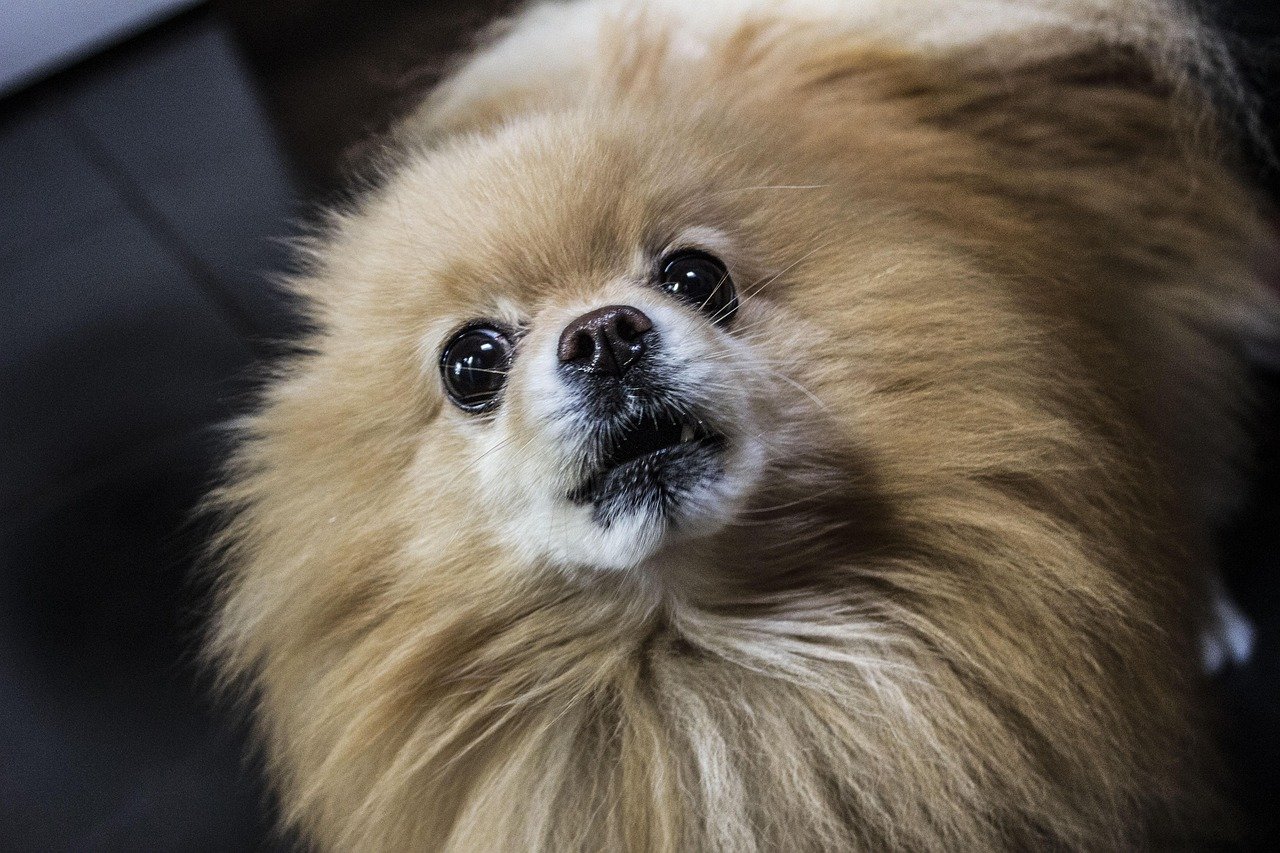
Being able to identify the early signs of aggression can prevent escalation. Look for body language cues such as stiff posture, raised hackles, or a fixed stare. These are often precursors to more overt aggressive behaviors like growling or biting. By recognizing these signs early, you can intervene and address the underlying issues before they become problematic. Remember, your dog is communicating with you; it’s up to you to listen and respond appropriately.
The Importance of Positive Reinforcement
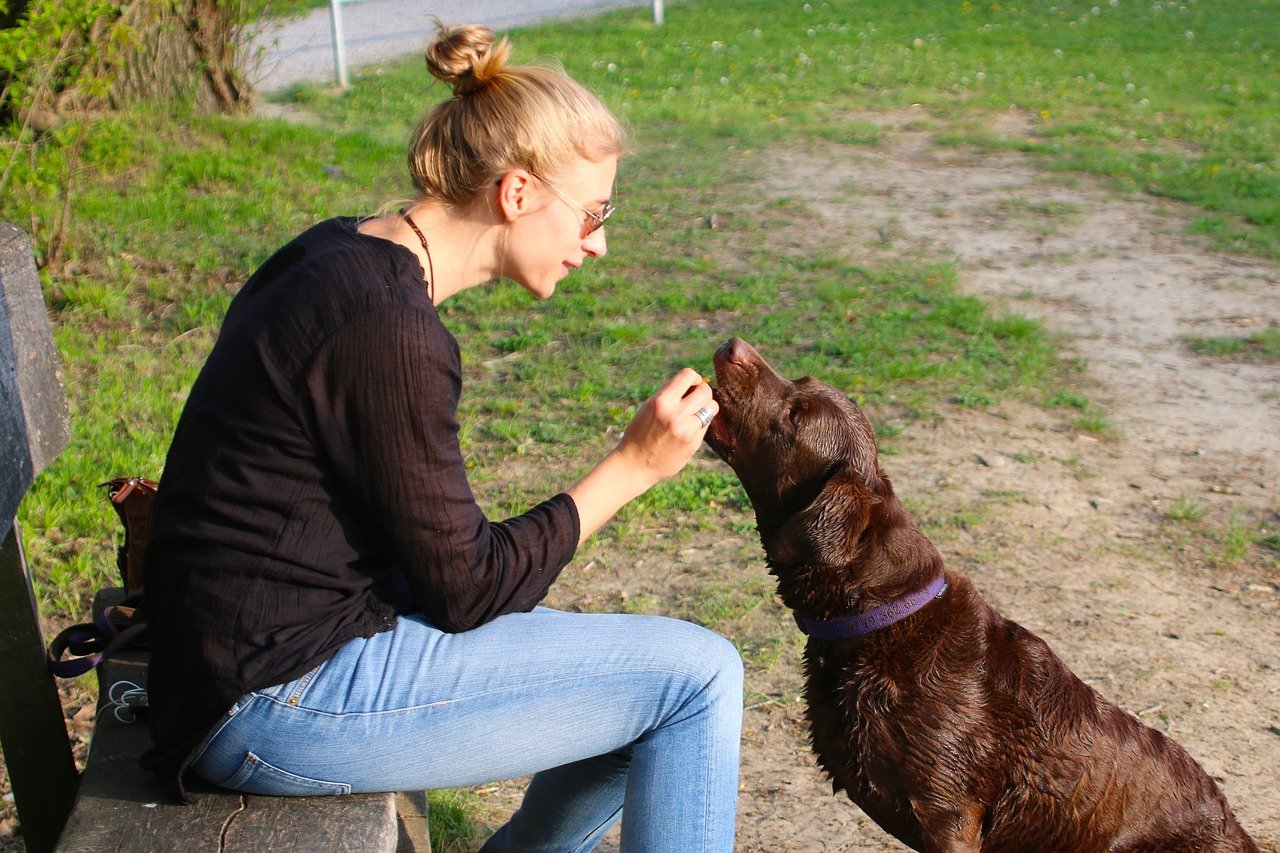
Positive reinforcement is a powerful tool in shaping your dog’s behavior. Rewarding good behavior encourages your pet to repeat those actions, fostering a more positive relationship. This approach is far more effective than punishment, which can lead to fear and aggression. Imagine being praised for your achievements versus being scolded for mistakes; the former is more likely to motivate and inspire. Apply this principle to your dog’s training, and you’ll see remarkable improvements.
Seeking Professional Help
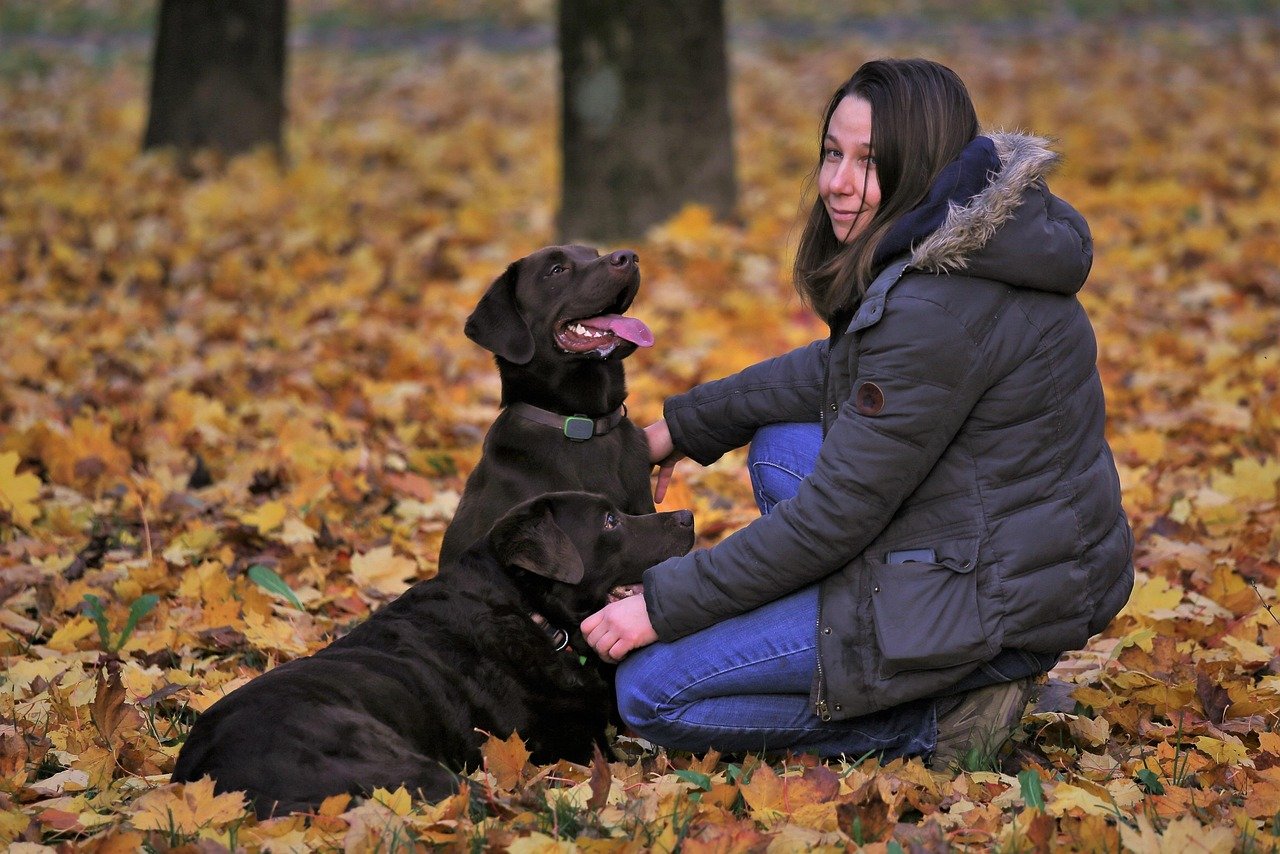
Sometimes, despite our best efforts, a dog’s aggressive behavior may persist. In such cases, seeking professional help can be invaluable. Dog trainers and behaviorists have the expertise to assess and address the root causes of aggression. They can provide tailored strategies and support, helping both you and your dog navigate these challenges. Remember, asking for help is a sign of strength, not weakness, and can lead to a happier, healthier relationship with your pet.
The Power of Patience and Understanding
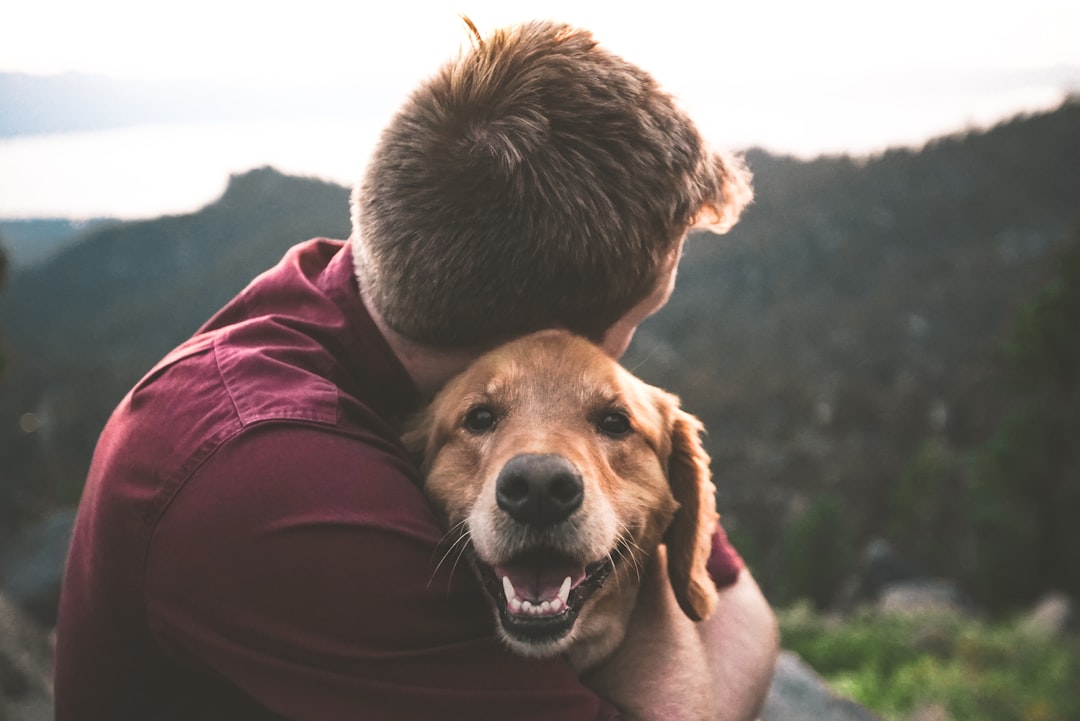
Patience and understanding are vital when dealing with an aggressive dog. Change doesn’t happen overnight, and it’s important to remain committed to the process. Your dog relies on you for guidance and support, much like a child looks to a parent. By approaching the situation with empathy and compassion, you can help your dog overcome their fears and anxieties. In turn, this strengthens the bond between you and your furry friend, leading to a more harmonious relationship.
Building a Stronger Bond

Ultimately, preventing aggressive behavior in dogs comes down to building a strong, trusting bond. Spend quality time with your pet, engage in activities they enjoy, and be attentive to their needs. This relationship is built on mutual respect and love, creating a foundation for a happy, well-adjusted dog. Think of it as nurturing any relationship; the more effort you put in, the more rewarding the outcome.
In conclusion, understanding and addressing the root causes of aggression in dogs can lead to a more fulfilling relationship with your pet. By avoiding common mistakes and focusing on positive interactions, you can help your dog become a more confident and content companion. What steps will you take today to ensure your furry friend feels safe and loved?