
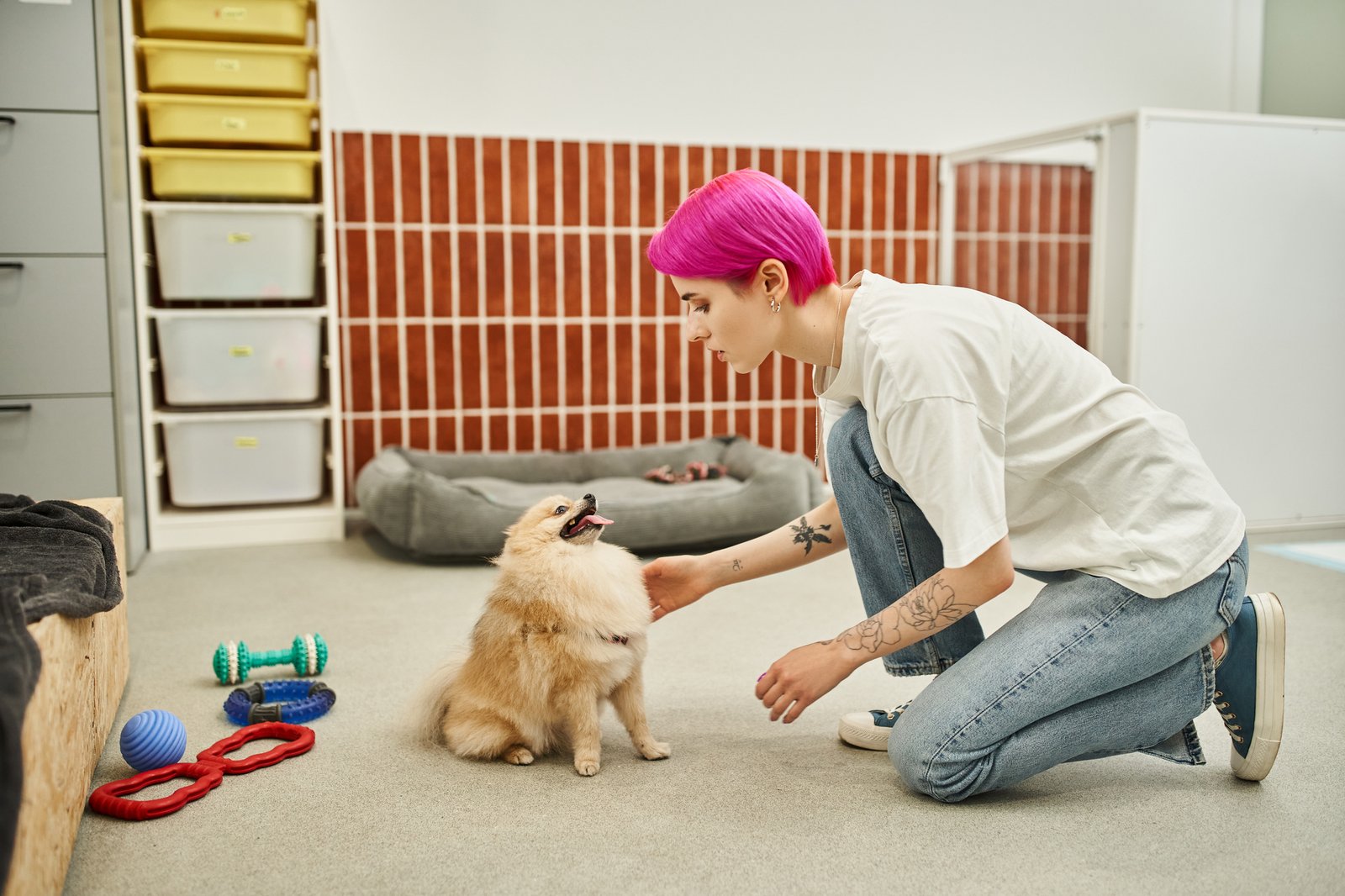

Dogs are intelligent creatures, even without training. However, training harnesses their potential to know more and be the dog you want them to be. Dogs are fast to pick up on cues, which helps them in training. To make things simpler, have you ever observed how your dog pre-empts specific actions after being exposed to a consistency of that action? For example, once you teach your dog to sit, it may not even need a verbal cue to do so. Cue transfer is this big secret to a dog’s training. It is a fascinating and essential training concept that enables owners to teach their dogs multiple cues for the same behaviour. It can help dogs understand a broader range of signals, improving dog-owner communication and relationships. Let’s dive into the process and benefits of cue transfer training.
What is Cue Transfer?

Cue transfer involves teaching a dog a new cue to elicit a behavior that it already knows. The new cue can be verbal, visual, or even tactile. Essentially, it’s about creating an association between a behavior and a new signal, whether it’s a word, gesture, or action. For example, if a dog already responds to the word “sit” when given a hand signal, cue transfer would involve introducing a new signal, like a different hand gesture, for the same behavior. Some common instances of cue transfer are:
- You pick up your dog’s leash before taking them out and cuing them to sit by the door. Soon they will start doing so when they see you picking up the leash.
- Similarly, cue your dog to sit in a certain area when you begin preparing their dinner. Soon they will do so as soon as they see you preparing the same.
Why Use Cue Transfer?

Cue transfer is beneficial in situations where you want to expand your dog’s repertoire of signals without having to teach the behavior from scratch. It can also help prevent confusion if your original cue is not effective in a particular context (such as a loud environment where verbal cues are hard to hear). Moreover, it’s a powerful tool for training complex behaviors or teaching a dog to respond to cues in different situations, making them more adaptable.
How Does Cue Transfer Work?

The process of cue transfer is simple but requires patience and consistency. Here’s how you can go about it:
- Start with a Known Behavior: Ensure your dog is already proficient with a specific behavior triggered by an initial cue (e.g., “sit” or “stay”).
- Introduce the New Cue: Add the new cue, which can be verbal or visual. For example, you could introduce a hand signal while saying the word “sit” if that was the original cue.
- Pair the Cues: Initially, use both the old cue and the new cue together. For example, say “sit” while performing the hand signal. This helps the dog connect both cues with the same action.
- Reinforce: Mark and reward your dog every time it performs the behavior, reinforcing the association with both cues.
- Gradually Fade the Old Cue: After several successful repetitions, you can start reducing the use of the old cue. Begin by pausing slightly between the cues or using the new cue first, followed by the old one.
- Reinforce the New Cue: Over time, stop using the old cue entirely and only use the new cue, continuing to reinforce it with rewards when the dog responds correctly.
Example of Cue Transfer: The “Sit” Command

Imagine your dog already knows to sit when you use a verbal cue (“sit”). Now, you want to teach your dog to respond to a hand signal for the same action. Here’s how you would transfer the cue:
- Step 1: Have your dog in a quiet environment where it can focus.
- Step 2: Begin by saying “sit” while using the hand signal.
- Step 3: Reward the dog immediately when it sits, as you have done in previous training sessions.
- Step 4: After a few repetitions, pause for a second between the verbal cue and the hand signal. Gradually fade the verbal cue.
- Step 5: Once your dog is reliably responding to the hand signal alone, you can stop using the verbal cue altogether.
Why It Works

The success of cue transfer is rooted in how dogs learn. Dogs are masters of picking up on subtle cues in their environment, including visual and auditory signals. By associating a behavior with multiple cues, you expand your dog’s ability to understand and respond to a variety of situations. Over time, this makes your dog more versatile and responsive to your communication.
Tips for Successful Cue Transfer

Ensure your cues are distinct and easy for your dog to differentiate. Cue transfer requires patience, so avoid rushing. Instead, your cues should be easy for your dog to understand before moving forward. Keep giving your dog treats for successful cues as favorable reinforcement. Cue transfer is best done in different environments to help your dog understand cues regardless of distractions. By mastering cue transfer, you can increase your dog’s flexibility in learning and responding to other signals, enhancing your training sessions, and building a deeper connection with your dog.
Andrew Alpin from India is the Brand Manager of Doggo digest. Andrew is an experienced content specialist and social media manager with a passion for writing. His forte includes health and wellness, Travel, Animals, and Nature. A nature nomad, Andrew is obsessed with mountains and loves high-altitude trekking. He has been on several Himalayan treks in India including the Everest Base Camp in Nepal.


