
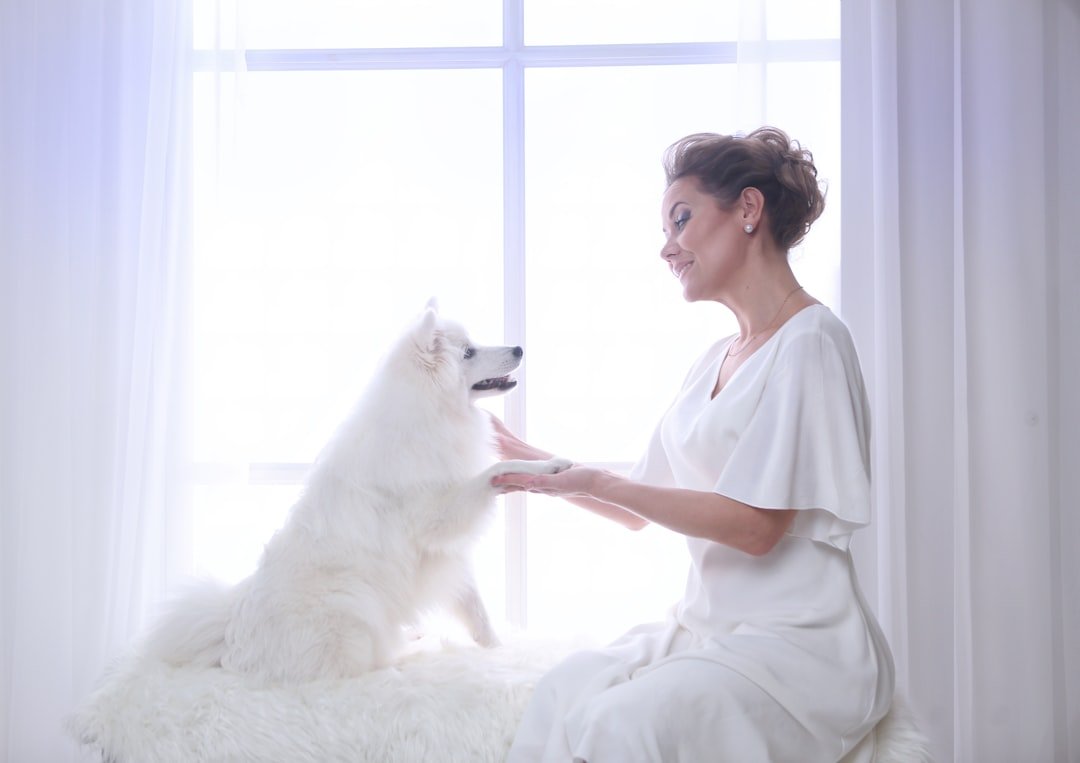
There’s something magical that happens when you look into your furry friend’s eyes and say those two simple words. Watch their tail wag, their head tilt, and their entire body language shift from normal to absolutely delighted. It’s a transformation that happens instantly, every single time.
This isn’t just your imagination playing tricks on you. The phrase that makes dogs melt with happiness has been studied extensively by researchers, and the results reveal something fascinating about the deep connection between humans and their canine companions. Scientists have found that playfully high-pitched phrases like “good dog” are actually quite helpful in getting the attention of older dogs. Adult dogs need to hear dog-relevant words spoken in a high-pitched emotional voice in order to find it relevant.
The Science Behind “You’re a Good Boy”
Only praising words said in a praising tone activated reward areas in the dog’s brains. When researchers put dogs through brain scans, they discovered something remarkable about how our four-legged friends process language. Dogs found that emotional cues like tone were processed on the right side of the brain, while words were processed on the left side – just like in humans. The left side of the dog’s brains responded to praise words even when said in a neutral tone.
What makes this even more fascinating is that many dogs are motivated by praise, with some finding this type of social reinforcement equally or more rewarding than food. That simple phrase you’ve been saying carries more weight than the treats in your pocket. Think about that for a moment.
Why Tone Matters More Than You Think
It’s not just what you say, but how you say it. University research found that adult dogs were more likely to want to interact and spend time with the speaker that used dog-directed speech with dog-related content than they did those that used adult-directed speech. When the two types of speech and content were mixed up, the dogs showed no preference for one speaker over the other.
Dog-directed speech was higher in pitch, with more pitch variation over time, and higher harmonicity than adult-directed speech. Your dog isn’t just hearing words when you speak to them in that special voice. They’re experiencing something much deeper than simple communication.
The Emotional Connection That Changes Everything
When humans and dogs stare into each other’s eyes, they each register a spike of the so-called “love drug”, oxytocin. This creates what scientists call the ‘oxytocin-gaze positive loop’. Every time you praise your dog, you’re literally flooding both your brains with feel-good chemicals.
Interacting with your dog releases oxytocin, a hormone known as the “love hormone” or “cuddle chemical.” This hormone reduces stress and anxiety levels while increasing feelings of trust and social bonding. That three-word phrase becomes a neurochemical celebration between you and your pet.
How Dogs Process Your Words of Praise
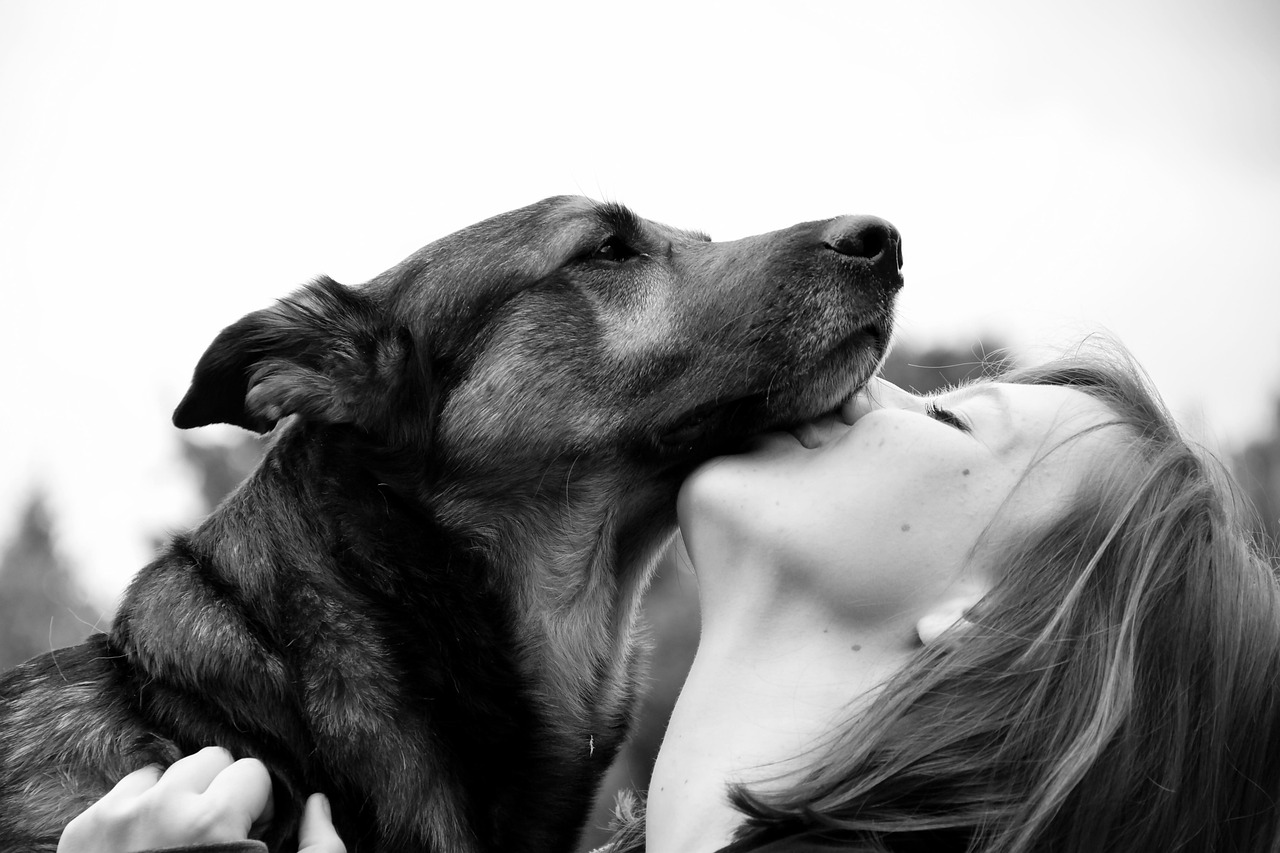
Dogs possess a remarkable ability to interpret the nuances of our tone of voice, further deepening their understanding of our emotional states. It’s as if they have an internal translator for human vocal cues, allowing them to discern the subtle variations in pitch, intonation and cadence that convey the depth of our feelings.
Positive tones, like cheerful greetings or affectionate praise, elicit wagging tails and joyful responses, affirming their association with pleasant experiences. Conversely, negative tones, such as raised voices or distressed cries, trigger a different response altogether. Your dog is reading between the lines of everything you say.
The Hidden Power of Repetition
Here’s where things get interesting about timing and frequency. The words “Good boy” could quickly lose their meaning if used too often. Words you use all the time in lots of situations should be avoided. This might surprise you, but saying it constantly can actually dilute its impact.
Dogs have learned that ‘good boy’ means that something good is going happen to them, and therefore they look at you. That expectation in turn has become a habit, and as a result, the ‘good boy’ itself is very positive for them. It becomes a promise of wonderful things to come.
What Happens in Your Dog’s Brain

Neuroscientist Gregory Berns’ team showed that the canine brain lights up differently when a dog sniffs its owner. They trained dogs to sit still in an fMRI machine to monitor a part of their brain called the caudate nucleus, which helps coordinate our neural ‘reward system’. When the dogs sniffed their owner’s scent, the caudate nucleus lit up.
This same reward system activates when they hear your praise. Your voice becomes associated with all the positive experiences you’ve shared together. Every walk, every treat, every belly rub gets bundled into those two words.
The Evolutionary Bond Behind the Phrase
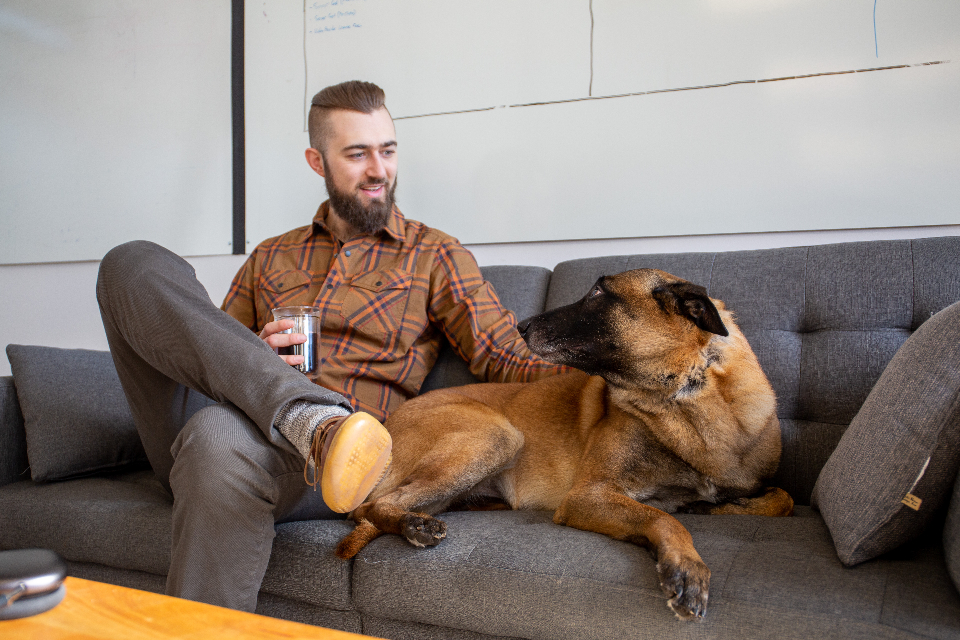
Dogs’ social cognition facilitates the interaction with humans, and the ability to read and respond appropriately to emotional cues may have been – and may still be – key for the establishment of these interspecific bonds. It becomes crucial to investigate how dogs respond to emotional expressions and whether dogs use the emotional information from others.
For many years, researchers assumed that when dogs became domesticated, the possibility of emotional contagion served as a survival mechanism. A study in Scientific Reports found that it’s the bond and life experiences between dogs and their owners that account for the release of oxytocin during interactions. This phrase taps into thousands of years of evolutionary bonding.
Making Every “Good Boy” Count

The American Kennel Club encourages dog owners to administer treats while the behavior is still ongoing. For instance, if your dog sits when you say, “Sit,” give the treat to her while she’s sitting. Do not give her the treat if she sits and then gets up to walk towards you.
The same principle applies to your praise. According to the Humane Society, “The reward must occur immediately (within seconds) of the desired behavior, or your pet may not associate it with the proper action”. Timing transforms your words from background noise into meaningful communication.
The Therapy in Three Words
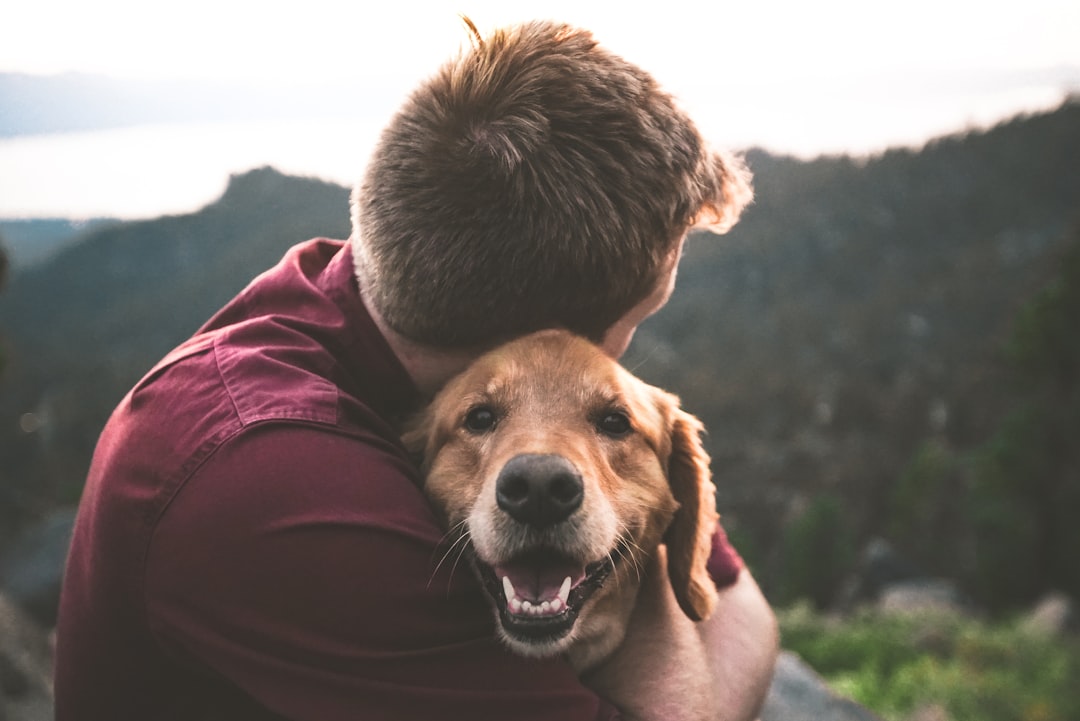
The remarkable ability of canines to sense and respond to human emotions is not only a testament to the depth of our bond with these extraordinary animals but also a valuable resource in the realm of therapy and service work. Their innate empathy and keen sensitivity to our emotional and physical cues make them exceptionally well-suited for roles as therapy and service dogs.
When you talk to your dog, you get a sense of this is why you’re here – no matter what happens at work or with your finances, your dog still loves you and needs you and that gives you a sense of purpose. Sometimes the healing flows both ways through those simple words.
Beyond Words: The Complete Experience
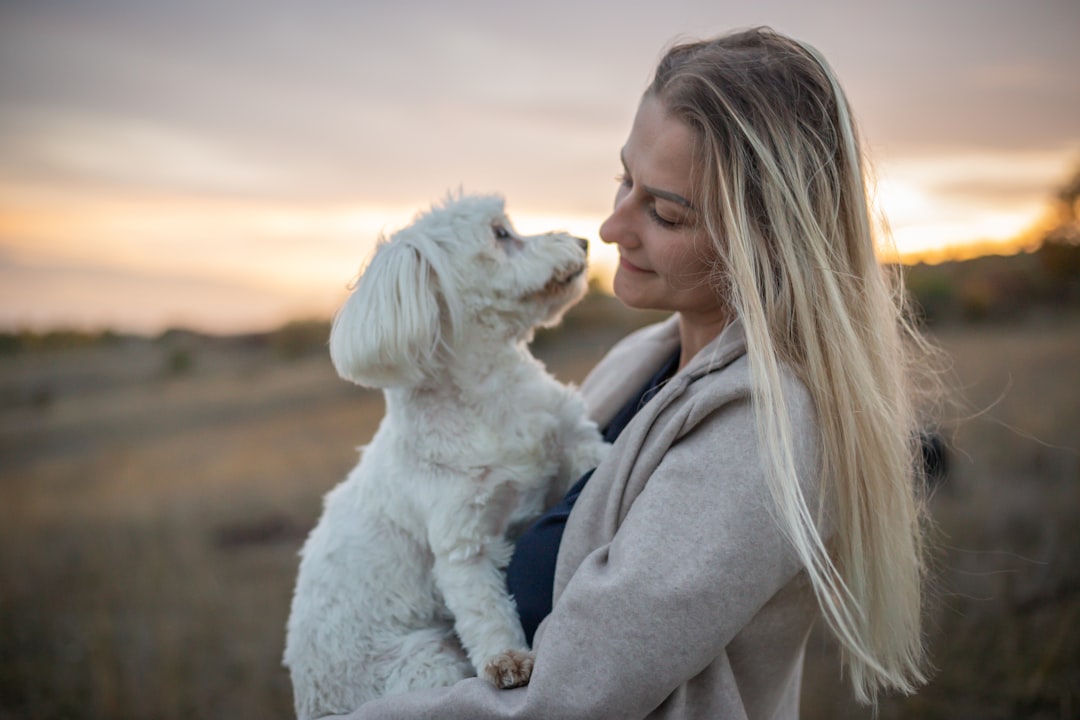
Research has found that dogs have anatomical configurations that allow them to generate changes in their expressions that similar canids – wolves, for example – cannot produce. Additionally, dogs can perceive emotions similar to those of their human tutors due to close human-animal interaction. This phenomenon – called “emotional contagion” – is triggered precisely by the dog’s capacity to identify their owners’ gestures.
When you say those magical words, you’re not just communicating approval. You’re creating a moment of pure connection that your dog’s entire being responds to. Watch their facial expressions change, their posture shift, their entire energy brighten.
The One Sentence That Changes Everything
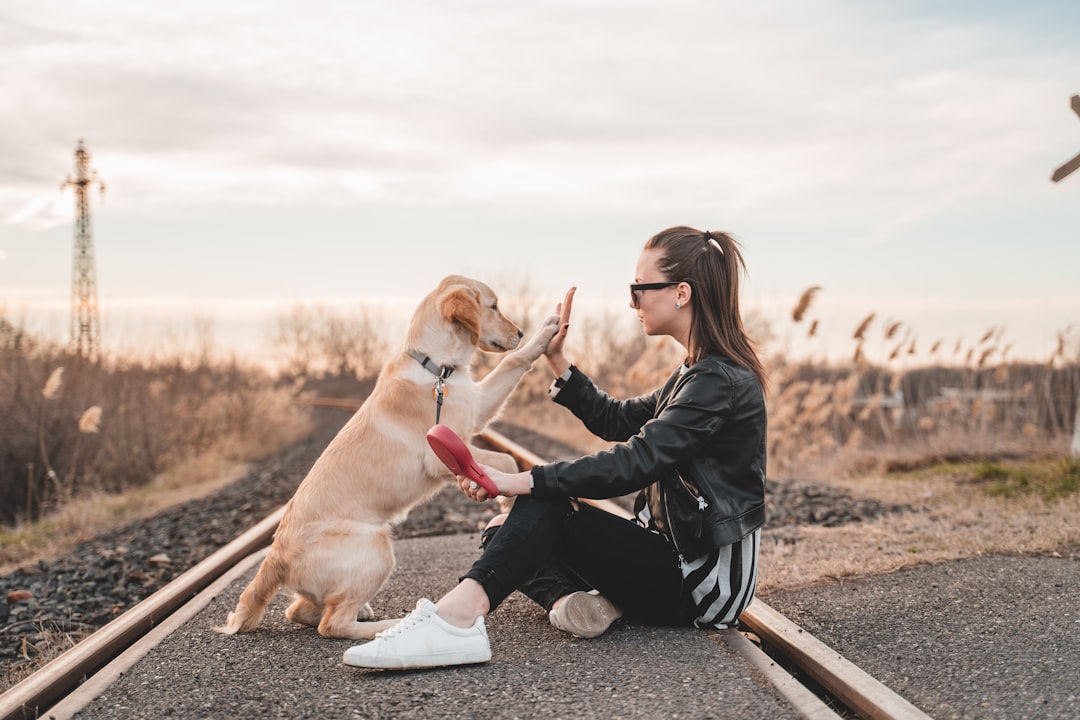
Here’s the beautiful truth: “You’re a good boy” or ” You’re a good girl” isn’t just praise. It’s validation, love, security, and joy wrapped up in three simple words. When dogs and humans share emotions, it facilitates the bond that develops and how it’s maintained over time. “When dogs and humans share emotions, it’s like social glue.” It acts like a strong adhesive that binds us together – often for life.
Every time you say it with genuine warmth and perfect timing, you’re reinforcing the most precious relationship in both your lives. You’re telling your dog they matter, they’re valued, and they belong exactly where they are – right beside you.
Those three words hold the power to make any ordinary moment extraordinary. They turn a simple glance into a celebration, transform routine interactions into memories, and remind both of you why this bond between human and dog remains one of life’s greatest gifts. What do you think – have you been underestimating the magic in your everyday words?


