
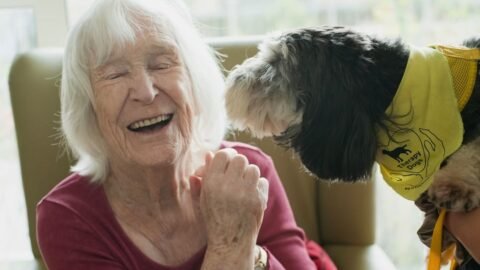
You love your dog. That much is obvious from the way you carefully measure their food, ensure they get regular vet checkups, and probably spoil them with more toys than they need. Yet despite all this care, there’s a good chance you’re doing something every single day that’s quietly stressing them out. It’s subtle. It’s unintentional. And honestly, most of us have no idea we’re even doing it.
Here’s the thing: dogs communicate differently than we do. While we rely heavily on words and gestures, they speak through body language and energy. What feels like love and connection to us might translate as pressure or tension to them. The culprit? Direct, prolonged eye contact. Yes, that loving gaze you think is bonding might actually be making your furry friend uncomfortable.
Before you panic, know that this doesn’t mean you’re a bad pet parent. It just means there’s room to understand your dog a little better. So let’s dive in.
Why Eye Contact Isn’t Always a Love Language for Dogs
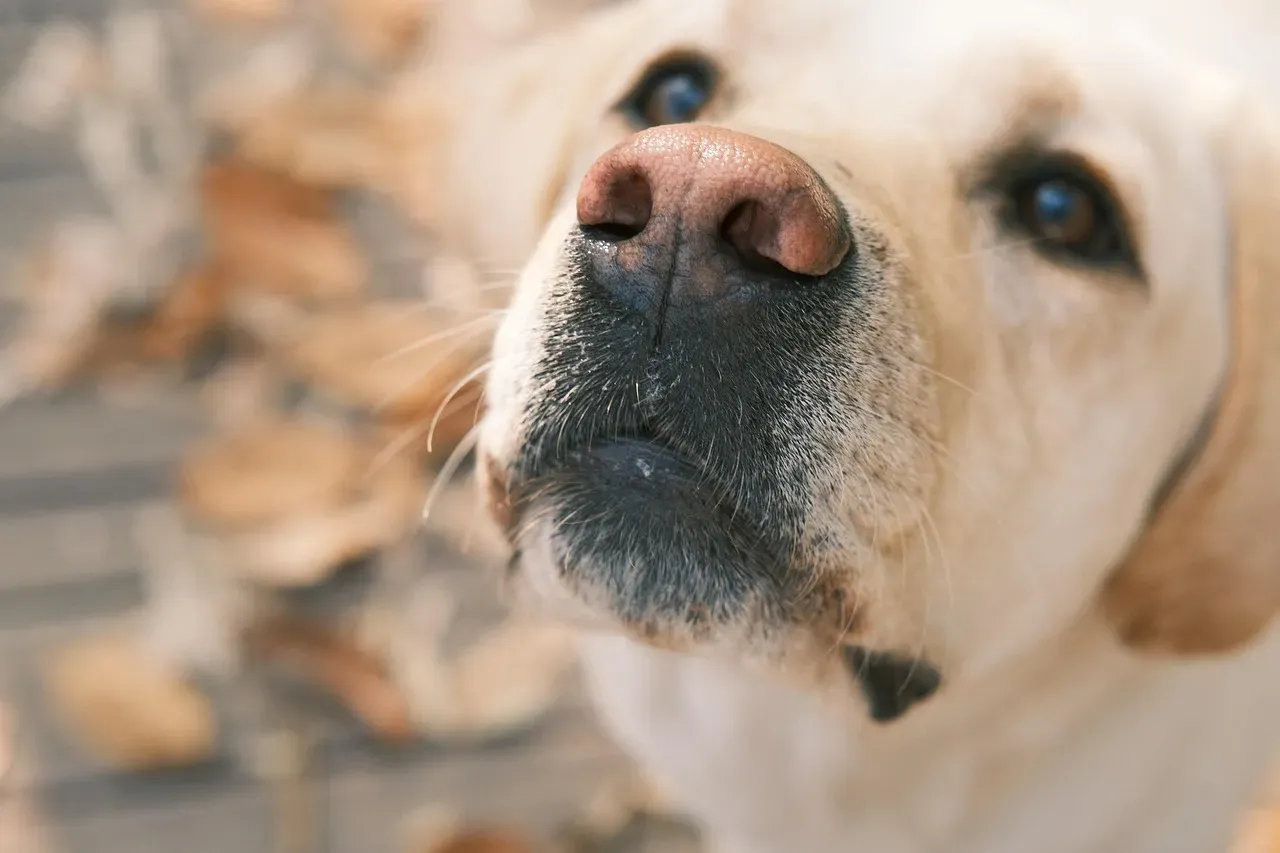
Eye contact is a crucial aspect of communication between humans, but with dogs, it carries a range of meanings that can vary significantly depending on context. While a gentle gaze can be a sign of affection and bonding, prolonged or intense eye contact may be interpreted by dogs as a threat or cause stress.
Think about it from their perspective. Direct eye contact between dogs can be threatening, so it’s common for dogs to look at each other from the side to let one another know they’re not a threat. When you stare at your dog without breaking away, especially if they’re already feeling uncertain, it can trigger discomfort. Eye contact can be perceived as threatening to dogs, especially if it is direct and sustained. In the dog’s social hierarchy, direct eye contact is often seen as a dominant behavior and can evoke a defensive or aggressive response.
Not all eye contact is bad, of course. Mutual gazing increased oxytocin levels, and sniffing oxytocin increased gazing in dogs, an effect that transferred to their owners. But the key word here is mutual. If your dog initiates the gaze and seems relaxed, that’s bonding. If you’re forcing it while they’re turning away, that’s stress.
The Science Behind the Stare
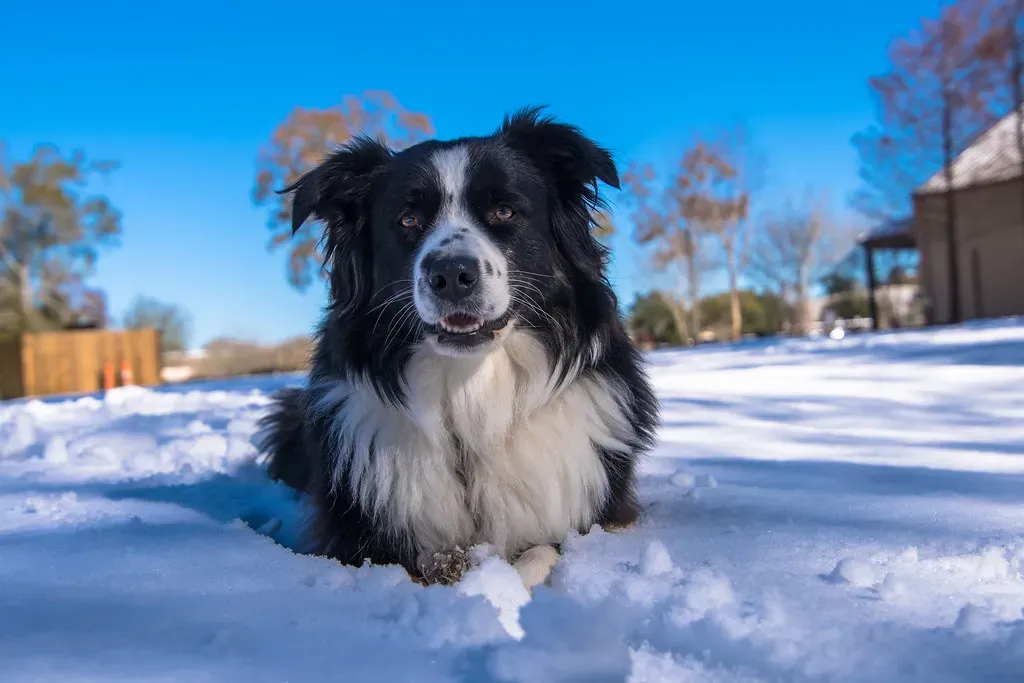
Dogs have co-evolved with humans for thousands of years, developing unique ways to connect beyond vocalizations and physical gestures. Research has shown that mutual eye contact between dogs and their owners triggers the release of oxytocin, often called the “bonding hormone,” in both species. This hormonal exchange promotes feelings of attachment and trust, similar to the bond between parents and children.
That sounds wonderful, right? It is, when done correctly. This type of bond is formed when the animal feels secure and at ease during play, cuddling or training. Dogs, according to studies, become calmer and less stressed with this kind of attention.
The problem arises when the eye contact becomes intense or one-sided. Conversely, not all eye contact is perceived positively by dogs. In canine social interactions, direct, prolonged staring often functions as a dominance display or challenge. When unfamiliar dogs or people hold steady eye contact, it can provoke anxiety, fear, or aggression. Your sweet gaze might unintentionally send the wrong message.
How to Tell If Your Dog Is Uncomfortable
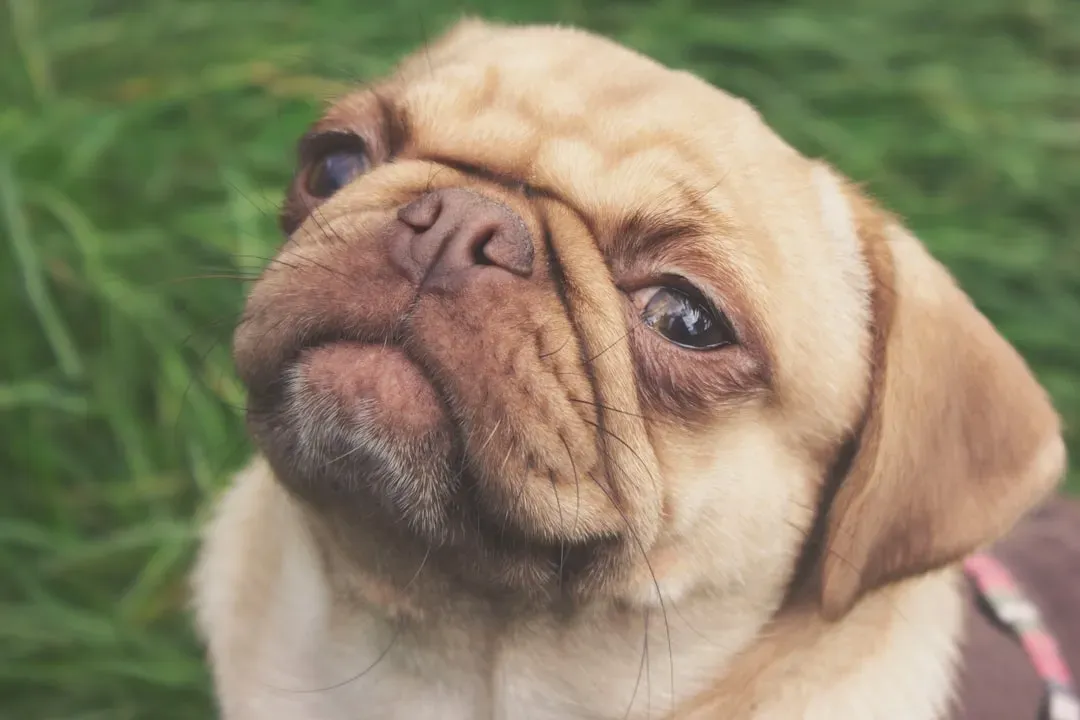
Dogs can’t tell you when they’re stressed, so they show you instead. Signs of discomfort in a dog subjected to intense staring include avoiding the gaze, yawning, lip licking, stiff posture, or growling.
Stressed dogs, like stressed people, may have dilated pupils and blink rapidly. They may open their eyes wide and show more sclera (white) than usual, giving them a startled appearance. This “whale eye” is a clear signal that your dog needs space. When dogs are fearful, tense, or anxious, they widen their eyes to make the whites of their eyes visible, often while staring straight ahead. A dog with a whale eye expression may glance to the side, but this expression isn’t the same as side eye, and a dog showing this behavior is actually alarmed and uncomfortable.
Other signs include turning their head away, licking their lips repeatedly, or even full-body tension. Pay attention. These aren’t just quirks. They’re your dog’s polite way of saying, “This is too much.”
The Daily Mistakes We Don’t Even Realize We’re Making
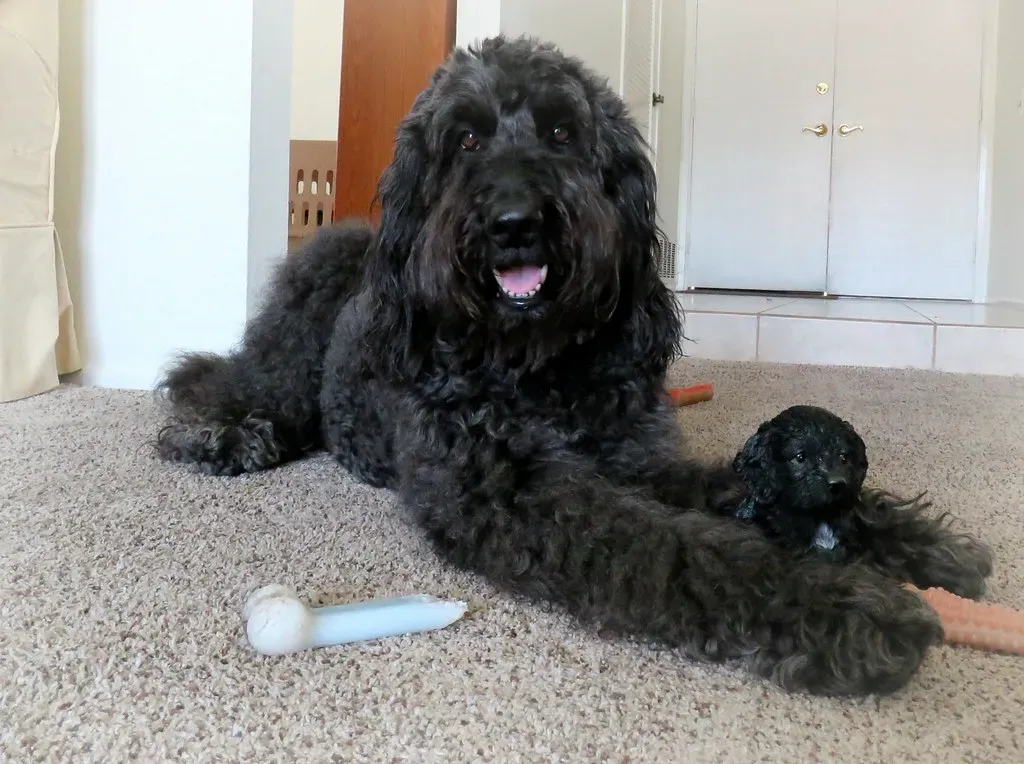
Let’s be real: most of us don’t set out to stress our dogs. We lean in close during cuddle time. We stare lovingly while they eat. We lock eyes when we’re trying to teach them something new. All of these moments, while well-intentioned, can create unnecessary pressure.
Prolonged eye contact can make some dogs uncomfortable. Dogs with fearful dispositions or a history of abuse may purposefully avoid eye contact. If your dog consistently looks away when you try to make eye contact, they’re telling you something important. Listen to them.
Even during training sessions, overdoing the eye contact can backfire. Sure, you want their attention, but demanding it through an unblinking stare can make them anxious rather than focused. The goal is connection, not domination.
What Happens When Stress Becomes Chronic
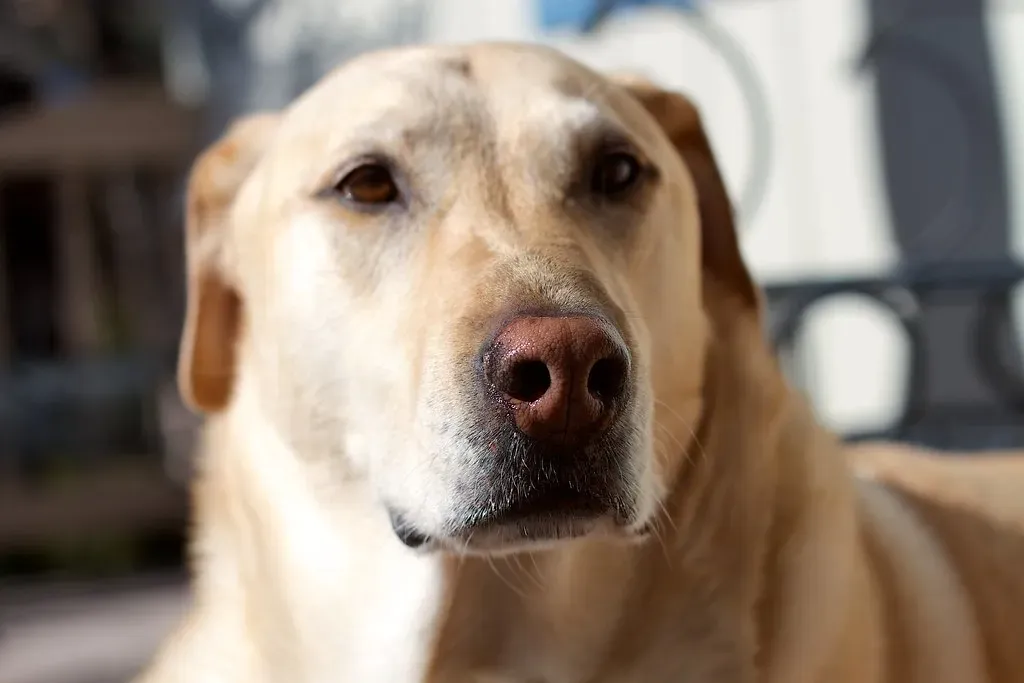
Chronic stress puts your dog’s nervous system in constant fight or flight, changing their behavior and ability to cope. It’s not just about one uncomfortable moment. When dogs are repeatedly exposed to stressors they can’t escape, it takes a toll on their overall wellbeing.
Chronic anxiety can take a toll on your dog’s physical health. It can lead to digestive issues such as vomiting, diarrhea, or a loss of appetite, a weakened immune system making your dog more susceptible to illnesses, and behavioral changes such as aggression or depression.
This isn’t something to brush off. Stress isn’t just an emotional issue for dogs. It manifests physically and behaviorally. Your dog deserves to feel safe and comfortable in their own home, and small adjustments from you can make a world of difference.
How to Gaze at Your Dog the Right Way
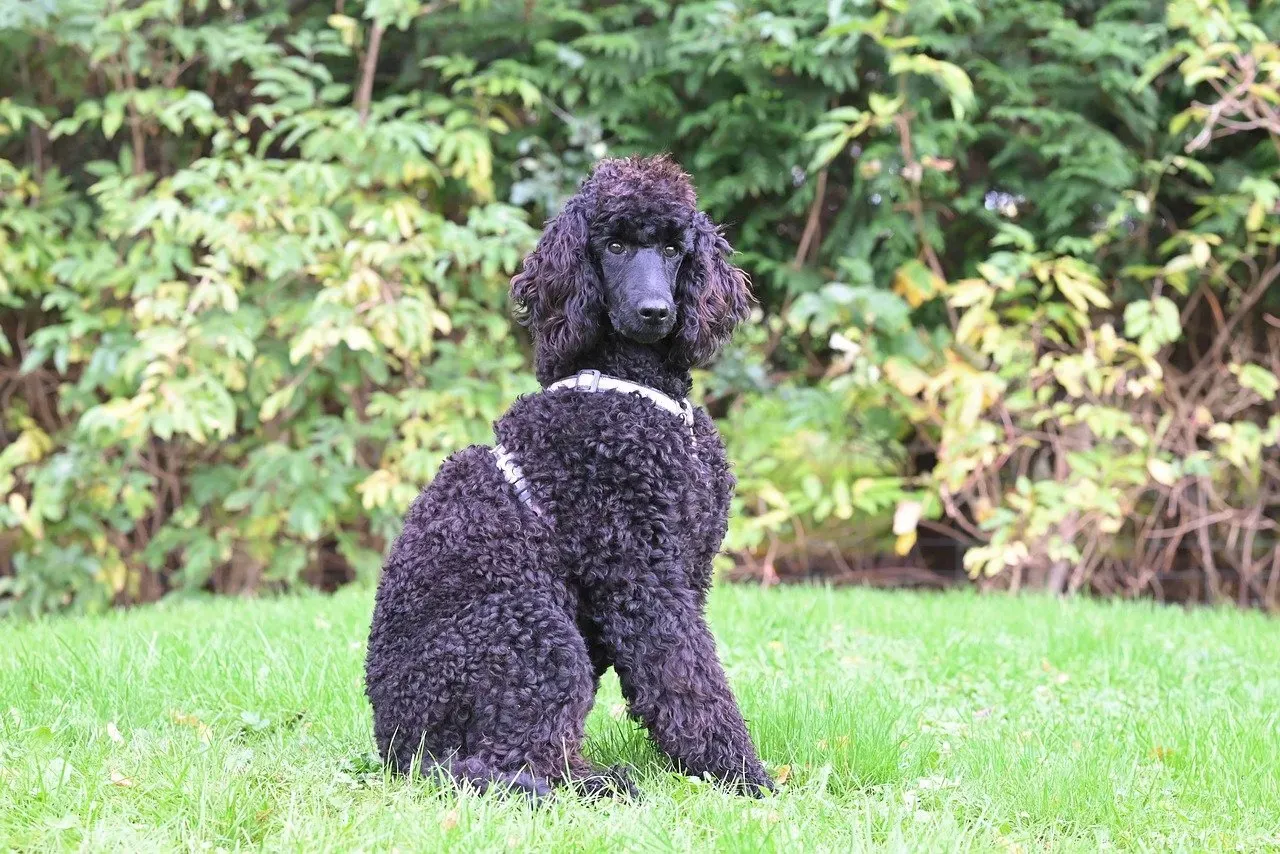
So how do you show love without causing stress? It’s simpler than you think. By looking closely at a dog’s actions and keeping them comfortable, pet owners can encourage good eye contact. Don’t stare directly and just move your eyes gently; when someone wants to look at you, accept the eye contact and keep your gaze loose when stressed.
Try softening your eyes. Instead of a fixed stare, blink slowly and look away occasionally. This signals that you’re calm and non-threatening. Let your dog initiate eye contact when they’re ready. If they look at you first, that’s their way of saying they’re comfortable connecting.
Nilson stresses the importance of reading your dog’s body language and responding appropriately. If your dog shows any of these signs during eye contact, Nilson says to drop your gaze and give your dog some space. Respect their boundaries. That’s love too.
Building Trust Through Body Language
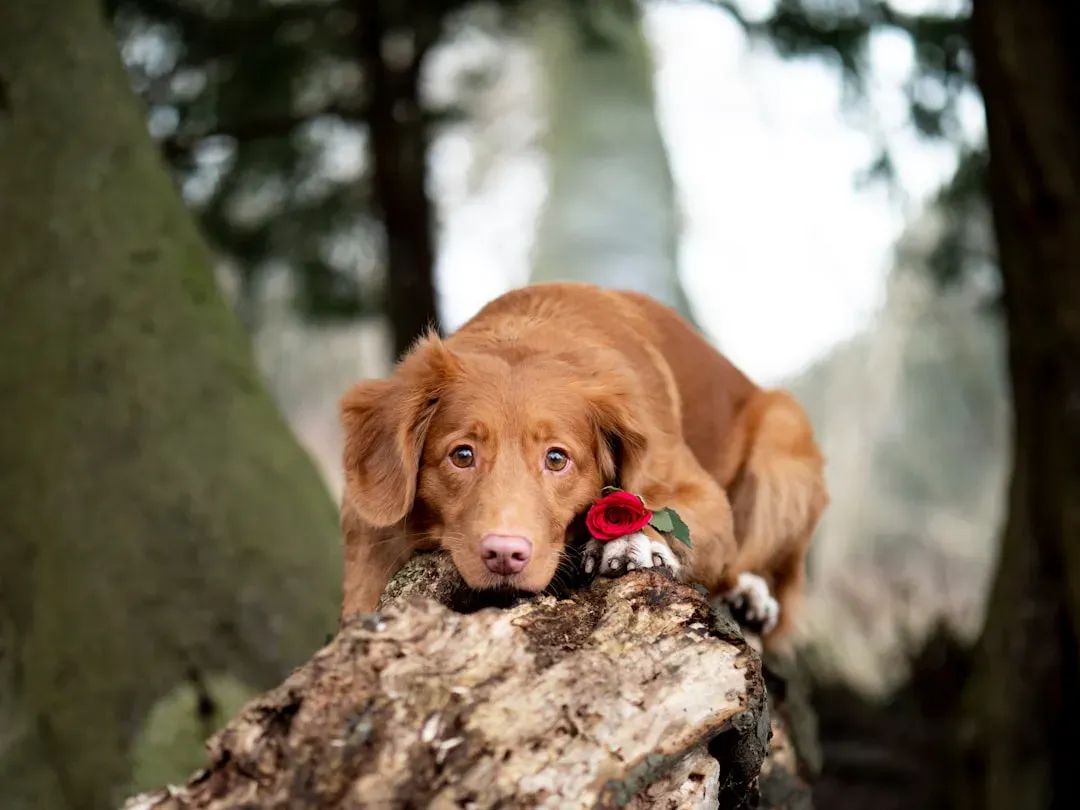
Dogs are masters at reading us. Stressed dogs communicate through body language that’s important for humans to understand. Learning dog warning signs can help prevent dangerous situations. The more you understand their signals, the better you can respond.
Your dog is always talking to you through their body language. The subtle stress signals we’ve discussed, whale eye, lip licking, yawning, and others, are not signs of misbehavior or disobedience. They’re polite, peaceful communications that say, “I need help; I’m feeling overwhelmed.”
When you recognize and respect these signals, something beautiful happens. Your dog learns they can trust you to listen. They don’t have to escalate to growling or snapping because you’ve already acknowledged their discomfort. That’s the foundation of a truly strong bond.
Creating a Low-Stress Environment at Home
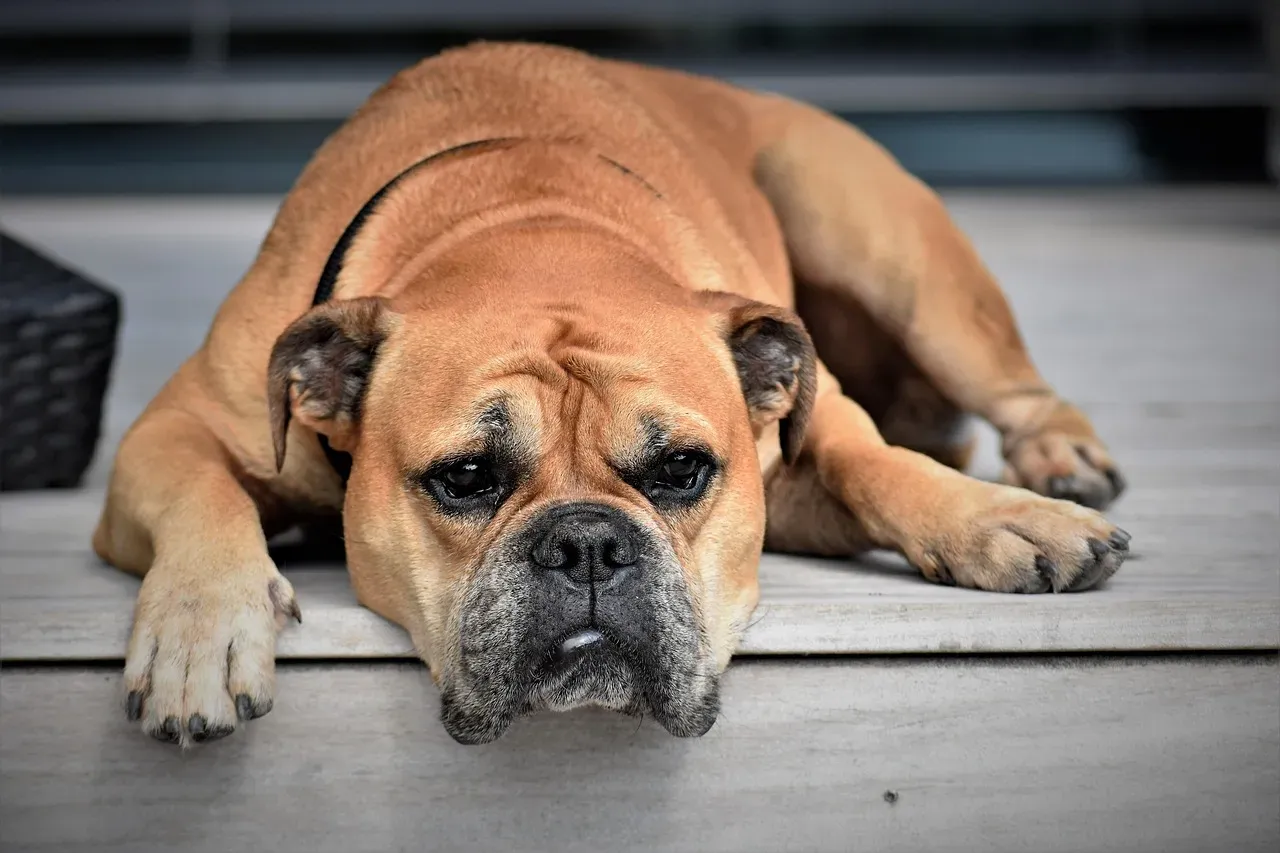
Beyond adjusting your gaze, there are plenty of ways to reduce your dog’s daily stress levels. Schedule your dog’s meals, walks, play time and training time so that they know when to expect these activities throughout the day. You can also make rest time part of your regular routine.
Dogs thrive on predictability, so sticking to a consistent schedule for feeding, walks, and playtime can help reduce anxiety. When dogs know what to expect, they feel safer. Surprises might be fun for humans, but for dogs, routine equals comfort.
As with humans, exercise can be a great stress reducer. For healthy dogs, physical activities such as walking or playing fetch may help both you and your dog release tension. It is also important to provide your dog with a safe place in the home where they can escape stimuli that trigger a stress response. Give them a quiet corner or crate where they can retreat when the world feels overwhelming.
The Power of Positive Interactions
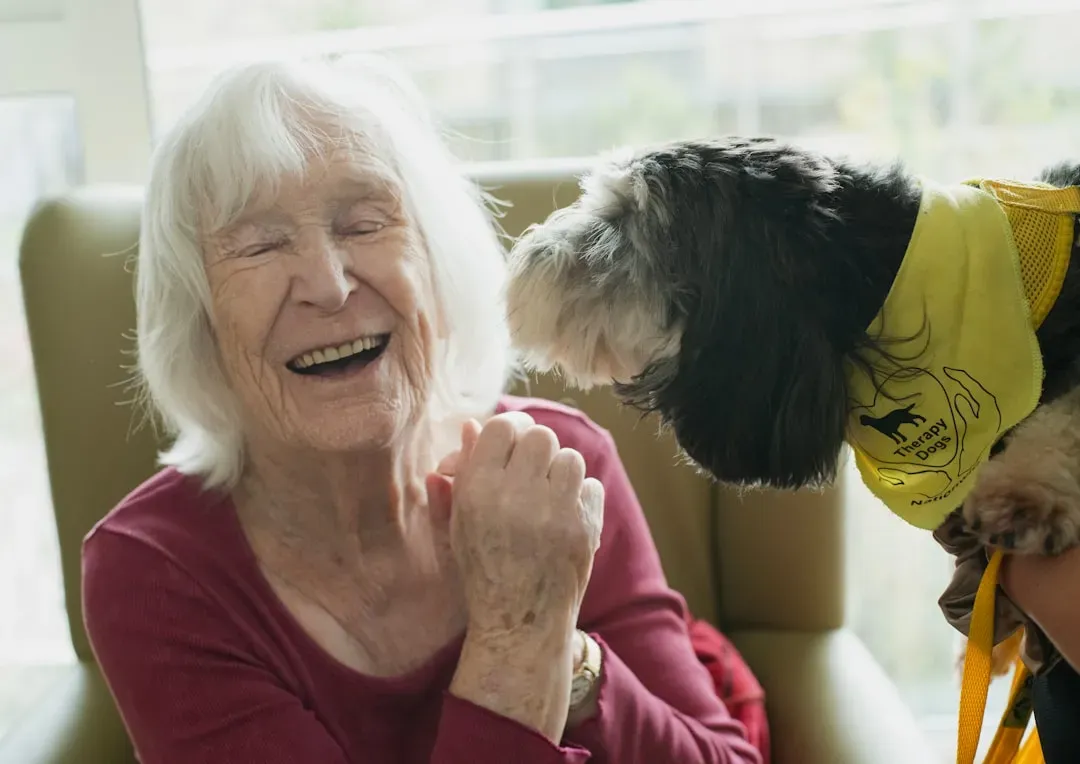
Let’s shift focus from what not to do to what you can do. Using positive reinforcement to reward calm behavior can help your dog associate anxiety-inducing situations with positive outcomes. Give your dog treats, affection, and verbal praise when they remain calm in stressful situations.
Games can be a great way to ease your dog’s nerves and distract them from their anxiety triggers. Consider calm games that engage your dog’s brain rather than riling them up with roughhousing or high energy activities. Try scattering food across the ground for your dog to sniff out or placing treats behind furniture or pillows in a doggie game of hide-and-seek.
Mental stimulation is just as important as physical exercise. Puzzle toys, sniff walks, and training sessions that focus on fun rather than pressure all help build your dog’s confidence. A confident dog is a less stressed dog.
When to Seek Professional Help
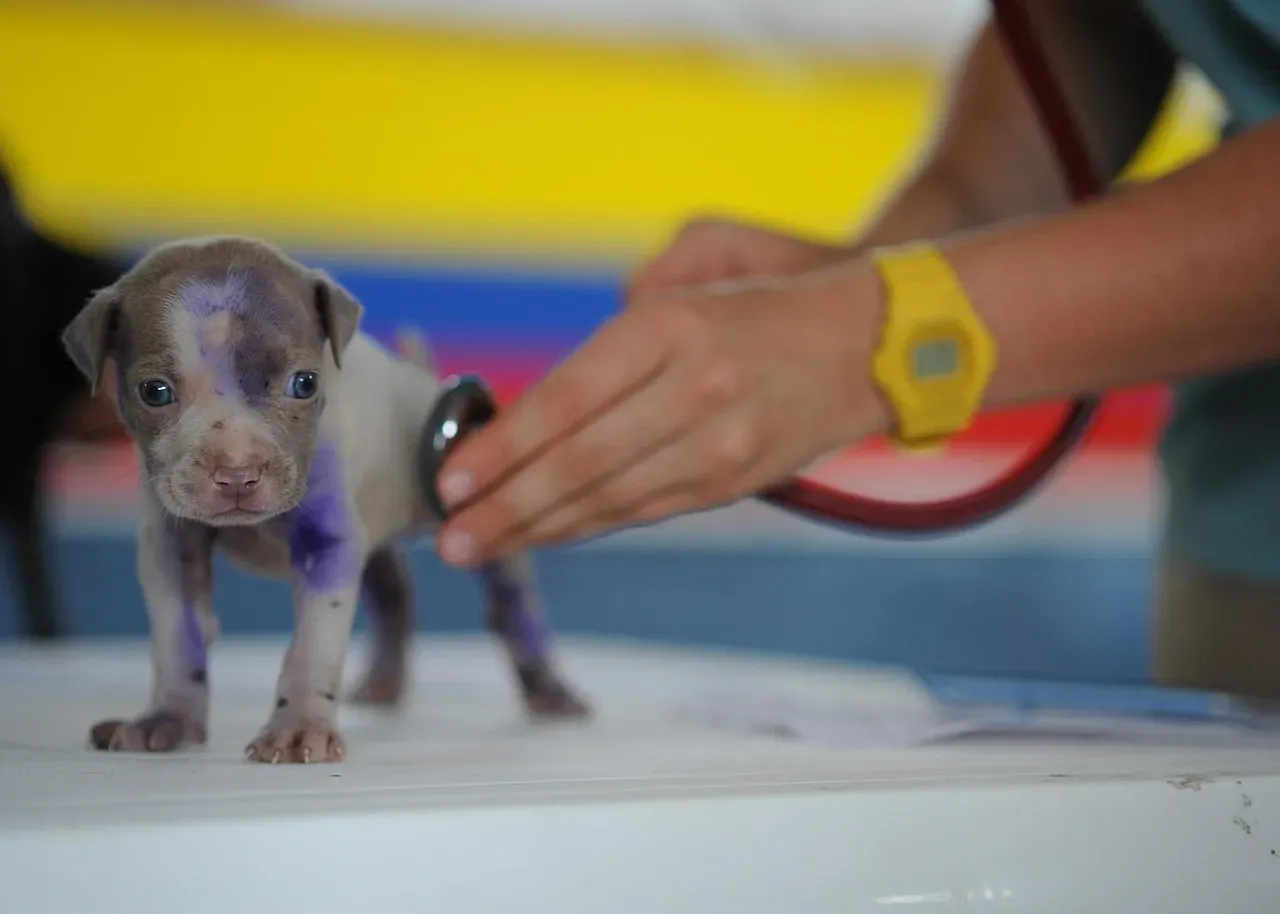
Sometimes, despite our best efforts, dogs need additional support. If your dog becomes stressed often or in response to many triggers, see your veterinarian. After ensuring that your dog’s behavior does not have a physical basis, your veterinarian may refer you to a trainer or veterinary behaviorist for further assessment. A treatment plan may include behavior modification, a change in the daily routine, medications to relieve physical discomfort, and medications to reduce the emotional response to the triggers.
There’s no shame in asking for help. In fact, it shows how much you care. If your dog displays frequent stress signals or if stress is interfering with their quality of life, seek help from a certified professional dog trainer or veterinary behaviorist who can develop a customized behavior modification plan.
Some dogs have experienced trauma or have anxiety that goes beyond everyday stressors. Professional guidance can provide targeted strategies and, if necessary, medication to help them feel more at ease.
Your Dog Deserves to Feel Safe
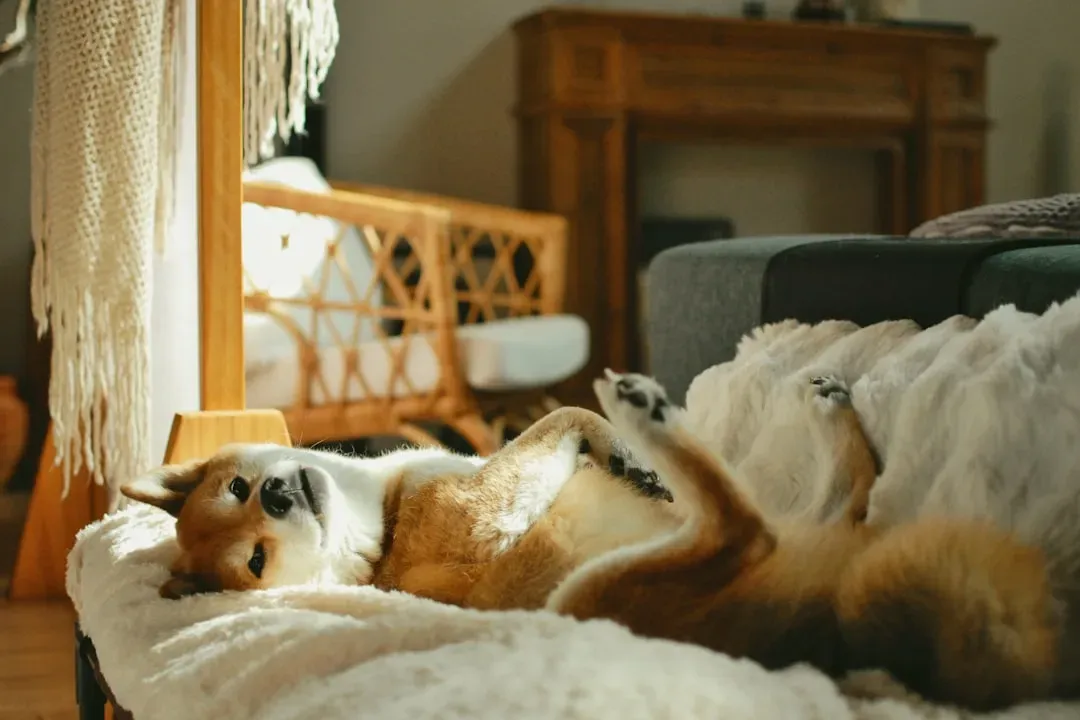
At the end of the day, your dog just wants to feel secure and loved. That loving stare you thought was connecting you might have been creating distance instead. The good news? Now you know. And knowing means you can change it.
By learning to recognize and respect these signals, you become a better advocate for your dog’s emotional wellbeing. You can intervene before stress escalates, build trust through understanding, and create a life where your dog feels safe, heard, and supported.
It’s not about being perfect. It’s about being present and responsive. Watch your dog. Let them guide the interaction. When they look away, don’t force it. When they lean in, meet them there. That’s the kind of connection that truly matters. What small change will you make today to help your dog feel more comfortable? Your furry friend is counting on you.


