
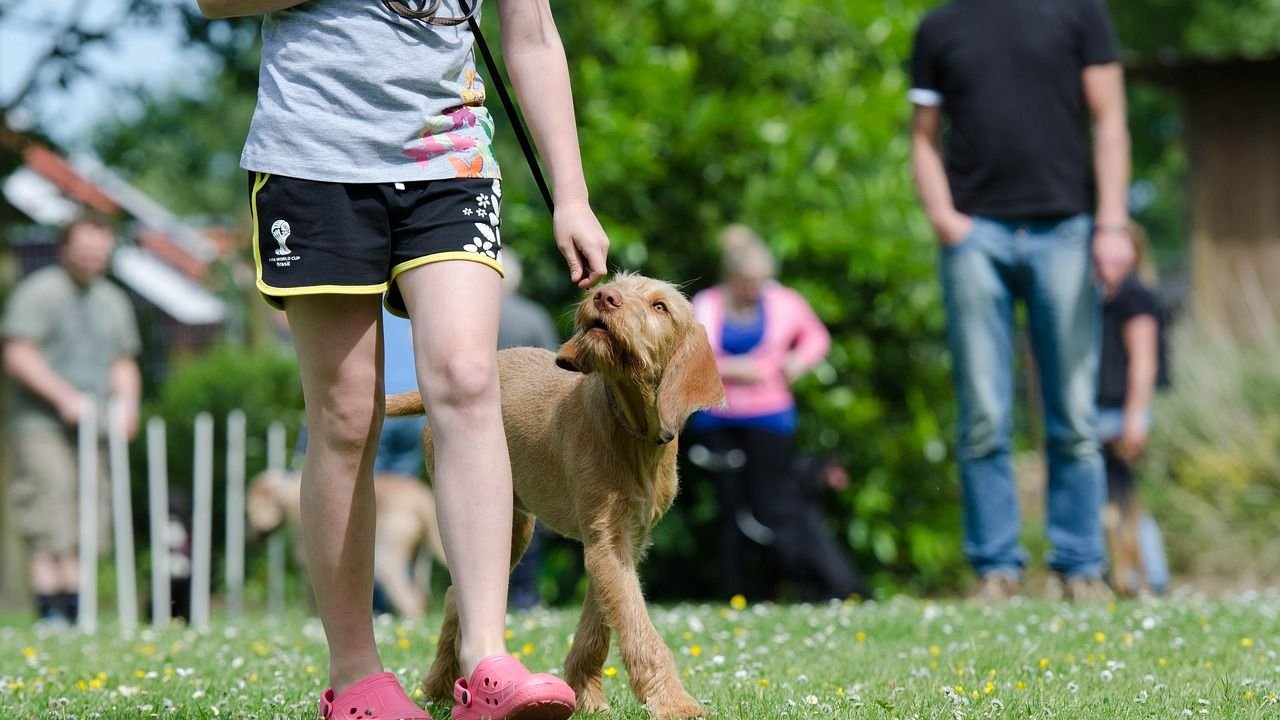
Picture this: your dog is yanking on the leash like they’re trying to tow a truck, barking at every passing stranger, and completely ignoring everything you say. You’re frustrated, maybe even a little embarrassed. You love this dog with your whole heart, but some days it feels like you’re speaking two entirely different languages.
Here’s the thing – you probably are. Dogs don’t come pre-programmed with human rules and expectations. They’re just being dogs, reacting to a world that can feel overwhelming without the right guidance. The good news? There is a way to bridge that gap, and it doesn’t involve shouting, force, or frustration. It’s science-backed, it’s kind, and honestly, it might just change your relationship with your dog forever. Let’s dive in.
The Science That Makes It Work
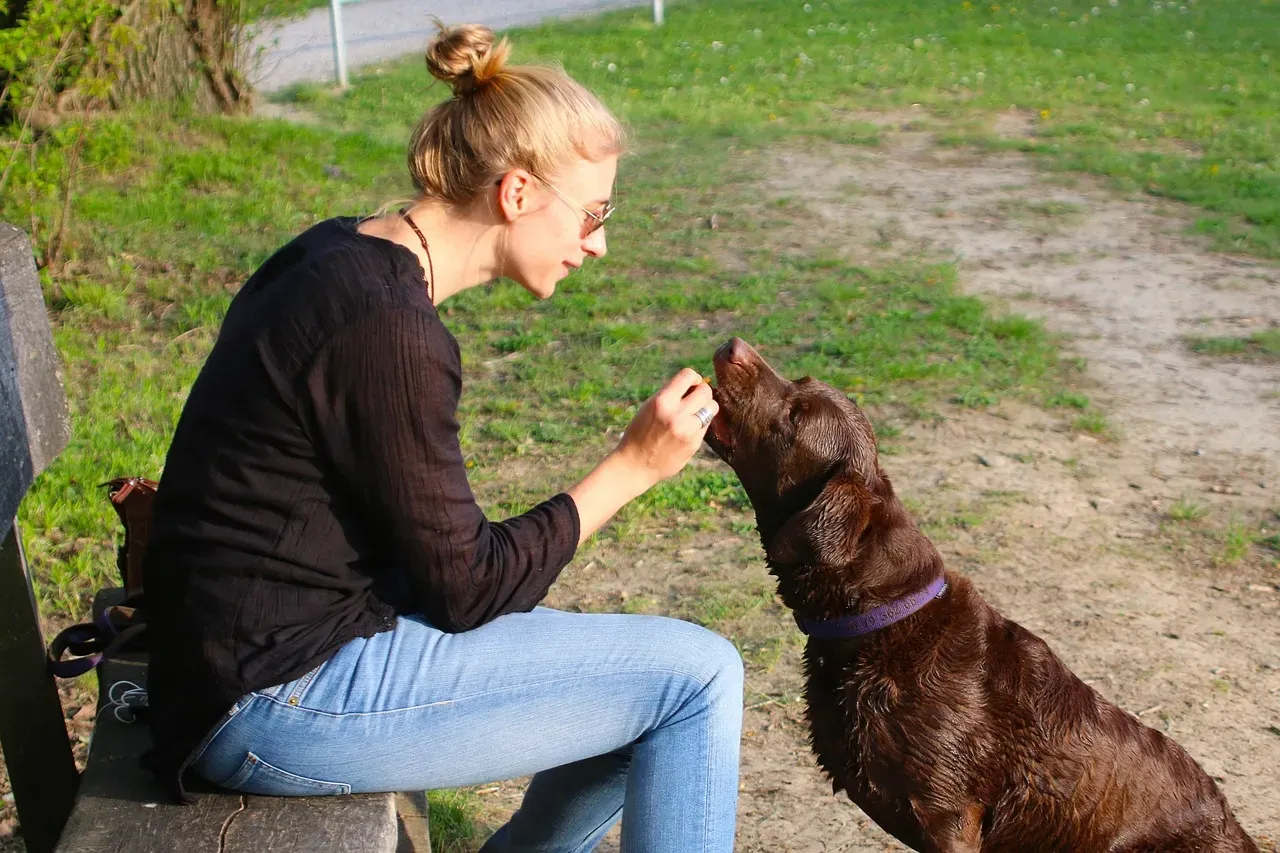
Positive reinforcement isn’t just a feel-good trend dreamed up by soft-hearted dog lovers. It’s grounded in solid behavioral science, and research consistently shows that rewards activate pleasure centers in the brain, encouraging dogs to repeat the behaviors that earned them. Think of it like a slot machine for your dog’s brain – except this one always pays out when they do the right thing.
When dogs receive a treat or praise, their brains release dopamine, a neurotransmitter tied to pleasure, reward, and motivation. Over time, the behavior that leads to this pleasurable outcome becomes more ingrained through these neurochemical pathways. That’s not training by accident. That’s training by design.
This method comes from the principles of operant conditioning, first studied by B.F. Skinner, whose research showed that animals repeat behaviors that bring rewards. Understanding this simple truth is the entire foundation of everything that follows in your training journey.
Why Punishment Often Makes Things Worse

Let’s be real – most of us have raised our voices at our dogs at some point. It’s human. But research has something important to say about what actually happens when we use punishment as a primary training tool. Dogs trained using aversive training methods were found to be 15 times more likely to show symptoms of stress than those trained using positive reinforcement. That number is hard to ignore.
Punishment is stressful for the dog, causing a rise in stress hormones. This can cause a dog to become fearful or aggressive. It is also possible that stress hormones actively interfere with learning. So you’re not just scaring your dog – you’re literally making it harder for them to absorb anything new. It’s like trying to study for an exam while someone is yelling at you.
Dogs trained with unpleasant actions often associate those aversives with the trainer and the training process. These dogs don’t look forward to learning, they don’t want to try new things, and their bond with their owner is eroded. That erosion of trust is the real cost nobody talks about enough.
How Positive Reinforcement Tackles Real-Life Problem Behaviors
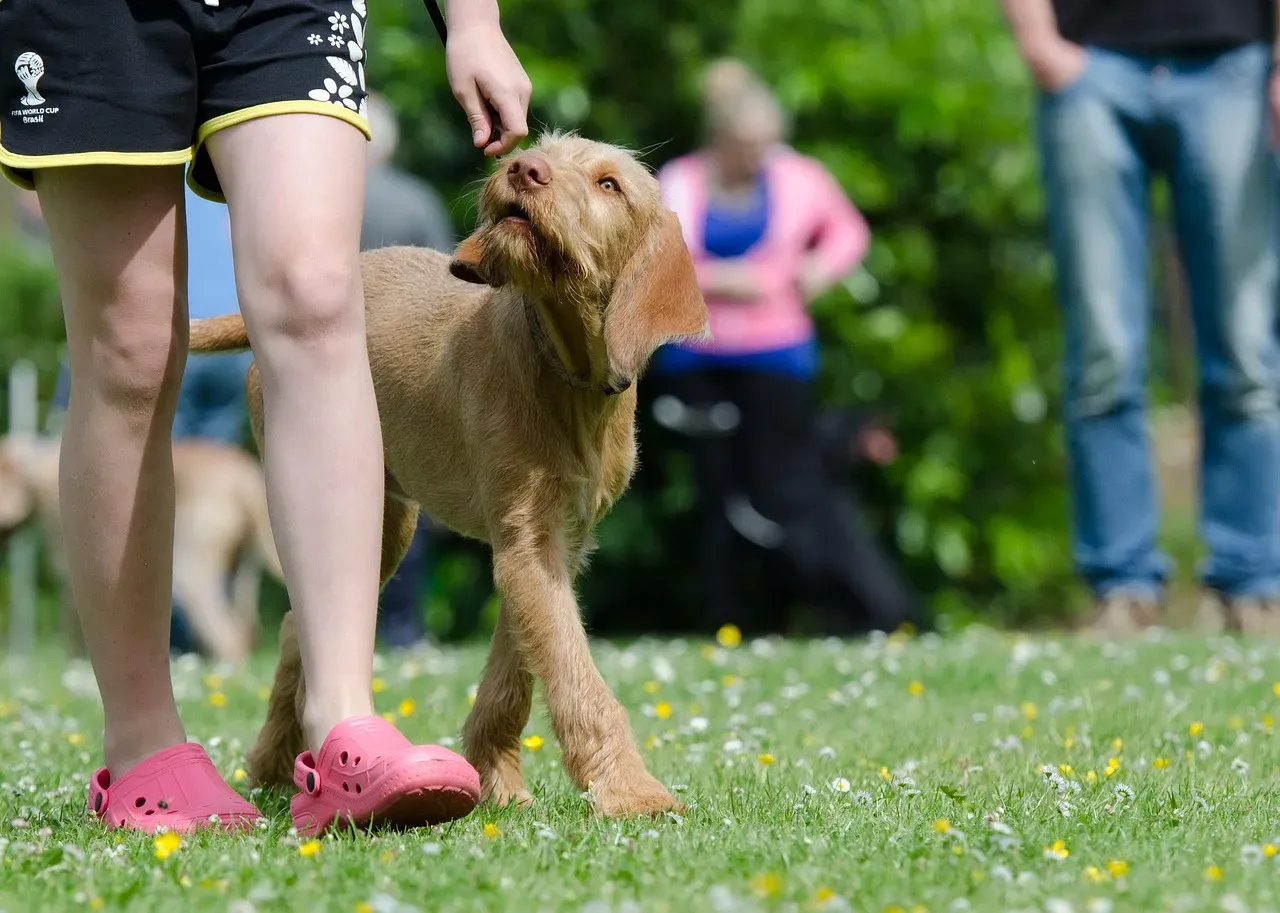
Jumping on guests. Pulling on the leash. Barking at the doorbell. These are the behaviors that drive owners absolutely mad on a daily basis. Reward-based training helps prevent common problems like excessive barking, jumping on guests, and leash pulling, because dogs trained this way feel confident and secure – they understand exactly what’s expected of them, reducing anxiety-driven behaviors before they even start.
Unlike punishment-based methods that merely suppress unwanted behaviors temporarily, positive reinforcement creates permanent behavioral changes. When dogs consistently receive rewards for good behavior, they internalize these actions as their default responses, meaning less need for ongoing corrections and more reliable behavior over time. That’s the shift from a dog that behaves because it fears consequences, to one that behaves because it genuinely knows what works.
Imagine training your dog to go to their bed when the doorbell rings instead of launching themselves at visitors. Certified applied animal behaviorists advise the use of counter-conditioning, or positive reinforcement of appropriate alternative behaviors, such as sitting instead of jumping – and for the visitor situation, dogs can be trained to go to a rug or bed and remain lying down while the owner answers the door. That’s a game-changer for chaotic households.
The Magic of Timing and Consistency
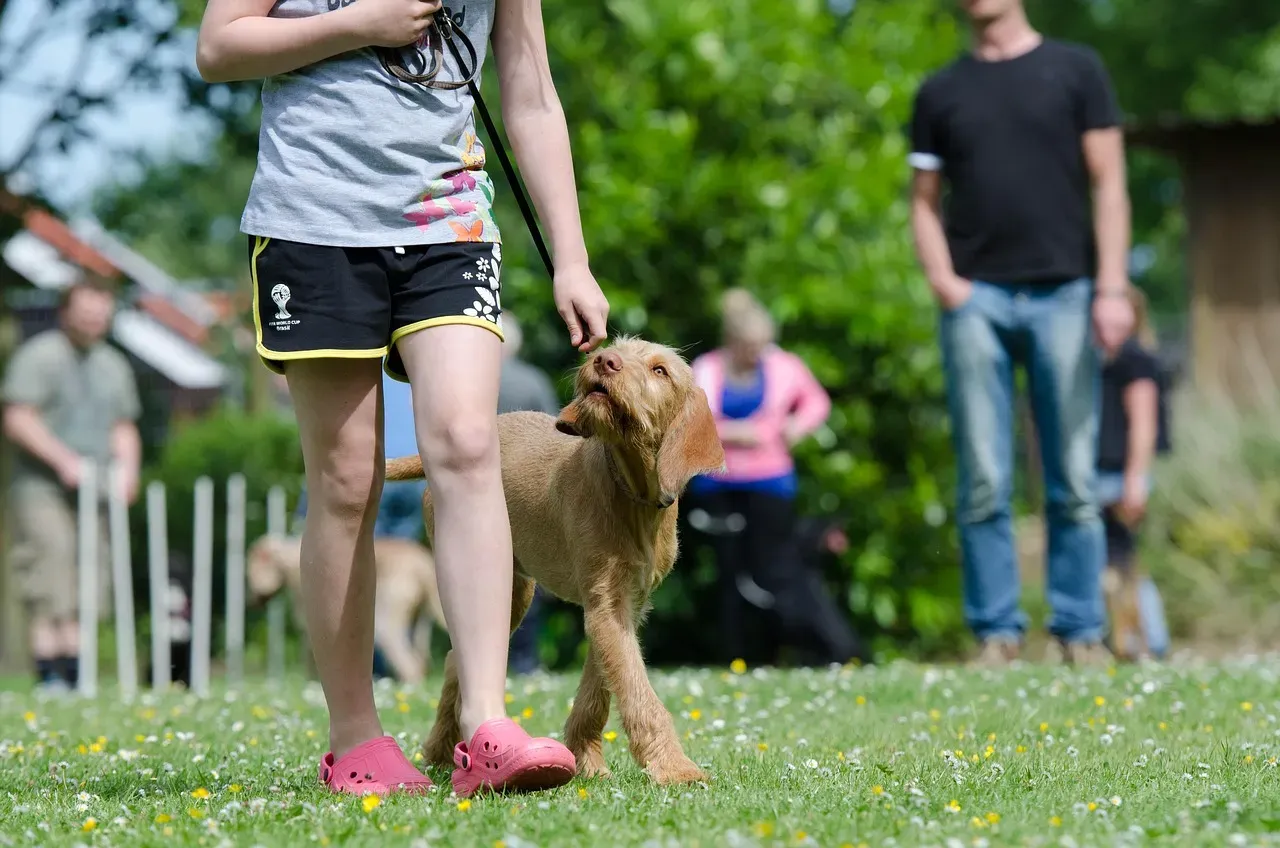
If there’s one thing seasoned trainers will drill into you, it’s this: timing is everything. The magic lies in the timing – rewards must come immediately after the desired behavior, because this instant gratification helps your dog make the connection between their action and the positive outcome. Miss that window by even a few seconds and your dog has absolutely no idea what they’re being rewarded for.
Timing is crucial, and you need to reinforce within one to two seconds so your dog connects the reward with the action. A clicker can be a brilliant tool here – it acts like a camera shutter, capturing the exact moment the right behavior happens. Then the treat follows. Clear, fast, effective.
Dogs thrive on predictability, so use consistent cues, rewards, and timing. Consistency doesn’t mean being rigid or robotic. It just means your dog needs to trust that the same great behavior will always lead to the same great outcome. That predictability is deeply calming for them.
Every Dog Can Learn – Yes, Even Yours
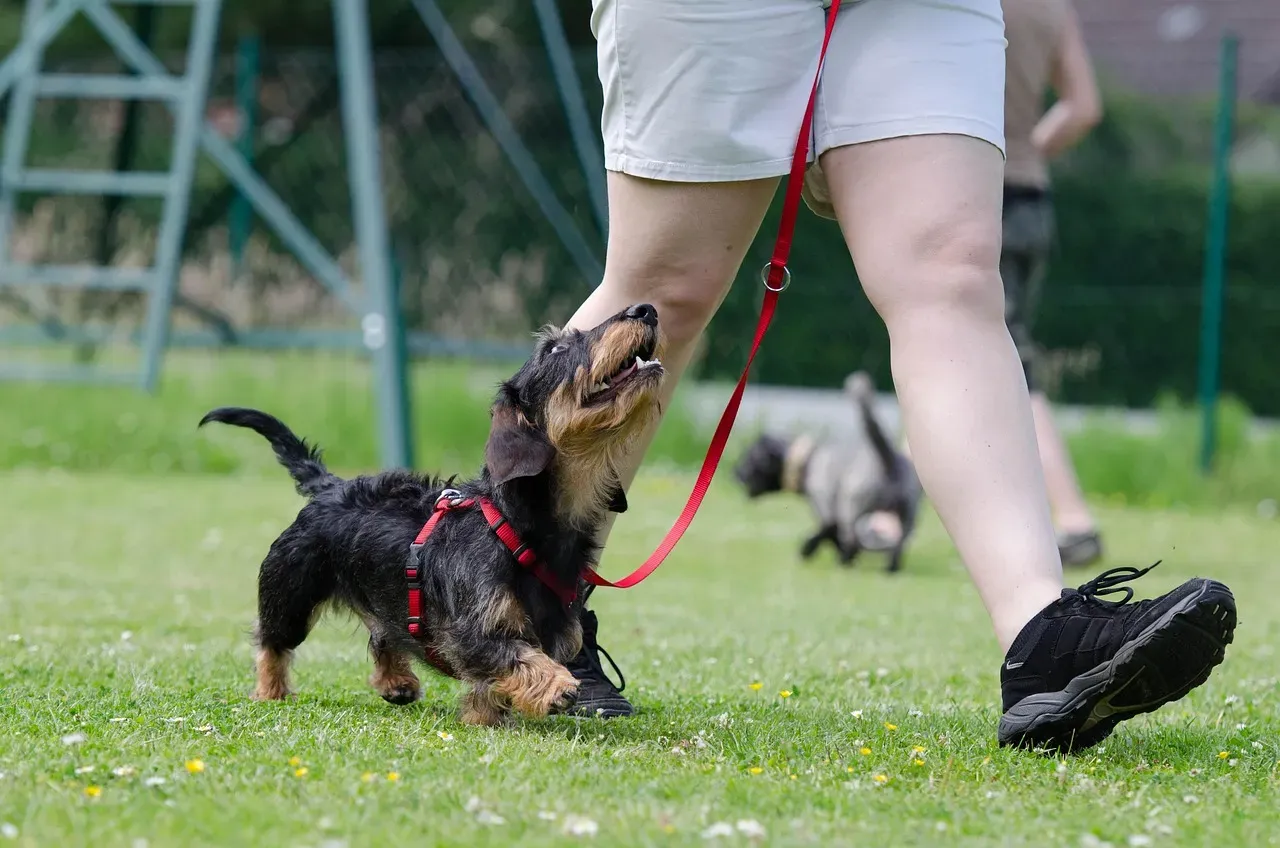
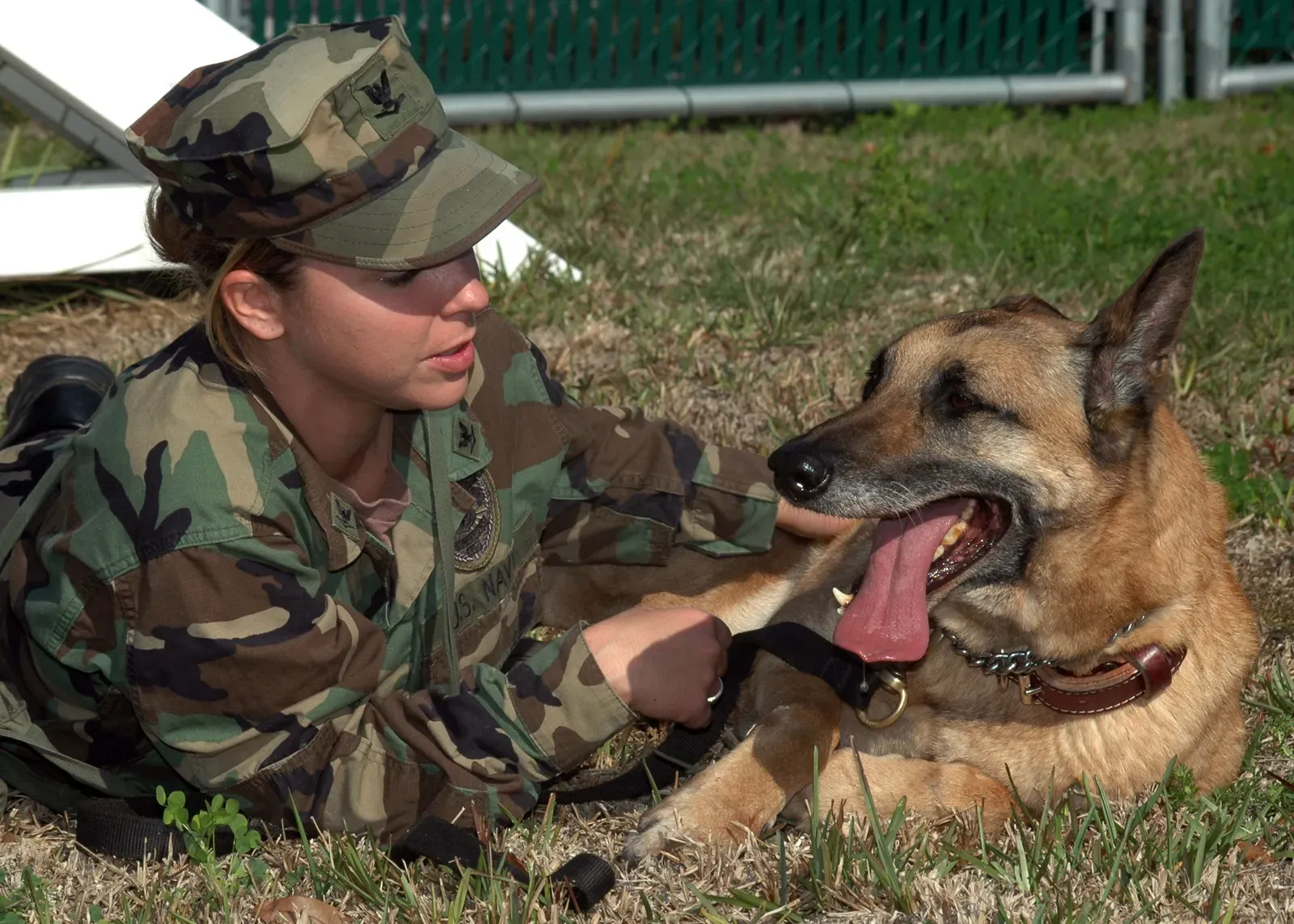
You might be thinking, “Sure, this works for easy dogs. But mine is a stubborn, headstrong, reactive nightmare.” Honestly, I’ve heard this so many times. Here’s what science actually says. What makes positive reinforcement truly remarkable is its versatility – professional dog trainers have successfully used it with breeds often labeled as challenging, including German Shepherds, Malinois, and Akitas. The key insight is that every dog responds to positive reinforcement; it’s simply a matter of discovering what motivates each individual animal.
Positive reinforcement techniques, which reward desired behaviors with treats, praise, play, and encouragement rather than punishment, have solidified their position as the leading methodology in modern training. Some dogs go wild for a tiny piece of chicken. Others would walk through fire for a tennis ball. Some just light up at enthusiastic verbal praise. Find your dog’s currency and you’ve already won half the battle.
According to the American Veterinary Society of Animal Behavior, science shows that reward-based training is more effective for long-term learning and better for animal welfare. That’s not a niche opinion. That’s the consensus of the veterinary and behavioral science community as a whole. So if you’ve been told your dog “just can’t be trained,” please don’t believe it for a second.
Building a Bond That Lasts a Lifetime

When you use positive reinforcement, training sessions become enjoyable experiences your dog actually looks forward to. Instead of working out of fear or obligation, your dog learns because they want to please you and earn rewards – creating a foundation of trust and mutual respect that extends far beyond training sessions. That shift in dynamic is profound. Training stops being a chore and starts being one of the best parts of your day together.
Dogs in positive reinforcement-based classes show a much higher frequency of gazing at their owners, and this supports the idea that training with positive reinforcement contributes to a better canine-human relationship. Eye contact might seem like a small thing. But for a dog, choosing to look at you instead of the world around them? That’s love and trust, plain and simple.
Dogs trained with positive reinforcement tend to retain learned behaviors for longer, because the association between the behavior and the reward is strong and doesn’t diminish as quickly as fear-based responses. You’re not just teaching a dog to sit. You’re building a shared language that you’ll both speak for the rest of your lives together.
Conclusion: A Kinder Way Forward
Every dog deserves a fair chance to understand the world they’ve been brought into – your world. Positive reinforcement gives them exactly that. It’s not about being permissive or letting bad behavior slide. It’s about communicating in a way that your dog’s brain is literally wired to understand. Reward the good. Be consistent. Be patient. And watch what happens.
As training trends continue to evolve, the essence of dog training crystallizes into a single truth: it’s about empowerment through kindness, not control through coercion. That sentence should be taped to every dog owner’s fridge. The relationship you build when you choose compassion over correction is something no leash pop or harsh correction could ever create.
Your dog isn’t giving you a hard time. They’re having a hard time. And you have everything you need to help them. So take a breath, grab some treats, and start where you are. The transformation might surprise you more than it surprises your dog. What behavior would you tackle first?


