

Owning a dog is a huge commitment, and when it comes to choosing a breed, the Boxer often stands out. With its charming personality and distinctive appearance, this breed captivates many dog lovers. However, like any breed, Boxers come with their own set of advantages and challenges. This article delves into the pros and cons of owning a Boxer, offering insights to help you decide if this energetic breed is the right fit for your home.
Understanding the Boxer’s Personality
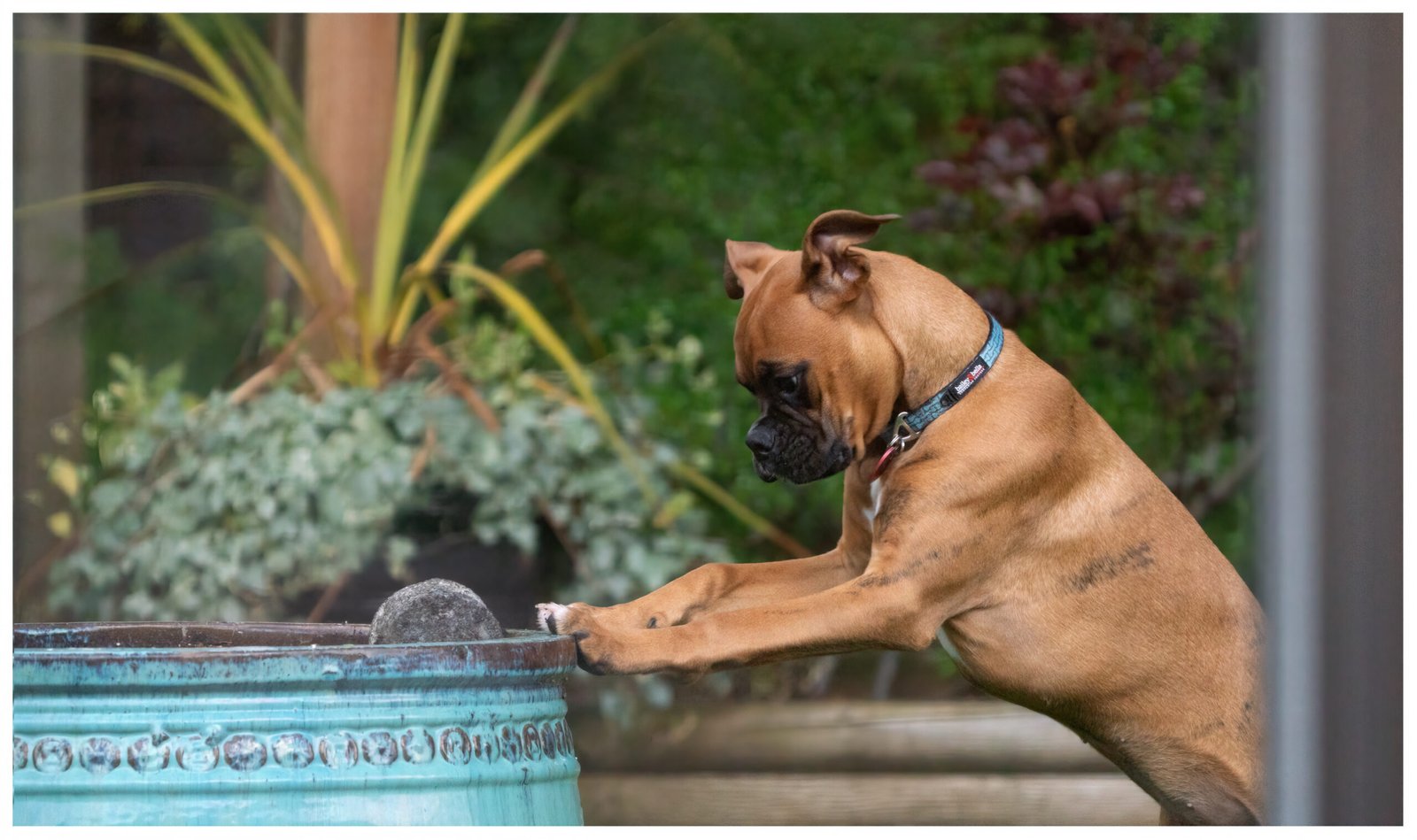
Boxers are known for their playful and energetic nature, making them fantastic companions for active families. They are often described as “the clowns of the dog world” because of their playful antics and joyous demeanor. This breed thrives on interaction and loves to be the center of attention, ensuring that there’s never a dull moment. However, their lively character can sometimes be overwhelming for those who prefer a more laid-back pet. While they are generally friendly, Boxers can be a bit stubborn, requiring a patient owner who appreciates their spirited nature.
Exercise Needs: A Daily Commitment

A Boxer is not the type of dog to lounge around all day. They require regular exercise to keep them happy and healthy. Daily walks, runs, and play sessions are crucial to burn off their abundant energy. If you’re someone who enjoys outdoor activities, a Boxer could be your perfect partner. However, if your lifestyle is more sedentary, meeting a Boxer’s exercise requirements might be challenging. It’s essential to remember that an under-exercised Boxer can become restless and may resort to destructive behaviors.
Training: The Importance of Consistency

Boxers are intelligent and eager to please, which makes them relatively easy to train with the right approach. Consistency and positive reinforcement are key to shaping their behavior. Early socialization and training are crucial to ensure a well-mannered adult dog. Despite their intelligence, Boxers can have a stubborn streak, so patience and persistence are necessary. Training can be a rewarding experience, as they are quick learners when motivated. However, their strong-willed nature might pose a challenge for first-time dog owners.
Health Considerations: What to Watch For

Like all breeds, Boxers have specific health concerns that potential owners should be aware of. They are prone to certain conditions such as hip dysplasia, heart issues, and certain types of cancer. Regular veterinary check-ups and a healthy diet can help manage and prevent some of these health problems. Despite these potential issues, a well-cared-for Boxer can live a healthy and active life. It’s important to research and choose a reputable breeder to minimize the risk of hereditary health problems.
Grooming and Maintenance: A Low-Maintenance Option

Boxers have a short, smooth coat that requires minimal grooming. Regular brushing can help keep their coat shiny and reduce shedding. They are generally clean dogs with little odor, which is a plus for many owners. Bathing should be done occasionally to keep them fresh. However, their short coat doesn’t provide much insulation, so Boxers can be sensitive to extreme temperatures. During colder months, you may need to invest in a dog sweater to keep them warm.
Family Companionship: A Loyal Friend

Boxers are known for their loyalty and affection towards their families. They are excellent with children, often forming strong bonds and acting as protective companions. Their playful nature makes them ideal playmates for kids, and their patience ensures they get along well with other pets. Despite their playful demeanor, Boxers are also known to be protective and will alert owners to any potential threats. This combination of playfulness and protectiveness makes them great family dogs.
Socialization: Building Positive Interactions

Socialization is a critical aspect of raising a well-adjusted Boxer. Exposing them to various environments, people, and other animals from a young age helps develop their social skills. A well-socialized Boxer is more likely to be friendly and less prone to anxiety or aggression. Puppy classes, dog parks, and regular outings provide excellent opportunities for socialization. Proper socialization helps prevent behavioral issues and ensures your Boxer grows into a confident and well-behaved adult.
Space Requirements: Room to Roam

Boxers are active dogs that thrive in environments with sufficient space to move around. While they can adapt to apartment living, they need regular outdoor time to burn off energy. A house with a fenced yard is ideal, providing them with a safe space to play and explore. However, it’s essential to ensure the yard is secure, as Boxers are known for their curiosity and might attempt to escape if something catches their interest. Owners must be prepared to provide ample opportunities for their Boxers to stretch their legs.
Understanding Their Diet: Nutritional Needs

Proper nutrition is vital for a Boxer’s health and longevity. They require a balanced diet rich in proteins, fats, and essential nutrients to maintain their energy levels and support muscle development. Portion control is crucial, as Boxers can be prone to weight gain if overfed. Consulting with a veterinarian can help determine the best diet plan tailored to your Boxer’s specific needs. Additionally, fresh water should always be available to keep them hydrated, especially after exercise.
The Emotional Bond: Building a Lasting Connection

Boxers are renowned for forming strong emotional bonds with their owners. This connection is built through shared activities, training, and daily interactions. They are affectionate dogs who thrive on human companionship and will often seek out attention and affection. This bond is mutual, as Boxers are known for their loyalty and protective nature. Owning a Boxer can be a deeply rewarding experience, providing companionship and joy to those who embrace their spirited nature.
In conclusion, owning a Boxer can be a fulfilling experience for those who are prepared for the commitment. They bring endless joy with their playful antics and affectionate nature. However, they require consistent training, regular exercise, and a nurturing environment. Understanding the pros and cons ensures that both the Boxer and the owner enjoy a harmonious relationship.


