
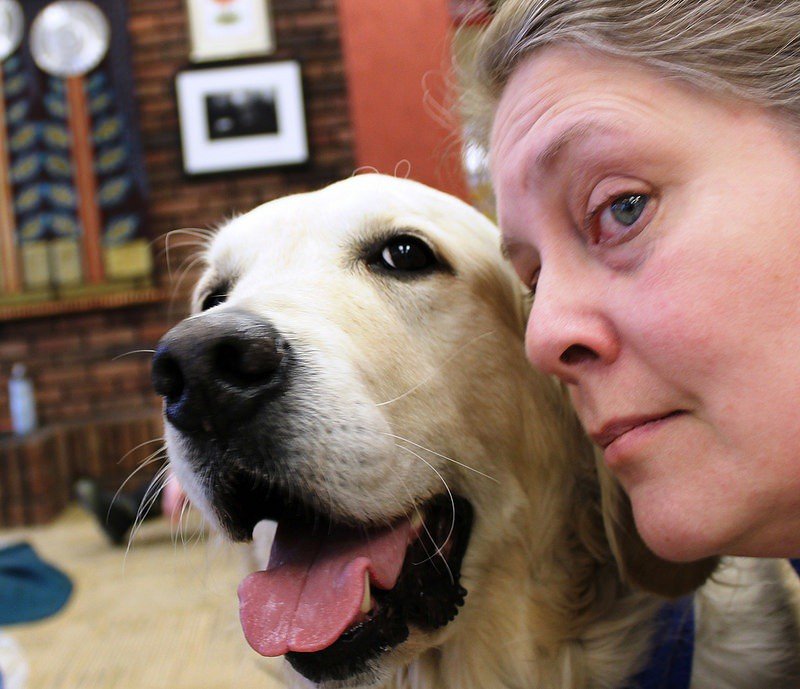
Think about that moment when you walk through your front door after a long, exhausting day. The worries from work still swirl through your mind, your shoulders carry the weight of endless responsibilities, yet something magical happens the instant your furry companion greets you. That tail wagging with pure joy, those eyes lighting up as if you’re the most important person in the universe. It’s not just your imagination that this moment feels healing. Science is finally catching up to what dog lovers have known all along: our four-legged friends are powerful allies for our mental and emotional well-being.
creates a profound psychological shift that touches every aspect of our daily lives. Recent research reveals that the human-dog bond triggers measurable changes in our brains, hearts, and social connections. From reducing stress hormones to increasing feel-good chemicals like oxytocin, our canine companions offer therapeutic benefits that rival some medical interventions. So let’s get started on this fascinating journey to understand exactly how sharing your life with a dog can transform your psychological landscape in ways you might never have expected.
Your Body’s Natural Stress Relief System Gets an Upgrade

Interacting with animals has been shown to decrease levels of cortisol (a stress-related hormone) and lower blood pressure, creating an almost immediate physiological response to your dog’s presence. When you pet your dog or simply sit quietly together, your body begins releasing oxytocin while simultaneously reducing cortisol production. This biochemical dance happens so naturally that you might not even notice it consciously.
Petting a dog can help slow your heart rate, which can alleviate panic attacks, making them invaluable during moments of acute anxiety. Your nervous system literally calms down in response to that soft fur and steady breathing beside you. Petting a dog can reduce your stress levels, and this isn’t just temporary relief. Regular interaction with your dog creates lasting changes in how your body responds to everyday stressors. Think of your dog as a living, breathing stress management tool that never requires batteries or charging.
Depression Meets Its Furry Match

Dogs possess an almost supernatural ability to lift our spirits during dark moments. Dogs specifically have been proven to reduce stress, anxiety and depression, ease loneliness, encourage exercise, and improve your overall health. When depression tries to convince you that staying in bed is the only option, your dog provides gentle but insistent motivation to get moving. They need walks, food, and attention regardless of how you’re feeling.
Dogs can help them get out of the house more, feel a sense of purpose and they can also aid in feelings of loneliness. This creates a positive cycle where caring for your dog naturally pulls you out of isolation and into purposeful action. Many dog owners report that their pets seem to sense when they’re struggling and offer extra comfort during difficult times. Dogs are also incredibly intuitive to emotion; several members from the study referenced previously conducted by Psychology Today reported that their dog would offer them physical reassurance when they “sensed” their pet parent was in a bad place.
Anxiety Levels Drop When Four Paws Are Around

Physical contact with an animal has been proven to rapidly reduce symptoms of anxiety, making dogs particularly effective for people dealing with various anxiety disorders. The rhythmic motion of petting, combined with your dog’s calm energy, can interrupt anxious thought patterns and ground you in the present moment. Other studies have found that animals can reduce loneliness, increase feelings of social support, and boost your mood.
The companionship of a pet can help to ease your anxiety, especially during situations that typically trigger stress responses. Dogs don’t judge your worries or tell you they’re irrational. They simply exist as steady, comforting presences that help regulate your emotional temperature. Pets help manage anxiety. Pets provide companionship and support, creating a buffer against the overwhelming feelings that anxiety often brings.
PTSD Symptoms Soften With Canine Support

For individuals struggling with post-traumatic stress disorder, dogs offer specialized therapeutic benefits that go beyond companionship. Having a psychiatric service dog is associated with fewer PTSD symptoms, less depression and anxiety, and better quality of life. These specially trained dogs can perform specific tasks like waking their handlers from nightmares or creating physical barriers in crowded spaces.
Participants with a service dog demonstrated lower levels of salivary cortisol, indicating decreased sleep disturbance, and increased wellbeing compared to individuals on a waiting list. Military members and veterans with a service dog also displayed lower levels of anger and anxiety compared to individuals without a service dog. Even regular pet dogs provide therapeutic value through their unconditional acceptance and non-judgmental presence. Dogs are able to lessen subjectively experienced stress and anxiety after a “traumatic” stress situation, helping to interrupt the cycle of re-traumatization that often accompanies PTSD.
Your Social Life Gets a Four-Legged Boost

Dogs are natural conversation starters and social catalysts who can dramatically expand your social circle. Dog owners, and more specifically, those who walked their dogs, were also far more likely to have reported befriending someone they met through a pet-related connection or getting social support from them. Walking your dog transforms routine exercise into opportunities for meaningful human connections.
Dog owners are significantly more likely to get to know people in their neighborhood and to make friends through their pets. Your dog provides instant common ground with other dog owners, creating natural conversation starters that can blossom into lasting friendships. Pets can be a great social lubricant for their owners, helping you start and maintain new friendships. Dog owners frequently stop and talk to each other on walks, hikes, or in a dog park.
Loneliness Loses Its Grip When You Share Your Home

Animals can reduce loneliness, increase feelings of social support, and boost your mood, providing a constant source of companionship that’s always available when you need it most. Unlike human relationships that require coordination and planning, your dog is simply there. They greet you enthusiastically regardless of whether you’ve been gone five minutes or five hours.
The bond with pets helps people feel less alone. Owners can touch, see, hear or talk to their companion animals, which brings happiness, connection and physical contact. This multisensory relationship provides comfort that extends beyond simple company. Companionship can help prevent illness and even add years to your life, while isolation and loneliness can trigger symptoms of depression. Caring for an animal can help make you feel needed and wanted, and take the focus away from your problems, especially if you live alone.
Mental Health Recovery Gets Canine-Powered Support
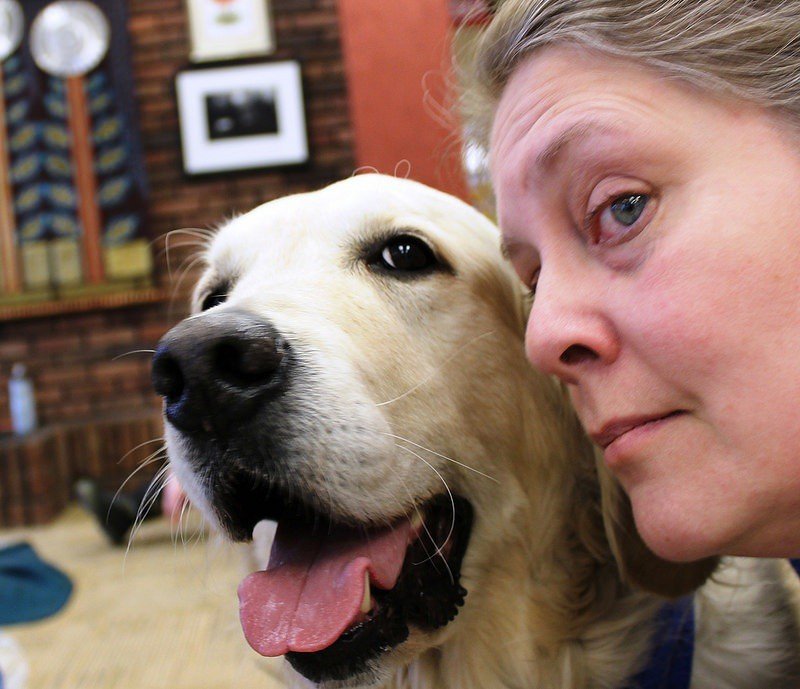
Dogs excel at providing the consistent, non-judgmental support that’s crucial during mental health recovery. Pets can be great listeners, offer unconditional love and won’t criticise you, creating a safe emotional space where healing can occur. They don’t have bad days where they’re unavailable for support, and they never tire of your need for comfort.
The structure and routine that pet parenting provides can be a great comfort and inspire several healthy habits that can vastly improve your quality of life. Dogs require regular feeding, walking, and care schedules that can provide stabilizing structure when mental health challenges make everything else feel chaotic. Feeding, exercising and caring for a pet can help you keep to a daily routine, which can help you feel more grounded and focused. It can give your day purpose and a sense of achievement.
Physical Health Improvements Follow Psychological Ones

The psychological benefits create a ripple effect that extends into physical health improvements. Dog owners are significantly more likely to meet the recommended weekly amount of exercise. This means they get 150 minutes of moderate exercise or 75 minutes of vigorous exercise each week. This increased activity happens naturally as you meet your dog’s exercise needs, making it easier to maintain healthy habits.
Your heart health can also benefit from pet ownership. Just the presence of animals significantly improves blood pressure. Pet owners typically have a lower resting blood pressure that people who don’t own pets. The combination of reduced stress, increased physical activity, and emotional support creates a perfect storm for improved overall health. It’s been proven that heart attack survivors who own a dog live longer on average, due to the positive health benefits.
Conclusion

Living with a dog creates a powerful alliance between human and canine that supports psychological well-being in measurable, meaningful ways. From biochemical changes that reduce stress hormones to social connections that combat loneliness, our four-legged companions offer therapeutic benefits that complement traditional mental health approaches. The science confirms what dog lovers have always known: these remarkable animals possess an almost magical ability to heal hearts, calm minds, and restore hope.
Remember that while dogs provide incredible psychological support, they work best as part of a comprehensive approach to mental health that may include professional therapy, medication, or other treatments when needed. What do you think about the profound impact dogs can have on our psychological well-being? Tell us in the comments about how your own furry friend has supported your mental health journey.


