
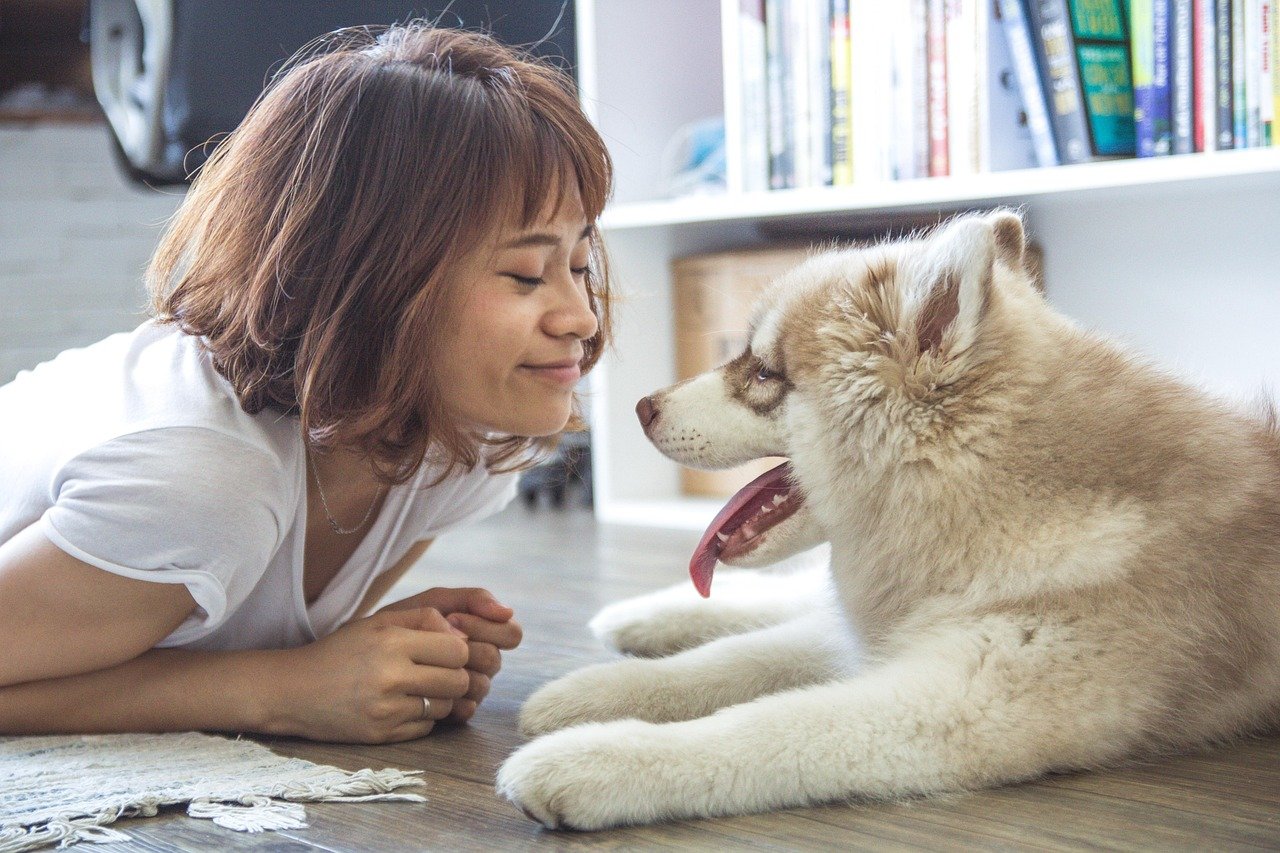
Picture this: you’re scrolling through social media when you see that heart-melting video of a Golden Retriever refusing to leave their owner’s hospital bedside, or the story of a German Shepherd who waited at a train station for years after their human passed away. Your chest tightens a little, doesn’t it? There’s something deeply moving about canine devotion that touches the very core of what makes us human. Yet what drives this unwavering loyalty runs far deeper than most people realize.
This loyalty can be overwhelming and humbling, and has often been cited as an example of what human beings can learn from dogs. While we’ve all witnessed those tail-wagging reunions after being gone for just five minutes, the science behind why dogs form such profound bonds with us reveals a fascinating interplay of evolution, neuroscience, and individual personality that varies dramatically between breeds.
The Ancient Roots of Canine Devotion
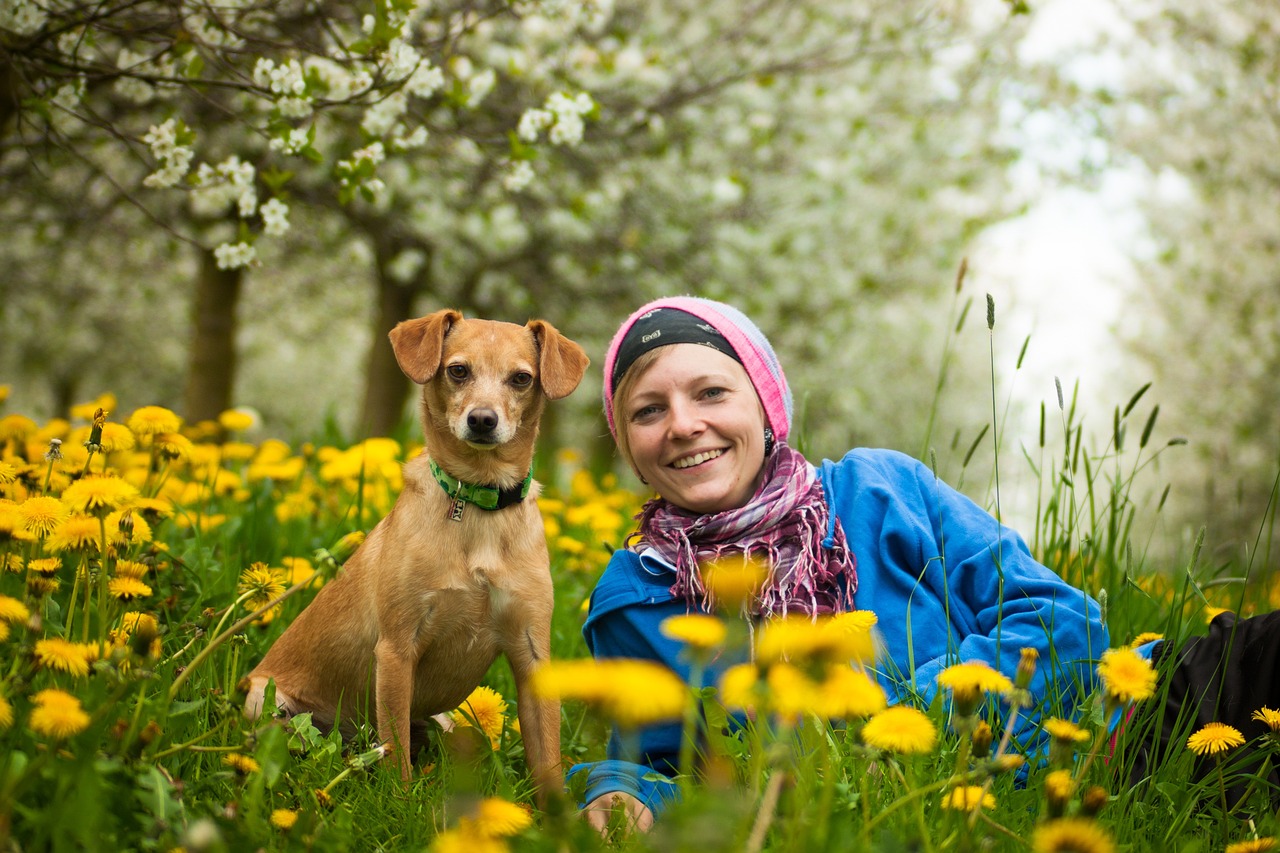
The story of dog loyalty begins thousands of years ago in a world vastly different from our own. Archaeologists believe that dogs and humans first developed a symbiotic bond between 15,000 to 40,000 years ago, with most estimates suggesting this occurred around 15,000-20,000 years ago. Studies suggest that as wild dogs found primitive humans’ warm fires and table scraps comforting, people elevated canines’ status to companions with valuable hunting skills.
Think of it like the ultimate survival partnership. Dogs and humans evolved together, forming a unique bond and a mutually beneficial relationship. Dogs provided protection, hunting assistance, and companionship to humans. And humans offered food, shelter, and care to dogs. This wasn’t just friendship, it was evolutionary genius.
What’s remarkable is how this ancient contract shaped the very DNA of our modern companions. Over thousands of years, humans have selectively bred dogs for traits that include loyalty and companionship. This process has reinforced dogs’ natural social tendencies, as those who were more cooperative and bonded well with humans were more likely to be cared for and survive.
The Pack Mentality Misconception
Here’s where things get interesting, and perhaps a bit controversial. Many dog owners still believe their furry friend sees them as the “alpha” of their pack. Bloom explains that the original researcher who came up with the term “alpha wolf,” David Mech, “has been trying to remove the term from our lexicon for decades. He realized too late that the research that inspired that term, which studied captive wolves from different families, was flawed”.
Wolf pack leaders are actually the mother and father of a family group that makes up a pack. There isn’t a hierarchy that requires offspring to display loyalty – the pups listen to the wolf parents much like children listen to their human parents. This changes everything about how we understand dog loyalty, doesn’t it?
Instead of dominance-based relationships, modern research suggests something far more beautiful. Loyalty in a pack is crucial. In order for a pack to survive in the wild, their members must work together to overcome dangers. Trusting, co-operating and putting the pack’s interests first are all a natural part of surviving.
The Neurochemistry of Love
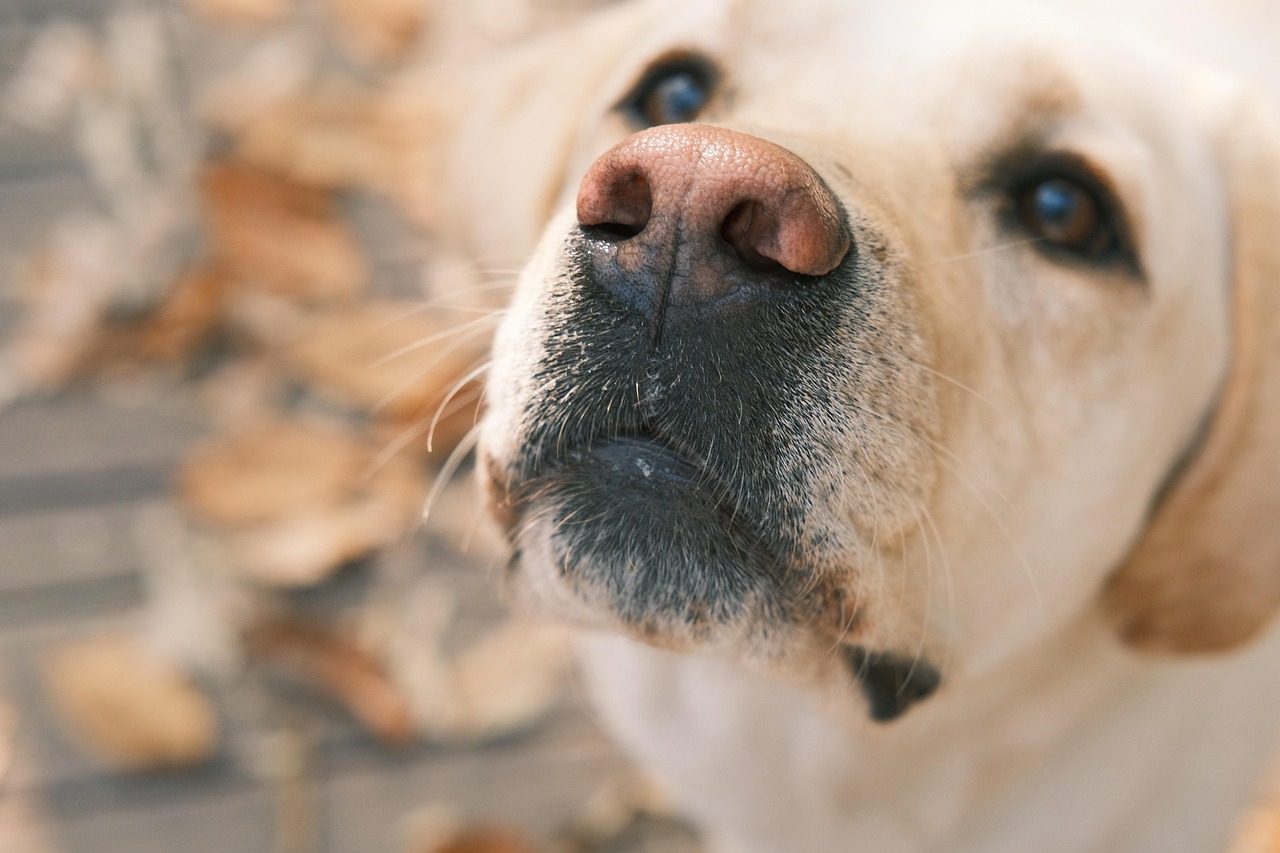
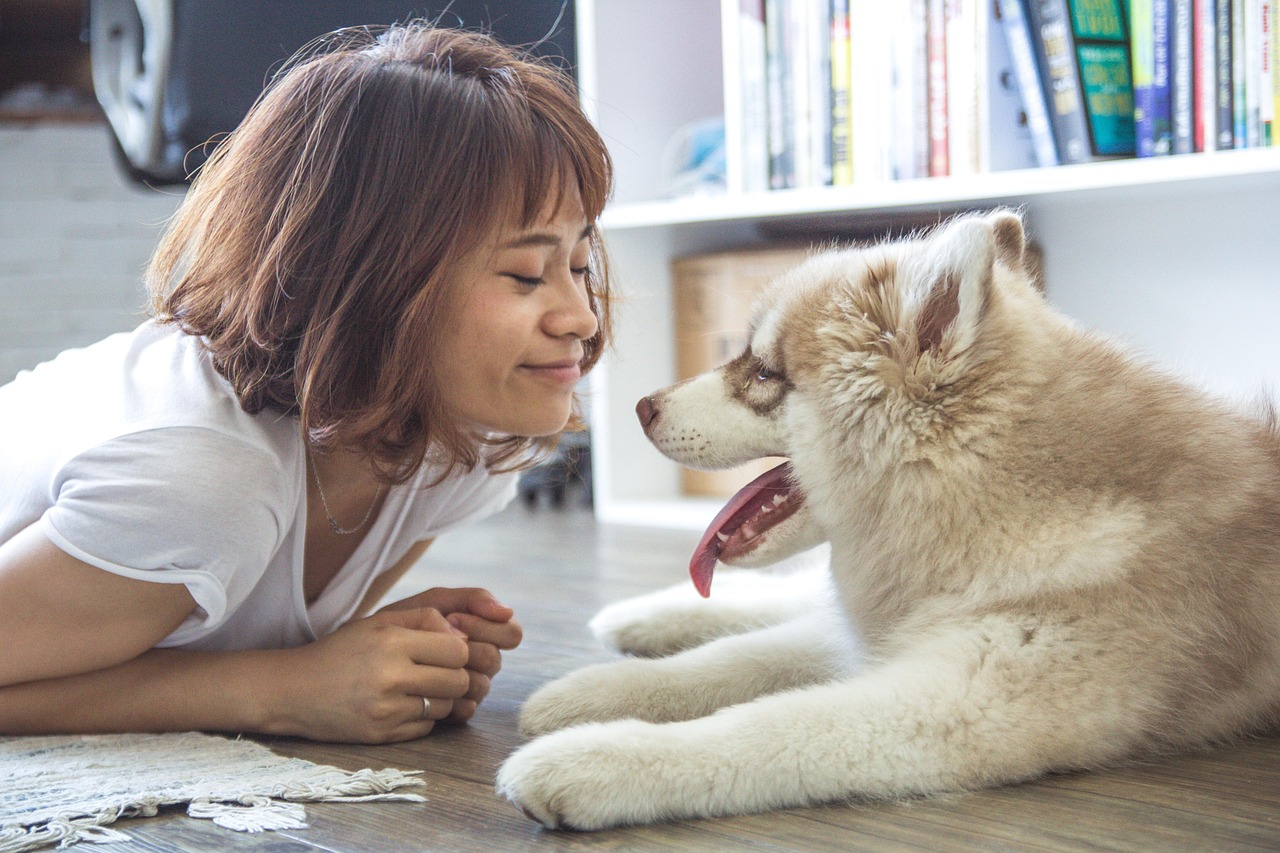
If you’ve ever wondered why gazing into your dog’s eyes makes your heart melt, science has an answer. One key factor in canine loyalty is the role of hormones – specifically oxytocin, commonly called the “love hormone”. This is the same chemical that bonds mothers to their babies and couples to each other.
They found that mutual gazing increased oxytocin levels, and sniffing oxytocin increased gazing in dogs, an effect that transferred to their owners. It’s literally a feedback loop of love. You look at your dog, both of your oxytocin levels spike, which makes you both want to look at each other more. Pretty amazing, right?
What’s even more fascinating is that this oxytocin response might be uniquely evolved for human-dog relationships. Wolves, who rarely engage in eye contact with their human handlers, seem resistant to this effect. The human-dog bond is facilitated by the interaction of oxytocin feedback loops that emerged over the course of domestication.
Breed Differences in Loyalty Expression
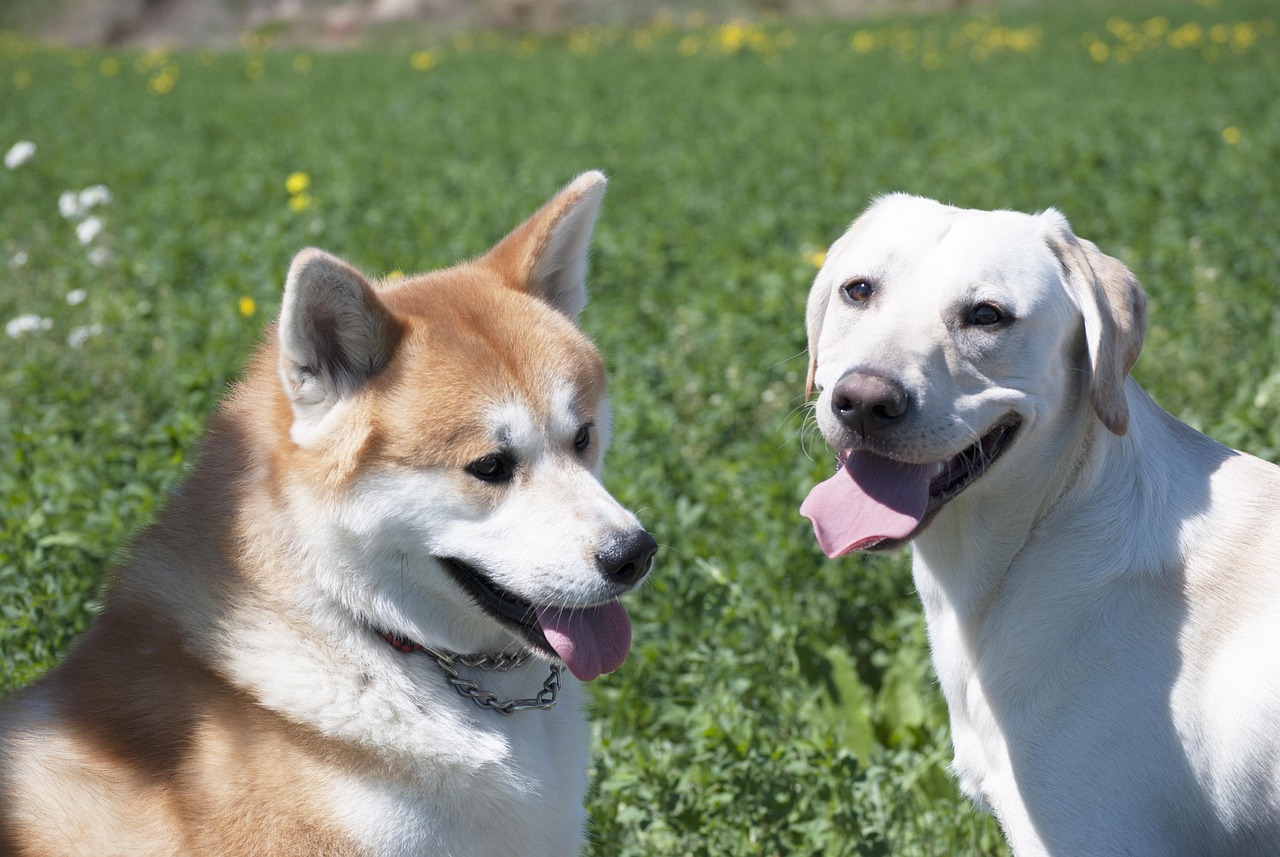
Not all dogs express loyalty the same way, and breed plays a surprisingly complex role. For example, Bloom notes that if you define loyalty as responding well to people’s signals and seeking interaction, herding dogs might be considered the most loyal dog breeds. Border Collies and Australian Shepherds, bred to work closely with handlers, often display intense focus on their humans.
Behavioral observations during the SST revealed breed-specific patterns, with Labrador Retrievers showing more playful and attachment-like behaviors and Akitas showing more exploratory and passive behaviors. The study found correlations between hormones and behaviors within breeds, particularly in Labrador Retrievers, where oxytocin concentrations were associated with attachment-like behaviors.
However, here’s where it gets nuanced. On the other hand, if a loyal dog to you is a pooch who favors one person, certain Asian dog breeds might fit this description. Think Shiba Inus or Akitas, who often form incredibly deep bonds with one family member while remaining more aloof with others.
But a sweeping study comparing the behaviour and ancestry of more than 18,000 dogs finds that although ancestry does affect behaviour, breed has much less to do with a dog’s personality than is generally supposed. Individual personality trumps breed stereotypes more often than we’d expect.
The Dark Side of Devotion
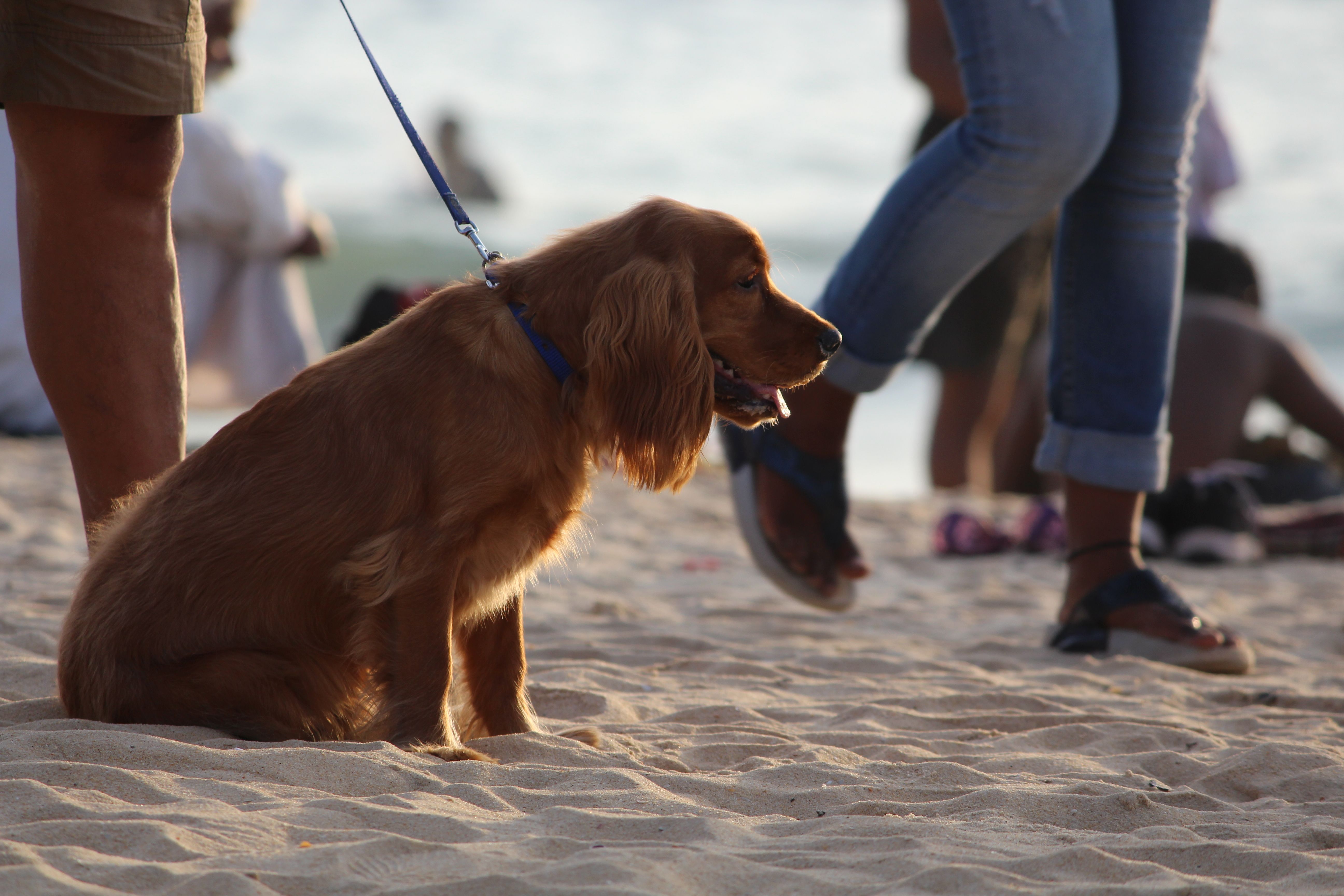
Sometimes love goes too far, and dog loyalty can become problematic. If your dog has grown too attached to you and is now more distant from other members of your family, this may cause a problem – especially if your dog has taken to growling when they believe you are in danger or are not being treated properly. Such loyalty can also mean your dog is too attached to you and will grow stressed if you are out of their sight.
Separation anxiety affects roughly one in five dogs and represents loyalty gone awry. While most dogs are emotionally attached to their owners, anxious dogs exhibit more attachment behaviors than dogs that are less anxious. Separation anxiety has been defined as distress in the absence of an attachment figure.
The signs are heartbreaking to witness. Usually, right after a guardian leaves a dog with separation anxiety, the dog will begin barking and displaying other distress behaviors within a short time after being left alone – often within minutes. When the guardian returns home, the dog acts as though it’s been years since he’s seen his mom or dad.
Reading Your Dog’s Loyalty Signals
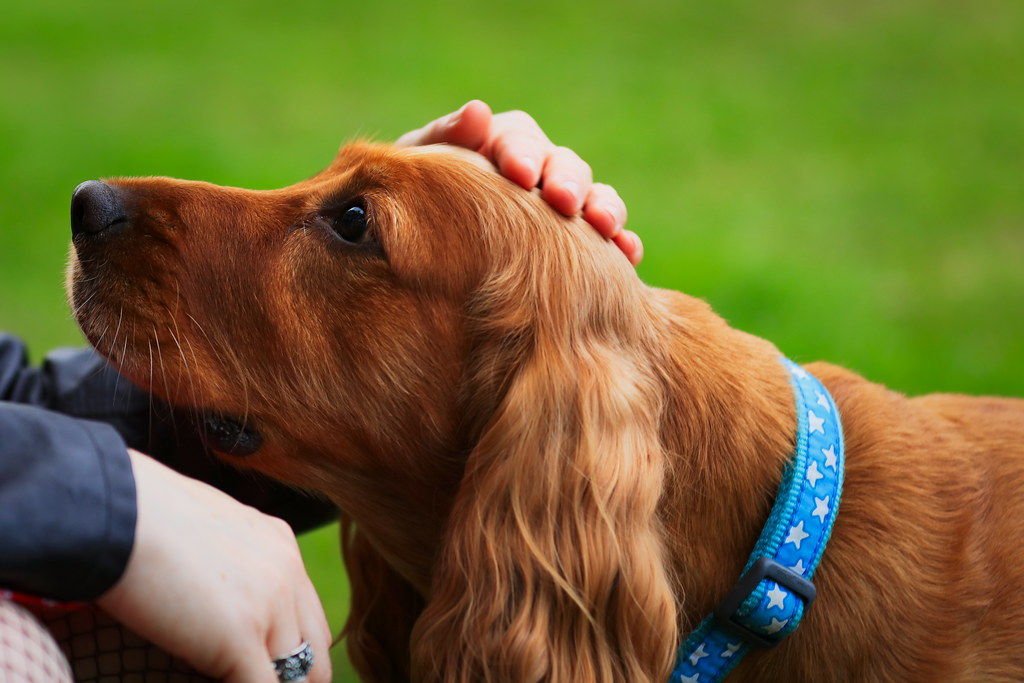
Understanding how your dog expresses loyalty can deepen your bond immeasurably. Dogs are remarkably attuned to human emotions. They can sense when you’re happy, sad, stressed, or relaxed, and often adjust their behavior accordingly. This sensitivity is a result of their keen observational skills and their desire to maintain harmony within their social group.
Watch for the subtle signs: the way your dog’s entire body relaxes when you enter a room, how they position themselves to keep you in sight even while napping, or their tendency to bring you their favorite toy when you seem upset. Holding true to loyalty, the dogs were more likely to choose a treat from the kind/neutral stranger and ignored the one who wouldn’t help their guardian.
Some dogs show loyalty through protective behaviors, others through constant companionship. But some dogs really go above and beyond to show their loyalty and devotion, even at the cost of their own safety. Recently, one golden retriever was hailed as a hero for saving her elderly owner from freezing to death after the man slipped and fell in the snow. The dog stayed with him, using her body to keep him warm and barking continually until help arrived.
Building Healthy Loyalty in Your Dog
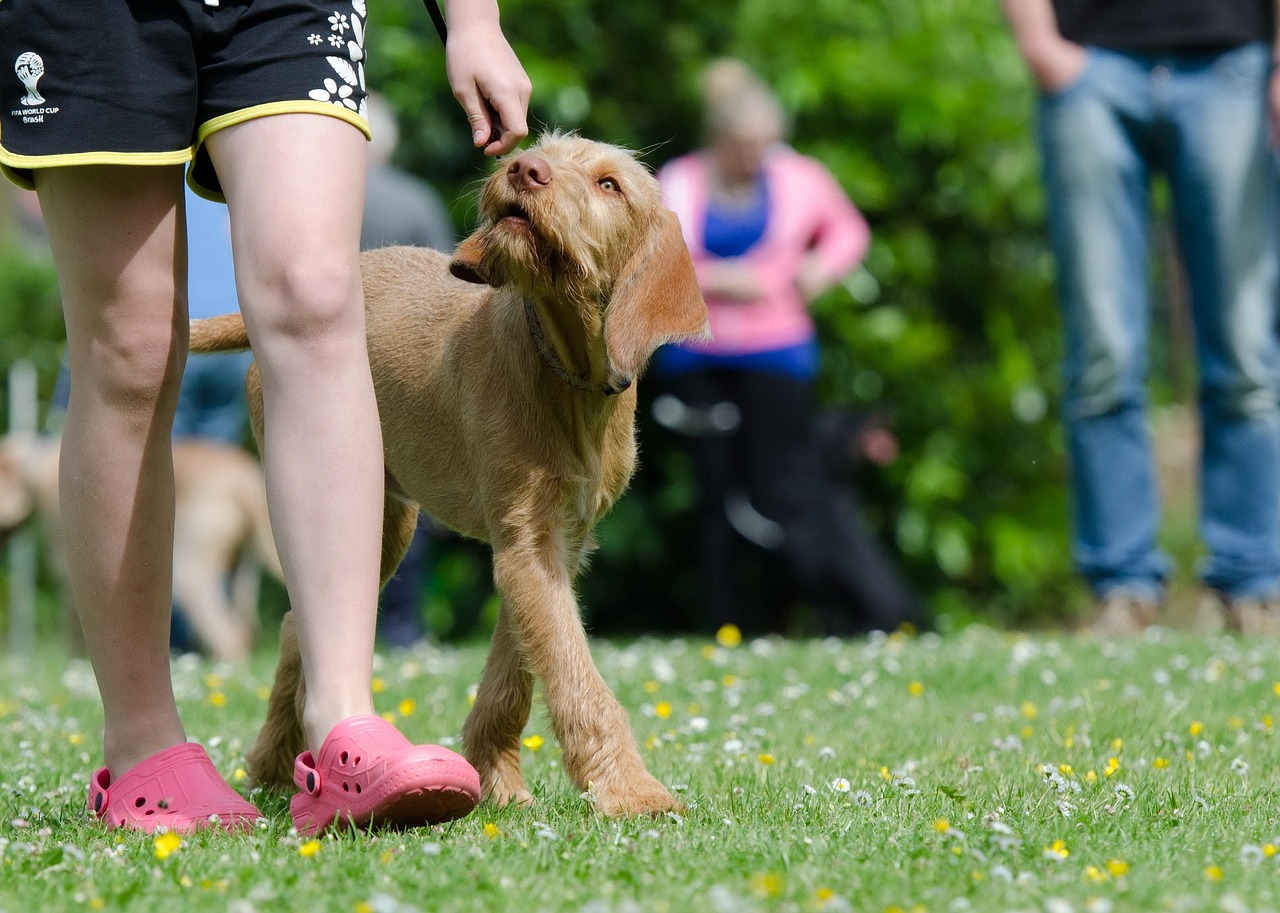
The goal isn’t to diminish your dog’s loyalty but to cultivate a healthy, balanced version of it. With separation anxiety you must reinforce your dog for settling down, relaxing and showing some independence, while attention seeking and following behaviors should never be reinforced. Therefore, training should focus on extended and relaxed down stays and going to a bed or mat on command.
Think of it as teaching emotional intelligence. Responding to their cues will show your dog that you’ve got their back, earning you their trust and loyalty. And don’t forget that different breeds have unique characteristics. For example, Border Collies love to herd, while Beagles live to sniff. Doing homework on your dog’s breed will help you understand them better and show them you’re committed to their happiness and well-being.
Creating positive independence experiences from puppyhood helps prevent problematic attachment later. Separation anxiety might be prevented by ensuring that puppies have scheduled times where they learn to spend time alone in their own crates or beds.
The Future of Human-Dog Bonds
As our understanding of canine psychology evolves, so does our appreciation for the complexity of dog loyalty. Understanding the science behind your dog’s loyalty allows you to appreciate the depth of their devotion and the factors that contribute to this remarkable bond. By acknowledging their evolutionary history, biological mechanisms, and emotional intelligence, you can foster a relationship built on mutual respect, trust, and love.
The research continues to surprise us. To clarify the role of life experience, we tested pet dogs and found that oxytocin concentrations correlated positively with physical contact with their owners, while glucocorticoids remained unaffected. Results show that, given similar experiences, wolf-dog differences in human-directed sociability and associated hormones are subtle.
This suggests that while genetics provide the foundation, the specific experiences we share with our dogs shape the unique expression of their loyalty. Every belly rub, training session, and quiet evening together literally rewires both your brains for deeper connection.
Conclusion
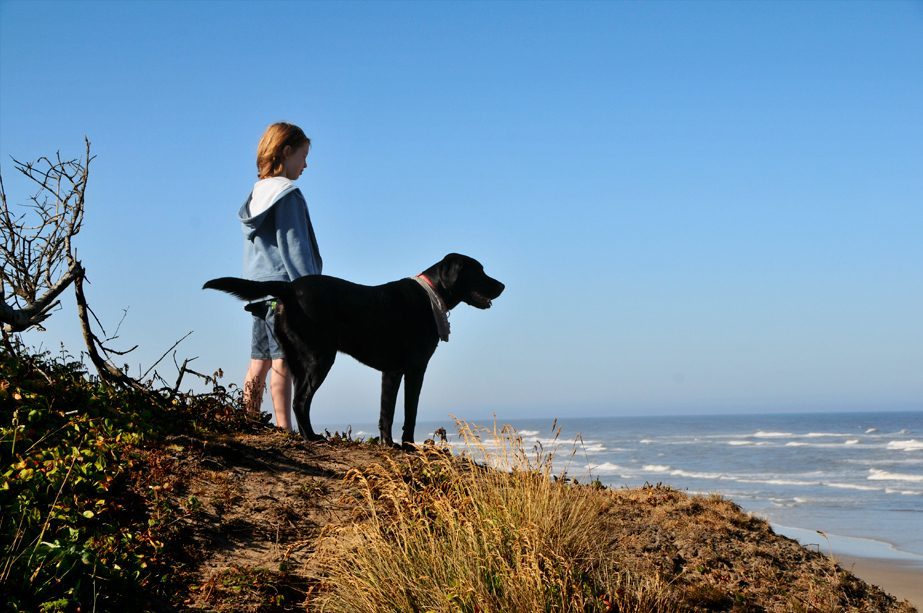
The psychology of canine loyalty reveals itself as far more intricate than simple devotion or pack mentality. It’s a beautiful dance of evolutionary adaptation, neurochemical bonding, breed-specific traits, and individual personality that creates the unique relationship you share with your dog. Understanding this complexity doesn’t diminish the magic of that tail-wagging greeting at the end of a long day. Instead, it amplifies it, revealing the millions of years of evolution and the countless individual moments of connection that culminate in your dog choosing, again and again, to be by your side.
The next time you catch your dog gazing at you with those soulful eyes, remember that you’re witnessing something truly extraordinary: a bond forged by evolution, strengthened by science, and made perfect by love. What do you think about the incredible depth behind your dog’s devotion? Tell us in the comments.


