
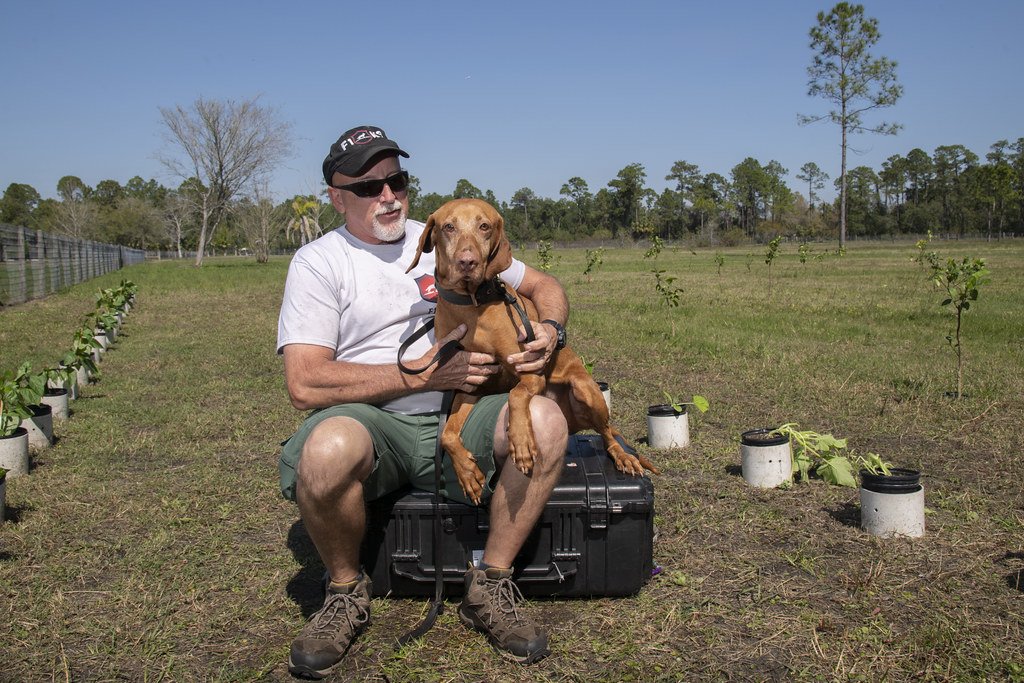
Picture this scenario: your dog successfully sits on command, and you have a choice to make. Do you reach for that bag of chicken treats or simply kneel down and say “good girl!” with genuine enthusiasm? Most of us assume treats are the ultimate motivator, but fascinating research reveals something that might surprise even the most experienced dog owners.
Research suggests many dogs show significant brain activity when praised compared to receiving treats, though individual preferences vary considerably. This isn’t just about training techniques – it’s about understanding the deeper psychology of what truly motivates your furry companion. Let’s explore why your words and affection might be more powerful than you ever imagined.
The Neuroscience Behind Your Dog’s Devotion
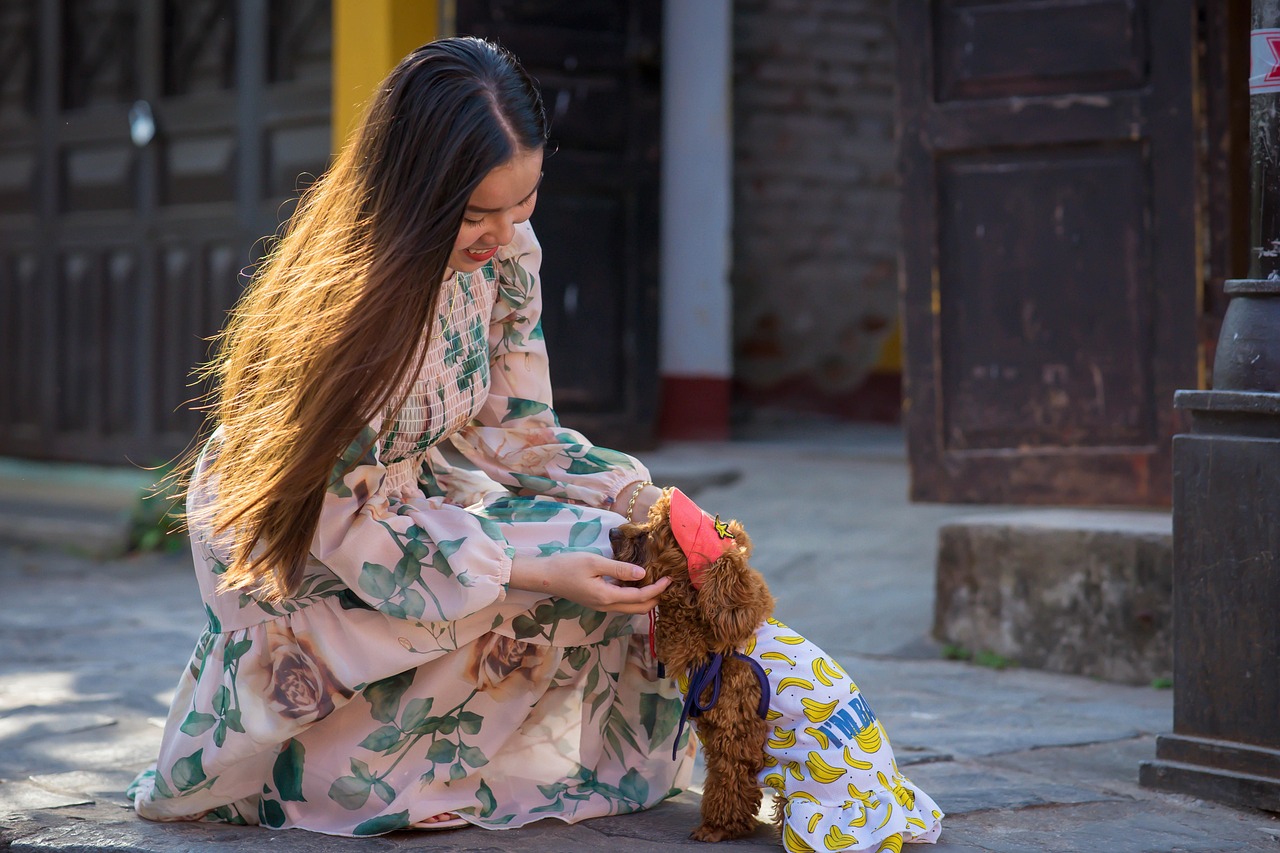
When researchers at Emory University placed dogs inside MRI scanners to peek into their brains, they discovered something remarkable. The findings had “striking” results regarding dogs’ neurobiological orientation toward social and food reward. The ventral caudate, a brain region associated with positive emotions and reward processing, lights up just as intensely when dogs hear their owner’s praise as when they anticipate a tasty treat.
Think of it like your dog’s internal reward system operates on multiple channels simultaneously. Increases in beta-endorphin, oxytocin and dopamine have been observed in both dogs and people after enjoyable interactions like petting, play and talking. These neurochemicals create a powerful cocktail of bonding and pleasure that goes far beyond simple hunger satisfaction.
Social Bonds vs. Food Drive: What Really Wins
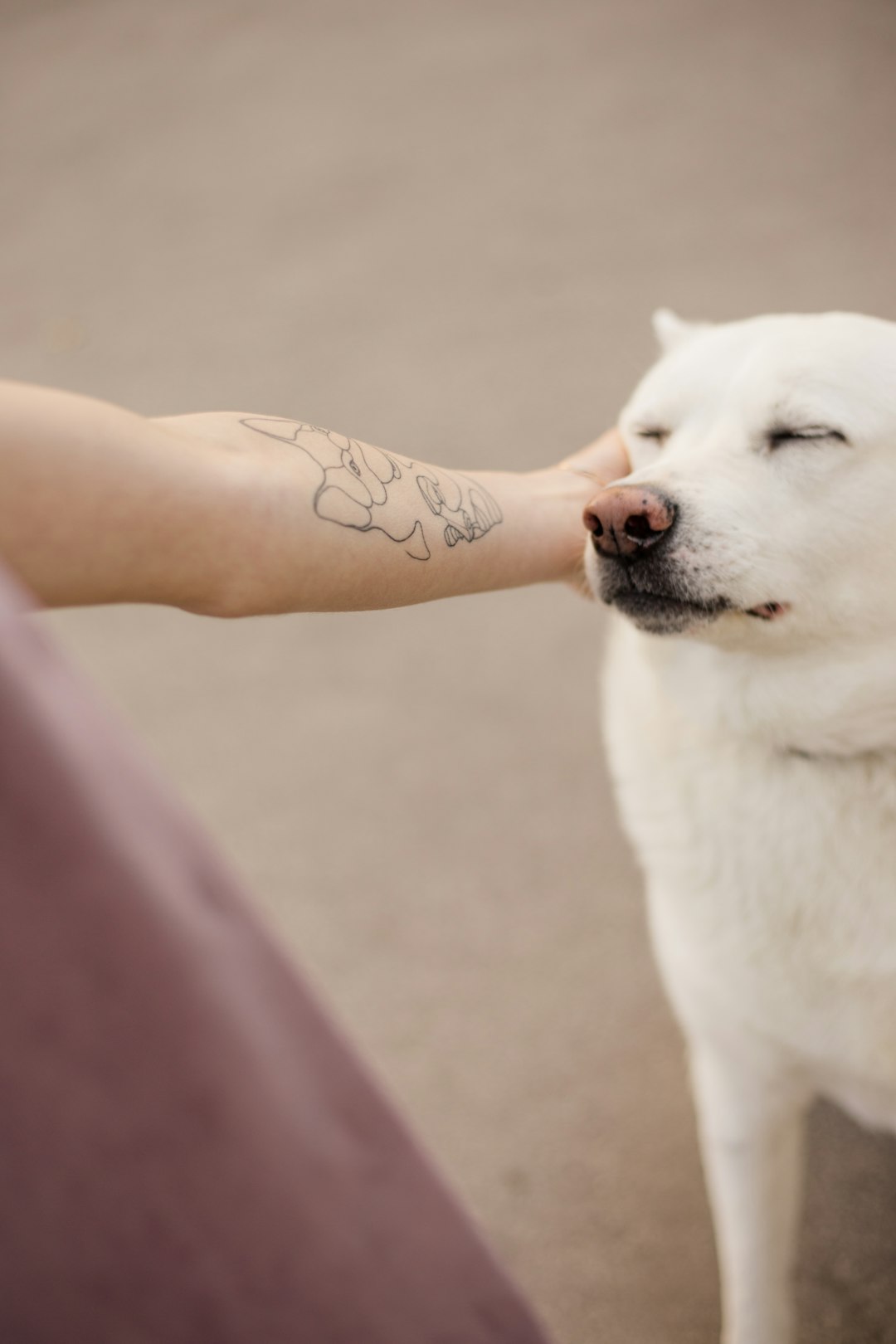
Studies indicate that dogs show varying responses to praise versus food rewards, with many dogs displaying comparable pleasure responses to both types of rewards. This reveals something profound about canine psychology: many dogs value your approval and connection as much as, if not more than, physical rewards.
Incorporating social reinforcement such as praise and petting enhances dogs’ performance in learning tasks. Your dog isn’t just seeking calories – they’re seeking connection, approval, and that special bond that makes them feel secure and valued within your family pack.
The Stress Factor: How Different Rewards Affect Wellbeing
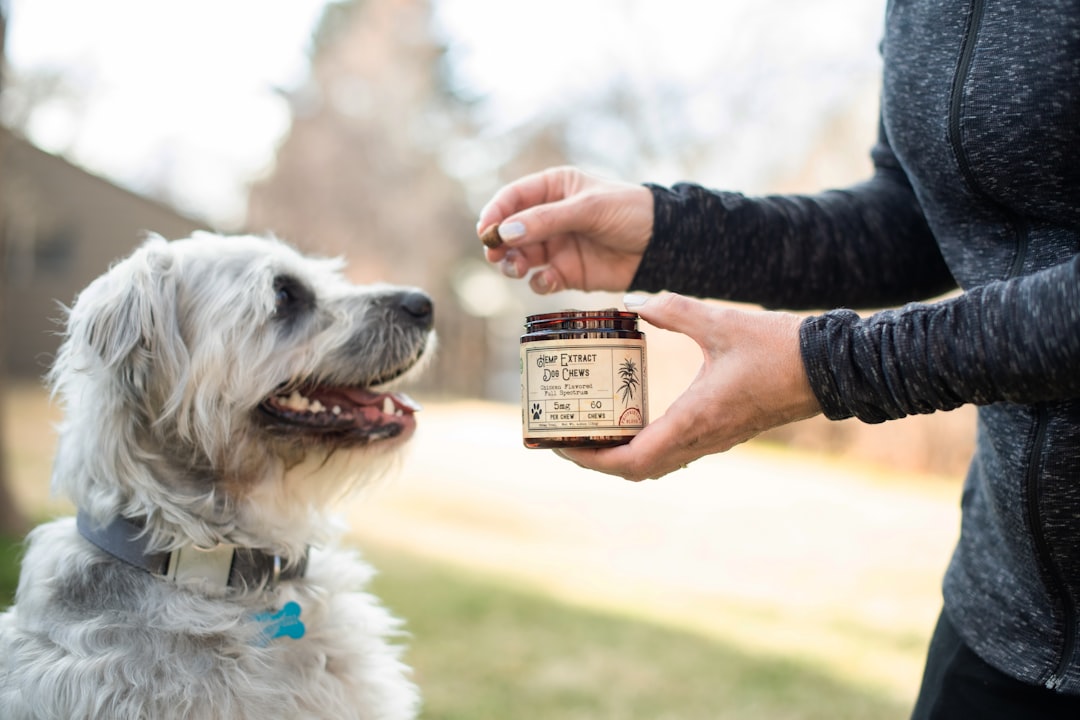
Here’s where the science gets truly interesting. Dogs trained with predominantly aversive methods showed significantly more stress behaviors during training sessions, displaying higher rates of lip licking, yawning, lowered body postures, and tense positioning compared to reward-trained dogs. Even more concerning, these dogs had measurably higher cortisol levels after training sessions, indicating physiological stress responses.
When you choose praise over punishment-based methods, you’re not just being kind – you’re actively protecting your dog’s mental health. Dogs subjected to controlling training styles experienced greater stress, sought their owners’ proximity more, and slept more after training.
The Oxytocin Connection: Why Praise Creates Stronger Bonds
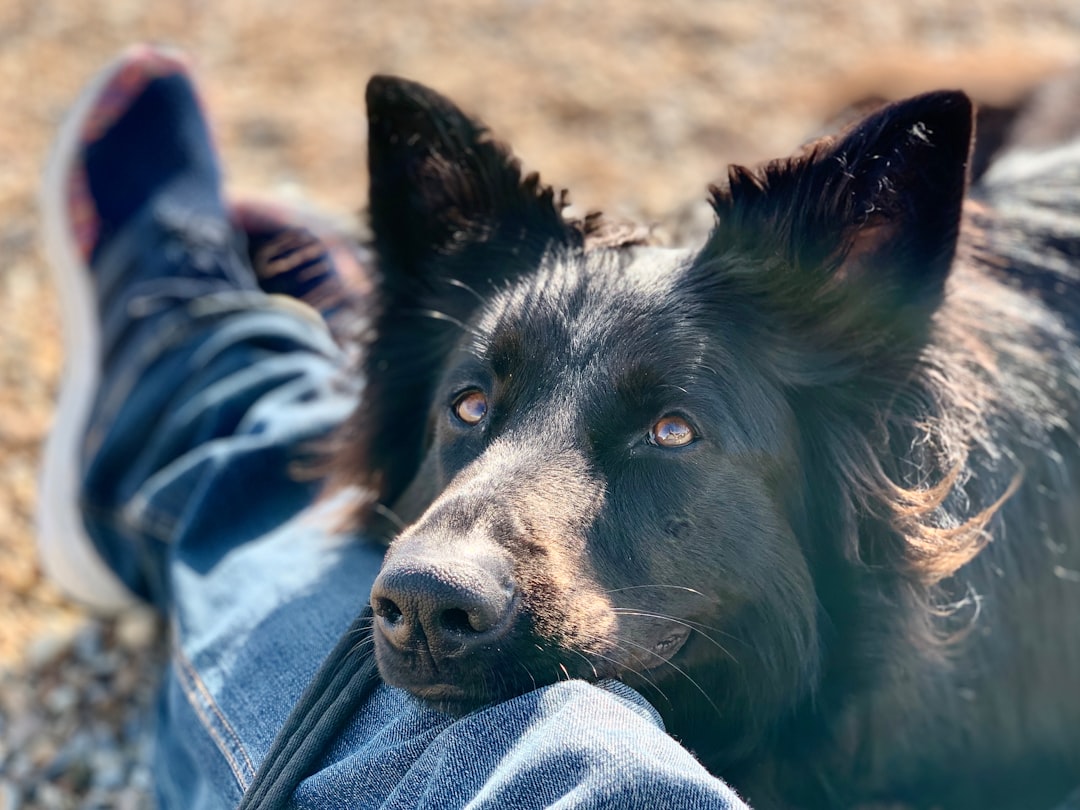
Gazing behavior from dogs increased urinary oxytocin concentrations in owners, which consequently facilitated owners’ affiliation and increased oxytocin concentration in dogs. This creates what researchers call a “positive feedback loop” – your praise triggers oxytocin release, which strengthens your bond, which makes future praise even more rewarding.
When parents look at their baby and their baby stares into their eyes, parents get an oxytocin boost just by eye contact. Dogs have somehow hijacked this oxytocin bonding pathway. This means when you praise your dog with eye contact and genuine affection, you’re tapping into the same biological mechanisms that bond parents to children.
Individual Differences: Reading Your Dog’s Reward Preferences
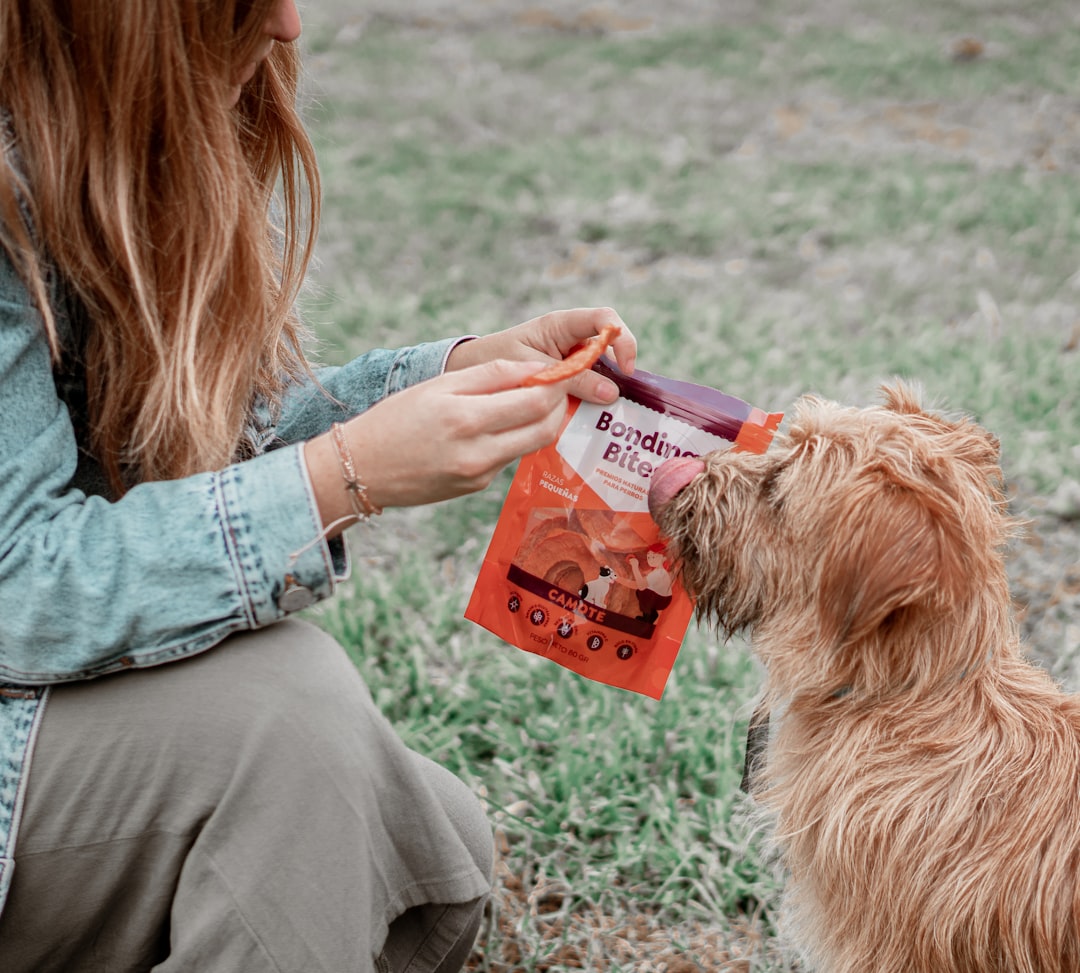
Dogs are not one thing or the other – there’s a spectrum. Many prefer food and praise equally, some are pure chowhounds, others are just love bugs. Understanding your individual dog’s preferences requires observation and patience.
Watch your dog’s body language carefully. Does their tail wag more enthusiastically when you praise them or when you offer treats? Do they seek eye contact and physical closeness, or do they focus primarily on your hands and pockets? These subtle cues reveal whether your dog is more socially motivated or food-driven, helping you tailor your training approach accordingly.
Practical Training Applications: Making Praise Powerful
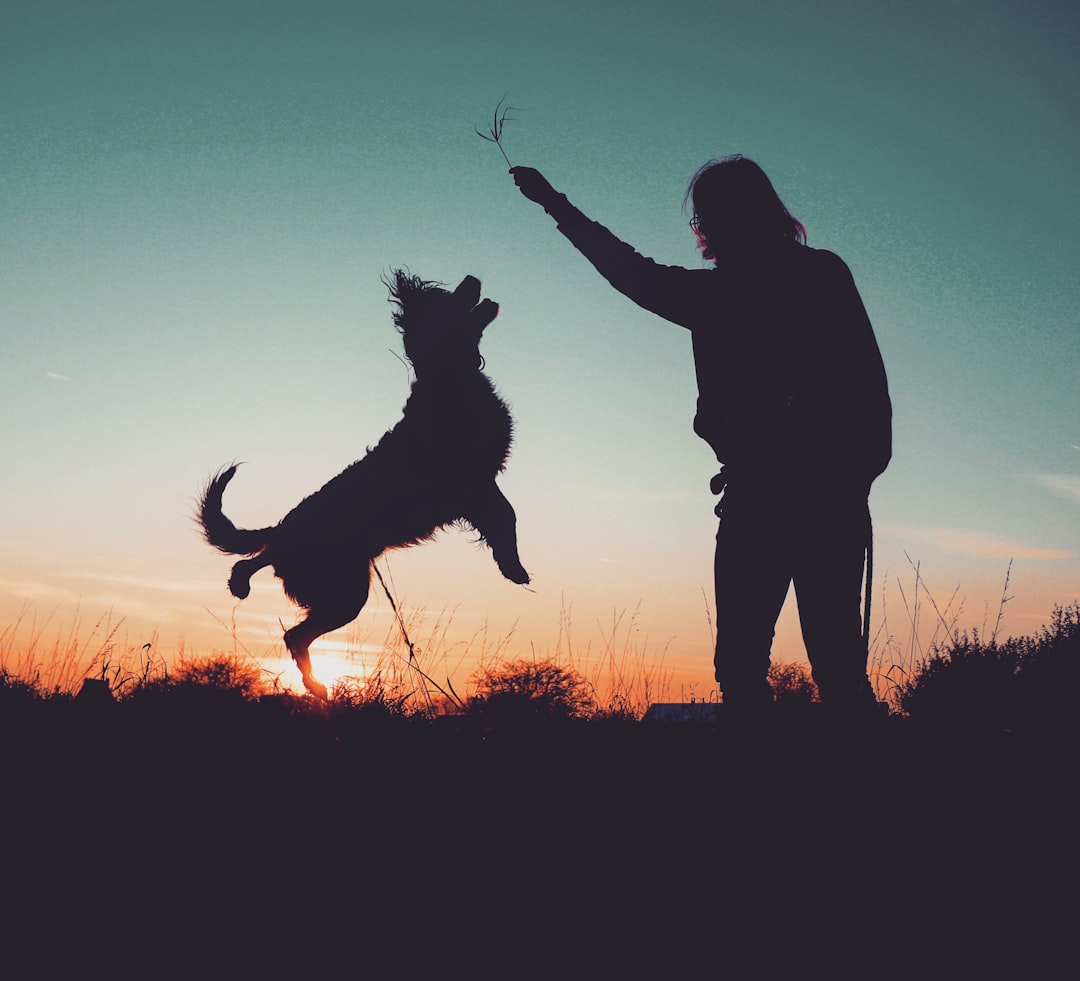
For dog owners and trainers, findings underscore the importance of incorporating praise and petting into training routines, as combining treats with social reinforcement can lead to better learning outcomes and a stronger bond. The key is making your praise genuinely rewarding through timing, enthusiasm, and consistency.
Use varied praise words – “good job,” “excellent,” “yes!” – and pair them with physical affection when your dog enjoys touch. Consistency is key, with everyone in the household using the same cues and reward methods to avoid confusing the dog. Remember, your voice tone and body language communicate more than your words alone.
Beyond Basic Training: Building Lifelong Motivation
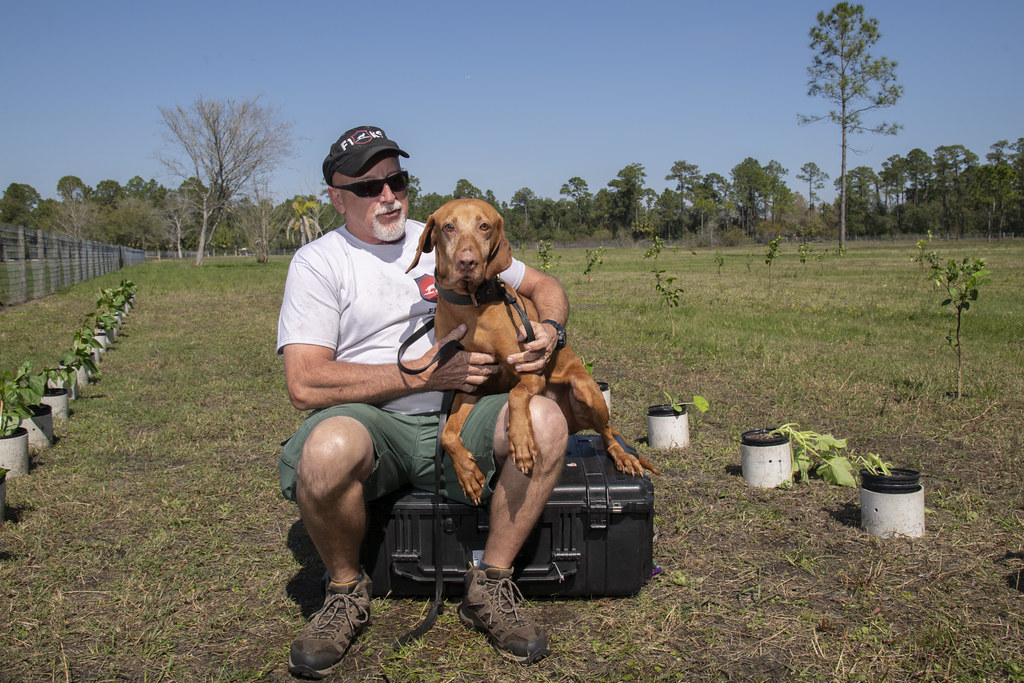
Using treats to reinforce behavior isn’t about buying love; it’s about creating a mutually beneficial relationship where both parties get something they want, just as our significant others do things for us not just to be loved but because of the relationship benefits. This principle extends far beyond basic obedience.
Every instance of reward makes it more likely that the dog will feel better about you because you are actually conditioning the emotional response “sight of you-pleasant feeling”. When you rely primarily on praise and social rewards, you’re building a dog who works with you because they genuinely want to please you, not just because they expect food.
The Long-Term Benefits: Creating Confident, Happy Dogs
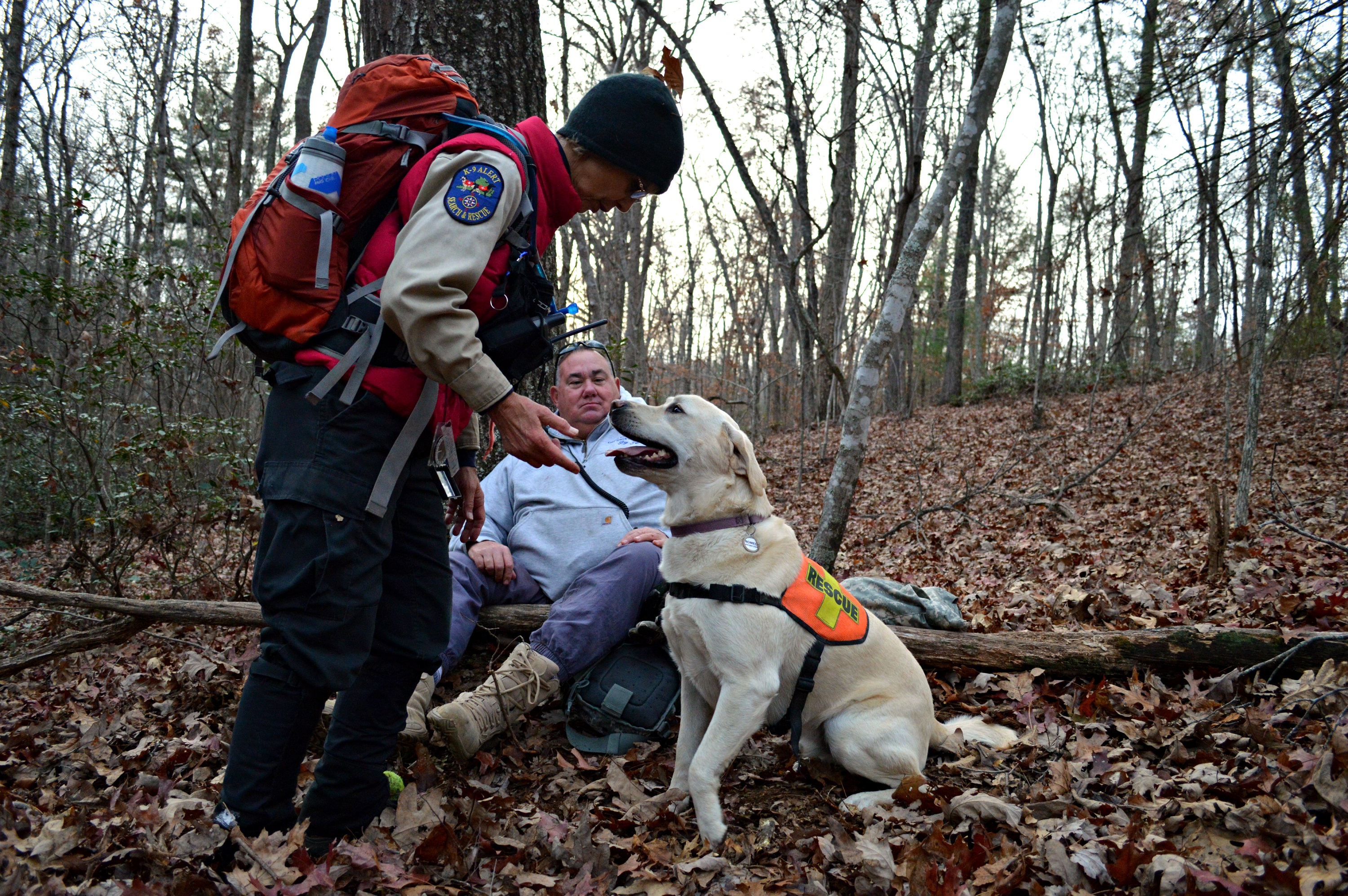
Dogs trained with punishment-based techniques show measurable signs of stress, elevated cortisol levels, and pessimistic outlooks compared to dogs trained with positive reinforcement. In contrast, dogs trained with kindness and patience are less likely to develop behavioral issues and more likely to thrive in their environments, aligning with modern training philosophies that prioritize the well-being of the animal over rigid obedience.
Dogs trained permissively, with praise and petting, showed improved learning success, particularly after sleep. This suggests that positive social reinforcement doesn’t just make training more pleasant – it actually enhances your dog’s ability to retain and apply what they’ve learned.
Understanding the psychology of reward transforms how we see our dogs and our relationships with them. While treats certainly have their place in training, your praise, attention, and genuine affection tap into something much deeper – the fundamental social bonds that have connected humans and dogs for thousands of years. The next time your dog looks at you with those adoring eyes after following a command, remember that your enthusiastic “good dog!” might be the most valuable reward you could possibly give.
What’s your experience with praise versus treats in training? Have you noticed your dog responding differently to social rewards compared to food? The science shows every dog is unique, just like every relationship between human and canine companions.


