
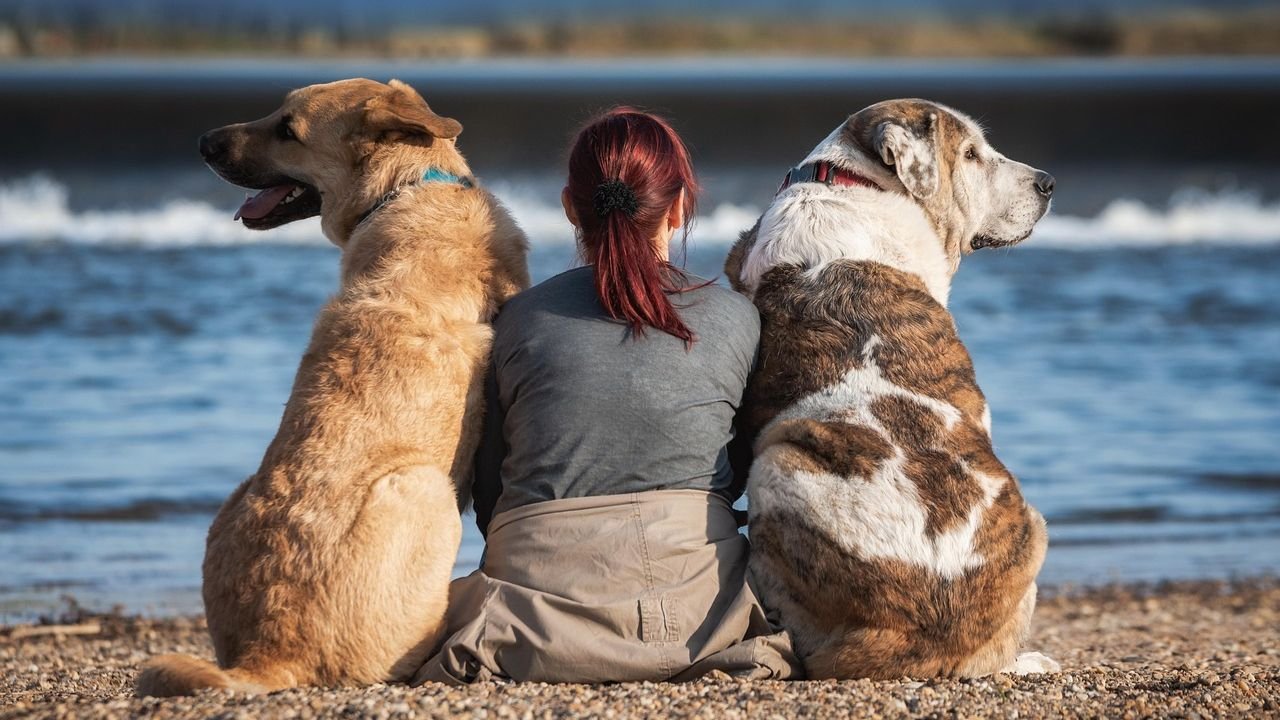
You know those everyday moments with your dog that don’t seem like much? The ones where you’re sitting on the couch and your pup curls up beside you without a word. Or when you’re doing dishes and you glance down to find them lying at your feet, just watching.
Maybe it’s that peaceful morning routine when they follow you from room to room, not asking for anything, just being there. These aren’t the big, flashy experiences we usually think of when we talk about bonding. There’s no fetch game or training session happening. Yet something profound is taking place in these quiet, unremarkable moments. They’re weaving an invisible thread between you and your dog that grows stronger each day, building something that will last a lifetime. Let’s explore what’s really happening in those silent exchanges.
Your Dog’s Brain Releases the Same Hormone as a Parent Bonding with Their Baby
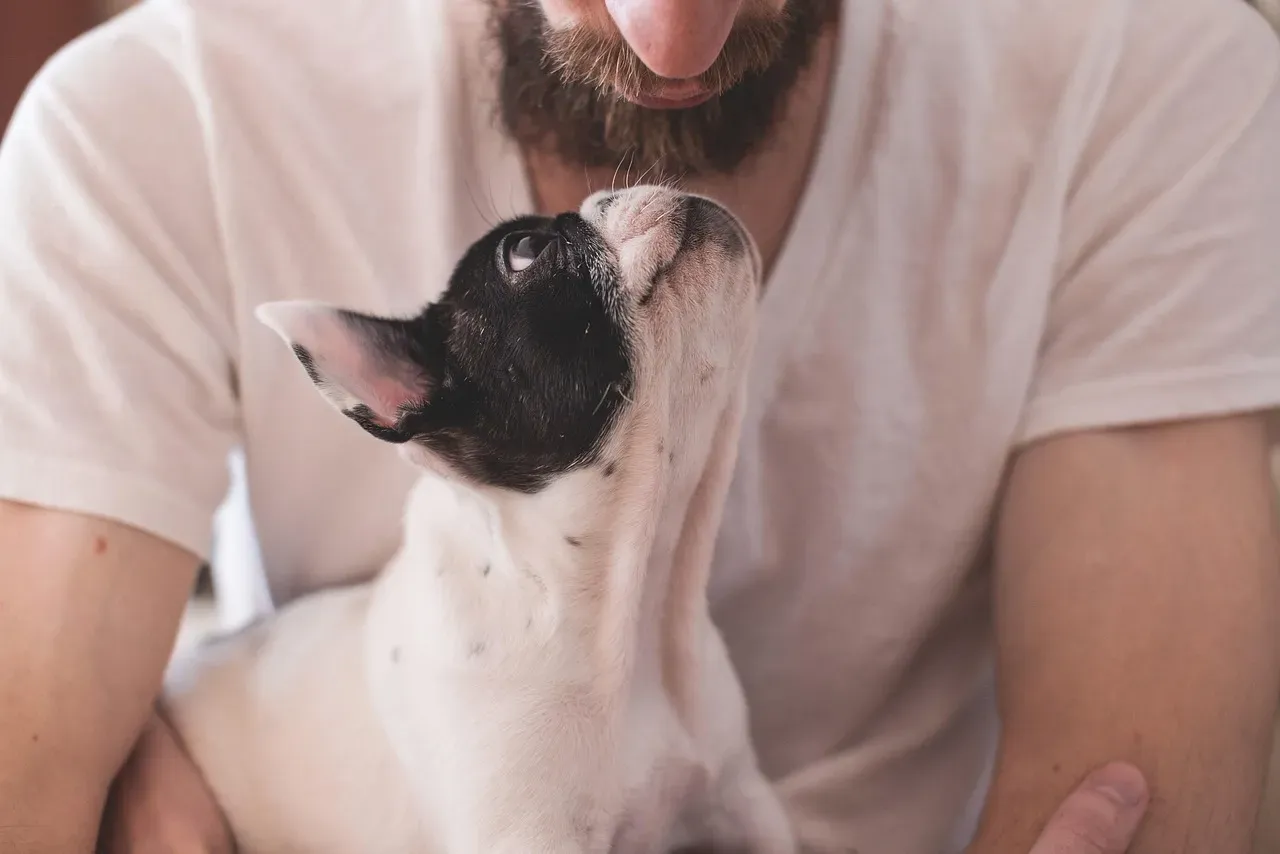
When you pet and interact with your dog, both of you get a surge of oxytocin, the same hormone involved in human mother-infant bonding. That quiet moment when you stroke your dog’s fur while reading isn’t just relaxing. Research using brain imaging shows that the same part of dogs’ brains lights up when they see their human as happens in babies when they see their mother.
Think about that for a second. Your dog’s brain is literally experiencing a parent-child attachment response to you. Scientists found that there was an increase in the levels of oxytocin in dog and owner after each interaction. It’s honestly kind of overwhelming when you realize the depth of what’s happening during those simple, everyday touches.
This isn’t just sentiment or us projecting our feelings onto them. Urinary oxytocin variation in dog owners is highly correlated with the frequency of behavioral exchanges initiated by the dogs’ gaze, suggesting that humans may feel affection for their companion dogs similar to that felt toward human family members. Every gentle pat, every calm moment together is chemically reinforcing this bond on both sides.
Simply Being in the Same Room Creates Synchronization Between You
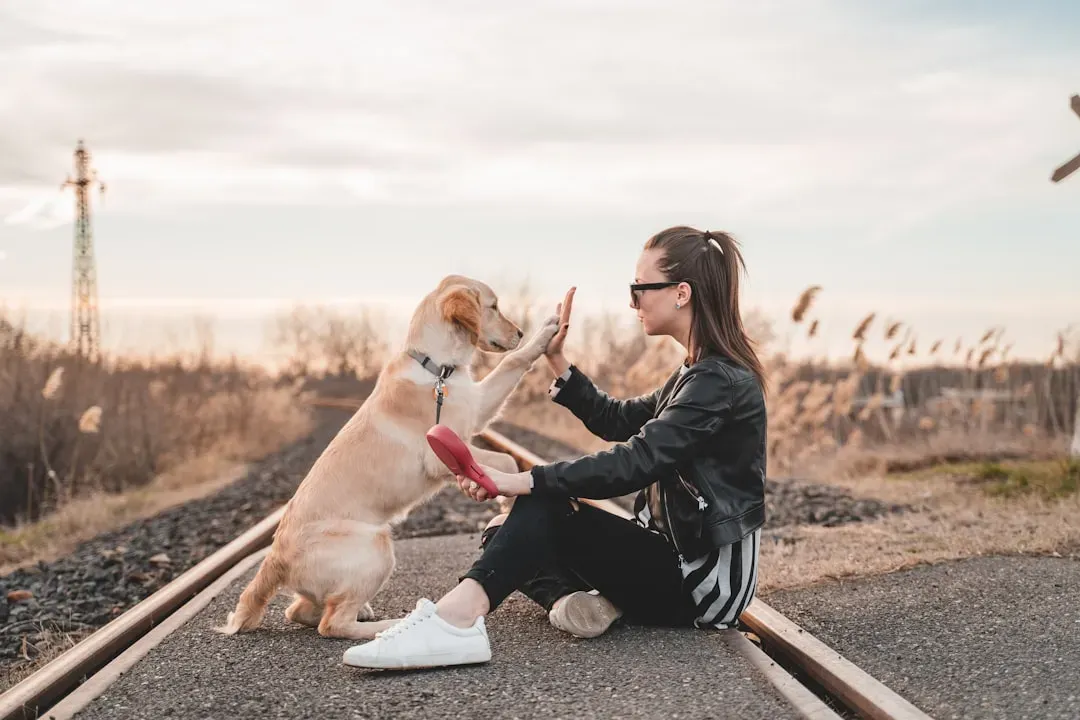
Here’s something that sounds crazy, but science backs it up completely. In studies using heart monitors, scientists found that dogs and their owners’ heart rates often sync up, especially when they’re relaxed and calm together. You’re both just existing in the same space, and your bodies are literally getting in rhythm with each other.
Science has shown that dogs synchronize their stress levels with their owners, and sharing quiet moments, whether lounging on the couch or enjoying nature, promotes relaxation and strengthens your emotional bond. This means those evenings when you’re unwinding after work and your dog is resting nearby aren’t passive time. You’re both regulating each other’s nervous systems.
I think this explains why so many people say their dog seems to just “know” when they need comfort. Dogs can detect when we’re anxious or upset, and they often react with comforting behaviors like nuzzling or sitting close by, absorbing and reflecting our emotional state. They’re not reading your mind. They’re reading your biology.
Eye Contact Creates a Biological Feedback Loop of Love
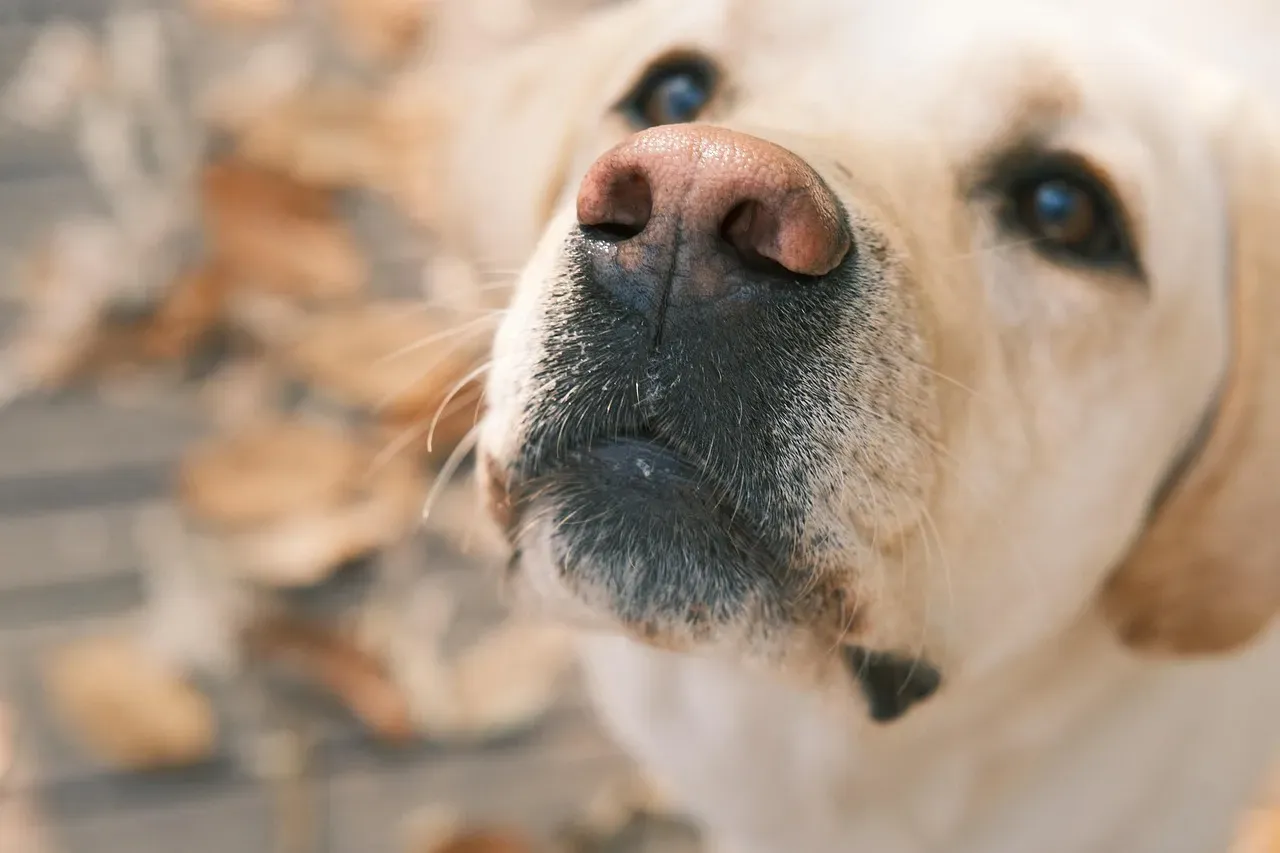
Nasal administration of oxytocin increased the total amount of time that female dogs gazed at their owners and, in turn, urinary oxytocin concentrations in owners. This creates what researchers call a positive feedback loop. Your dog looks at you, your oxytocin rises. You feel more affection, you look back at them, their oxytocin rises. It keeps building on itself.
Eye contact is one of the most telling signs your dog trusts you. But it’s more than trust. Maintaining eye contact with your dog causes the release of oxytocin. Those quiet moments when you lock eyes with your dog across the room? You’re both getting a chemical love boost.
Wolves raised by humans don’t show this same pattern. Mutual gaze between hand-raised wolves and their owners was not detected, nor was there an increase of urinary oxytocin in either wolves or their owners after interaction. This is something special that evolved specifically between dogs and humans over thousands of years of living together.
Your Dog Shows Trust Through Vulnerability, Not Just Obedience
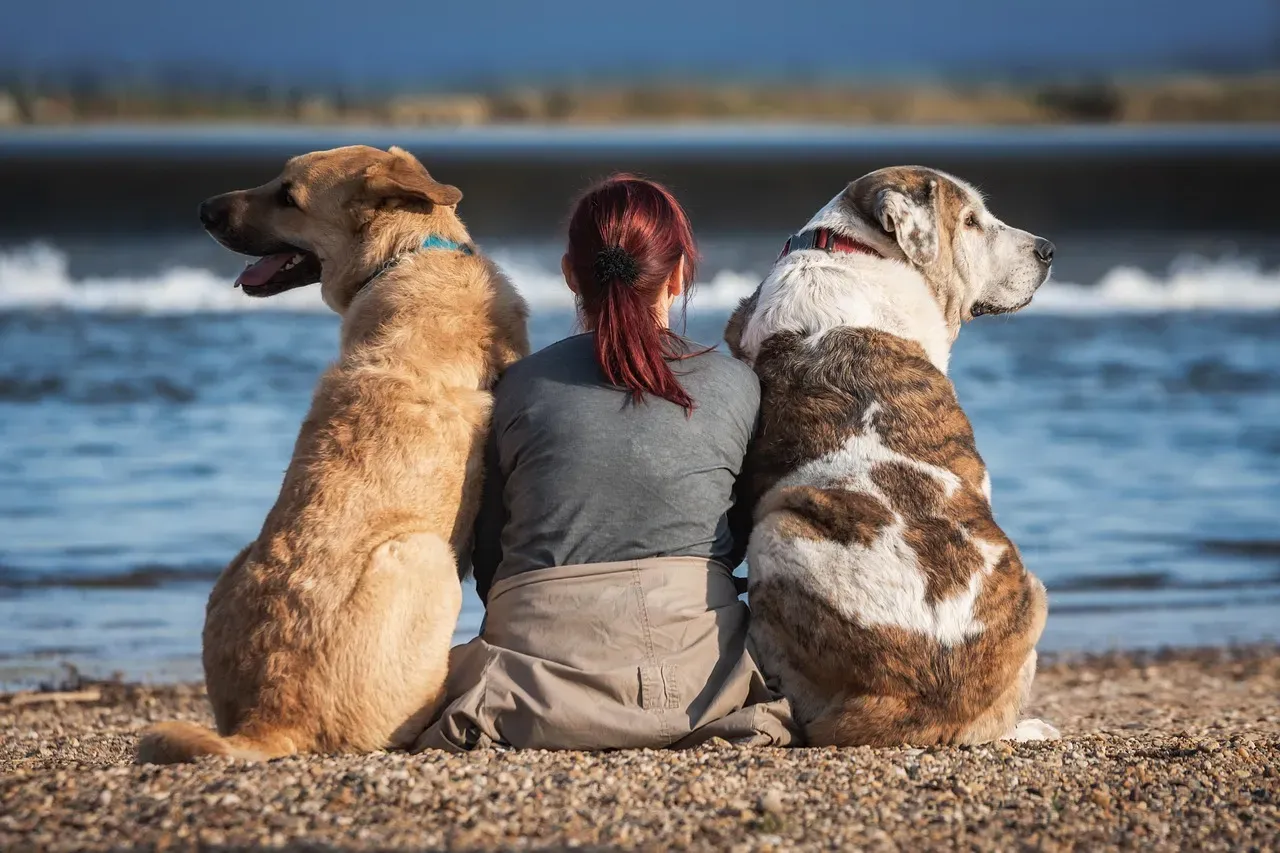
Let’s be real. A lot of us think our dog trusts us because they follow commands. That’s part of it, sure. However, the deeper signs are far more subtle. When dogs fully relax around you – stretching out, letting their limbs dangle, or exposing their belly – it’s a sign they trust you completely.
Another vulnerable time for a dog is when they are asleep, as historically, wolves and dogs used to sleep close together with other pack members to ensure trust and protection, so if your dog enjoys sleeping in your bed or likes to snuggle up to you for a nap, they feel trust in you that they will be safe to do so. That’s not a trained behavior. It’s pure instinct telling them you’re safe.
The best way to know if your dog feels safe and comfortable around you is if they rely on you to provide safety and comfort; when startled or upset, if they look to you and move toward you rather than retreat, that’s a pretty solid answer. Watch what happens next time your dog gets spooked. If they run to you instead of away, you’ve earned something money can’t buy.
Quiet Companionship Matters More Than Constant Activity
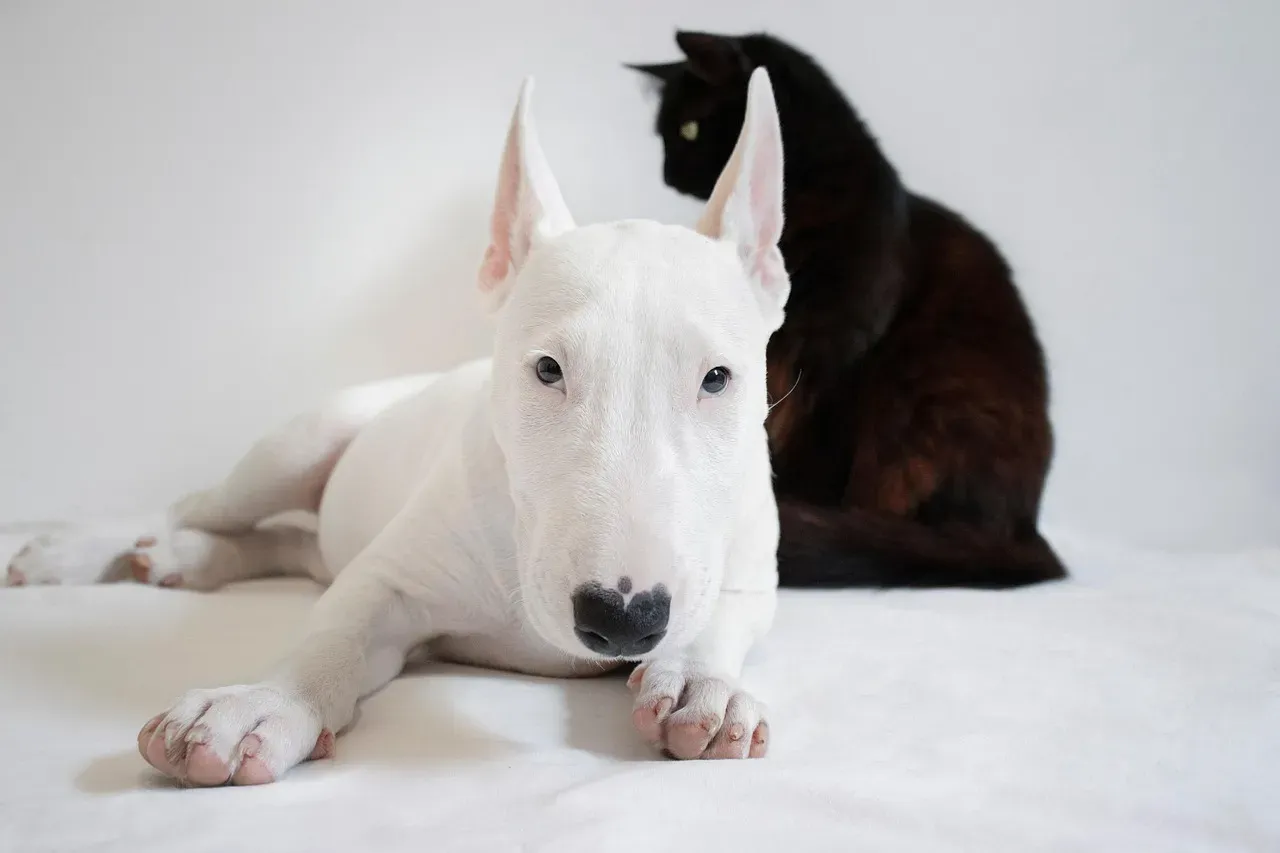
Simply spending quality time together, such as quiet moments in the same room or walks, maintains a close bond and encourages the hormonal responses associated with attachment. You don’t need to be constantly entertaining your dog or doing elaborate activities. Just being present is enough.
Spending dedicated quality time with dogs enhances the emotional connection, and activities such as training sessions, interactive play, grooming, and simply spending quiet time together can strengthen the bond, with consistency and engagement being more beneficial than duration. It’s hard to say for sure, but I suspect a lot of us overcomplicate this. We feel guilty when we’re not actively “doing” something with our dogs.
Sometimes, the most powerful bonding moments are quiet ones: reading with your dog curled up beside you or enjoying a peaceful evening walk. Those peaceful evenings when your dog is just hanging out near you while you work or watch television? That’s quality time. That’s bond-building. Your presence is the gift.
Every Touch and Calm Interaction Is an Investment in Your Relationship
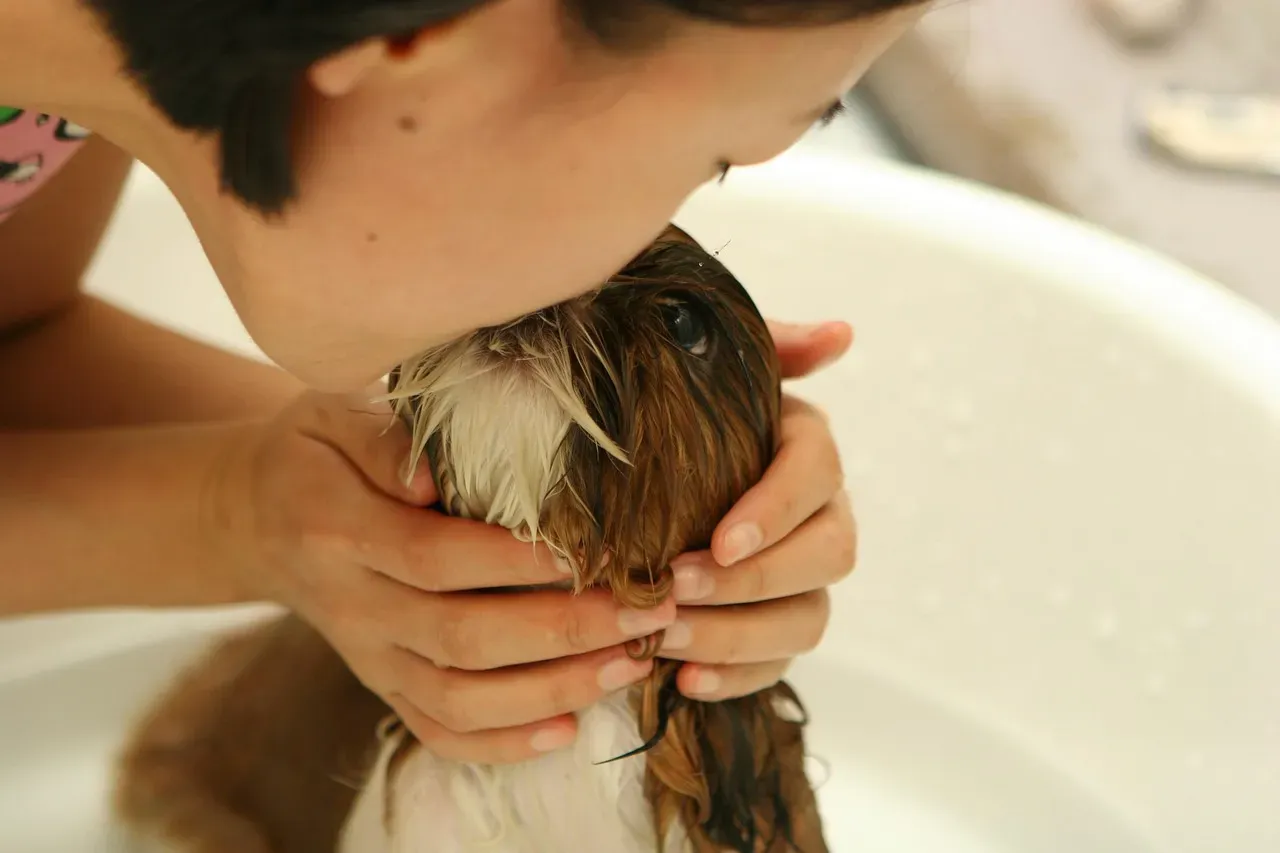
Grooming a dog can strengthen the human-animal bond if it’s done right and makes your dog feel good, for example, brushing your dog’s coat two or three times a week removes dirt, debris, and loose fur, and it can be very soothing to many dogs. Those routine care moments – brushing, gentle petting, even just sitting together – are deposits in what experts call a trust bank account.
The key to this is having enough in your trust bank account that when your dog has to tolerate things they don’t like for their welfare, they can bounce back from it quickly. Every calm, positive interaction builds reserves. Then when stressful things happen like vet visits or nail trims, your dog has enough trust stored up to handle it.
From teeth brushing to nail trimming, our pups require quite a few grooming and care tasks, and allowing us to perform them without a fuss is a clear indicator that your pup trusts you, as most of the handling required for care is awkward if not a little uncomfortable for dogs. This doesn’t happen overnight. It’s built in all those quiet, gentle moments that came before.
Conclusion
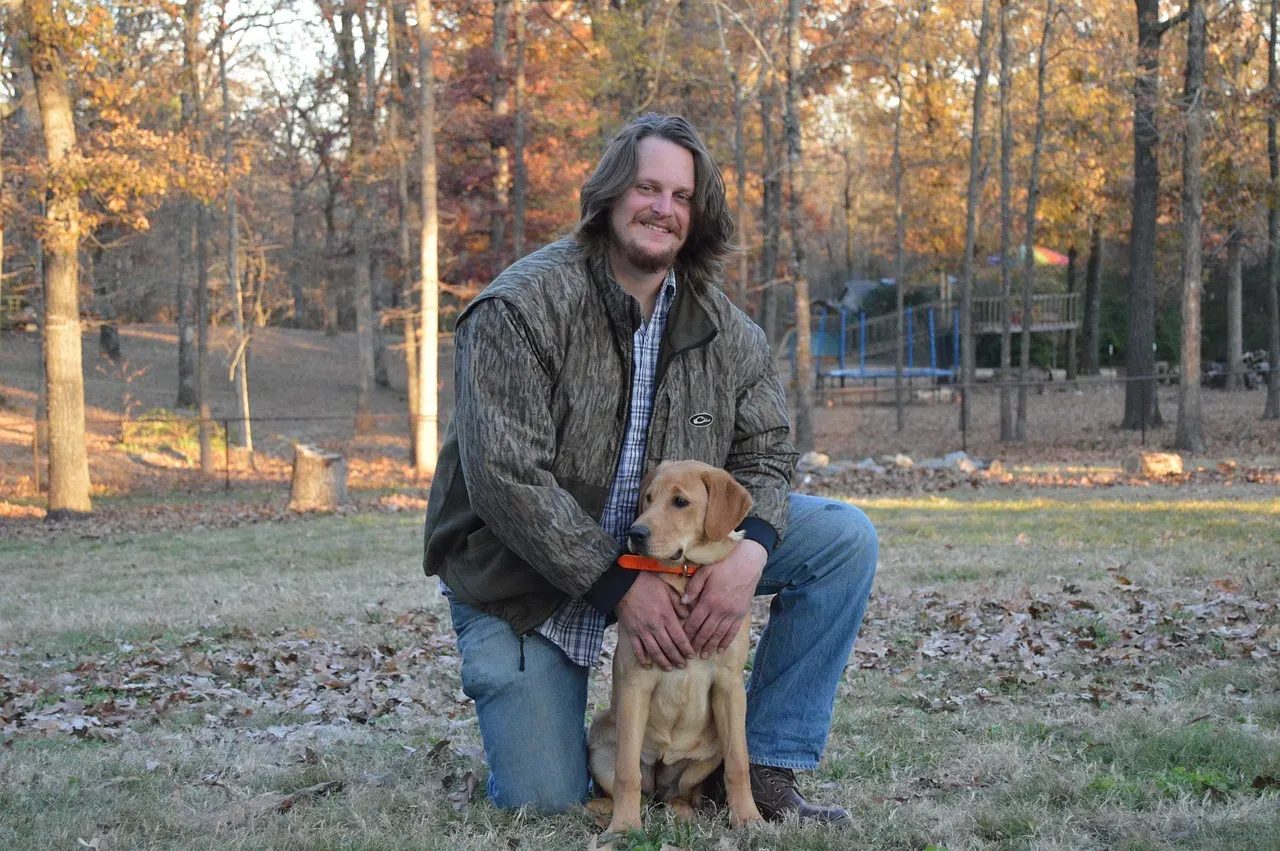
The truth is, you don’t need grand gestures or expensive toys to build an unbreakable bond with your dog. What matters most happens in the margins of your day, in those unremarkable moments when you’re simply together. Every shared glance, every calm touch, every quiet evening on the couch is chemically and emotionally strengthening the connection between you.
Simply put, the bond you share with your pet can make your life longer, healthier, and a whole lot happier. Your dog isn’t just a pet who happens to live with you. They’re a companion whose brain and body are wired to sync with yours, whose stress levels mirror your own, and whose capacity for trust and love rivals any human relationship.
So the next time your dog settles at your feet while you’re doing nothing in particular, take a moment to appreciate what’s really happening. You’re not wasting time. You’re building something beautiful and lasting, one quiet moment at a time. What small, quiet moment with your dog do you cherish most?


