

You’re in the middle of a firm “no” – maybe the sofa is off limits, maybe it’s not walk time yet – and your dog looks you dead in the eyes and lets out a long, dramatic groan. Or a whine. Or a string of sounds that honestly sounds a little too close to an argument. Sound familiar?
Most people laugh it off as stubbornness or silliness. A few worried souls Google “why does my dog talk back.” The truth, though, is far more fascinating than either of those reactions. Your dog isn’t being defiant. They’re doing something ancient, deeply emotional, and remarkably intelligent. Let’s dive in.
Your Dog Is Actually Trying to Communicate – Not Misbehave
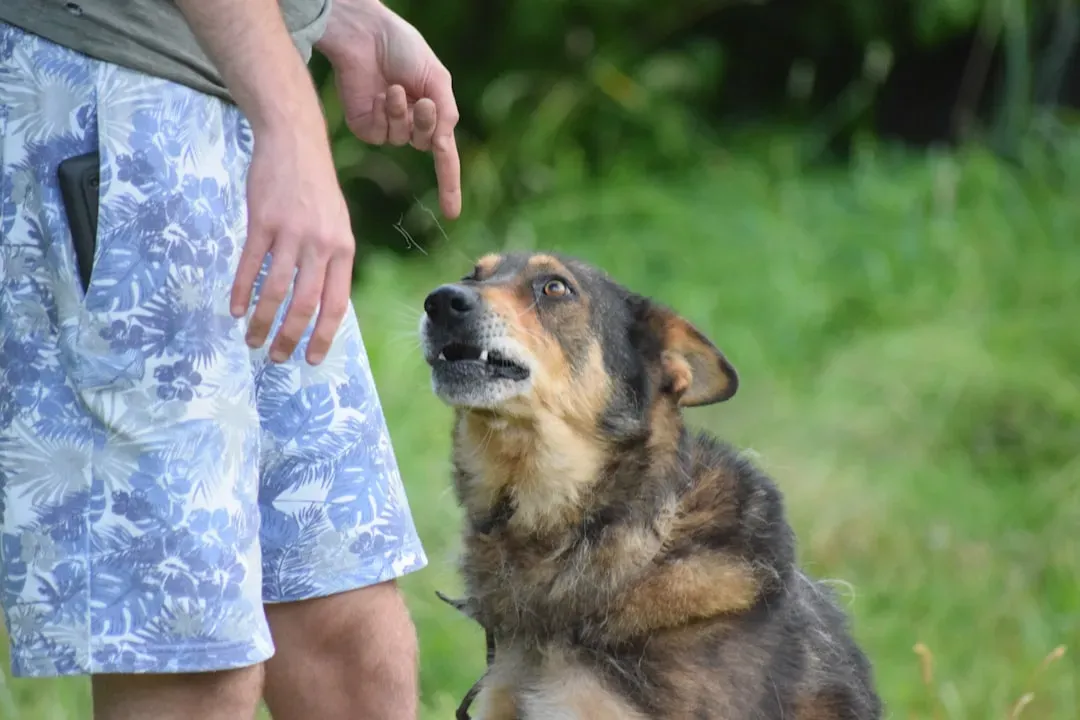
Here’s the thing a lot of people get wrong: when your dog “talks back,” it’s not a power play. Understanding the meaning behind different vocalizations can help owners address their pets’ needs more effectively, leading to a stronger bond and a happier, healthier dog. That whine or groan is your dog’s version of raising their hand.
Dog communication refers to the methods dogs use to transfer information to other dogs, animals, and humans – and they may exchange information vocally, visually, or through smell. Think of it less like backtalk and more like a toddler who doesn’t have the words yet but absolutely has feelings to share.
Thousands of Years of Evolution Shaped This ‘Conversation’
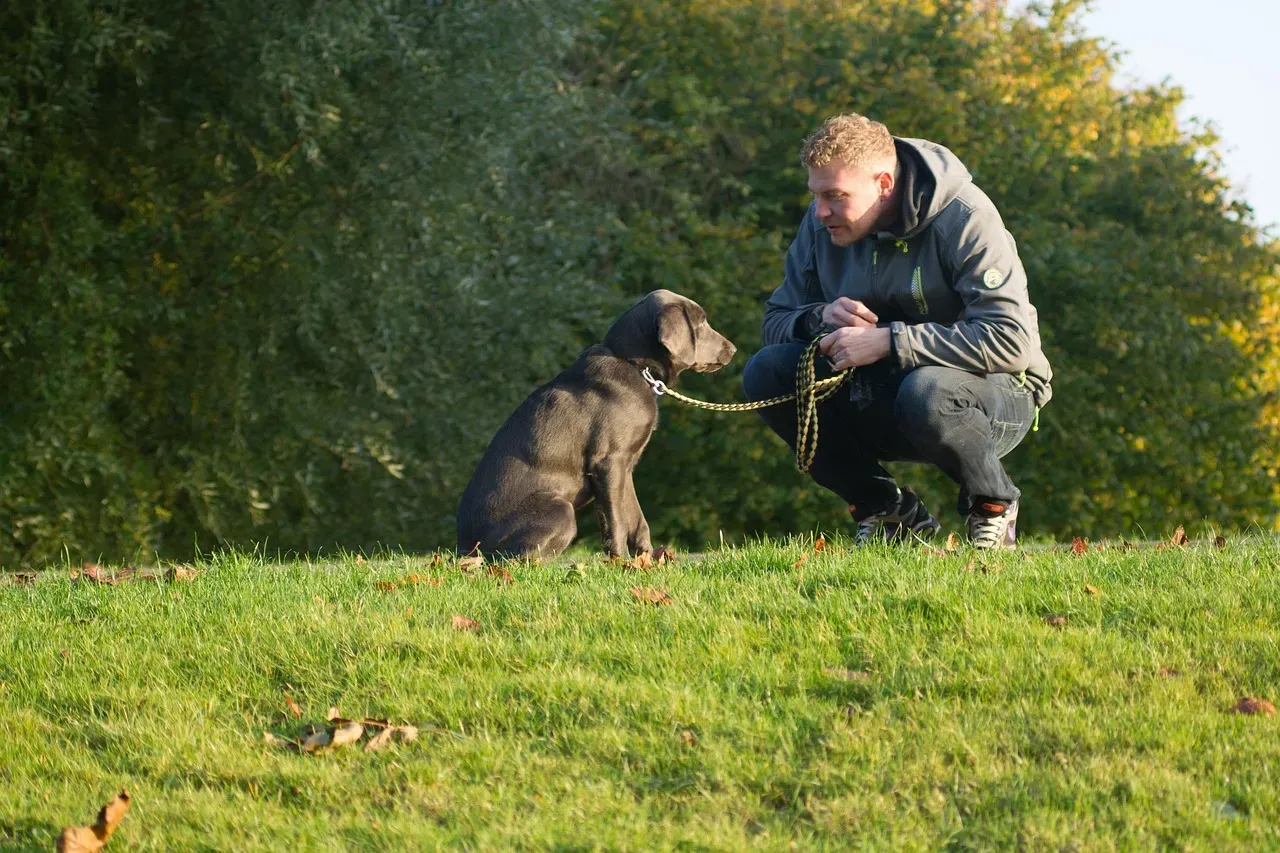
The bond between humans and dogs goes back over 15,000 years when dogs first began living with human hunter-gatherers. During the domestication process, dogs evolved to better understand human emotions, gestures, and even vocal tones. That’s not a short relationship. That’s a partnership longer than most civilizations.
Through domestication, dogs have become particularly adept at “reading” human facial expressions. Dogs recognise and infer emotional information from humans. When communicating with a human, their level of comprehension is generally comparable to a toddler. Honestly, that comparison hits different when your dog sighs loudly after you tell them dinner is ten minutes away.
The Bark Is Just One Chapter in a Much Bigger Story
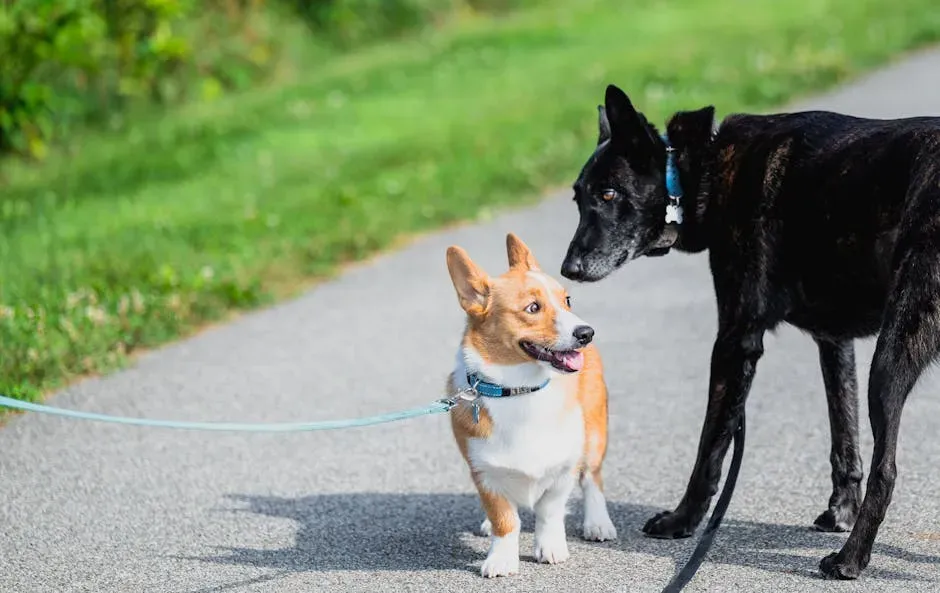
A dog’s vocalizations can be categorized into distinct types, such as barking, whining, and howling, but there are many factors that contribute to what a dog is trying to convey. Deciphering what dogs are trying to communicate with a particular vocalization depends on the tone of their communication, their body language, environmental factors, health, level of comfort, and emotion.
Emotions can be expressed through barking, whether it is a higher-pitched bark for excitement, a repetitive and monotone bark for boredom, a sharp and intense bark to alert you of a sound or sight, or a short, quick bark directed at another dog. It’s practically a whole language once you start paying attention to the pitch and rhythm.
That Whine? It’s Not Manipulation – It’s Ancient Biology
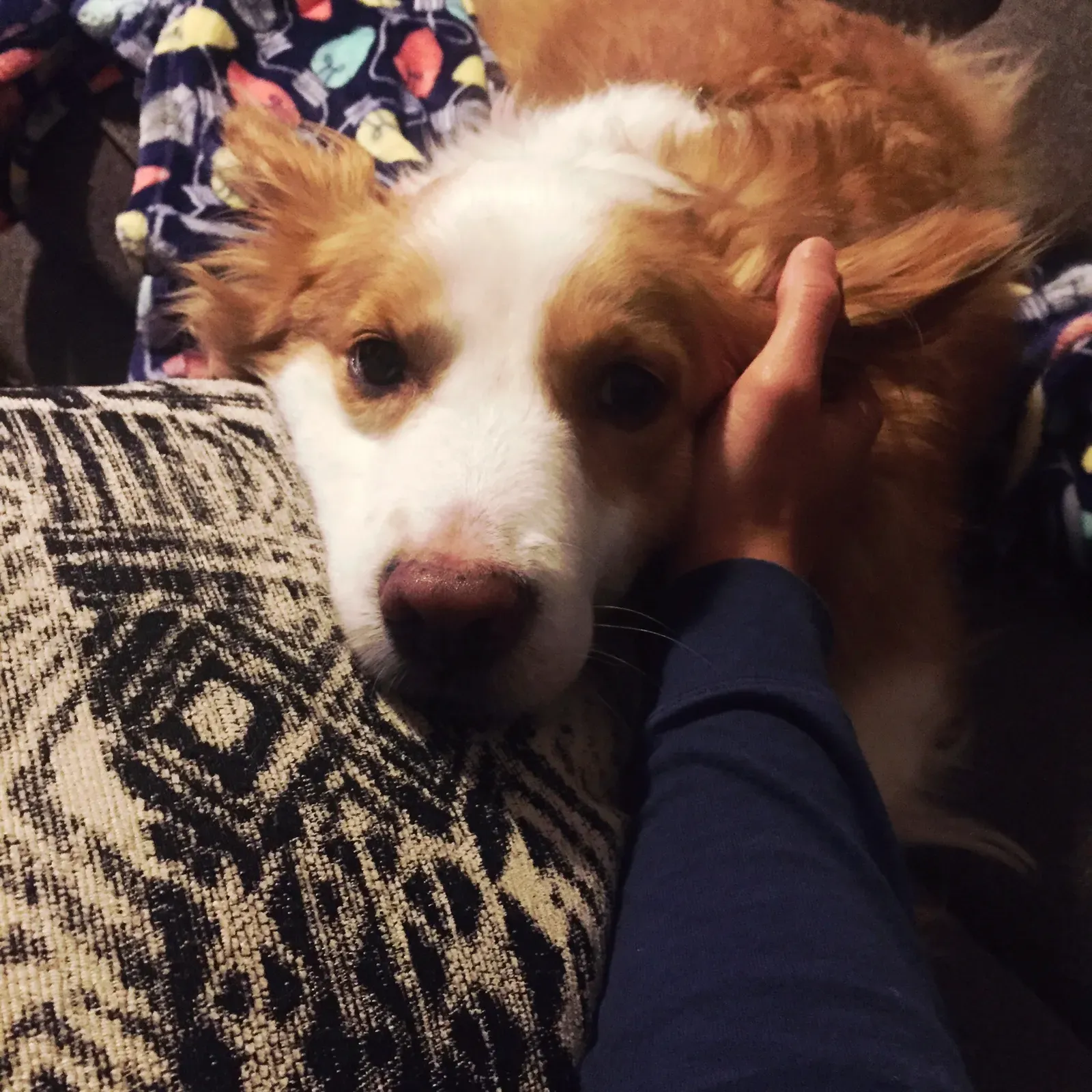
Dogs may whine when they’re anxious, excited, in pain, or trying to get your attention. Puppies often whine as a way to communicate needs to their mother – and adult dogs may carry that behavior into their interactions with people. So when your grown Lab whines at you before a walk, they’re essentially using the same communication wired in since puppyhood.
There are indications that dogs’ whines have similar acoustic parameters to children’s cries and also elicit caring behaviour. No wonder it’s so hard to ignore. Your brain is literally wired to respond to that sound. You’re not being a pushover – you’re being human.
The Howl Has Deeper Roots Than You’d Expect
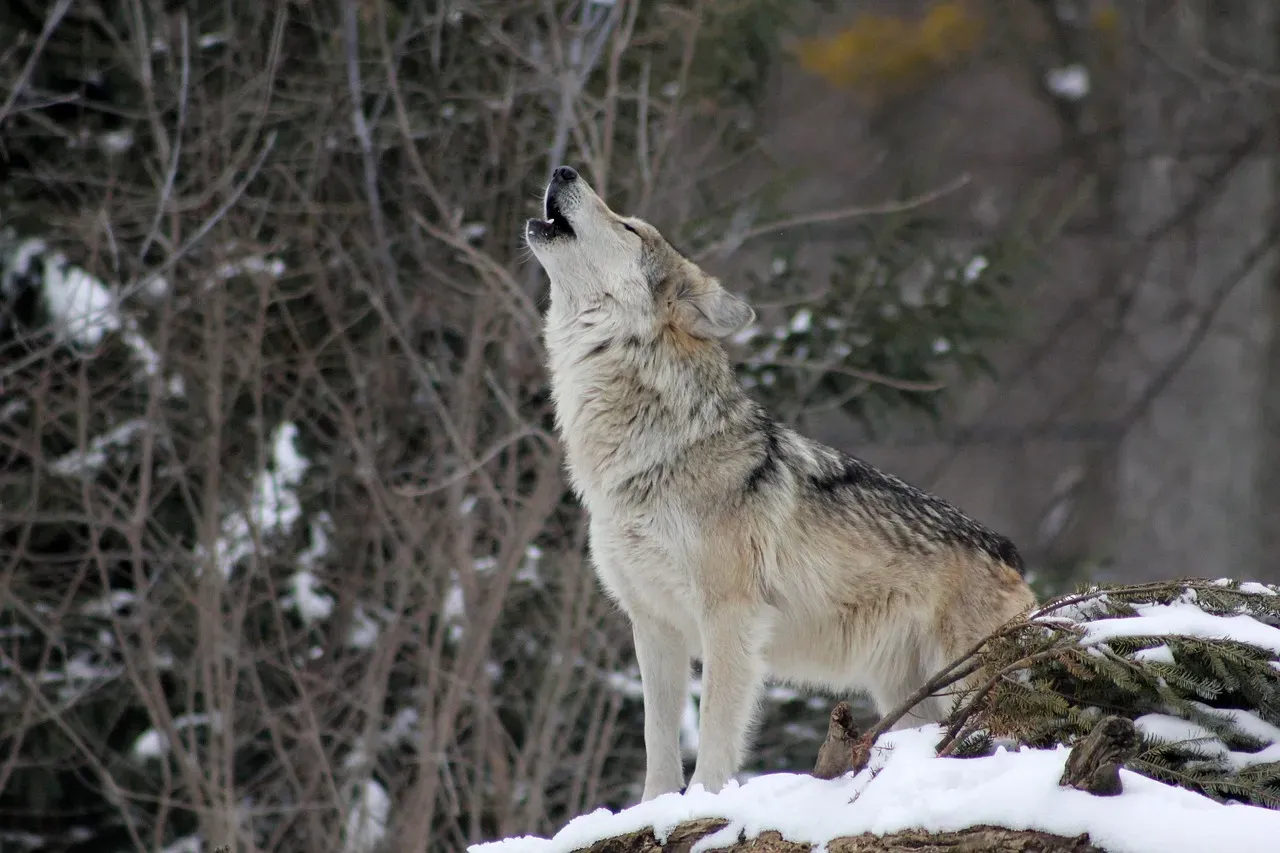
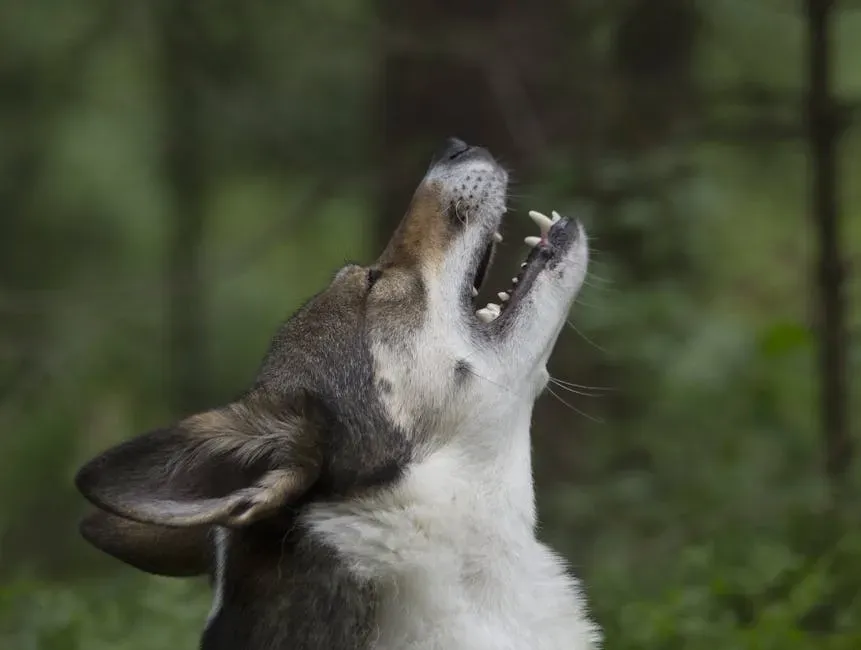
Howling can be a response to external sounds – such as sirens, music, or other dogs’ barking – or used when claiming territory, communicating to a pack or family members, or alleviating feelings of isolation. That mournful sound rising from your living room when an ambulance passes? Pure wolf ancestry, right there in your home.
Dogs howl because of their instinctual nature, passed down from wolves. Howling is a way for dogs to communicate over long distances. It helps them find each other and show they are there. This behavior comes from their wild ancestors – wolves used howling to find pack members and warn of dangers. Your dog isn’t being dramatic. They’re being deeply, ancestrally themselves.
Growling Doesn’t Always Mean What You Think
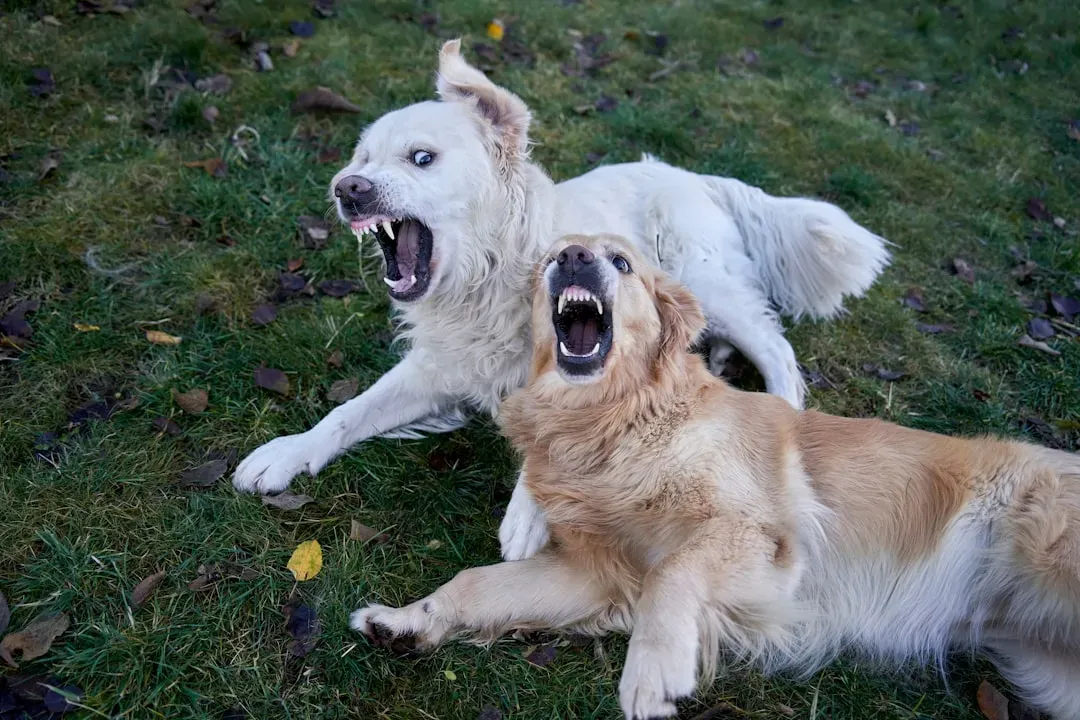
Let’s be real – a growl can stop a heart for a second. Most people’s instinct is to shut it down immediately. That’s actually a mistake. Growling is a warning sound that signals discomfort, fear, or aggression. Dogs may growl to communicate that they want to be left alone or to deter a perceived threat. However, not all growls are aggressive – sometimes dogs growl during play as a way of engaging with their owners.
Dogs reliably produce different growl variants depending on the external social event, particularly during threatening situations compared to when playing with a human. Using playbacks, variations in growls have been shown to be meaningful to receivers. A play growl during tug-of-war is your dog saying “this is the best thing ever.” Context is everything.
Your Voice Actually Changes How Your Dog Responds
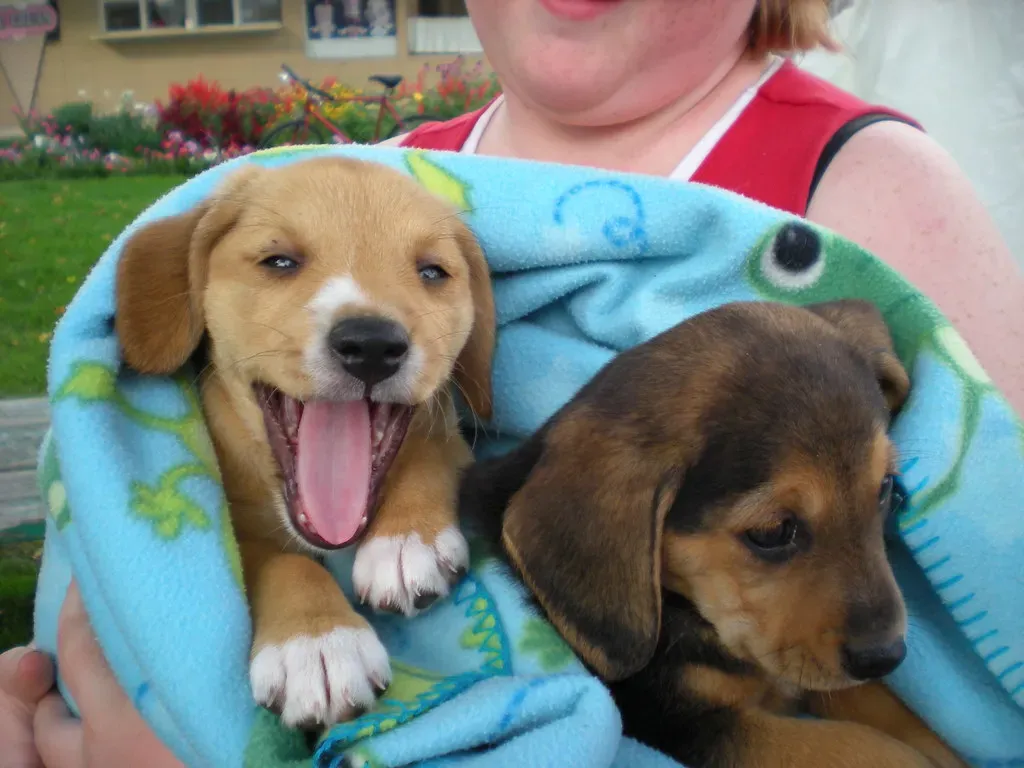
I think this one surprises most people. It’s not just what you say – it’s how you say it. The differences in human tones and volumes affect how dogs respond to their owners. Men often have lower pitches that sound firm and commanding. A high, cheerful voice triggers a completely different response than a low, firm tone.
A soothing tone of voice expresses affection and caring and is often used when bonding with your dog. Think of how you sound when trying to comfort a baby. Saying “Sweet pup” when petting your dog tells him that you really love him. Your dog is reading the emotional music of your voice, every single time you speak.
The Science of the Gaze – It’s Love, Literally

Here’s one of the most jaw-dropping discoveries in recent canine science. Those loving looks cause both dog and human brains to secrete the hormone oxytocin, which has previously been linked to strengthening emotional bonds between mothers and babies and between other mammal pairs. That quiet moment when your dog stares into your eyes? That’s a bonding chemical loop happening in real time.
Human-like modes of communication, including mutual gaze, in dogs may have been acquired during domestication with humans. Gazing behavior from dogs, but not wolves, increased urinary oxytocin concentrations in owners, which consequently facilitated owners’ affiliation and increased oxytocin concentration in dogs. Wolves don’t do this. Only dogs. Only with us. That means something profound.
When ‘Talking Back’ Could Signal a Health Problem
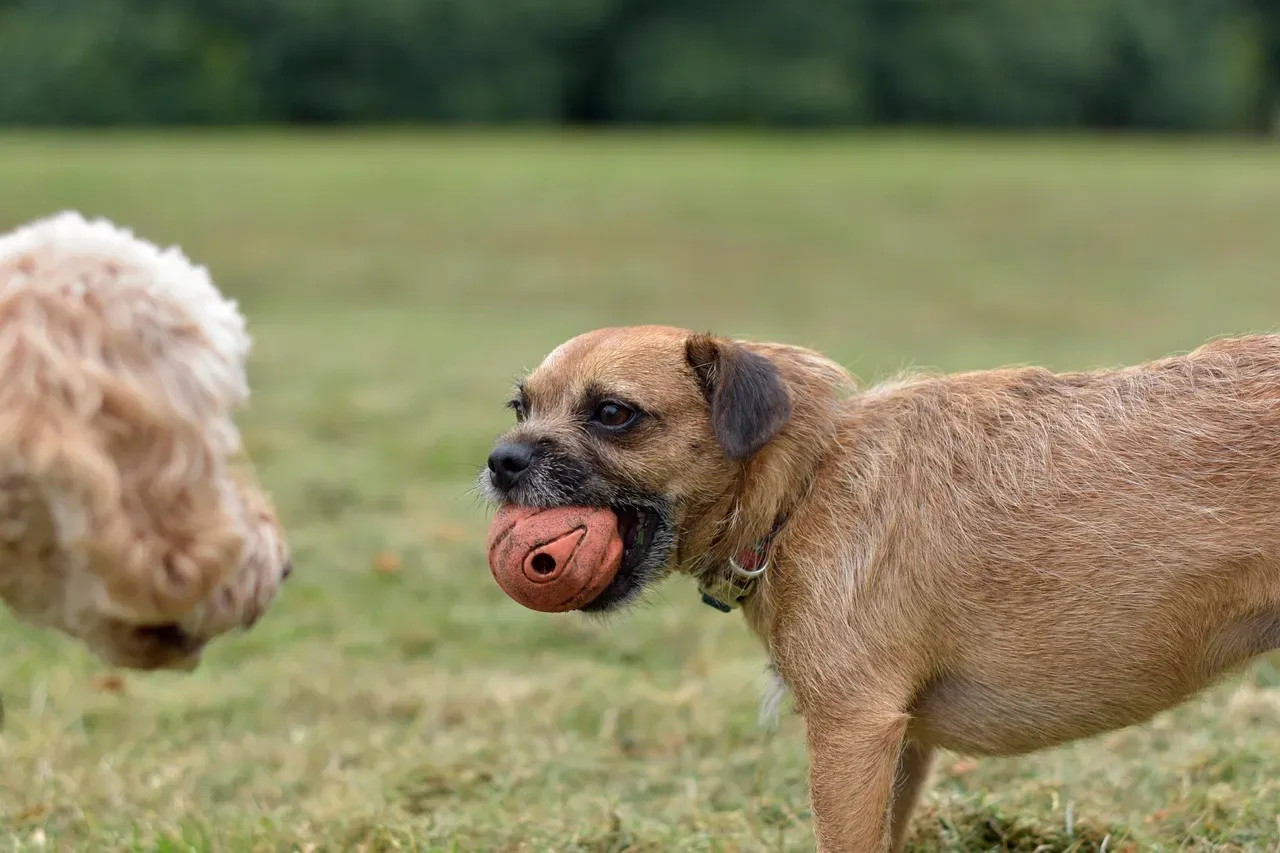
This one matters and I can’t skip it. Sometimes a sudden change in your dog’s vocal behavior is their only way to tell you something is wrong. Whining can also signal anxiety, stress, or pain. A persistent whine, especially if new, might mean your dog is sick and needs a vet visit. Never ignore a new pattern of vocalization, especially in a dog that’s normally quiet.
Occasional sudden barking can be caused by a medical problem. It is best to have your dog examined by your veterinarian to check for this. Your dog doesn’t have the luxury of saying “my stomach hurts.” A sudden, unexplained increase in vocalizations is worth taking seriously. Trust your gut when something feels off.
Some Breeds Are Simply Wired to Be More Talkative

If you have a Husky, Beagle, or Siberian Malamute and you’re reading this with a slightly exhausted expression – valid. Huskies and Alaskan Malamutes come from cold climates where long-distance howling helped them communicate with their pack across snowy landscapes. They’re known for their vocal “talking” – a range of sounds from whining to dramatic “woo-woo” howls.
A dog’s vocal habits stem from a combination of their breed, genetics, environment, and experiences. So if your Beagle narrates every single squirrel sighting and your neighbor’s Greyhound is practically mute, that’s not a personality flaw on either side. They’re just built differently, and that’s completely okay.
How to Actually ‘Talk Back’ to Your Dog in a Way They Understand
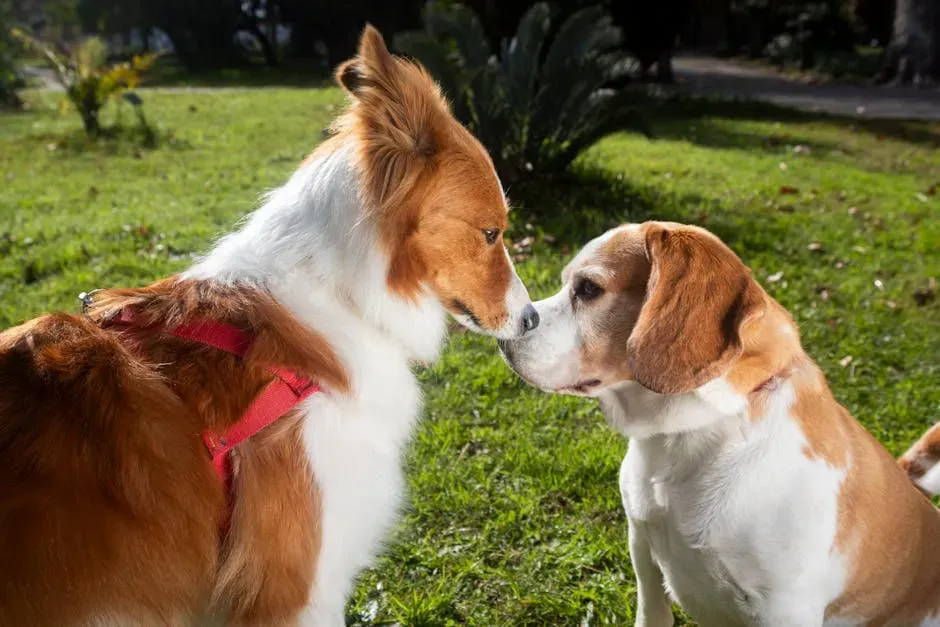
Dogs tend to be highly responsive to human cues, especially the direction of a gaze and the direction in which a human points. Dogs rely on the gestures of humans more than verbal cues, most importantly eye contact. You don’t need to speak “Dog” fluently. You just need to be consistent, calm, and present.
Owners should understand the common reasons behind each type of vocalization so that if there are any significant or persistent changes in a dog’s vocalization patterns, they can schedule an appointment with a veterinarian, behaviorist, or trainer, who can provide guidance on how to address the underlying reasons for the sound and develop a plan to manage it effectively. That ongoing attention to your dog’s voice is, honestly, one of the greatest acts of love you can offer them.
Conclusion: Your Dog Is Talking. Are You Listening?
The groans, the whines, the dramatic sighs when dinner is late – none of it is nonsense. Every sound your dog makes is a window into how they feel, what they need, and how deeply they trust you to understand them. Whatever sounds your dog makes, one thing is certain: the sounds mean something and shouldn’t just be ignored.
We spend so much time teaching dogs to understand us. Imagine what shifts when we put in the same effort to understand them. Being able to interpret what your dog is trying to communicate opens doors to a stronger connection. You’ll be able to provide better care based on their emotional needs.
Your dog isn’t talking back. They’re reaching out. The real question is – how well are you reaching back? What’s the most surprising “conversation” you’ve ever had with your dog? Share it in the comments – we’d love to hear it.


