

Crating your puppy at night doesn’t have to feel like a challenge—it’s actually a great way to help them feel secure and build a healthy routine. The trick is to make the crate a warm, welcoming space with comfy bedding, familiar toys, and lots of positive reinforcement. Start slow and stay patient, keeping the crate in your bedroom at first so your puppy doesn’t feel alone. Avoid using the crate as punishment, and instead, treat it like their personal den. Over time, most puppies grow to love the safety and comfort it brings—making bedtime smoother for everyone involved.
Understanding Why Crating Matters for Puppies
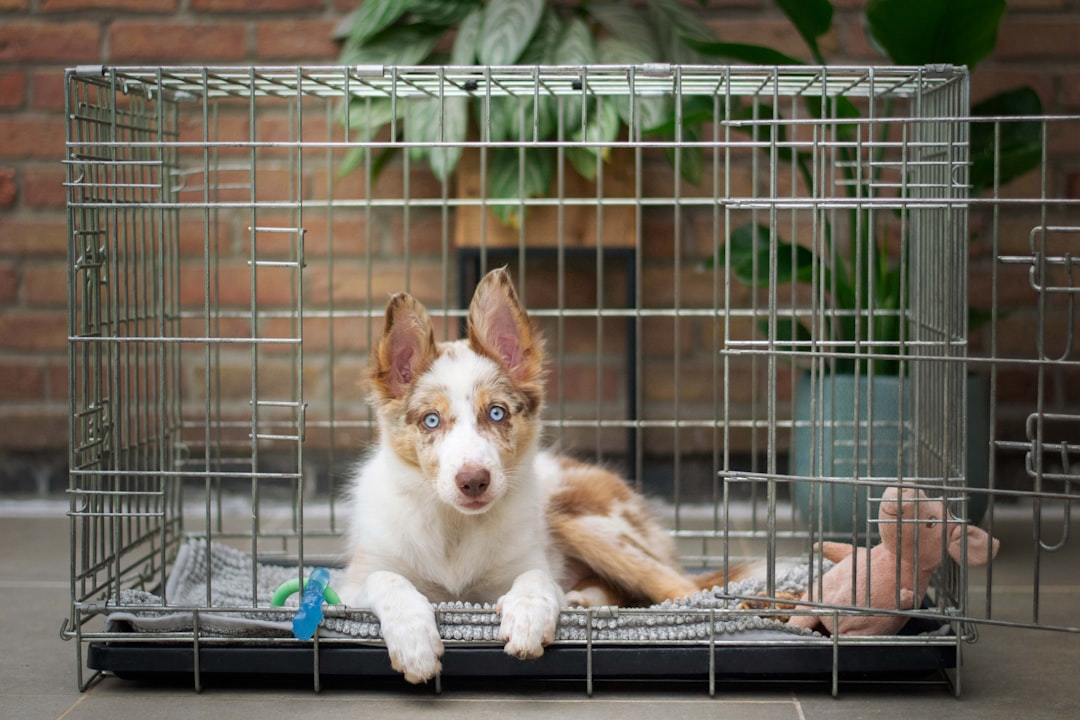
Crate training a puppy at night isn’t about locking them away; it’s about giving them a safe, cozy spot of their own. Puppies are naturally den animals, and a crate mimics the security of a den. This safe space helps prevent accidents around the house, protects your belongings, and gives your puppy a comforting sense of routine. Many dog lovers are surprised to learn that, far from being cruel, a properly introduced crate reduces anxiety and helps puppies learn bladder control. Think of it as tucking a child into bed, not shutting them in a closet. With the right approach, the crate becomes a happy place your puppy looks forward to each night.
Choosing the Perfect Crate for Your Puppy

Selecting the right crate is a crucial first step. Your puppy’s crate should be large enough for them to stand up, turn around, and lie down comfortably, but not so big that they can use one corner as a bathroom. Many crates come with dividers to adjust their size as your pup grows. Wire crates are popular for their ventilation and visibility, while plastic ones offer a cozy, den-like feel. Whatever style you choose, make sure the crate is sturdy and easy to clean. Place it in a quiet, draft-free area where your puppy can feel safe but still be close to the family. The right crate sets the stage for peaceful nights and happy mornings.
Making the Crate Inviting and Cozy
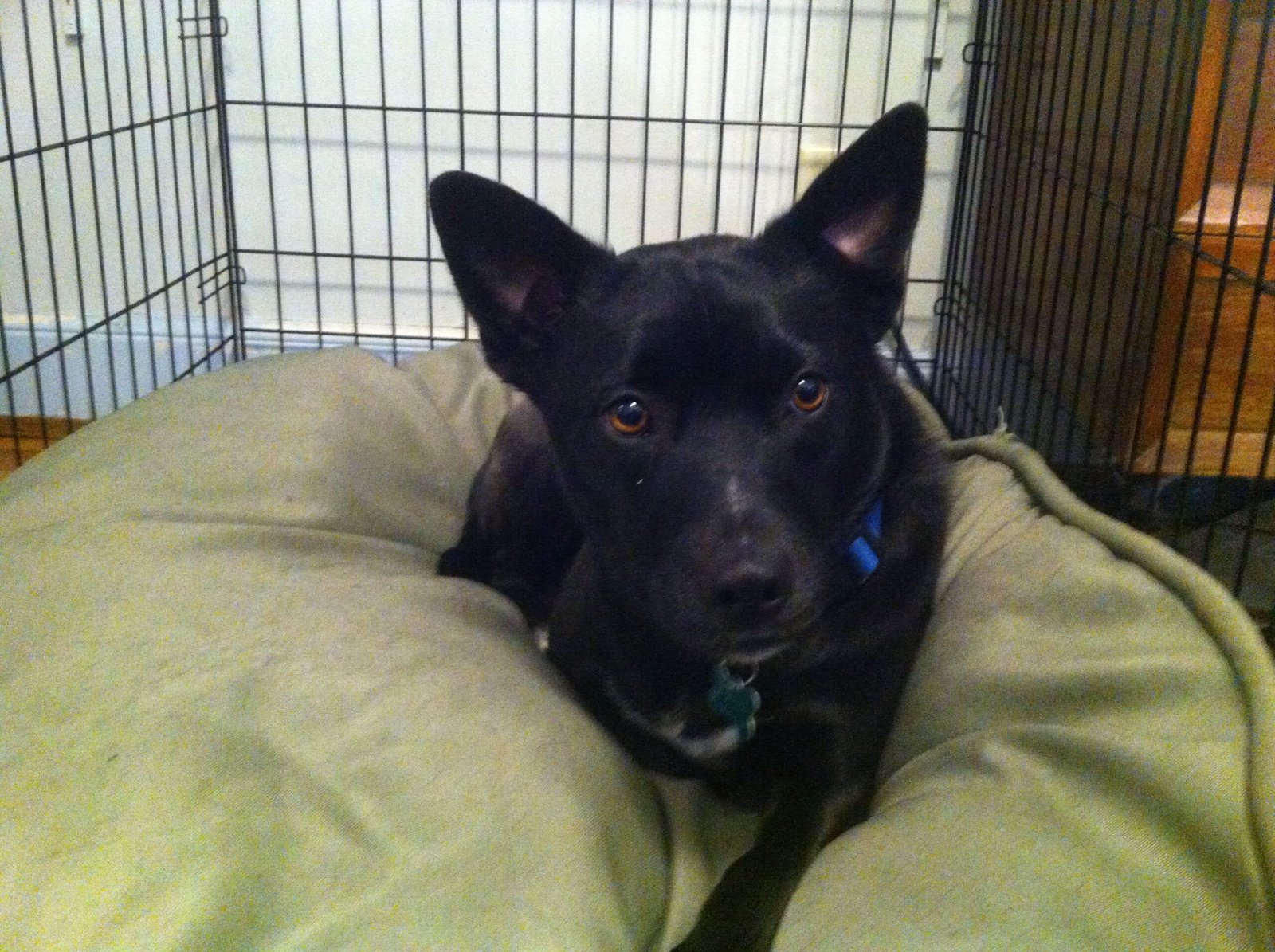
Turning the crate into a place your puppy loves starts with comfort. Soft bedding, a favorite blanket, and maybe a safe chew toy can work wonders. Avoid using too many items, as young puppies are notorious for chewing and swallowing things they shouldn’t. Consider placing a piece of your clothing in the crate; your scent can be incredibly soothing for a puppy who misses their littermates. Keep the crate away from direct heat sources or chilly drafts. Adding a crate cover or draping a towel over part of the crate can help create a den-like atmosphere that feels safe and secure.
Establishing a Calming Bedtime Routine

Consistency is key when it comes to bedtime. Puppies thrive on routine, so aim to put your puppy to bed at the same time each night. Before crating, allow some quiet playtime and a bathroom break—an empty bladder means fewer nighttime accidents. Dim the lights and keep your voice soft and reassuring as you guide your puppy to the crate. Some dog owners find that playing gentle music or white noise can help block out startling sounds and ease their puppy into sleep. The more you stick to a calming routine, the quicker your puppy will learn that nighttime in the crate means rest and safety.
Introducing Your Puppy to the Crate Gradually

Imagine being suddenly locked in a strange room—scary, right? Puppies feel the same when forced into a crate without warning. The best way to avoid fear is to introduce the crate slowly and positively. Start by letting your puppy explore the crate with the door open, tossing treats inside to create happy associations. Feed your puppy their meals near or inside the crate. Gradually increase the time they spend inside, always with praise and encouragement. Never force your puppy in or use the crate as punishment. With patience and gentleness, your puppy will soon see the crate as their own special retreat.
Dealing with Nighttime Whining and Crying

Few things tug at the heartstrings like a puppy crying at night. It’s natural—your puppy may feel lonely or confused at first. Resist the urge to immediately let them out every time they whine, or they’ll quickly learn that crying means freedom. Instead, wait a few moments to see if they settle down. If the crying continues, check if your puppy needs to go potty, but keep interactions calm and brief. Speak softly and avoid turning on bright lights. Over time, as your puppy learns that the crate is safe and that you’re nearby, the nighttime whining will fade, replaced by peaceful slumber.
Handling Nighttime Potty Breaks Properly

Young puppies have tiny bladders and may need bathroom breaks during the night. Plan ahead by setting a gentle alarm for a quick midnight outing. When it’s time, quietly take your puppy outside on a leash, avoiding play and excitement. Once the business is done, calmly return your puppy to the crate. Gradually, as your puppy grows and their bladder strengthens, those nighttime trips will become less frequent. Celebrate small victories—waking up to a dry crate is a big step in your puppy’s development and a sure sign that your routine is working.
Preventing Common Crate Training Mistakes

It’s easy to make mistakes with crate training, especially when sleep-deprived. Never use the crate as a punishment—this turns it from a safe haven into a scary place. Don’t leave your puppy in the crate for too long; puppies need time to play, explore, and bond with you. Avoid inconsistent routines, which can confuse your puppy and slow progress. Remember, patience beats punishment every time. Every puppy is different, and setbacks are normal. Stay positive, adjust as needed, and celebrate progress, no matter how small.
Knowing When to Seek Extra Help

Sometimes, despite your best efforts, crate training just doesn’t seem to click. If your puppy shows extreme anxiety, persistent accidents, or destructive behavior in the crate, it’s time to reach out for help. A professional dog trainer or veterinarian can offer guidance tailored to your puppy’s needs. Medical issues or past trauma can also play a role, so don’t hesitate to ask for advice. Remember, seeking help isn’t a sign of failure—it’s a sign of love and commitment to your puppy’s well-being.
Celebrating Success and Building Lifelong Habits

When your puppy finally settles into their crate with a happy sigh and sleeps through the night, it’s a moment worth celebrating. Crate training isn’t just for the puppy months; it builds habits that last a lifetime. A well-crated dog is easier to travel with, safer during emergencies, and more confident overall. The lessons in patience, routine, and gentle boundaries will carry into every part of your life together. As you and your puppy master the art of nighttime crating, you’ll build trust, security, and an unbreakable bond that grows stronger with every peaceful night.
Crating your puppy at night can be a game-changer—for both of you! When done with patience and positive vibes, it gives your pup a safe, cozy spot to relax and unwind. Stick with a gentle routine, and your puppy will soon see their crate as a comfy den, not a cage. It’s all about building trust, consistency, and making bedtime something they look forward to. Sweet dreams, little tail-wagger!


