

Traveling with your furry companion can be an exciting adventure, but it’s essential to be aware of the risks involved. Dogs bring immense joy to our lives, and naturally, we want them by our side during our trips. However, it’s crucial to understand that taking your dog on a journey can present certain challenges. This article aims to shed light on the potential risks associated with traveling with your dog, helping you make informed decisions for a safe and enjoyable experience.
Stress and Anxiety in Dogs
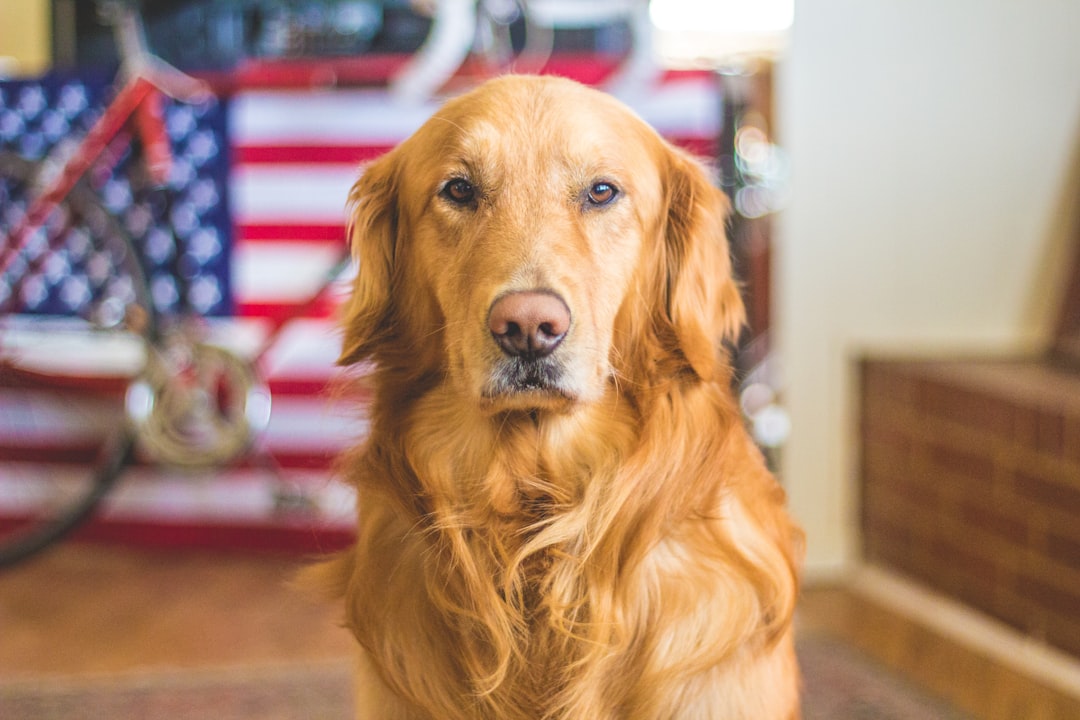
Traveling can be a stressful experience for your dog, as it involves changes in environment and routine. Dogs thrive on familiarity, and the hustle and bustle of travel can be overwhelming. Imagine being dropped into a bustling city without knowing the language or customs; that’s how your dog might feel. Symptoms of stress in dogs can include excessive panting, whining, or even destructive behavior. It’s important to recognize these signs early to address them promptly. Ensuring your dog feels secure and comfortable is key to minimizing travel-related stress. Simple measures, such as bringing your dog’s favorite blanket or toy, can provide a sense of familiarity and comfort.
Moreover, some dogs might experience travel anxiety, which is a more severe form of stress. This can manifest as trembling, pacing, or refusing to eat. It’s advisable to consult a veterinarian before your trip to discuss potential solutions, such as calming supplements or behavior modification techniques. Remember, a relaxed dog makes for a more enjoyable journey for everyone involved.
Health Risks and Exposure to Illnesses

When traveling, especially to new or foreign locations, your dog is exposed to various health risks. Different regions may have diseases or parasites that your dog is not immune to. For instance, heartworm, Lyme disease, and tick-borne illnesses are prevalent in certain areas. Ensuring your dog is up-to-date with vaccinations and preventative medications is vital. Regular veterinary check-ups before traveling can help identify any potential health concerns and give you peace of mind.
Additionally, changes in climate and altitude can affect your dog’s health. Just like humans, dogs can suffer from altitude sickness, dehydration, or heatstroke. It’s crucial to monitor your dog’s health closely during your travels and provide plenty of fresh water and rest breaks. Consulting with a veterinarian about the specific risks associated with your travel destination can provide you with valuable insights and precautions.
Legal and Regulatory Challenges

Traveling with a dog often involves navigating through a maze of legal and regulatory requirements. Different countries, states, or even cities may have specific rules regarding pet travel. For example, some places require quarantine periods or specific vaccinations before entry. Failing to meet these requirements can result in fines, denial of entry, or even the confiscation of your beloved pet. It’s essential to research and understand the regulations of your travel destination well in advance.
Moreover, even within the country, various modes of transportation have their own set of rules for pet travel. Airlines, trains, and buses might have different policies regarding the size, breed, and containment of pets. Understanding these guidelines before booking your travel can prevent last-minute surprises and ensure a smooth journey. Always keep your dog’s identification and health records handy, as they might be required during your travels.
Safety Concerns During Travel

Ensuring your dog’s safety during travel is of utmost importance. Unsecured pets can pose a significant risk during car journeys. In the event of sudden braking or an accident, your dog could be injured or become a projectile. Investing in a quality pet seatbelt or a travel crate is a small price to pay for your dog’s safety. It’s also wise to avoid letting your dog stick its head out of the window, as this can lead to injuries or health issues.
In addition to car travel, air travel poses its own set of safety concerns. The cargo hold of an airplane can be a stressful environment for pets, with fluctuating temperatures and loud noises. If air travel is unavoidable, choosing a pet-friendly airline and understanding their policies is crucial. Always inform the airline in advance and ensure your pet’s crate is well-ventilated and comfortable.
Behavioral Changes and Training Challenges

Travel can sometimes lead to behavioral changes in dogs, making training challenging. New environments can cause your dog to become more excitable or anxious, leading to difficulties in following commands. It’s essential to reinforce basic training commands before and during your trip. Consistency and patience are key in helping your dog adapt to new surroundings.
Additionally, interacting with unfamiliar dogs or people can lead to unexpected behavioral issues. It’s crucial to monitor your dog’s interactions and intervene if necessary. Understanding your dog’s body language and signals can help prevent conflicts and ensure a harmonious travel experience. Consider enrolling in a basic obedience class before your trip to brush up on essential commands and socialization skills.
Accidental Loss or Separation

One of the most heartbreaking risks of traveling with your dog is the potential for accidental loss or separation. New environments can be disorienting for dogs, and they might wander off if not closely supervised. Ensuring your dog is microchipped and wearing a collar with updated identification tags is vital for a quick reunion if separation occurs. It’s also wise to keep recent photos of your dog on hand, which can aid in a search if needed.
When staying in unfamiliar accommodations, make sure they are secure and dog-friendly. Some hotels or rental properties may have balconies or open windows that pose a risk. Always supervise your dog closely, especially in busy or crowded areas, to prevent accidental separation. Being vigilant and proactive can significantly reduce the risk of losing your beloved pet during your travels.
Cost Implications of Traveling With a Dog

Traveling with a dog can incur additional costs that may not be immediately apparent. From pet-friendly accommodations to travel gear, the expenses can add up quickly. Many hotels or rental properties charge extra fees for pets, and finding suitable accommodations can require more effort. It’s essential to budget for these additional costs to avoid financial surprises during your trip.
Moreover, unexpected veterinary expenses can arise if your dog falls ill or gets injured during travel. Having a financial cushion or pet insurance can provide peace of mind and help cover these unforeseen costs. Planning and budgeting for your dog’s travel needs is an integral part of ensuring a smooth and stress-free journey.
Conclusion

In conclusion, traveling with your dog can be a rewarding experience, but it’s essential to be aware of the potential risks involved. From stress and health concerns to legal challenges and safety issues, careful preparation and planning are key. By understanding these risks and taking proactive measures, you can ensure a safe and enjoyable journey for both you and your furry friend.


