
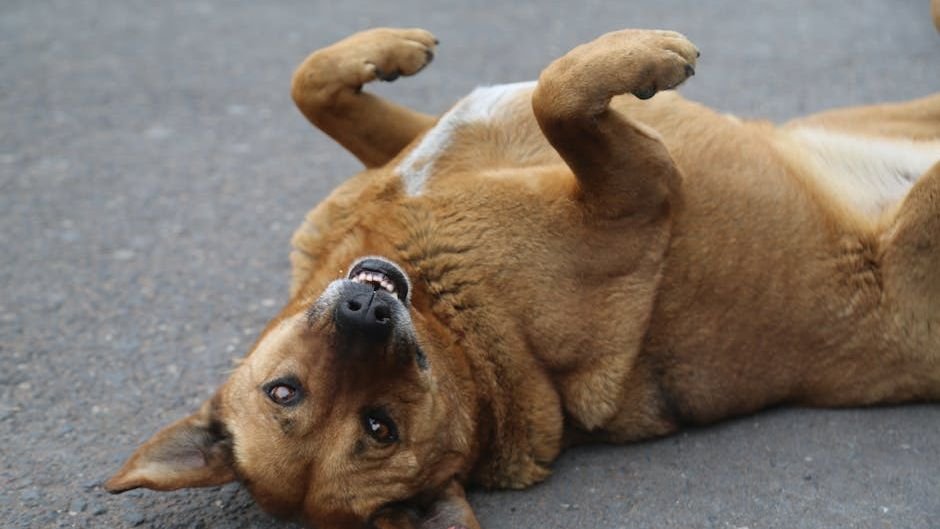
Picture this: your dog spots you at the door after a long day, and that tail starts whipping back and forth like a helicopter blade. It’s pure magic, right? But what if it’s tucked low or wagging stiffly – does that change everything?
I’ve spent years watching pups communicate through their tails, and trust me, it’s like cracking a code. These furry signals reveal joy, fear, even health woes. Let’s unlock what your dog’s tail is really saying, so you can respond with the love they deserve.[1][2]
The Classic Happy Wag
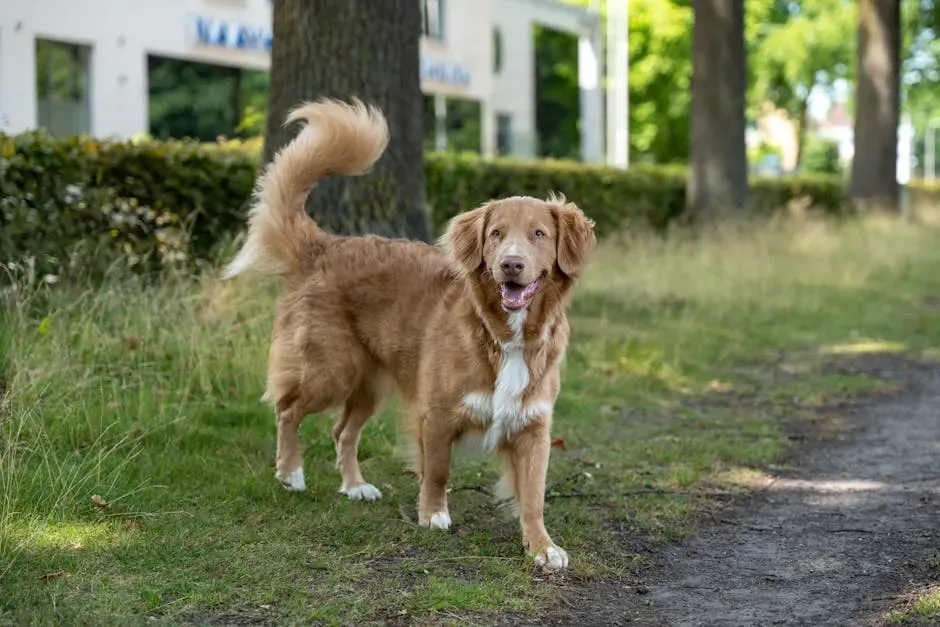
A broad, fast wag at mid-height screams pure joy. Your dog is excited, relaxed, and ready for fun – think playtime or dinner bell ringing. I’ve seen my lab mix light up like this when we hit the park, body loose and eyes bright.
Watch for the whole package: ears perked, butt wiggling too. This isn’t just tail talk; it’s full-on happiness. Respond with pets or a game to keep the vibe going strong.[3]
The Fearful Tail Tuck
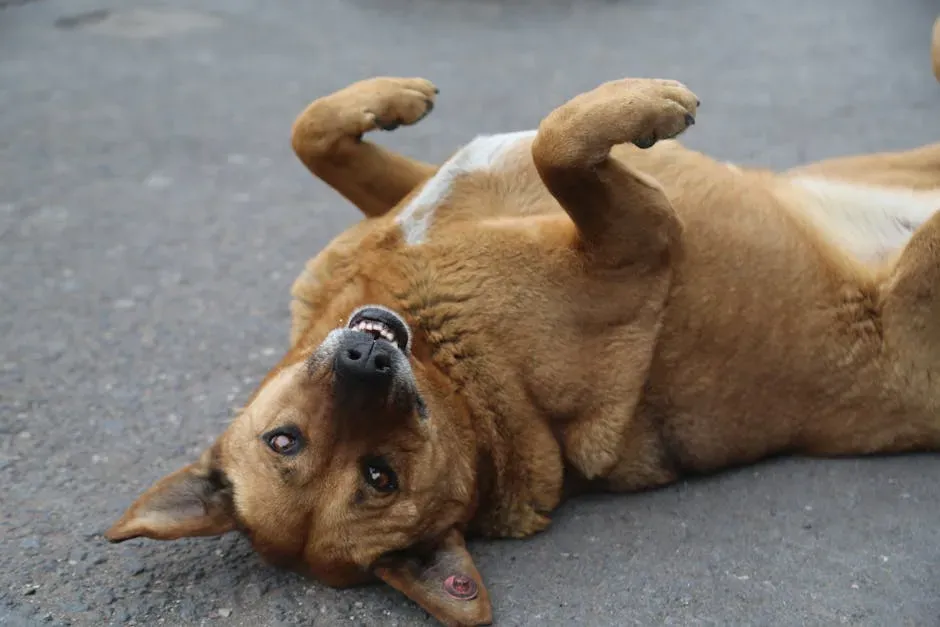
When the tail dives between the legs, your pup feels scared or submissive. Loud noises, strangers, or past trauma trigger this tuck – it’s their way of saying, “I’m vulnerable here.” Picture a shelter dog meeting new people; that tight tuck begs for gentle space.
Pair it with whale eye or yawning, and anxiety is clear. Ease in slowly with treats from a distance, building trust step by step. Patience turns fear into wags over time.[4][5]
Right-Side Wags: Positive Vibes Only
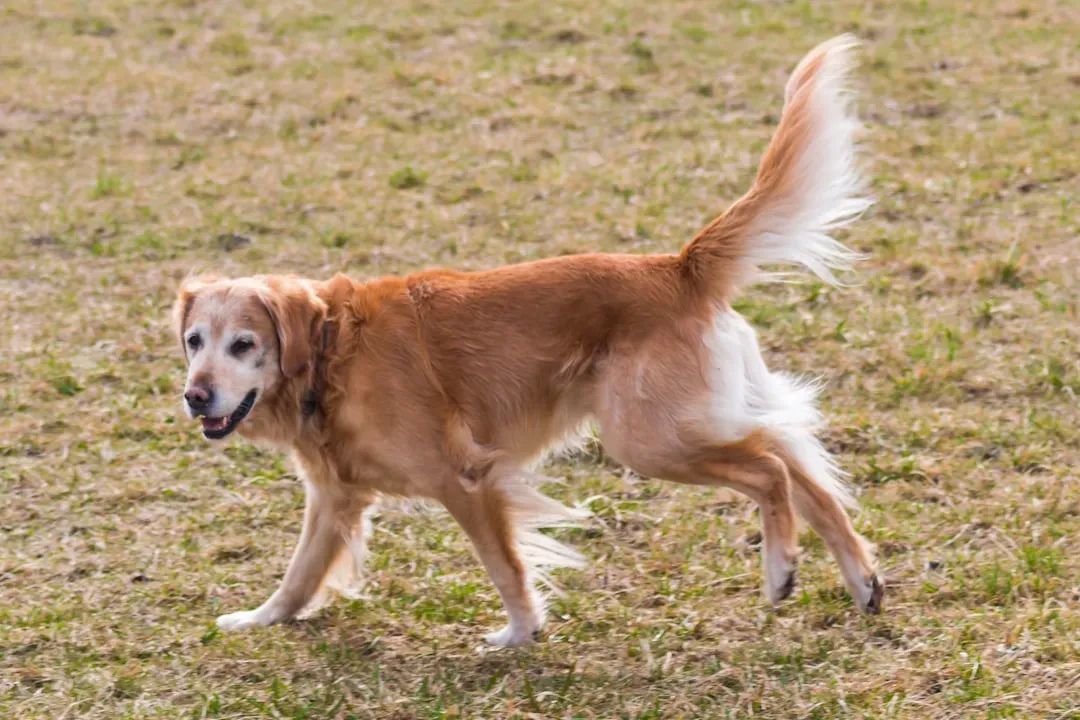
Science shows dogs wag more to the right when happy or confident. It’s an approach signal, like seeing a beloved friend. Studies with labs and shepherds caught this on high-speed cameras – right bias means “come closer!”[1][2]
Spot it during greetings or walks; your dog feels safe. Encourage with calm praise. Here’s the thing: other dogs read this too, easing interactions.[6]
Left-Side Wags: Time to Pause
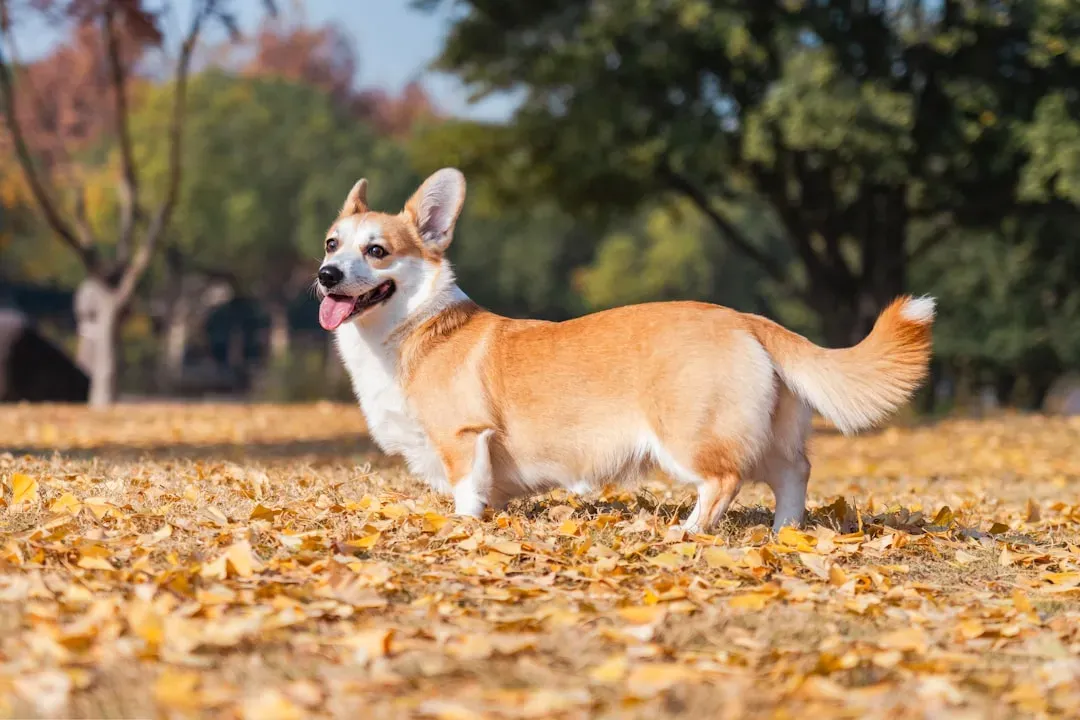
A left-leaning wag hints at unease or aggression. The brain’s right side kicks in for negatives like fear – tail tips that way. If your dog stiffens while doing this near another pup, back off quick.
Combine with raised hackles or growls for red flags. Prevention? Socialize early and read the room. Better safe than a scuffle at the dog park.[1]
Stiff High Tail: Alert or Aggressive?
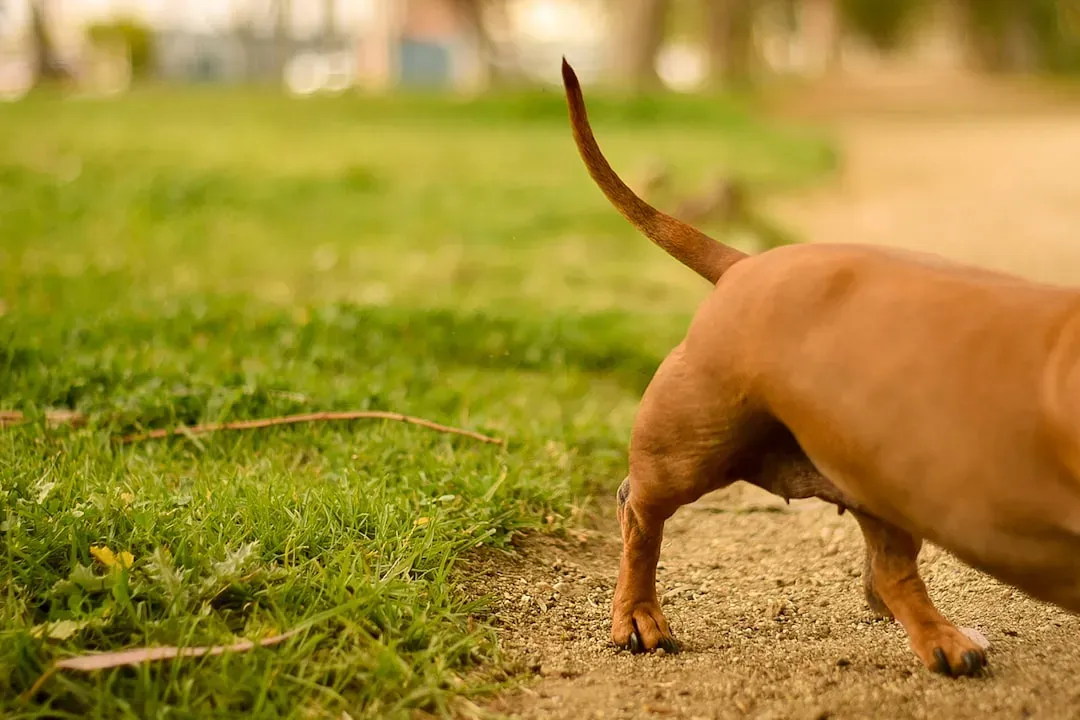
A rigid tail held high means your dog is on guard – confident or challenging. Slow, stiff wags signal potential threat, not play. Think of it as a flag raised: “This is my space.”
Look for frozen posture or intense stare. Diffuse with distance and distractions. Training helps channel that energy positively, like into agility games.[7]
Limp Tail or No Wag: Health Red Flags
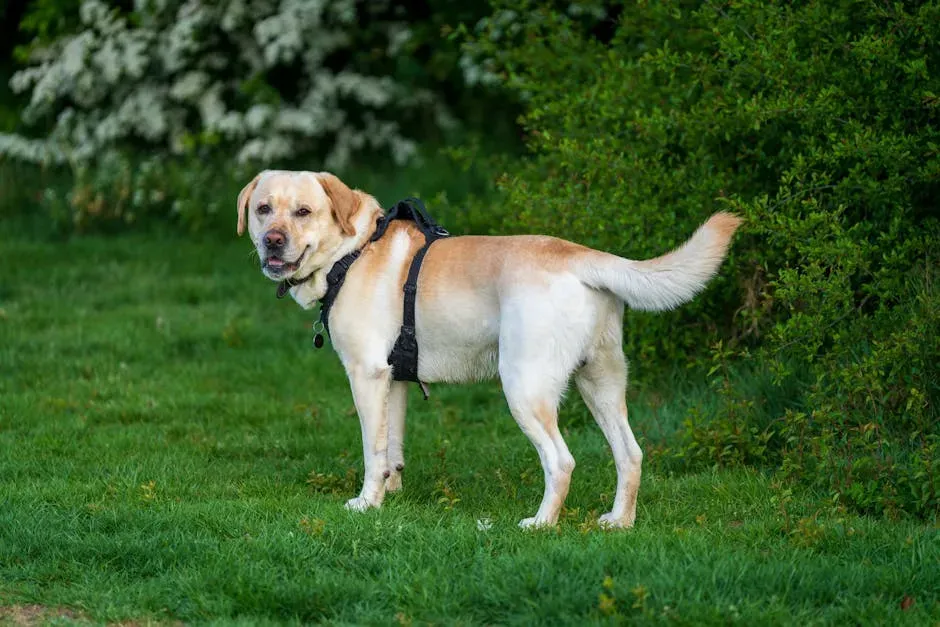
No wag or a floppy tail could mean limber tail syndrome from over-swimming or cold water. Pain makes movement hurt – sudden limp after hard play. Vets call it acute caudal myopathy; rest usually fixes it in days.[8][9]
Check for swelling or yelps. See a vet if it lasts over 48 hours – could be injury or nerve issue. Prevention: warm up after water fun and avoid extremes.
Mastering Tail Talk for Deeper Bonds
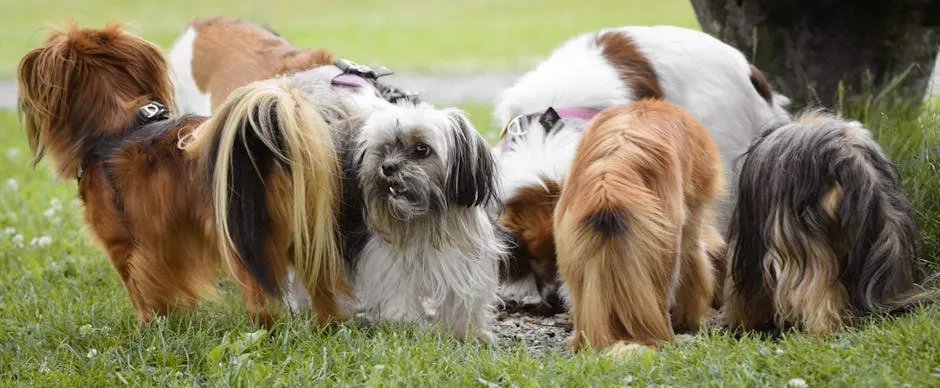
Your dog’s tail is a window to their world – joy, fear, even pain. Tuning in makes you their ultimate advocate. I’ve bonded tighter with my dogs just by noticing these cues early.
Observe daily, respond kindly, and watch trust grow. What tail signal surprises you most from your pup? Share in the comments – we’re all learning together.


