
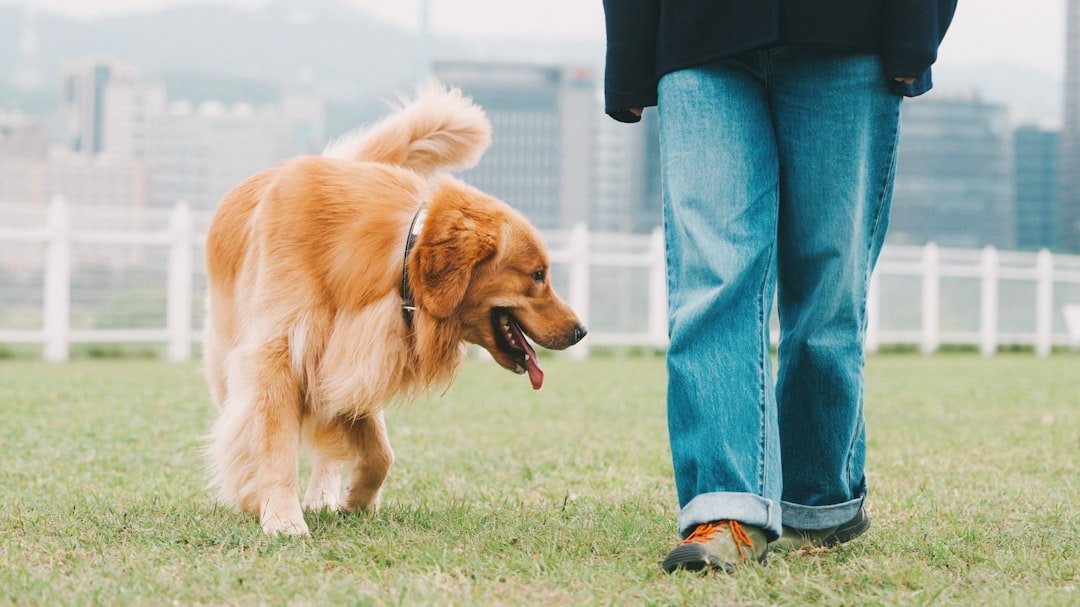
You watch your dog’s tail go wild the second you walk through the front door. It’s one of the most heartwarming sights in the world. But here’s the thing – that furiously wagging tail isn’t always saying exactly what you think it is. In fact, most dog lovers are only reading a fraction of what their pup is actually communicating.
Dogs are brilliant, nuanced communicators. Their tails are essentially a live emotional broadcast, shifting in speed, height, direction, and rhythm depending on how they feel at any given moment. Once you learn to read those signals, something clicks. You stop seeing a pet and start seeing a real, feeling being trying to connect with you every single day. Let’s dive in.
A Wagging Tail Doesn’t Always Mean a Happy Dog
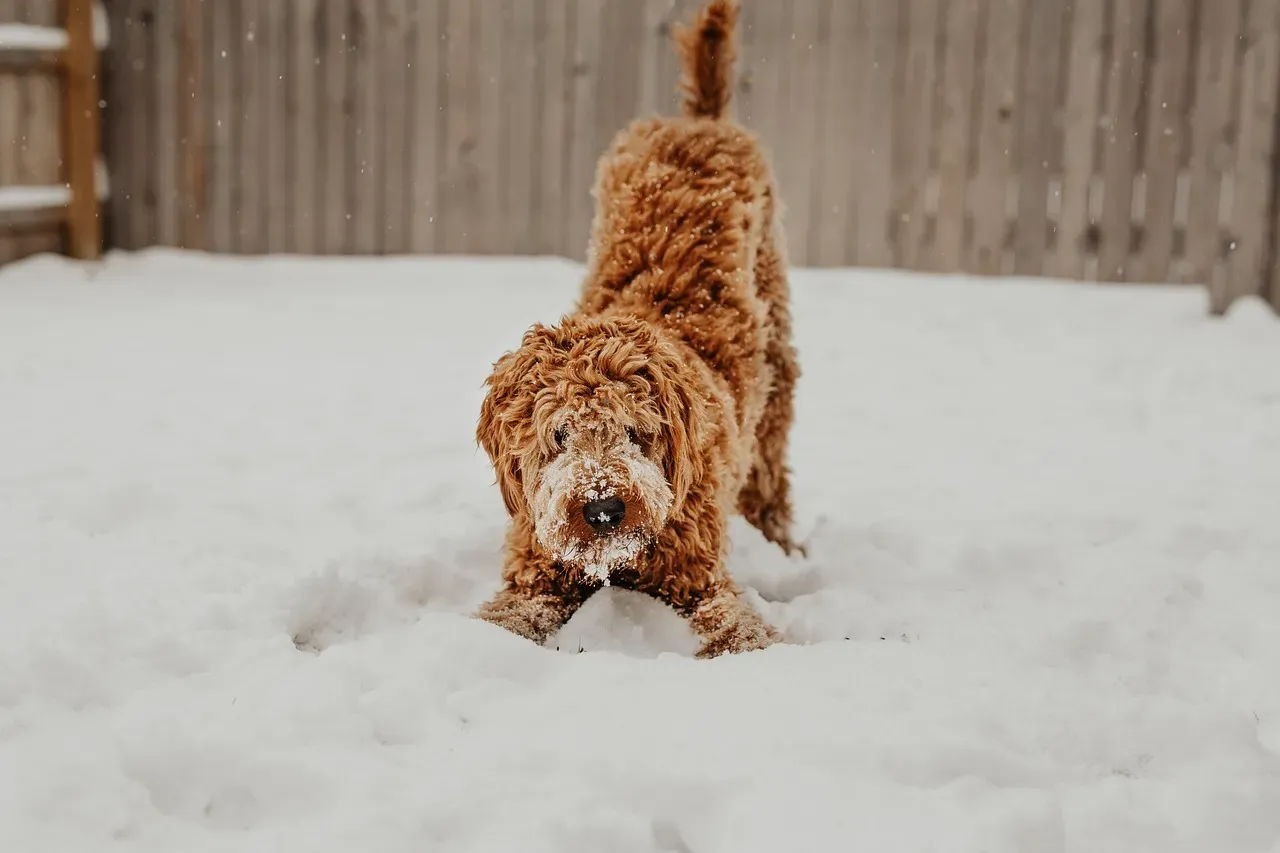
Let’s bust the biggest myth in dog ownership right now. Most of us grow up believing a wagging tail equals a happy dog. Honestly, it’s a little more complicated than that. The tail wagging behavior of a dog may not always be an indication of friendliness or happiness, as is commonly believed. Tail wagging can also be an indication of fear, insecurity, challenging of dominance, establishing social relationships, or even a warning that the dog may bite.
Think of it like a human smile. A smile can mean joy, nervousness, or even a polite mask. Contrary to popular belief that a wagging tail always signals happiness, tail movement is a sophisticated form of canine communication. The speed, direction, and position of the wag can express everything from excitement to unease.
Dogs experiencing emotional conflict may begin to wag their tails rapidly as a reflection of their discomfort. Tail wags are often misinterpreted to mean that the dog is “friendly” and wants to engage, when the dog may actually be trying their best to find a way to end the interaction. In some cases, this miscommunication ends with physical confrontations such as snaps or bites. So paying close attention really matters, not just for connection but for safety too.
Speed, Height, and Position: The Three-Part Tail Code
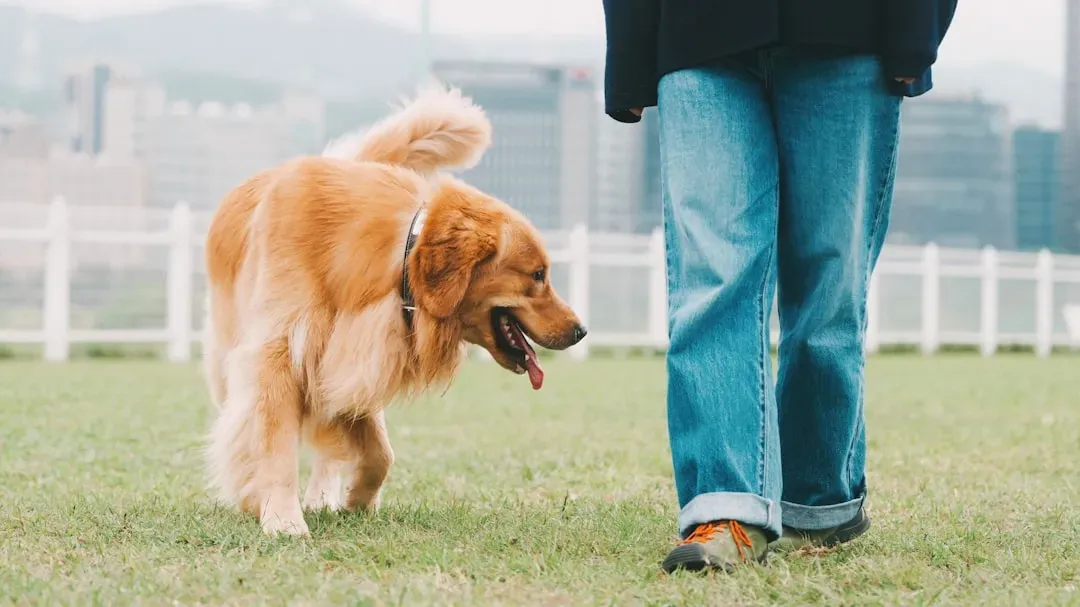
Here’s something that genuinely surprised me when I first learned it. A tail wag isn’t just one signal – it’s actually three signals rolled into one: speed, height, and position. Each dimension tells you something different about your dog’s emotional state. The speed, position, and direction of the wag all provide valuable clues about what a dog is feeling.
A wide, fast-moving tail wag usually indicates excitement and happiness. Dogs display this type of wag when they see their favorite humans, are about to receive treats, or are engaging in playtime. This is often accompanied by other friendly body language, such as a relaxed face, wiggling body, and perky ears. That full-body wiggle? Pure, unfiltered joy.
On the flip side, a stiff tail wag held high often indicates dominance or alertness. Dogs that are feeling assertive or protective may hold their tails up and wag them in small, controlled movements. If a dog exhibits this type of wag while staring intently or stiffening its body, it could be signaling a warning. And then there’s the deeply underappreciated helicopter wag. Dogs can also have a “circle wag,” which is when their tail goes around like a helicopter blade – a sign of extreme joy. If your dog does that, treasure it.
The Left vs. Right Wag: There’s Brain Science Behind This
I know it sounds crazy, but which side your dog wags their tail toward is actually hardwired into their brain. This is one of the most fascinating discoveries in canine science in recent years. Studies show that dogs wag their tails to the right when they are happy or confident, and to the left when they are frightened.
Wagging is an asymmetric behaviour, with dogs showing side biases depending on the stimuli they encounter. This suggests brain lateralization in dogs. Dogs exhibit a right-side wagging bias, determined by left hemisphere activation, for stimuli that have a positive emotional valence, such as when shown their owner or a familiar person. On the contrary, they show left-biased wagging, hence right hemisphere activation, for stimuli that elicit withdrawal.
In practical terms, think of it this way. Right-side wag when they see you means they’re genuinely thrilled. Left-leaning wag around an unfamiliar dog? They’re uneasy and cautious. When the tail wags more to the right, it typically means the dog is interested in a stimulus or wants to approach something. When it wags more to the left, it signals uncertainty or wanting to withdraw. You might never look at a tail wag the same way again.
What a Tucked or Still Tail Is Really Telling You
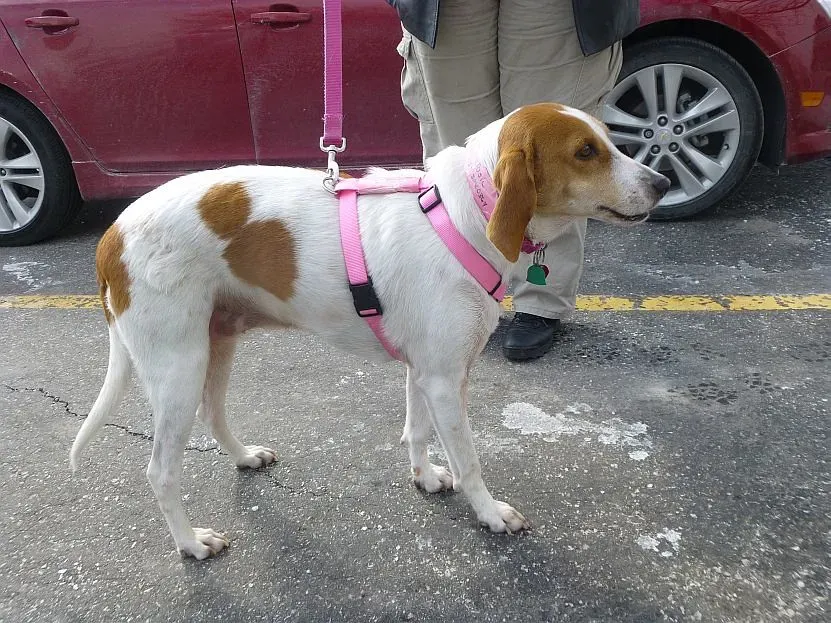
A tucked tail is the canine equivalent of someone wrapping their arms around themselves in a crowded room. It signals vulnerability. If a dog tucks its tail between its legs but still wags it slightly, this typically signals fear or anxiety. Dogs that feel threatened or scared may use this gesture as a way of trying to appease a perceived threat. This is a sign that a dog needs space and comfort rather than direct engagement.
When the wagging tail goes below half-mast, the dog is likely feeling fearful and defensive. The lower the tail wag, the stronger the emotion. The low tail wag is often accompanied by a lowered body posture and, sometimes, submissive urination. It’s tempting to want to rush in and comfort a dog showing these signs, but give them space first.
A completely still tail is worth noting too. If a dog is calm and relaxed, a motionless tail just means that the dog is being zen – not enough emotion happening to make the tail move. A fearful dog whose tail is still is likely shut down, afraid to move at all. A completely still tail may also indicate that your dog is highly focused, unsure, or even in pain. If this behavior is sudden or paired with other changes, it’s best to consult your vet.
Reading the Whole Dog: Tail Language Is Just the Starting Point
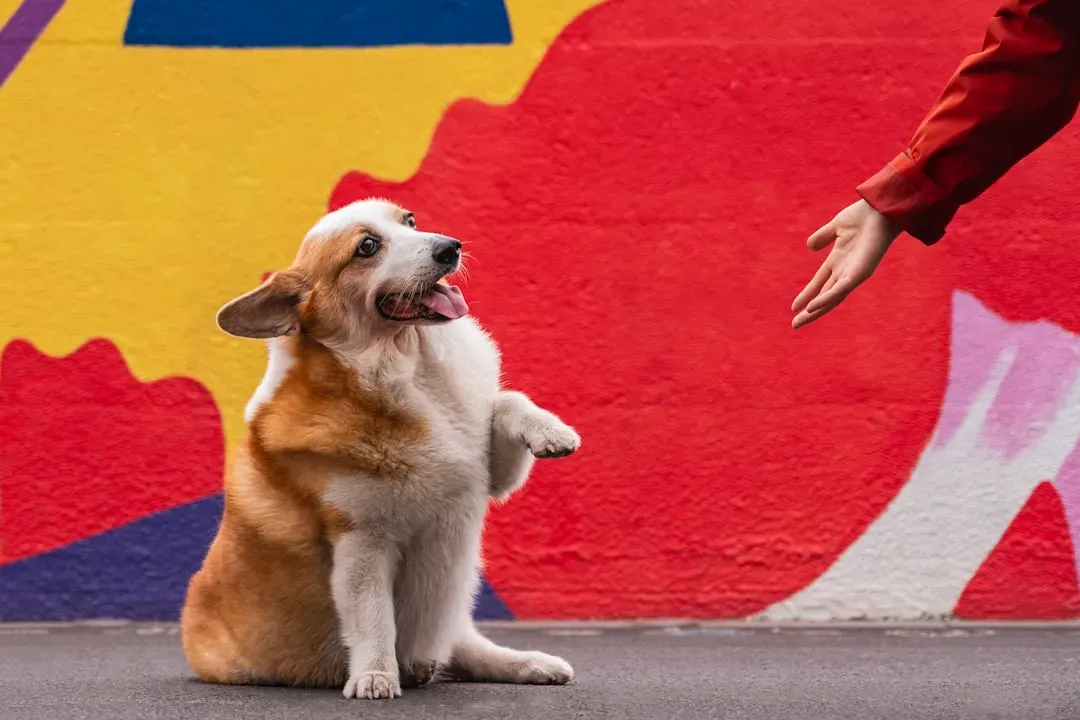
Here’s something every dog owner needs to remember. The tail is a fantastic starting point, but it’s never the whole story. A dog’s tail position is a crucial indicator of their emotions and intentions, but it’s just one piece of the puzzle. To truly understand how a dog is feeling, pet parents need to observe a variety of body language cues. By looking at other aspects like ear position, mouth shape, hackles, and overall body posture, you can get a more comprehensive picture of your dog’s emotional state.
Also worth knowing: not every breed wags the same way. Tail posture and movement patterns can differ slightly between breeds, so it’s important to be aware of breed-specific tendencies. For instance, breeds with naturally high-carried tails like Akitas or Huskies may appear more confident or alert than they actually are. On the flip side, dogs with short or docked tails may be harder to read, making it even more essential to look at the entire body language.
Dogs thrive on consistency. Regular feeding, walking, and rest times help create emotional stability, which translates into calmer tail and body language. Celebrate relaxed, joyful wags with gentle praise, affection, or play. If you observe tension or uncertainty, respond calmly and reduce environmental stressors rather than forcing interaction. That alone can transform your relationship with your dog in ways you wouldn’t expect.
Conclusion: Your Dog Has Been Talking to You All Along
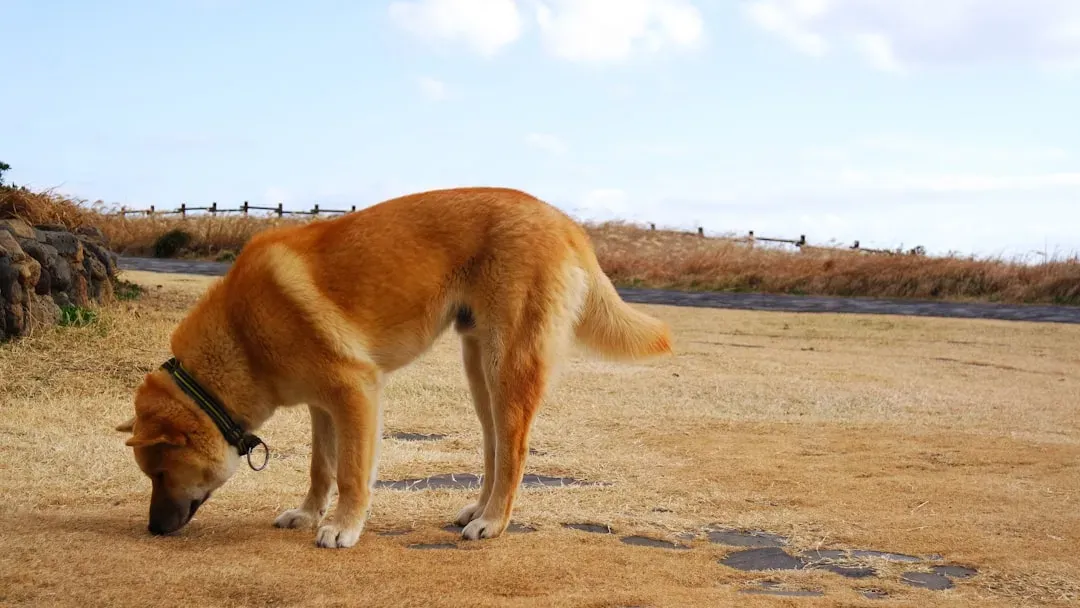
Think about how many tail wags you’ve witnessed over the years and how many of those signals you may have misread. It’s not something to feel bad about. Most of us were simply never taught the language. The good news is that it’s never too late to start listening.
Learning to decode your dog’s tail is one of the most deeply rewarding things you can do as a dog owner. It builds trust. It prevents misunderstandings. Most importantly, it lets your dog know that you truly see them, not just as a pet, but as a communicating, feeling companion who is doing their very best to tell you how they feel.
So next time your pup’s tail starts moving, pause for just a second. Notice the height. Notice the speed. Notice which direction it leans. Your dog is talking to you all the time. If you learn what your dog is saying, you will develop a deeper bond of trust and respect. Plus, your newfound understanding of your dog’s emotional state can help you predict their behavior and prevent problems before they arise. The conversation has been happening for years. Now you finally speak the language. What will you notice first?


