
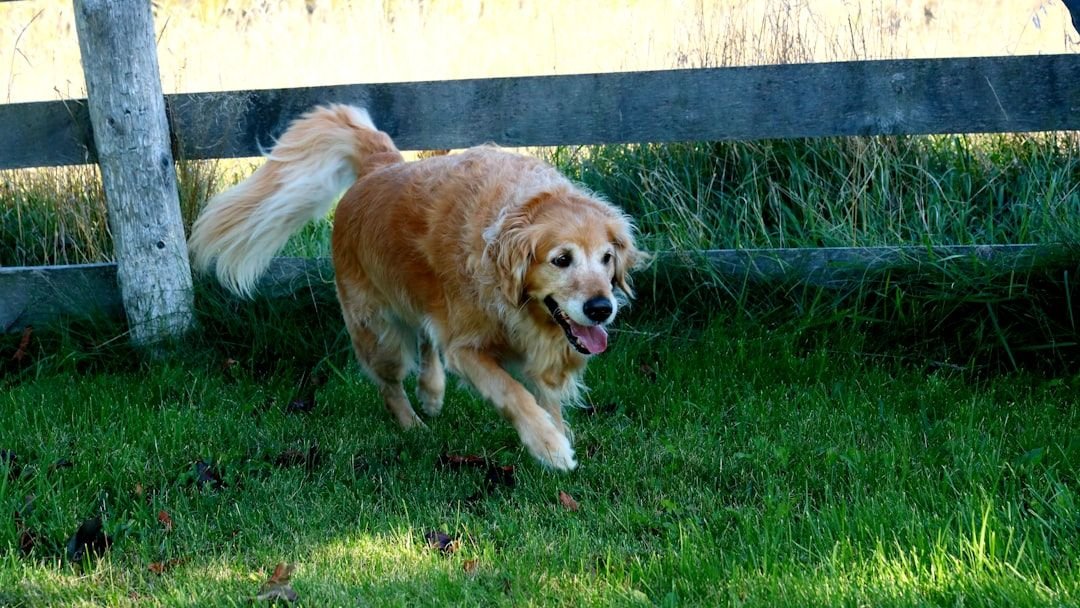
You’re walking through the front door after a long day, and your dog’s tail erupts into full-body celebration. It feels like the whole world just got better. Most of us assume that a wagging tail equals a happy dog, end of story. But honestly? That’s a bit like saying a smile always means someone is genuinely delighted. The truth is far more layered, more fascinating, and way more useful for anyone who truly loves their dog.
Your dog’s tail is one of the most sophisticated communication tools in the animal kingdom. Once you learn to read it properly, it’s like being handed the key to an entirely new conversation. Let’s dive in.
A Wagging Tail Doesn’t Always Mean a Happy Dog
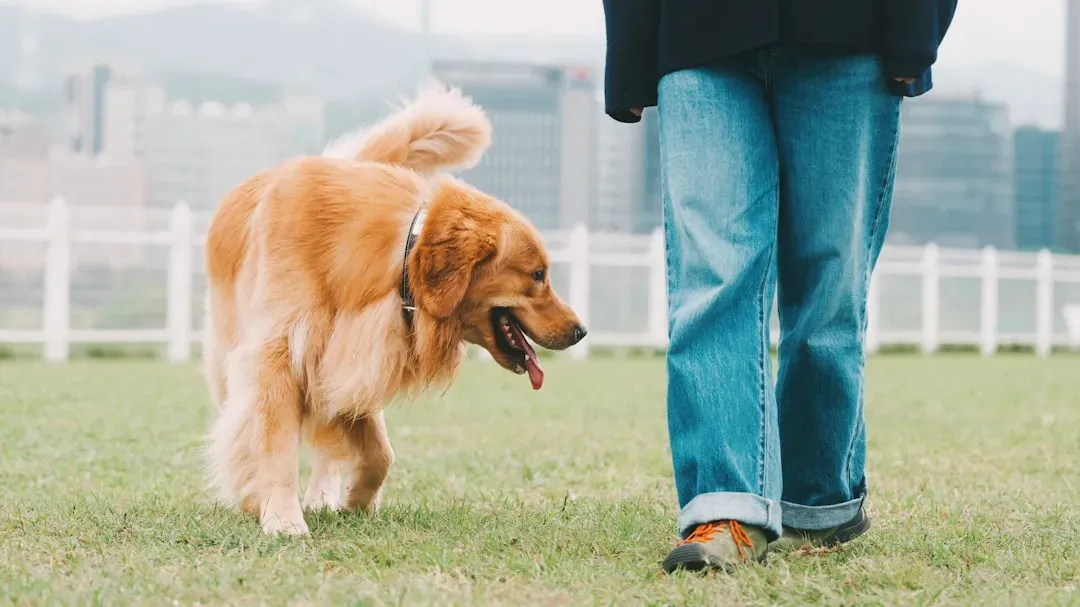
Here’s the thing that surprises almost every dog owner when they first hear it. The tail wagging behavior of a dog may not always be an indication of its friendliness or happiness, as is commonly believed. Tail wagging can also be an indication of fear, insecurity, challenging of dominance, or even a warning that the dog may bite. That’s a pretty big deal.
Contrary to popular belief that a wagging tail always signals happiness, tail movement is a sophisticated form of canine communication. The speed, direction, and position of the wag can express everything from excitement to unease. Think of it like the tone of someone’s voice. The same word can be warm or icy depending on how it’s delivered.
Like human infants, dogs must learn their language. Puppies aren’t born knowing what a wagging tail means any more than newborn babies understand words. But when puppies are about a month old, they recognize the need to communicate with their mother and siblings, so they pick up the lingo.
Dogs tend not to wag their tails unless there is another animal or human nearby with whom to interact. So next time your dog sees you, that wag is very much intentional communication directed right at you. Isn’t that kind of beautiful?
The Speed and Height of the Wag Tell the Real Story
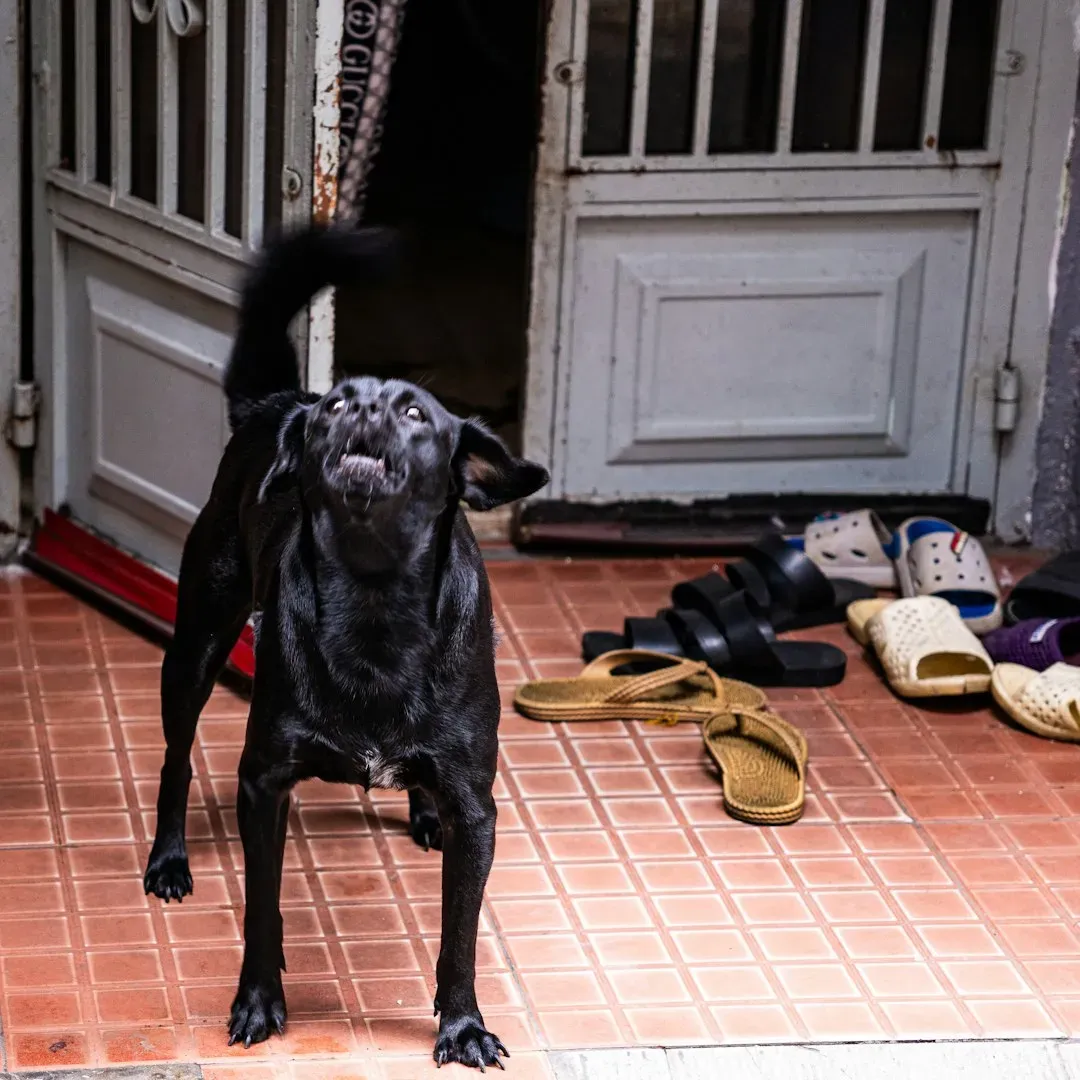
Once you start paying attention to how a tail moves, not just that it moves, everything changes. Tail wags are complicated and complex; not all tail wags are alike. The rate at which a tail moves contributes to the dog’s communication, as does the position of the tail while wagging. As a dog’s arousal increases, the tail may wag more quickly regardless of the nature of that arousal.
A wide, fast-moving tail wag usually indicates excitement and happiness. Dogs display this type of wag when they see their favorite humans, are about to receive treats, or are engaging in playtime. This is often accompanied by other friendly body language, such as a relaxed face, wiggling body, and perky ears.
On the other end of the spectrum, slow and stiff is a very different story. A stiff tail wag held high often indicates dominance or alertness. Dogs that are feeling assertive or protective may hold their tails up and wag them in small, controlled movements. If a dog exhibits this type of wag while staring intently or stiffening its body, it could be signaling a warning. Approaching a dog displaying this behavior should be done with caution.
Dogs can also have a “helicopter tail,” or “circle wag,” which is when their tail goes around like a helicopter blade, a sign of extreme joy. If you’ve ever seen this in real life, you know there’s simply nothing better.
The Science of Left vs. Right: Your Dog’s Brain Is Showing
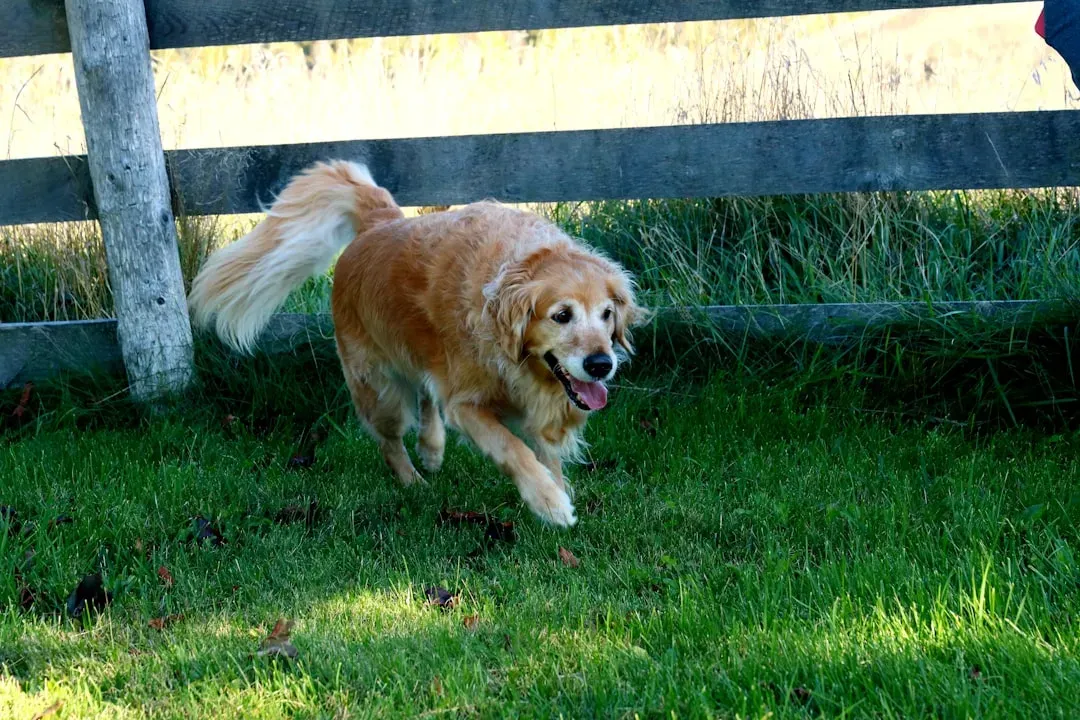
This is probably the most surprising thing you’ll learn today. I think most dog owners, myself included, never imagined the direction of a tail wag could matter. But science says otherwise. Studies show that dogs wag their tails to the right when they are happy or confident, and to the left when they are frightened.
Wagging is an asymmetric behaviour, with dogs showing side biases depending on the stimuli they encounter. This suggests brain lateralization in dogs. Dogs exhibit a right-side wagging bias, determined by left hemisphere activation, for stimuli that have a positive emotional valence, such as when shown their owner or a familiar person. On the contrary, they show left-biased wagging, hence right hemisphere activation, for stimuli that elicit withdrawal.
Chinese researchers found that “tail wagging shifts from left side to right side as dogs familiarize with humans,” suggesting the shift as a “time-sensitive indicator of social familiarity.” Essentially, as your dog grows to trust you, their wag literally drifts toward the right.
A dog’s tail wag is controlled by the brain’s limbic system, which regulates emotions. When a dog experiences a particular feeling, the brain sends signals to the muscles at the base of the tail, causing it to move in a specific way. Your dog is never “just wagging.” Their brain is actively broadcasting their inner world.
Tail Position Is a Window Into How Your Dog Feels Right Now

Height matters enormously. A tail is essentially a mood barometer, and where it sits on the dial tells you a great deal about your dog’s emotional state in that very moment. The position in which a dog holds its tail is indicative of the emotional state of the animal. When the tail is held at maximum height, it is a demonstration of dominance and can also indicate a positive demeanour. A tail held at medium height can indicate interest in the dog’s surroundings. Dogs may hold their tails low or even beneath them when presented with a stressful situation. The low height of the tail demonstrates submission and fear.
Tails carried low or tucked between the legs communicate vulnerability. A slightly lowered tail often indicates submission or uncertainty, while a tightly tucked tail pressed against the belly reveals significant fear or anxiety. This position might be observed during thunderstorms or veterinary visits when a dog feels threatened or uncomfortable.
A dog may stop moving its tail, holding its tail and body stiff, as an attempt to pause or discontinue an interaction. Many dogs do this when petted by strangers, to communicate that they no longer want to interact with them. This one is critical for kids and strangers to understand.
It’s also worth noting that breed matters here. Some dogs, for example Beagles, hold their tails more vertically. Breeds such as Greyhounds and Whippets curl their tails under their bellies, while many other breeds, such as Siberian Huskies and Norwegian Elkhounds, curl their tails over their backs. Some breeds lack tails and some have tails so tightly curled that a wag is barely visible.
Reading the Whole Dog: Why the Tail Is Just the Beginning
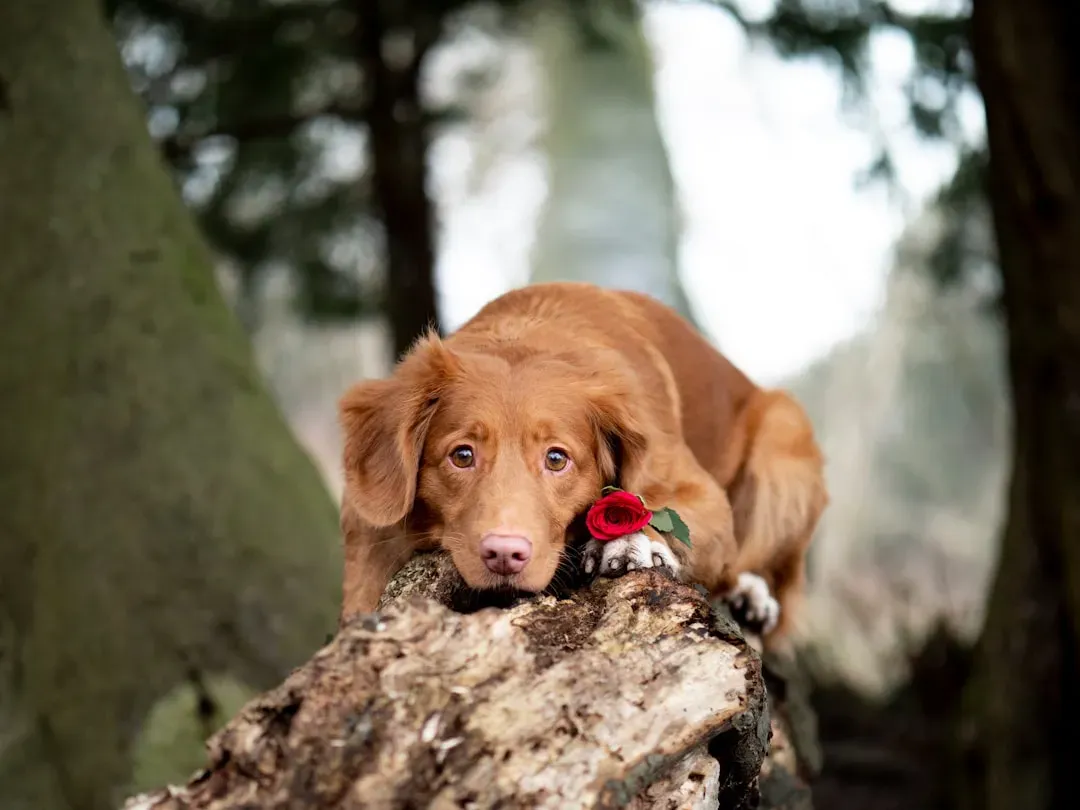
Let’s be real, a tail in isolation doesn’t tell you nearly enough. You need the full picture to truly understand what your dog is saying. No dog body language signals act alone. They’re all part of a package. So when you read a dog’s communication, look at every signal the dog is using from the tail height to the eye shape.
While a dog’s tail position is a crucial indicator of their emotions, it’s just one piece of the puzzle. To truly understand how a dog is feeling, pet parents need to observe a variety of body language cues. By looking at other aspects like ear position, mouth shape, hackles, and overall body posture, you can get a more comprehensive picture of how your dog is feeling.
Dogs without tails are missing an important communication tool. This may be particularly important when dogs are approaching each other from a distance, as some small shifts in posture, such as changes in facial expression and ear position, are only observable when the dogs are close to each other. This could cause a dog to approach the tailless dog more tentatively.
Creating a personalized tail position chart for a specific dog can be valuable. Over a week, note the dog’s typical tail carriage in different situations, during meals, walks, play sessions, and when meeting strangers. This baseline understanding helps quickly identify deviations that might signal discomfort or excitement.
Conclusion: Learning the Language Changes Everything
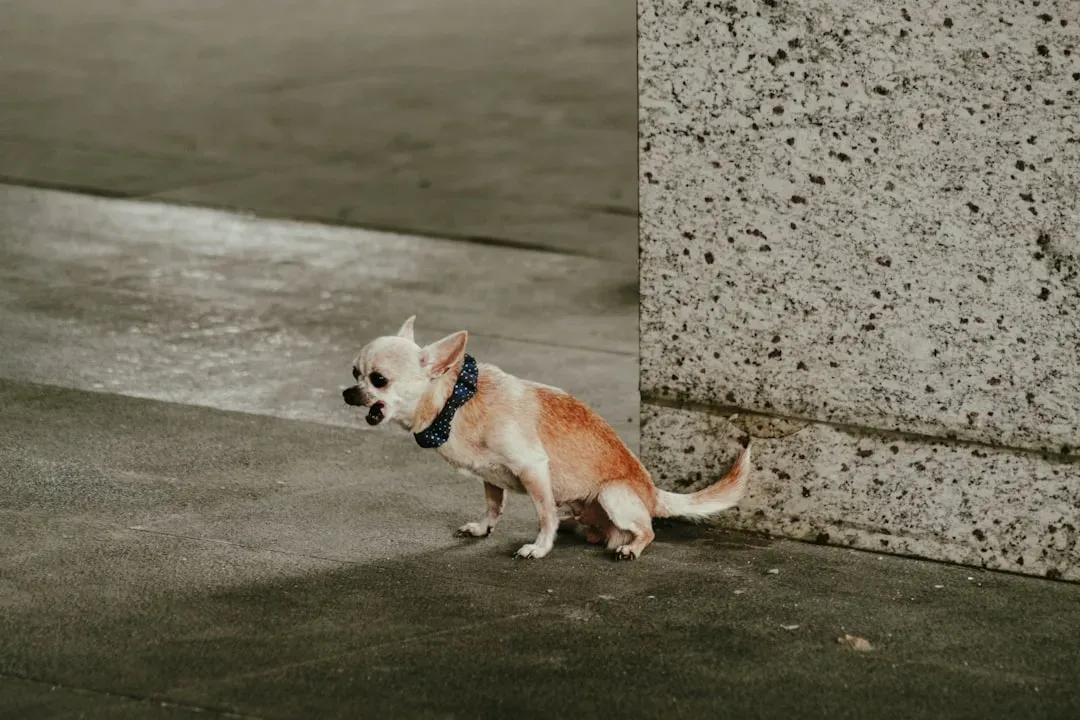
Your dog has been talking to you every single day. The tail, the posture, the little flicker at the tip when someone knocks on the door. All of it is language. Your dog is “talking” to you all the time. If you learn what your dog is saying, you will develop a deeper bond of trust and respect. Plus, your newfound understanding of your dog’s emotional state can help you predict their behavior and prevent problems before they arise.
The more you observe, the more you’ll realize how fluent your dog already is. They’ve been patient with us while we slowly figured it out. Your dog may not speak, but their tail tells a powerful story. By understanding its language, from the confident sweep of happiness to the subtle flick of anxiety, you gain a clearer window into their emotions.
Start small. Watch your dog’s tail tomorrow morning. Notice the height, the speed, the direction. You might be amazed by how much they’ve already been saying. What’s the most surprising tail signal you’ve noticed in your own dog? Tell us in the comments.


