
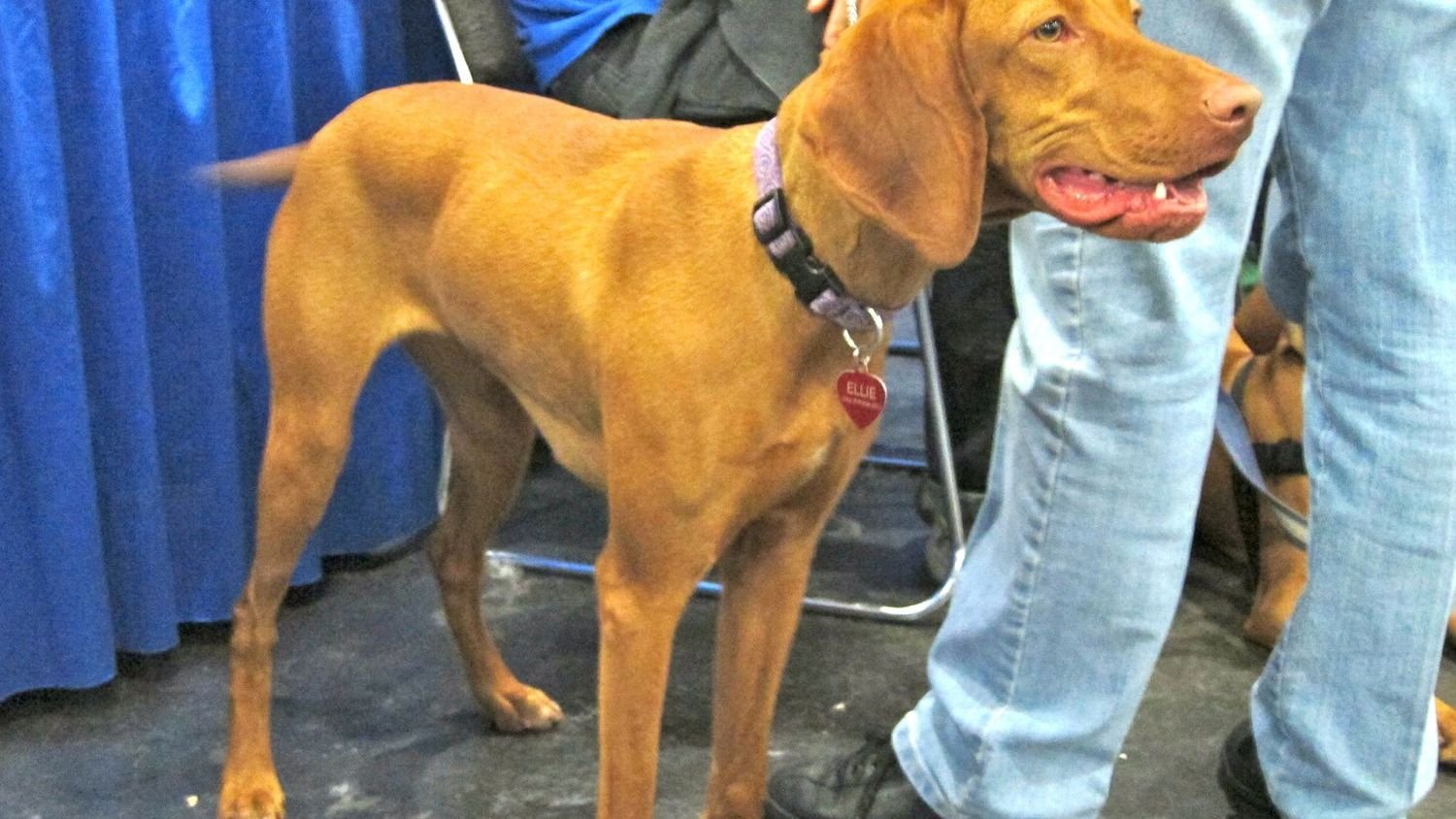
You think you know your dog. Every head tilt, every excited whimper, every playful bounce feels like a conversation you’ve been having for years. Yet one of the most visible things your pup does all day long – that cheerful tail wagging – might be telling you way more than you ever imagined. It turns out tail wags aren’t just random wiggles of happiness.
There’s a whole hidden language happening right behind your dog that scientists are only beginning to decode. Let’s be real, we’ve all made the mistake of approaching a wagging dog, assuming friendliness, only to get a very different response. That’s because not all wags are created equal, and understanding what your dog’s tail is really saying can transform how you connect with your furry companion.
Tail Wagging Is Actually a Social Signal, Not Just Excitement
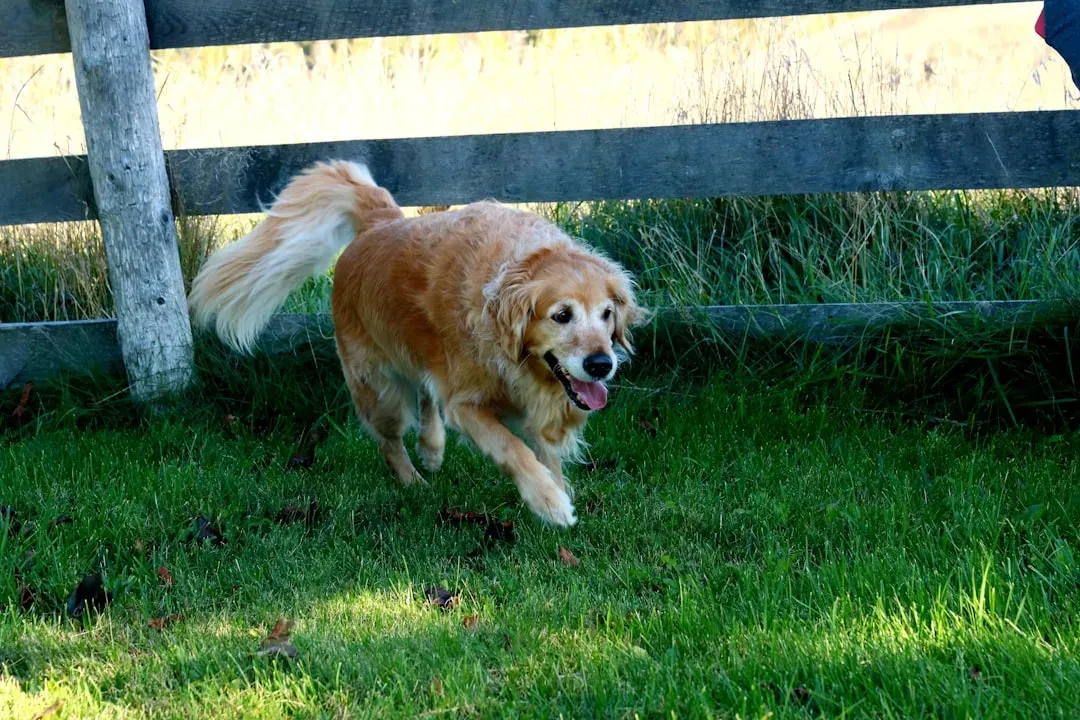
Dogs only wag their tails when other living beings are around – a person, another dog, a cat, or even seemingly alive objects. Think about it like this: your dog doesn’t wag at walls the same way you don’t talk to them. Tail wagging functions as the equivalent of a human smile, serving as a greeting or acknowledgment of recognition.
Puppies learn this language around a month old when they recognize the need to communicate with their mother and siblings. Just like human babies gradually learn words, puppies figure out that tail movements get responses. Dogs are watchers rather than listeners, and lacking verbal vocabulary, they communicate broader messages through body language. Your dog’s tail is one of their most expressive tools in this visual conversation.
The Direction of the Wag Reveals Your Dog’s True Emotions

Here’s where things get fascinating. Studies show that dogs wag their tails to the right when they are happy or confident, and to the left when they are frightened. I know it sounds crazy, but when dogs saw their owners, their tails wagged vigorously with a bias to the right side of their bodies, while the sight of an aggressive, unfamiliar dog caused their tails to wag with a bias to the left.
Tail wags biased to the right are controlled by the left hemisphere, while left biased wags are controlled by the right hemisphere. It’s all about brain lateralization. The left brain handles positive emotions like joy and excitement, controlling the right side of your dog’s body. Meanwhile, the right brain processes negative emotions such as fear and anxiety, governing the left side. So when your pup’s tail swings more to their right, they’re genuinely happy to see you.
Other Dogs Can Actually Read These Directional Signals
Even more remarkable? Dogs looking at moving video images of other dogs exhibiting left or right asymmetric tail wagging showed higher cardiac activity and higher scores of anxious behavior when observing left-biased tail wagging rather than right-biased. Your dog isn’t just wagging randomly – they’re broadcasting their emotional state, and other dogs are tuning in.
When dogs saw another dog move its tail to the right, they remained calm and relaxed, but when they saw a tail moving more to the left, their heart rates elevated and they appeared more anxious. This suggests dogs have evolved to pick up on these subtle cues during social interactions. It’s a bit like dogs having their own emotional radar system that helps them decide whether to approach or keep their distance.
Tail Position Matters Just as Much as Movement
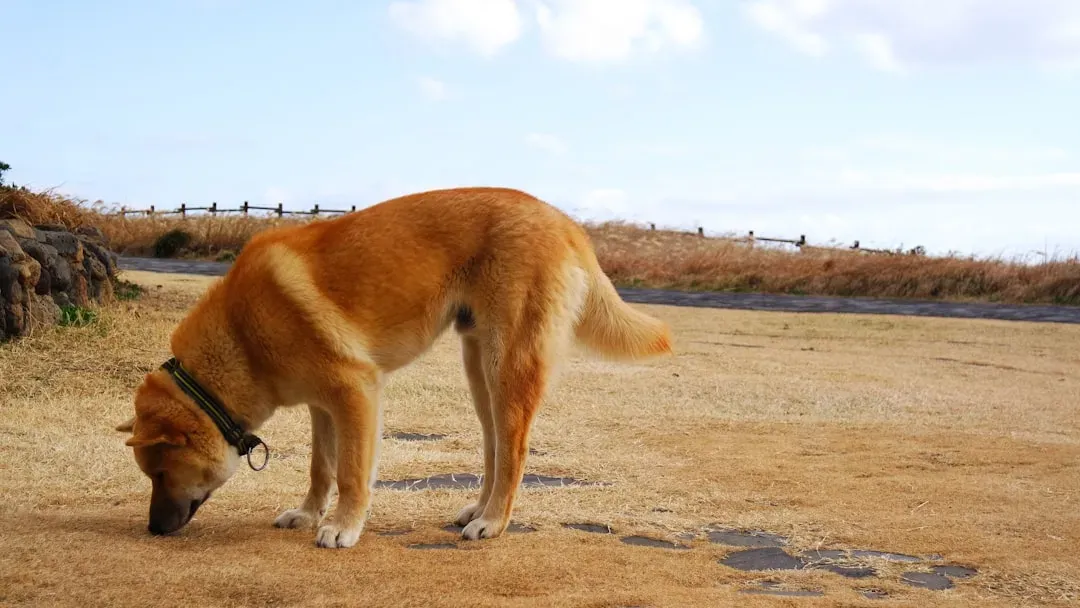
When the tail is held at maximum height it is a demonstration of dominance and can also indicate a positive demeanor. Picture a confident dog strutting through the park with their tail held high – that’s a pup feeling pretty sure of themselves. A tail held at medium height can indicate interest in the dog’s surroundings, which you’ll often see when your dog is exploring something new.
Dogs may hold their tails low or even beneath them when presented with a stressful situation, and this low height demonstrates submission and fear. If you’ve ever seen a dog tuck their tail between their legs at the vet’s office, you’ve witnessed this firsthand. If a dog tucks its tail between its legs but still wags it slightly, this typically signals fear or anxiety, and dogs that feel threatened may use this gesture as a way of trying to appease a perceived threat.
Speed and Intensity Create Different Messages
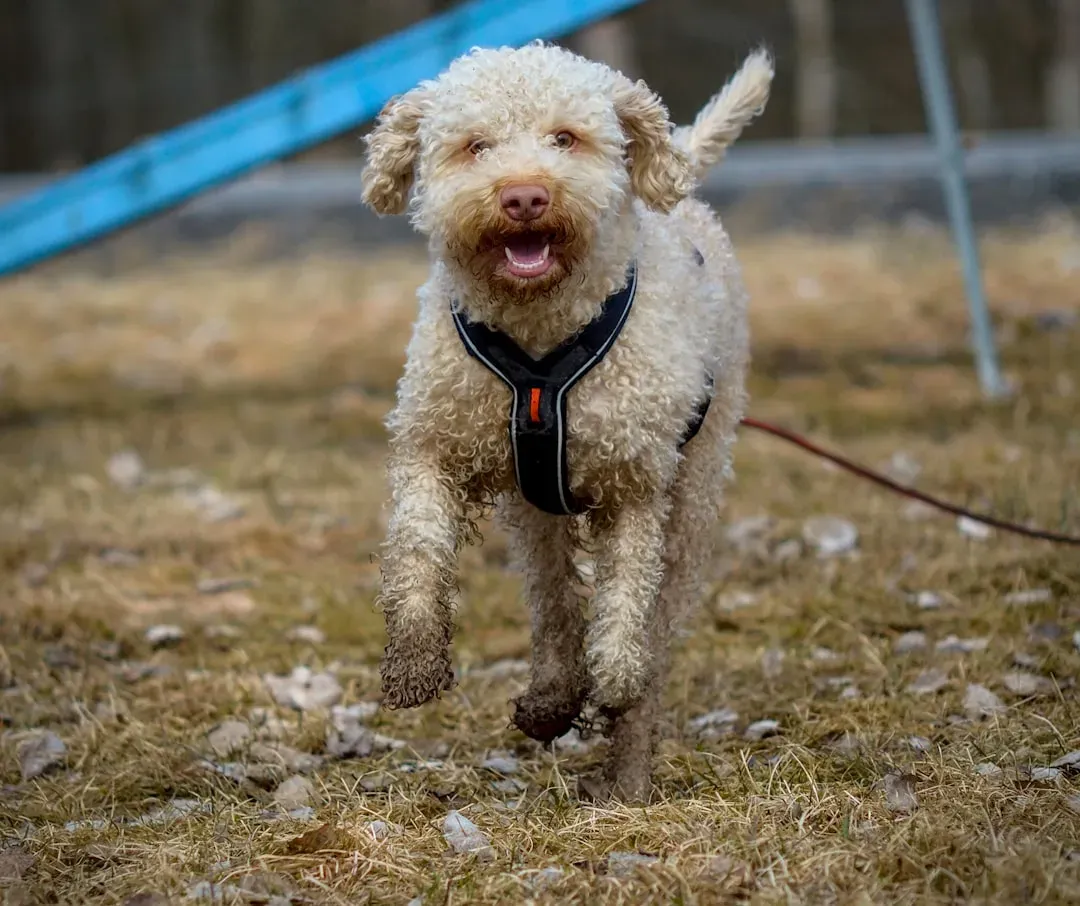
A wide, fast-moving tail wag usually indicates excitement and happiness, and dogs display this type of wag when they see their favorite humans, are about to receive treats, or are engaging in playtime. This is the full-body wiggle wag that melts your heart every time you come home. The faster and wider the movement, the more intense the positive emotion.
As a dog’s arousal increases, their tail may wag more quickly regardless of the nature of arousal, and when dogs are eager for an interaction, they may wag their tails quickly, typically in a neutral or high position. However, when dogs are fearful, they may also wag their tails rapidly, typically in a low position. This is why context is everything – a rapid wag paired with a low tail position is very different from a rapid wag with a high, confident tail.
Breed Differences Can Complicate Tail Reading
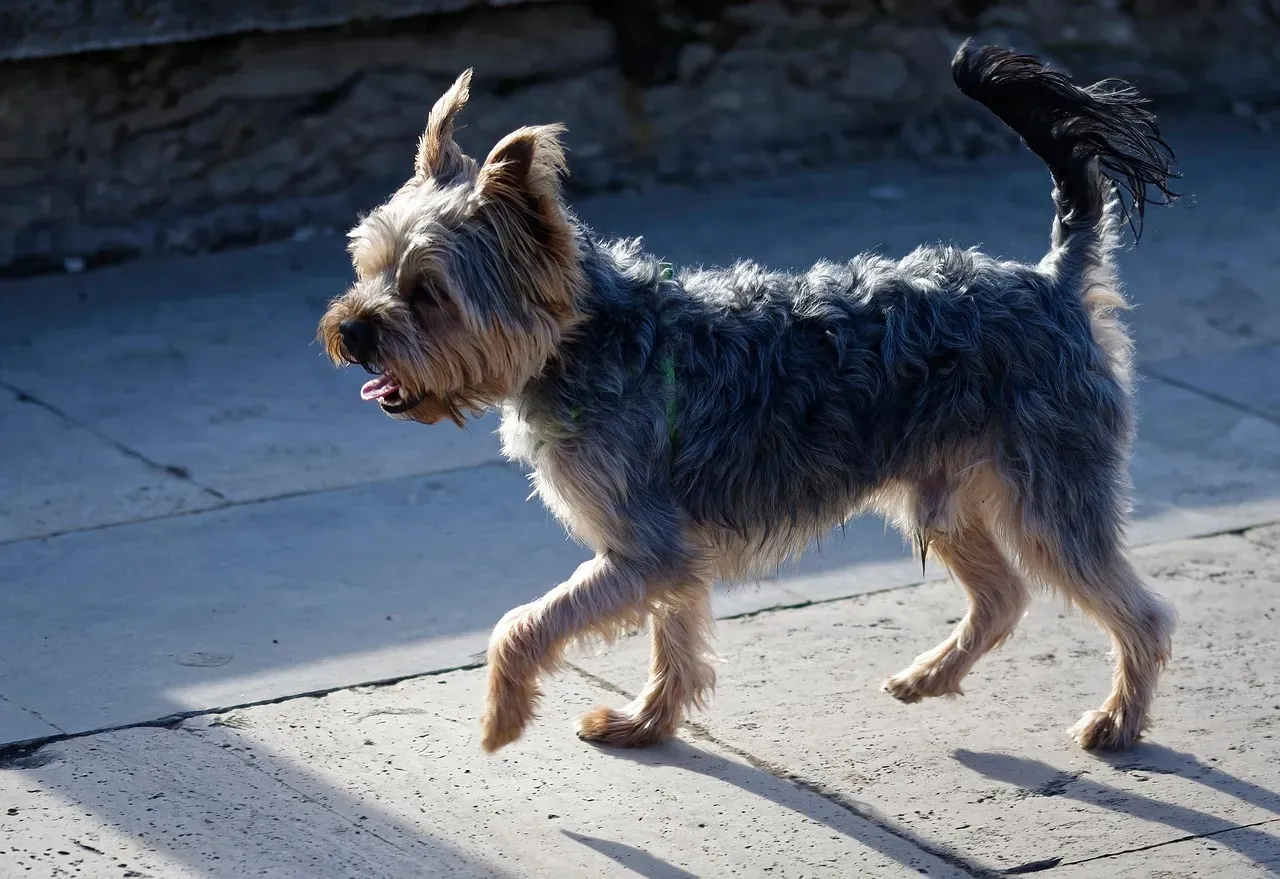
The neutral or natural position of a dog’s tail varies by breed, and most dogs have tails that hang down near their heels when they are relaxed. Understanding your specific dog’s baseline is crucial. Breeds such as Siberian huskies and Norwegian elkhounds curl their tails over their backs, while some breeds lack tails and some have tails so tightly curled that a wag is barely visible.
Dogs are more likely to approach other dogs with long tails when they exhibit wagging behavior, and they are less likely to approach dogs with short tails, even if they exhibit the same wagging behavior, because it is easier to interpret the social cues expressed by a longer tail. This means docked tails can actually hinder communication between dogs. If you have a breed with a naturally short or curled tail, you’ll need to rely more heavily on other body language signals to understand what they’re feeling.
Why Understanding Tail Language Improves Your Bond
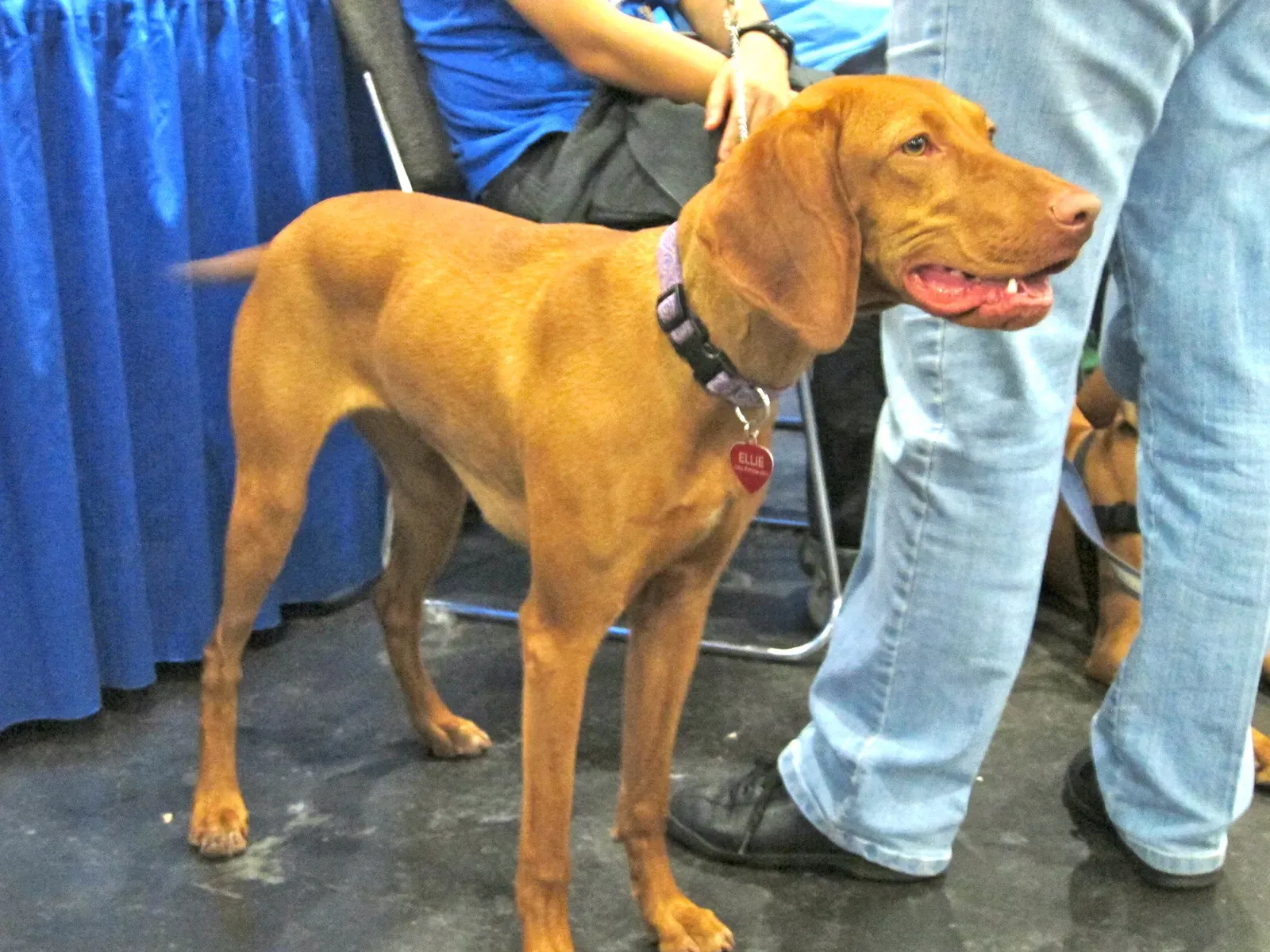
Honestly, learning to read your dog’s tail wags transforms your relationship. You’ll stop misreading nervous energy as excitement or missing signs of discomfort before they escalate. While some wags are indeed associated with happiness, others can mean fear, insecurity, a social challenge, or even a warning that if you approach, you might get bitten. That’s pretty important information to have.
When you notice your dog’s tail wagging more to the left during certain situations, you can step in and provide comfort or remove them from a stressful environment. When you see that confident right-sided wag, you know they’re genuinely happy and secure. One study that looked at more than forty species over a four-year time span found that the domestic dog was the species that wags its tail most. Dogs have refined this behavior specifically to communicate with us, and paying attention honors that evolutionary gift.
Conclusion: Your Dog’s Tail Is Their Truth Detector
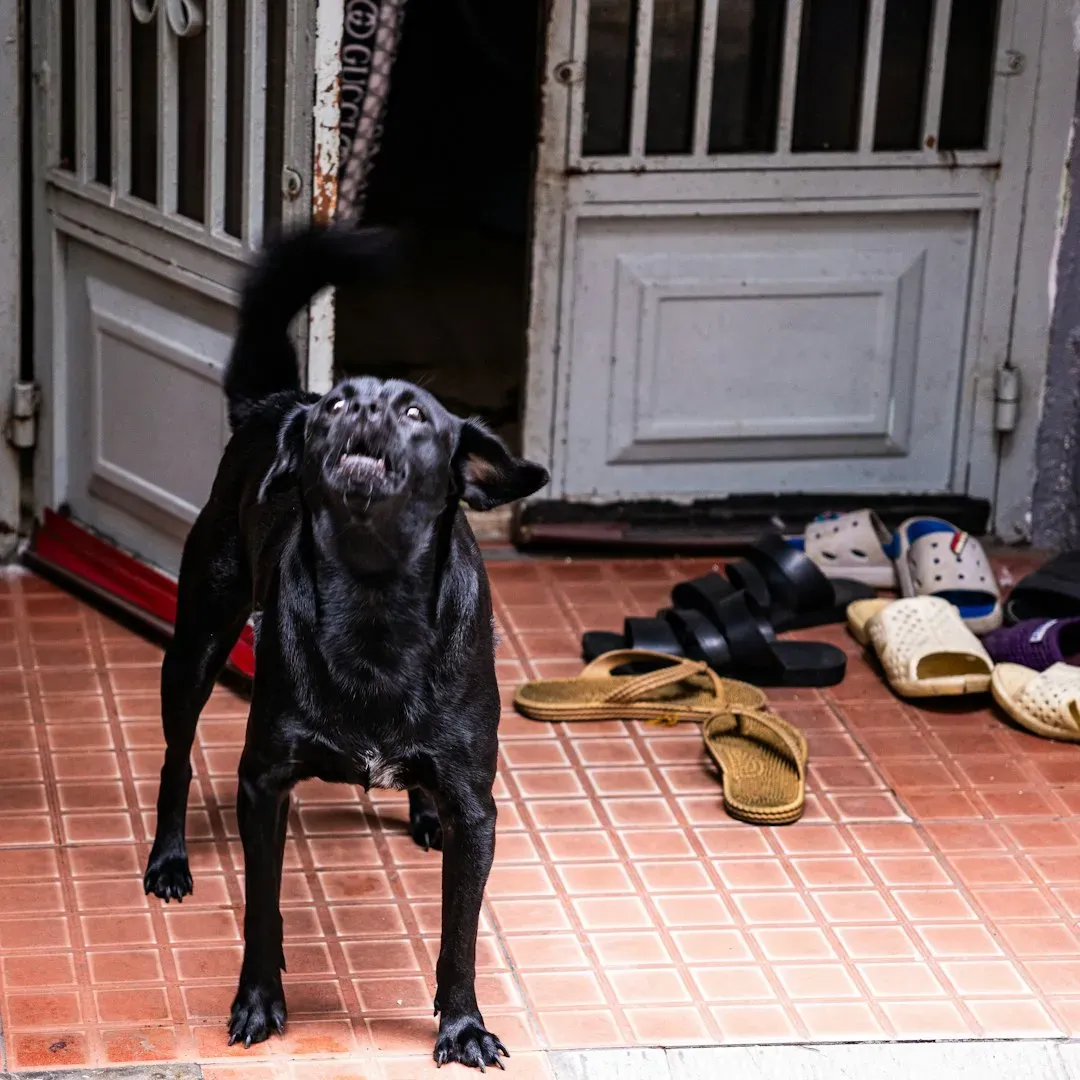
The next time your dog greets you at the door, take a moment to really watch that tail. Notice which way it swings, how high they’re holding it, how fast it’s moving. You’re witnessing a sophisticated communication system that’s been tens of thousands of years in the making. Your dog is constantly broadcasting their emotional state through every wag, and now you’ve got the decoder ring.
It’s hard to say for sure, but I think once you start noticing these patterns, you’ll never look at a tail wag the same way again. You’ll become more attuned to what your dog truly needs in each moment, whether that’s enthusiastic play, gentle reassurance, or just some space. Remember, every wag tells a story – you just need to know how to read it. What patterns have you noticed in your own dog’s tail language? Pay attention this week and see what they’ve been trying to tell you all along.


