
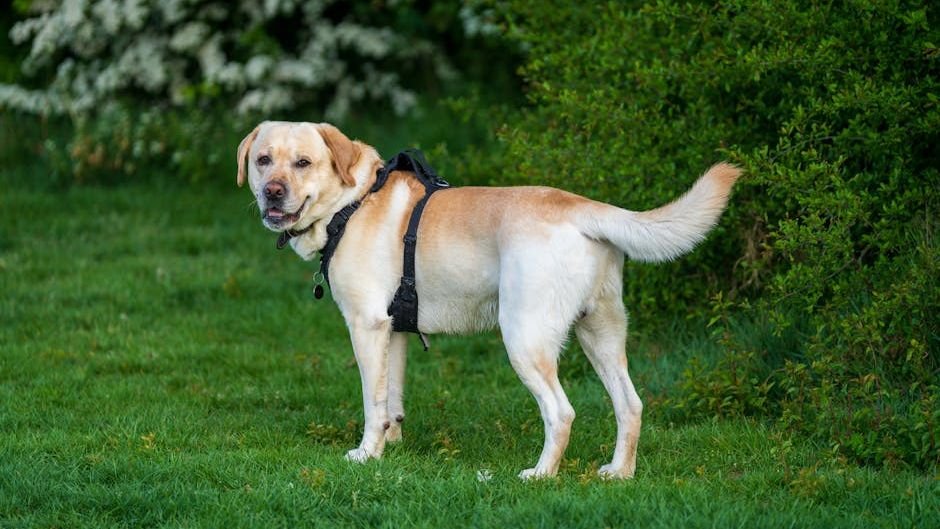
Picture this: you walk through the front door after a long day, and your dog’s tail is going absolutely wild. Pure joy, right? Maybe. Or maybe you’ve been in a dog park, seen a stranger’s dog wagging away, leaned in for a pet, and got a growl in return. Here’s the thing – that tail was talking the whole time. We just weren’t listening properly. Dogs are masters of non-verbal communication, and their tails are one of the most sophisticated tools in their expressive arsenal. If you’ve ever wondered what your pup is really trying to tell you, you’re in exactly the right place. Let’s dive in.
A Wagging Tail Does Not Always Mean a Happy Dog
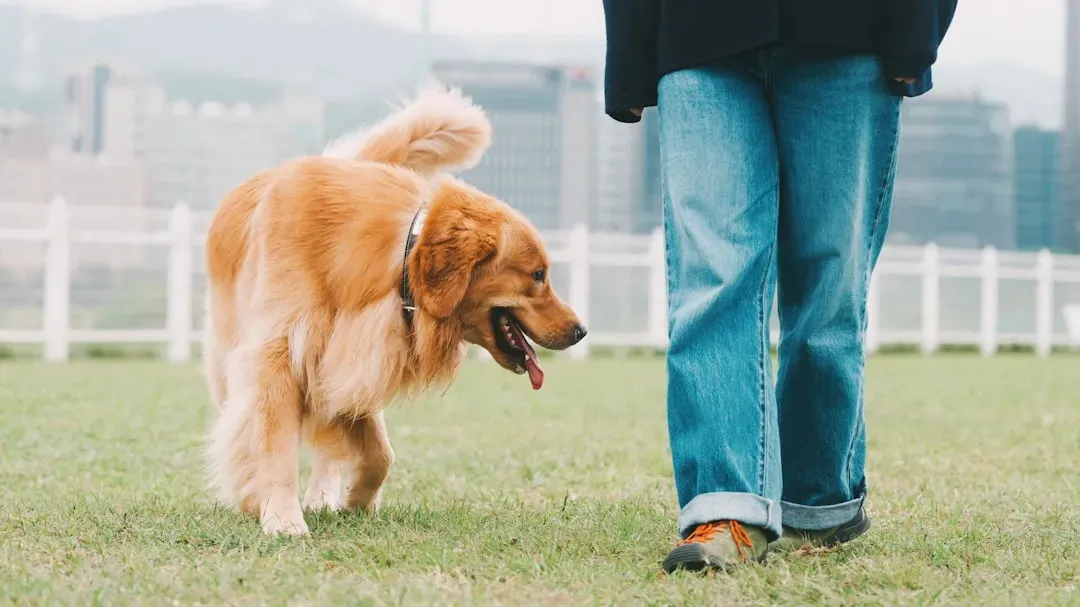
This might be the single most important thing you ever learn about dog body language, and honestly, it might save someone from a bite. We may have all grown up thinking a wagging tail means a happy dog, but that is not always true. Misinterpreting a wagging tail has gotten countless well-intentioned dog-lovers bitten, sometimes quite badly. Let that sink in for a second.
The tail wagging behavior of a dog may not always be an indication of its friendliness or happiness, as is commonly believed. Tail wagging is also an indication of fear, insecurity, challenging of dominance, establishing social relationships, or a warning that the dog may bite. So the next time you see a wagging tail, pause before assuming it’s an open invitation.
A dog’s tail wag is controlled by the brain’s limbic system, which regulates emotions. When a dog experiences a particular feeling, the brain sends signals to the muscles at the base of the tail, causing it to move in a specific way. Think of it less like a wave hello and more like a whole emotional broadcast system.
It is always important to observe and interpret the tail wag in conjunction with all the dog’s postures. Tail wags are just one of the dog’s many communication tools. Keep your eyes wide open – the full picture is everything.
Speed, Height, and Direction: The Three Keys to Decoding the Wag
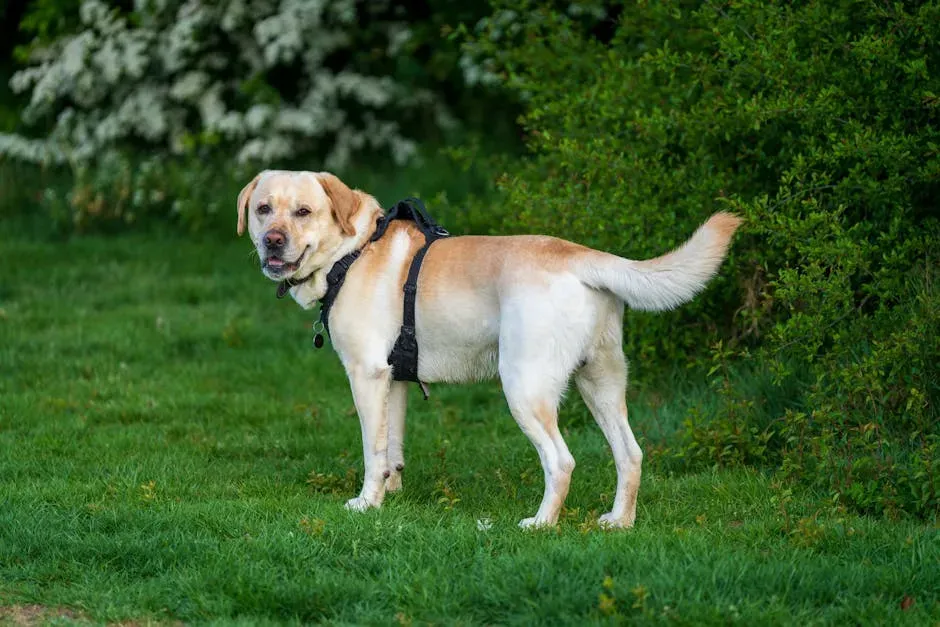
Not all tail wags are the same, and the speed, position, and direction of the wag provide valuable clues about what a dog is feeling. It’s almost like learning a new dialect. Once you know the basics, it starts to feel surprisingly natural.
A wide, fast-moving tail wag usually indicates excitement and happiness. Dogs display this type of wag when they see their favorite humans, are about to receive treats, or are engaging in playtime. This is often accompanied by other friendly body language, such as a relaxed face, wiggling body, and perky ears. That’s the one we all know and love.
As a dog’s arousal increases, his tail may wag more quickly regardless of the nature of arousal. When dogs are eager for an interaction, they may wag their tails quickly, typically in a neutral or high position. When dogs are fearful, they may also wag their tails rapidly, typically in a low position. When dogs are tentative about a pending interaction, their tails often wag more slowly, typically in a neutral or slightly low position. Speed alone doesn’t tell you everything – position matters enormously.
It turns out that even the direction of the wagging may be significant. Studies show that dogs wag their tails to the right when they are happy or confident, and to the left when they are frightened. This one genuinely blew my mind the first time I read it. Science is wild.
The Tucked Tail: Fear, Submission, or Something Else?
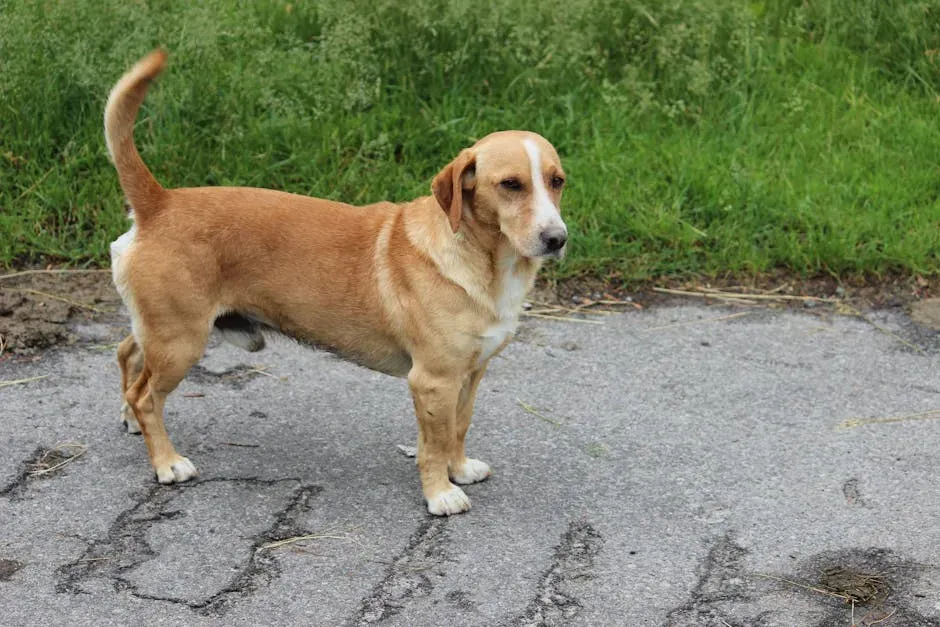
When a dog tucks their tail between their legs, they may be feeling scared, submissive, or anxious. This position is common in stressful situations, such as vet visits or interactions with unfamiliar dogs. Most dog owners recognize this one – it’s practically universal dog-speak for “I am not okay right now.”
The tail-tucking move in dogs goes way back. It’s a built-in instinct from their wild ancestors. When a dog feels frightened or unsafe, their body goes into “protect” mode. And yes, that includes putting the tail away like it’s on lockdown. In the wild, tucking the tail helped hide scent from predators. So your nervous rescue dog hiding their tail during a thunderstorm? That’s thousands of years of survival instinct kicking in.
A tucked tail can indicate submission or an attempt to appease other dogs or humans. Dogs may tuck their tails between their legs to signal deference and non-aggression. This behaviour is often accompanied by lowered body posture, flattened ears, and averted gaze. It’s not weakness – it’s actually a sophisticated social peace signal.
Sometimes, a dog may tuck its tail due to physical pain or discomfort. Injuries, illnesses, or underlying medical conditions can cause dogs to exhibit this behaviour. By tucking their tails, dogs may try to protect the affected area or signal their discomfort to others. It is crucial to consider other signs of pain, such as limping, reluctance to move, or changes in appetite, in conjunction with the tucked tail to assess the dog’s overall well-being. If the tuck persists without an obvious emotional trigger, a vet visit is absolutely the right call.
The High Tail, the Stiff Wag, and the Warning Signs You Shouldn’t Ignore
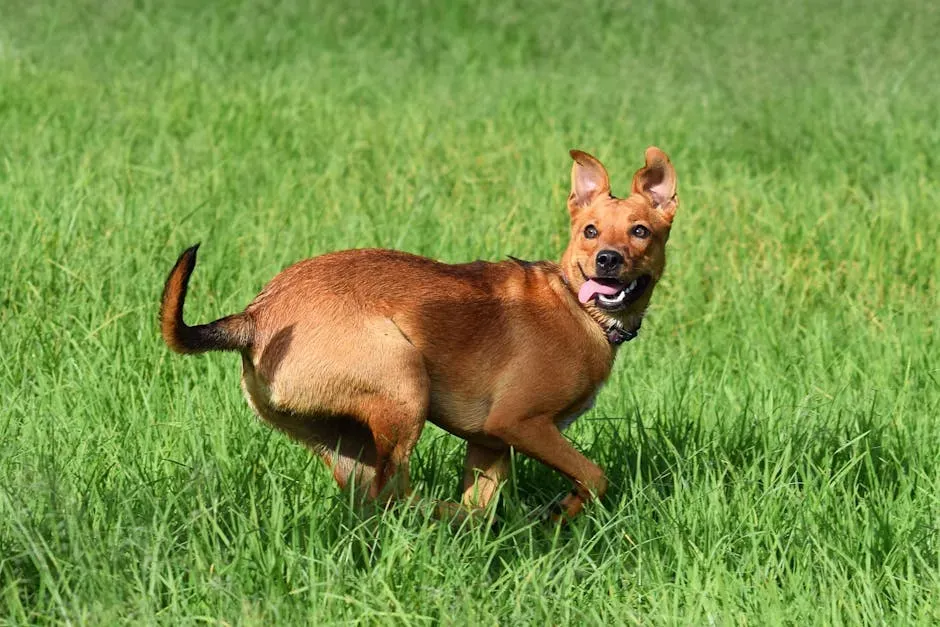
A stiff tail wag held high often indicates dominance or alertness. Dogs that are feeling assertive or protective may hold their tails up and wag them in small, controlled movements. If a dog exhibits this type of wag while staring intently or stiffening its body, it could be signaling a warning. This is the body language equivalent of someone squaring their shoulders – proceed with caution.
If a dog is standing its ground or threatening someone, they may “flag” their tail, which means they hold it stiff and high and move it rigidly back and forth. It might look like a wag, but everything else about their body tells you that they’re not feeling friendly at the moment. The tail says wag. The body says war. Listen to the body.
The tighter and faster the tail movement, the more agitated the dog is. If a dog is showing signs of feeling threatened, action needs to be taken to change the environment immediately. The dog should not be approached because it’s likely they will attempt to bite if a human or animal tries to interact with them in this state. Prevention here is simple: give space, and remove whatever is causing the stress if you can.
Sudden changes in how a dog moves their tail can indicate discomfort or injury. If a dog stops wagging their tail or holds it in an unusual position, it could be a sign of pain. Conditions like limber tail syndrome, fractures, or nerve damage can affect a dog’s ability to move their tail normally. A sudden change in tail behavior – especially after swimming, over-exercise, or cold weather – deserves a closer look from your vet.
Breed Differences, Docked Tails, and Reading the Whole Dog
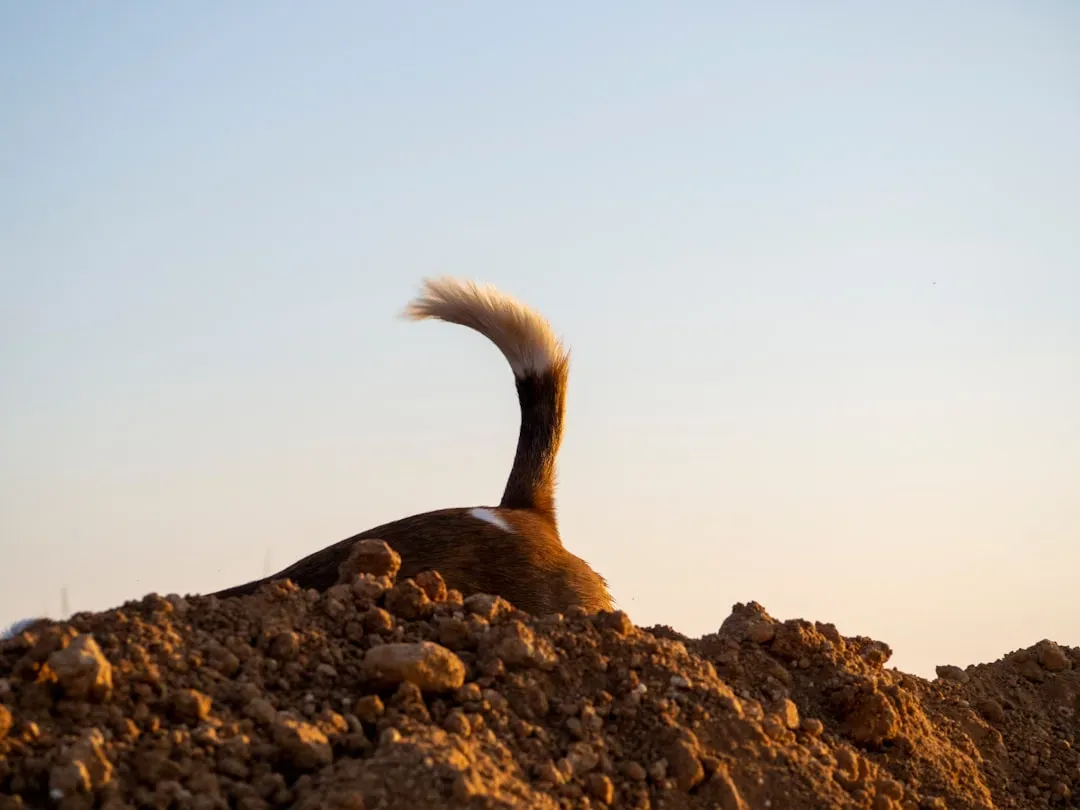
Before we learn to speak “tail,” we must recognize that the neutral or natural position of a dog’s tail varies by breed. Most dogs have tails that hang down near their heels when they are relaxed. But some dogs, like Beagles, hold their tails more vertically. Others like Greyhounds and Whippets curl their tails under their bellies. Still others, like Pugs and Boston Terriers, have tails that coil tightly against the body and don’t wag at all. Comparing a Greyhound tail to a Beagle tail is like comparing apples to oranges – context and breed baseline matter enormously.
Many breeds, such as Doberman Pinschers and Boxers, have docked tails, which can limit their ability to express emotions clearly. In these cases, body language and facial expressions become even more important for understanding a dog’s mood. Breeds with long, expressive tails, such as Golden Retrievers and Border Collies, have a wider range of wagging motions. Their tails often provide clear indicators of their emotions, making it easier to interpret their moods. If your dog’s tail is short or docked, you’ll need to lean harder on ear position, eye softness, and overall posture to fill in the gaps.
A key component to reading tails that are stubby or curly is to look at the base of the tail. Since the tail is attached to the spine, any movement of the tail starts at the base, so if you look at the base of the tail, you can see when a stubby tail is raised straight up, in the air, or tucked down. It’s a brilliant little workaround once you know it’s there.
Dogs thrive on consistency. Regular feeding, walking and rest times help create emotional stability, which translates into calmer tail and body language. Celebrate relaxed, joyful wags with gentle praise, affection or play. If you observe tension or uncertainty, respond calmly and reduce environmental stressors rather than forcing interaction. That last part is huge: forcing a nervous dog into a situation is never the answer, no matter how much you want them to “just relax.”
Conclusion: Your Dog Is Always Talking – Are You Listening?
Dogs have been our companions for thousands of years, and in all that time, they’ve never stopped trying to communicate with us. The tail is just one chapter of that conversation. Once you start noticing the speed, height, direction, and context of your dog’s tail, you’ll feel like you’ve unlocked a whole new layer of your relationship with them.
The real gift in learning this language isn’t just safety – though that matters deeply. It’s the intimacy. It’s knowing when your dog is thrilled beyond words, when they’re overwhelmed and need your help, or when something is physically wrong and they need care. That kind of attunement changes everything.
I genuinely believe that dogs feel deeply understood when their humans pay attention. And honestly, there’s no greater compliment you can pay your dog than to actually look at them – really look – and respond to what they’re telling you. So next time that tail moves, ask yourself: what is my dog actually saying right now? You might be surprised by the answer.
What’s the most surprising tail signal you’ve noticed in your own dog? Share it in the comments – we’d love to hear your story.


