
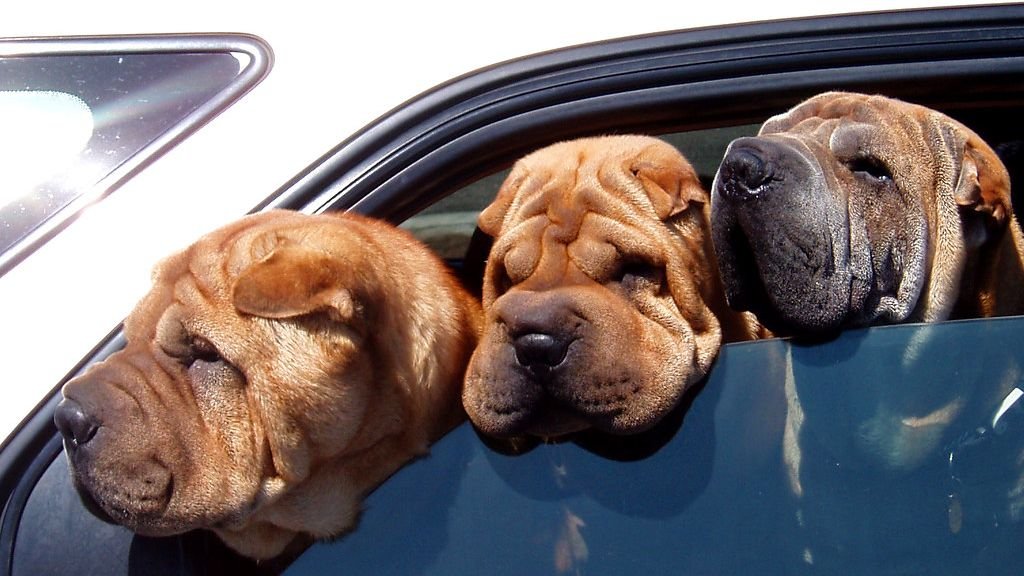
You close the front door, hear the familiar click of the latch, and somewhere behind it, a furry life continues – totally unsupervised, fully unscripted, and honestly, a little mysterious. What exactly is your dog up to for those eight hours while you’re at work? Are they moping on the couch, staging a one-pup demolition project, or blissfully dreaming about chasing squirrels?
Honestly, the answer is probably all of the above, depending on the day. The truth is that your dog has an entire inner world that unfolds the moment you walk out that door. Some of it is adorable. Some of it is eye-opening. Some of it might even break your heart a little. So let’s pull back the curtain on your dog’s secret life – because the more you understand it, the better dog parent you’ll be. Let’s dive in.
The Great Snooze: Your Dog Is Probably Napping Right Now
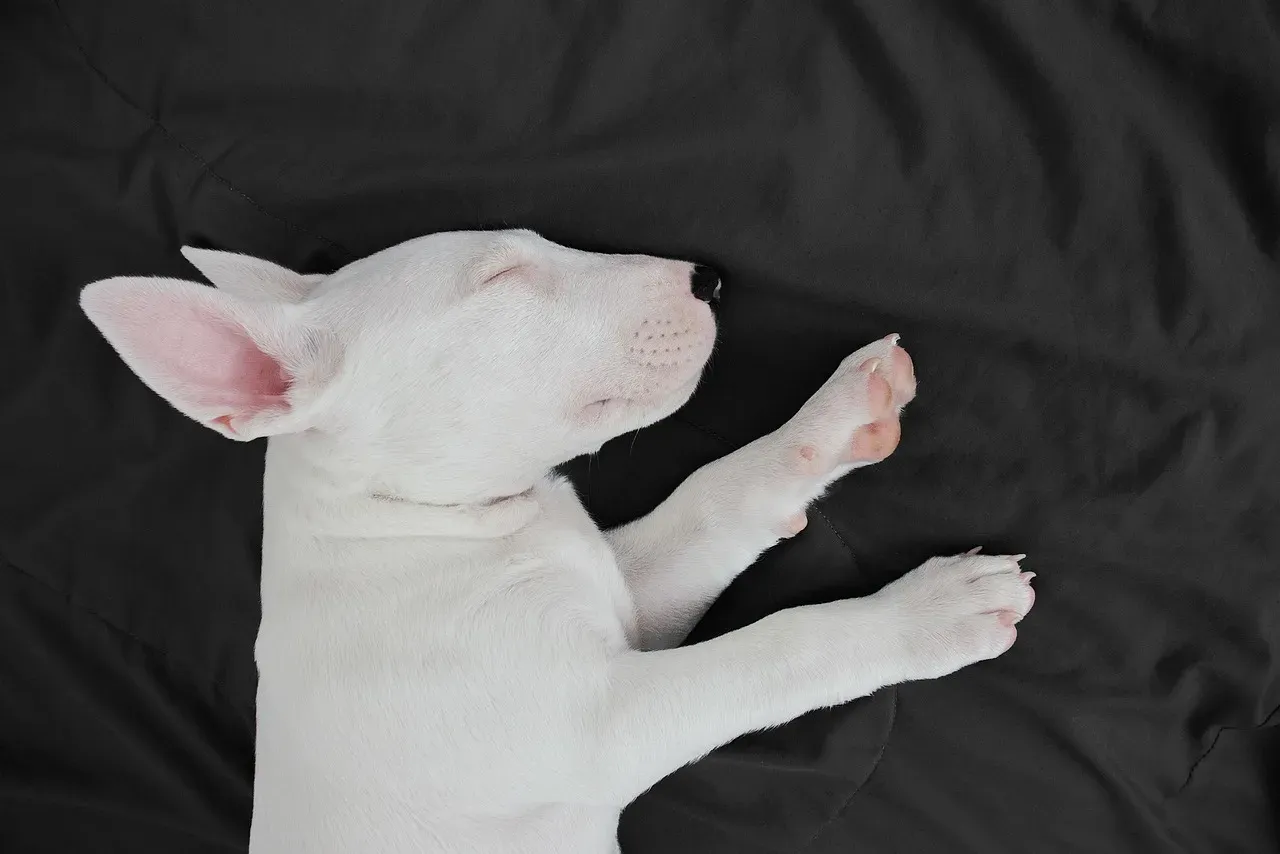
Here’s something that might actually make you feel better about leaving: your dog is almost certainly asleep. Dogs typically sleep anywhere from 12 to 14 hours a day, sometimes more depending on their age and breed. Think about that. That’s more than half the day, gone in a blissful, dreamy nap. So while you’re stuck in back-to-back meetings, there’s a good chance your pup is curled up in a sunbeam without a care in the world.
When left alone, they often find a cozy spot, whether it’s a favourite bed, a sunlit patch on the floor, or a comfortable chair, and curl up for a nap. Dogs may take advantage of the quiet environment to catch up on much-needed rest and recharge their energy levels for when their owners return. It’s almost poetic, isn’t it? They work hard loving you all morning, then clock out for the afternoon shift. Dogs do dream. Scientists who performed research on dreaming rats are pretty sure that dogs dream in much the same way that people do. So when your dog flexes his legs in a running motion or barks in his sleep, he’s probably dreaming about an experience he’s had recently. Watching them twitch and whimper mid-nap is genuinely one of the great joys of dog ownership.
The Curious Explorer: Sniffing, Watching, and Investigating
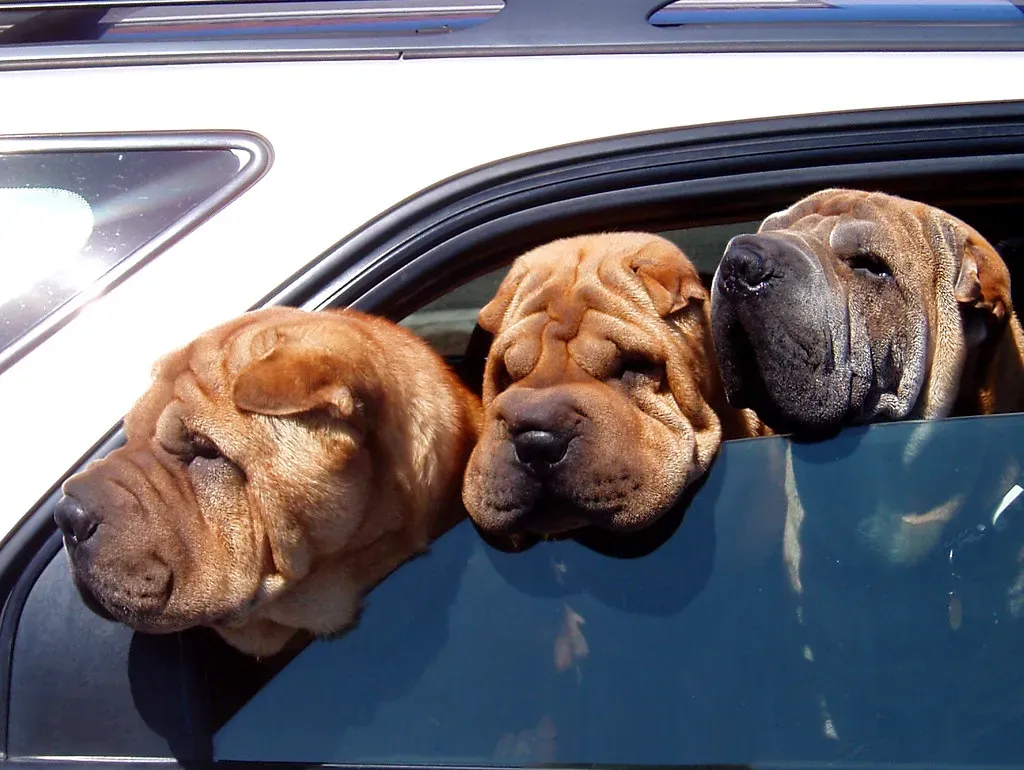
When your dog isn’t napping, there’s a solid chance they’ve turned your home into their own personal nature documentary. Curiosity is inherent in dogs. When they’re home alone, especially if they’re inquisitive by nature, they might take the opportunity to explore their surroundings. They may sniff around different rooms, investigate corners, and check out objects that they might not have noticed when their owners are present. This exploration allows them to satisfy their innate curiosity and discover new scents, sights, and textures.
Window watching is also a surprisingly popular canine hobby. Many dogs enjoy observing the outside world from a window. Whether it’s the mail carrier, passing cars, or neighborhood squirrels, your dog might spend time watching the hustle and bustle outside. This activity can be mentally stimulating and help alleviate feelings of isolation. Think of it like their version of scrolling through social media, minus the screen addiction. Some dogs like to birdwatch out the window for fun, but others do it out of fear. The difference matters, and it usually shows up in their posture and energy level. A relaxed dog will drift in and out of sleep while watching. A tense dog stays locked and loaded, unable to come back down from the excitement. Some dogs know how to self-soothe, but others need some help from us – or some training – to learn how to come down from excitement.
The Hidden Struggle: When Alone Time Becomes Anxiety
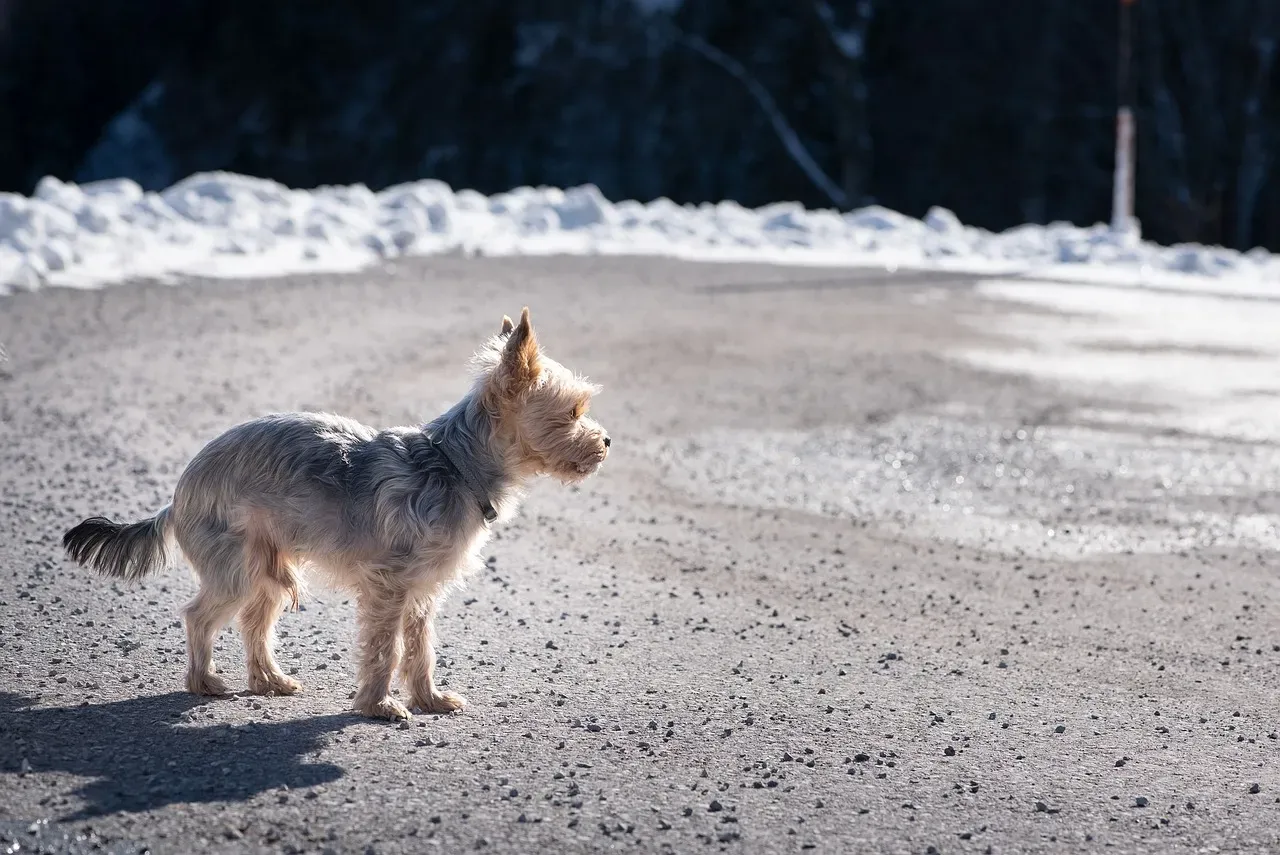
Let’s be real, not every dog is a chill, sun-napping philosopher when left alone. For many dogs, solitude is genuinely stressful. Research suggests that 8 out of 10 dogs find it hard to cope when left alone. Yet, half won’t show any obvious signs, and so it can be easy for owners to miss. That’s a staggering number. Most of us assume that because our dog seems fine when we return, everything must have been fine while we were gone. That’s not always the case.
If your dog is anxious or unsettled about being left at home alone, the first 15 minutes are often the worst, during which time your dog becomes extremely upset. All the physiological signs of fear may be present – an increase in heart and breathing rate, panting, salivating, increased activity, and sometimes a need to go to the toilet. It’s not spite. It’s not naughtiness. It’s panic, plain and simple. After this frantic period, your dog may settle down to chew something that you have recently touched that still carries your scent. Dogs will often chew scented items into small pieces and curl up in the debris so that your dog forms a “barrier” of your scent around them for security. That chewed-up sock? It was a comfort blanket. A smelly, destroyed comfort blanket, but a comfort blanket nonetheless.
The Mischief Makers: Boredom Behavior vs. True Anxiety
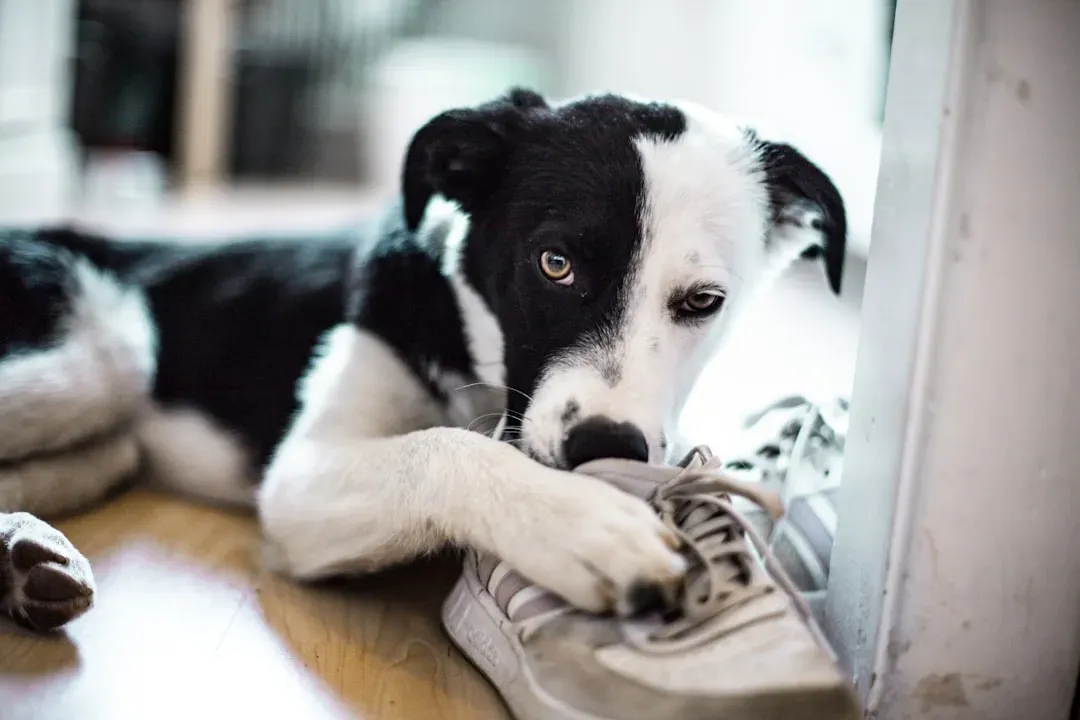
Here’s the thing a lot of dog owners don’t realize: not all destructive behavior comes from anxiety. Sometimes your dog is just bored, a little rebellious, and fully aware that you’re not watching. Some dogs tend to destroy furniture or chew on forbidden items when their parents are away – but not all dogs do this out of anxiety. There’s actually a real distinction between a dog acting out of genuine distress and a dog who simply spotted an opportunity to steal your shoe because, well, why not?
Boredom typically affects young, energetic dogs who struggle when left to their own devices. If left alone for too long, especially when not exercised enough, these dogs may find their own entertainment, such as chewing table legs or raiding the rubbish bins. I think of it like leaving a hyperactive ten-year-old home alone with no TV, no tablets, and no plans. Something is going to get broken. Prevention here is straightforward. Providing lots of physical and mental stimulation is a vital part of treating many behavior problems, especially those involving anxiety. Exercising your dog’s mind and body can greatly enrich his life, decrease stress, and provide appropriate outlets for normal dog behaviors. A physically and mentally tired dog doesn’t have much excess energy to expend when left alone. A good walk before you leave can literally change your dog’s entire day.
The Emotional Truth: What Your Dog Really Needs From You
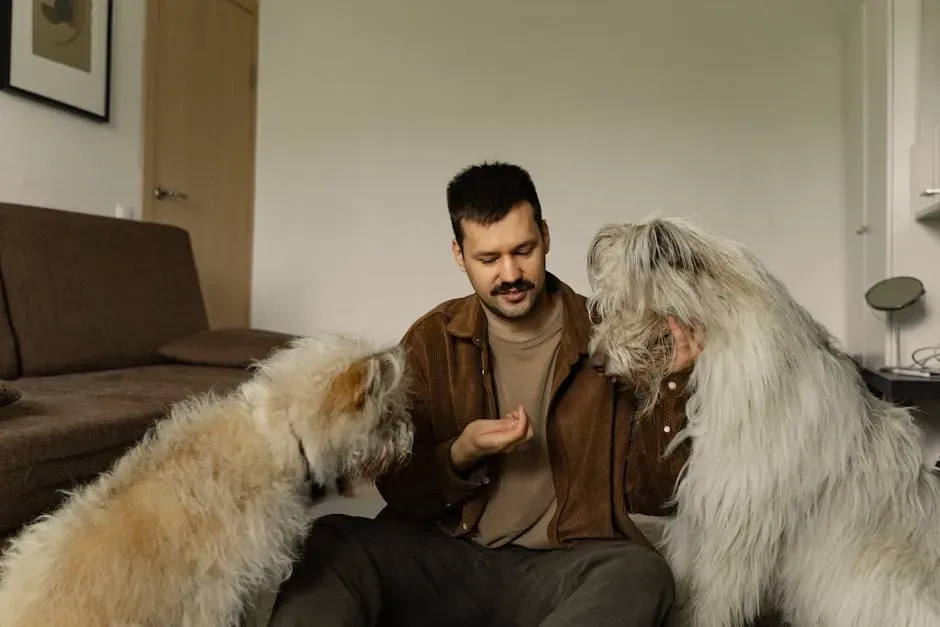
It’s hard to say for sure exactly what goes through a dog’s mind when you walk out the door, but research gives us a pretty clear emotional picture. Dogs are very social animals. They would naturally live in family groups and have evolved alongside humans over thousands of years to work with us and live as our companions. Most dogs would choose to spend the majority of their time in our company. Being alone just doesn’t come naturally for most. The bond your dog has with you isn’t just loyalty. It’s biology. It’s deep, ancient, and real.
The good news? For many dogs, separation-related behavior occurrence can change with circumstance. Both the development of new behaviors and the improvement of existing signs when dogs develop new expectations about being left alone indicate that such behaviors are not necessarily fixed – and changes in management can influence occurrence. In other words, with the right support and gradual training, most dogs can learn that time apart is safe. Protective factors include ensuring a wide range of experiences outside the home and with other people between the ages of 5 to 10 months, stable household routines and absences from the dog, and the avoidance of punishment. Small, consistent steps really do make a difference. As a general rule, your dog should never be left alone for more than four hours at a time. However, this will greatly depend on your dog, their age, breed, and how they cope with being on their own in the house. Knowing your individual dog is everything.
Conclusion: You’re Already a Better Dog Parent for Asking
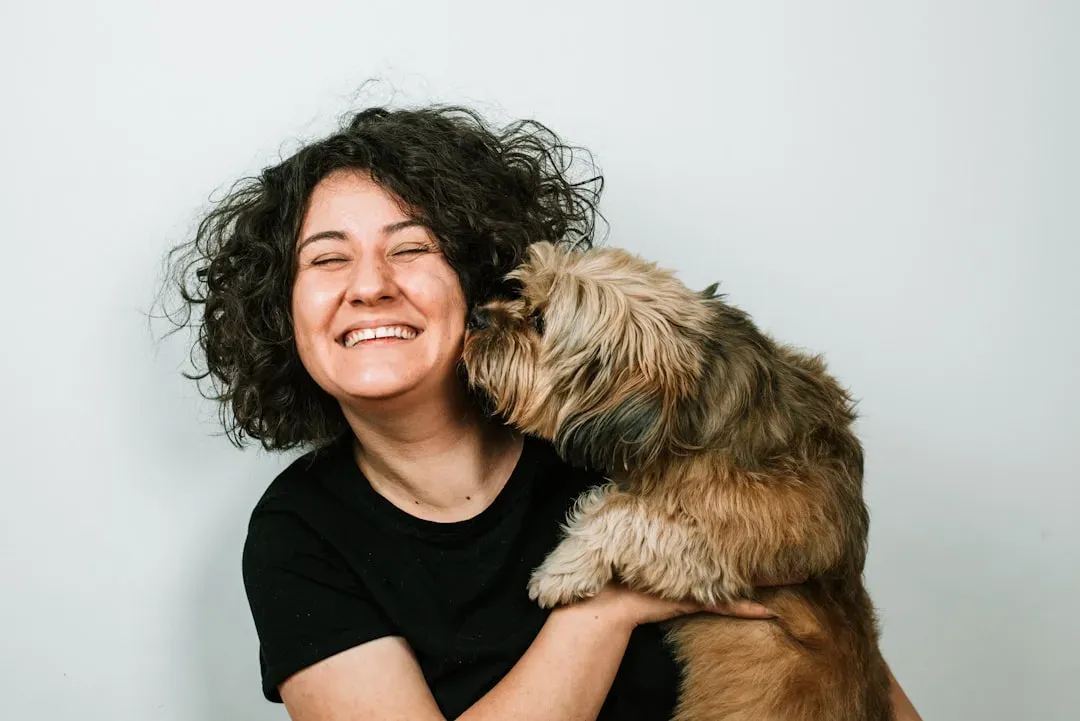
The fact that you even wonder what your dog does when you leave already says something beautiful about you as a dog owner. That curiosity, that empathy – that’s exactly what your dog needs from you. Understanding the difference between a content, napping dog and a stressed, panicked one isn’t just fascinating. It’s genuinely life-changing for your pet.
Pay attention to the small cues: the posture at the door when you leave, the state of your furniture when you return, the energy your dog shows in those first few minutes of reunion. These signals are your dog’s way of telling you how their day really went. You don’t need to feel guilty every time you leave home. You just need to leave them better prepared, better rested, and better understood.
Your dog’s secret life isn’t so secret once you start paying attention. What you’ll find, more often than not, is a loyal, loving creature just counting down the minutes until you walk back through that door. Does that change how you’ll say goodbye tomorrow morning? Drop your thoughts in the comments below – we’d love to hear about your dog’s “home alone” personality.


