
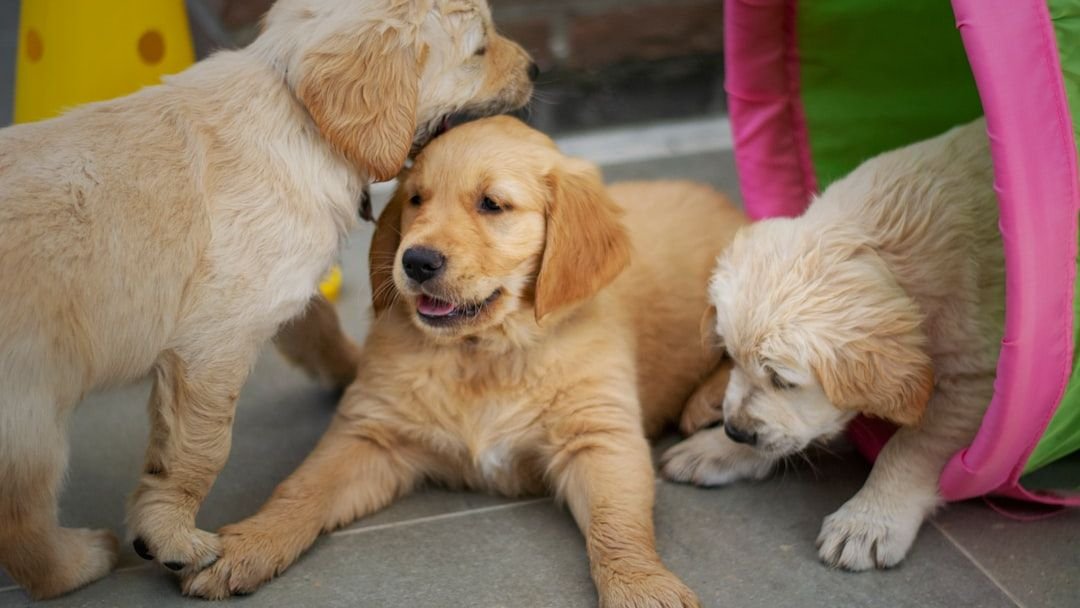
Picture this. You are at the park with your dog, the one who greets you every morning with tail-wagging joy, the one who snuggles into your lap on the couch. Then a stranger walks over. Suddenly your sweet, gentle companion transforms. Barking, lunging, hackles raised. Your heart sinks. You are embarrassed. Confused. Maybe even a little scared.
Here’s the thing – you are not alone, and your dog is not broken. There is almost always a deeper reason behind that behavior, and once you understand it, everything starts to make a lot more sense. Let’s dive in.
It’s Almost Never Aggression – It’s Fear in Disguise
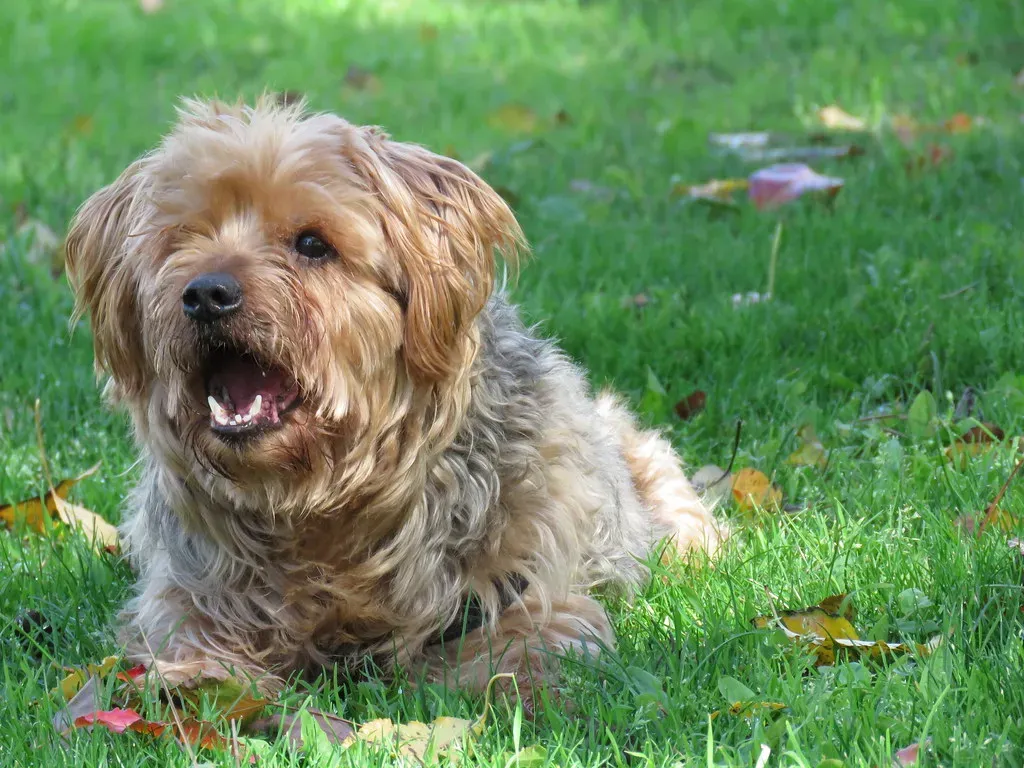
This is probably the most important thing I can ever tell you about your dog. Dogs that are aggressive to strangers are actually afraid of them. The aggression is an attempt by the dog to create distance between themselves and the scary human. That growl, that lunge, that menacing bark? It is your dog saying “please back off” in the only language they know.
Dogs that direct aggression toward non-family members are afraid of the stranger. The aggression is an attempt by the dog to create distance between them and the scary human – more distance is what the dog wants in order to feel safe. Think of it like a person who has severe social anxiety suddenly being crowded in an elevator. The instinct is to push back.
Contrary to common perception, aggression and bites seldom occur “out of the blue.” Usually, when dogs behave aggressively toward people, it is the result of a combination of factors. The most common causes of dog-to-human aggression are the dog’s fear, stress, anxiety, and pain. Knowing this changes how you should respond – with compassion first, correction second.
The Critical Puppy Window That Most People Miss

Early life is an important time for a dog’s learning and socialization. If your dog did not have good early experiences with people, or never met new people at all, they may have developed a fear of strangers – which in turn can cause them to overreact and behave aggressively in common situations. It is a bit like learning a language. Miss the window, and it becomes so much harder later on.
Dogs that haven’t been exposed to a variety of people during their formative puppyhood, specifically between 3 to 14 weeks, or haven’t had positive experiences with them, may become fearful and respond aggressively if they feel threatened in any way and can’t escape. That window is surprisingly short. Most people do not even realize it has opened and closed until the problems begin showing up months later.
There was a noticeable increase in dogs having issues with strangers or visitors after the Covid shutdown. Many dogs were not exposed to strangers out in public or visitors coming into the home. The lack of exposure or socialization seemed to cause many dogs to not know how to react in certain situations involving strangers or visitors. It is a real-world reminder of just how essential early social exposure truly is.
Reading the Warning Signs Before Things Escalate
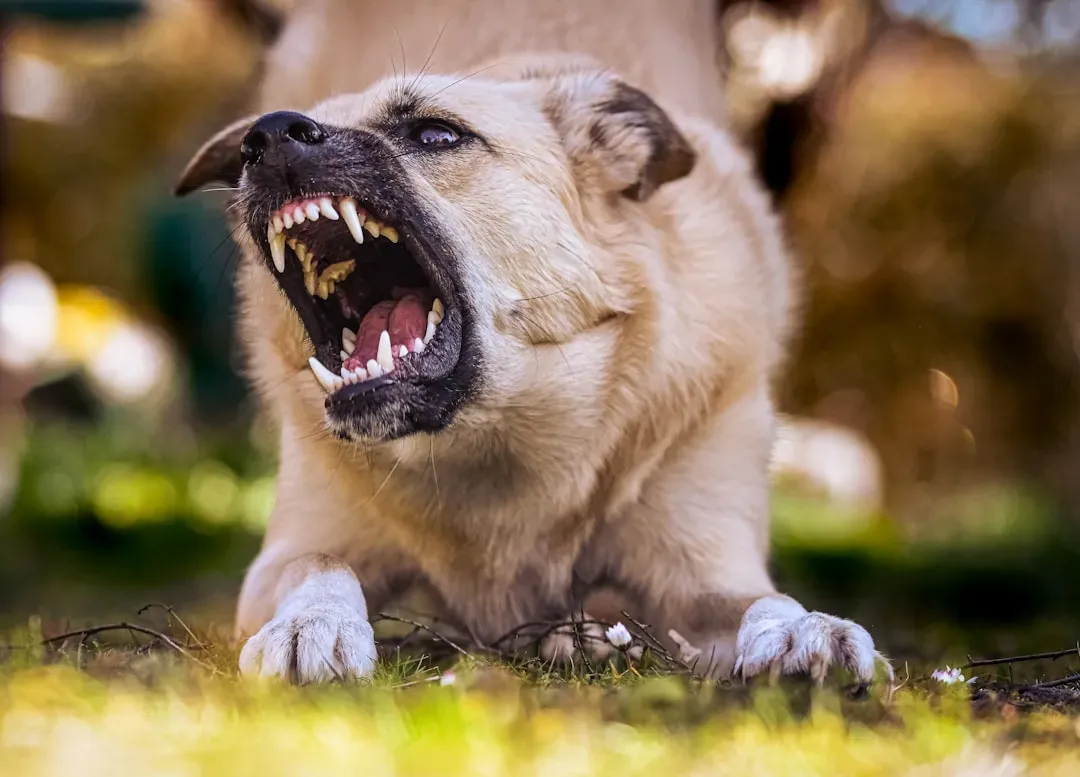
Most dog owners are shocked when their dog snaps or bites. Honestly, though, the signals were almost always there. Dogs show aggression through a collection of body language signals – ears may be erect and facing forward or pinned back, eyes may be wide, body muscles may be stiff, and they may be showing teeth – along with actions such as snarling, growling, barking, or biting. These signals and actions are how dogs communicate conflict or frustration.
Closely observe your dog’s body language. Signs like growling, tucked tail, ears back, stiff posture, bared teeth, raised hackles, or cowering are all signs of discomfort. The earlier you catch these signals, the faster you can step in and prevent the situation from boiling over. Your dog is essentially raising a hand and saying “I’m not okay right now.”
Calling a reaction “sudden” aggression might not be taking more subtle warning signals into account. We often don’t pick up on early indicators of canine stress and discomfort, forcing dogs to escalate to more obvious behaviors to make their intention clear. The lunge or bite is the last resort, not the opening move.
When Instinct, Breed, and Past Trauma Enter the Picture
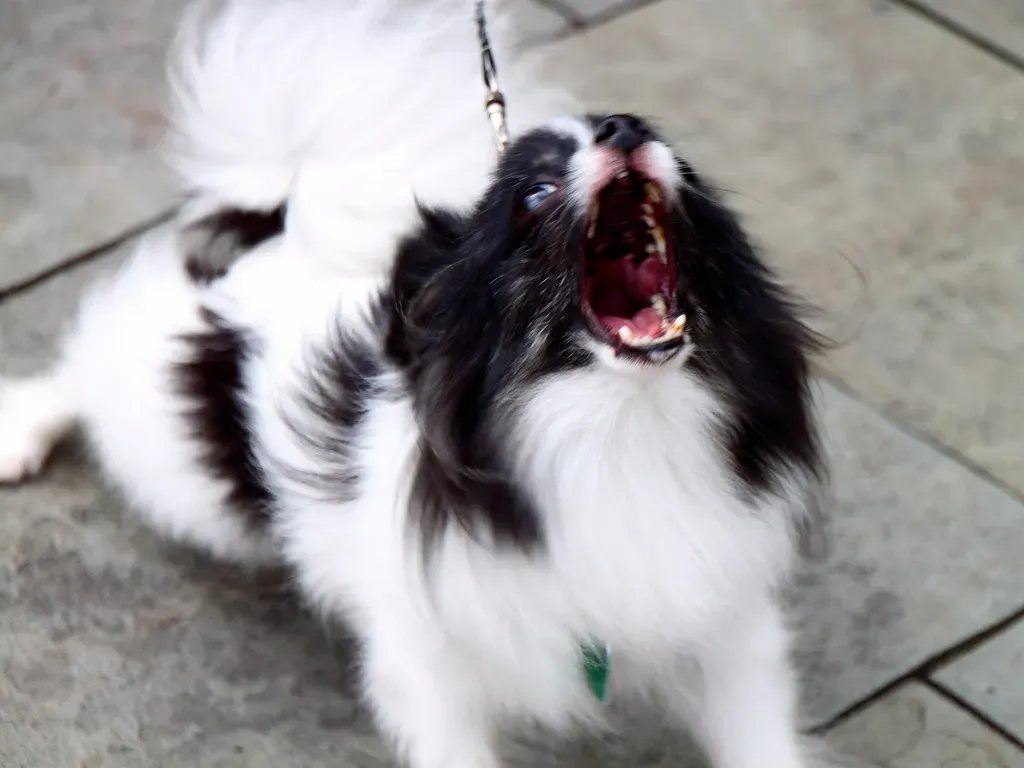
Sometimes the roots of stranger-directed aggression go deeper than just a missed socialization window. Research shows that aggressive tendencies in dogs are likely to be due to their experiences and upbringing, rather than their breed. Still, breed background can play a role. Purpose-bred or working line breeds such as Shepherd breeds and Livestock Guardian Dogs may have a higher rate of displaying aggressive behavior towards strangers due to their more protective nature. The breed of dog can play a role in aggressive behavior towards strangers and visitors.
Traumatic experiences of any kind make a dog feel it must protect itself. Abuse, neglect, or insufficient socialization all contribute to the dog feeling unsafe around people and as a result, increase dog aggression and biting. Rescue dogs, in particular, may carry invisible scars from their past. They are not being difficult on purpose. They are being survivors.
Some aggressive dogs behave the way they do because of a medical condition or complication. In addition to acute painful conditions, dogs with orthopedic problems, thyroid abnormality, adrenal dysfunction, cognitive dysfunction, seizure disorders and sensory deficits can exhibit changes in irritability. So if the aggression seems sudden and out of nowhere, a vet visit should always be step one. Pain makes everyone defensive.
What You Can Actually Do to Help Your Dog
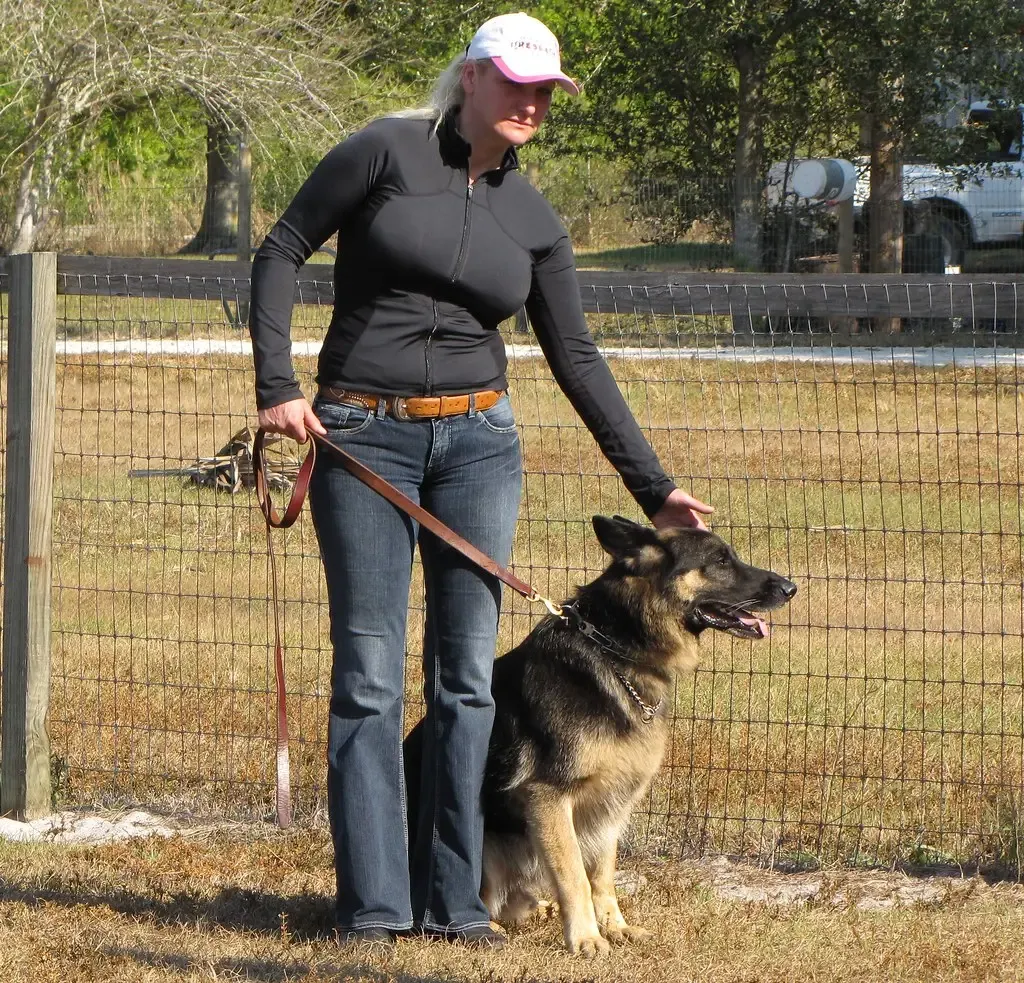
Here is the good news. For the vast majority of dogs who show aggressive behavior – even dogs who drew the short end of the stick in terms of socialization, genetics, or traumatic history – help is available. Every dog’s reason for showing aggression is very individualized, so best results are possible with an individualized plan. Your dog is not a lost cause. Not even close.
Counter conditioning is the act of re-teaching a dog to have a neutral or positive association with something that was once disliked or feared. To do this, pair the thing your dog dislikes with something they like. For instance, if your dog doesn’t like men, feed them treats every time they see a man. Over many repetitions, your dog will learn that whenever men are around, good things happen. It sounds almost too simple. But it genuinely works.
The kinder, gentler way to work with your dog is with positive-reinforcement training methods. Dogs trained using positive reinforcement have been found to be more optimistic and resilient. The use of positive-reinforcement training can help build the dog’s confidence and strengthen the human-animal bond. Patience and consistency are your best tools here – not punishment, not force.
Conclusion: Your Dog Needs You to Understand Them
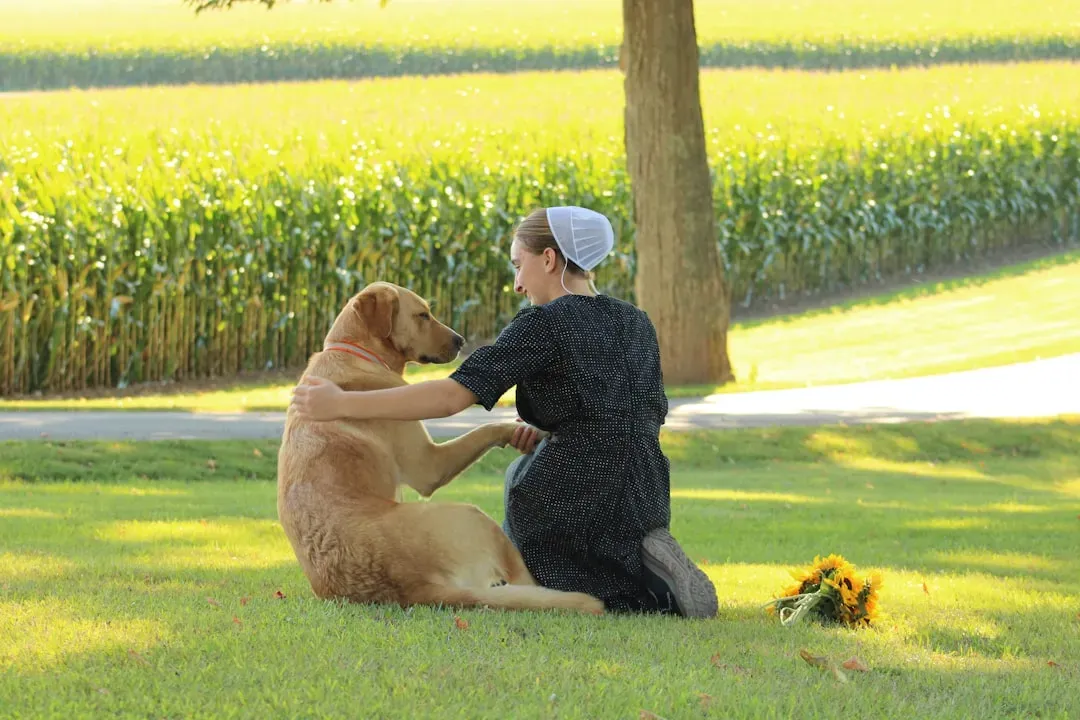
At the end of the day, a dog that growls at strangers is not a bad dog. They are a scared dog. A dog who learned, somewhere along the way, that the world outside their trusted circle is a place to be wary of. You need to be your dog’s advocate. Protect them from a stranger looming over them to keep them from feeling like they need to defend themselves. That is your job as their person.
Understanding why your dog acts the way they do is the first act of love. The second is getting the right support – whether that is a certified behaviorist, a compassionate trainer, or simply learning to read your dog’s signals better. The fear has to be properly addressed through desensitization and counter conditioning by a certified canine behaviorist. Aggression toward humans by dogs is very challenging to treat, but it can in many cases be improved enough for the dog to be a more functional dog around non-family members.
Your dog did not choose to be afraid. They just need someone in their corner who truly gets it. And now – that someone is you. So, knowing all of this, how will you look at your dog’s behavior the next time a stranger walks through the door?


