
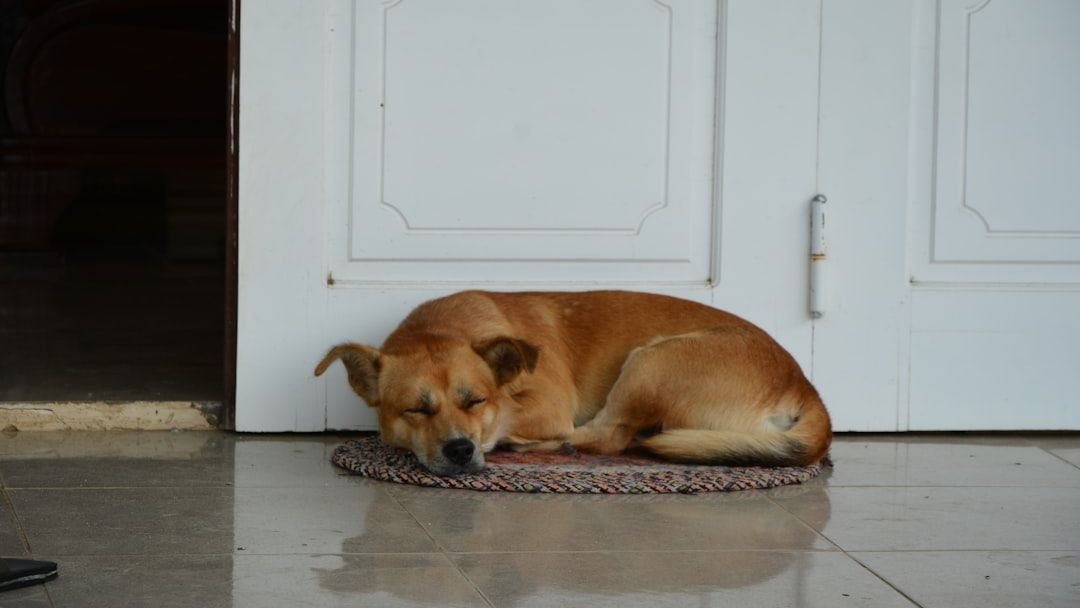
You’ve probably noticed it countless times. Your dog curls up for a nap, stretches out on their favorite spot, or settles in for the night. No matter where they are in the room, their body seems positioned just so, with their gaze directed toward the door. Maybe you thought it was coincidence at first.
Perhaps you assumed they were waiting for someone. Then it happened again. Every single time.
Let’s be real, this isn’t random. That sleeping position is deliberate, rooted in something far deeper than simple habit. Your dog isn’t just picking a cozy spot or hoping for a visitor. They’re doing something remarkable, something that speaks to their ancient bond with you and their primal instincts. So why does your furry companion always face that doorway? The answer might surprise you, warm your heart, and give you a whole new appreciation for the quiet guardian snoozing at your feet.
The Ancient Guardian Instinct Lives On
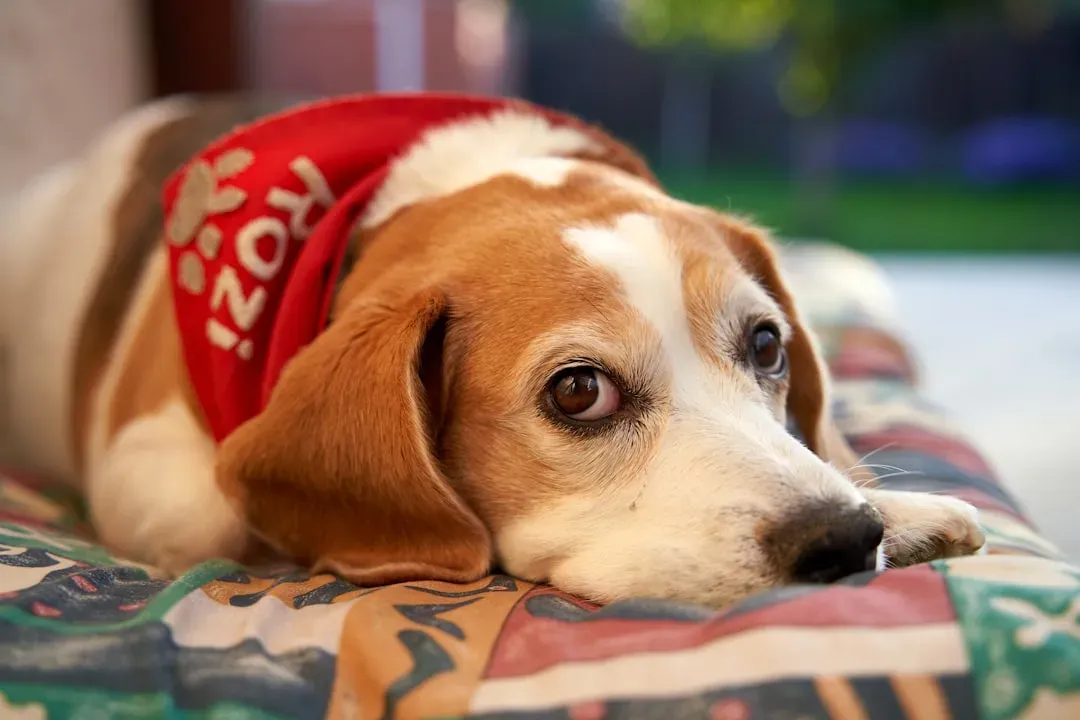
This behavior likely comes from their wolf ancestors, who always kept an eye on their surroundings to ensure their pack was safe. Think about it for a moment. In the wild, survival depended on vigilance.
Dogs have strong protective instincts, and sleeping facing the door is one way they keep watch over their family. Even in deep sleep, their ears stay alert, ready to pick up on the slightest sound of an approaching visitor or potential intruder. Your living room isn’t a wolf den, obviously. But your dog doesn’t know that on an instinctual level.
Dogs have a strong instinct to protect their pack, which includes their owners and any other members of their household. This instinct may be particularly strong in certain breeds, such as guard dogs or herding breeds, which were originally bred for protective or working roles. By sleeping facing the door, dogs are able to be aware of their surroundings and any potential threats or intrusions, which allows them to be ready to defend their pack if necessary. Whether you have a German Shepherd or a tiny Chihuahua, that protective drive pulses through their veins. It’s honestly remarkable when you consider how deeply embedded these behaviors remain, thousands of years after domestication began.
They’re Monitoring Every Entry and Exit
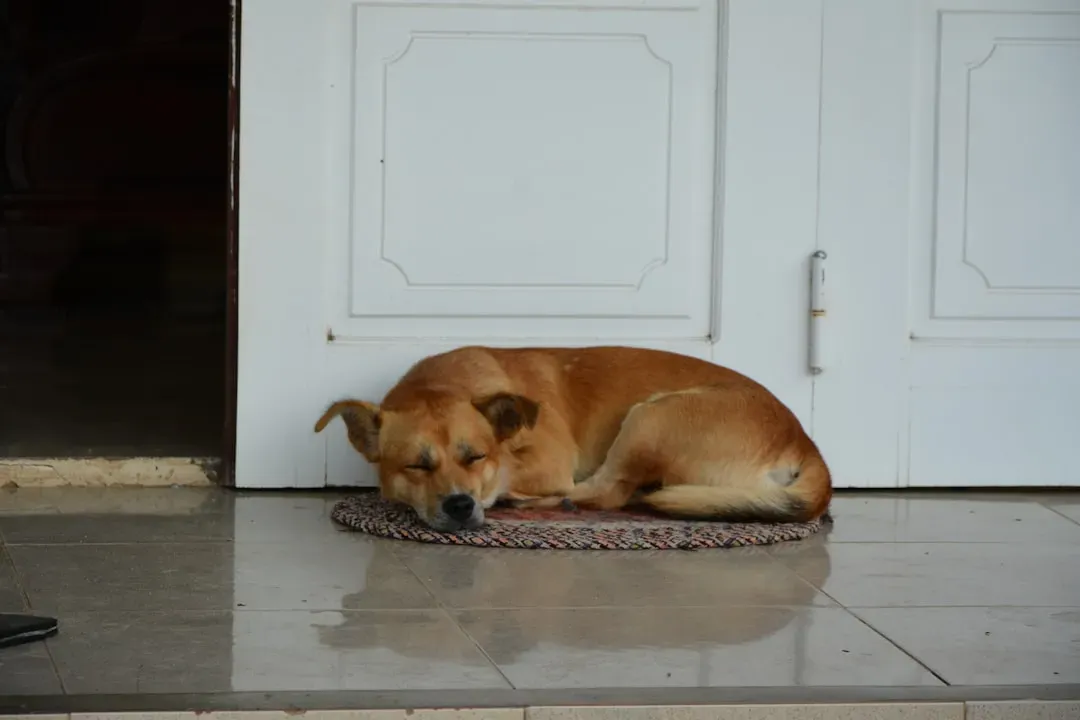
Here’s the thing about doors: they represent transition points. In the wild, pack animals always position themselves strategically to monitor their group’s movement. By sleeping near the door, your dog ensures they have a full view of who comes and goes. This allows them to feel in control and aware of their environment at all times. It’s their way of keeping tabs on their human family members, even while catching some much-needed rest.
Your dog might look completely passed out, snoring away without a care. Dogs are often more aware of their surroundings than we realize, and positioning themselves facing the door gives them the best vantage point for detecting anything unusual. Whether it’s a slight creak, the mailman approaching, or a distant car pulling into the driveway, they hear it all. This behavior ensures that they can alert their humans at the first sign of anything out of the ordinary. They’re basically running security operations while you’re blissfully unaware, scrolling through your phone or catching up on that show.
You’re the Pack Leader They’re Protecting
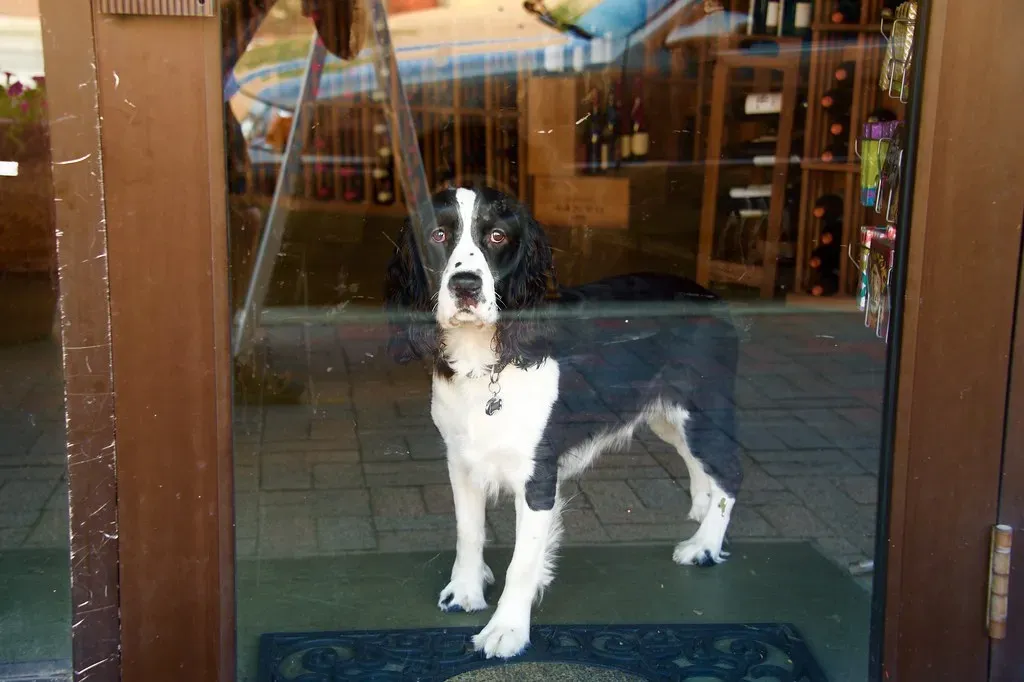
Dogs often sleep by the door due to a deep-rooted protective instinct. They position themselves strategically to guard their human companions, acting as the first line of defense. I know it sounds dramatic, but your dog genuinely sees themselves as your protector. It’s hard to say for sure in every case, but research suggests this isn’t just anthropomorphizing.
Unless you have many dogs in your household, it’s easy to forget that your faithful furry companion was probably born in a pack. Therefore, by nature, dogs’ behaviors are often guided by this innate pack instinct. It’s when dogs seek comfort and security from their packmates during sleep, which is when they are highly vulnerable. You are their pack now. They trust you, and in return, they’ve appointed themselves your guardian.
When your dog chooses to sleep facing the door, it’s not just about instinct. This behavior can be a blend of protection, awareness, and love, too. Even when they’re curled up and dreaming, part of them is still tuned into their environment and to you. This behavior is one of the many ways dogs remind us that their loyalty runs deep. They’re watching the world not just to keep it in check, but to keep you in it as well. Honestly, when you think about it that way, it’s almost overwhelming how devoted they are.
Territorial Awareness Runs Deep
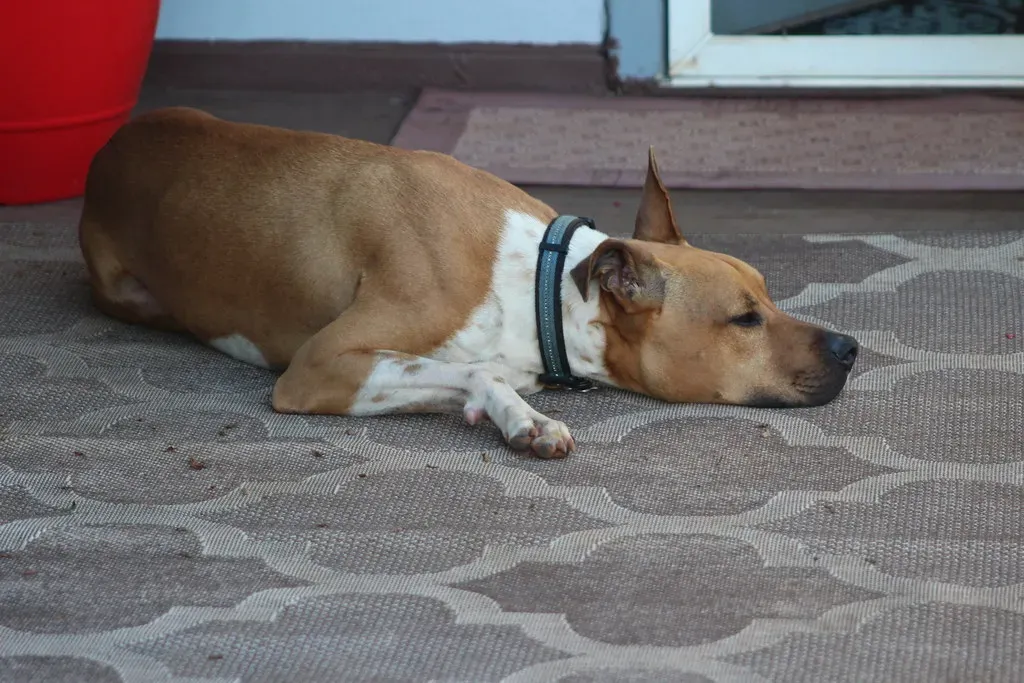
Dogs are territorial animals, and they may sleep facing the door as a way of claiming and protecting their territory. By doing this, the dog is able to keep an eye on its territory and be aware of any intrusions or threats. This behavior may also be related to the dog’s instinct to protect its pack, as the dog may view its territory as an extension of its pack and feel a need to defend it.
Territorial instincts come from a dog’s deep-rooted need to protect resources, a trait that has been passed down through generations. In the wild, dogs guard their dens, food, and pack members from potential threats. Even though domesticated dogs live in comfortable homes without the dangers of the wild, the instinct remains. Your home is their den. That doorway? It’s the primary access point that needs monitoring.
Breeds do play a role in how often a dog will sleep facing the door. Breeds developed for protection or alert work, such as German Shepherds, Dobermans, or livestock guardian dogs, tend to be more attentive to their surroundings, even at rest. Still, breed isn’t everything. I’ve seen Beagles and Golden Retrievers exhibit the same door-facing behavior, proving that this protective instinct transcends breeding to some degree.
It’s Not Always Protection – Sometimes It’s Practicality
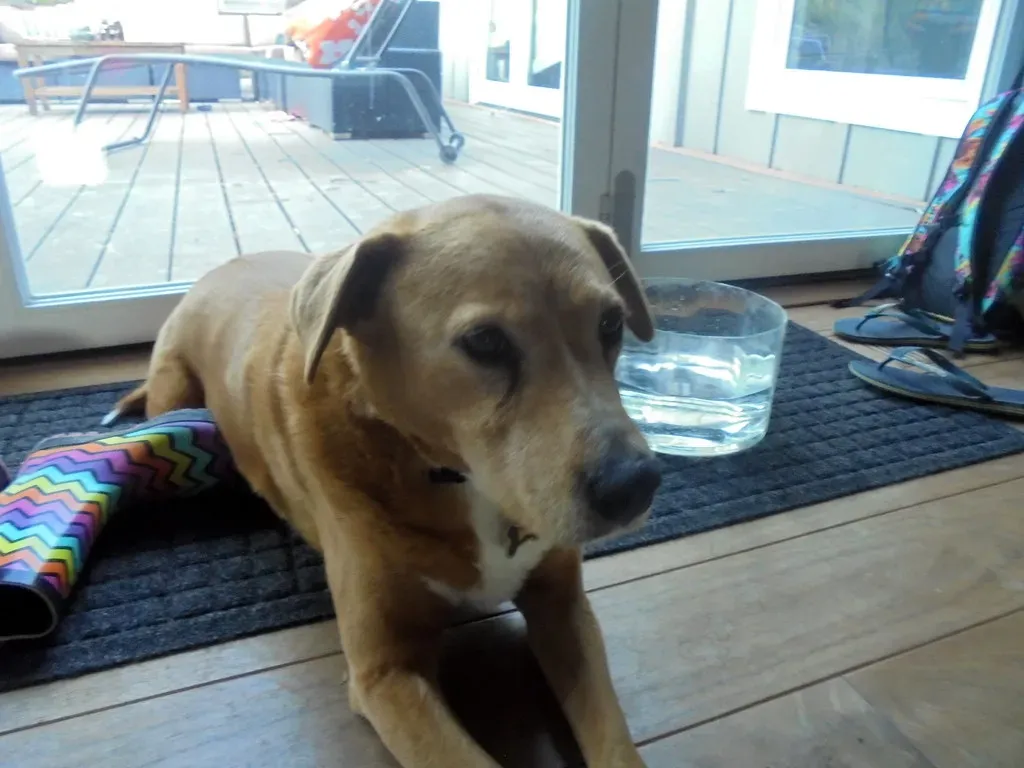
Let’s switch gears for a second because honestly, not every behavior has a deeply emotional explanation. Dogs are highly sensitive to airflow and temperature, and facing a doorway or open area can bring cooler air or allow them to pick up household scents more easily. It’s not always about protection – sometimes it’s simply the most comfortable or sensory-rich spot in the room.
For some dogs, sleeping by the door isn’t about protection – it’s about getting the best airflow. Doors often lead to cooler areas of the house, providing a nice breeze or an escape from stuffy corners. If your dog tends to overheat easily, they may prefer resting near the door simply because it’s more comfortable. My own dog does this in summer, sprawling by the bedroom door where the hallway fan creates a draft. It’s practical, not profound.
Dogs have an incredible sense of hearing, picking up on sounds that humans will never notice. They might hear distant footsteps, a door creaking, or even subtle vibrations that alert them to movement outside. Sleeping near the door allows them to be in the best position to react to these sounds, whether it’s a family member arriving home or a squirrel scurrying outside. While you might think they’re just peacefully dozing, their ears are constantly tuned in, ensuring they’re ready for whatever comes next – even if you never hear it yourself. So yes, protection plays a role, but so does strategic positioning for maximum sensory input and comfort.
Conclusion
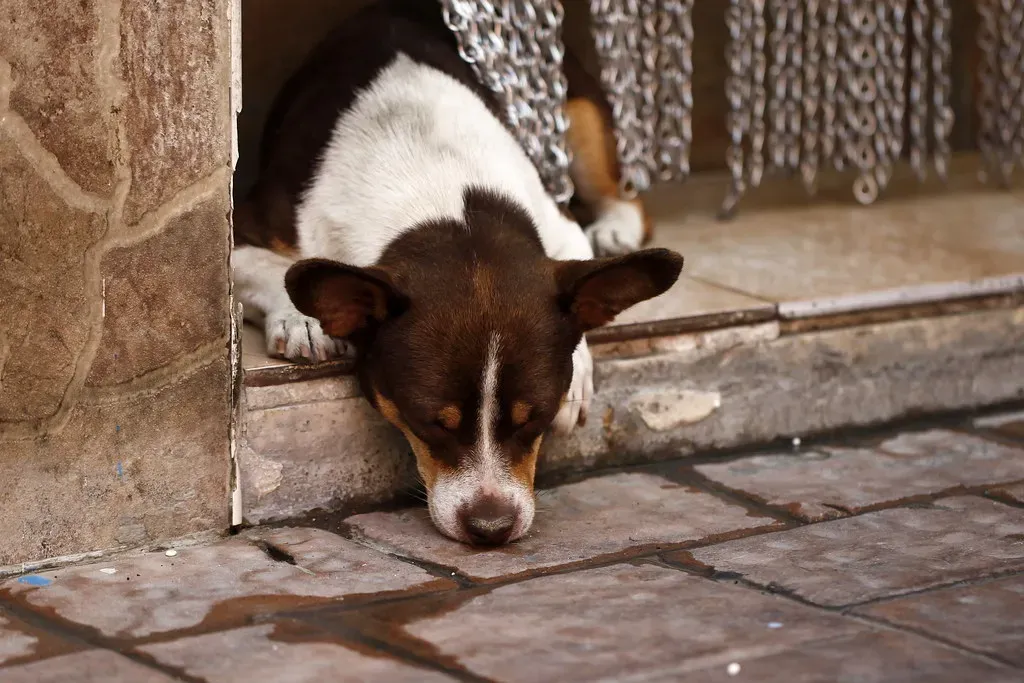
It’s a good sign if your dog can rest deeply and change sleeping positions or locations freely – this usually shows a level of confidence and comfort in their surroundings. It means they trust their environment and their human companions to keep them safe. When your dog sleeps facing the door, they’re offering you something precious: their vigilance, their protection, and their unwavering loyalty.
It’s a behavior woven from ancient instincts, territorial awareness, sensory optimization, and genuine devotion. Every snooze facing that doorway is a quiet promise: “I’ve got your back.” Whether they’re standing guard against imaginary intruders or just enjoying the breeze, that position represents the beautiful, complex bond between you and your four-legged companion. So what do you think? Does your dog do this too, or have you noticed other quirky sleeping habits? Share your experiences in the comments below.


