
Picture this: you’ve just walked through the front door after a long day, and before you can even set down your bag, your dog is spinning in circles, jumping on you, barking at nothing, and generally acting like the world is ending. You’ve tried treats, you’ve tried scolding, you’ve tried everything the internet suggested. Nothing sticks.
Here’s the thing most dog owners don’t realize: a truly calm dog isn’t the result of perfect treat timing or a magic product you order online. Calm is a state dogs learn to live in, and it’s built through a handful of deeply practical, consistent habits. The secret isn’t complicated at all. It’s just not what most people expect.
Your Dog’s Behavior Is Telling You Something
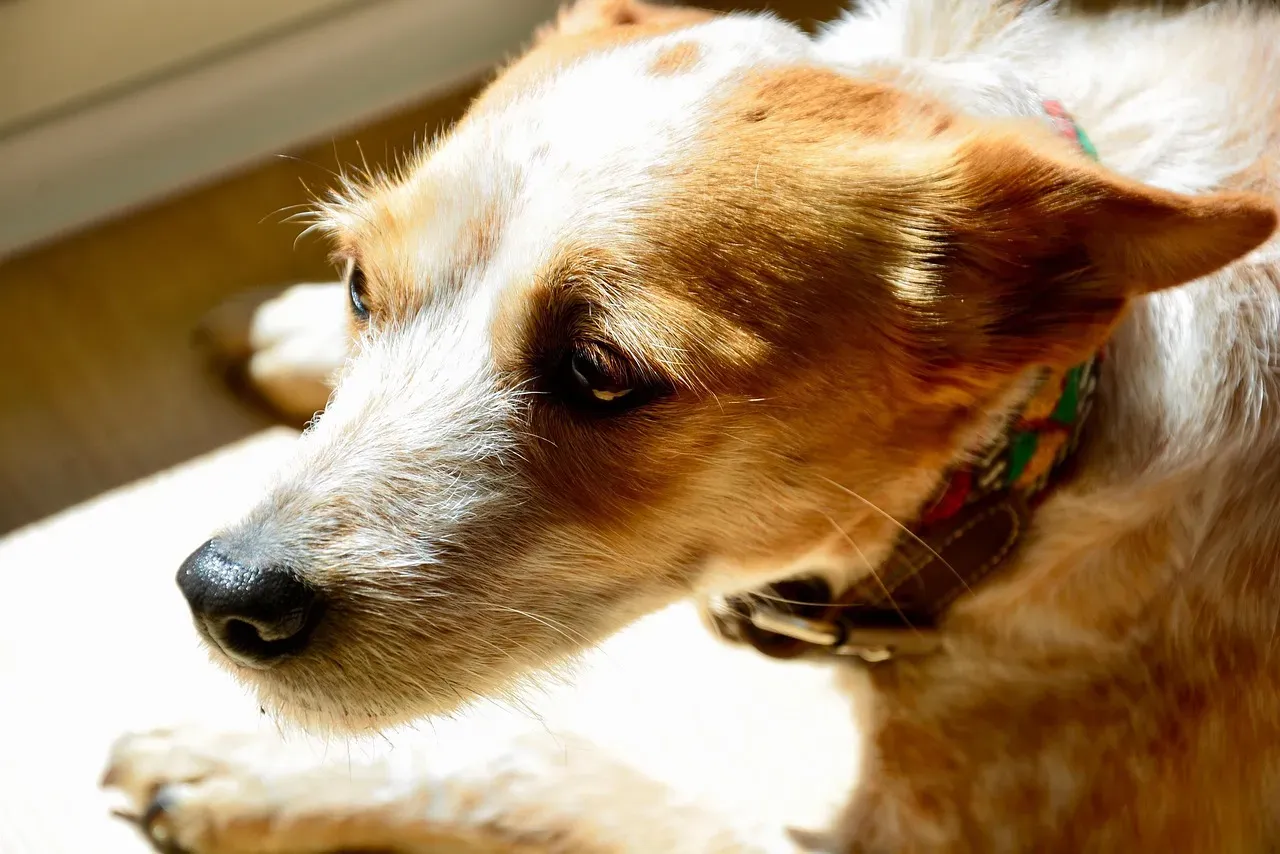
Anxiety in dogs can be caused by anything from separation anxiety and fear of loud noises to changes in routine and environment. Before you can solve the puzzle, you need to read the clues. Dogs are surprisingly transparent communicators once you know what to look for.
The signs of anxiety in dogs are often subtle and can easily be misinterpreted unless the full context is understood. Pacing or shaking are two of the most overlooked signals. Whining or barking, while normal self-expression in dogs, may be intensified when they are under stress. Other common cues include excessive yawning, lip licking, tucked tails, and flattened ears. Learn to read dog body language so you can spot the first signs of stress, such as lip licking or pulled back ears. The earlier you catch these signals, the easier it is to help your dog before the anxiety snowballs into full-blown panic.
Anxiety can manifest itself in multiple ways, from whining and barking to shivering and whimpering. You may also find that your dog becomes destructive or hostile when anxious. Over time, they may lose their appetite and become completely withdrawn if the anxiety is not addressed. If your once-playful pup has suddenly become withdrawn or started chewing through baseboards, anxiety could be the reason, not bad behavior.
The Power of Routine: Why Predictability Is Everything
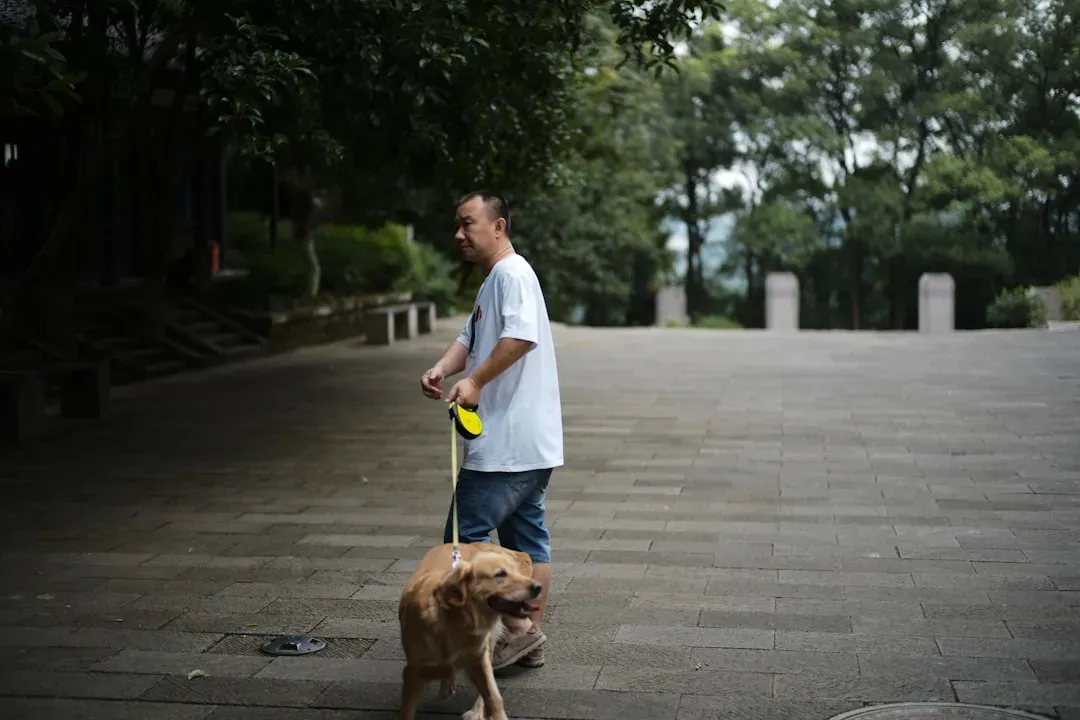
It’s essential to establish a routine for your dog so they feel comfortable and secure. Dogs are creatures of habit and thrive on predictability and structure. This sounds almost too simple, and yet it’s one of the most powerful tools available to any dog owner.
Feeding times, exercise times, playtimes, and sleep times are all part of a routine. Stay consistent as much as possible so your dog doesn’t get confused or stressed. Small changes in a schedule can trigger stress. Think about it from your dog’s perspective. They can’t read a calendar. What they can do is feel the rhythm of a predictable day, and that rhythm tells them that everything is okay. Establishing a consistent daily schedule for feeding, walking, and playtime helps provide a sense of security for your dog. When your dog knows what to expect and when to expect it, they are less likely to feel anxious. Consistent routines also help reinforce good behavior and provide structure, making your dog feel more stable and less stressed.
Exercise Is Not Optional – It’s the Foundation
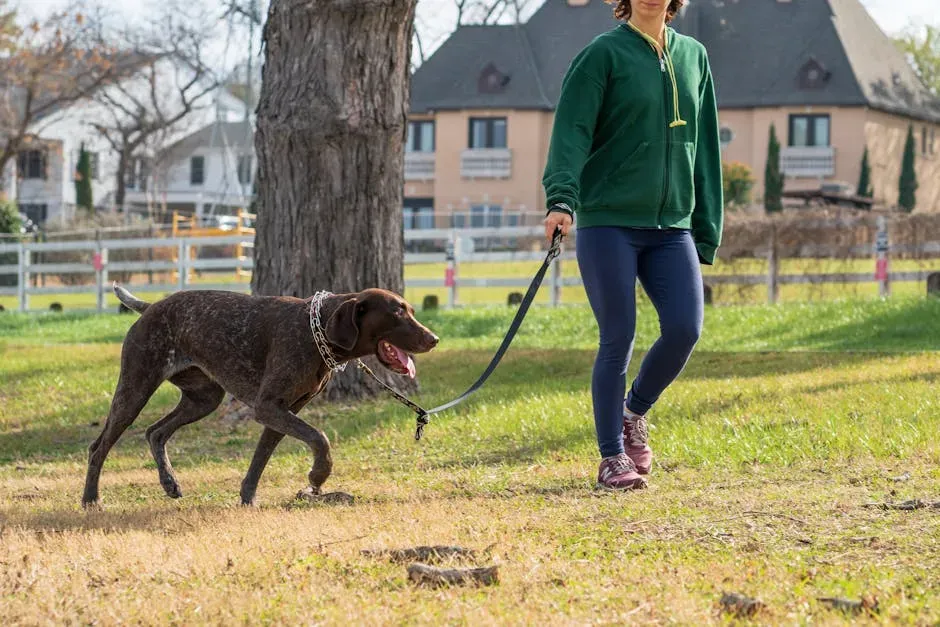
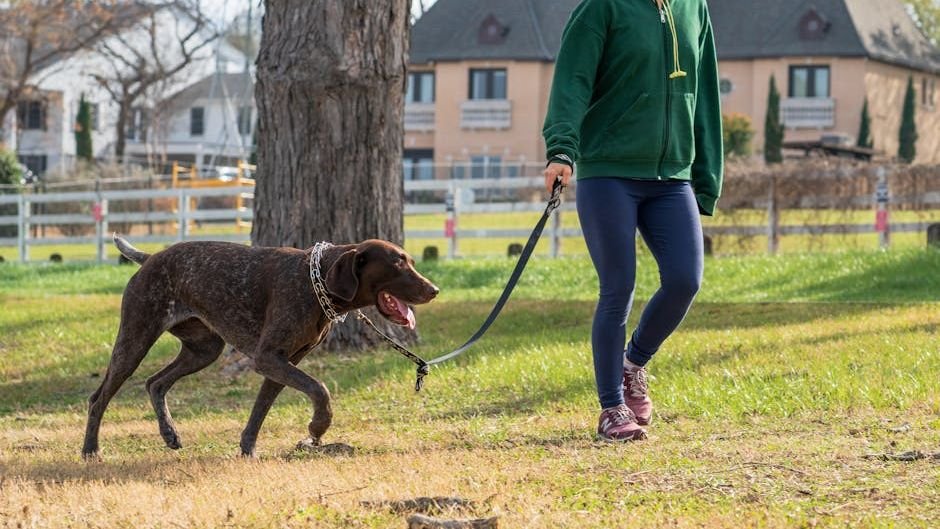
Playtime and exercise are essential for a dog’s mental and physical health. In addition to burning off excess energy, regular exercise releases endorphins, which reduce anxiety and stress in dogs. Most restless or hyperactive dogs aren’t misbehaving. They’re simply full of energy that has nowhere to go.
Lack of exercise can lead to excess energy which can translate to hyperactivity at home, so it’s important to ensure that you’re providing your dog with adequate exercise and mental stimulation – particularly energetic breeds may appear hyperactive if they don’t get the exercise they need. The amount of exercise your dog needs depends a lot on breed and age. While sheepdogs may need at least two hours of exercise a day to keep them calm, miniature breeds and senior dogs could be content with just half an hour of play. The key is understanding your individual dog’s needs rather than applying a one-size-fits-all approach. You and your pup can enjoy many activities together, like walking, playing fetch, tug-of-war, or running around the backyard. Participating in these activities with your dog will benefit them not only physically, but also mentally.
Mental Stimulation: The Missing Piece Most Owners Skip
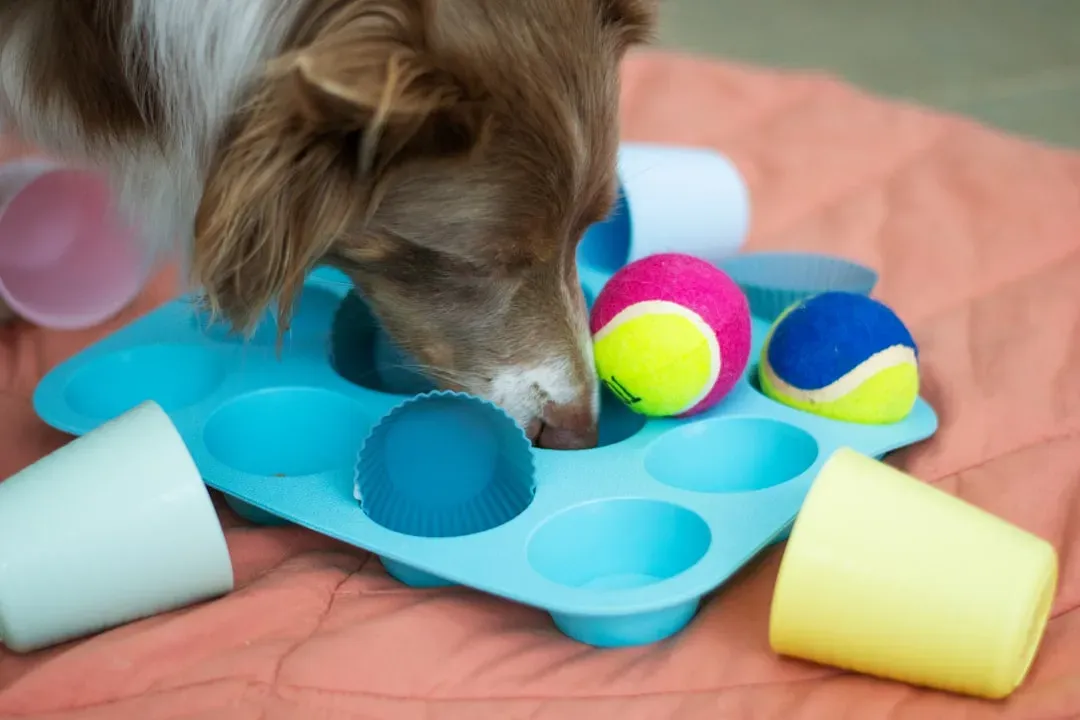
Most people focus only on physical exercise, but mental stimulation is just as important for learning how to calm a hyperactive dog. A mentally tired dog is a calm dog. This is the piece that so many well-meaning dog owners miss entirely, and it changes everything once they add it in.
Food puzzle toys make mealtime last longer and engage your dog’s problem-solving skills. Instead of gulping down food in 30 seconds, your dog has to work for 10 to 15 minutes to get the same meal. That’s genuine cognitive work, and it’s exhausting in the best possible way. Linked to lack of exercise, boredom can also cause a dog to be hyperactive if they don’t get enough mental stimulation. Training exercises as well as puzzle and interactive toys, and opportunities for ‘sniffy time’ can help to keep their minds engaged. Scent work in particular taps into a dog’s most dominant sense. Even a simple game of hiding kibble around the yard can tire a dog out faster than a long run. This is one of the reasons experts encourage thinking exploration, not just exercise. It combines a physical workout with multiple other sources of enrichment, resulting in a happier and more relaxed dog.
Creating a Safe Space Your Dog Can Always Return To
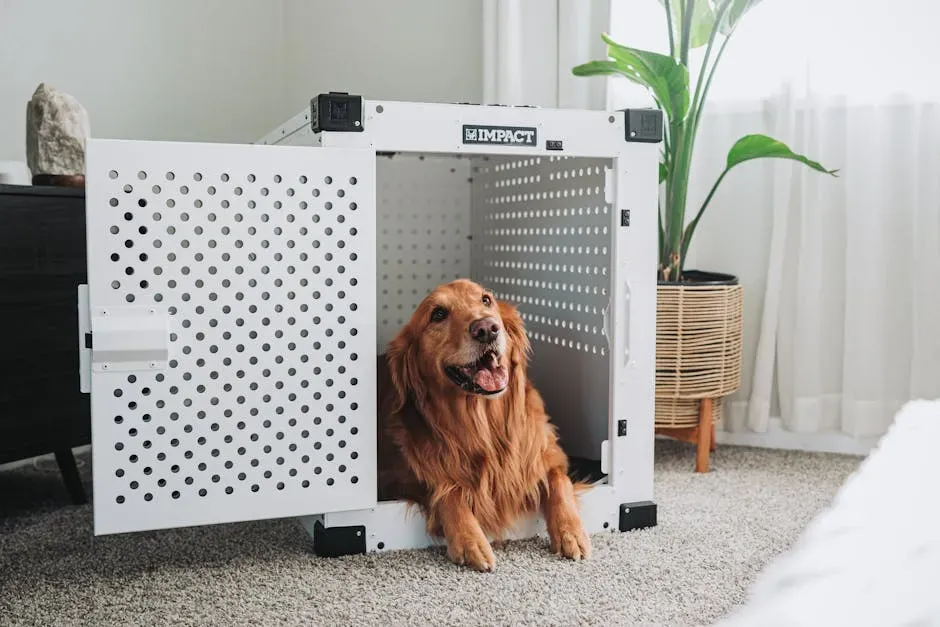
Dogs can only relax when they’re given time and space to relax. Create a ‘safe space’ for them that they can retreat to when they want to rest, or when they’re feeling overwhelmed. When they’re there, allow them the time they need to rest and relax, and try not to disturb them as much as possible. This isn’t about isolating your dog. It’s about giving them a place that is entirely theirs.
Anxious dogs benefit from a safe place that they associate with positive things – treats, toys, or undisturbed rest. A dog bed or mat is perfect for this because it’s portable, meaning you can take that safety on the road. The mat can be used at the vet’s office, in the car, or at a friend’s home to help your dog feel calm and secure. Over time, this becomes an anchor. Your dog learns that this one specific spot means relief, safety, and peace. It is also important to provide your dog with a safe place in the home where they can escape stimuli that trigger a stress response. Combined with calming sounds, when dogs experience anxiety, music or white noise can help calm them down. This provides a soothing and calming environment, and it can naturally reduce their stress and anxiety levels. White noise or music can also drown out the unpredictable noises from thunderstorms or fireworks that trigger anxiety.
Training Builds Confidence, and Confidence Creates Calm
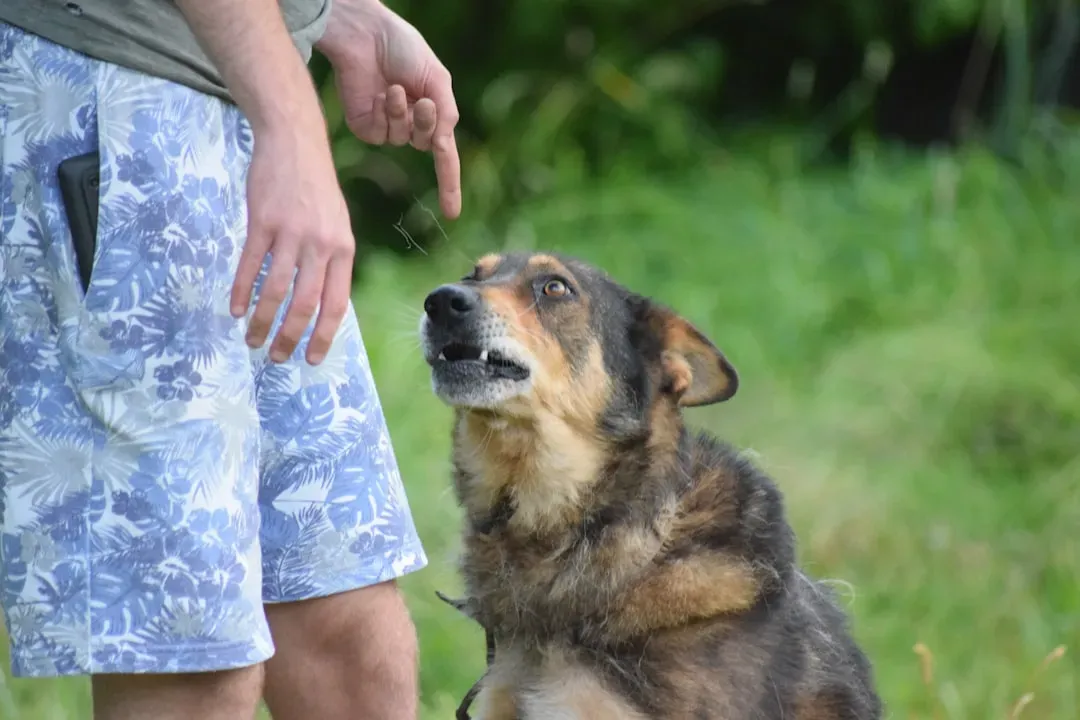
Training is a great way to reduce stress and anxiety. When your dog understands boundaries and knows what’s expected of them, they can feel more secure and confident. Regular training sessions also provide mental stimulation, which can be incredibly effective for calming anxious behaviors. Calm isn’t just about tired muscles or full bellies. It’s also about a dog who trusts themselves and trusts you.
Some dogs with anxiety may benefit from training to help build their confidence and develop the skills they need to cope with stressors. Short, positive training sessions, just ten to fifteen minutes a day, can do remarkable things for an anxious or reactive dog. Incorporating simple commands like “sit,” “stay,” and “relax” into your daily routine will not only improve your dog’s obedience, but it will also give them a structured environment that can help reduce their feelings of uncertainty. Plus, training is a fun bonding activity that can strengthen the trust between you and your dog. For dogs that have specific triggers, the purpose of counterconditioning is to change your dog’s response to the stimuli responsible for anxiety. With this training method, you’ll replace the anxious or aggressive behavior with a more desirable one, like sitting or focusing on the owner. Pair this consistently, and you’ll be amazed at how quickly a nervous dog can start finding their footing.
When to Call in the Professionals
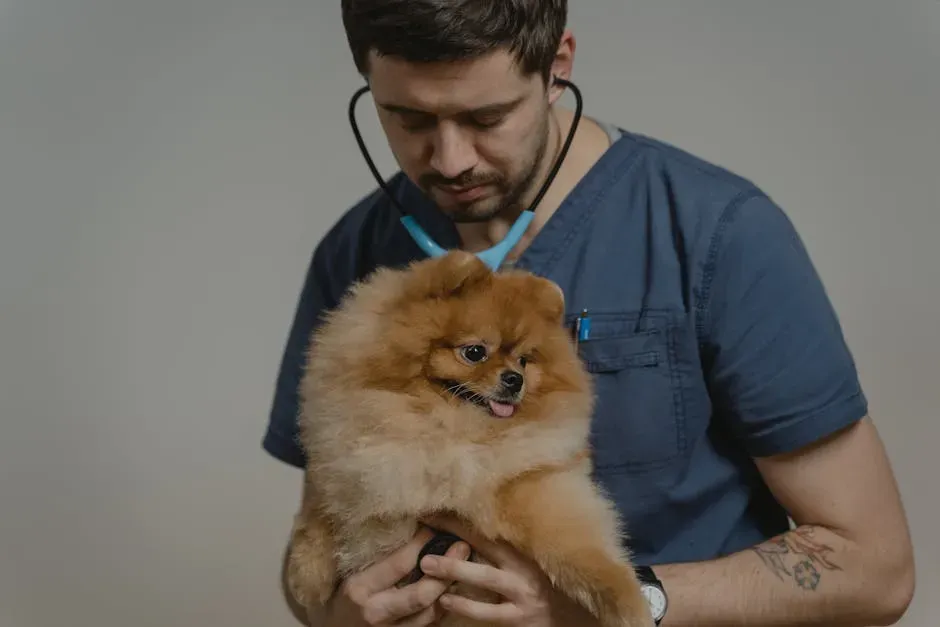
All of the above strategies are genuinely effective for most dogs. Still, there are situations where a dog’s anxiety runs deeper than routine and enrichment can reach on their own. Once medical ailments have been ruled out and the cause of the anxiety has been diagnosed, you can take the next steps to help calm your nervous dog. Anxiety in dogs is a complex issue, and one thing or product will not solve it.
Medical issues, pain, hormonal imbalances, or aging can contribute to anxiety. Your veterinarian can help rule out any underlying medical conditions before starting treatment. This step is worth taking seriously, particularly when anxiety appears suddenly in an adult dog with no clear trigger. Since excessive anxiety is often caused by a variety of factors, the best way to treat it’s usually through a combination of training, preventive strategies, and in some cases, medications. A veterinary behaviorist or a certified, fear-free trainer can offer a level of support that goes well beyond what any single article can provide. Good dog trainers use positive reinforcement to encourage the desired behaviors. Avoid trainers who use harsh, punitive methods such as yelling, jerking leashes, pinch collars, or shock collars. Your dog deserves a team in their corner, not just good intentions.
Conclusion: Calm Is Something You Build Together
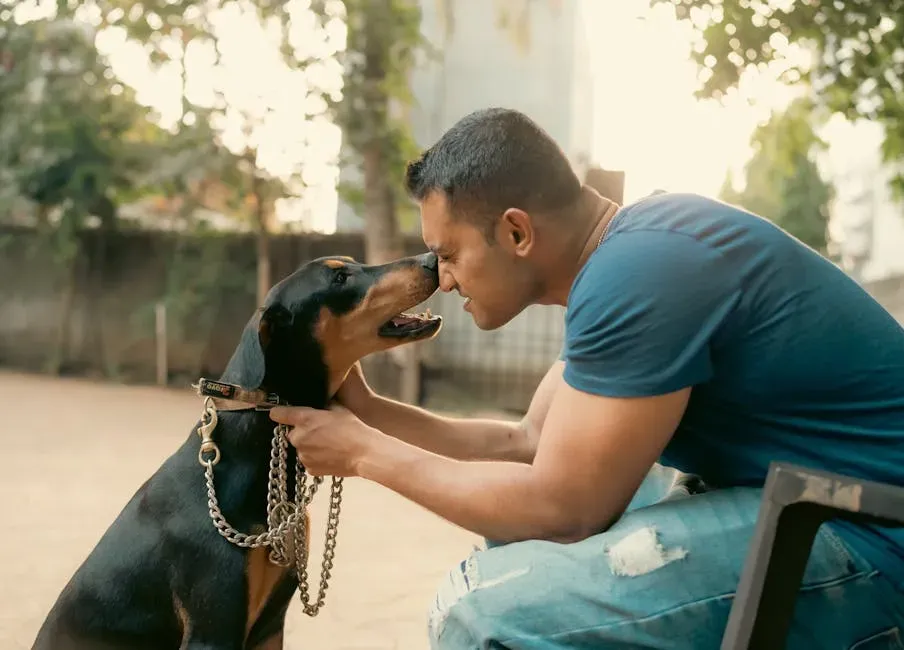
A calm dog isn’t a lucky accident, and it’s not something that comes in a bag of treats. Learning how to calm a hyperactive dog requires commitment, but the reward is a calmer, more balanced companion. Focus on four essentials: proper exercise, mental stimulation, consistent training, and a structured environment.
The beautiful part is that these habits don’t just benefit your dog. Regular walks, daily routines, training sessions, and quiet evenings spent together genuinely deepen the bond between you. At the end of the day, the goal is to help your dog feel relaxed, secure, and content. Just like humans, our canine companions need a balance of physical activity, mental stimulation, and emotional support to thrive.
Start small. Pick one thing from this article and try it consistently for a week. You might be surprised how quickly your dog responds, not to a treat, but to simply feeling understood.


