
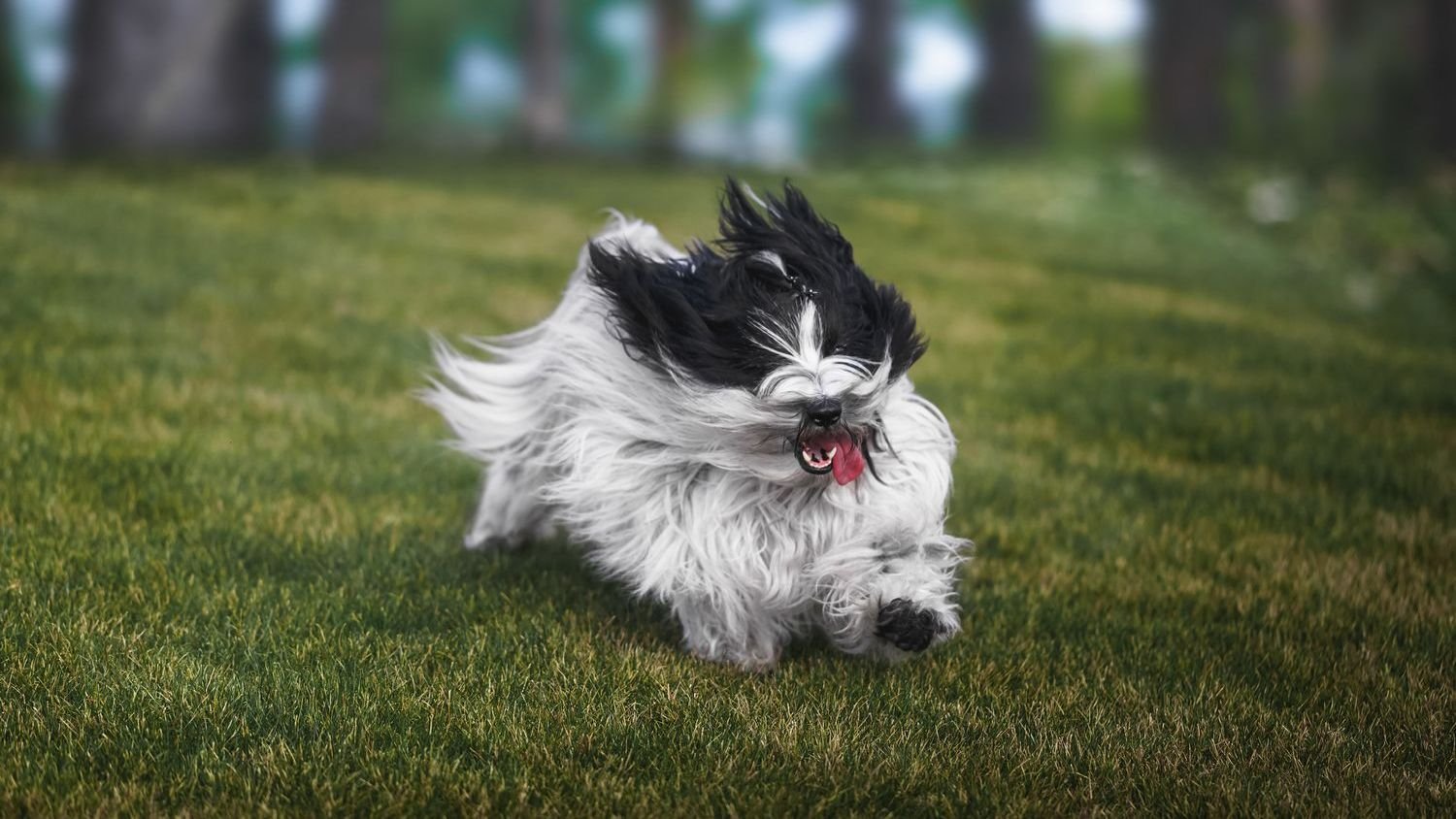
Picture this: you’re sitting on the couch, minding your business, when your dog suddenly launches off the floor like a furry rocket. Eyes wide, butt tucked, tongue flapping – they tear through the living room at full speed, lap after lap, like they’ve completely lost it. And then, just as quickly as it started? Done. They flop down, panting, looking absolutely pleased with themselves.
If you’ve seen this before, you already know the magic of the zoomies. It’s one of those moments that makes dog ownership genuinely unforgettable. But here’s the thing – those wild, chaotic laps aren’t just random silliness. Your dog is actually trying to tell you something very real about how they feel and what they need. Let’s dive in.
So, What Exactly Are the Zoomies?
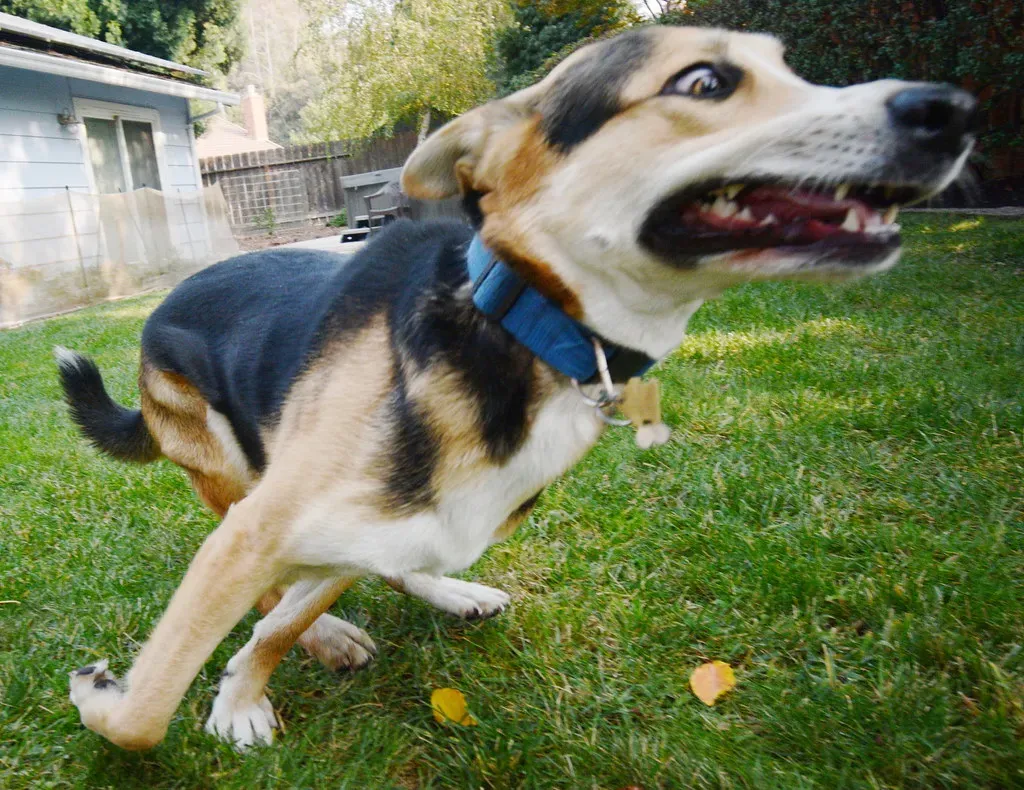
Most dog owners have a nickname for it – “the crazies,” “demon mode,” “turbo time” – but the scientific world has its own name for this behavior. This explosion of activity has many nicknames among dog owners, from “zoomies” and “crazy eights,” to “midnight madness” and “demon possession,” but the official scientific term for this behavior is frenetic random activity periods, or FRAPs. I love that even vets admit the “demon possession” nickname exists.
Zoomies, officially called Frenetic Random Activity Periods (FRAPs), describe sudden and intense energy bursts where dogs dash around erratically, often accompanied by playful leaps, wild turns, and wagging tails. Think of it like a pressure valve releasing – the energy has been building, and suddenly the valve pops.
The technical term for these sudden, energetic outbursts is “frenetic random activity period” (FRAP), and they can last anywhere from a few seconds to a few minutes. Short, intense, and completely glorious to watch.
What Your Dog Is Really Communicating Through the Zoomies
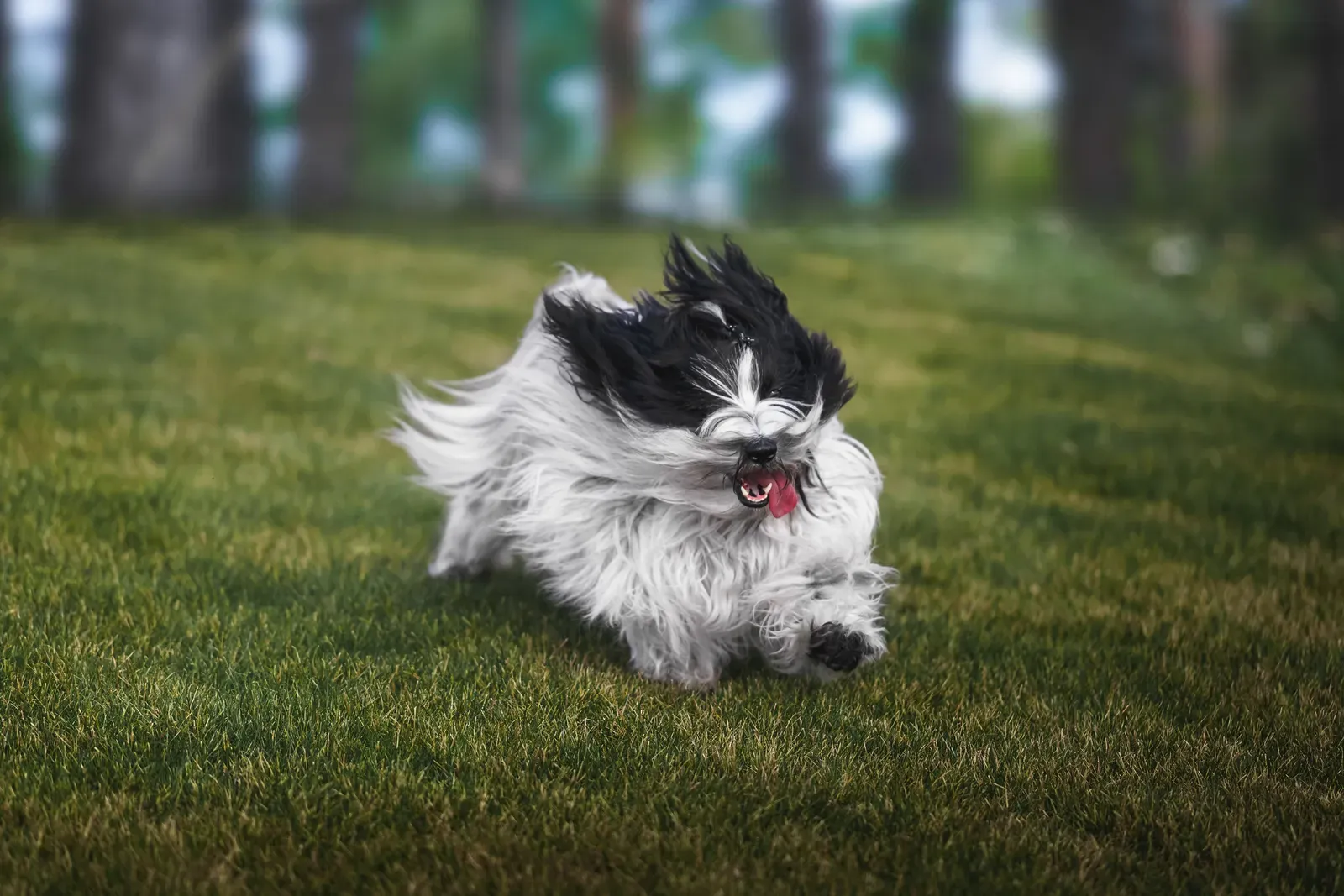
Here’s what I think a lot of dog owners miss: zoomies are not random nonsense. They are communication. FRAPs may be a rapid release of pent-up physical energy after a period of rest or confinement, and some ethologists suggest FRAPs express excitement, joy, or a positive arousal state – for instance, after greeting an owner or successful play.
They appear to be a way to release pent-up energy, or perhaps to alleviate stress. A dog who has been home alone all day with nothing to do may feel the need to zoom around the house or yard to expend some of that energy and get some relief from hours of under-stimulation. Sound familiar? That evening explosion after you get home from work is basically your dog saying, “Finally. I’ve been waiting ALL DAY.”
Zoomies are an outlet for pent-up energy, allowing dogs to express joy or release stress. They’re a natural behavior that highlights a happy dog with energy to spare. Honestly, it’s one of the most honest emotional expressions a dog can offer you.
The Triggers You Probably Haven’t Noticed Yet
Zoomies don’t always strike at random, even though they feel that way. Once you start paying attention, you’ll notice patterns. Moments of high arousal, like spotting the leash as you get ready for a walk or when you arrive home at the end of the day, can trigger a FRAP. Dashing around the house can help vent a dog’s remaining happy energy before settling down.
Many dogs have a “witching hour” between 5 and 8 p.m., which can coincide with mealtime, your arrival home from work, or even an early bedtime for very young pups. It’s not chaos – it’s a schedule, just written in canine language. It may have to do with their built-in biological rhythms, as dogs tend to have a burst of energy in the morning and in the evening, which probably has to do with hunting cycles.
Dogs getting the zoomies after a bath is a common and amusing ritual. While not all dogs experience post-bath zoomies, many dogs don’t particularly enjoy bath time and may find it uncomfortable or stressful. The post-bath sprint is basically your dog’s victory lap for surviving something they absolutely did not want to do.
Happy Zoomies vs. Stressed Zoomies – How to Tell the Difference
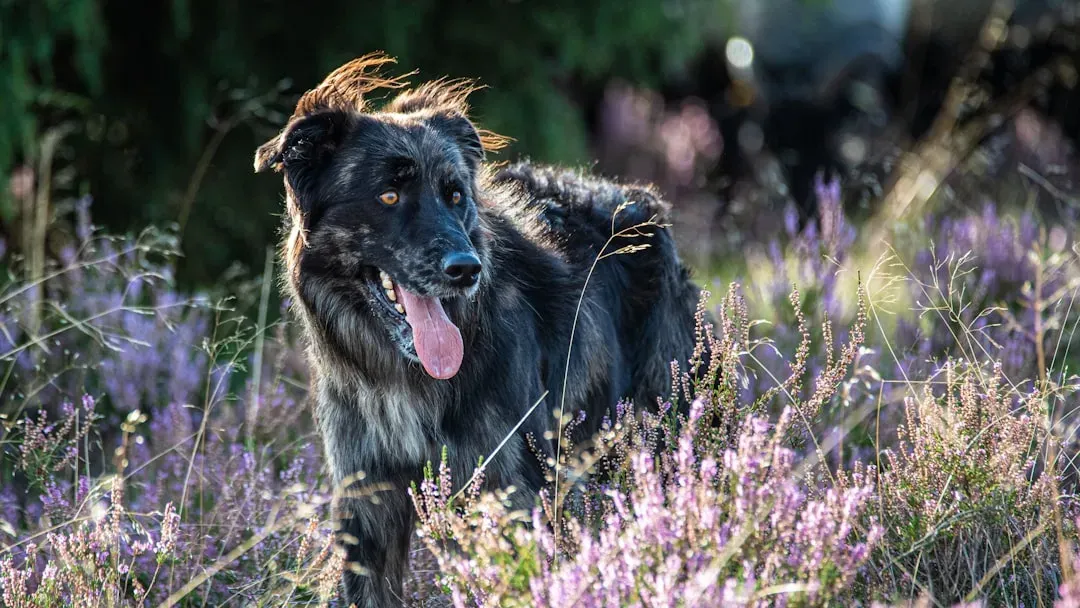
This is the part that really matters, and honestly, it’s something every dog owner should know. Not all zoomies carry the same message. Your dog’s posture during and after a FRAP episode will tell you if they are having fun or if they are upset. The body never lies.
A typical happy zooming dog will be loose and even wiggly, bouncing around you when they slow down. Your dog’s tongue might flap out, and they may play bow. That’s your dog living their best life. Meanwhile, a frightened dog will be more tense, with wide eyes and a tightly tucked tail that stays tucked to the belly even when stopping. They may also carry their head low with ears folded back submissively. A scared dog needs to be calmed down, since this kind of frenzy is not a happy one.
Dogs may also experience zoomies after a stressful situation, such as a visit to the vet or exposure to a new environment. Zoomies in this context help them relieve stress and regain a sense of normalcy, and signs of stress-induced zoomies include frantic movements and wide eyes. Learn to read those subtle cues, and you’ll understand your dog on a whole new level.
When Zoomies Are a Warning Sign You Shouldn’t Ignore
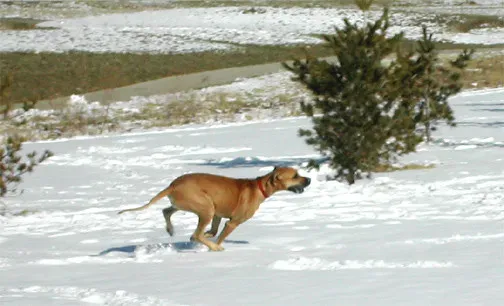
Let’s be real – zoomies are usually wonderful. But sometimes they’re your dog waving a tiny red flag. If your dog exhibits zoomies frequently or at inopportune times, such as when you are asleep, they may be telling you that they need more exercise and mental stimulation. Those midnight madness episodes? That’s a pretty clear message.
While zoomies are typically normal, some cases may warrant a closer look. If your dog has frequent zoomies that seem excessive, they might not be getting enough exercise or mental stimulation. If your dog limps or shows signs of pain after zoomies, they may have hurt themselves, and if zoomies seem obsessive and are accompanied by other unusual behaviors, it could indicate an underlying issue that a vet should evaluate.
Occasionally, zoomies could be triggered by a sharp but passing pain in the hind area. For example, pain from a flea bite or arthritis that’s acting up may spook your pup, who then runs to escape it. If the zoomies look more desperate than joyful, trust your gut and talk to your vet.
How to Channel the Zoomies Like a Pro
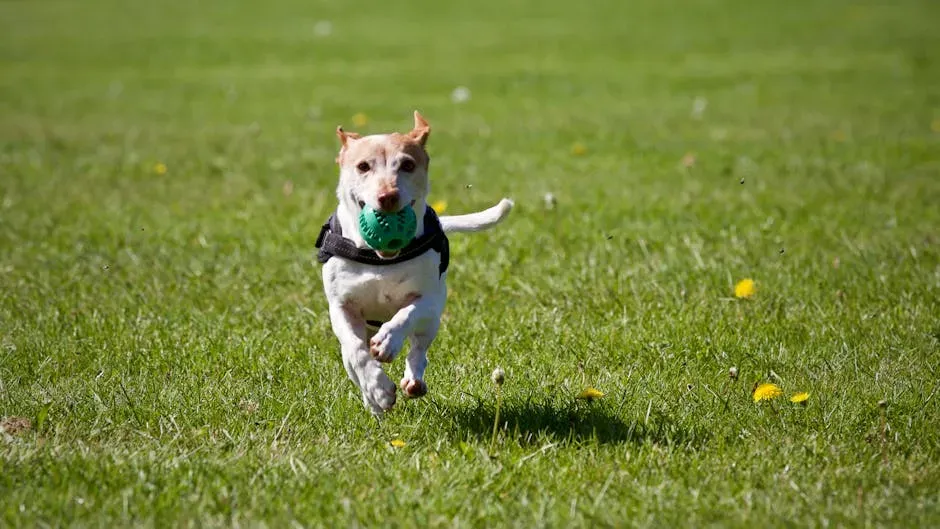
The goal is never to shut down the zoomies. The goal is to work with them. Keep your dog in an enclosed space when off-lead. The best footing for hard running is grass, but carpet and packed dirt are also good options. Hard floors, ice, and unstable footing such as gravel or sand increase the risk of the dog slipping or falling, which could result in an injury.
You can also shake up what they do for exercise. Add swimming or hiking to their repertoire. Scent work and additional training, including obedience and agility, are incredible for mental stimulation and satisfy a pet’s need to work. Think of mental exercise as equally important as physical activity – a tired brain makes for a calmer dog.
For a quick solution in the moment, scattering treats on the ground can help calm dogs, since simple nose work activities are naturally soothing. It shifts your dog’s entire focus in seconds. It’s like magic, and it works nearly every time.
Conclusion: Your Dog Is Talking – Are You Listening?
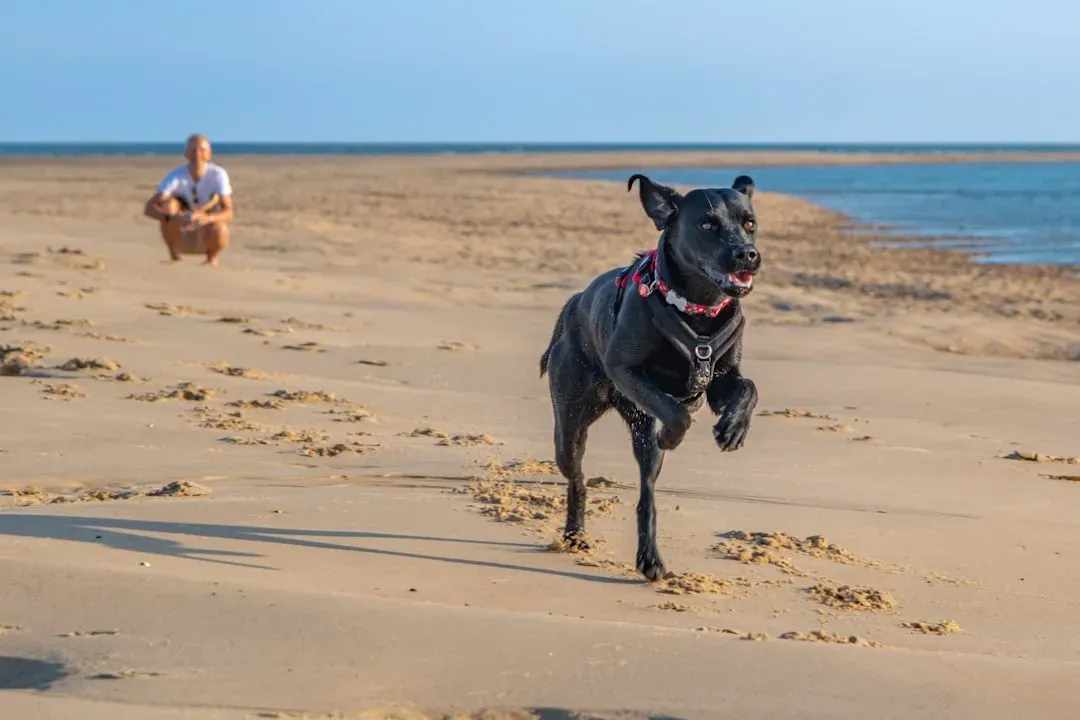
The zoomies are one of the most joyful, chaotic, and deeply honest things a dog can do. They’re not random. They’re not a malfunction. They’re a message – about energy, emotion, and the relationship between you and your dog. When you learn to read that message, everything changes.
Pay attention to when the zoomies happen, how your dog’s body looks during them, and how often they show up. Those details paint a clear picture of how balanced, happy, and well-stimulated your dog truly is. And if those zoomies are too frequent, too frantic, or happening at 3 a.m.? Your dog is practically handing you a to-do list.
There is something genuinely beautiful about a dog that feels safe and free enough to just… explode with joy. So next time your pup goes full tornado through the living room, smile – because that ridiculous, glorious chaos means they trust you. Now the real question is: what will you do with that information? Share your dog’s most epic zoomie moment in the comments – we’d love to hear it.


