
You’ve felt it countless times. That gentle, firm pressure against your leg. That insistent push of a warm nose under your hand. Maybe your dog leans their entire body weight into you while you’re cooking dinner, or presses their shoulder blade against your thigh when you sit on the couch. It seems sweet, maybe a little clingy, but here’s the thing: that shoulder nudge carries more emotional weight than you might realize.
Dogs speak to us constantly, but not with words. They whisper through body language, through movements that evolved over thousands of years of pack life and domestication. The shoulder nudge isn’t just cute. It’s profound. It’s a declaration that transcends simple attention-seeking. It’s your dog saying, in the clearest language they have, that you matter more than anything else in their world.
The Ancient Language Behind the Nudge
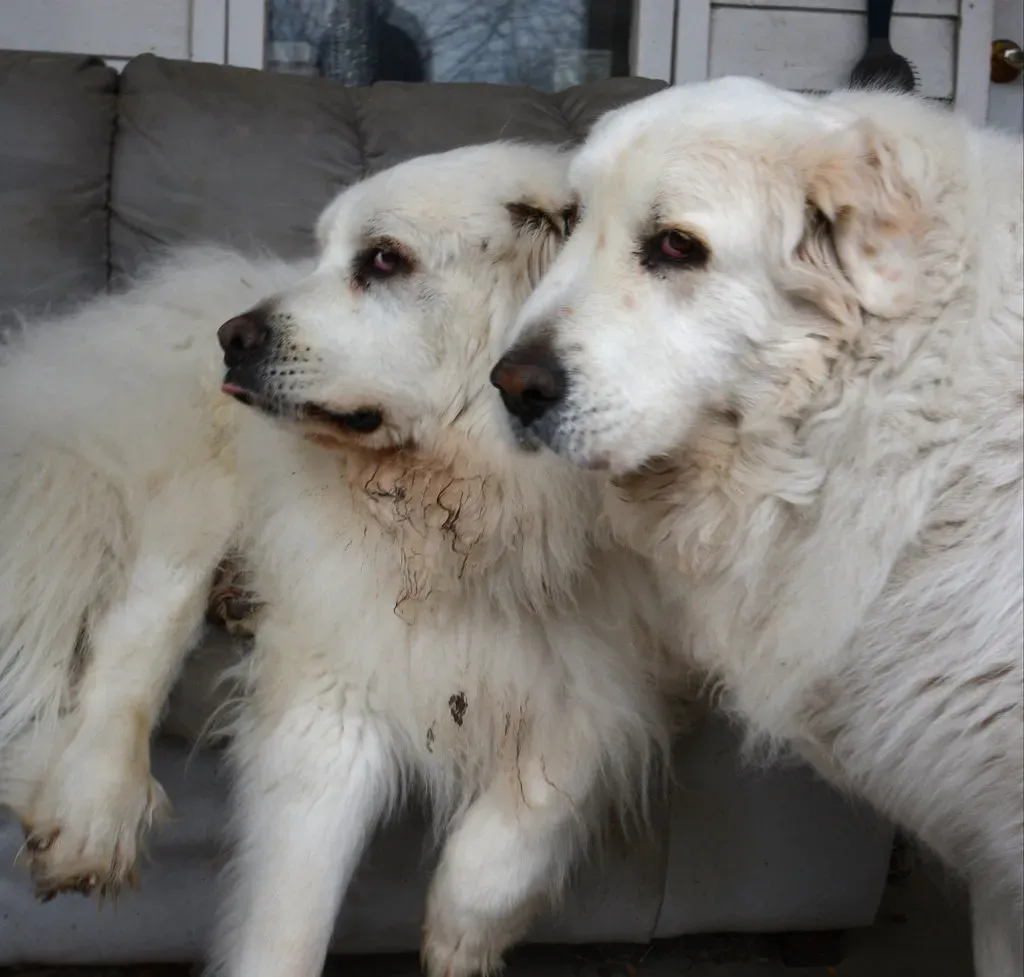
The shoulder or hip nudge functions as a pacifying behavior that signals friendliness, showing that the dog doesn’t intend to attack by directing its teeth away from you. Think about that for a moment. Your dog is deliberately turning their most vulnerable side toward you. This behavior also shows the dog trusts you.
A hip or shoulder nudge is a behavior where a dog nudges another with its hip or rear end, and dogs often use this behavior towards us during greeting ceremonies when we show them passive friendliness by crouching down to them. It’s not pushy or rude. Dog owners often think their dogs are pushy or impolite when they turn their backs to them, sometimes even pushing them, but nothing could be farther from the truth. This gesture has roots deep in canine social structure, observed in wolves and wild dog packs for centuries.
What Your Dog Is Really Saying
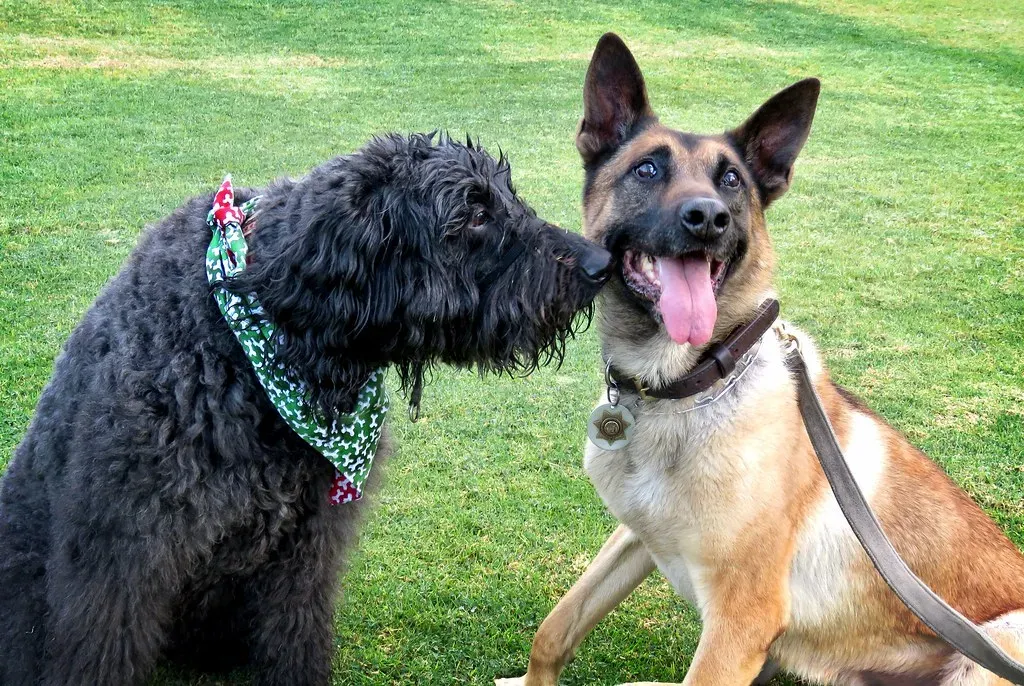
The main reason a dog will push its nose into a person’s arm or leg is to get their attention. But attention for what, exactly? That’s where understanding the full picture matters.
What dogs need attention for depends on where the dog is, what they’re focused on, and what their owner is doing; they may nose poke if they’re feeling hungry, need to go outside, or want to play, to be pet, or to move their owner to another location. The nudge is their polite way of saying: notice me, I need something from you. Honestly, compared to barking or scratching, it’s remarkably civilized.
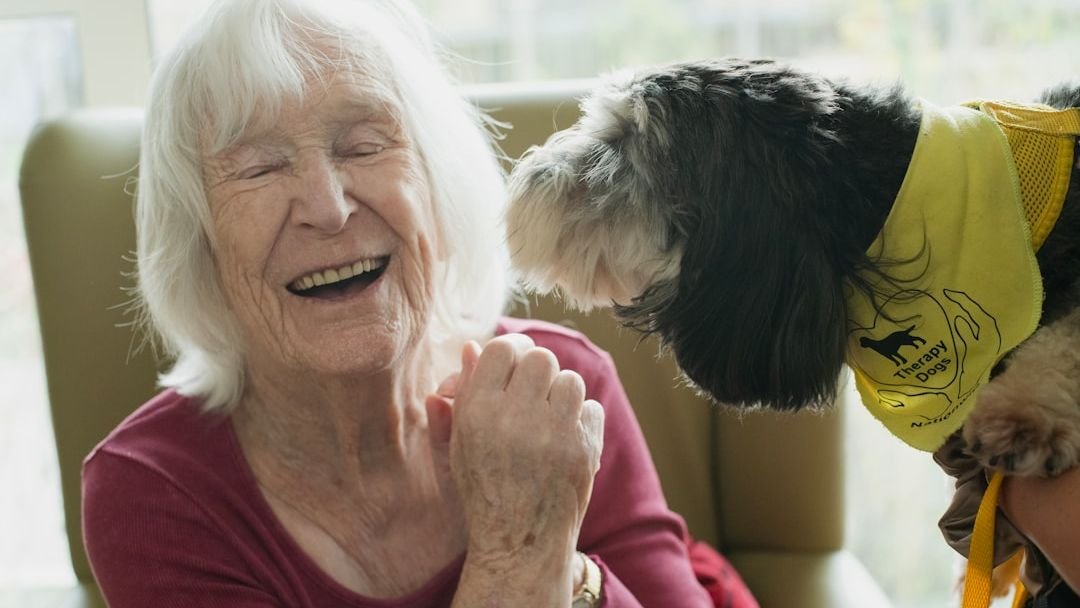
Nuzzling is a sign of affection and that they’re comfortable with you. Dogs have scent glands around their faces, and nuzzling can also be a way of marking you as “theirs.” Your dog isn’t just asking for something practical. They’re claiming you as part of their family unit, reinforcing that invisible bond that makes you theirs and them yours.
Trust, Comfort, and the Need for Connection
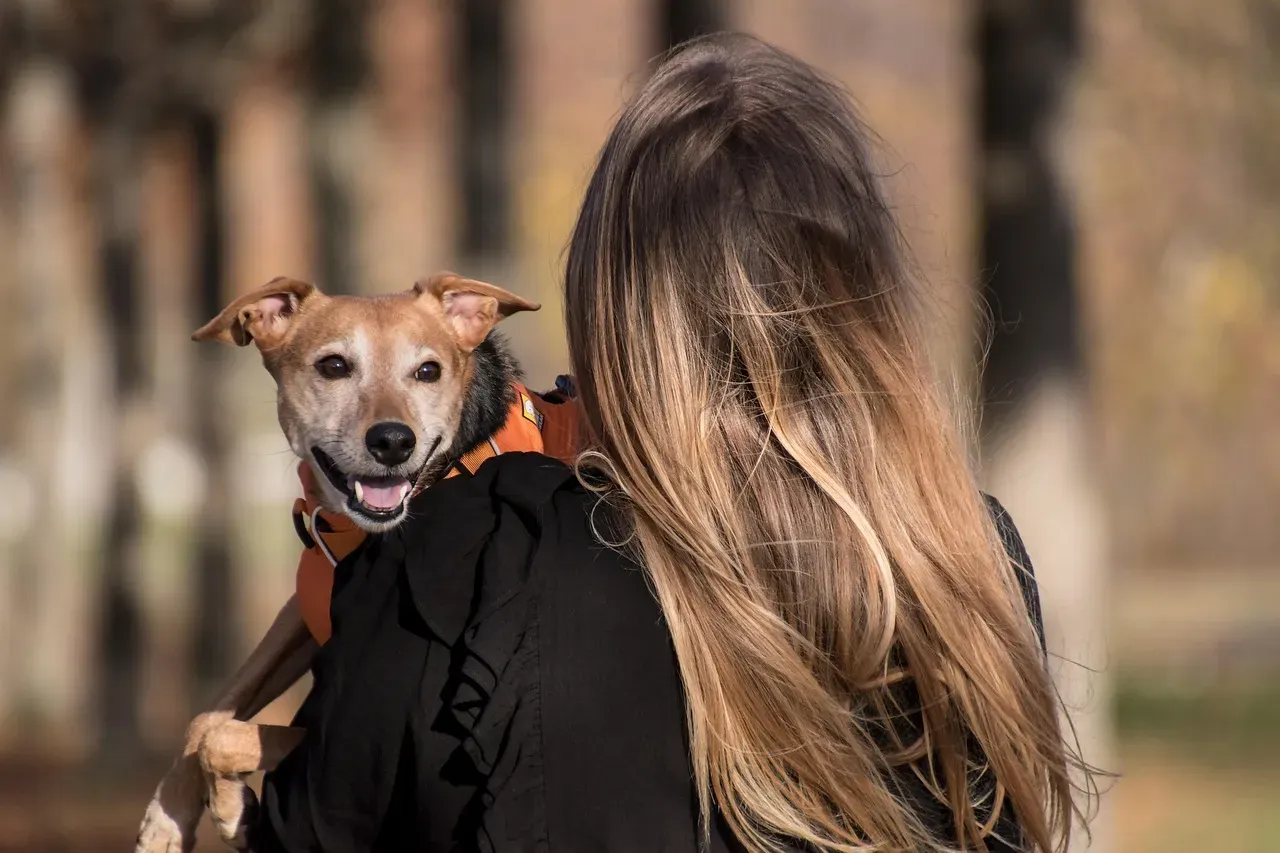
Physical behaviors like leaning against you, resting their head on you, and nudging you gently are comfort behaviors, not just affection. There’s a difference. When your dog leans their shoulder into your leg while you’re standing in the kitchen, they’re not necessarily begging for pets. They’re drawing strength from your presence.
Your dog pushes their body against you as a sign of trust, affection, and to seek social bonding or comfort through physical closeness. During uncertain moments, like when a stranger approaches or thunder rumbles outside, that nudge becomes more urgent. By pushing onto your shoulder or against you, your dog is seeking safety and assurance that you’ll protect them from whatever is troubling them.
Let’s be real: your dog sees you as their safe harbor. An emotionally attached dog sees you as their source of safety, comfort, and stability. That shoulder nudge? It’s them checking in, making sure you’re still there, still solid, still theirs.
When the Nudge Becomes a Demand
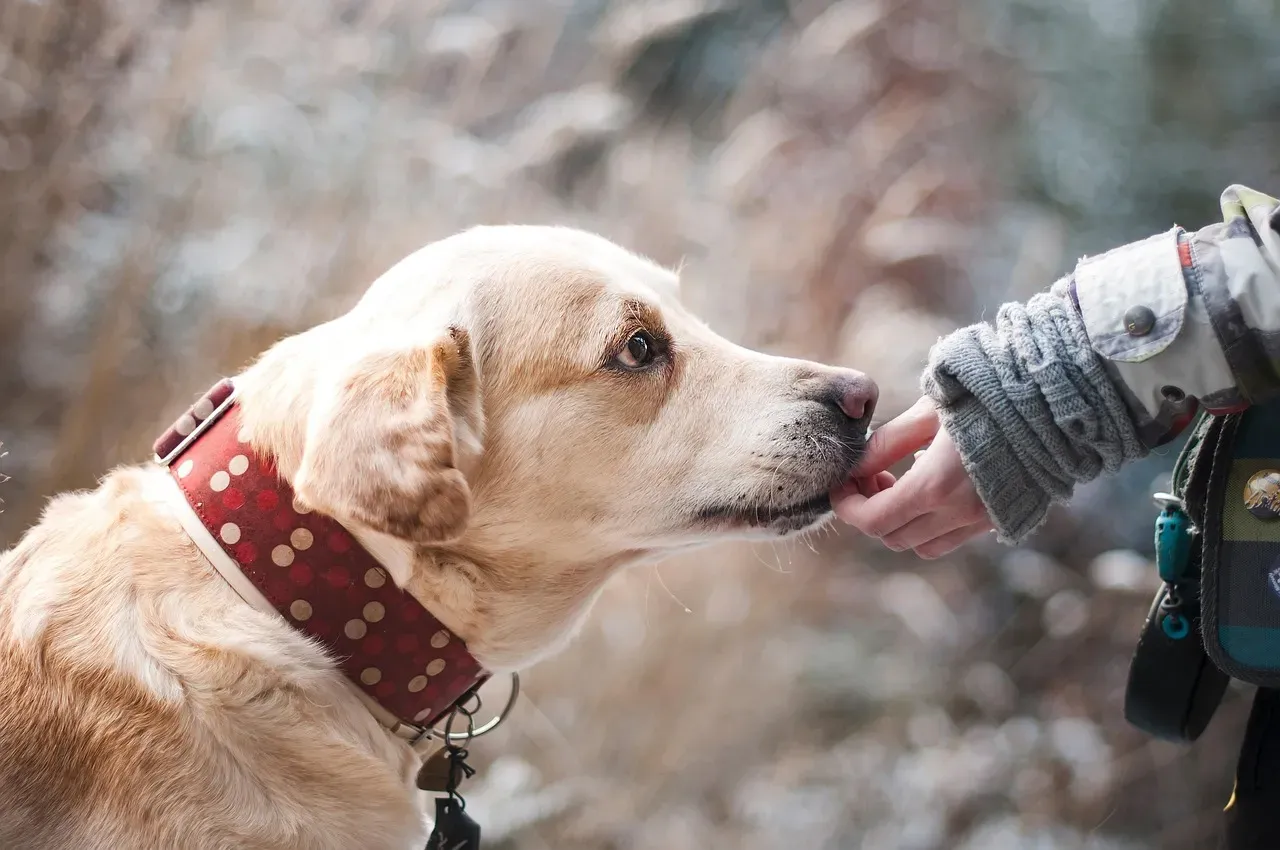
Here’s where things get tricky. Not all nudges are created equal. If a dog’s need is urgent, say they have to go out to pee, they may woof at you or nudge your arm to get your attention. You respond, the door opens, and their brain files that away: nudging works.
The current theory is that a dog uses pawing to communicate an unmet need, and as they age, dogs learn pawing is a useful communication tool because it usually results in pet parents tending to their dog. If you always give in, the nudge can escalate from a gentle request to a persistent demand. Some dogs nudge constantly, not out of anxiety, but because it’s been reinforced as the fastest route to what they want.
Attention-seeking behavior is any action a dog performs to get a human to notice them, including barking, whining, jumping, pawing, or mouthing, and anything that serves to capture your attention has the potential to become an attention-seeking nuisance behavior. It’s important to recognize the line between sweet connection and overbearing habit. You’re not a bad dog parent for setting boundaries.
Reading the Full Picture: Context Is Everything
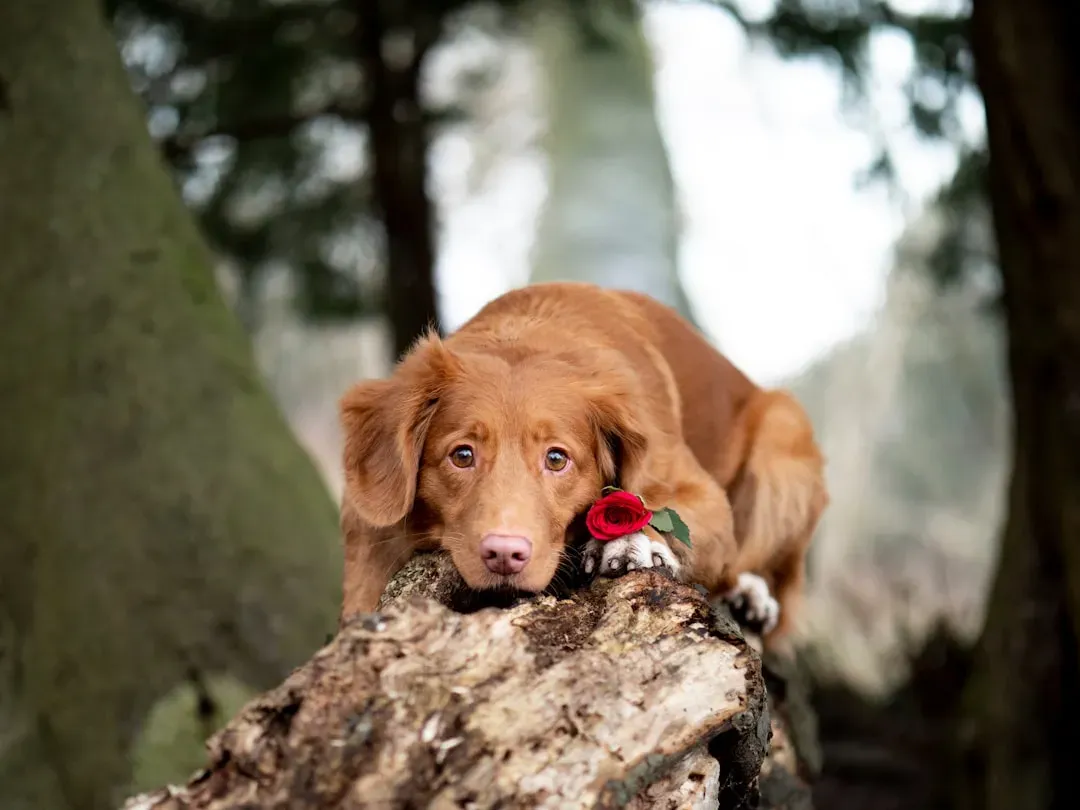
Dogs communicate their wants, needs, happiness, and fear primarily through body language. The nudge doesn’t exist in isolation. Watch your dog’s tail, their ears, the tension in their body. Understanding these signals helps prevent fear, stress, and bites while strengthening your bond.
A happy dog may seek attention from you by nudging you with their nose, pawing at you, or leaning against you, which is a sign that they feel safe and comfortable around you and want to be close to you. A relaxed body posture, soft eyes, maybe a gently wagging tail all point to affection. Conversely, if the nudge comes with pinned ears, a tucked tail, or whale eyes, your dog might be stressed or fearful.
Excessive nuzzling can sometimes indicate a problem, such as anxiety or discomfort, and if your dog’s nuzzling becomes persistent and is accompanied by signs of distress, it may be worth consulting a vet or animal behaviorist to address any underlying issues. Trust your instincts. If something feels off, dig deeper.
Responding the Right Way
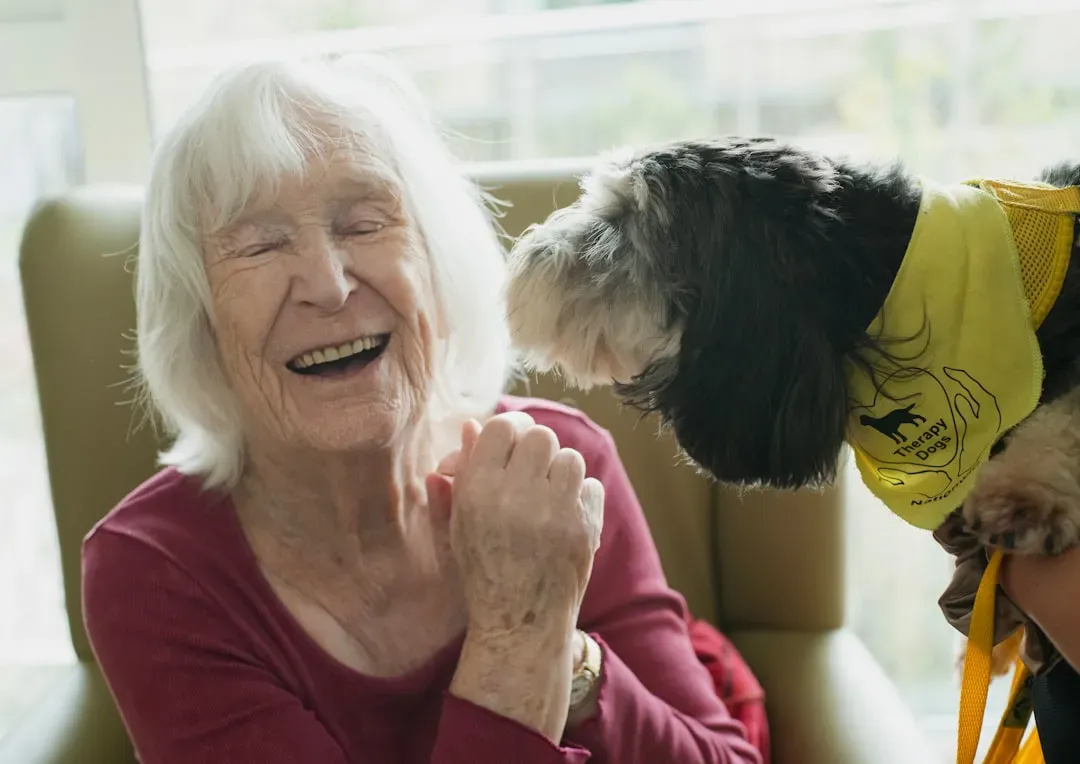
So how should you respond to the shoulder nudge? It depends. If your dog is seeking reassurance during a storm, absolutely lean into that moment. Provide a calming presence with gentle strokes or soothing words. Your dog needs to know you’re their anchor.
If the nudge is demanding attention while you’re working or eating, gently redirect them. Provide your dog with alternative behaviors by teaching them a more effective way to get what they want, then reward that alternative. Teach a “sit” or “go to your bed” cue. Once your dog learns that sitting gets their needs met, it can replace their pawing or nudging behavior.
Owners can help prevent attention-seeking by meeting all their dogs’ needs, including providing enough attention, and that should start from the first day you bring your puppy home. Regular play, mental stimulation, and quality time reduce the desperate nudges born from boredom. Give your dog what they need proactively, and the nudge becomes less frantic, more affectionate.
Cherishing the Message
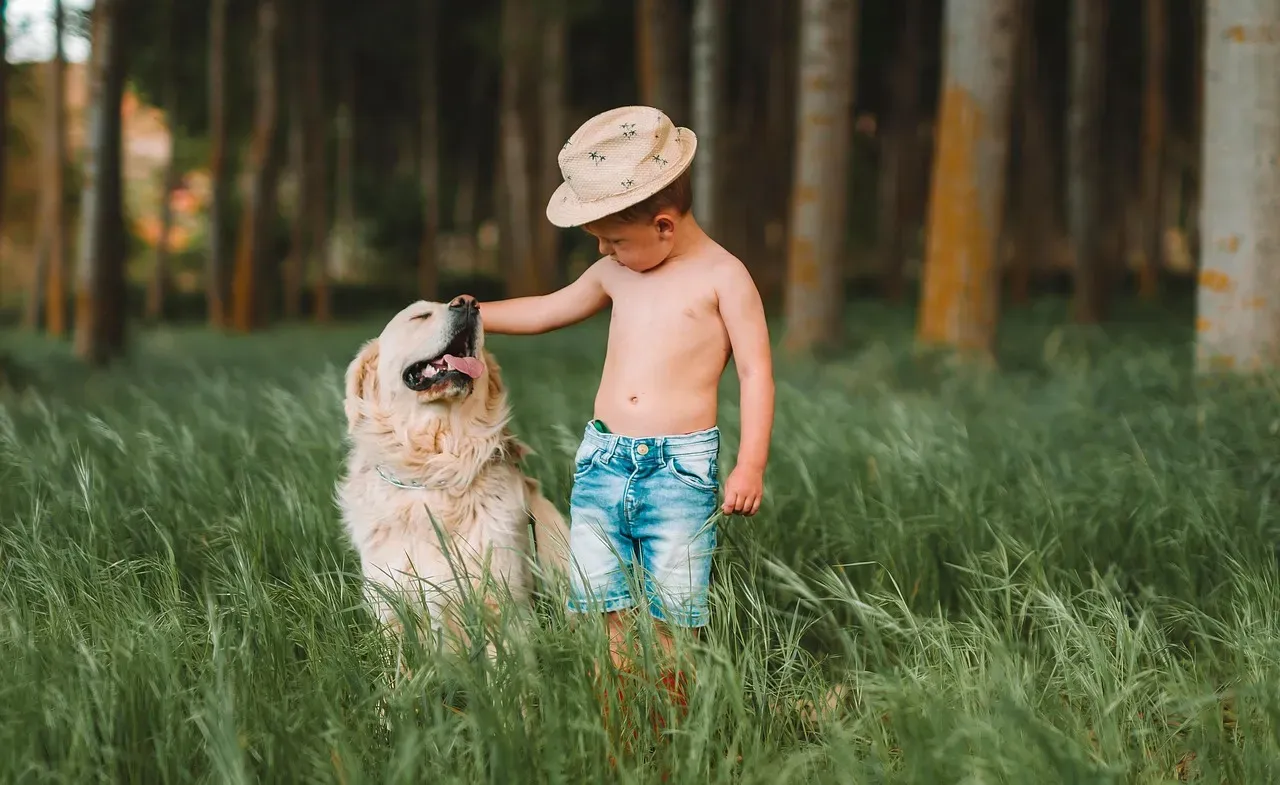
Whether it’s a lean, a bum nudge, or curling up with their back to you while sleeping, these physical contacts are statements of love and confidence in your presence, and embracing these signals enhances the mutual trust between pet and owner. Your dog could ignore you. They could curl up alone in another room. Instead, they choose you.
That shoulder nudge, that insistent press of warmth against your body, is a reminder. You’re not just a food dispenser or a door opener. You’re their person. Their anchor. Their safe place in a confusing, sometimes scary world. This behavior solidifies their bond with their human companions and serves as both a means of communication and a sign of affection, whether it’s a request for attention, a way of showing love, or a comforting gesture during times of stress.
Next time your dog leans into you, presses their shoulder against your leg, or nudges you gently with their nose, pause. Feel the weight of that trust. Recognize the profound simplicity of their message: I need you. Not just for food or walks or belly rubs. I need you because you’re mine, and I’m yours, and that’s everything.
What would your life look like without those nudges? Maybe a little quieter. Definitely a lot lonelier. What do you think, does your dog have a signature nudge that makes your heart melt every single time?


