
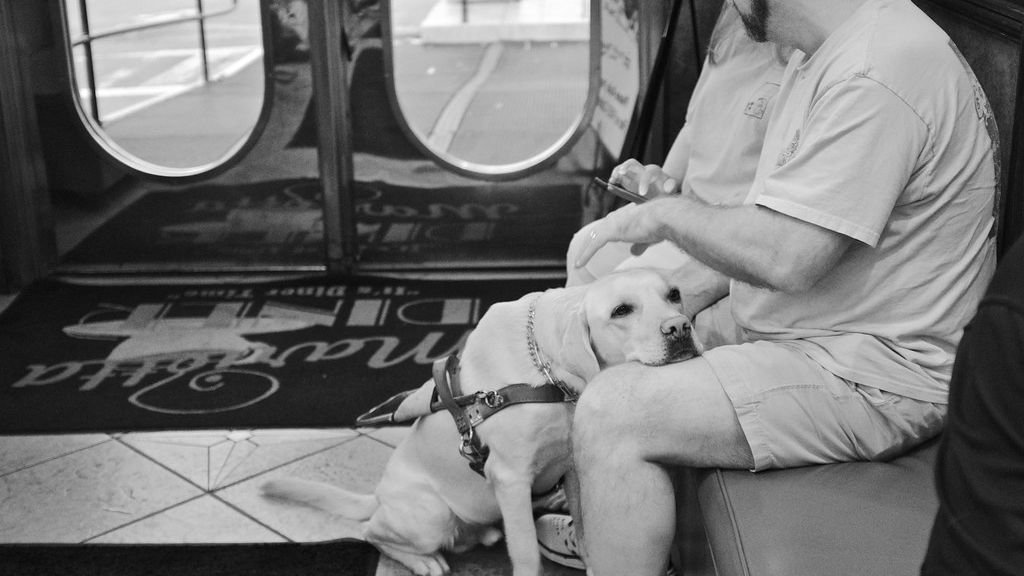
Have you ever noticed something extraordinary happening after a rough day? Maybe you raised your voice, maybe you had a meltdown, maybe you were simply sad and withdrawn. Then, quietly, your dog appears at your side. Not demanding attention, not jumping around like usual. Just there, pressing their warm body against your legs or hip with a gentle, steady weight. No fanfare, no dramatic gestures. Just presence.
This silent lean isn’t random. It’s not your dog being clumsy or trying to trip you. It’s one of the most profound forms of canine communication, and when it happens after you’ve been upset, it carries a weight far deeper than physical contact. Let’s explore what’s really happening in those tender moments when your dog becomes your anchor.
The Emotional Radar Your Dog Carries
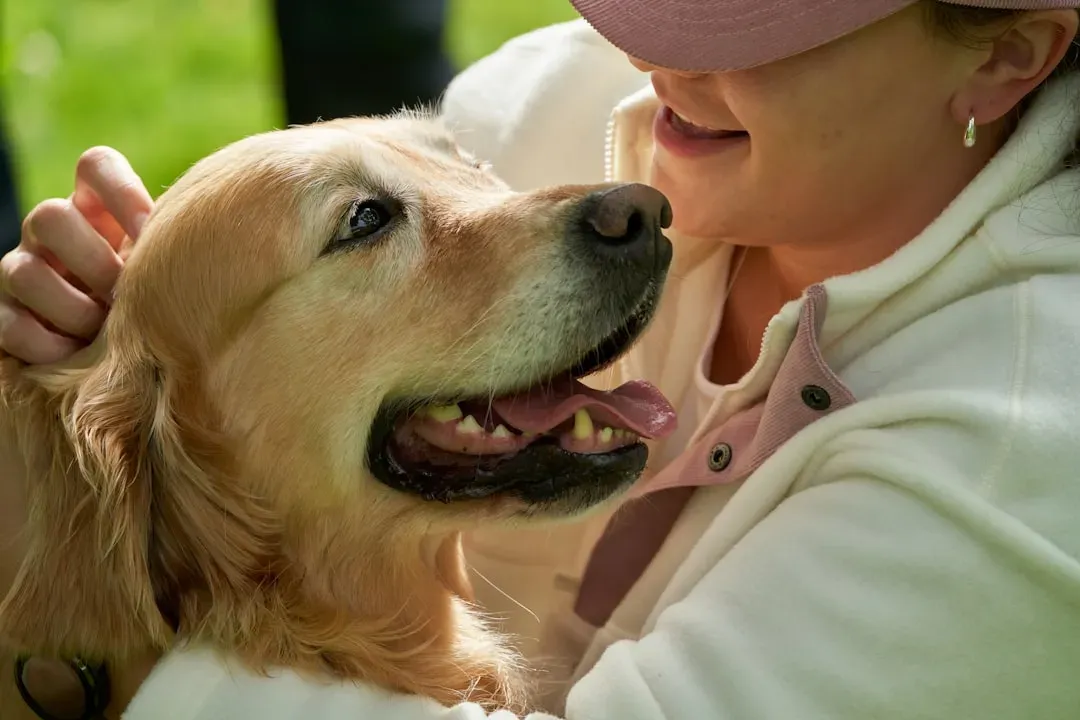
Dogs are remarkably attuned to human emotions and can sense a wide range of feelings including fear, happiness, anxiety, and stress through their keen observational skills, acute sense of smell, and ability to pick up on subtle changes in body language and vocal cues. Think about that for a second. Your dog isn’t just watching you, they’re reading you like a book written in a language they’ve spent thousands of years perfecting.
They use their acute sense of smell to detect hormonal changes in us, which helps them understand how we’re feeling, such as when we’re stressed and release cortisol. Your emotional state literally changes your scent profile. When you’re anxious or upset, your body chemistry shifts, and your dog’s nose picks up on these invisible signals before you’ve even fully processed what you’re feeling yourself.
Research found that dogs possess voice-processing regions in their temporal cortex that light up in response to vocal sounds, responding not just to any sound, but to the emotional tone of your voice. So when you’ve been upset, your dog has already logged the tension in your voice, the stiffness in your posture, and yes, even the subtle chemical markers of your distress.
Why The Lean Happens After Conflict or Sadness

When a dog feels quite uncomfortable they will seek security and assurance from their owner by leaning on them, with this close body contact being like you telling them everything will be all right. Here’s the thing though: sometimes your dog isn’t seeking reassurance because they’re scared. They’re offering it because you are.
If your dog is anxiety-prone or tense in certain situations, they may lean on you for both physical and emotional support. The reverse is equally true. After you’ve had an emotional outburst or a difficult moment, your dog recognizes the disruption in your usual energy. If your dog is afraid, he may lean against you to reassure himself that you’re there and that he’s safe, after all, he knows you do your best to keep him out of harm’s way.
When dogs lean their full weight against you, it signifies complete trust, meaning your dog sees you as a protector, and when they lean against you, it is the equivalent of a full-body hug. After tension or sadness, that lean becomes a bridge back to normalcy, a quiet declaration that says, “We’re still okay. I’m still here.”
The Science Behind Your Dog’s Silent Support
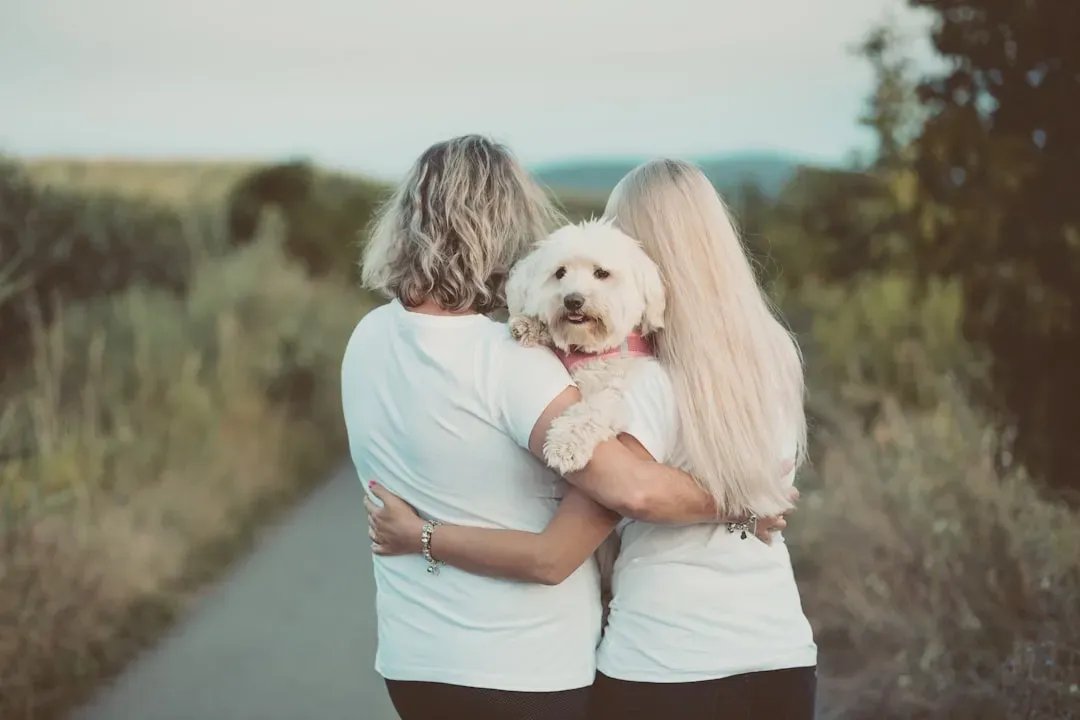
When dogs and humans make gentle eye contact, both partners experience a surge of oxytocin, often dubbed the love hormone, with one study showing that owners who held long mutual gazes with their dogs had significantly higher oxytocin levels afterwards, and so did their dogs. Physical contact amplifies this effect. The lean creates a feedback loop of bonding hormones that quite literally calms both of you down.
Researchers call this emotional contagion, a basic form of empathy where one individual mirrors another’s emotional state, with a 2019 study finding that some dog-human pairs had synchronised cardiac patterns during stressful times, with their heartbeats mirroring each other. It’s hard to wrap your head around, honestly. Your dog’s heart rate adjusts to yours. They’re not just emotionally connected to you, they’re physiologically synced.
This isn’t your dog being manipulative or needy. Research suggests that domestic dogs can obtain dog and human emotional information from both auditory and visual inputs, and integrate them into a coherent perception of emotion, with dogs having keen senses and being able to pick up on all kinds of cues from us, whether or not we even realize we are sending such cues.
What Your Dog Is Really Telling You
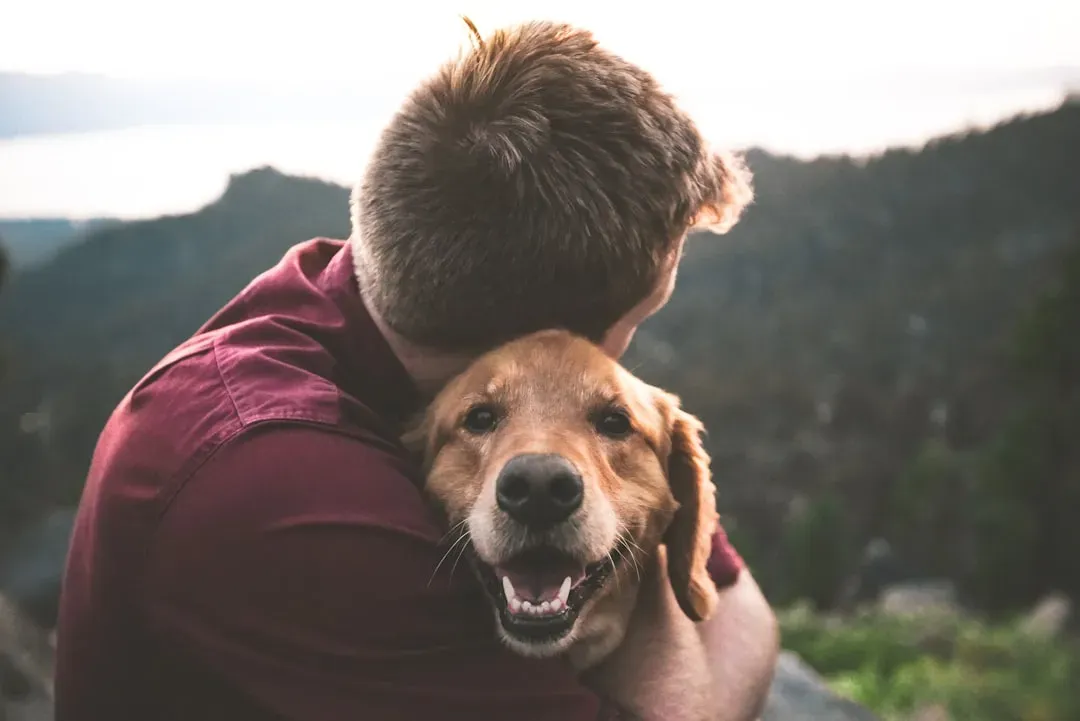
The most common reason for leaning is affection, with your dog loving you very much, thinking the sun rises and sets on your shoulders, and since he can’t talk, he has to show affection in other ways, with leaning being one of those ways as a sort of doggy hug. But after you’ve been upset, that lean takes on additional layers of meaning.
When dogs lean into you, they’re looking for closeness and security, with this behaviour often occurring when they’re seeking reassurance or simply enjoying the physical connection. After conflict or sadness, your dog is essentially saying several things at once: I’m here. You’re safe with me. We’re connected. Everything’s going to be okay.
Let’s be real: your dog doesn’t understand why you were upset about your work deadline or your argument with a friend. They do understand that something disrupted the peaceful energy of their favorite person, and their instinct is to restore that balance. Leaning is one of the ways dogs express their feelings, indicating trust, affection, and a need for reassurance, with dogs often seeking comfort and connection when they lean against you, much like how humans might reach out for a hug.
How to Respond to Your Dog’s Silent Apology
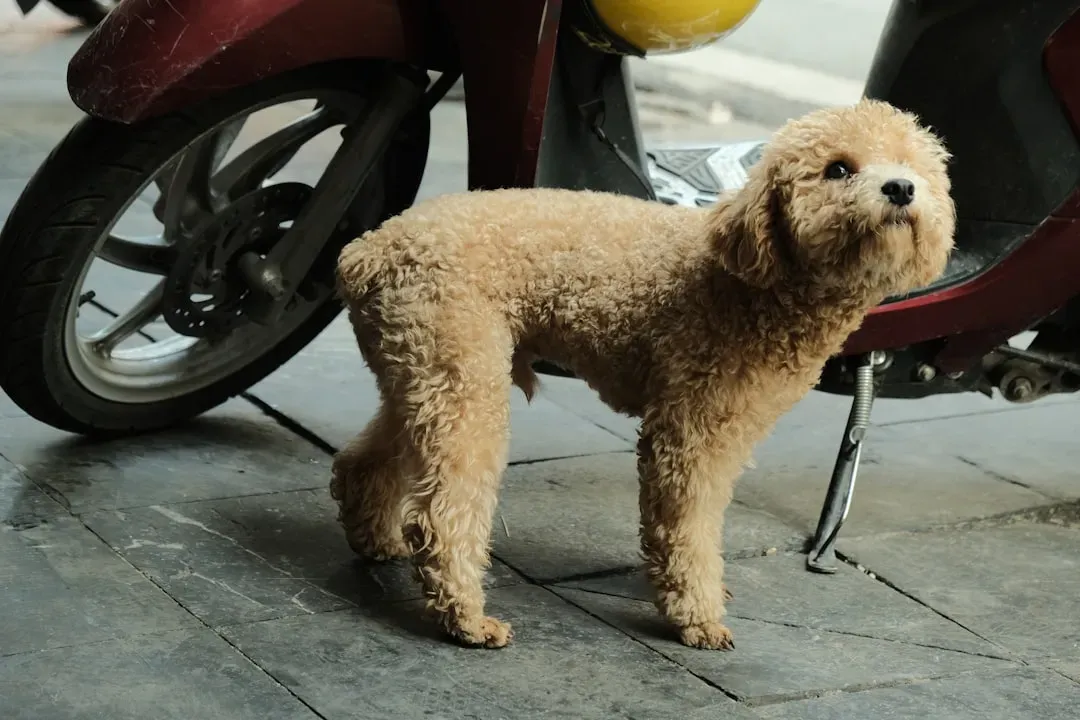
When , resist the urge to immediately pet them frantically or speak in that high-pitched “good dog” voice. Instead, simply acknowledge their presence. Place a calm hand on their back or shoulder. Take a deep breath. Your dog will feel that breath, that settling of your energy.
If you reward this behavior with lots of pets and snuggles, as dog lovers tend to do, your pooch will likely learn that leaning gets them affection, and there’s nothing wrong with that, after all, isn’t having a cuddle buddy one of the many reasons you have a dog in your life? The key is matching their energy. They’re offering you calm, grounded support, so return that same steady presence.
If your dog seems distressed rather than simply supportive, that’s different. Anxious dogs require support, so they often lean against their owners, especially in the case of separation anxiety, where the dog is afraid to be alone. In this case, your upset may have genuinely worried them. Offer reassurance through calm energy and consistent routine. Show them through your body language that you’ve returned to baseline.
Remember this: your dog isn’t judging you for having been upset. They’re not holding a grudge about that moment you snapped or the tears that made no sense to them. They’re simply doing what dogs have done for thousands of years, offering silent, unconditional support to the human they’ve chosen to love. That lean is their way of saying all is forgiven, we’re still a pack, and I’ve got your back.
Did that lean from your dog ever come at exactly the moment you needed it most? What do you think they’re trying to tell you?


