
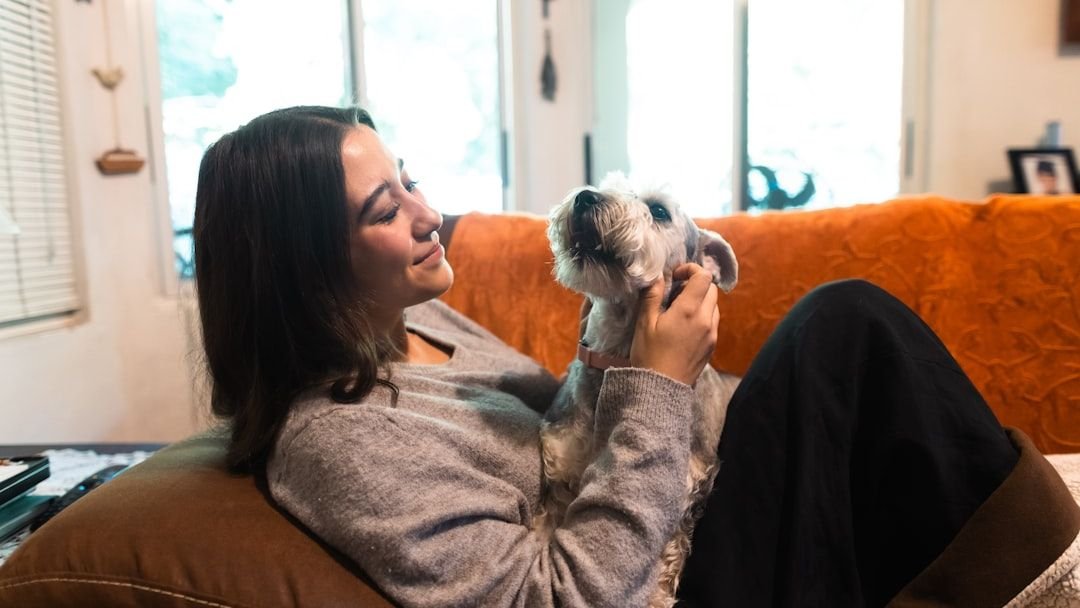
There’s something quietly magical about a dog who is genuinely at peace. Not just happy in the moment because you’ve waved a treat in their face, but deeply, bone-settlingly content with their life. Most of us assume we’d easily spot that, right? Yet honestly, so many dog lovers miss the subtler signals their dogs send every single day. We’re trained to look for the obvious stuff: tail wags, excited jumps, sloppy licks to the face.
The truth is, real contentment in dogs is often whispered, not shouted. It lives in the small moments, the soft eyes at 7am, the slow blink on the couch, the way your dog sighs and melts into the floor after a walk. Learning to read these quieter cues doesn’t just deepen your bond. It genuinely helps you become a better, more intuitive dog parent. So let’s dive in.
The Whole-Body Relaxation You Might Be Overlooking
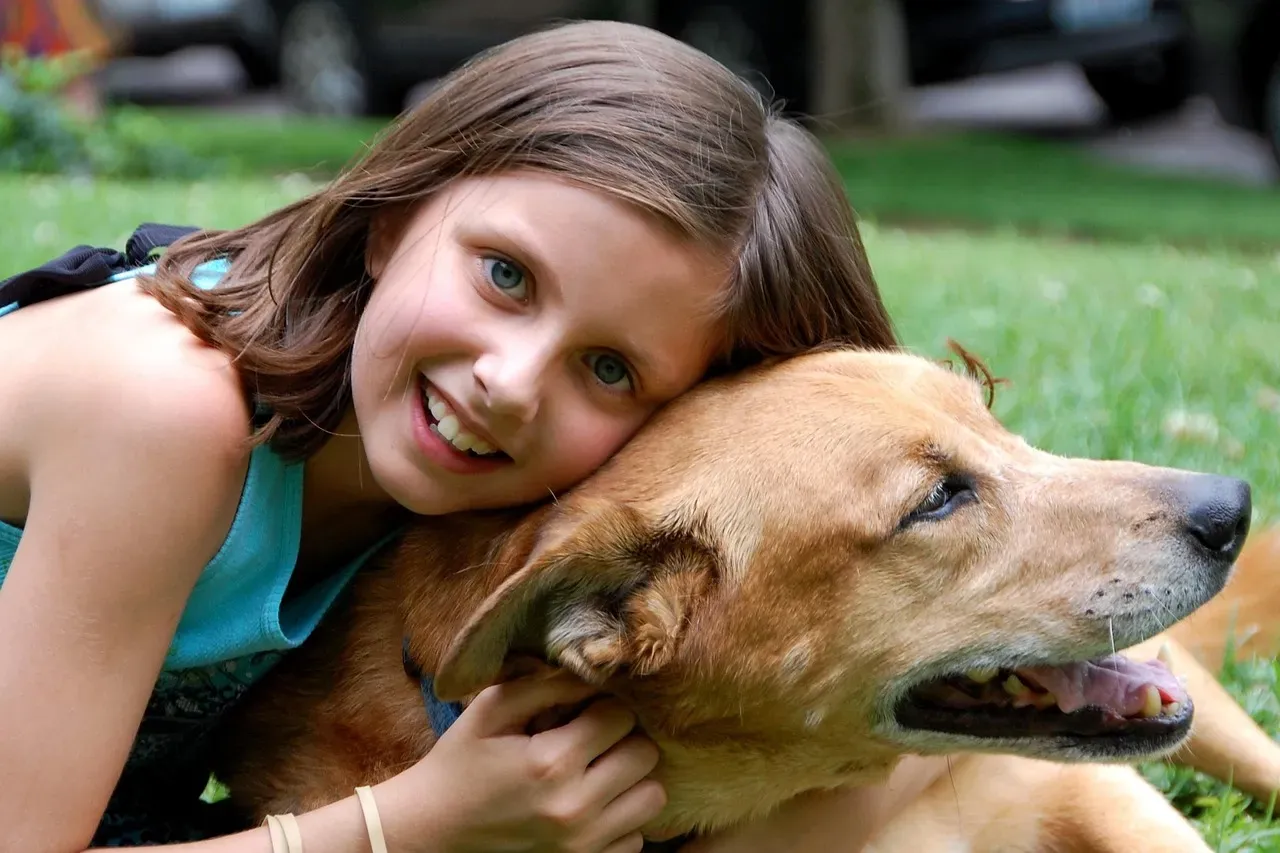
Here’s the thing most people get wrong: they look at the tail and stop there. A truly content dog doesn’t just wag. They communicate through their entire body, all at once. Happy dogs have a loose, soft posture without any signs of tension or stiffness, and this body language is usually paired with a relaxed facial expression, including a slightly opened mouth, with ears in a natural position.
Think of it like reading a full sentence rather than just one word. If your dog seems relaxed in their posture and not tense or stiff, that is a good indication they are feeling good. Loose shoulders, soft eyes without a fixed gaze, and a dose of “wiggliness” or pure “flopped-outness” are all clues that your dog is feeling super chill.
You can learn a lot about your dog’s internal state by looking at their eyes. A dog’s eyes can be soft or hard. Soft eyes have relaxed lids and can sometimes look like the dog is squinting, and they indicate the dog is calm or happy. If you’ve ever caught your dog giving you that drowsy, half-closed gaze from their bed, that’s not boredom. That’s bliss.
There is nothing better than being with a happy dog. The body is fluid and relaxed, the mouth is slightly open with the tongue hanging to the side, and all the signals a dog gives off communicate joy, confidence, and a desire to invite play and attention. Once you start reading the full picture, you’ll never go back to just watching the tail.
The Way They Sleep Tells You Everything
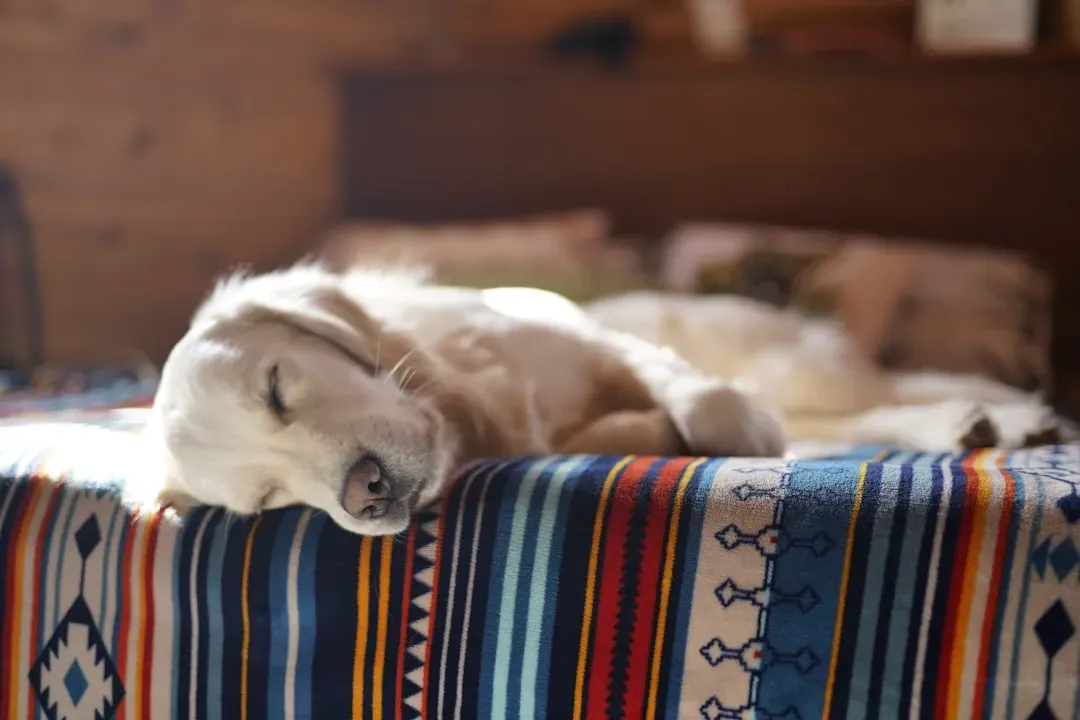
I genuinely think sleep is one of the most underrated happiness indicators. We gush over zoomies and play bows, but the way your dog sleeps? That’s where real contentment lives. Just like humans, dogs need proper sleep to feel their best. A dog that feels safe and happy will sleep deeply and comfortably in their favorite spots, often stretching out or curling up in a cozy position. You might also catch your dog dreaming, with those adorable paw twitches or quiet yips being signs they’re in REM sleep, which means they feel secure enough to fully relax.
Dogs need plenty of rest, and a happy dog will sleep peacefully and comfortably. They will find a cozy spot, curl up, and show relaxed body posture, with eyes closed and their body in a stretched-out position indicating comfort and deep sleep. A peacefully sleeping dog will have a regular and calm breathing pattern.
Healthy, happy adult dogs usually sleep for up to 16 hours a day. If your dog isn’t sleeping that much, it could be a sign of stress or illness. So the next time your dog is absolutely dead to the world on the couch, resist the urge to wake them. That snoring, twitching, deeply unconscious creature is living their best life.
Contentment Sounds: The Sighs, Yips, and Soft Vocalizations

Dogs are vocal creatures, but not all sounds are created equal. A frustrated bark is worlds apart from a contented evening sigh. Learning to tell the difference is genuinely one of the most rewarding skills a dog lover can develop. Vocalizations should be interpreted in context and along with your dog’s body language. Short, high-pitched sounds alongside playful behaviours can indicate that your dog is having a good time.
If you have a more vocal breed, like a Husky, you might notice that they sing, chirp, howl, or yodel when they’re in a good mood. You might also notice your dog letting out a content sigh after lying down, which can indicate that they feel safe, happy, and relaxed in your presence. That long exhale your dog does when they finally settle at your feet? That’s basically their version of “I’ve had a great day.”
Content dogs may emit soft sighs, gentle snores, or contented whimpers while sleeping. These aren’t random noises. They’re tiny love letters from your dog, written in sound. Pay attention to the moments when those sounds happen, and you’ll start to build a picture of exactly what makes your dog feel at home in the world.
They Seek You Out – But Calmly
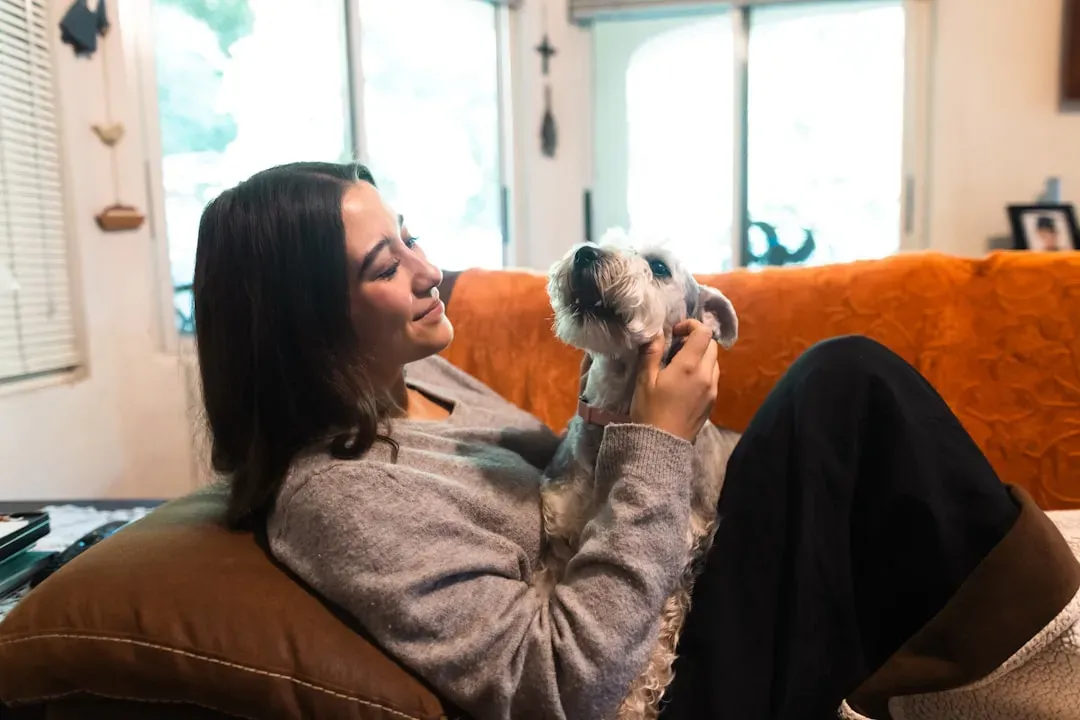
There’s a big difference between a dog who frantically needs you and a dog who quietly chooses you. The second one is the truly content dog. A friendly dog who is feeling happy will likely seek out some affection from you at some point. This might be in the form of leaning against you, lying beside you, or asking for pets.
Dogs are naturally affectionate creatures, and when they feel safe and happy, they’ll show it in their own unique ways. From cuddling and licking to nuzzling their head against you, these behaviours are their way of saying “I trust you.” Some dogs may even follow you from room to room like a little shadow, which is not just because they love your company, but is a sign they feel secure and connected to you.
Studies have even found that, when petted, dogs’ levels of oxytocin, the “feel-good hormone,” rise, just like humans’ levels rise when petting their pup. So that leaning dog pressed against your leg while you watch TV? They’re not just being cute. They’re chemically bonding with you, and feeling genuinely good about it.
Happy dogs make a lot of body contact. If your dog reacts, stays close, or even leans in toward your hand during petting, they’re enjoying the contact. It’s a small signal. It’s also one of the most honest ones your dog will ever give you.
A Healthy Appetite and Enthusiasm for Daily Rituals
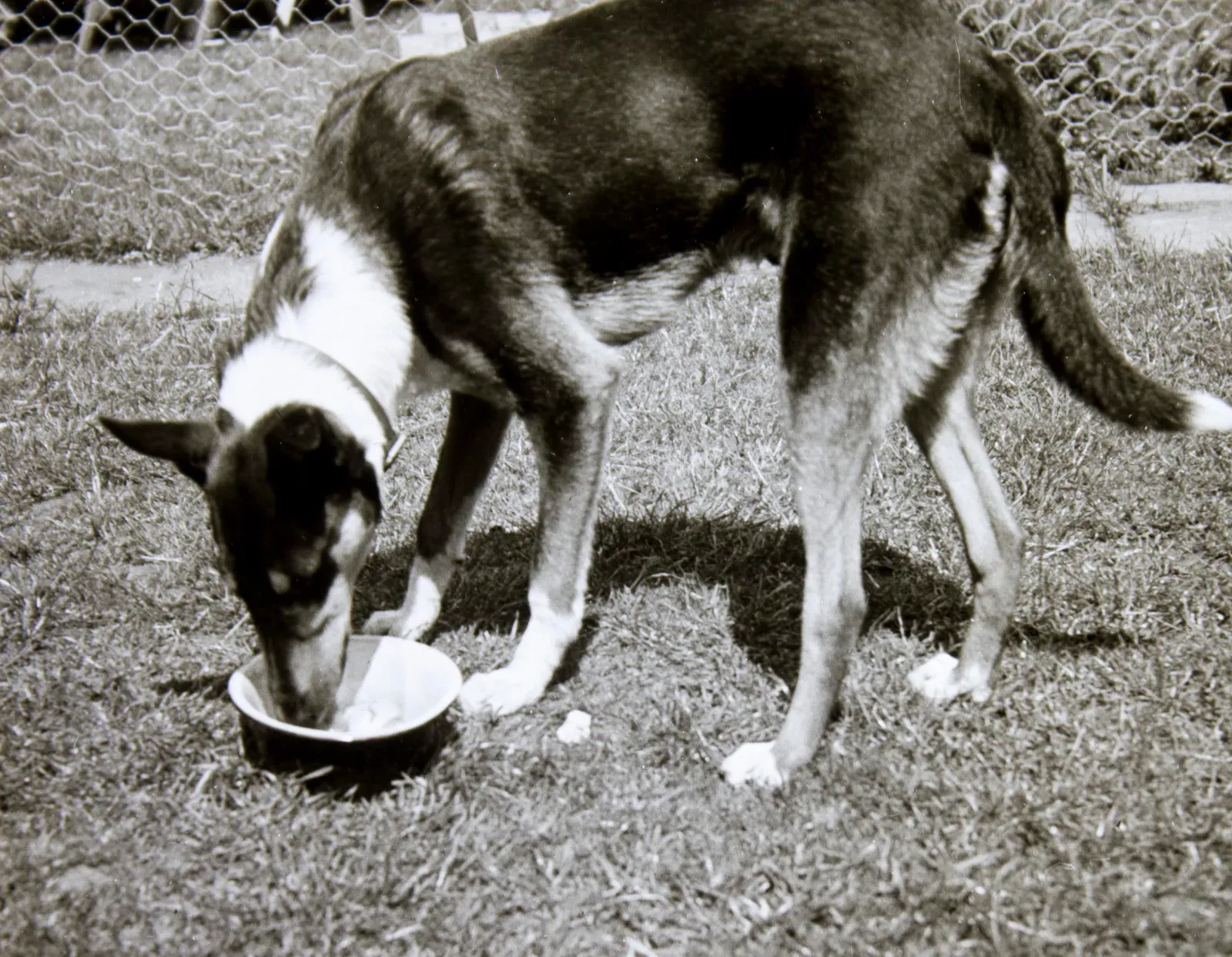
Let’s be real: a dog who trots happily to their food bowl, eats well, and greets each walk with enthusiasm is a dog telling you something important. Routine matters deeply to dogs, and a content dog embraces theirs with quiet eagerness. A content and secure dog will maintain a steady appetite and show enthusiasm for mealtime. They’ll eagerly approach their food bowl when it’s time to eat and drink water consistently. On the flip side, sudden changes in eating habits, such as skipping meals or avoiding water, might indicate stress or a health issue.
Dogs that are content and feeling well have good appetites. A change in your dog’s appetite is one of the first signs of potential illness or unhappiness. Think of appetite as your dog’s daily health report card. Consistency means everything is good. A sudden drop in interest is worth paying close attention to.
If your dog is content, their enjoyment of walks will be clear. You’ll likely notice a happy, bouncing stride. They’ll also likely stop to participate in enjoyable, calming behaviours like sniffing. Sniffing on a walk isn’t distraction. It’s joy. It’s your dog reading their world the way we scroll through the news, curiously, selectively, and with great pleasure.
A Warm Conclusion: You Know Your Dog Better Than You Think
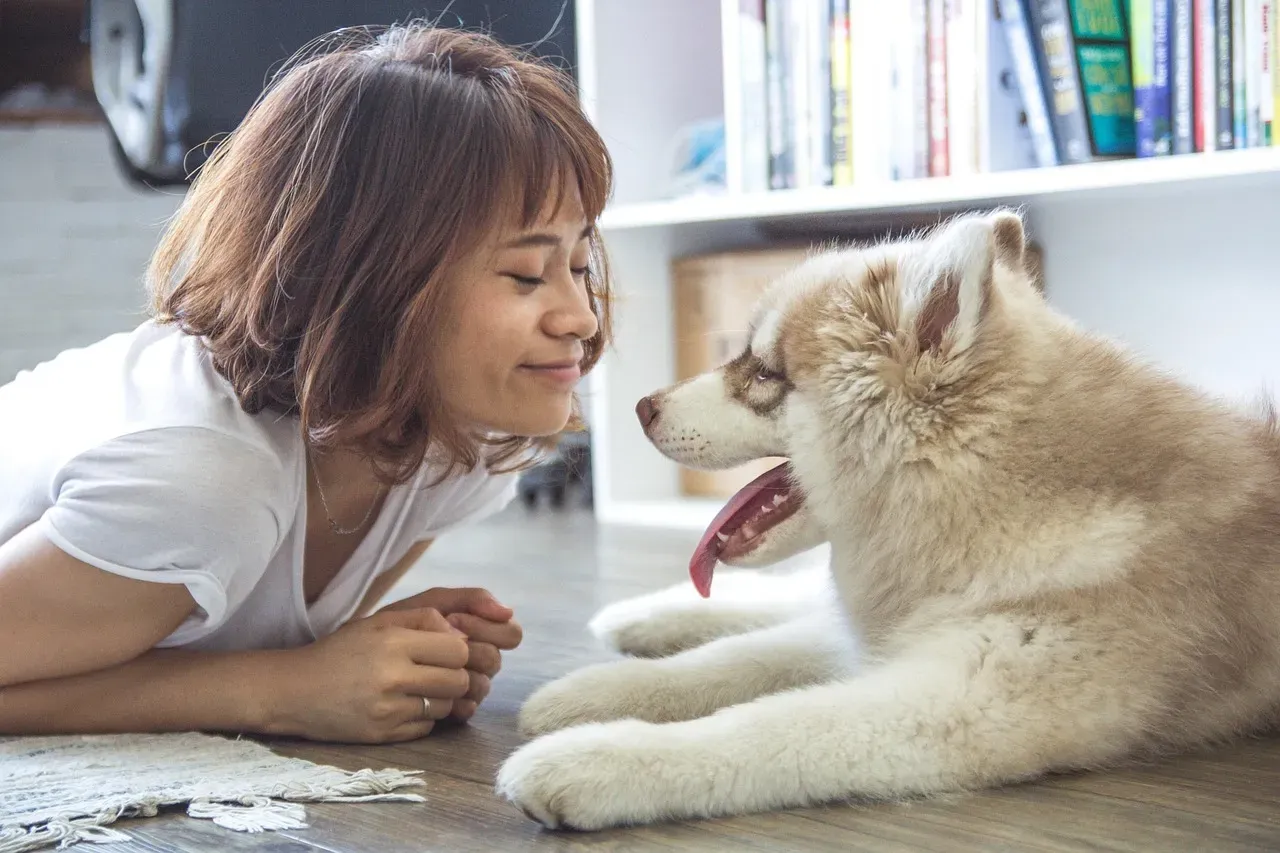
Reading your dog’s contentment isn’t about mastering a checklist. It’s about tuning in, slowing down, and trusting what you observe over time. Learning how to decode your dog’s signals is an important step in understanding issues surrounding their happiness, stress, and health. The more fluent you become in your dog’s language, the richer your relationship becomes.
Being consistent in how you communicate matters deeply. Dogs thrive off of consistency. Consistent behaviours and routines communicate to dogs what to expect and how to react. The more dogs feel they can read your mind, the stronger your bond will be.
Your dog isn’t asking for much, honestly. A full belly, a warm nap, a slow walk with lots of sniffing, and the knowledge that you’re close by. When those things align, they give you all the signals we’ve talked about, quietly, daily, and with complete sincerity. The only question is whether we’re paying close enough attention to notice.
So the next time your dog sighs and sinks into the floor beside you, look at them. Really look. Chances are, everything they need is already right there in that moment. What silent signal does your dog give that you’ve only recently started to understand? Drop it in the comments. We’d love to know.


