You never quite know how deep grief goes until it settles into your chest and refuses to budge. Maybe you’ve lost someone you loved, ended a relationship that defined you, or felt that invisible weight that shows up when life just gets too heavy. During these times, it’s hard to imagine anything could reach through that fog.
Here’s the thing though. Sometimes the smallest presence makes the biggest difference. I think we often underestimate how much our dogs understand. They don’t need words to know when we’re struggling. They just show up, sit close, rest their head on our lap, and somehow make the world feel a little less overwhelming.
They Recognize Your Pain Before You Say a Thing

Dogs not only sense what their owners are feeling, but if a dog knows a way to help them, they’ll go through barriers to provide help. Research supports that dogs are sensitive to emotional contagion, which means they respond to the emotions of another without fully understanding what they are feeling – your dog may not know exactly how you feel, but they know you’re feeling something, and they comfort you because they can tell you feel sad.
Think about how often you’ve had a rough day and found your dog sitting right beside you without being called. Dogs are sensitive to human behavior, body language, and emotions. They pick up on subtle shifts in your voice, the way you move, even the scent of stress hormones your body releases. Dogs possess an exceptional ability to detect human distress, even when it may not be immediately evident, with an acute sense of smell and heightened awareness of changes in our behavior and body language.
Their Physical Presence Releases Healing Chemicals

Human-dog interactions elicit the same type of oxytocin positive feedback loop as seen between mothers and their infants, which may explain why we feel so close to our dogs. When you pet your dog or simply gaze into their eyes, both of you experience a surge of oxytocin. Petting or playing with a dog releases oxytocin, sometimes called the love hormone, in both your brain and the dog’s brain, and the release of oxytocin is associated with lower levels of cortisol, or the stress hormone.
Simply petting a dog lowers the stress hormone cortisol, while the social interaction between people and their dogs actually increases levels of the feel-good hormone oxytocin. Honestly, it’s remarkable how quickly this shift happens. Just 10 minutes of interacting with cats and dogs produced a significant reduction in students’ cortisol, a major stress hormone. Your body quite literally relaxes in their presence.
They Offer Comfort Without Judgment or Expectation
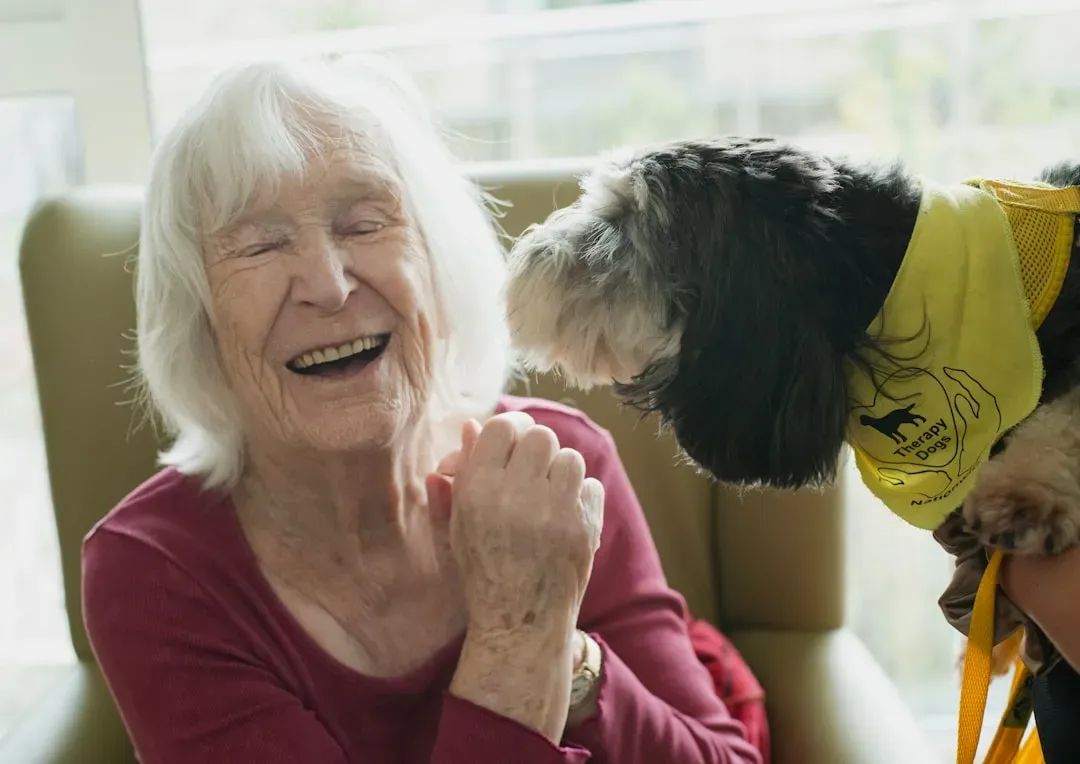
Spending time with a therapy dog doesn’t require a person to feel like they have to say or do the right thing – they can simply show up and receive comfort without worrying about being judged. There’s a profound freedom in that kind of relationship. People sometimes demand explanations or try to fix things before you’re ready. Dogs just exist beside you.
One reason dogs are such amazing companions to humans is that they’re not human themselves, as human relationships can be complicated by language, expectation, and judgment, but with dogs, the relationship is less complicated – dogs are simply loyal, loving, and comforting, without demanding anything in return. When you’re going through heartbreak, having that completely nonjudgmental presence can be an incredible help.
Dogs notice when you’re withdrawn or sad, but they don’t press you to talk about it. When dogs place their head or paw on us, they are seeking physical contact and providing a reassuring touch, signifying their desire to offer support and empathy, as they instinctively sense when we are in distress or feeling down.
They Pull You Back Into Daily Routines
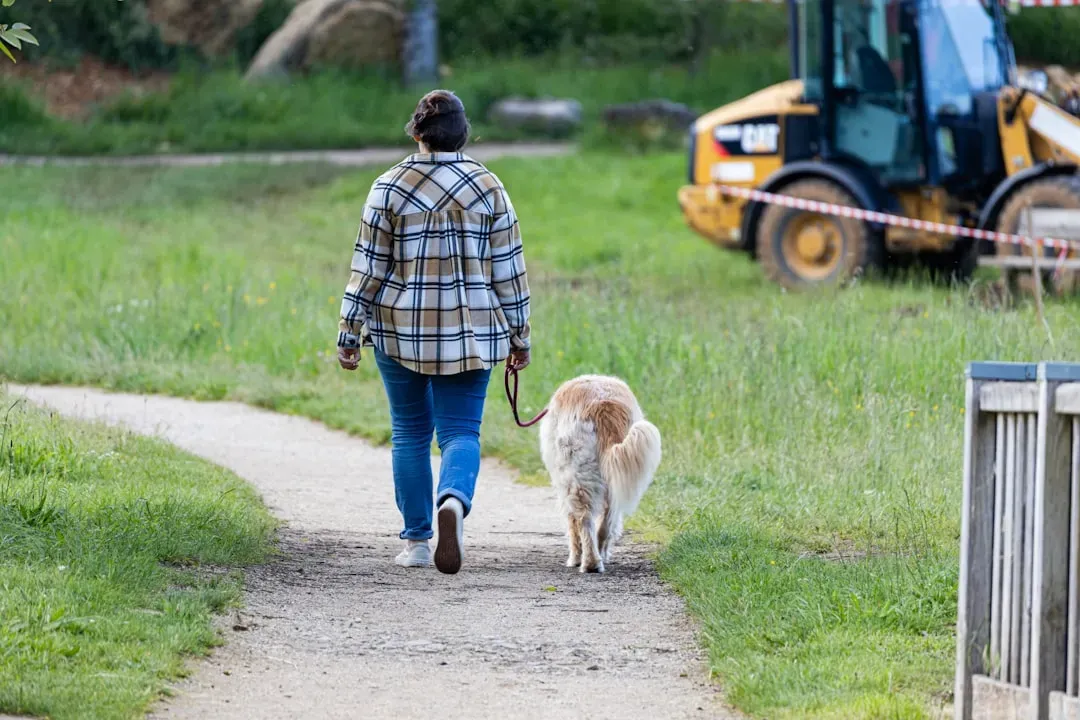
Let’s be real, depression has this sneaky way of keeping you in bed longer than you should be. When everything feels pointless, daily tasks become mountains. Dogs don’t let you stay stuck there very long. They need to eat. They need to go outside. They need you to function at least a little bit.
Being a dog owner promotes physical activity and reduces loneliness, as you’re more likely to get outdoors and exercise with your dog, which also increases your chances of social interactions in the neighborhood or at the park, and your dog depends on you, which gives you a sense of purpose. That sense of purpose is critical when your heart feels broken.
Caring for an animal introduces a sense of routine and responsibility, which can be particularly beneficial for people struggling with disorganization and lack of motivation that often accompany mental health disorders, and interaction with animals can serve as a form of behavioral activation, a therapeutic approach used to fight depression by motivating people to take part in meaningful activities.
They Connect You to Others When You Feel Isolated

Heartbreak has a tendency to isolate people – sometimes you feel like no one understands what you’re going through, and this loneliness manifests into people spending less time with their friends or family. It’s easier to withdraw than to explain the mess inside your head. Dogs have this quiet way of pulling you back into the world.
Dogs and cats have a secret power: they force folks to come out of their shell, and whether it’s a stranger sharing their cat photos, or a neighbor asking to pet your dog, this social interaction helps keep the blues at bay. Those brief exchanges at the park or on the sidewalk might seem trivial, but they’re tiny threads reconnecting you to humanity.
A survey of 2,000 dog owners revealed that 69% of participants felt their dogs provided comfort during times of sadness, and 60% noted their dogs helped during stressful times. You’re not alone in feeling like your dog understands you better than most people do during difficult times.
They Prove That Love Doesn’t Need Words
Dogs not only comfort their owner, but they’ll also overcome obstacles to do it, and researchers showed that dogs with strong bonds to their owners hurried to push through a door when they heard their person crying. Dogs not only feel distress when they see that their owners are sad but will also try to do something to help.
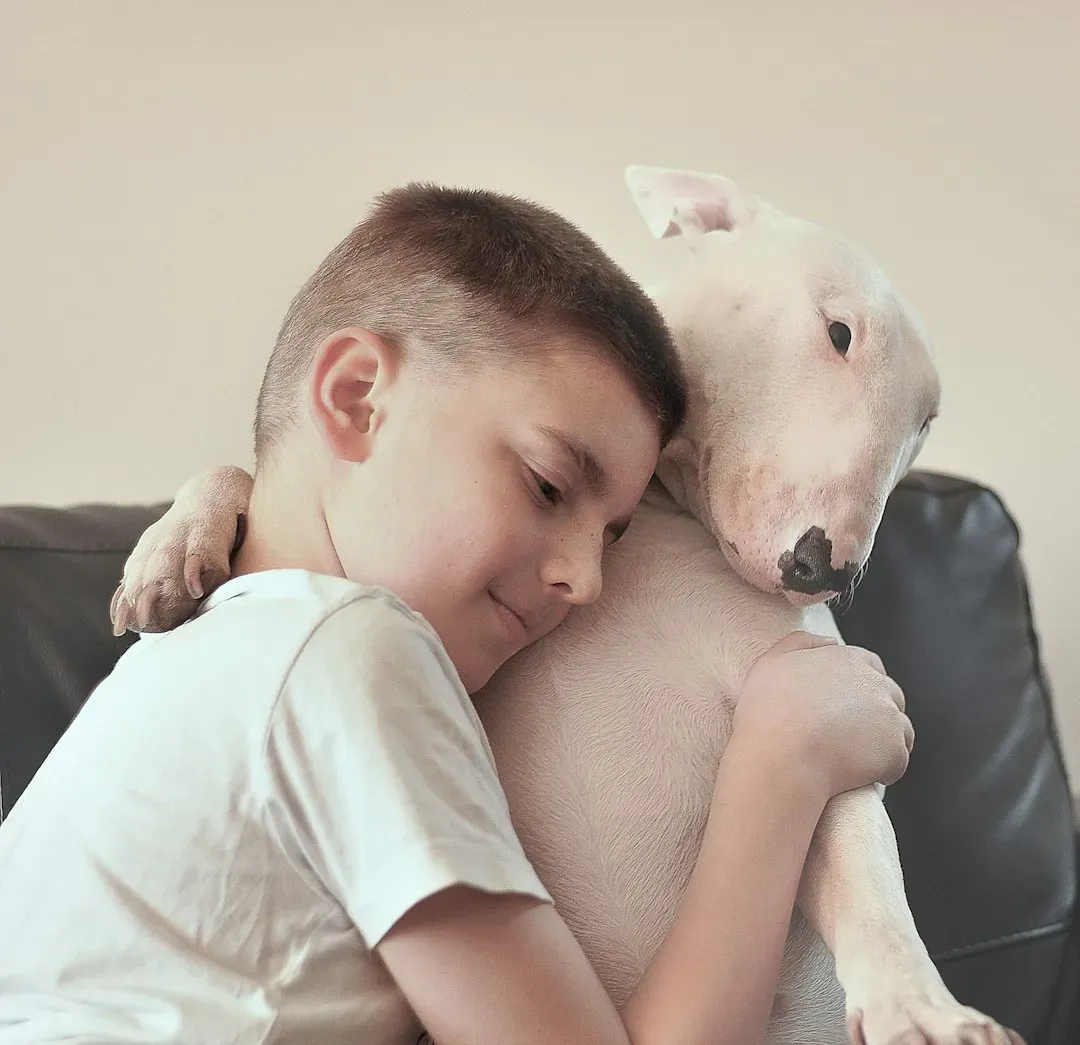
Maybe they bring you a toy when you’re upset, or they press their warm body against yours on the couch. A dog’s instinctive response to comforting us can be observed when they press their bodies against ours, and this physical contact provides a sense of security and warmth, reinforcing the bond between human and dog. These small gestures carry enormous weight when you’re hurting.
The beauty of this relationship is that it doesn’t require you to be okay. Dogs are masters at making you feel seen and loved, and research has found that having a dog helps ease feelings of loneliness by offering constant companionship – their loyal presence fills the quiet moments and brings comfort during tough times, and even on hard days, your dog reminds you that you’re never truly alone.
Conclusion
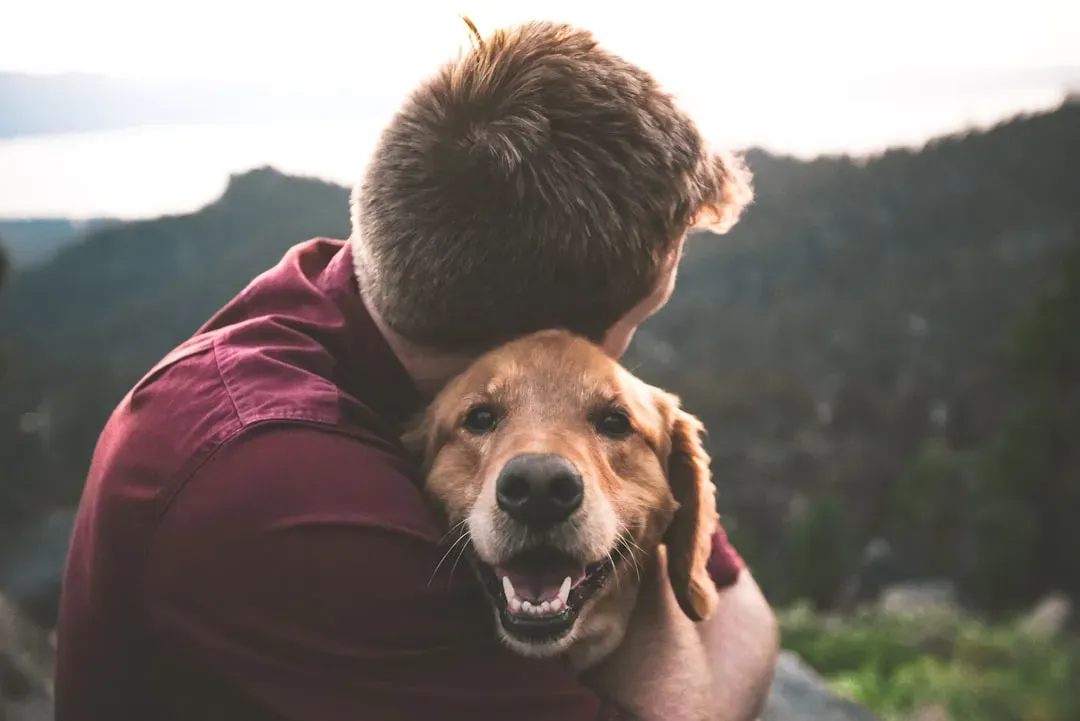
Healing from a broken heart isn’t linear. Some days you feel stronger, other days the sadness comes crashing back. Throughout it all, your dog remains a steady, quiet anchor. They don’t fix everything – honestly, nothing can – but they make the unbearable moments a little more bearable.
All the research confirms what dog lovers have always felt: dogs are amazing emotional support companions, and their loyalty, love, and presence help heal our hearts and lift our spirits in ways science is still discovering. They show us that sometimes the most powerful healing doesn’t come from grand gestures or profound words. Sometimes it comes from a wet nose nudging your hand, a pair of gentle eyes watching over you, and a warm presence that says, without speaking, I’m here.
Have you noticed your dog comforting you during your toughest moments? What did they do that made a difference?