

You’ve had one of those days. The kind where everything stacks up, your shoulders are tight, your mind won’t slow down, and no amount of coffee or deep breathing seems to help. Then your dog walks over, leans into your leg, and just stays there. Without a word, without judgment. And somehow, something in you softens.
That moment isn’t just sweet. It’s biology. Science has been quietly building a compelling case for something dog lovers have known instinctively for years: spending time with your dog, specifically petting them, does something measurable to your brain and body. It lowers the very hormones that fuel stress and nudges your nervous system toward calm.
What Happens Inside Your Body When You Pet Your Dog
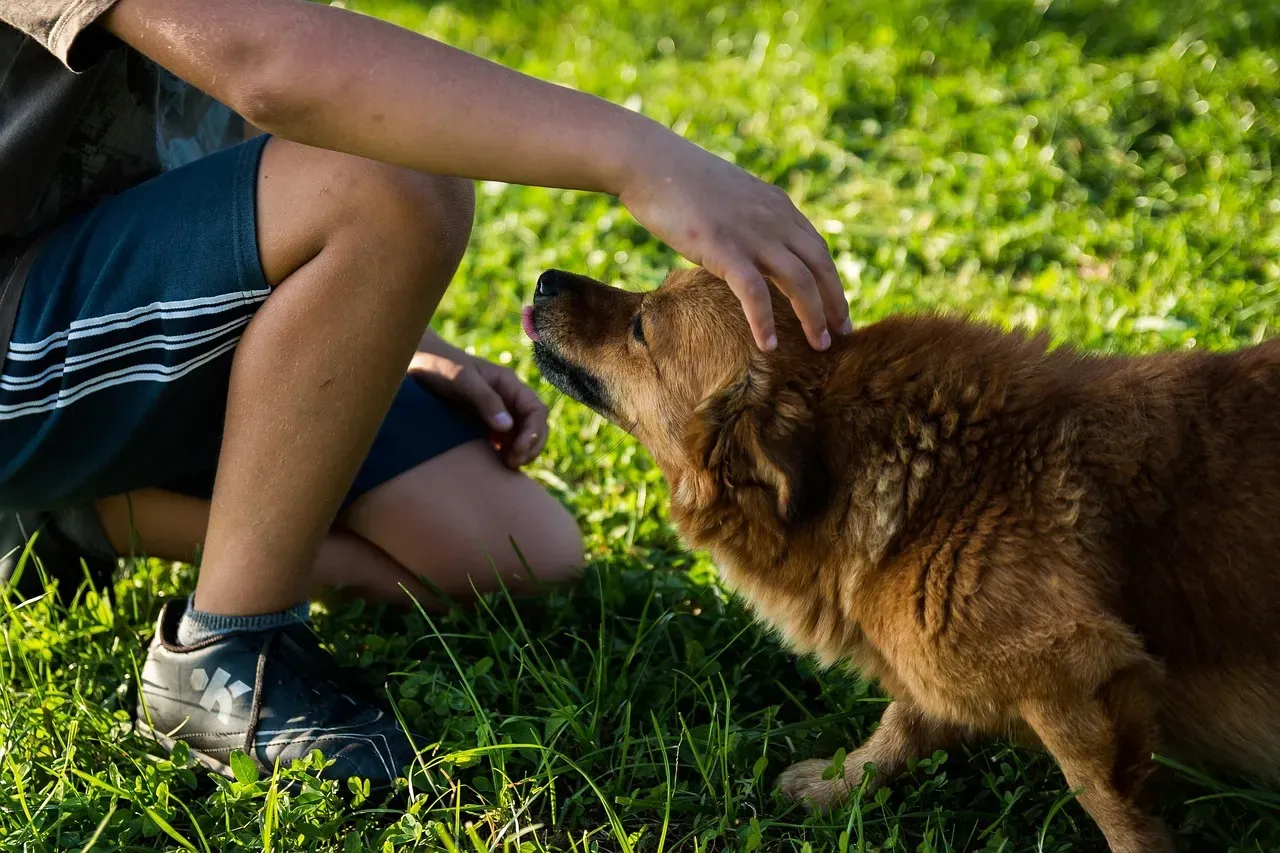
The moment you reach out and run your hand along your dog’s coat, a cascade of chemical activity begins almost instantly. When you pet a dog, your body responds almost instantly, with your brain beginning to release oxytocin, often called the “love hormone,” within seconds. This is the same hormone that bonds parents to newborns, and your dog triggers it too.
Studies have shown positive physiological benefits for petting and social interaction with dogs, including increased beta-endorphins, prolactin, oxytocin, and dopamine, alongside a reduction in cortisol. Cortisol is your body’s primary stress hormone, and lower levels of it mean your heart rate settles, your muscles ease, and your mind gets a little quieter.
Studies have shown that oxytocin can decrease the production of cortisol while also increasing the production of dopamine, a neurotransmitter associated with pleasure and reward. This combination of effects can lead to a significant reduction in stress levels. In plain terms: petting your dog is not just comforting in a vague emotional sense. It literally rewires the chemistry of your stress response.
How Little Time It Actually Takes to Feel the Difference
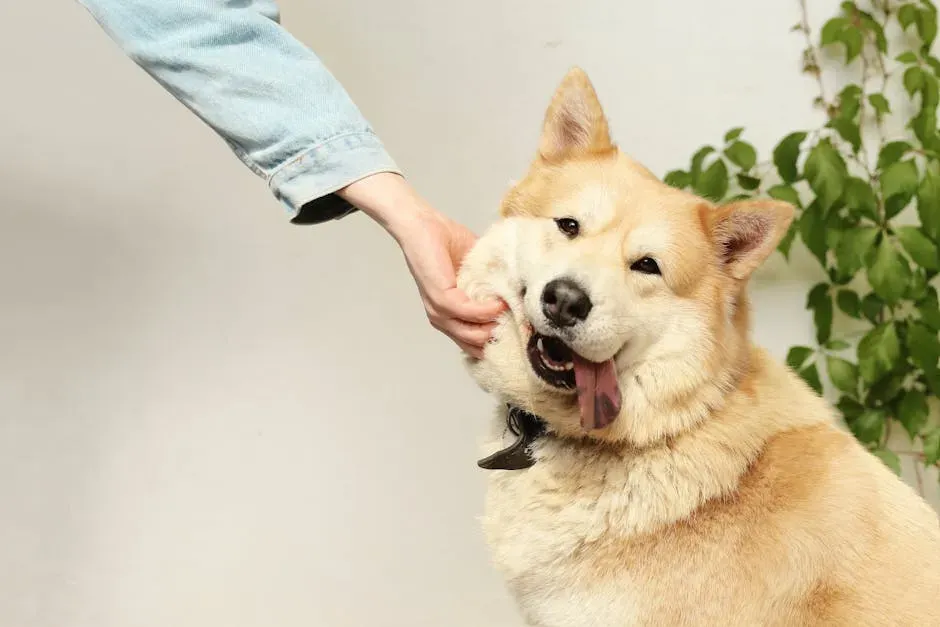
One of the most surprising findings from the research is just how quickly the benefits kick in. You don’t need a long session or a structured routine. Evidence is accumulating that levels of the stress hormone cortisol drop in people after just five to twenty minutes spent interacting with dogs, even if it’s not their own pet. That’s a remarkably short window for a measurable physiological shift.
Scientists at Washington State University demonstrated that these programs can actually have stress-relieving physiological benefits, with one researcher noting that “just ten minutes can have a significant impact,” and that students who interacted with cats and dogs had a significant reduction in cortisol. What’s especially notable is that this was measured in a real-world setting, not just a controlled lab environment.
There is evidence that the act of actually touching a dog may be an important part of the calming effect. One study done in Canada found that college students reported less stress and reduced feelings of homesickness after brief interactions with dogs, and that effect was much bigger in those who actually got to pet the animals. Touch, it turns out, is the critical ingredient, not just proximity.
Your Dog Knows You’re Stressed Before You Do

Dogs aren’t just passive recipients of your affection. They’re actively reading you. Dogs have been empirically shown to be particularly sensitive to human emotions, discriminating and showing differential responses to emotional cues expressed through body postures, facial expressions, vocalizations, and odors. Your dog is essentially running a continuous scan of your mood, often catching shifts before you consciously register them.
Research provides evidence that dogs can detect an odor associated with acute stress in humans from breath and sweat alone. A University of Bristol study published in 2024 found that dogs experience emotional contagion from the smell of human stress, leading them to make more “pessimistic” choices. Their mood shifts in response to yours, sometimes even without a single visual cue between you.
Dogs mirror stress: when owners show anxiety, dogs’ cortisol levels often rise as well. This ability likely developed through domestication, as over thousands of years, dogs that could better interpret human emotional states were more likely to survive and bond with people. When you reach down to pet your dog after a hard day, you’re completing a loop that evolution spent millennia building. They come to you, and you come back to them.
The Ripple Effect: Physical Health Benefits That Go Beyond Calm

The stress-relief you feel when you pet your dog doesn’t stay in the nervous system. It spreads. The main positive findings across human-dog interaction research include increases in heart rate variability and oxytocin, and decreases in cortisol. These physiological indicators are consistent with activation of the parasympathetic nervous system, and provide evidence of specific pathways through which human-dog contact may confer health benefits, likely through relaxation, bonding, and stress reduction.
Research indicates that dog ownership is associated with lower risks of cardiovascular disease and mortality. A nationwide cohort study in Sweden found that dog owners had significantly reduced risks of all-cause mortality and cardiovascular disease mortality, particularly among those living alone. These are not trivial outcomes. They suggest the bond you have with your dog may be doing quiet, long-term work on your overall health.
Personal pet visitation and animal-assisted interventions can benefit patients’ pain, blood pressure, stress, depression, and anxiety, as well as increasing mobility and socialization. Petting animals promotes the release of hormones that can elevate moods, specifically serotonin, prolactin, and oxytocin. The simple ritual of settling down with your dog each evening is doing more for you than you may realize.
When Petting Becomes a Two-Way Street: Your Dog Benefits Too

It’s easy to think of this relationship as you drawing comfort from your dog, but the science consistently shows it flows both ways. Interaction between humans and dogs, including pleasant non-noxious sensory stimulation, can induce oxytocin release in both humans and dogs and generate effects such as decreased cortisol levels and blood pressure. Your dog is getting a biochemical lift from the same moment you are.
When you pet your dog and make gentle eye contact, oxytocin increases in both of you. This feedback loop strengthens attachment. Unlike wolves, domesticated dogs have evolved to seek human gaze, and this is one of the clearest biological indicators of the dog-human bond. That shared gaze isn’t just sweet to observe. It’s an ancient bonding mechanism playing out in your living room.
Studies have demonstrated that even shelter dogs benefit from interacting with complete strangers. These interactions result in a reduction in plasma cortisol, which is correlated to an overall reduction in stress, demonstrating the canines’ innate desire to form an attachment with a human and the positive health effects the relationship provides. So the next time you settle in for a quiet petting session, know that your dog isn’t just tolerating it. They genuinely need it too. A calm, confident owner raises a calmer, more secure dog, and that security reinforces the bond on both sides.
Conclusion: A Small Gesture with a Surprisingly Large Return
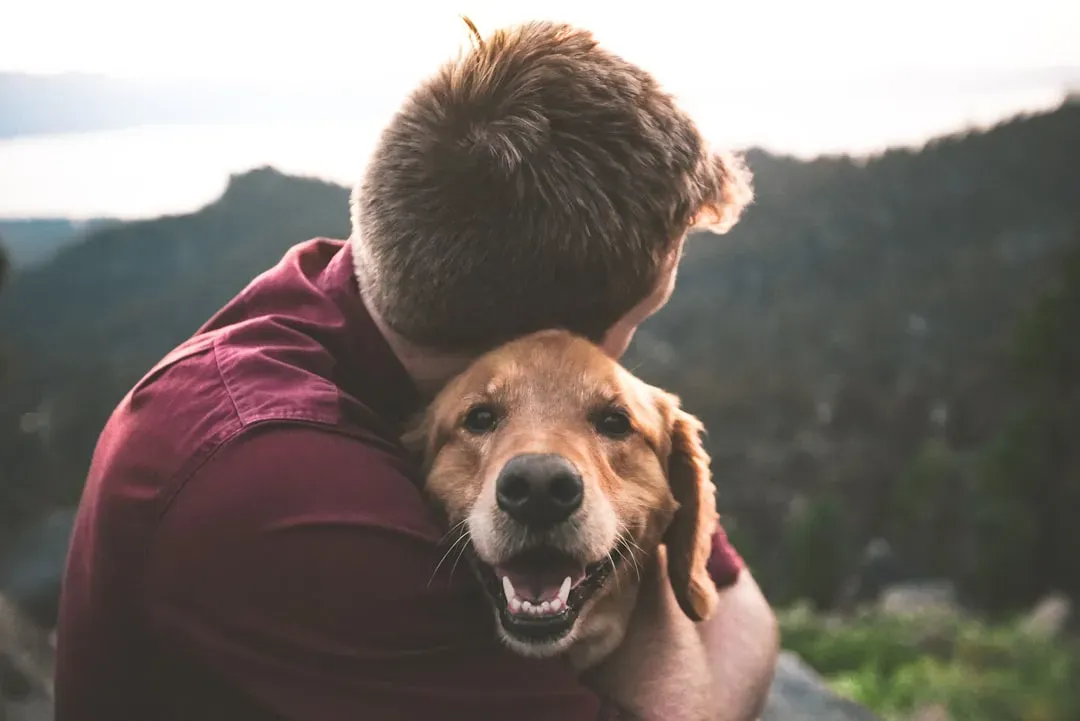
In a world full of wellness products, apps, and advice that demands effort and money, there’s something quietly remarkable about the fact that one of the most effective stress-reduction tools you have access to might already be lying on your couch, waiting for you to come home.
Touch is one of the most powerful ways to bond with your animal, and it doesn’t take much scratching or stroking to see the difference. You don’t need a plan. You don’t need a timer. You just need to sit down and be present with your dog for a few minutes. The rest, as it turns out, is biology doing exactly what it was shaped to do.
The relationship between humans and dogs runs deeper than companionship. The enduring partnership between humans and dogs is rooted in a complex interplay of evolutionary history, hormonal chemistry, neural synchronization, and emotional fulfillment. Scientific research continues to uncover the depth of this bond, revealing that our connection with dogs is not only emotionally satisfying but also beneficial to our health and well-being. That dog leaning against your leg after a long day isn’t asking for much. A gentle hand, a quiet moment, a little warmth. Give it freely, and you’ll both be better for it.


