

DD Animal News – Watch your paws, pups and people—there’s a tiny bug making a big stir. The Asian needle ant, an invasive insect with a painful sting, is spreading fast across the U.S., and it’s not just annoying—it can be life-threatening for some.
Originally from Asia, this ant was first spotted in the U.S. more than 90 years ago. But now? Scientists say its numbers are surging, especially in the Southeastern states, and that means more stings, more risks, and more reason to stay alert—especially for humans who have allergies to insect stings.
Not Your Average Ant
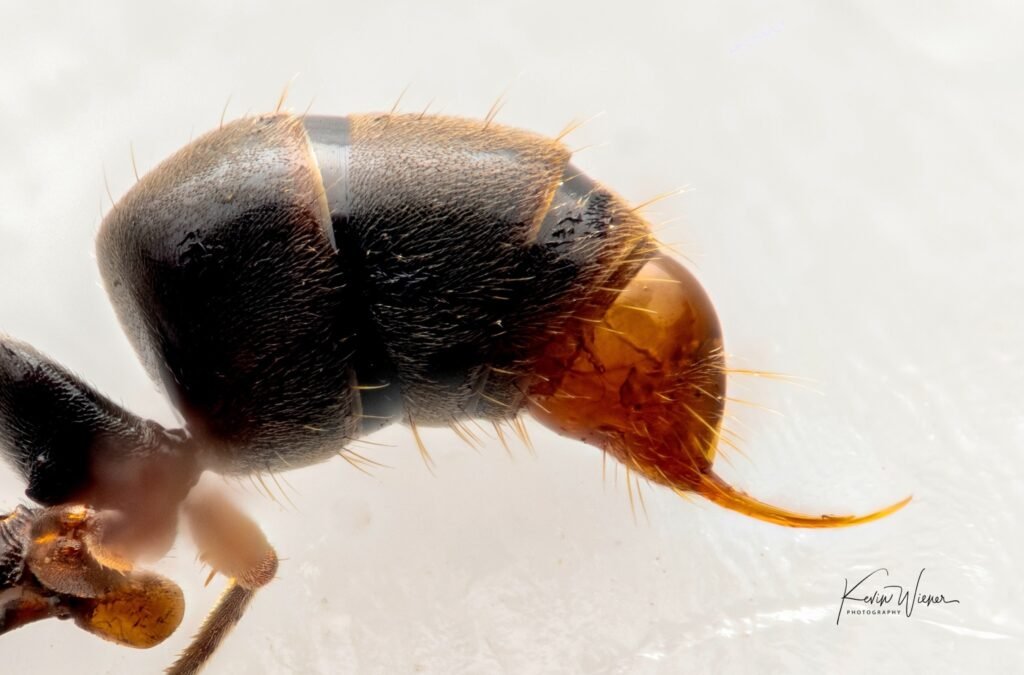
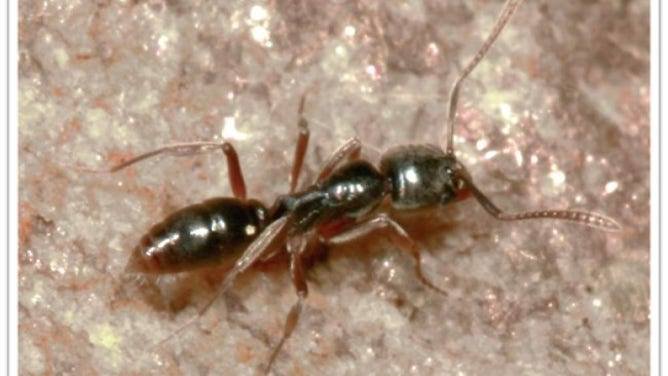
While the Asian needle ant doesn’t go out of its way to pick a fight, its sting is venomous and can pierce right through clothing to reach bare skin. According to the U.S. Department of Agriculture, the ants are small and shiny, with dark brown to black coloring. The ends of the antenna are orange colored and are about .2 inches long. For most, it might just feel like a bad bite. But for people with severe allergies, it can trigger anaphylaxis, a serious reaction that needs immediate medical care.
According to the USDA, symptoms of anaphylaxis include things like swelling of the tongue or throat, trouble breathing or wheezing, hives, flushed skin, or itching, as well as rapid heart rate, dizziness, vomiting, or fainting. In worst-case scenarios, it can even be fatal without fast treatment. “We are now considering it a medically important pest,” Dan Suiter, a professor of urban entomology at the University of Georgia, said. “It gets a little bit more serious when the sting of an insect can be life-threatening to people who suffer anaphylaxis.”
Where Are They Showing Up?
Though the Asian needle ant was first spotted in the U.S. more than 90 years ago, its population has recently surged—especially in the Southeastern states. Suiter responded to three confirmed cases of anaphylaxis in Georgia alone in 2024.
And it’s not just a southern problem anymore. These stinging insects have been spotted as far north as New York.
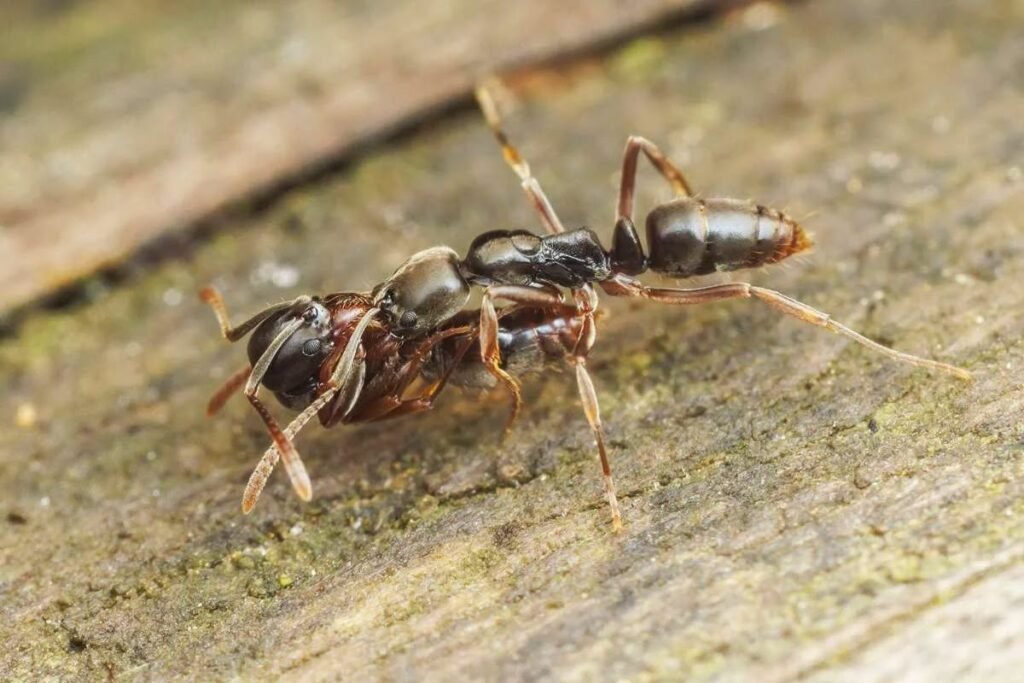
Their active season runs from spring through late summer (think July and August), and that’s when they’re most likely to sneak into homes, shoes, backpacks—or your pup’s favorite shaded spot at the park. They’re also highly adaptable to different climates, urban or rural environments, and unlike typical ants, they don’t march in neat lines—they wander randomly, making them trickier to spot.
How to Stay Safe, Human and Hound Alike
So what can you do to keep yourself and your pet safe? Here’s the paw-approved plan:
- Keep an eye on the ground when walking or playing outside—ants love leaf litter, mulch, and shady spots.
- If you’re in a high-risk area (like Georgia, the Carolinas, or Alabama), consider checking your home for signs of ant activity and sealing any entry points.
- For allergy-prone humans, always carry an EpiPen when outdoors during peak ant season. Be sure to familiarize yourself with signs of anaphylaxis.
- Don’t let your pup snoop around rotting logs or undisturbed piles of brush—these ants love hiding in forgotten corners.
Bugs Be Gone!
They may be small, but these ants pack a powerful sting. Staying alert, clean, and careful can go a long way in protecting both two- and four-legged family members.
Because around here, we prefer ants in our pants… not in our dog bowls.


