

Have you ever felt a twinge of impatience as your dog stops to inspect yet another patch of grass, their nose pressed to the ground with laser focus? I’ve been there countless times, standing on the sidewalk, mentally ticking off my to-do list while my dog lingers at a fire hydrant. Here’s the thing. That seemingly frustrating behavior is actually one of the most vital things your dog can do for their wellbeing. When we understand what’s truly happening during those sniff sessions, it completely changes how we view our daily walks. What if I told you those pauses aren’t delays at all, but essential moments that shape your dog’s mental health, emotional balance, and overall happiness?
Your Dog’s Superpower: The Incredible Nose
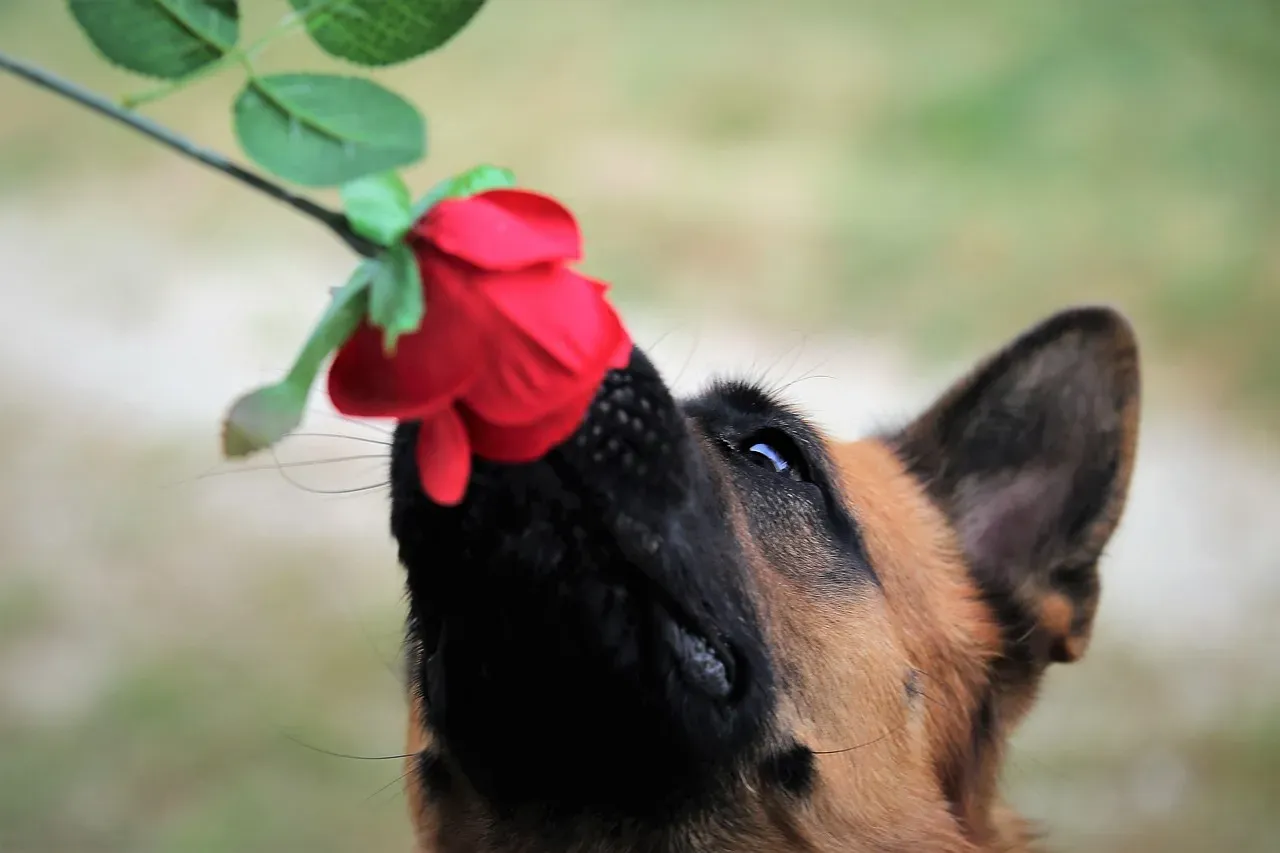
Dogs have hundreds of millions of scent receptors compared to our six million, and they devote approximately 40 times more brain volume to decoding smells than we do. Think about that for a moment. While you’re taking in the world primarily through your eyes, your dog experiences an entirely different reality through their nose.
Dogs “see” the world through scent, and allowing them to interact with their environment through their noses taps into an often-overlooked processing tool. It’s hard for us to truly comprehend this. Imagine if someone told you that you could only look at the world for a few seconds at a time during your daily walk. That’s essentially what we’re doing when we rush our dogs along without giving them adequate sniffing time.
Mental Workout: Why Sniffing Tires Dogs Out
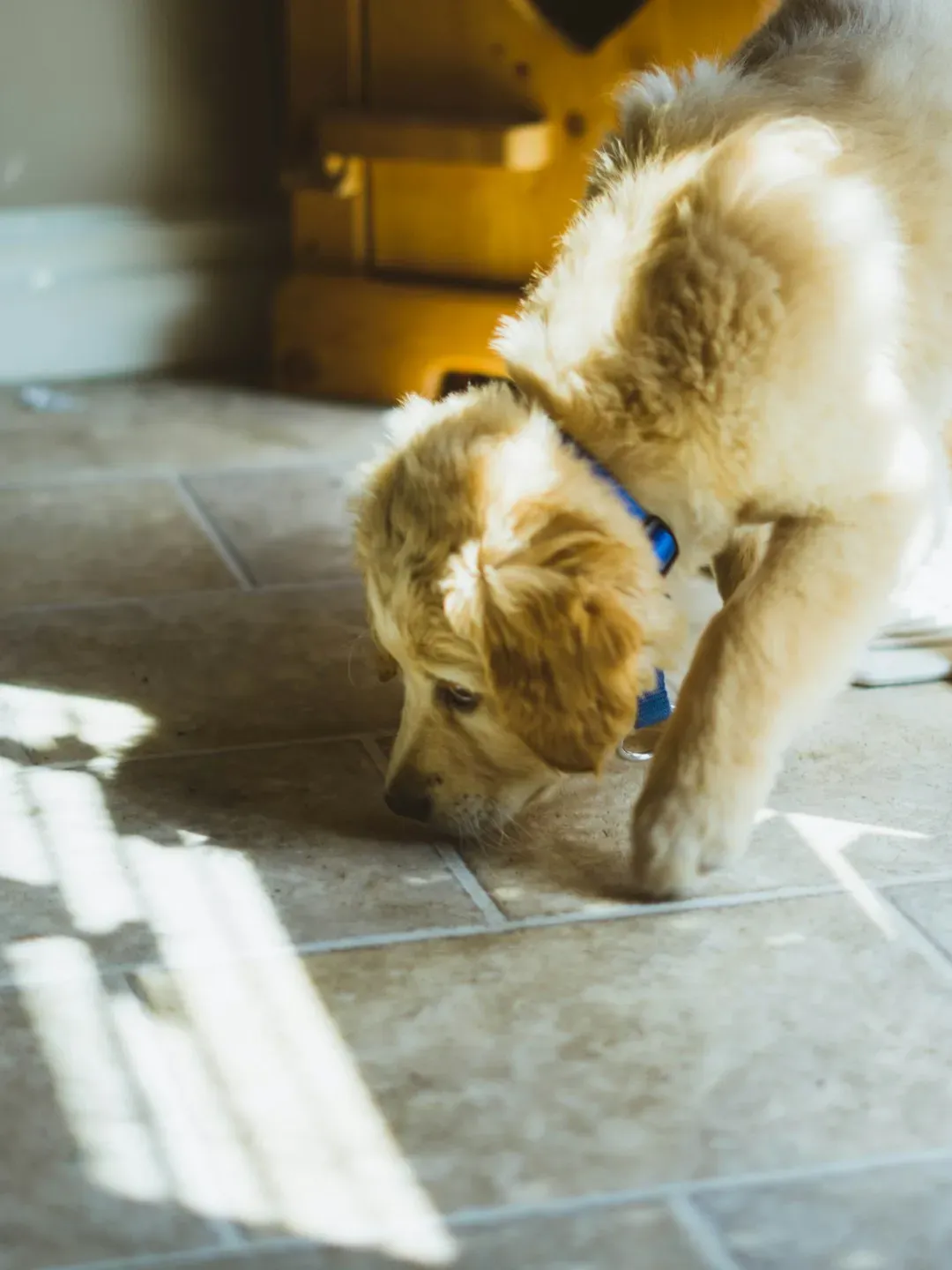
Let’s be real. Most of us think a good walk means covering distance or hitting a certain speed. Experts tell us just 20 minutes of sniffing is equivalent to an hour’s walk in terms of enrichment for your dog. That’s not a typo.
Sniffing is a complex, cognitively demanding activity that requires active engagement of a dog’s brain, decoding vast amounts of olfactory information, which stimulates multiple areas of the brain related to memory, decision-making, and focus. Your dog isn’t just smelling grass. They’re processing information about who walked by, what time they passed, whether they were stressed or relaxed, and possibly even what they ate for breakfast. It’s like reading an incredibly detailed neighborhood newsletter written in scent.
Honestly, after a good sniff walk, you’ll notice your dog is calmer at home. That’s the mental exhaustion kicking in, which is often more effective than physical exercise alone for certain behavioral issues.
Stress Relief and Emotional Regulation
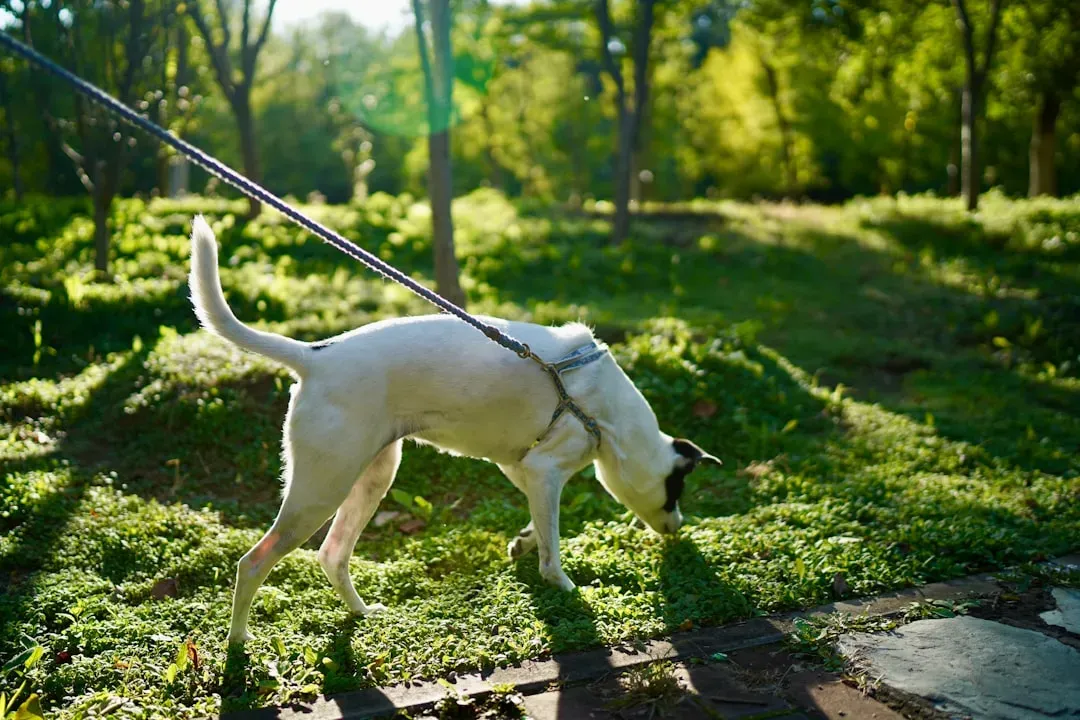
Research has demonstrated that dogs who were permitted to sniff freely during walks exhibited lower levels of cortisol, the hormone associated with stress. This is huge for dogs dealing with anxiety or nervousness. Meandering sniff sessions on a long leash can lower a dog’s pulse rate and release the mood-boosting chemical dopamine.
Picture this scenario. Your dog starts getting wound up when you grab the leash, maybe they’re reactive to other dogs or anxious in new environments. Allowing them to sniff actually helps them self-soothe. Sniffing plays an essential role in emotional regulation for dogs and is a natural stress reliever.
I’ve seen this firsthand with reactive dogs. The more we allow them to decompress through sniffing, the less likely they are to escalate when they encounter triggers. It’s not ignoring the problem; it’s giving them a tool to manage their own emotional state.
Creating Optimism and Better Behavior
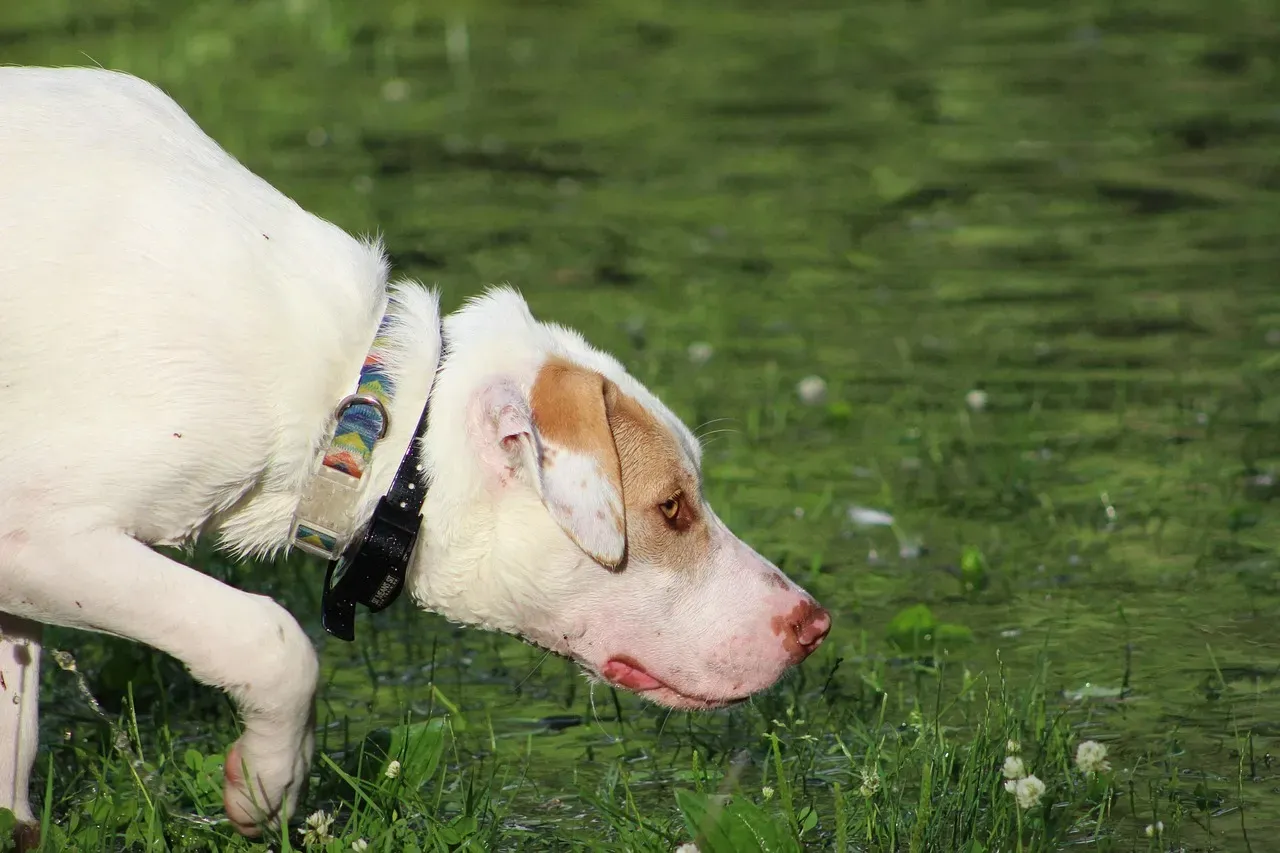
Studies have shown that allowing dogs time to sniff reduces anxiety, makes them more optimistic, and helps them be happier overall. More optimistic! That means your dog approaches new situations with a more positive outlook when they’ve had adequate sniffing opportunities.
Practicing nosework allows dogs to express a natural behavior and be more autonomous, and behaving naturally and making active choices are two key factors in animal welfare. Think about how much of your dog’s life is dictated by you. When they eat, when they go outside, where they sleep. Sniff walks give them back some control, some choice in how they navigate their world.
The behavioral benefits extend beyond the walk itself. Dogs who get sufficient mental stimulation through sniffing often display fewer destructive behaviors at home. They’re not chewing your furniture out of spite; they’re often just understimulated and bored.
How to Take a Proper Sniff Walk
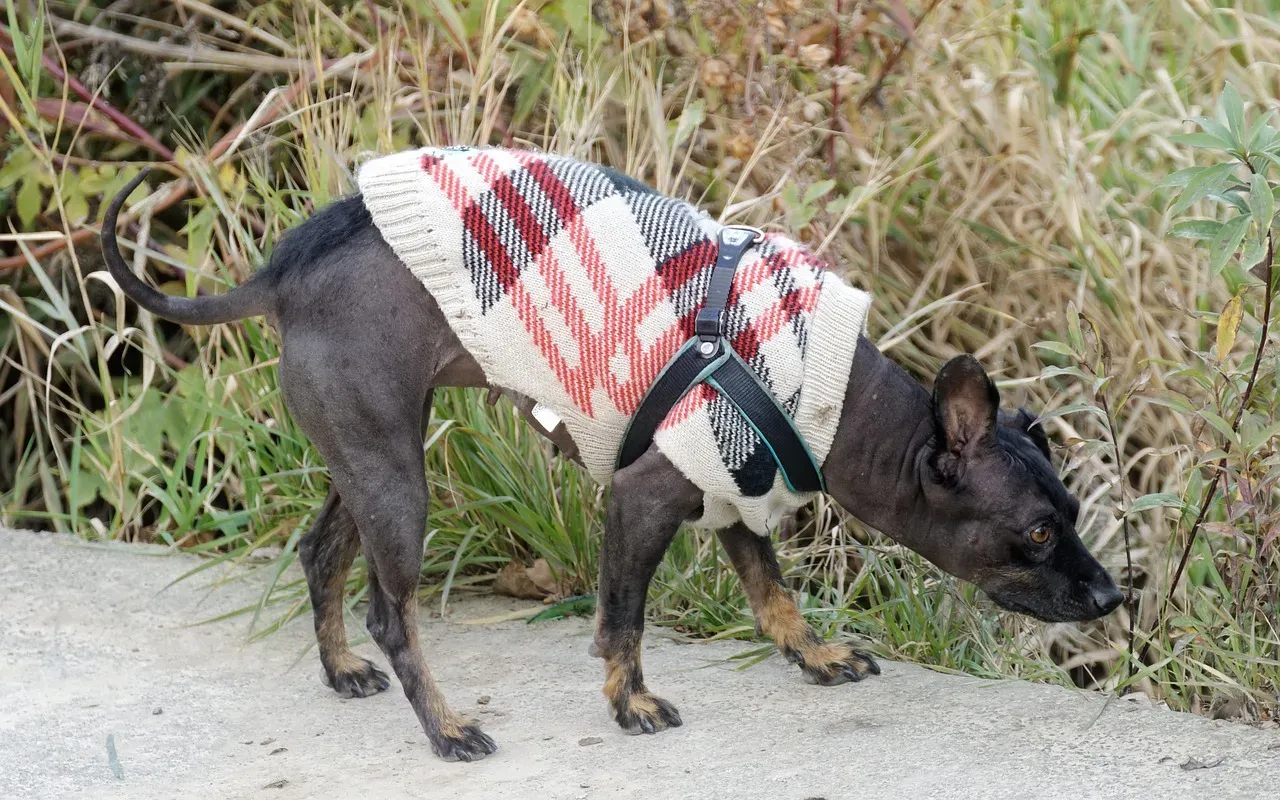
A scent walk changes the focus from miles covered to odors logged, which probably requires a different mindset for most pet parents. You’ll need to let go of your usual walking goals. This isn’t about exercise or distance. It’s about exploration.
All you need is a well-fitting harness and a long line measuring between 10 and 15 feet, which will enable your dog to not feel pressure on their neck and set the pace. Studies show that dogs sniff 280% more on a long leash than a short leash. That’s a massive difference.
When your dog stops for a sniff, let them; don’t immediately pull them away, and be patient while your dog engages with their nose. Put away your phone. Notice where your dog lingers. Are they a quick sniffer who wants to sample everything, or do they prefer deep, focused investigations of specific spots?
You don’t need to do this for every walk. Maybe your morning walk is for bathroom breaks and yours is a structured heel walk, but dedicate at least a few walks per week to letting your dog lead with their nose.
Reading Your Dog’s Sniffing Signals
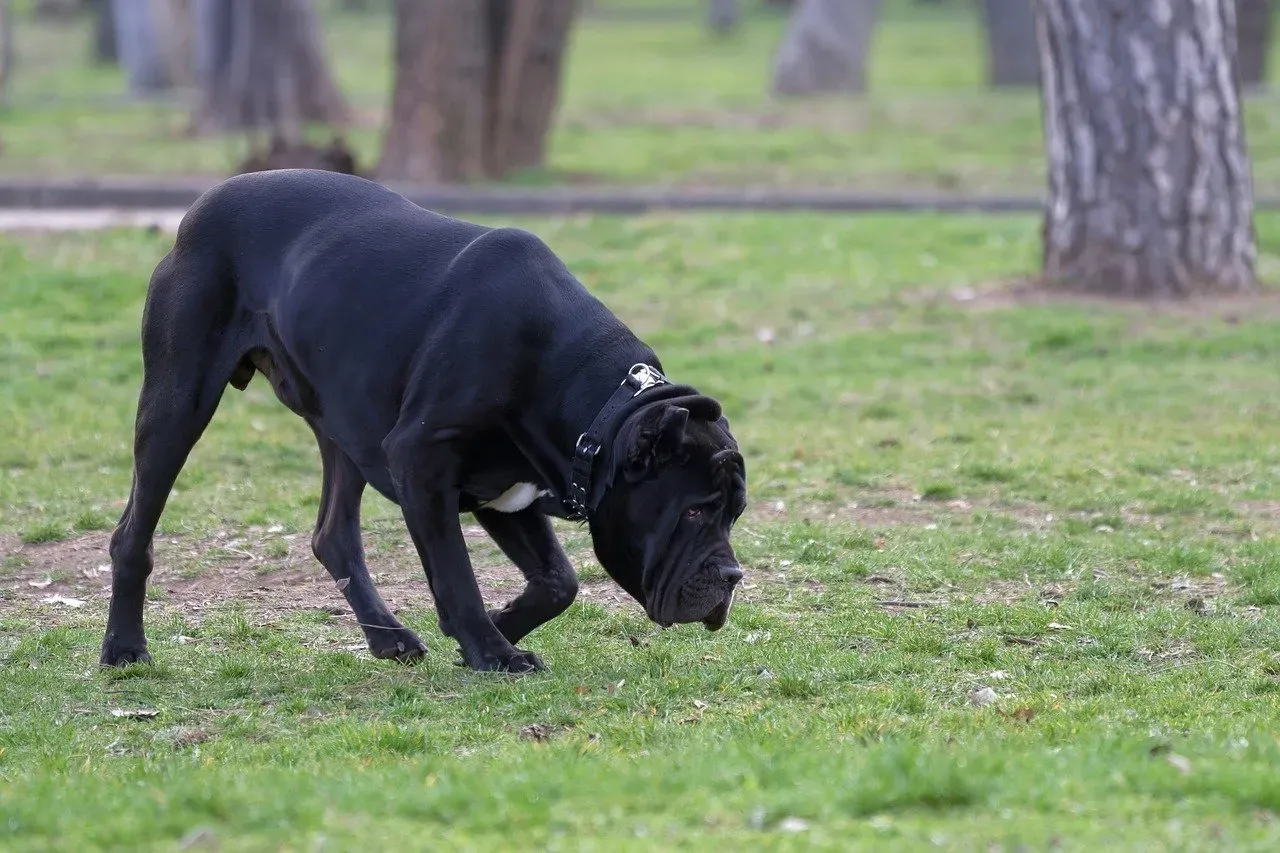
It’s all about ensuring their sniffing is calm and methodical, and a relaxed and happy dog generally has an open countenance and no stress line around their face, and their body won’t be carrying any tension. This is important because not all sniffing is created equal.
Sometimes dogs use frantic sniffing as a displacement behavior when they’re overwhelmed or stressed. You’ll notice the difference. Calm sniffing looks methodical and focused. Your dog moves deliberately from spot to spot. Stressed sniffing appears more frenzied, with rapid movements and tension in their body.
If we can find a safe place where dogs can let their guard down and explore using their noses, it can greatly reduce the amount of stress in their lives. Choose locations that feel safe for your individual dog. For some, that might be a quiet park. For others, even your own neighborhood at a less busy time works perfectly.
Conclusion: A Simple Change With Profound Impact
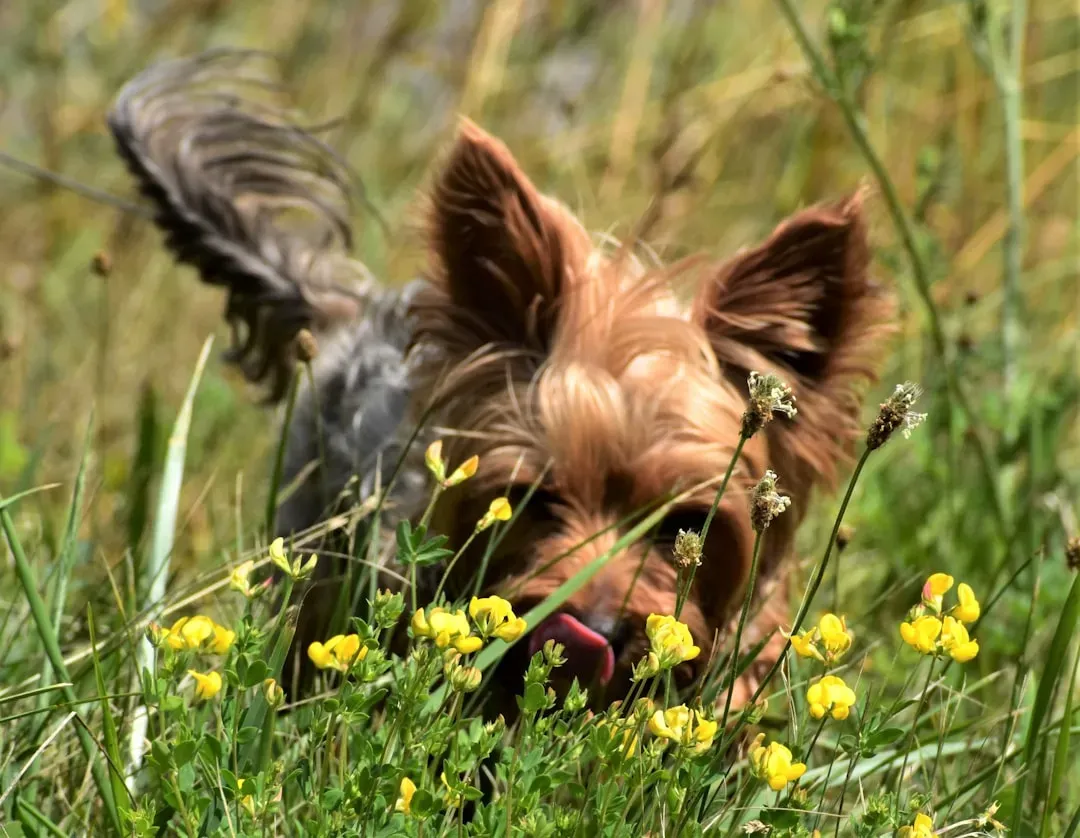
Slowing down and letting your dog sniff more isn’t just indulging them. It’s meeting a fundamental need that impacts their mental health, emotional wellbeing, and behavior. Letting your dog stop and sniff freely on walks can enhance their well-being and help you better understand their behavior and preferences.
The beautiful part? This costs you nothing except a little patience and a shift in perspective. You’re not losing time on your walks; you’re investing in your dog’s happiness and health. Next time your dog pauses to investigate that tree stump you’ve passed a hundred times, take a breath and let them read their “pee-mail.” You might just find that both of you come home calmer and more connected.
What changes will you make to your next walk? I’d love to hear how your dog responds when you give them more sniffing freedom.


