
Have you ever noticed your dog seems more jittery after certain meals, or unusually calm after switching foods? Maybe you’ve written it off as coincidence. Here’s the thing though, what goes into your dog’s bowl matters far beyond basic nutrition. It shapes their emotions, influences their stress levels, and even affects whether they greet the world with a wagging tail or nervous energy.
We often think of food as fuel. Sure, it keeps our dogs moving, but there’s a deeper story unfolding inside their bodies every single time they eat. The connection between diet and mood in dogs is more profound than most of us realize. Let’s explore what’s really happening beneath the surface.
The Gut-Brain Axis: Your Dog’s Second Brain

Scientists call the gut the second brain, though honestly, some argue it deserves to be called the primary one. That’s how powerful this organ system is. The gut influences mood and brings diet into the spotlight when it comes to behavior, which is why this organ is known as the second brain.
The communication highway between your dog’s digestive system and their brain runs both ways. Imagine thousands of messages traveling back and forth, influencing everything from anxiety levels to how your pup responds to stress. These microorganisms produce neurotransmitters like serotonin, dopamine, acetylcholine, and norepinephrine. When the gut is happy and balanced, those signals tend to promote calm, focused behavior. When it’s not? That’s when you might see restlessness, irritability, or even aggression creep in.
Your dog’s gut houses trillions of bacteria working quietly to keep everything in harmony. Think of them as tiny mood managers. When their population gets thrown off balance by poor-quality food, the entire system suffers.
Blood Sugar Rollercoasters and Behavioral Spikes
Let’s be real: we’ve all experienced that post-sugar crash. Dogs aren’t any different. Diets high in processed grains and artificial fillers can cause spikes and crashes in blood sugar, leading to sudden bursts of hyperactivity followed by lethargy or moodiness.
Picture this: your dog devours a meal loaded with refined carbohydrates and low-quality fillers. Their blood sugar shoots up, they’re bouncing off the walls for thirty minutes, and then they crash hard. They become irritable, unfocused, maybe even a little snappish. It’s not their fault. Their body is reacting to what you’ve fed them.
Dogs need stable blood sugar levels to have a stable temperament, and stable blood sugars have a positive impact on the happy hormone serotonin. Complex carbohydrates like sweet potatoes or pumpkin release energy slowly, keeping your dog on an even keel throughout the day. That steady energy translates to steadier moods.
Protein, Amino Acids, and the Mood Molecule Factory
Protein isn’t just for building muscle. It’s the raw material for creating the chemical messengers that regulate your dog’s emotional world. Two of the key amino acids dogs need are tryptophan and tyrosine, with tryptophan being a precursor to the neurotransmitter serotonin, which plays a role in mood and can influence behaviors such as anxiety, stress, fear, and aggression.
Think of amino acids as the building blocks of happiness. Without enough tryptophan, serotonin production drops. Animals who consume diets with suboptimal levels of tryptophan have been shown to have increased anxiety and instances of aggression. That’s a pretty stark consequence for something as simple as diet composition.
Quality matters immensely here. A cheap dog food might list protein on the label, but if it comes from questionable by-products or meal, your dog isn’t getting the bioavailable amino acids they need. Look for whole meat sources. Your dog’s brain will thank you.
Omega-3s: The Calm-Inducing Powerhouse
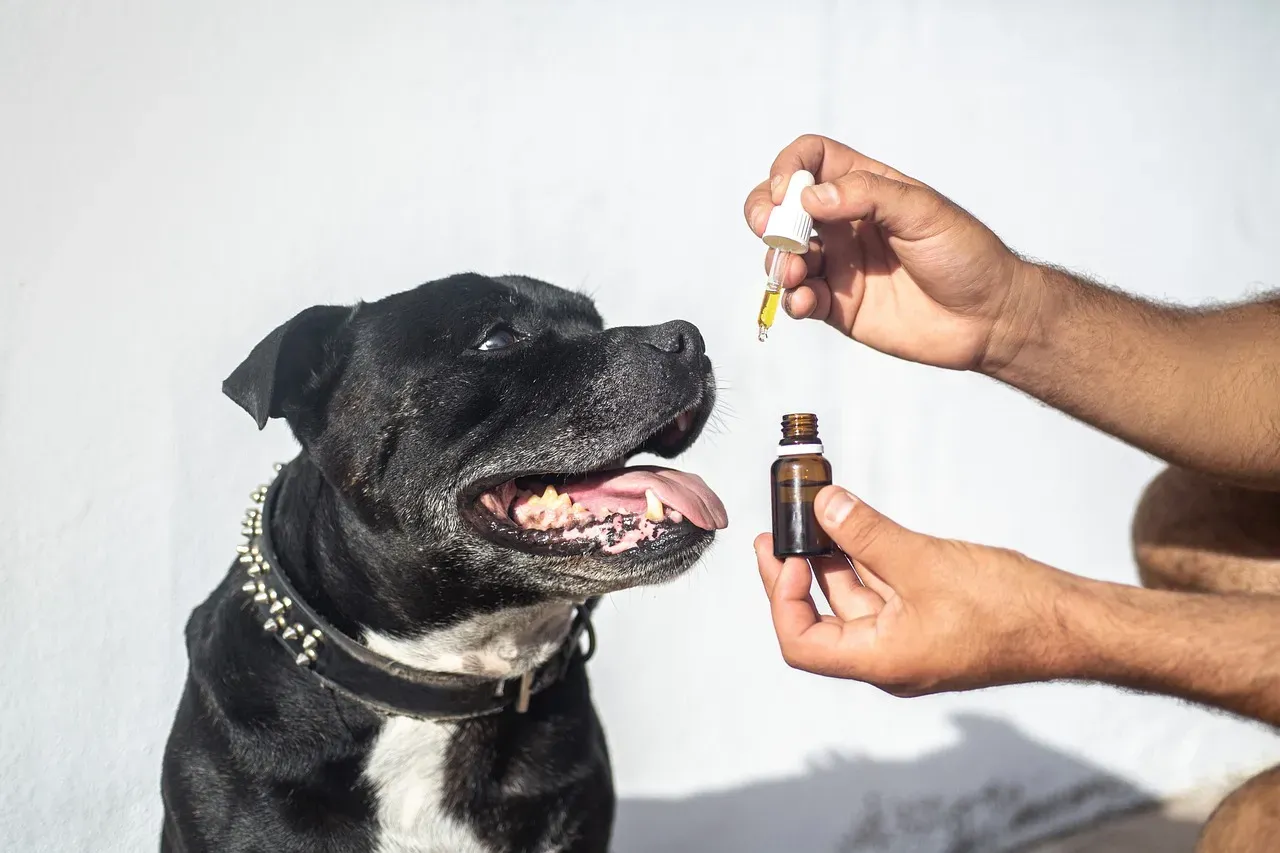
Fish oils rich in omega-3 fatty acids can help reduce anxiety due to the effect these acids have on neurotransmitters in the brain, helping to regulate dopamine and serotonin to induce relaxation and decrease symptoms of anxiety in dogs. If there’s one supplement that consistently shows up in research for improving canine mood, it’s omega-3 fatty acids.
Most commercial dog foods are heavy on omega-6 fatty acids from corn, soy, and vegetable oils. Omega-6 fats are proinflammatory and have been linked to chronic disease development and mood disorders such as anxiety. The balance between omega-6 and omega-3 matters tremendously. When the scale tips too far toward omega-6, inflammation rises, and with it, behavioral problems.
Fish oil, flaxseed, or foods naturally rich in omega-3s like salmon can make a noticeable difference. Dogs suffering from anxiety, depression or hyperactivity may benefit from supplementation with omega-3 fatty acids, with research proving they modulate neurotransmitters and affect neuroplasticity, influencing the same pathways that anti-anxiety medications do. That’s pretty powerful for something as simple as adding fish to the bowl.
The Ingredients You Need to Avoid

Not all dog foods are created equal. Some contain ingredients that actively sabotage your dog’s emotional stability. Artificial colors and flavors are linked to hyperactivity and food sensitivities. They serve zero nutritional purpose and exist only to make food look appealing to humans.
Corn syrup can result in weight gain, diabetes, tooth decay, hyperactivity, and mental behavioral problems. Sugar crashes don’t just affect kids. Dogs experience the same spike-and-crash pattern that leads to irritability and poor focus.
Preservatives like BHA, BHT, and ethoxyquin are another red flag. Preservatives like BHA and BHT are suspected to have negative effects on the nervous system. I know it sounds crazy, but these chemicals linger in your dog’s system and may contribute to long-term behavioral changes. Natural preservatives like vitamin E or rosemary extract are far safer alternatives.
Feeding Schedules Matter More Than You Think

It’s not just what you feed, but how and when. Feeding adult dogs two to three times per day, often combined with exercise and slight feeding routine adjustments, can help improve the overall demeanor of a dog.
Free-feeding, where food sits out all day, can lead to constant grazing and possibly overeating. On the flip side, feeding only once a day can leave your dog ravenously hungry, which might trigger food aggression or anxiety around mealtimes. A predictable schedule creates emotional stability. Your dog knows when to expect their next meal, and that certainty reduces stress.
Timing meals around exercise can also help. A well-exercised dog with a satisfied belly is far more likely to settle peacefully than one who’s either restless or uncomfortable from digestive upset.
Conclusion

The food you choose for your dog is far more than just calories and nutrients. It’s a daily decision that shapes their emotional world, their stress resilience, and their overall quality of life. From gut bacteria sending signals to the brain, to blood sugar levels dictating energy and mood, to amino acids building the very molecules of happiness, every bite matters.
Switching to a high-quality, balanced diet with whole ingredients, appropriate protein sources, and the right fats can genuinely transform a dog’s behavior. It won’t replace training or behavioral support when needed, but it creates the foundation for a calmer, happier companion.
What changes have you noticed in your dog after switching foods? Share your story in the comments below.


