
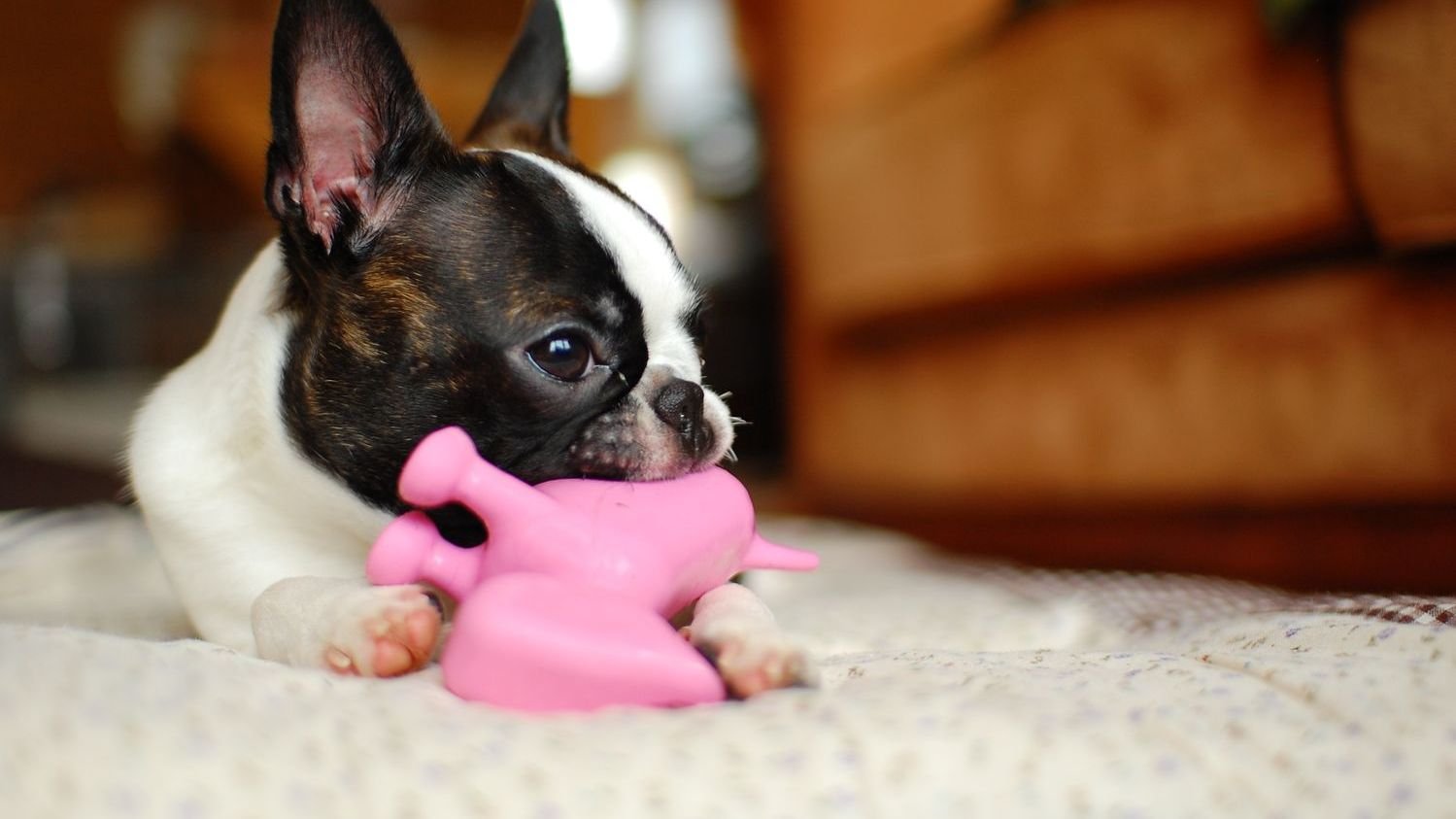
Your dog has a basket full of toys. Yet somehow, there’s always that one special treasure they carry everywhere, the stuffed duck with the missing ear, the ratty tennis ball, the rope toy they refuse to let you throw away. Ever wonder why? It’s not random.
The toys your dog loves most aren’t just playthings. They’re windows into their deepest instincts, emotional needs, and even their personality. What draws them to certain textures, sounds, or shapes reveals more about their inner world than you might imagine. So let’s dive into the fascinating science and psychology that explains why your furry friend can’t resist that one squeaky toy or why they hoard that particular plushie like it’s made of gold.
The Ancient Hunter Lives On in Every Tug and Shake
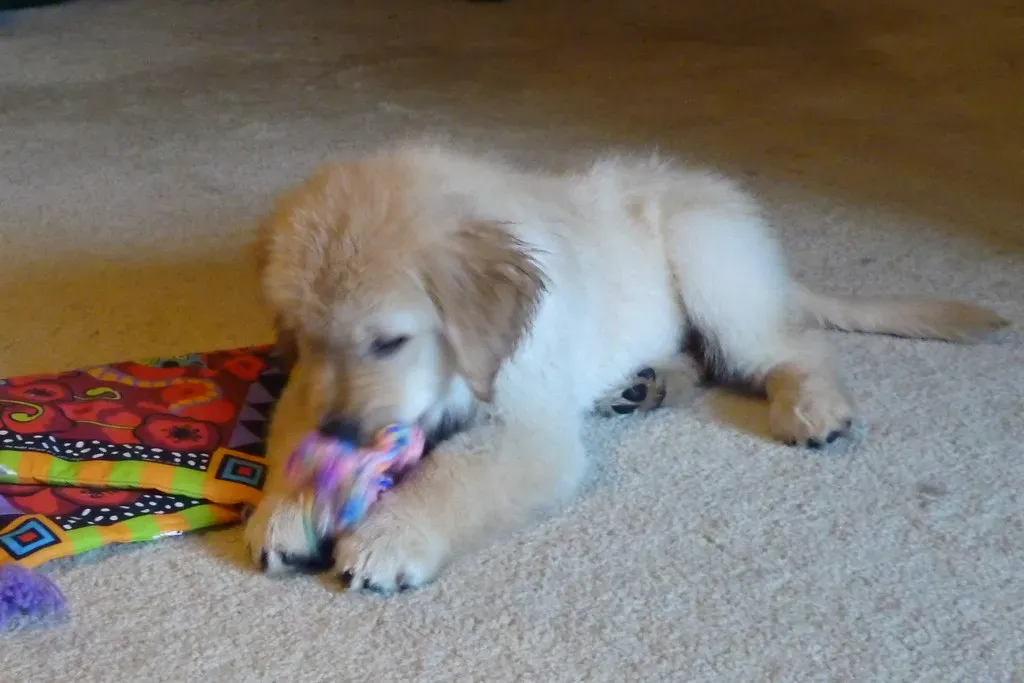
Dogs perceive toys in the same way that wolves perceive prey, which means every game of fetch or tug is actually an echo of their ancestral hunting rituals. When your dog pounces on a toy, shakes it violently, or tears it apart, they’re not being destructive. They’re expressing hardwired predatory behaviors passed down through thousands of years.
Many dogs, particularly hunting dogs, enjoy squeaky toys because they sound like prey when they pounce and chew on them. That high-pitched squeal? It mimics the distress call of a small animal. Terriers might violently shake their toys because that’s how they were bred to dispatch rats. Meanwhile, Labradors and Retrievers often prefer carrying toys gently in their mouths, reflecting their history of retrieving game birds without damaging them.
Think about it. Your dog’s play style tells you exactly which part of the hunt they find most rewarding. Some dogs live for the chase, others for the capture, and some just want to dissect their “prey” and pull out that squeaker. It’s really all about which stage of the predatory sequence lights up their brain the most.
The Irresistible Pull of Novelty and Newness
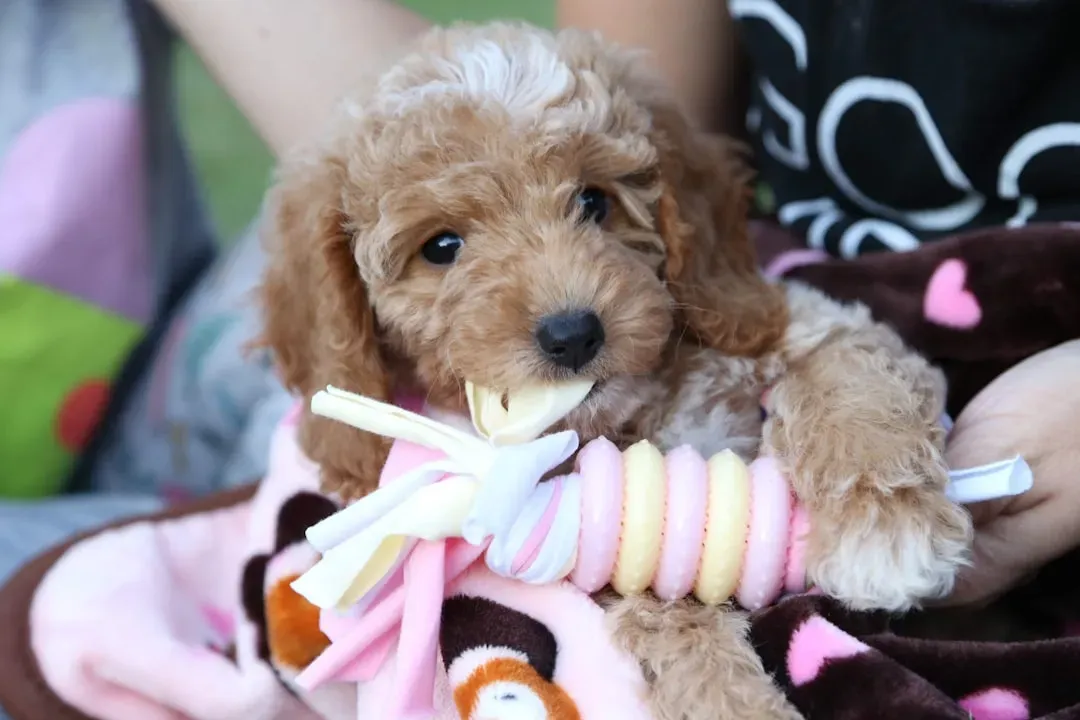
Here’s something that might surprise you. Dogs chose the unfamiliar new toy 76% of the time when researchers presented them with both familiar and novel options. This phenomenon is called neophilia, and it explains why your dog goes absolutely bonkers over a brand-new toy only to abandon it twenty minutes later.
As a dog gets used to the stimulus qualities of the toy – its smells, texture, and sounds – the dog likely tires of that toy. This isn’t your dog being ungrateful or fickle. It’s their brain craving fresh stimulation and new challenges. The excitement of discovery is intensely rewarding for dogs.
The exception? Those special comfort toys that become lifelong companions. Some dogs form deep attachments to specific toys that transcend novelty, carrying them to bed every night or treating them like precious treasures. That’s less about the hunt and more about emotional security, which we’ll explore in a moment.
Scent Creates an Invisible Bond
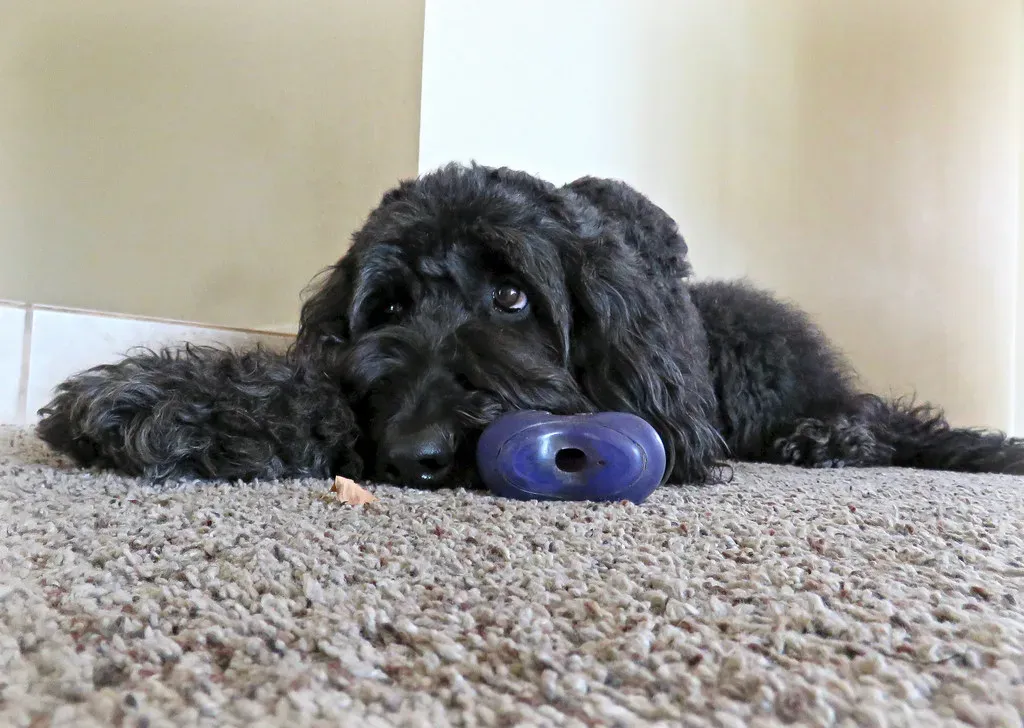
Dogs have an exceptional sense of smell, and when it comes to toys, scent plays a vital role in a dog’s preference. A dog may choose a particular toy because it carries their scent or the scent of their human. This familiarity provides a sense of security and comfort, making the toy more appealing. Your smell on that old tennis ball isn’t just tolerated. It’s treasured.
Dogs live in a world shaped far more by scent than by sight. That favorite toy doesn’t just look familiar, it smells like home, like you, like safety. Recent research even shows that dogs exhibited a preference for yellow toys over blue ones, as well as a preference for vanilla-scented toys compared to those with a beef scent. Who knew your dog had such refined sensory preferences?
When your dog buries their nose in their favorite toy or carries it around the house, they’re not just playing. They’re surrounding themselves with comforting, familiar scents that reduce anxiety and create a sense of wellbeing. It’s their version of a security blanket.
Texture Speaks Louder Than Words
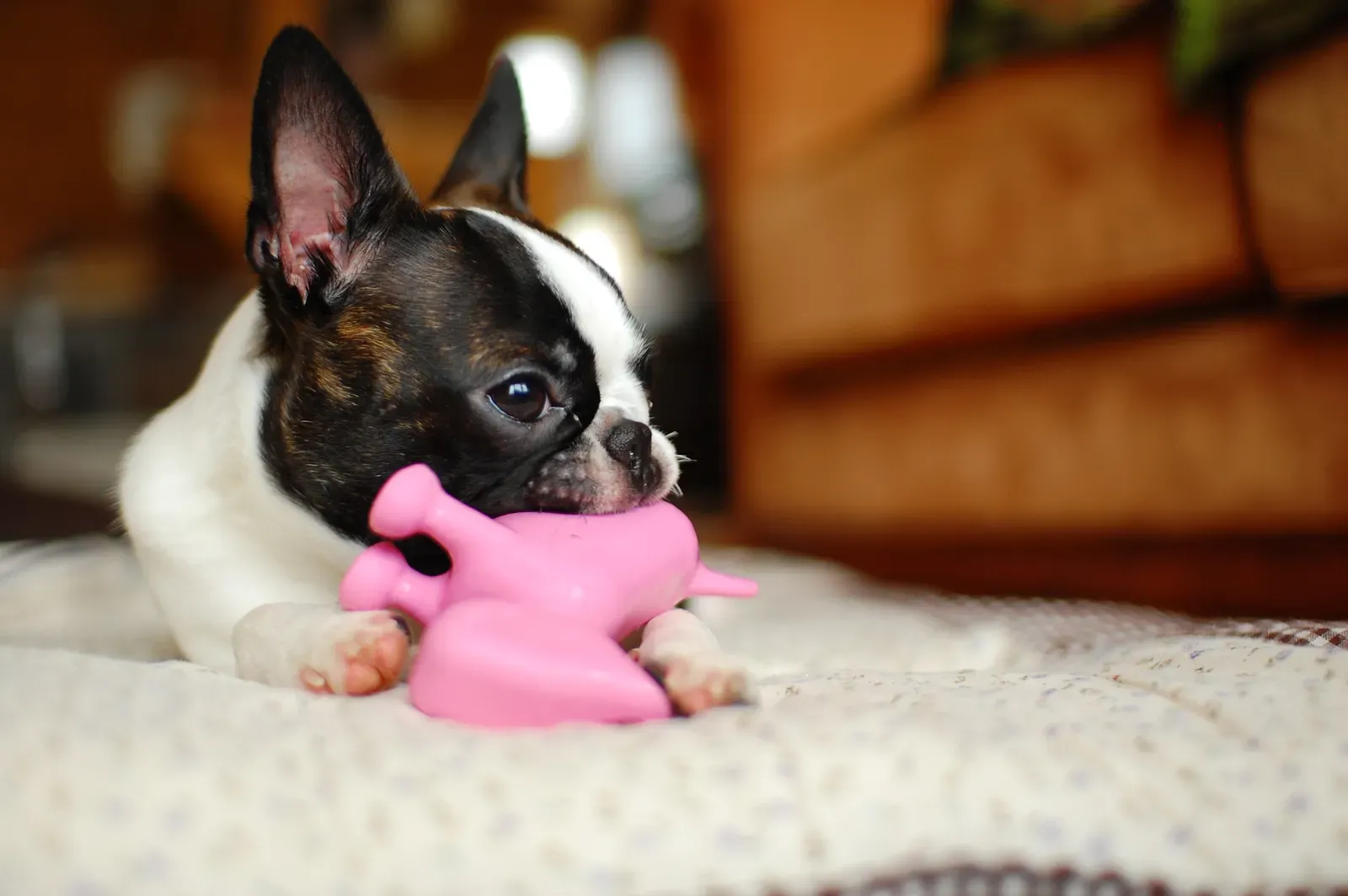
The tactile experience of a toy is another crucial factor in a dog’s preference. Dogs explore the world through their mouths, and the texture of a toy can greatly influence their choice. Some dogs may prefer soft, plush toys for gentle chewing, while others may opt for rubber or nylon toys that provide a satisfying mouth feel during play.
Dogs first approached objects of similar shape, but then predominantly chose objects of similar texture. This fascinating finding shows that while dogs use their eyes initially, the real decision happens when they get their teeth on something. The way a toy feels in their mouth matters enormously.
Puppies going through teething might obsess over toys with ridged surfaces that massage their sore gums. Power chewers often gravitate toward dense rubber that offers satisfying resistance. Gentle souls prefer plushy softness. Your dog’s texture preference is as personal as their personality, and paying attention to it helps you choose toys they’ll actually use.
The Squeak That Releases Pure Joy
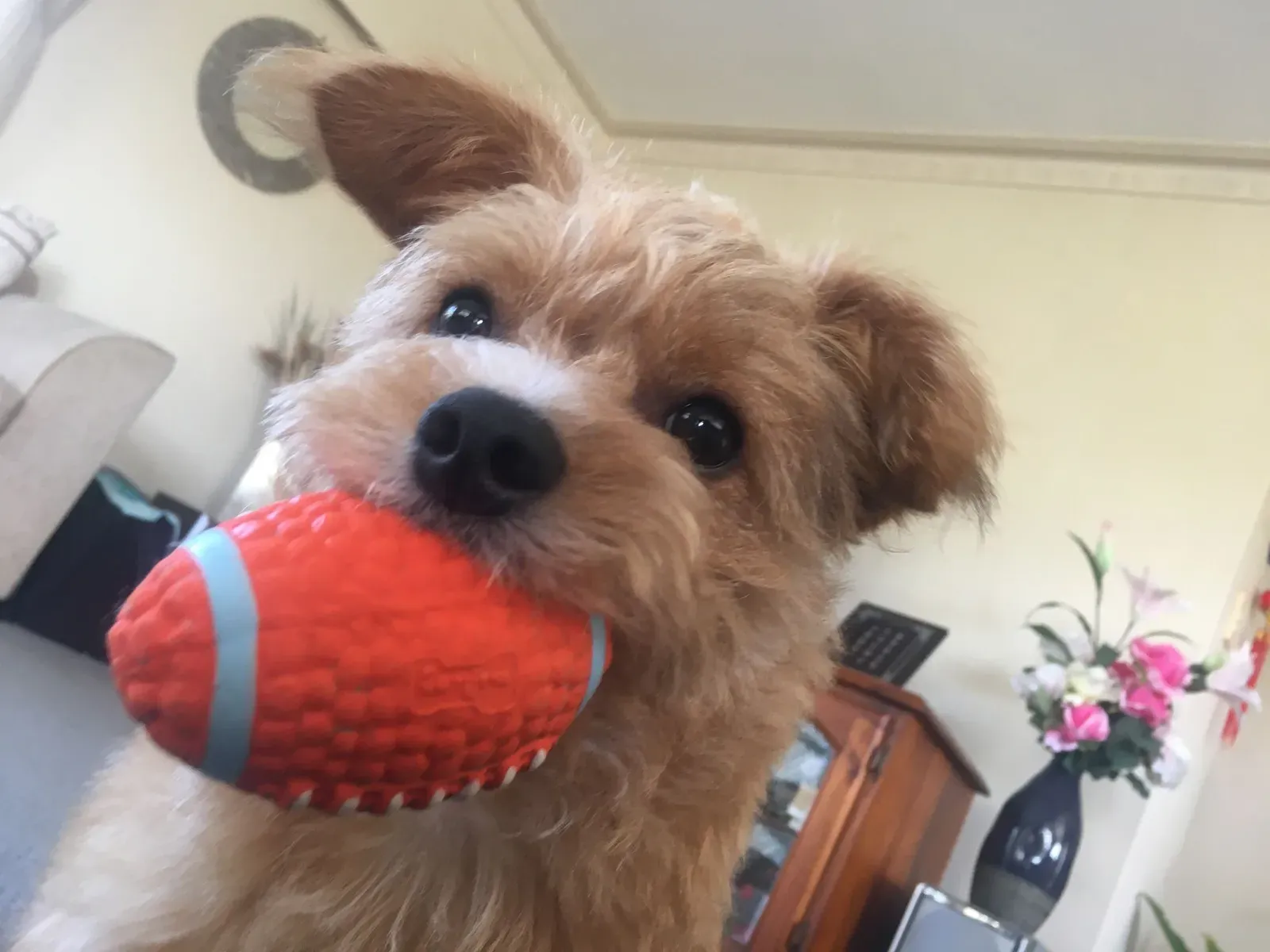
Let’s talk about that sound that drives you slightly mad but makes your dog lose their mind with happiness. Dogs like squeaky toys because the sound mimics prey distress noises, activates innate hunting instincts, and delivers immediate reward feedback that stimulates dopamine release. Every single squeak creates a little burst of pleasure chemicals in your dog’s brain.
When a dog bites down on a squeaky toy and hears the sound, it simulates the experience of subduing prey. This activity not only provides mental stimulation for the dog but also allows it to practice and refine its hunting skills in a domestic environment. The squeak tells them their bite was effective, which is incredibly satisfying on a primal level.
Some dogs won’t rest until they’ve “killed” the squeaker, silencing it forever. Others just enjoy the ongoing feedback loop of bite, squeak, reward, repeat. Either way, that annoying noise you hear is actually your dog experiencing genuine fulfillment and mental stimulation. Worth the headache? Probably.
Emotional Attachments Run Deep
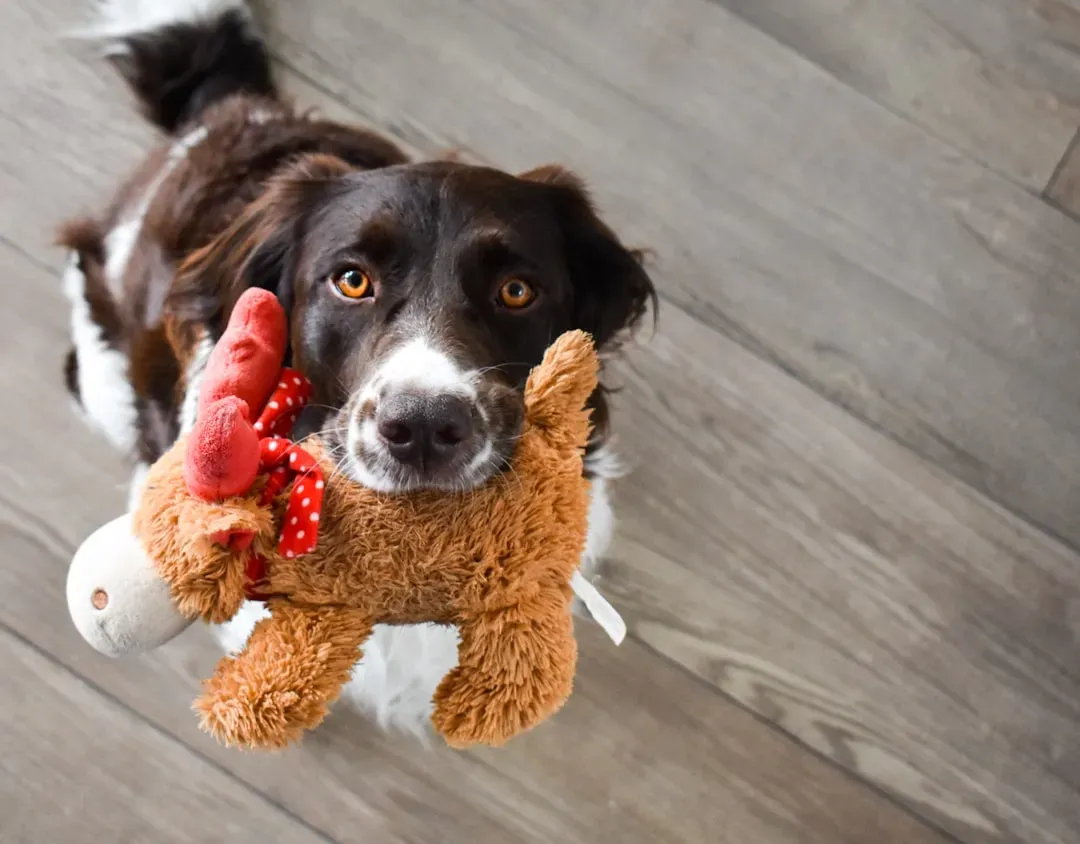
A dog imprinting on a toy can be a “very healthy behavior.” “It’s a lot of paternal and maternal response to something that they have a deep attachment to,” explains veterinarian Dr. Adam Christman. That ratty stuffed animal your dog protects fiercely might actually be filling a nurturing instinct.
Female dogs especially may develop maternal attachments to soft toys, carrying them gently and “nesting” with them. Dogs experiencing separation anxiety often turn to specific toys for comfort when you’re away. If a toy or blanket was introduced during a sensitive developmental stage, that toy may become an emotional anchor for the dog, because the pup formed a positive association when the toy came into the picture. This can often happen when your dog’s a puppy, and they may find emotional comfort and support from the smell or texture.
These beloved companions aren’t just toys. They’re emotional support objects that help your dog navigate stress, loneliness, and change. When your dog tucks their special toy into bed beside them, they’re engaging in self-soothing behavior that’s both touching and psychologically healthy.
The Magic Ingredient? You
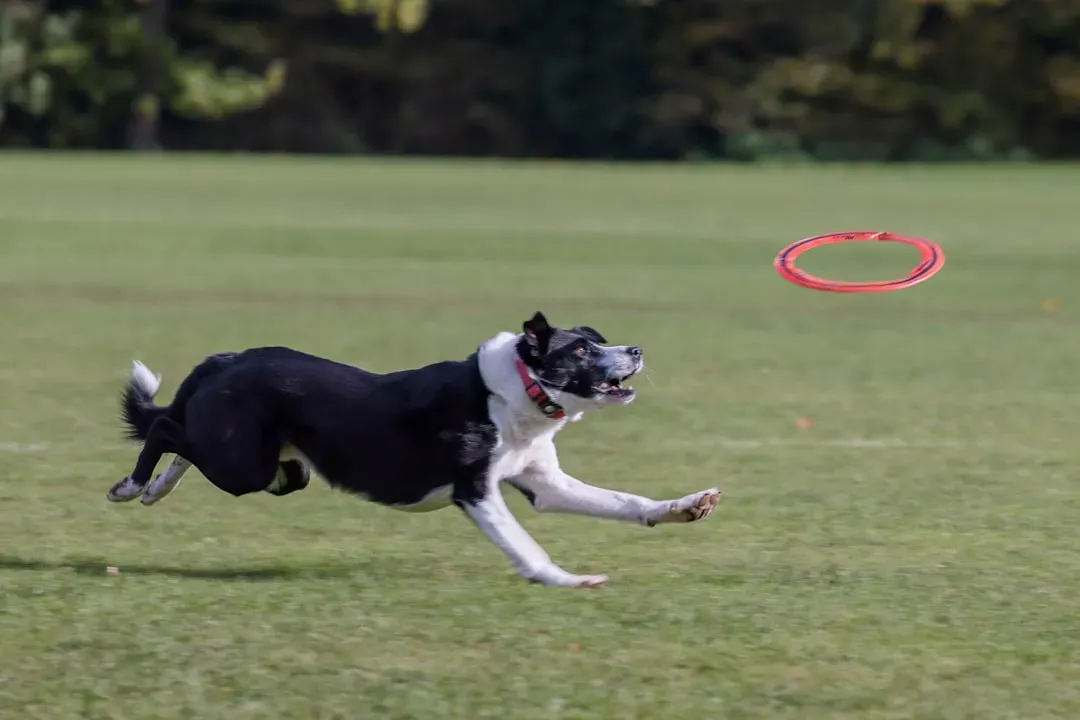
Here’s the real secret . The best way to keep a plaything from becoming boring relies on the fact that you personally can make a difference in the interest value of the toy. Playing with your dog using that old toy can change the plaything’s worth and the dog’s interest in it. A toy can take on an entirely new meaning when it becomes the focus of interaction between you and your dog.
The toys associated with the most joyful moments you share together become the most treasured. That frisbee isn’t just a disc, it’s the gateway to exciting games in the park with you. That tug rope represents the rough-and-tumble bonding sessions you have every evening. Dogs don’t love toys in isolation. They love the experiences and relationships those toys represent.
Having their humans involved in playtime makes all the difference to dogs when it comes to choosing a favorite toy. “Like when you give your dog a toy and there is a moment that is happy and special with a toy and they associate it with a memory. It’s like when you have a toy as a child that your uncle gave you for Christmas and you hadn’t seen him for ages. Those moments have a lot of impacts for dogs and the impact can last forever.”
Understanding why your dog cherishes certain toys opens up a beautiful window into their mind. It shows you what makes them feel safe, what satisfies their deepest instincts, and how profoundly they value the time you spend together. Next time you see your dog carrying around that beat-up toy, remember: it’s not junk. It’s a prized possession filled with meaning, comfort, and joy. Maybe it’s time to grab that toy and initiate a game. After all, you’re the real reason it’s their favorite anyway. What does your dog’s favorite toy say about them?


