

There is something deeply moving about the way a dog stares at the door long after you have left. It is not just loyalty. It is not just breed temperament. For some dogs, that door might as well represent the end of the world. If you have ever watched your dog tremble as you reach for your keys, or come home to furniture in pieces, you have caught a glimpse of something far more complex than simple clinginess. What is unfolding inside your dog mirrors something researchers are finding eerily similar to human trauma bonds, and honestly, once you see it, you cannot unsee it. The parallels are quiet, emotional, and a little heartbreaking. Let’s dive in.
When Love Becomes a Lifeline: The Roots of Attachment
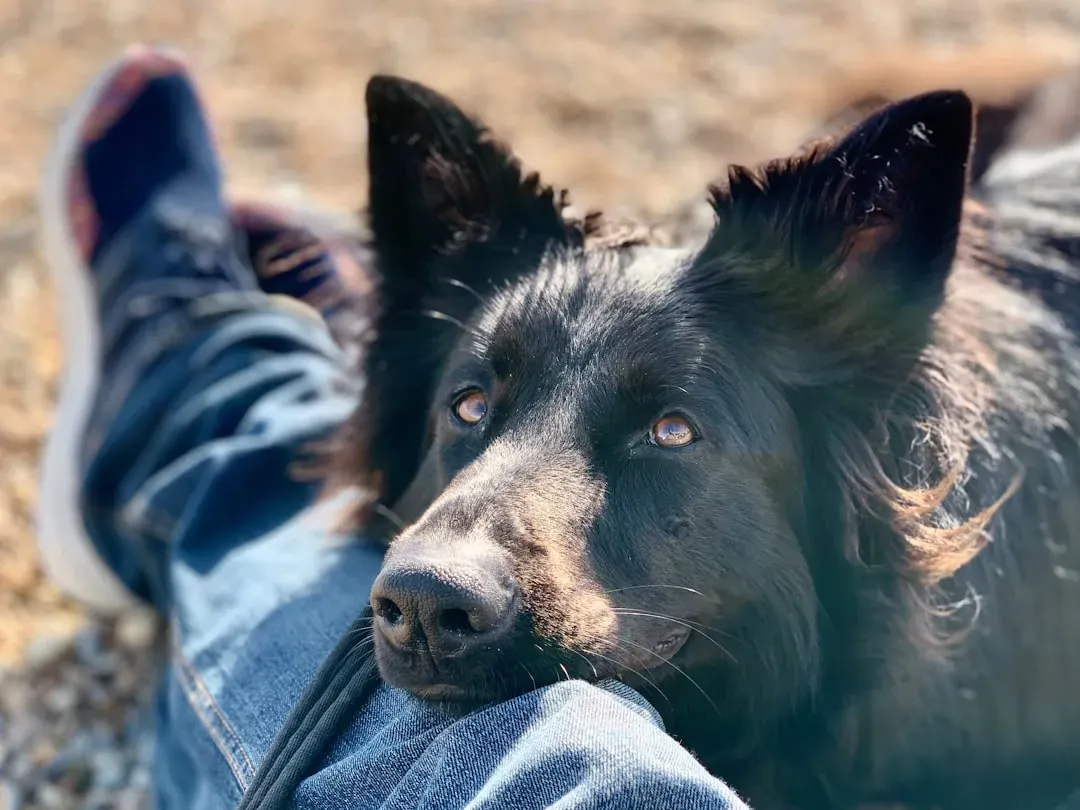
The theory of the human-dog bond, called attachment theory in psychological terms, is based on human studies showing that infants have a strong need to be near their caregiver, the attachment figure. In humans, when that caregiver is unreliable or frightening, the attachment doesn’t disappear. It intensifies. It becomes desperate, hypervigilant, and emotionally exhausting. Sound familiar?
The emotional attachment between adult dogs and their owners has been found to be similar to that displayed by human adults and their children, which is not surprising given that dogs have been selected for their dependence on humans over ten thousand or more years of domestication. In other words, your dog is not just choosing to love you. They are biologically wired to.
The dog-owner relationship shows some similarities to the human caregiver-infant relationship, and dogs show similar behaviors of attachment, such as approaching, following, clinging, or vocalizing toward their owners. The difference is that a human child eventually grows up. Your dog never stops needing you in that primal, foundational way.
The Trauma Connection: Early Wounds That Echo Later

Here is the thing that stopped me in my tracks when I first learned about it. Trauma in early life shapes attachment patterns in both humans and dogs far more than most of us realize. The science on this is quietly stunning.
Dogs exposed to humans outside the home and to a wide range of experiences between the age of five and ten months are less likely to develop separation-related problems, and dogs that are separated from the litter early, before sixty days, are more likely to develop problem behaviors including destructive behavior and excessive vocalization. Think about that. The equivalent of adverse childhood experiences exist in dogs too.
Adverse childhood experiences, commonly referred to as ACEs, are potentially traumatic events that occur in early life, with a spectrum that includes physical, emotional, or sexual abuse, witnessing violence, and growing up in a household with substance use or mental health problems. Researchers are now actively exploring whether a trauma-informed care approach should be applied to dogs presenting with anxiety disorders, acknowledging the striking overlap between these two worlds.
Inconsistency Is the Real Villain: Mixed Signals and Anxious Attachment

Humans who grew up with emotionally unpredictable caregivers often develop a pattern where they cannot relax, even in safe relationships. They brace for abandonment, even when it is not coming. Dogs do this too. It is not a coincidence.
If dogs are similar to humans, anxious attachment in dogs could mean they have learned that their owner’s care is inconsistent, sometimes warm and caring but dismissive and cold at other times. The dog may be confused by the mixed signals and feels unsure about the relationship, which may explain why they cannot cope with being alone, because they are not sure if the owner will return and may not have learned good stress coping skills.
The owner’s inconsistency and unpredictable responses during interactions with the dog could cause a reduced frustration threshold in the dog. In human psychology, this is almost a textbook description of how anxious attachment forms. Loving someone who runs hot and cold does not build confidence. It builds fear.
What Over-Attachment Actually Looks Like: Behavior Cues to Watch For

Let’s be real: there is a difference between a dog who loves you and a dog who is struggling. The signs are not always dramatic. Sometimes they are quietly heartbreaking, like a dog who simply cannot settle when you are in another room.
Dogs with separation-related behavior problems engage in unwanted behavior such as destruction of property and excessive vocalization when left alone, causing distress for both the dog and the owner, and often leading to the dog being relinquished or euthanized. Destruction of furniture, indoor accidents, relentless barking. These are not acts of spite. They are distress signals.
Some dogs with separation anxiety chew on objects, door frames, or window sills, dig at doors and doorways, or destroy household objects when left alone, and these behaviors can result in self-injury, such as broken teeth, cut and scraped paws, and damaged nails. When a dog hurts itself trying to escape or reach you, that is not bad behavior. That is panic. Although we cannot know for sure what is in a dog’s mind, separation anxiety can be thought of as the equivalent of a panic attack.
The Emotional Contagion Loop: When Owner Anxiety Fuels Dog Anxiety
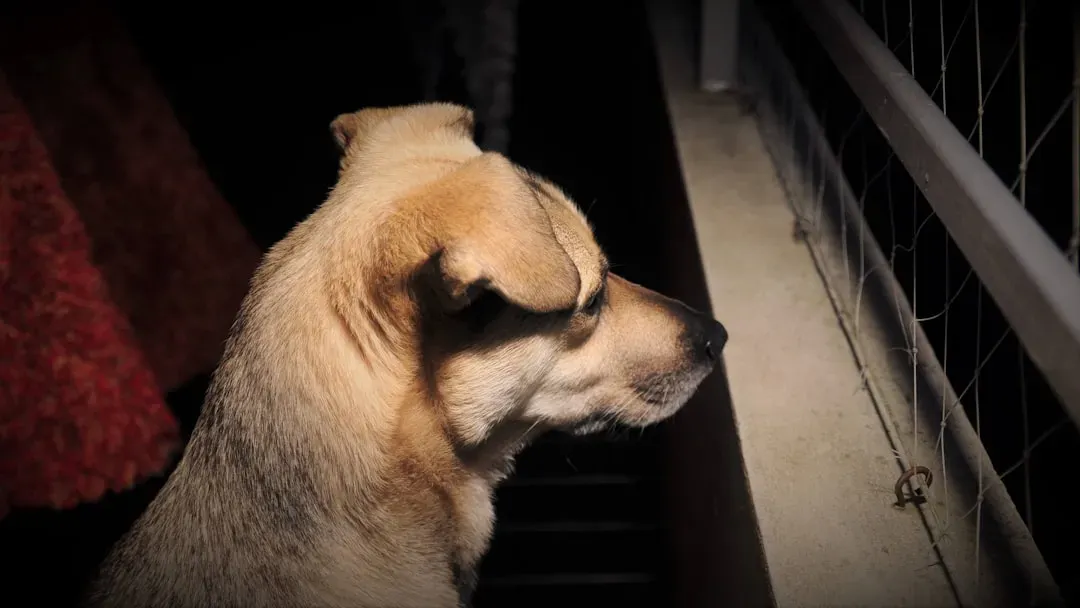
This one is probably the most surprising similarity of all, and I think it deserves more attention than it gets. The emotional feedback loop between humans in trauma bonds and their dogs is genuinely bidirectional. Your dog feels you. Deeply.
Recent studies demonstrate that bonded dogs and humans can experience what is known as emotional contagion: our emotions can be influenced by those around us, including the pets we steward. Without intervention, this shared anxiety can become cyclical and self-perpetuating. Think of it like two anxious people in a room together, each one amplifying the other’s fear.
Improvement in a dog’s anxiety will naturally ease it in its owner as well. This is actually beautiful news. It means healing one of you genuinely helps the other. The bond that creates the wound is also the bond that enables the recovery. There is something incredibly hopeful about that.
Breaking the Cycle: Real, Practical Steps Toward Healing
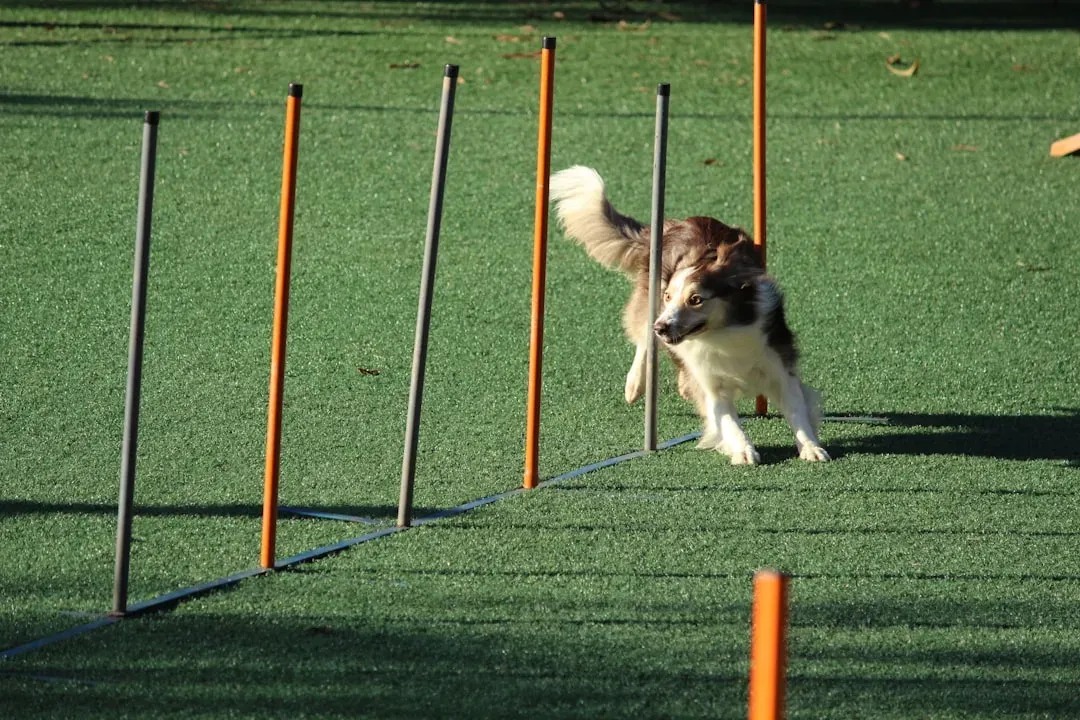
Here is where things get encouraging. The good news is that over-attachment and separation anxiety in dogs are treatable, not with punishment, but with patience, consistency, and the right tools. Sound familiar? It is exactly what trauma-informed human therapy preaches too.
Moderate or severe cases of separation anxiety require a desensitization and counterconditioning program, gradually accustoming a dog to being alone by starting with many short separations that do not produce anxiety and then gradually increasing the duration of the separations over many weeks of daily sessions. Think of it as gently teaching your dog that being alone is survivable, even safe.
In practice, this could mean giving a dog a treat or special toy every time the front door closes so they learn to associate the sound with something that induces excitement rather than fear. Increasing stress-coping resources in dogs is another way to help them manage alone time, including items that soothe or items that distract, such as a treat puzzle or ball. And never forget: never punish your dog, as this will only increase their anxiety. A consistent daily routine can help your dog establish expectations for when they will receive attention and when they will be alone.
Conclusion: Seeing Your Dog Through a New Lens
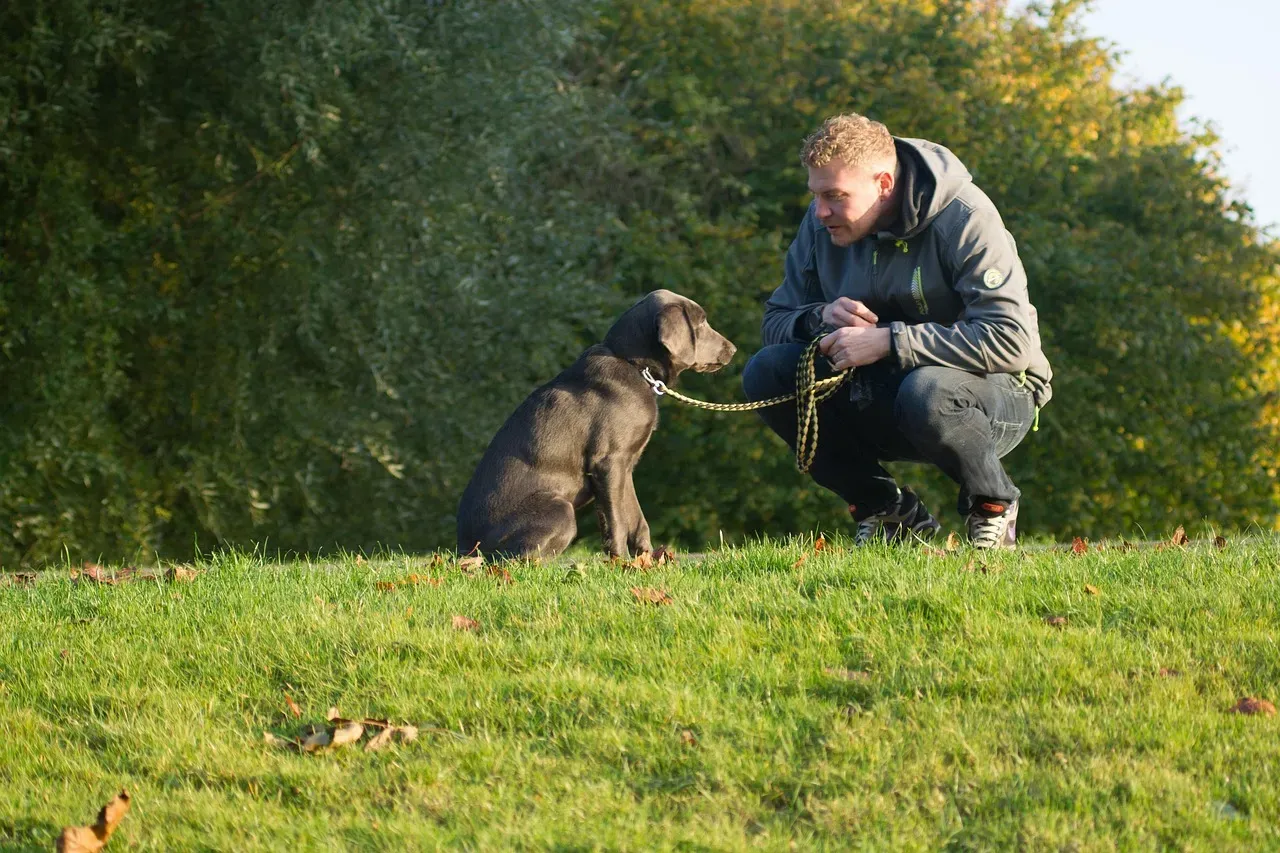
Understanding the overlap between human trauma bonds and canine over-attachment does not make things more complicated. Honestly, it makes things clearer. When your dog shadows your every step, or howls the moment the door closes, they are not being dramatic. They are being deeply, biologically honest about how much they need a safe and consistent world.
The love between a dog and their person is one of the most studied, most profound, and most emotionally resonant bonds in the animal kingdom. It deserves our best effort, our patience, and our compassion. Not just on the good days, but especially on the shredded-couch, barking-neighbor, coming-home-to-chaos days.
Your dog is not broken. They are just asking for the one thing every living creature needs: the certainty that they will not be left behind. What small step could you take today to help your dog feel a little safer in your world?


