You’ve probably noticed it in multi-dog households everywhere. There’s that one person the family pup just can’t get enough of. They follow them from room to room, wait by the door until they return, and practically melt when that special someone walks through the doorway. Meanwhile, the rest of the family gets perfectly polite affection but nothing quite like that intense devotion.
Here’s the thing most dog lovers don’t realize. This isn’t random favoritism or some quirk of canine personality. There’s actual science behind why your dog picked their number one human, and honestly, the reasons might surprise you more than you’d expect. Let’s dive in.
It All Starts in Those Critical First Months
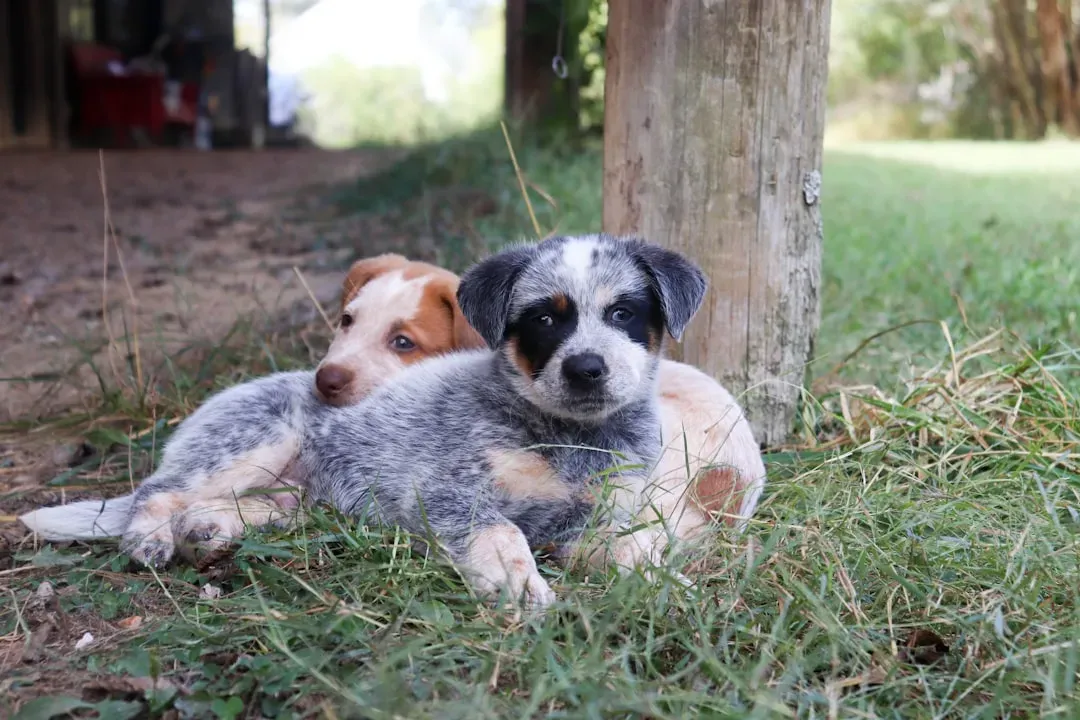
The socialization period that occurs up until around six months of age is absolutely crucial for establishing who gets to be the true master, with pups forming their strongest bonds with whoever cares for them during this window. Think of it like a puppy’s brain soaking up everything around them during this time.
From birth to roughly six months represents the most formative period of a canine’s life, and if you’re their primary caregiver during these early weeks, there’s a strong chance they’ll form their most powerful bond with you. This doesn’t mean adult dogs can’t bond deeply with new humans. They absolutely can.
Still, those early experiences leave lasting impressions. The person who feeds them, plays with them, and comforts them during puppyhood often becomes their emotional anchor for life.
Positive Associations Are Everything
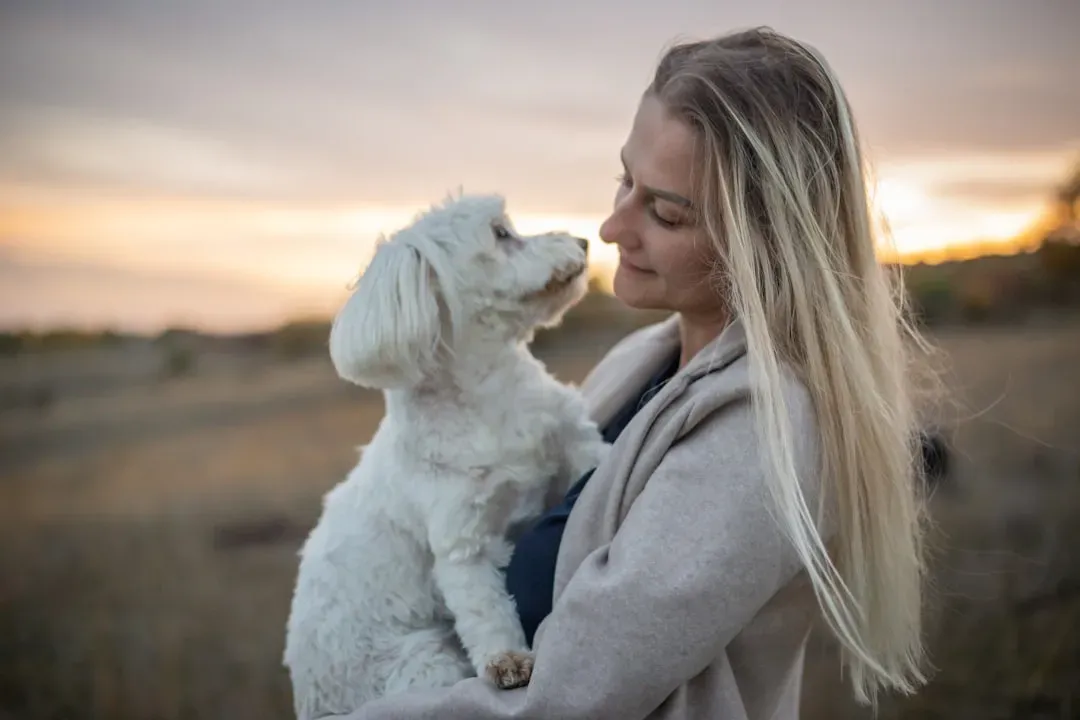
Dogs aren’t keeping score in the way we might think, but they absolutely remember who makes them feel good. Dogs form their strongest attachments to people who consistently provide positive experiences, with the concept of positive association being fundamental to understanding how they choose their favorite person.
It’s not just about who fills the food bowl, either. When you offer treats, spend one-on-one time every day, provide grooming sessions, massages, and plenty of love, dogs respond positively, forming a connection when a person becomes the source of all good things. However, emotional fulfillment matters just as much as meeting physical needs.
The person who takes them on adventures, engages them in their favorite games, or simply offers calm presence during thunderstorms often wins their heart. Negative associations work the opposite way, creating avoidance behaviors that can damage the bond.
Personality Match Matters More Than You’d Think
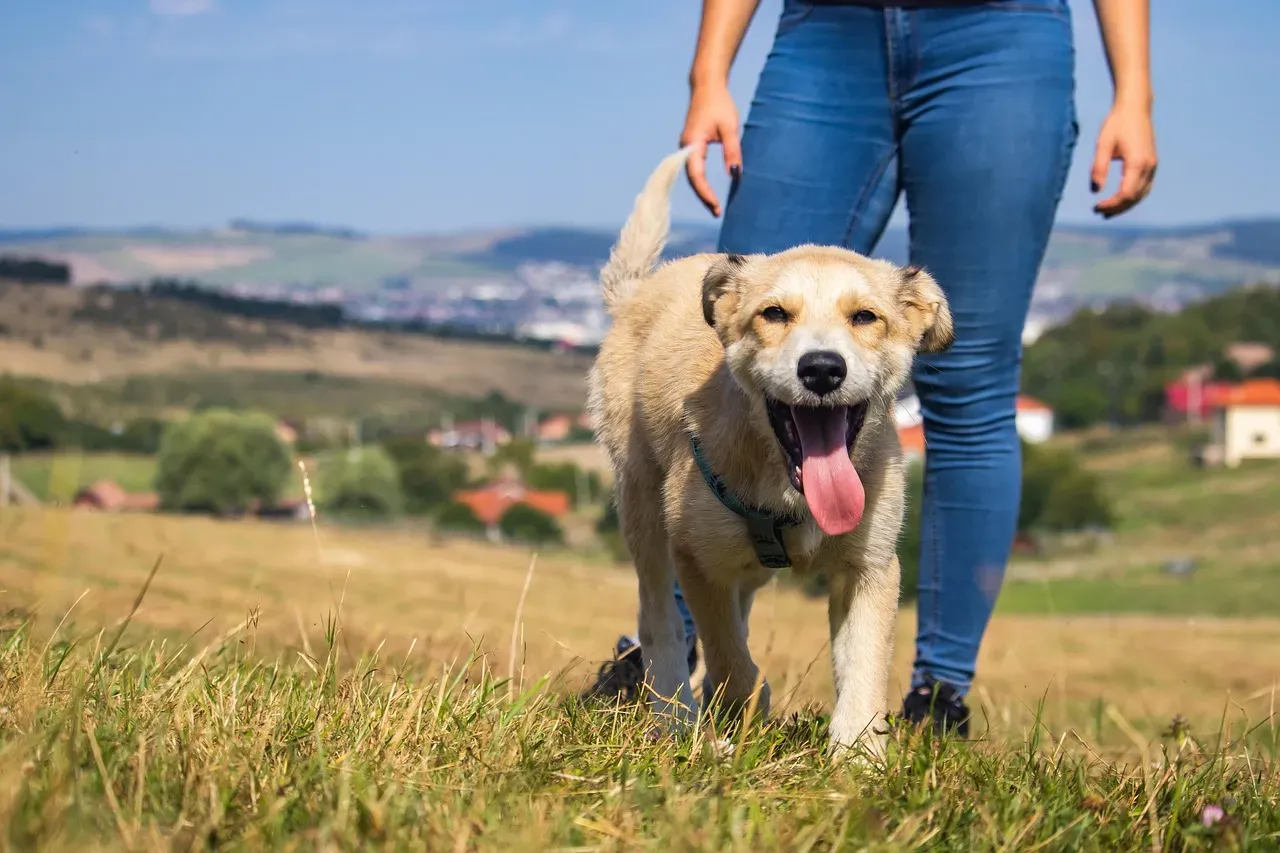
Ever wonder why some dogs just click with certain people? Research has shown that people tend to choose dogs that are physically similar to them in some way, and the same applies to personality, with dogs and the people they love to spend time with frequently having similar energy levels and dispositions.
It makes sense when you think about it. A high-energy Golden Retriever might naturally gravitate toward an extroverted, active person who matches their enthusiasm. Meanwhile, a mellow Basset Hound probably feels more comfortable with someone who’s quieter and more laid-back.
Dogs are highly perceptive to human emotions and behaviors, which means they may gravitate towards individuals who exhibit kindness, patience, and understanding. This shared temperament creates a feedback loop where both dog and human feel more understood and relaxed around each other.
Quality Attention Trumps Quantity
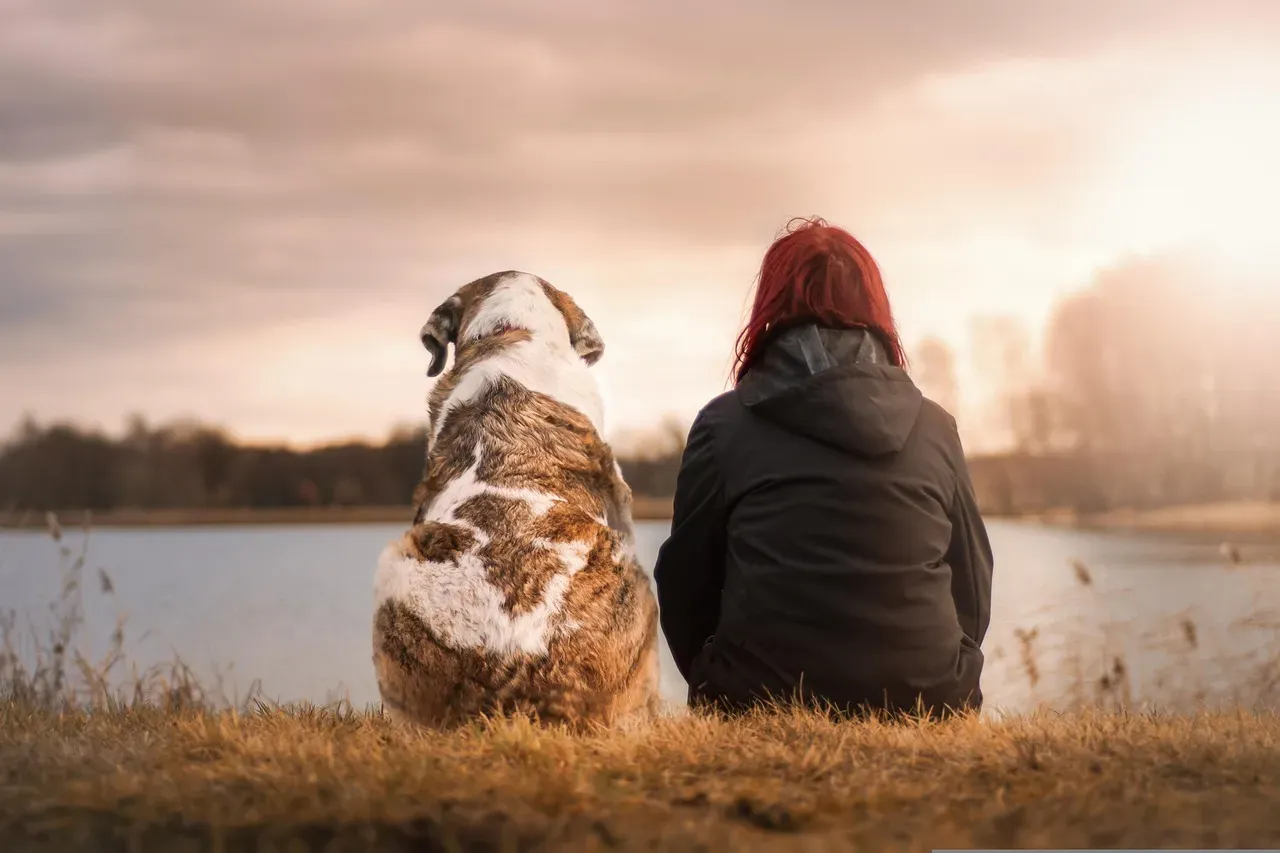
You might assume the person who spends the most hours with the dog automatically becomes the favorite. Not necessarily true. You’d think that providing the most time, care and attention to your dog means you get to be their favorite person in the whole wide world, but that is not always true.
Canines will bond more with one person than another because their favorite human shows them lots of attention, though it isn’t only the amount of attention a dog receives that cements this bond but also the quality of that attention. Spending fifteen minutes of fully engaged playtime beats three hours of distracted coexistence.
Physical affection plays a huge role too. Cuddling, playing, and giving treats during quality time together creates strong emotional bonds. Dogs can tell when you’re truly present versus when you’re just going through the motions.
Breed Tendencies Can Influence Their Choice
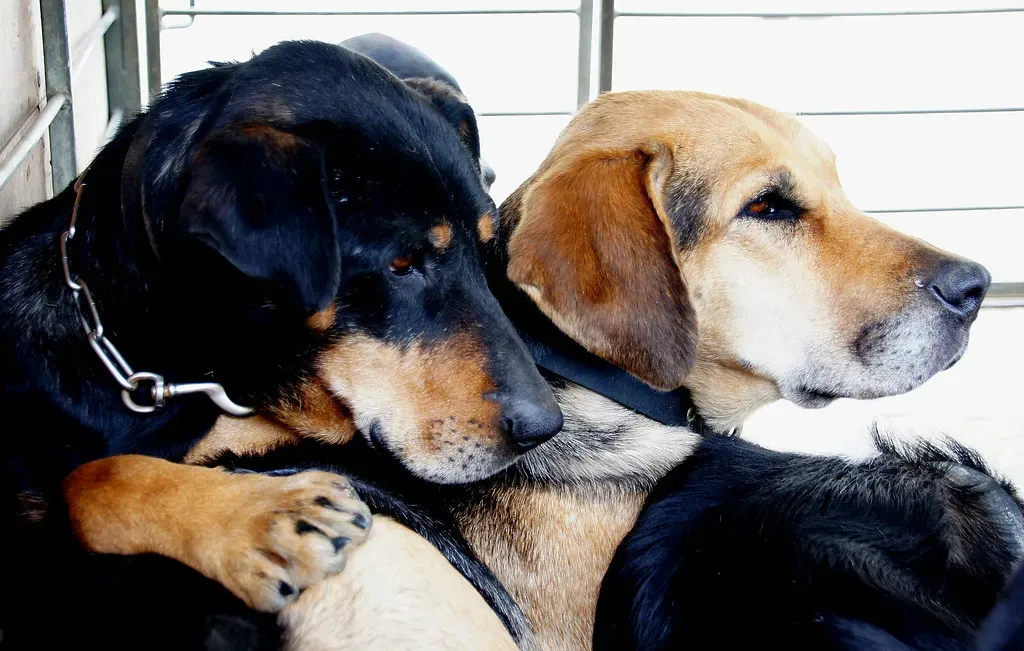
Some breeds are just hardwired to attach intensely to one person. German Shepherds are known for their loyalty and protective nature and may form strong attachments to one person within the family, while Chihuahuas often bond closely with a single person and may display aggression toward others because of their protectiveness.
Rottweilers, Basenjis, Greyhounds, and Shiba Inus also tend toward single-person bonds. This doesn’t mean they can’t love other family members. It just means their attachment style leans toward one primary human.
However, breed is only part of the equation. Behavior is influenced by a combination of genetics, individual temperament, and environmental factors. Every dog is an individual with their own preferences and personality quirks.
The Bond Can Shift and Evolve
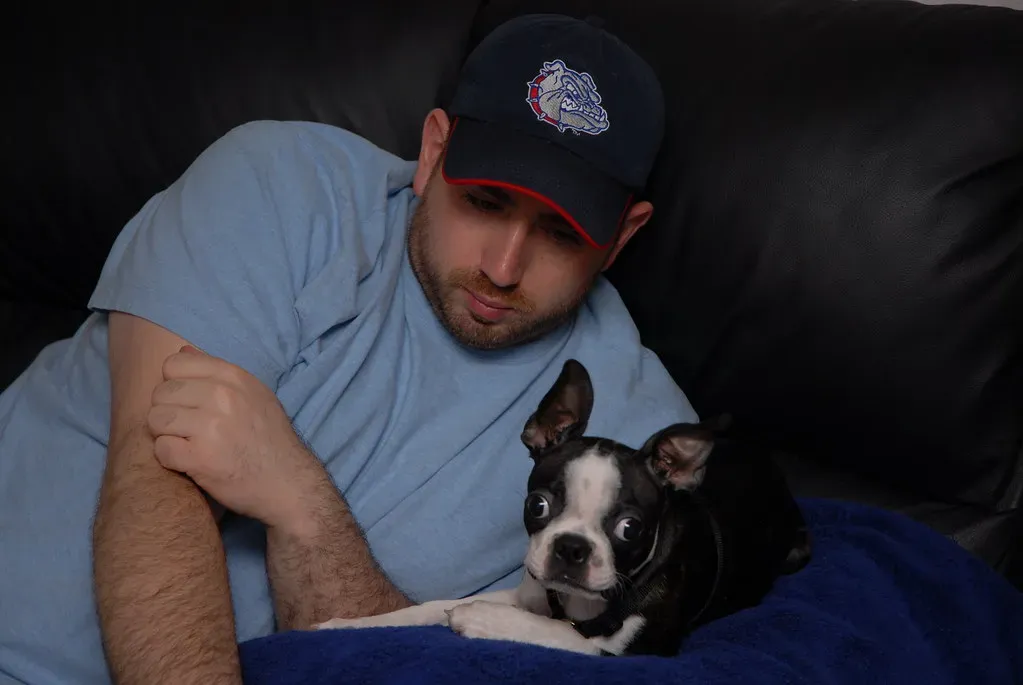
A dog’s favorite person can absolutely change, as while dogs are loyal creatures, their emotional bonds evolve based on new experiences, shifting routines, and changes in the household. Maybe someone leaves for college, or perhaps another family member starts taking over daily walks and training sessions.
Dogs can indeed change their favorite person over time, with this shift occurring due to changes in the household, such as a family member leaving for college, or if someone else starts spending more time with the dog. Dogs are remarkably adaptable creatures.
This flexibility is actually beautiful when you think about it. It means you always have the opportunity to strengthen your bond, regardless of where you currently stand in your dog’s hierarchy. Consistent positive interactions, patience, and understanding their needs can absolutely shift their preferences over time.
Conclusion
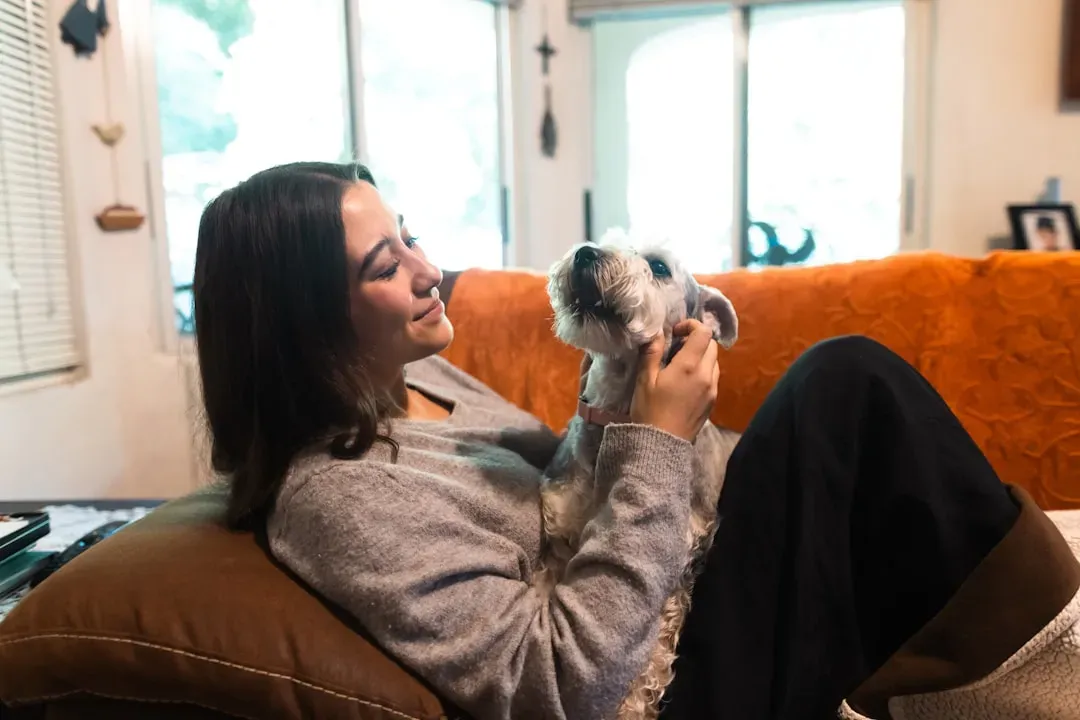
The truth is, becoming your dog’s favorite person isn’t about competition or keeping score. Both positive attitudes and affiliative behavior seem to contribute to a strong dog-human bond, as is apparently confirmed by hormonal changes that emerge in both members of the relationship. It’s about building trust, providing security, and creating positive experiences together.
Understanding why dogs choose one human doesn’t diminish the love they have for everyone else in the family. It simply highlights how deeply these incredible animals bond with us and how much they value consistency, kindness, and genuine connection. Whether you’re already your dog’s number one or working your way up the list, remember that every moment of quality time, every kind gesture, and every patient interaction strengthens the bond you share.
What’s your experience been with your dog’s favorite person dynamic? Does your pup have a clear favorite, or do they spread their affection evenly?