
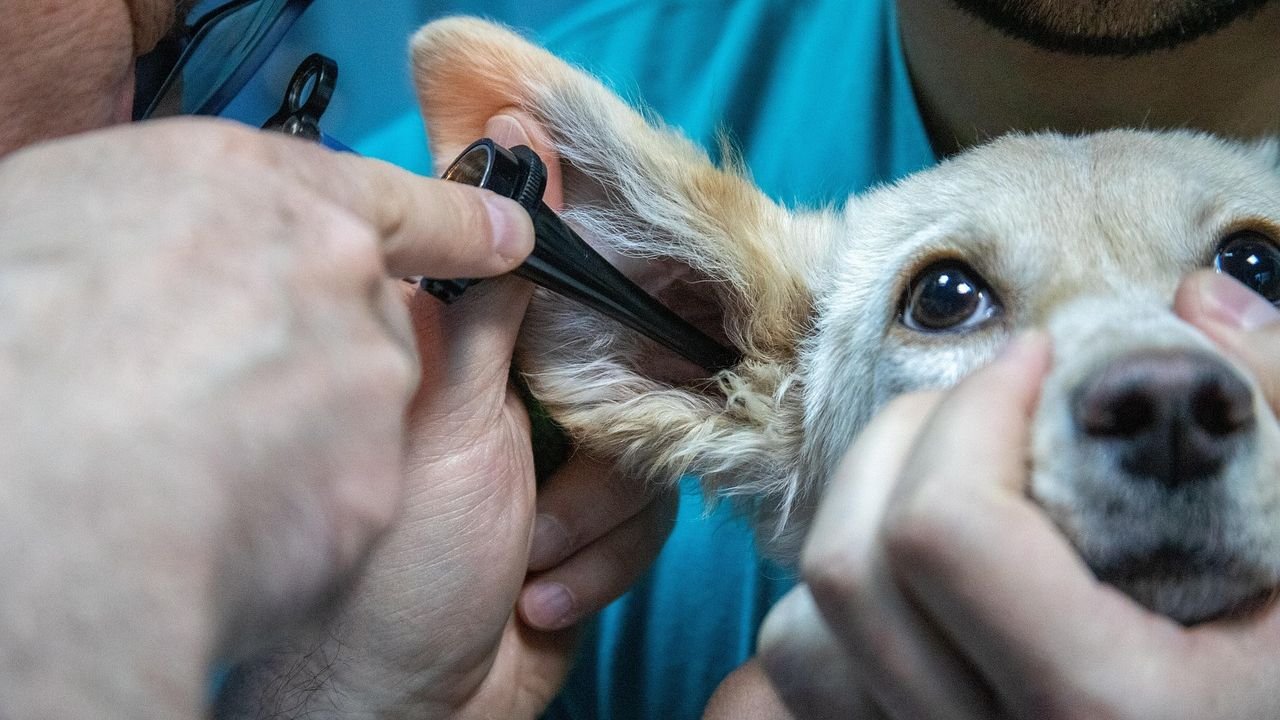
Picture this. You’re standing in your backyard calling your dog’s name, but your furry friend keeps sniffing that same patch of grass like you don’t exist. You try again, louder this time, maybe with a hint of frustration creeping into your voice. Nothing. It’s like you’re invisible.
If this sounds familiar, take a breath. You’re not alone, and honestly, your dog isn’t trying to disrespect you. What looks like stubbornness or selective hearing is usually something entirely different. Let’s dive into what’s really going on in that adorable head of theirs.
It’s Not Actually Selective Hearing
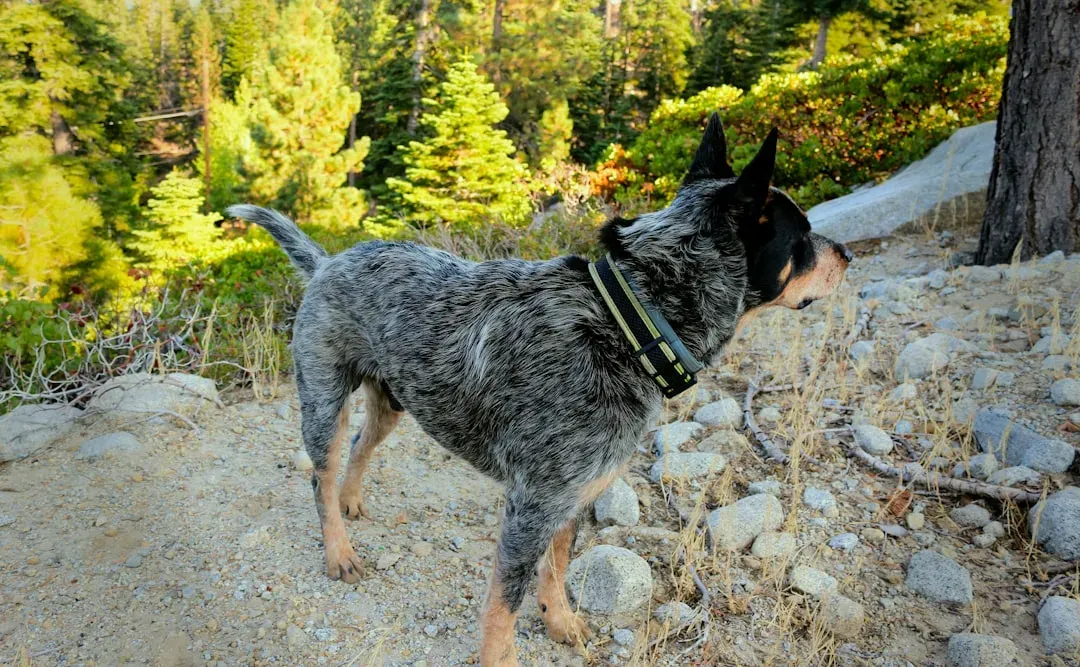
Here’s the thing most people get wrong about dogs ignoring commands. We often talk about selective hearing, but experts suggest dogs actually have selective attention instead. What does that mean? Well, imagine trying to solve a complex math problem while riding a roller coaster at an amusement park. Overwhelming, right?
That’s basically what we’re asking our dogs to do when we expect perfect obedience in exciting environments. Most of the time, dogs have no idea what you’re asking of them or they don’t see the value in doing it. They’re not being spiteful or choosing to ignore you for fun.
Your dog’s brain is processing thousands of stimuli at once. The scent of another dog, the rustle of leaves, a distant car horn. All competing for their focus.
You Haven’t Really Trained for That Situation
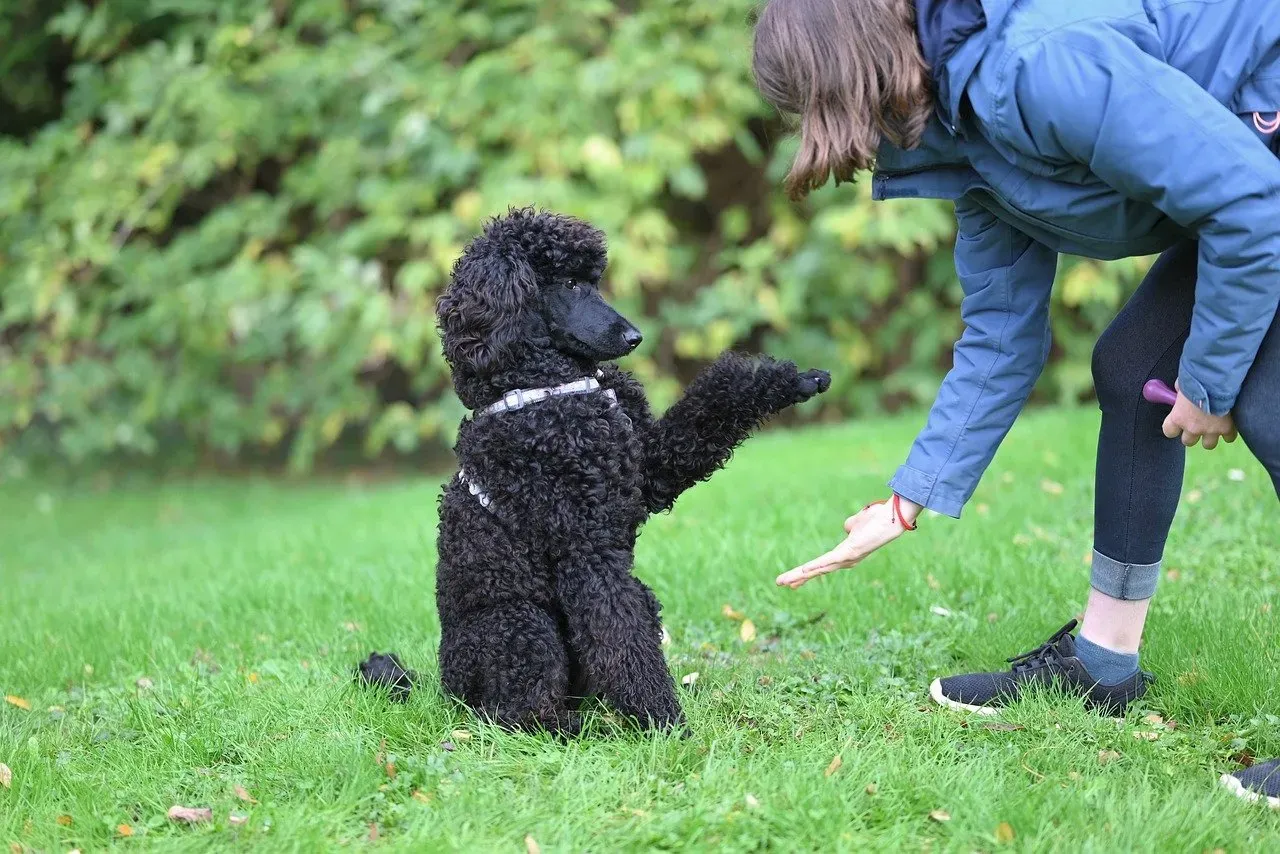
Let me guess. Your dog sits perfectly in your living room. They’re basically a canine Einstein when no one else is around. Then you take them to the park and suddenly they’ve forgotten every command they ever learned?
Your dog may not have generalized the commands you’ve taught them. Dogs typically don’t understand that the word sit means the same thing everywhere. I know it sounds wild, but it’s true.
Many owners do a great job training at home, but stop before moving to the next phase, which is training for the three Ds: distance, duration, and distractions. Think of it this way: your dog learned to perform in one very specific context. That knowledge doesn’t automatically transfer to new environments packed with interesting smells and sights.
The more likely explanation for disobedience is that they’re overwhelmed by the environment and simply can’t focus, with too many interesting things to explore.
Medical Issues Could Be the Real Culprit
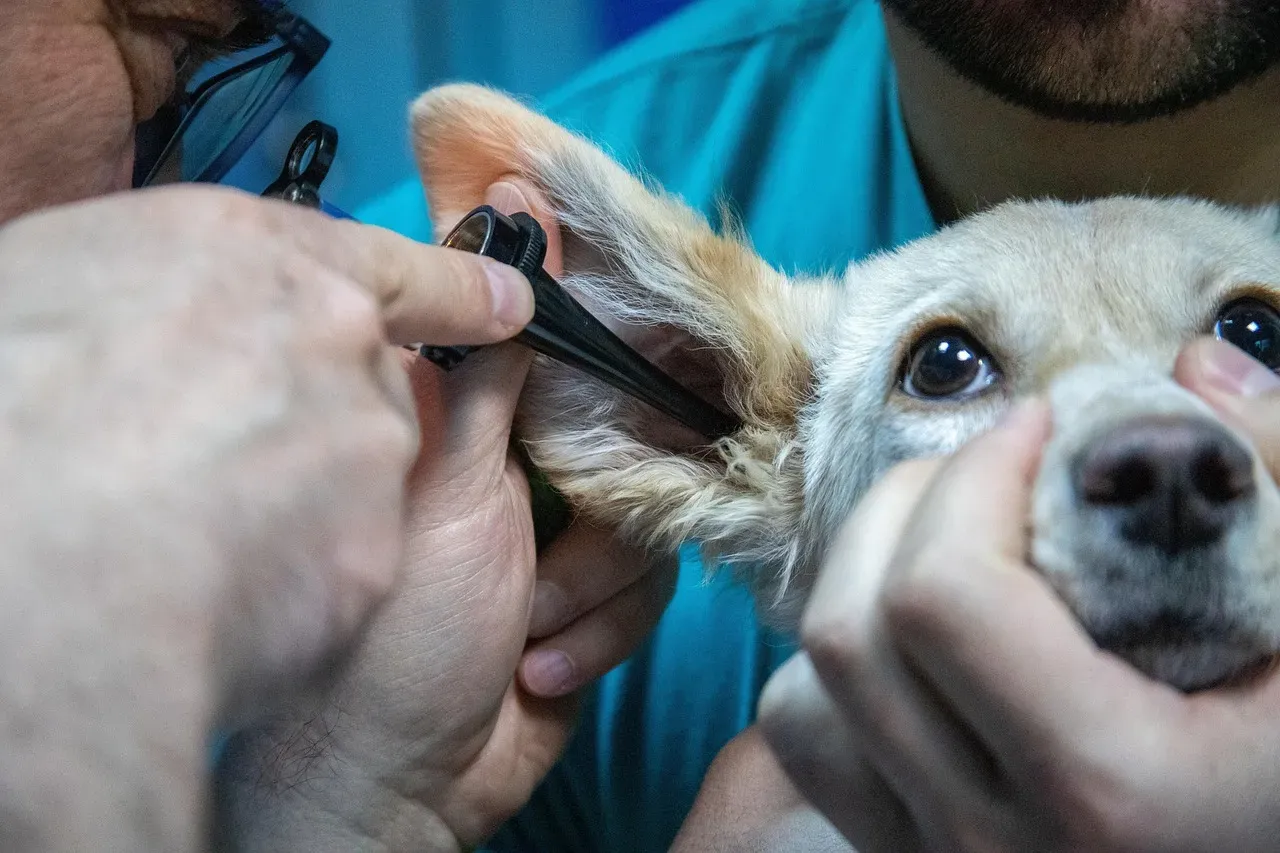
Before you assume your dog is just being difficult, consider this. Sometimes what looks like disobedience is actually a health problem. Age-related hearing loss tends to be the most common cause of acquired deafness in dogs and is one of the most common health issues in older dogs.
People often don’t recognize their dog’s hearing loss until it’s almost complete, mistakenly interpreting partial hearing loss as selective hearing. Watch for signs like not responding to sounds they usually react to, excessive barking, or difficulty waking from sleep.
Ear infections, neurological issues, certain medications, and even head trauma can all affect hearing. Ear infections or severe inflammation can damage components of the middle or inner ear, resulting in deafness in the affected ear. If your normally obedient dog suddenly starts ignoring you, schedule a vet visit just to rule out medical causes.
The Environment Is Beating Your Treats
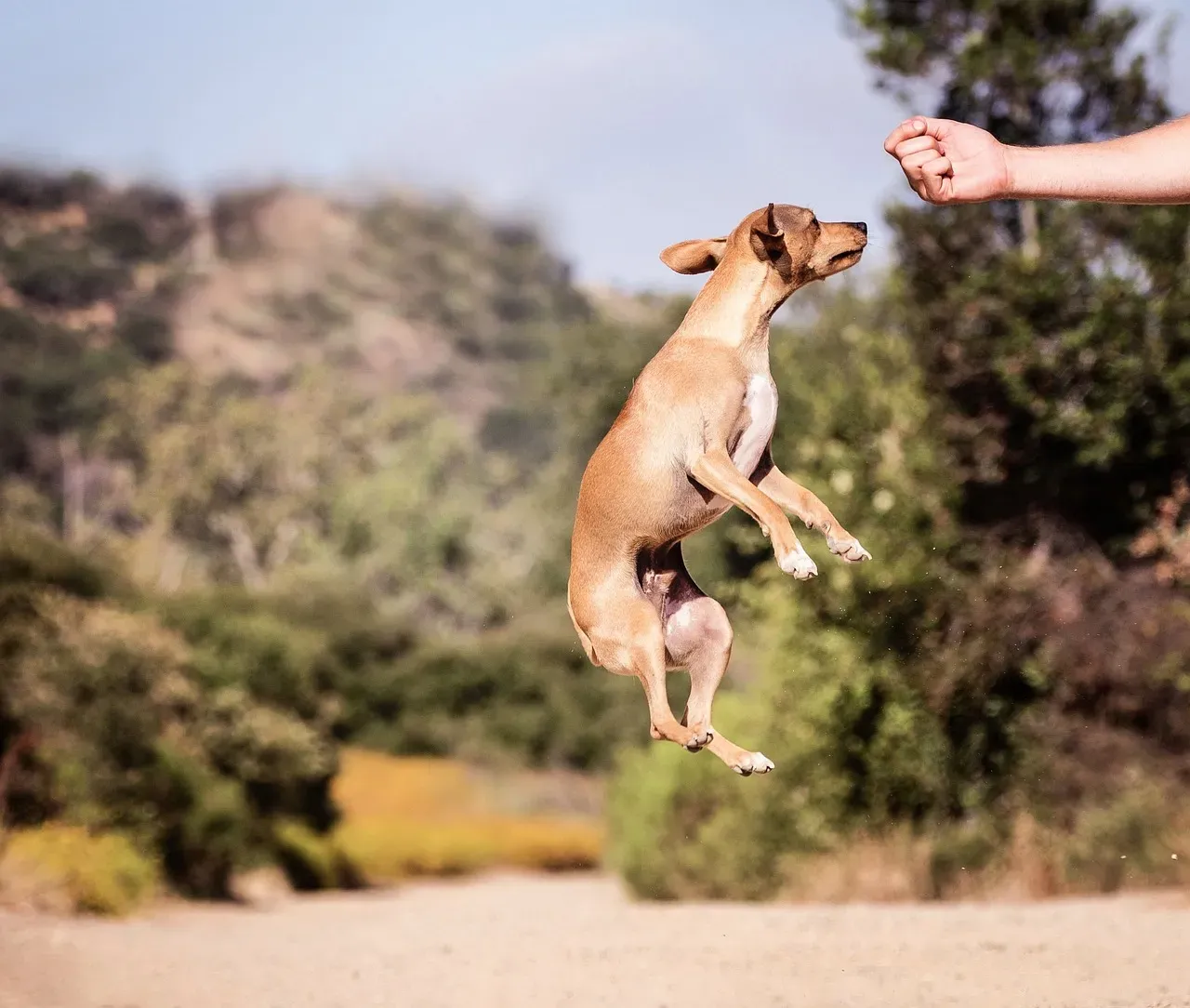
Let’s be real for a second. If your dog can choose between chasing a squirrel or getting a piece of kibble, which do you think wins? When teaching your dog to handle distractions, you are competing with the environment, and you need to offer your dog a better choice, because dogs repeat rewarding behaviors.
This is where many training plans fall apart. You’re offering boring rewards for exciting situations. As distraction levels go up, your dog may need more motivation to focus, like hot dogs to compete for attention at the park instead of kibble.
Think about your dog’s reward hierarchy. What does your pup truly love? Freeze dried liver? A squeaky ball? Whatever it is, save those high value items for the toughest challenges. Don’t waste them on easy tasks your dog already knows in quiet settings.
Your Training Lacked Consistency
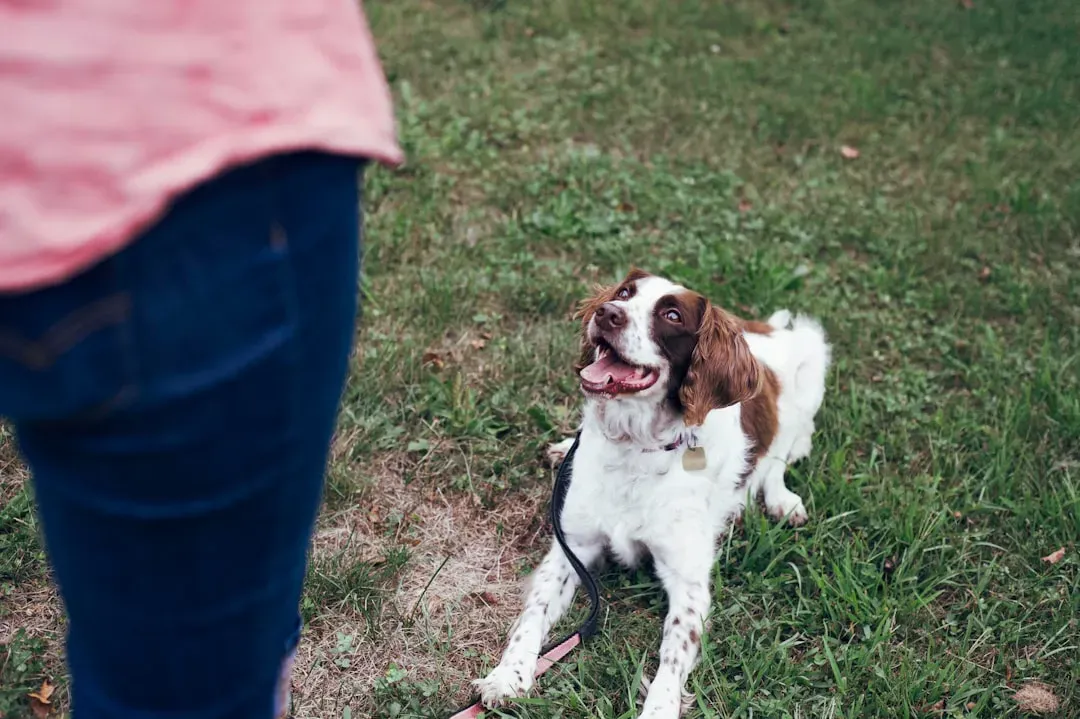
When we call the dog and they ignore us, we teach them something called learned irrelevance, which basically means that when something has no consequence, they don’t pay attention to it. Ouch. That one stings a bit, doesn’t it?
Dogs often ignore commands due to lack of consistency in training or because they’ve learned that they can get away with selective hearing, making it important to reinforce that listening to commands is always rewarding. Every time you call your dog and they don’t come, they’re practicing ignoring you. That becomes a habit.
According to experts, the most likely reason for a dog to ignore commands is inadequate training, with positive, consistent, and clear reinforcement being critical for dogs’ learning. Negative reinforcement or punishment can actually cause dogs to rebel rather than learn. Who knew?
Calling your dog in a stern or abrupt voice will decrease their inclination to come back to you, as these are their natural calming responses to someone they perceive as threatening.
Your Dog’s Nose Is Leading the Way
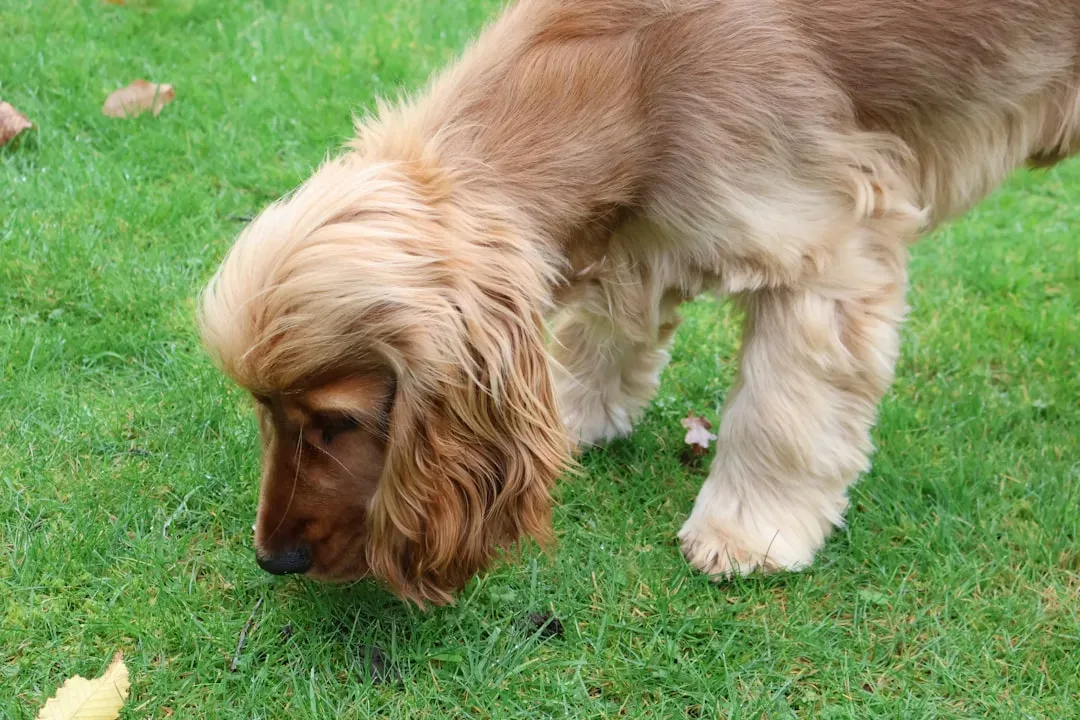
Ever watched your dog get completely absorbed in sniffing something? Their entire world shrinks down to that one spot. One third of the dog’s brain is dedicated to the sense of smelling, making it the dog’s highest developed sense. That’s huge!
When your dog’s nose is engaged, their attention is genuinely somewhere else. They’re not deliberately defying you. They’re reading what amounts to a detailed news feed written in scent. That patch of grass tells them which dogs passed by, what they ate, whether they were stressed or happy.
Dogs who cannot focus may be tired, thirsty, or may need to relieve themselves, so ensure your dog has a chance to drink and relieve himself before training. Sometimes it really is that simple. They have basic needs that must be met before they can concentrate on learning.
Building Better Communication
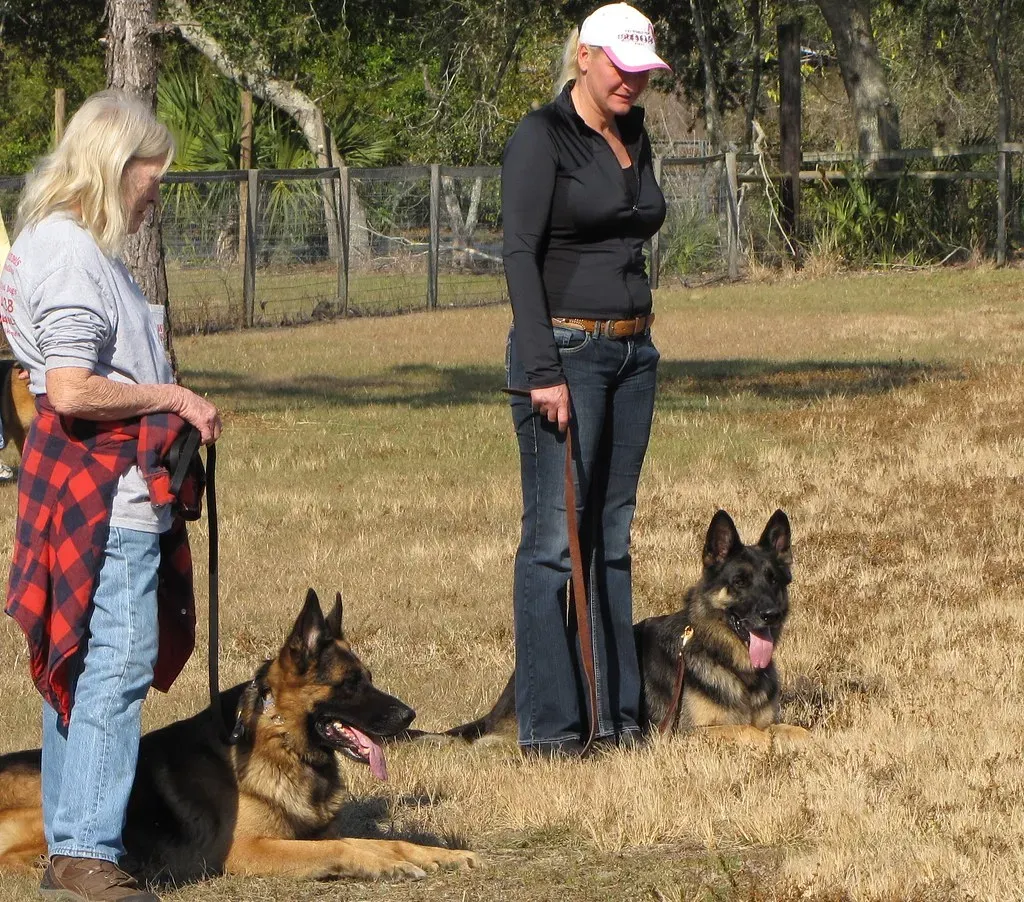
So what’s the solution? Start small and build gradually. Train in a quiet, familiar place where your dog feels comfortable, like your living room or a quiet park with few distractions. Master commands there first before adding complexity.
Once your dog listens well at home in a calm environment, they also need to be trained for those same commands when you’re not standing right beside them or when there’s something interesting competing for their attention. This takes patience and deliberate practice.
Use high value rewards consistently. Remember that every time your dog ignores you in favor of distraction, they’re practicing ignoring you, which isn’t a habit you want to build, while every successful response teaches them the value of concentrating on you. Set your dog up to win.
Consider hand signals alongside verbal cues. Dogs naturally communicate through body language anyway, so they often pick up visual signals faster than words. This becomes especially valuable as dogs age and potentially develop hearing issues.
The truth is, your dog wants to communicate with you. They’re not deliberately trying to make your life difficult. Understanding why they struggle to respond in certain situations helps you become a better teacher and a more patient companion. Did you expect that the issue was usually about training gaps rather than stubbornness? What strategies have worked best for your pup? Tell us in the comments.


