

Have you ever caught your dog watching you with those knowing eyes, as if they can somehow feel exactly what you’re going through? Maybe they’ve curled up beside you during a rough day without being called, or perhaps they’ve seemed restless and uneasy when you’re stressed about an upcoming deadline. It’s not just your imagination playing tricks on you.
There’s real science behind this connection, and it goes far deeper than we ever thought possible. Your dog isn’t just observing you from the outside. They’re experiencing something remarkable, almost like an invisible thread connecting your emotional world to theirs. Let’s explore the fascinating ways your furry companion tunes into your feelings and mirrors them back in ways that might surprise you.
They Can Actually Smell Your Stress
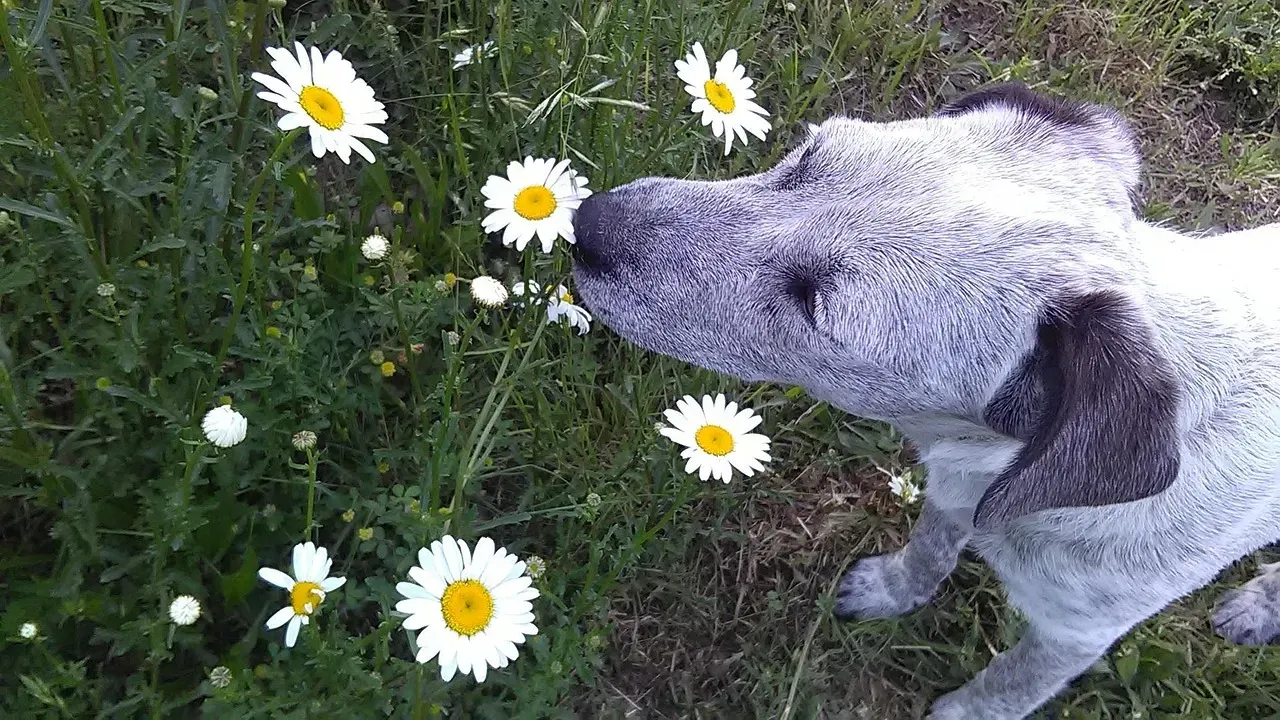
Your dog’s nose isn’t just good at finding that treat you hid in your pocket. Research shows that dogs can detect when humans are experiencing stress through smell alone. In studies where dogs were presented with breath and sweat samples from stressed humans, they could identify the stressed samples with an average accuracy of over ninety percent.
Think about that for a moment. When you’re anxious about that job interview or worried about a family member, your body releases hormones like cortisol and adrenaline. These create chemical changes that produce distinct scent markers, and your dog picks up on them instantly. Dogs can smell chemical changes in your body when you experience different emotions, and research shows your anxiety produces distinct scent markers that your dog interprets as warning signals.
It’s honestly remarkable when you consider what this means for your daily interactions. Your pup doesn’t need you to say a word or show any visible signs. They already know something’s off before you’ve even fully processed it yourself.
Your Cortisol Levels Sync Up Like a Dance
Here’s where things get truly mind-blowing. Studies from Linköping University in Sweden found that stress levels in dogs and their owners follow each other, with scientists believing that dogs mirror their owner’s stress level rather than vice versa. The researchers measured this by analyzing hair cortisol concentrations over several months.
The results showed significant correlations in long-term stress where human cortisol from both summer and winter samplings correlated strongly with dog cortisol. When owner cortisol rises, dog cortisol typically follows suit, creating parallel stress responses across species.
This synchronization isn’t about your dog simply reacting to your behavior in the moment. It’s a deeper, more sustained mirroring that happens over weeks and months. If you’ve been going through a particularly stressful period at work or dealing with ongoing family challenges, your dog’s body is literally reflecting that chronic stress in their own system.
Their Hearts Beat in Rhythm With Yours

The emotional connection goes beyond hormones. Researchers found that the heart rate variability of a dog and its owner often mirror each other during interactions. Heart rate variability reflects the balance between your sympathetic and parasympathetic nervous systems, essentially measuring your emotional state moment by moment.
Studies examining emotional contagion found that it can be transferred from the owner to the dogs, and the efficacy of the emotional contagion was depending on the duration of the time sharing with dog and owners. So the longer you’ve been together, the stronger this connection becomes.
Imagine sitting on the couch after a difficult day, your dog pressed against your side. Your breathing slows, your heart rate settles, and remarkably, so does theirs. You’re not just in the same physical space. You’re sharing an emotional wavelength that’s measurable and real.
They Become More Pessimistic When You’re Stressed
This one caught researchers off guard. University of Bristol research found that dogs experience emotional contagion from the smell of human stress, leading them to make more pessimistic choices. In the study, dogs exposed to stress odors from unfamiliar humans showed less optimistic behavior in cognitive tests.
When dogs are around stressed individuals, they’re more pessimistic about uncertain situations, whereas proximity to people with relaxed odors does not have this effect. Think about what this means in practical terms. When you’re anxious about something, your dog might become more hesitant, less willing to explore, or more cautious in situations they’d normally handle with confidence.
I’ve seen this play out countless times with dog owners. A person who’s nervous about meeting new people often has a dog who’s equally wary of strangers. It’s not necessarily that they trained their dog to be that way. The dog absorbed the emotional undertone and adjusted their worldview accordingly.
Your Personality Shapes Theirs Over Time
Research shows that human personality traits like neuroticism, conscientiousness, and openness significantly affect dog cortisol levels. Dogs and owners often share characteristics such as extraversion and neuroticism, with highly neurotic owners tending to have dogs that also show signs of anxiety or mood instability.
This isn’t just about genetics or breed tendencies. Emotional convergence happens when close companions gradually align their emotional responses, and dogs observe their owners’ behavior and mimic certain emotional and social cues. Over time, your anxious dog may be reflecting patterns they’ve learned from watching you navigate the world.
Studies found that owners with higher levels of anxiety and depression had dogs with increased levels of attention-seeking behavior, separation-related behavior, stranger-directed aggression and fear, and touch sensitivity. The good news? This works both ways. When you work on managing your own stress and cultivating calmness, your dog benefits just as much as you do.
They Pick Up On Visual and Vocal Cues You Don’t Even Realize You’re Giving

Dogs have coexisted with humans for more than thirty thousand years and have acquired human-like communication skills, likely as a result of the domestication process, including the ability to read human emotions. They’ve evolved specifically to be experts at reading us.
Dogs may be able to sense depression and anxiety by picking up and reflecting on facial and vocal cues. Your slightly tightened jaw, the subtle tension in your shoulders, the barely perceptible change in your tone when you call them. Dogs notice all of it. If you’re feeling anxious, your dog may also start to feel and show signs of anxiety, like restless pacing and whining.
This means your emotional state is constantly being broadcast through channels you might not even be aware of. When you’re trying to hide your stress or sadness, your dog likely knows anyway. They’re reading your body like an open book written in a language only they fully understand.
What You Can Do With This Knowledge
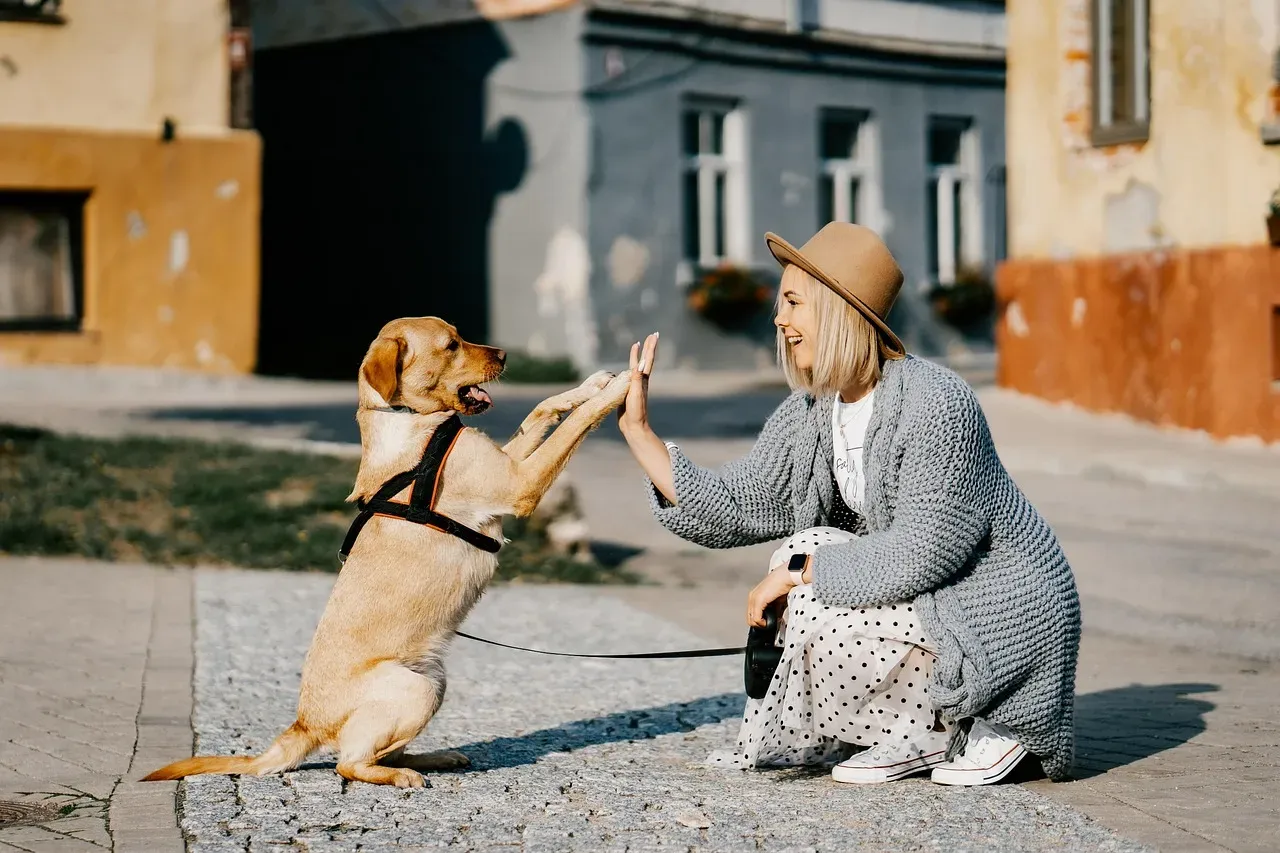
Understanding this deep emotional bond changes how we approach our relationship with our dogs. First, recognize that taking care of your own mental health directly benefits your dog’s wellbeing. Prevention of anxiety and chronic stress in dogs includes consistency and predictability in routines, plenty of exercise and mental stimulation, and respect for a dog’s body language and social signaling.
When you’re going through a stressful period, be extra mindful of providing your dog with stability. Keep their routine as consistent as possible. Make sure they’re getting enough physical exercise and mental enrichment that’s independent of your emotional state. Predictable routines help establish emotional security for dogs, and consistent daily patterns reduce anxiety and stress hormones in dogs.
Consider seeking support for yourself if you’re dealing with chronic anxiety or depression. It’s not just about you anymore. Your emotional wellbeing is intertwined with your dog’s. Professional help, whether through therapy, stress management techniques, or medical intervention when needed, serves both of you.
Practice mindfulness and calming exercises with your dog present. Deep breathing, gentle stretching, or simply sitting quietly together can help regulate both your nervous systems. Remember that your dog isn’t judging you for having difficult emotions. They’re just along for the ride, experiencing what you experience.
Your dog’s amazing ability to sense and mirror your emotions is both a gift and a responsibility. They’re not just pets who live in our homes. They’re emotional companions who share our inner lives in ways science is only beginning to understand. The next time your dog seems unusually clingy or anxious, take a moment to check in with yourself. What are you feeling? What might they be picking up on?
This incredible bond we share with dogs reminds us that we’re never truly alone in our emotional experiences. They see us, they feel with us, and they adapt themselves to match our inner world. So what are you doing today to create a calmer, happier emotional environment for both you and your faithful companion? Your dog is watching, sensing, and feeling right alongside you.


