
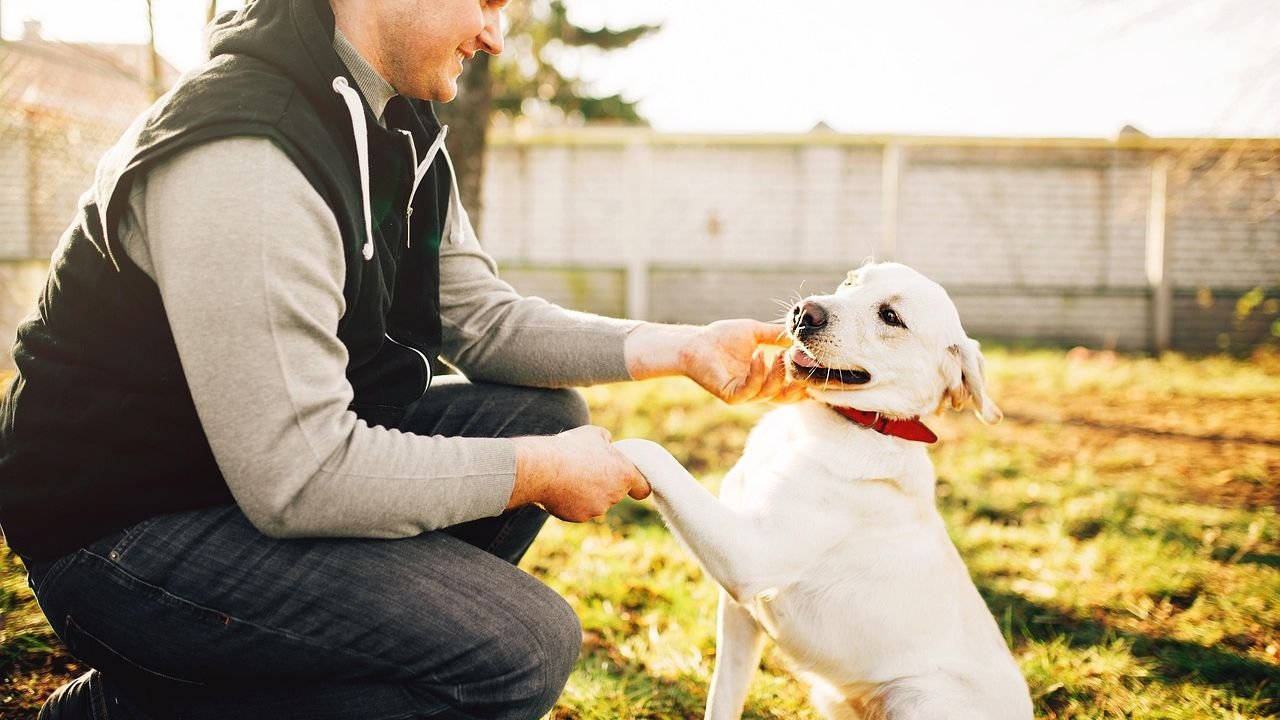
There is something quietly profound about coming home to a dog who acts like you’ve been gone for a decade, even when you just ran to the grocery store. It’s not mere habit or hunger. There’s something happening deep inside that furry brain – something that science is only now beginning to truly understand.
Most of us assume our dogs live entirely in the present moment, blissfully unaware of yesterday’s walk or last week’s cuddle session on the couch. Turns out, that assumption might be one of the most beautiful myths we’ve ever believed. Let’s dive in.
The Dog Brain Doesn’t Forget – It Feels
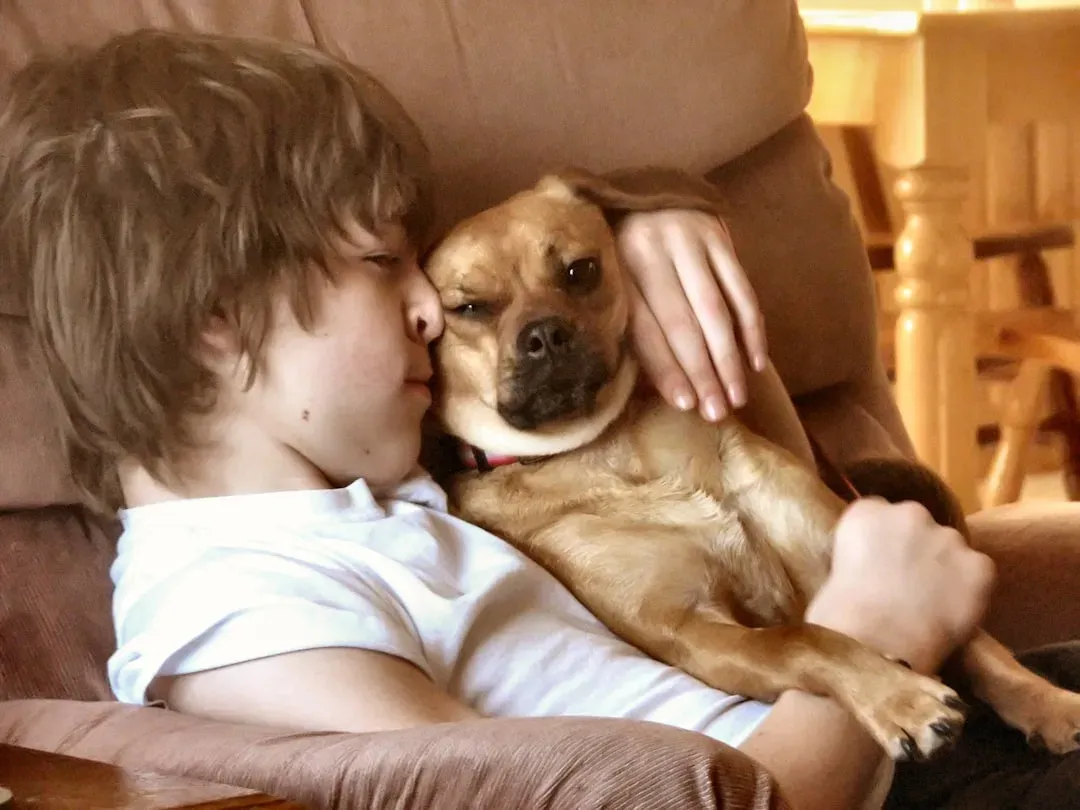
Here’s the thing: your dog’s memory works nothing like yours, and yet it might be even more emotionally powerful. Dogs do not mentally replay specific events in their minds. Instead, they remember the feelings and connections attached to people, places, and experiences.
Think of it this way. Imagine you can’t remember the name of the restaurant where you had the best meal of your life, but the warmth of that evening, the laughter, the sense of comfort – that stays with you forever. That’s essentially how your dog experiences you every single day.
Dogs forget short-term details quickly, like where they left a toy, but hold emotional memories for a long time. Essentially, a dog’s memory works like a highlight reel filled with the moments that made them feel something big.
Dogs are particularly adept at remembering emotional experiences. This is because their amygdala, the part of the brain that processes emotions, is highly active. Every time you scratch behind those ears, every gentle voice, every patient afternoon – it all gets filed away in a way that matters deeply.
Your Scent Is Your Dog’s Most Vivid Memory of You
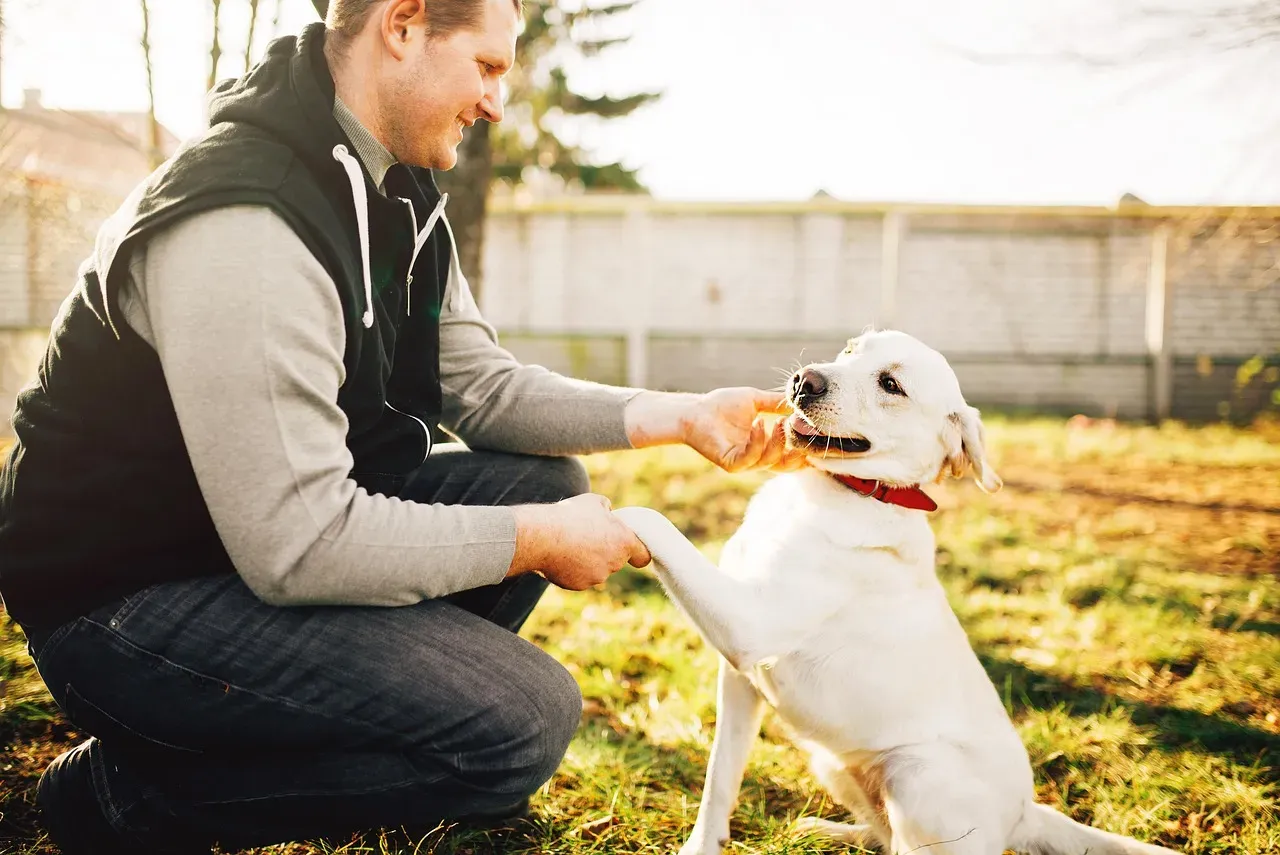
Forget faces. Forget even your voice for a moment. To your dog, your scent is essentially your soul. A dog’s strongest tool for remembering people is its sense of smell. A dog’s nose contains an average of 300 million olfactory receptors, making it far superior to the human nose, which has just 6 million.
It sounds almost unbelievable, but it gets better. Studies using brain imaging show that when dogs recognize their owners’ scent, the pleasure center in their brain lights up – the same response humans have when we see someone we love. That means your dog doesn’t just know who you are, they feel who you are.
Dogs detect emotional states by sensing changes in a person’s body odor, which shifts when hormones like cortisol or adrenaline rise. The scent of a person they love is often enough to trigger an instant and powerful recall. This is why a dog might go wild with excitement when greeting a long-absent owner.
Honestly, I find that extraordinary. You could change your hairstyle, gain or lose weight, even speak with a different accent – and your dog would still find you, instantly, in a crowd.
Science Just Confirmed What Every Dog Owner Already Knew
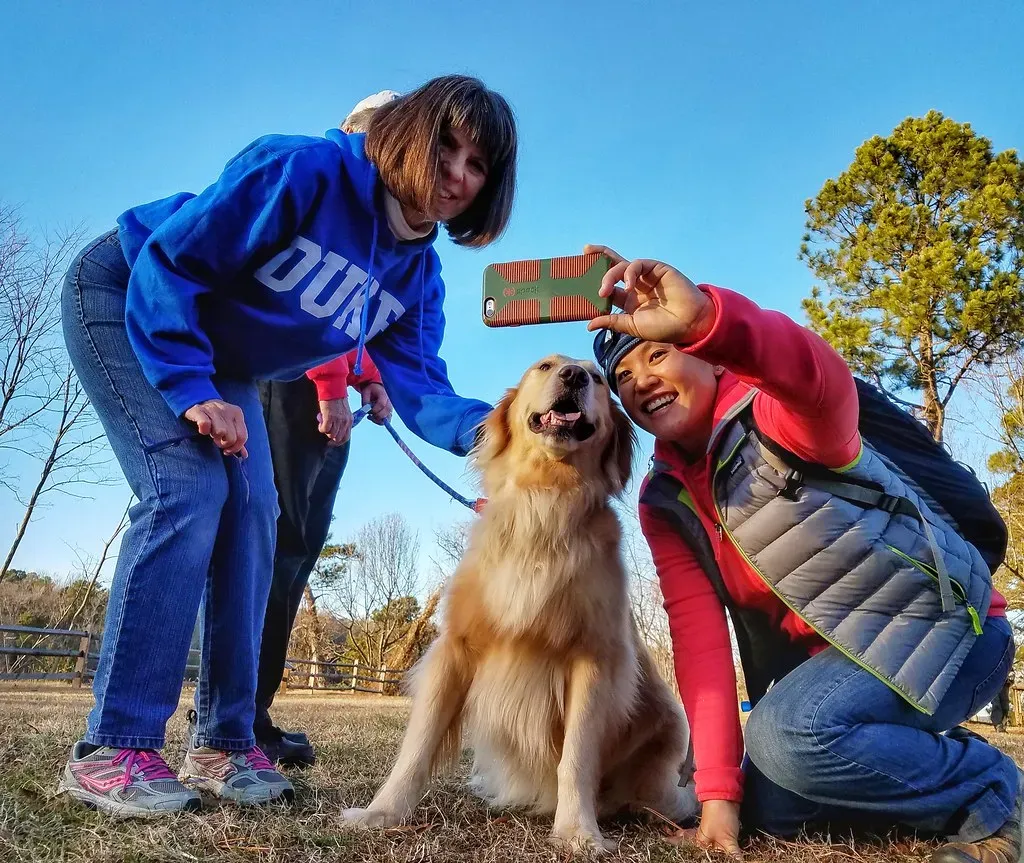
For years, scientists were skeptical that dogs had anything beyond basic, conditioned responses to repeated stimuli. Then came a landmark study that changed the conversation entirely. To find out whether dogs can remember details not strictly necessary for survival, scientists asked 17 owners to teach their pets a trick called “do as I do.” The dogs learned that after watching their owner jump in the air, they should do the same when commanded to “do it.”
The real twist came next. The dog had to recall what it had seen its owner do, even though it had no expectation that it needed to remember the action. The dogs were tested both 1 minute and 1 hour after watching their owners. The dogs succeeded in 33 of 35 trials. That suggests that dogs have something similar to episodic memory, as Fugazza and her team reported in Current Biology.
The longer the canines waited, the more trouble they had recalling the action. That’s similar to human episodic memory, which decays at a faster rate when an event isn’t intentionally recorded. In other words, your dog’s memory isn’t a simple on-off switch. It’s nuanced, layered, and surprisingly human-like in its architecture.
Studies show that certain actions that a dog does not practice regularly can still be retained and then repeated over 10 years later. Let that sink in.
Kindness Gets Stored – So Does Cruelty
This is the section I think every person who has ever interacted with a dog needs to read carefully. The same memory system that stores your dog’s love for you can also archive fear, trauma, and pain with equal precision.
Dogs remember trauma and fear just as strongly as love and excitement. That’s why positive reinforcement training is so effective and punishment-based methods can have lasting negative effects. A harsh tone or frightening event can stay with them, shaping how they react in the future.
If a dog has a consistent, loving caretaker, the memory is tied to feelings of comfort and happiness. Conversely, a dog that experienced trauma will have negative associations. Emotional memories strongly influence how dogs react to certain cues, sometimes even more than new sensory information.
Here’s the flip side, though, and it’s genuinely inspiring. Every cuddle, treat, and happy walk creates strong positive associations that deepen your bond and strengthen trust. Every single one. There’s no such thing as a small act of kindness with your dog. Each one is being recorded, catalogued, and held onto.
Dogs will never let it get out of their mind, the warmth of someone who treated them with unconditional love. That’s not poetry. That’s neuroscience.
How Long Is Long Enough? Dogs Can Remember You for Years
Perhaps the most emotionally striking dimension of all of this is the sheer duration of a dog’s emotional memory. It’s not days or weeks we’re talking about. Dogs can remember people after months or even years, especially if the bond was emotionally strong.
Dogs can remember people for years, especially when strong emotional bonds or repeated positive interactions are involved. Their associative memory links your scent, voice, and appearance to feelings of safety and trust, allowing them to recognize and respond to you even after long absences.
Conclusive evidence of exactly how many years a dog can remember a person or event is difficult to establish, likely because of the challenge of conducting such lengthy studies. That said, most researchers believe dogs can remember important people and significant events in their lives for years, perhaps until death.
There’s something almost poetic about that. Evidence from both research and real-life stories confirms that dogs’ memories aren’t fleeting; they often last for many years, sometimes an entire lifetime. Whether it’s recognizing an old friend or grieving a lost companion, dogs demonstrate again and again just how deeply they remember those who matter most to them.
Conclusion: You Matter More to Your Dog Than You Think

We tend to underestimate our dogs. We assume they live purely in the now, unbothered by the past, unaware of the emotional texture of their days. Science is now quietly dismantling that assumption, one study at a time.
Dogs are emotional archivists. If you’ve consistently shown them kindness, affection, and care, those feelings are stored – not in a journal, but in emotional muscle memory. Dogs don’t need perfect recall to remember you matter. They just know.
Every morning greeting, every patient training session, every night you let them sleep at the foot of your bed – your dog is filing all of it. Not as a date or a timestamp, but as a feeling. A deep, cellular knowing that you are safe. That you are theirs.
The next time your dog looks up at you with those searching eyes, know that they are not just seeing the person in front of them. They are feeling every kind thing you have ever done. That, honestly, is the sweetest truth of all.
What do you think – does knowing your dog remembers your kindness change how you’ll treat them from now on? Share your thoughts in the comments.


