There’s something almost magical happening in assisted-living facilities across the country. Picture this: an elderly woman who hasn’t spoken in weeks suddenly starts sharing stories about her childhood dog. A man with dementia stops pacing restlessly and sits quietly, stroking a gentle golden retriever’s fur. These aren’t isolated incidents. They’re part of a growing movement that’s transforming eldercare through the healing presence of specially trained therapy dogs.
Research shows that regular visits with trained dogs can lead to improvement in anxiety and sadness, as well as increased general arousal, motor and vocal expression. The evidence is compelling, yet what we’re witnessing goes far beyond clinical measurements. It’s about restoring dignity, purpose, and joy to lives that have been touched by isolation and physical decline.
The Science Behind Wagging Tails
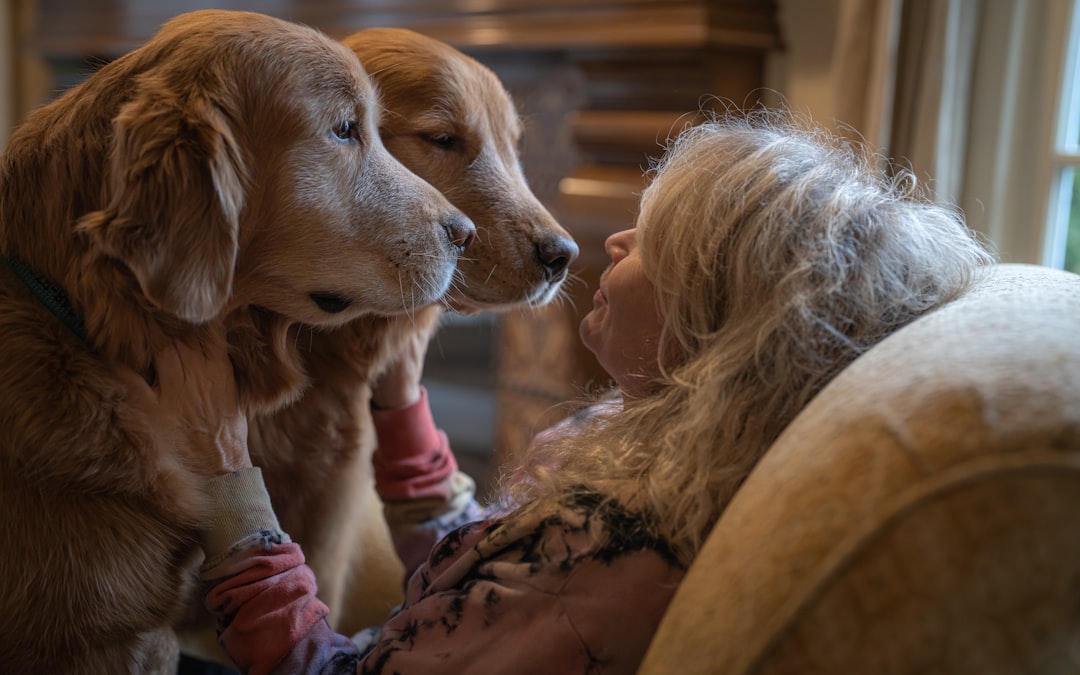
The therapeutic benefits of dogs in assisted-living environments aren’t just feel-good stories. Research has shown that time spent with dogs increases positive behaviors like smiles, willingness to communicate, and spontaneous interaction. Yet the science goes deeper than surface observations.
Regular visits with therapy dogs provide positive physical benefits including lowering blood pressure, reducing heart rate, and decreasing overall stress. These physiological changes matter tremendously for elderly residents who often struggle with cardiovascular issues and elevated stress hormones from adapting to institutional living.
Healing Beyond the Physical
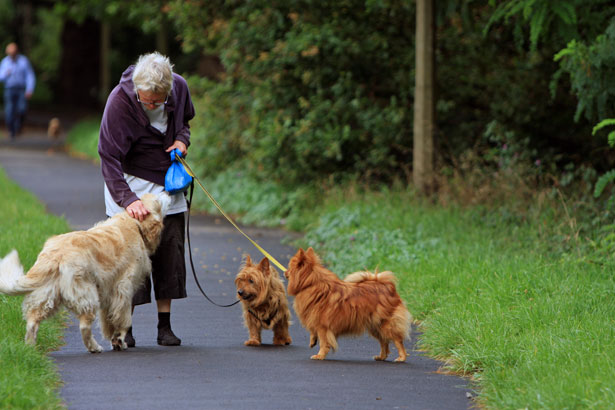
Interaction with animals helps reduce behavioral disorders like agitation and aggression, while also stimulating residual cognitive function, particularly long-term memory through the activation of previous memories. This memory stimulation proves especially valuable for residents with dementia or Alzheimer’s disease.
The emotional impact runs even deeper. Many residents must leave their own pets behind when moving to assisted living, often leading to sadness and depression, but visits from therapy dogs can help raise spirits and give them opportunities to share stories about their own dogs. It’s like reconnecting with a piece of their former identity.
Breaking Down Social Barriers
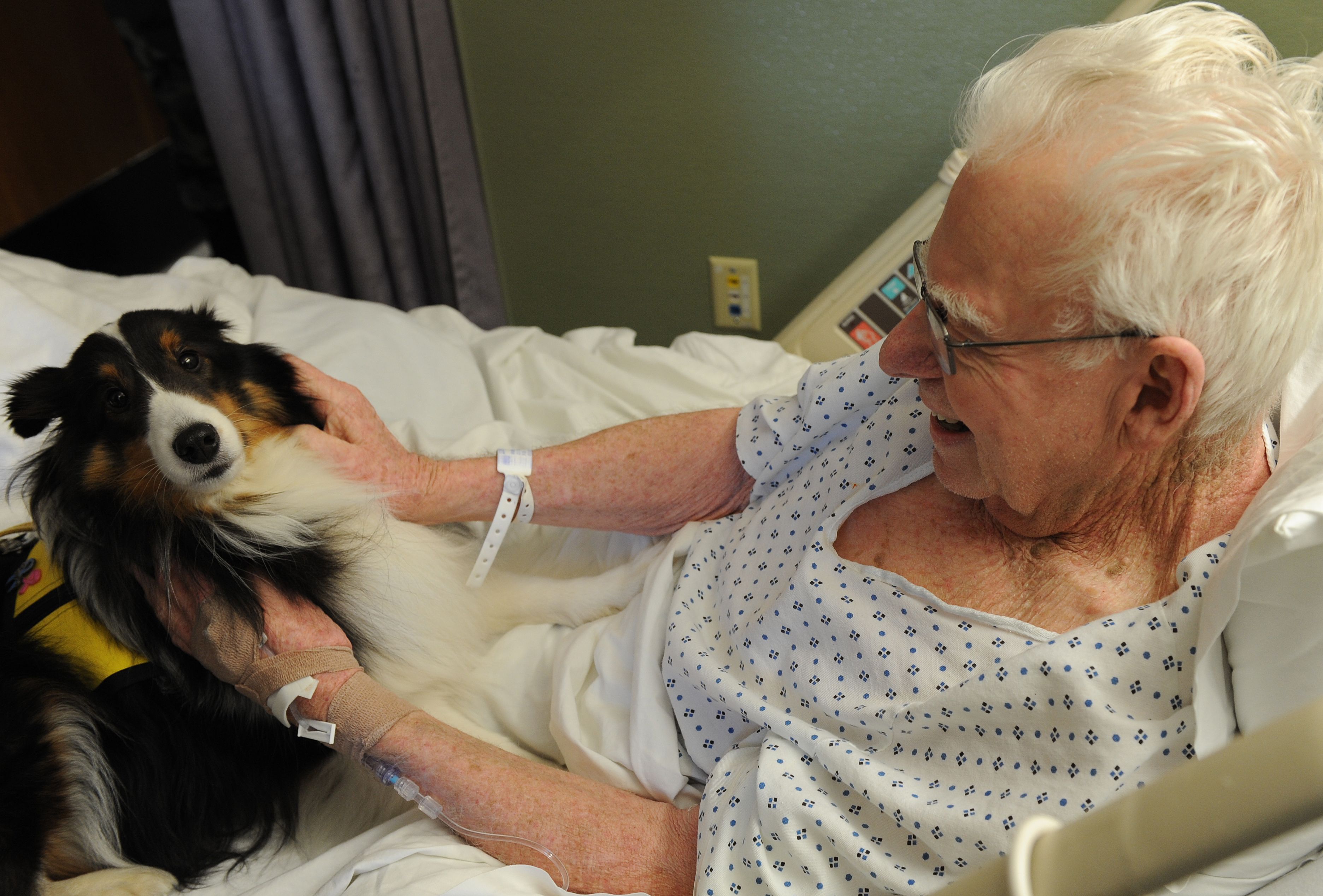
Group activities centered around therapy dogs encourage residents to leave their rooms and participate in petting sessions and group therapy programs, facilitating socialization and helping to ward off loneliness. Dogs become natural conversation starters and social catalysts in environments where forming new friendships can feel daunting.
Studies show that during animal-assisted therapy sessions, long conversations between alert participants are more likely to occur when animals are present. There’s something about the non-judgmental presence of a dog that lowers social defenses and opens hearts to connection.
Motor Skills and Physical Rehabilitation
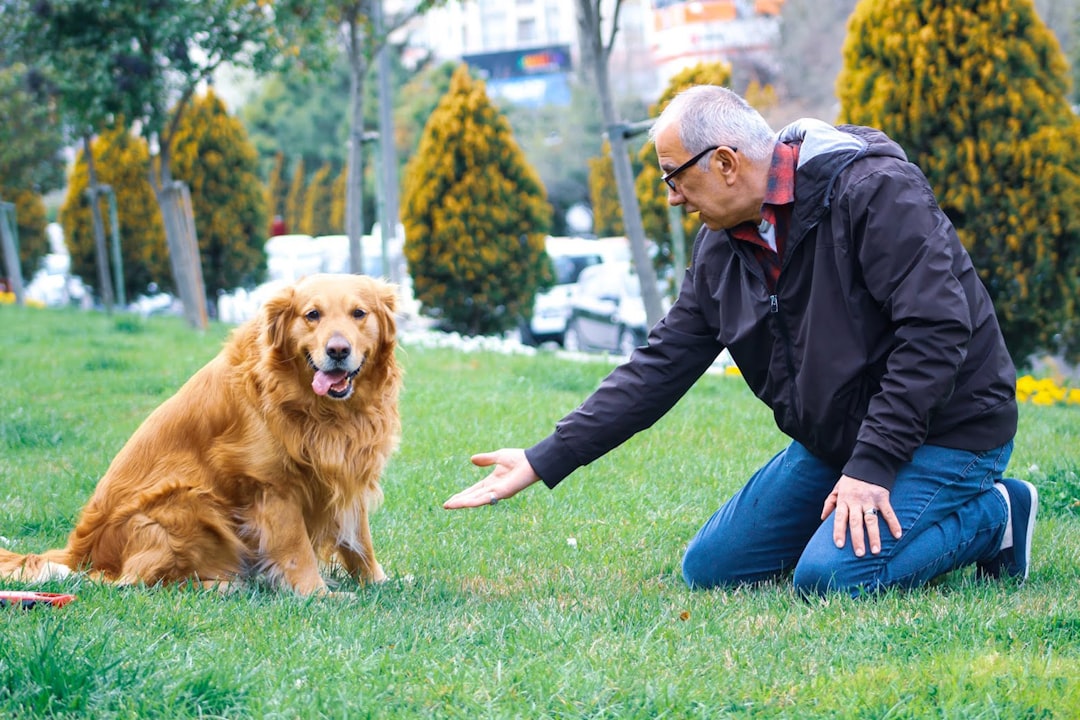
Seniors who interact with dogs show improvements in walking and mobility, with pet therapy helping to improve balance and gait while motivating residents to engage in more physical activity. The simple act of reaching out to pet a dog or walking alongside one during therapy sessions provides gentle, enjoyable exercise.
Activities like giving animals treats, petting them, and interacting with them help improve motor skills in seniors, while walking a pet uses larger muscles in the torso, arms, and legs, strengthening coordination. It’s rehabilitation disguised as joy, which makes it far more effective than traditional physical therapy alone.
Emotional Support and Stress Relief
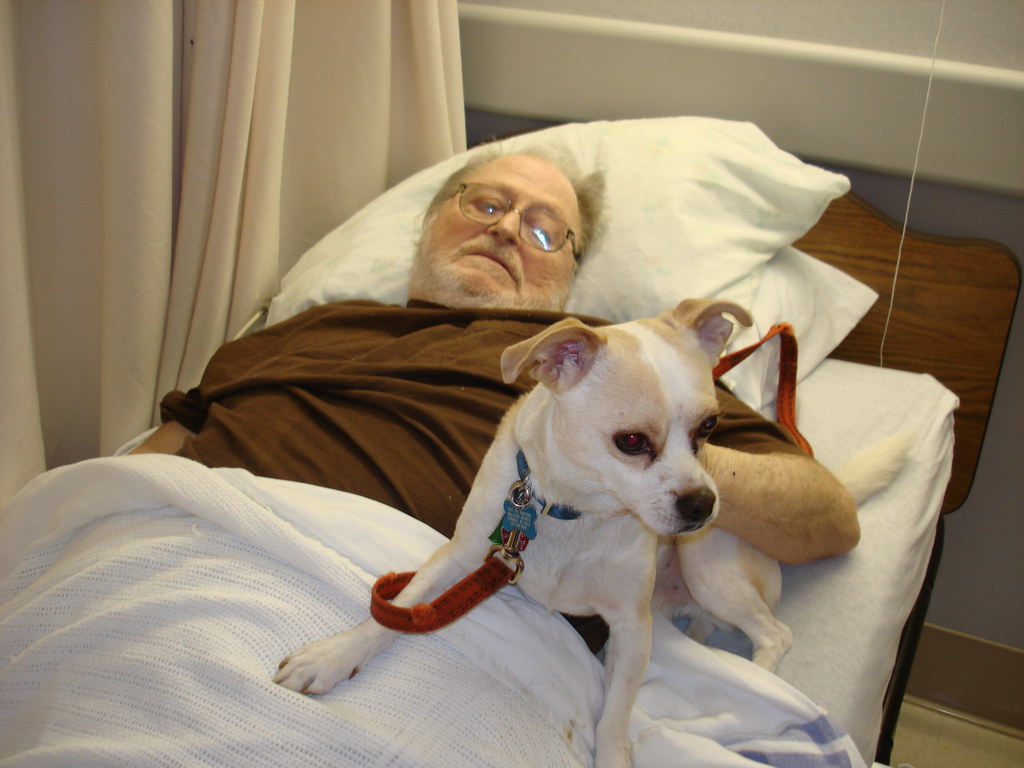
Therapy dogs interacting with patients reduce stress levels and blood pressure while bringing a sense of calmness through the unconditional love they provide. In environments where residents may feel forgotten or burdensome, dogs offer acceptance without conditions or judgment.
Dogs serve as natural emotional support animals because they recognize signs of anxiety that humans often miss, and well-trained therapy dogs have a calming presence that helps people feel more relaxed and at ease. Their intuitive understanding of human emotions creates an immediate therapeutic bond.
Implementing Successful Therapy Programs
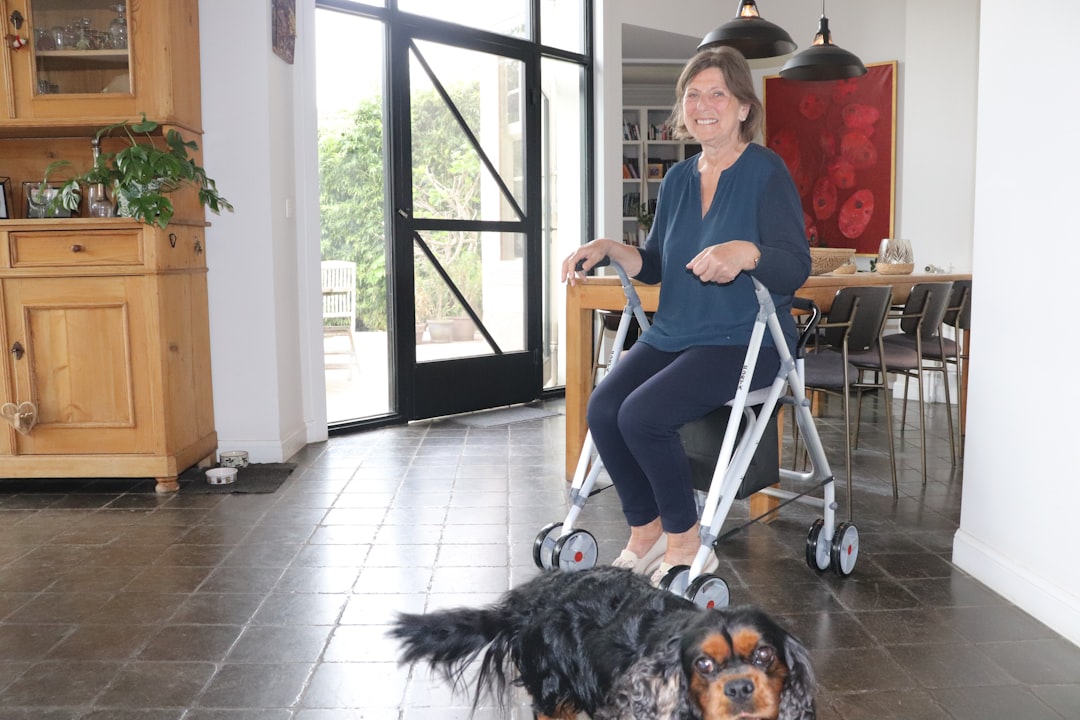
Pet therapy programs in nursing homes have grown significantly in recent years, reflecting growing recognition of the measurable benefits these programs provide. This dramatic shift reflects growing recognition of the measurable benefits these programs provide. However, successful implementation requires careful planning and proper protocols.
While not all facilities allow therapy dogs, certain precautions must be taken, including ensuring patients don’t have dog allergies and verifying that visiting dogs are well-trained, though the benefits certainly outweigh the drawbacks. The key lies in establishing comprehensive safety guidelines while maintaining the spontaneous, natural interactions that make these programs so effective.
The transformation happening in assisted-living facilities through therapy dog programs represents more than just innovative healthcare. It’s a return to recognizing the profound healing power of the human-animal bond. These four-legged therapists don’t just provide temporary comfort; they restore dignity, spark joy, and remind residents that they’re still capable of giving and receiving love.
What strikes me most about this growing field is how it challenges our clinical approach to eldercare. Sometimes the most powerful medicine doesn’t come in a pill bottle but walks on four paws with a wagging tail. What do you think about the role of animals in healthcare? Tell us in the comments.
BonusBacklinks.com
Friday 12th of December 2025
There are some attention-grabbing cut-off dates in this article however I don’t know if I see all of them heart to heart. There may be some validity but I'll take hold opinion till I look into it further. Good article , thanks and we would like more! Added to FeedBurner as effectively