

Do you ever dream of having a fascinating pet that doesn’t demand endless hours of care? Imagine watching a sleek, colorful serpent glide through its enclosure—no barking, no fur, no fuss. For countless reptile lovers, snakes offer the perfect balance of beauty, intrigue, and surprisingly simple care. If you’re searching for a pet that’s both captivating and easy to look after, you’re about to discover some of the most rewarding companions in the reptile world. Get ready to meet the top snakes for low-maintenance care—your ticket to effortless reptile happiness!
If you’re fascinated by reptiles but prefer a pet that doesn’t demand too much time, low-maintenance snakes might be your perfect match. Species like corn snakes, ball pythons, and rosy boas are known for their calm nature, minimal grooming needs, and simple habitat requirements. These snakes thrive in clean enclosures with basic temperature and humidity control, making them ideal for beginners. Plus, their feeding schedules are pretty relaxed—usually just once a week! With the right setup and gentle handling, these snakes can offer a rewarding and stress-free pet experience.
Corn Snake: The Friendly Beginner’s Favorite

Corn snakes have won the hearts of snake enthusiasts everywhere, and it’s no wonder why—they’re gentle, curious, and adapt well to handling. Their care requirements are straightforward, making them ideal for those new to snake keeping. With a moderate size ranging from three to five feet, they fit comfortably in standard enclosures. Corn snakes aren’t picky eaters, usually thriving on a diet of frozen-thawed mice once every week or so. Their docile nature reduces stress for both snake and owner, and their vibrant colors are a joy to behold. Plus, they rarely show aggression, which means you can spend more time enjoying your pet and less time worrying about bites. If you want a snake that’s as easy to care for as it is beautiful, the corn snake is a top contender.
Ball Python: Calm, Compact, and Captivating
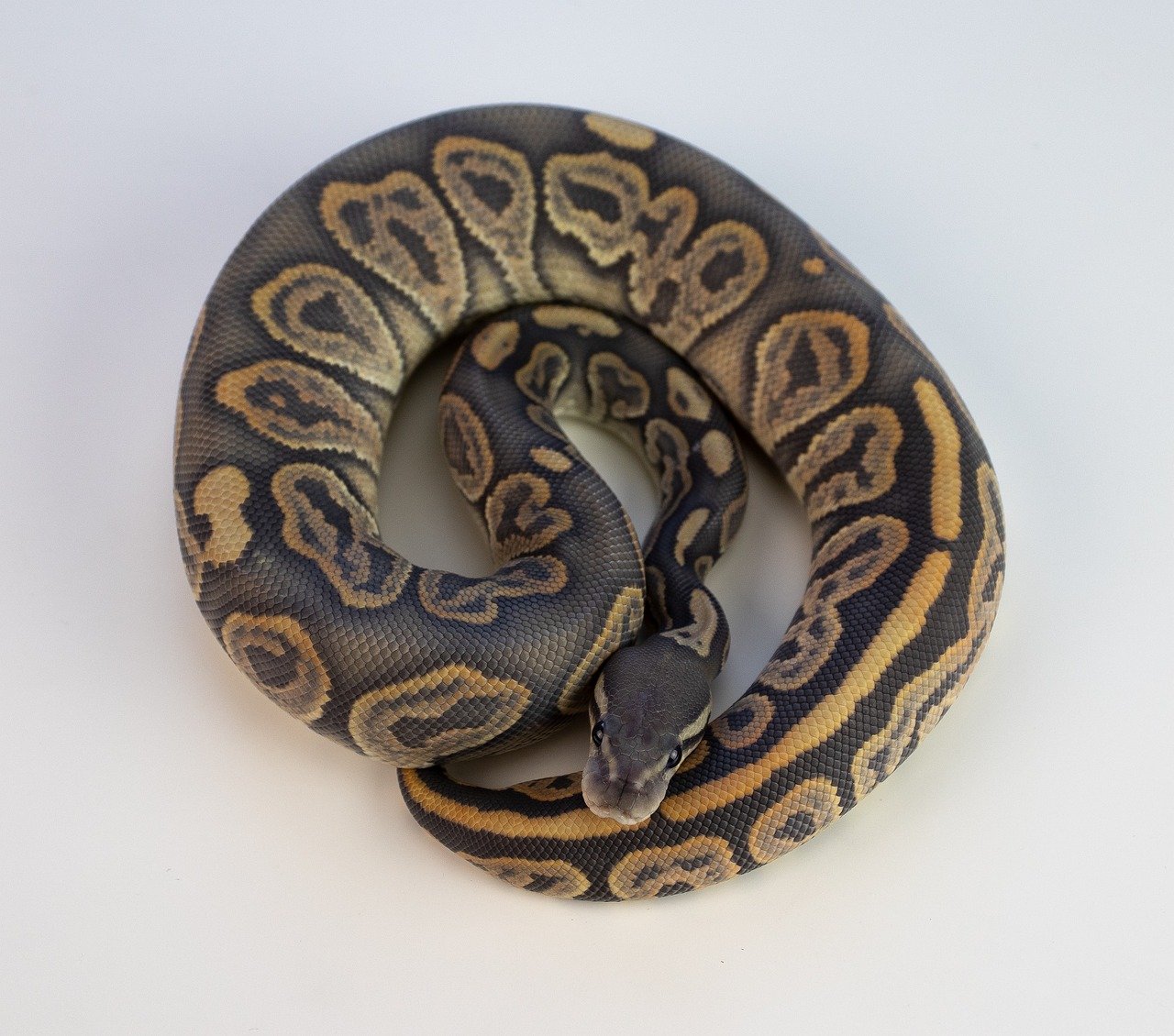
Ball pythons are like the teddy bears of the snake world—gentle, shy, and easy to love. They get their name from their habit of curling into a tight ball when startled, rather than striking. Ball pythons typically grow to about four or five feet, making them manageable for most keepers. Their enclosures don’t require anything fancy: a secure tank, a good heat source, and a hide or two for privacy. Feeding is simple, with most adults eating one rodent per week. Their slow movements and non-aggressive temperament make them a popular pick for families and beginners alike. With a lifespan of up to thirty years, ball pythons can become a cherished companion for decades—with very little hassle.
California Kingsnake: Hardy and Strikingly Beautiful

If you want a snake that’s both hardy and eye-catching, the California kingsnake should be high on your list. These snakes are famous for their bold black-and-white or brown-and-yellow patterns. They thrive in a wide range of temperatures and are highly adaptable to different environments. California kingsnakes are also known for their robust health and resistance to common reptile illnesses. They eat well, rarely refuse food, and only need to be fed once every week or two. While they can be a bit squirmy when young, regular gentle handling helps them settle down quickly. Their manageable size and resilience make them a reliable choice for anyone seeking a low-maintenance reptile.
Rosy Boa: Gentle and Easygoing
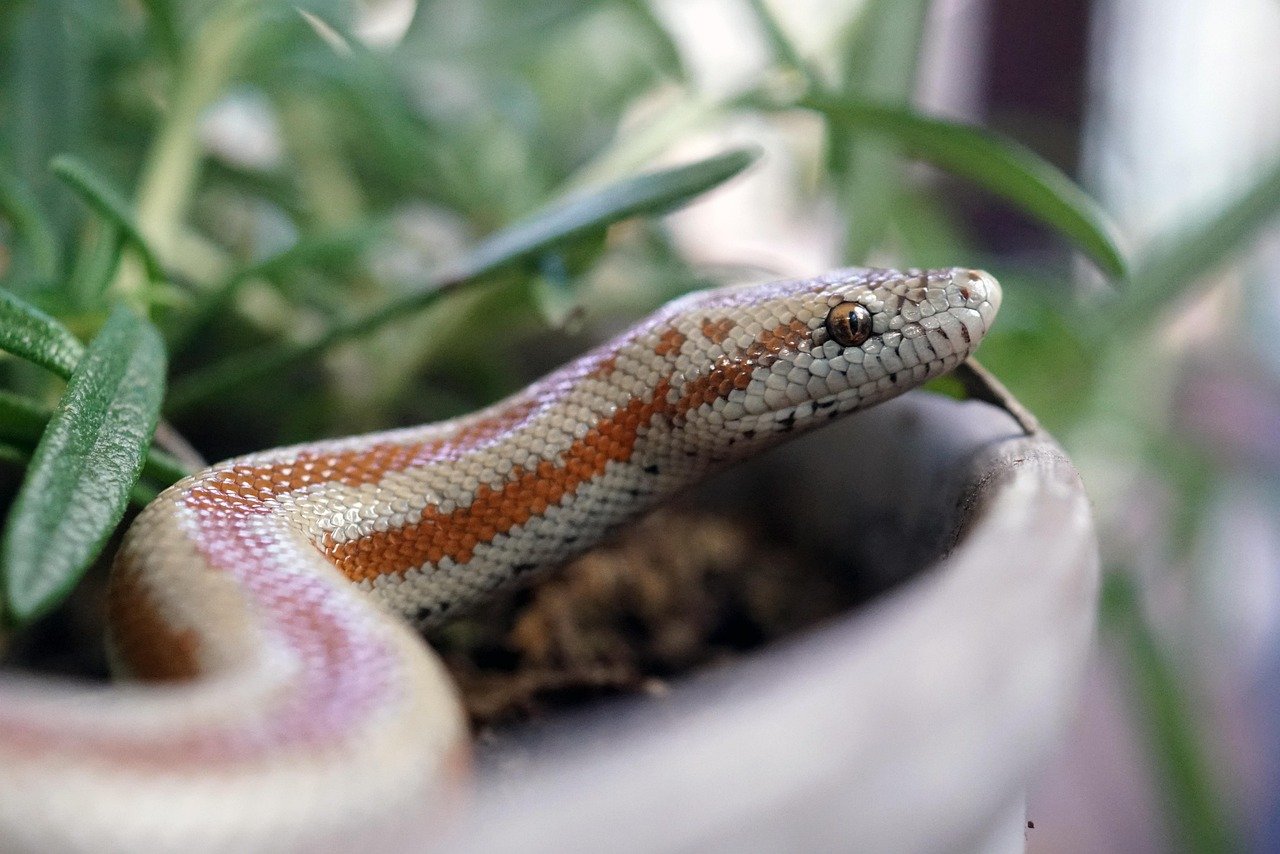
Rosy boas are gentle souls with a soft appearance and calm demeanor. These charming snakes grow to about two or three feet, making them one of the smaller pet snakes available. They require a simple enclosure with dry substrate and minimal décor, which means setup and cleaning are a breeze. Rosy boas rarely bite and are easy to handle, which makes them an excellent option for children or nervous first-time owners. Their slow-moving nature and infrequent feeding schedule—about one meal every ten days—keep care requirements minimal. If you want a snake that’s as easygoing as a lazy Sunday afternoon, the rosy boa is a delightful choice.
Garter Snake: Active and Entertaining
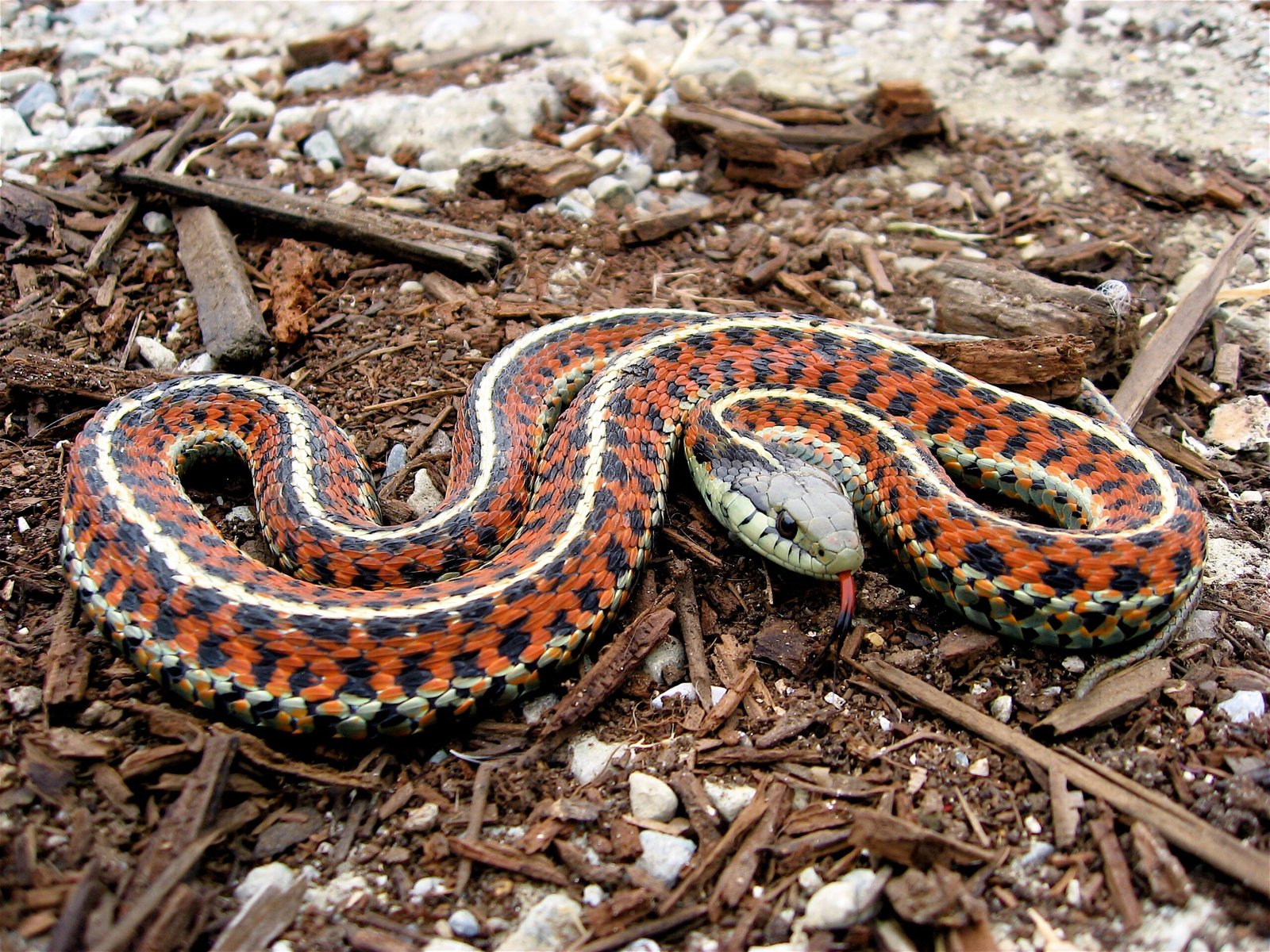
Garter snakes are the entertainers of the snake world—active, inquisitive, and always on the move. These snakes stay relatively small, usually two to three feet, and are perfectly happy in a modestly sized enclosure. Garter snakes are not fussy eaters; they’ll accept a variety of foods, including worms, fish, and rodents, so you have options if you want to avoid feeding mice. Their enclosure needs are simple: clean water, a secure lid, and a safe place to hide. Regular spot cleaning and a weekly meal make their care a breeze. Watching a garter snake explore its habitat can be as fun as any TV show, and their forgiving nature makes them a solid choice for keepers seeking minimal maintenance.
Kenyan Sand Boa: Compact and Burrowing Delight
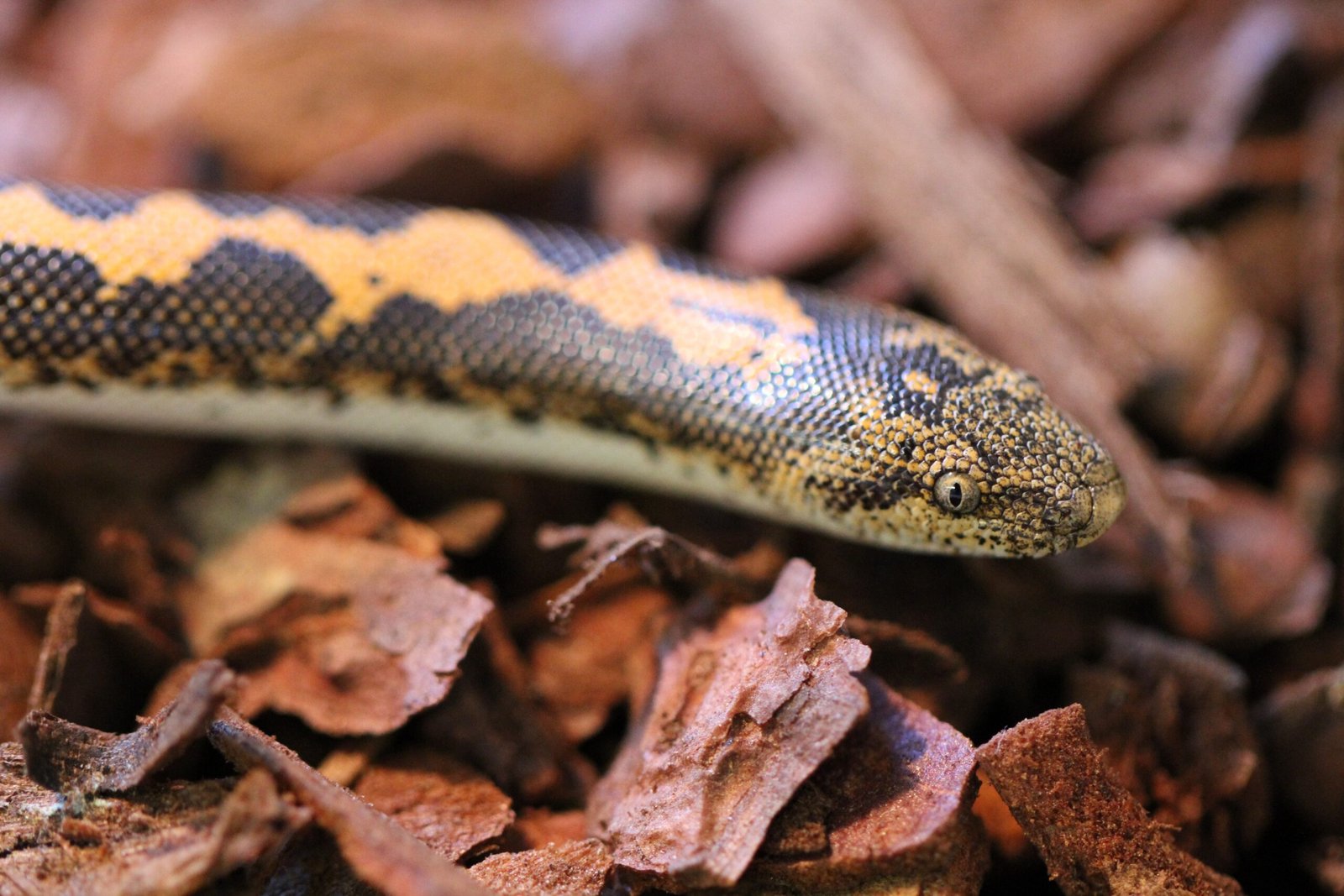
Kenyan sand boas are as cute as they are easy to care for, with their short, stout bodies and cheerful patterns. These snakes rarely exceed two feet in length, making them perfect for small spaces. Sand boas are natural burrowers, so they love an enclosure with plenty of loose substrate for digging. Feeding is straightforward—a small mouse every week or ten days does the trick. They’re not fussy about humidity or temperature, as long as the basics are covered. These snakes are also known for their shy, non-aggressive personalities, making them a low-stress pet for those who prefer less handling. If you’re short on space but want a fascinating, easy-to-care-for reptile, the Kenyan sand boa is a standout pick.
Children’s Python: Small Size, Big Personality
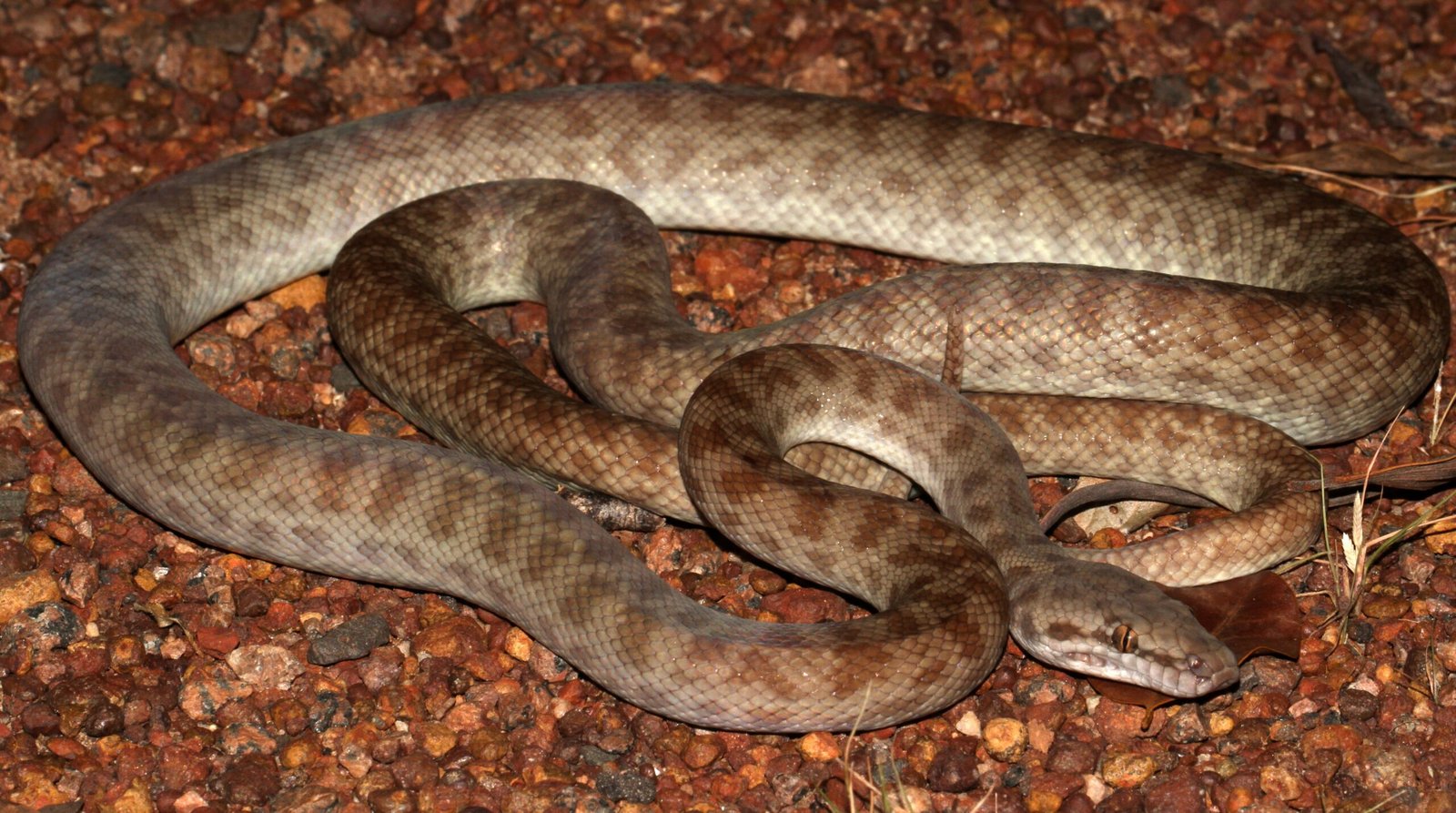
Don’t be fooled by the name—Children’s pythons aren’t just for kids, but they’re certainly sized for them! These Australian natives typically grow to about three feet and are famous for their gentle nature. Their care is straightforward: moderate temperatures, a cozy hide, and a simple diet of appropriately sized rodents. Children’s pythons are known for their curious personalities and tolerance of gentle handling. They rarely get sick if kept clean and warm, and they don’t require elaborate setups or special lighting. With a manageable feeding schedule and minimal fuss, these pythons are perfect for anyone who values both charm and simplicity in a pet.
Western Hognose Snake: Playful and Full of Character
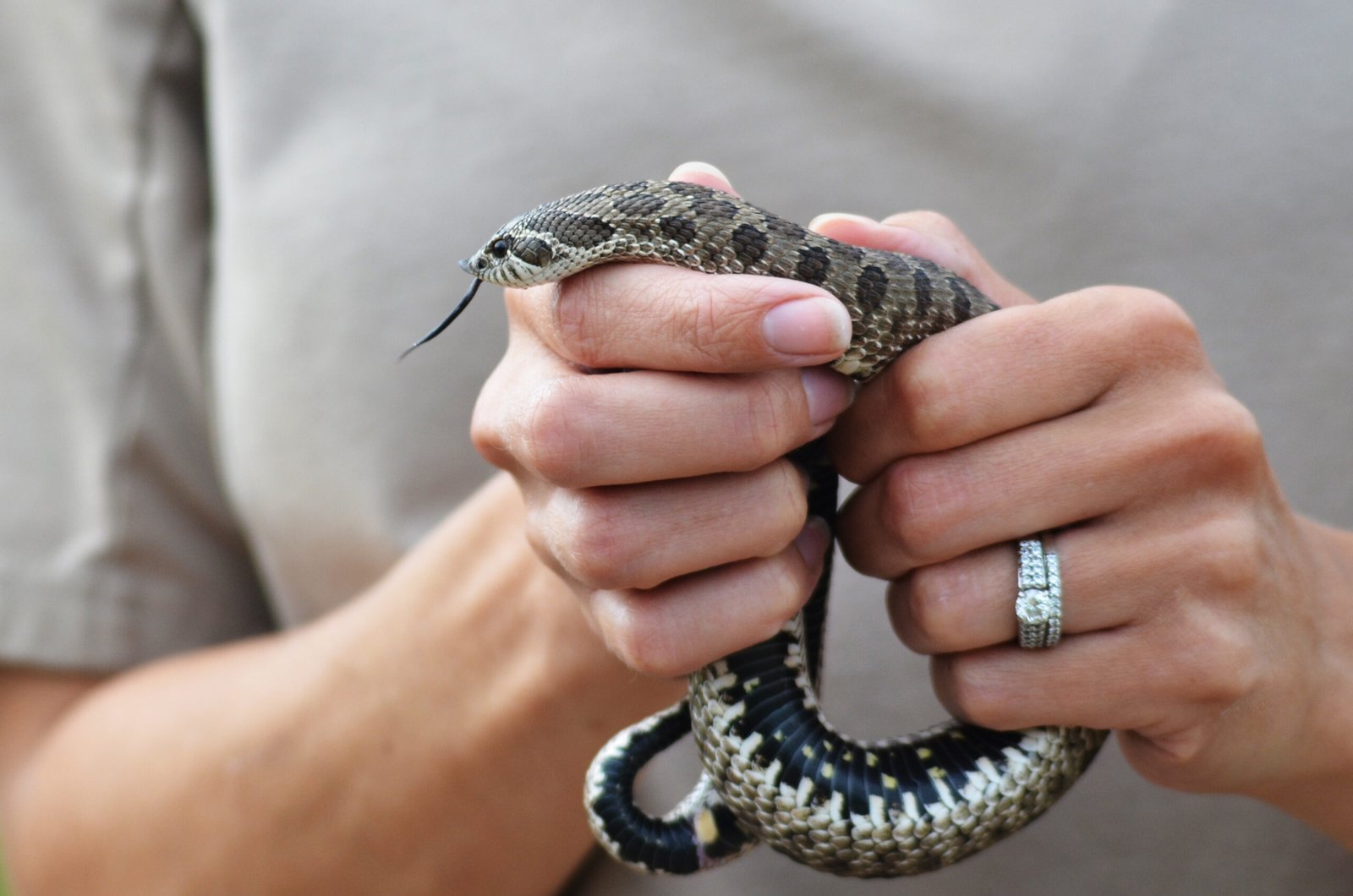
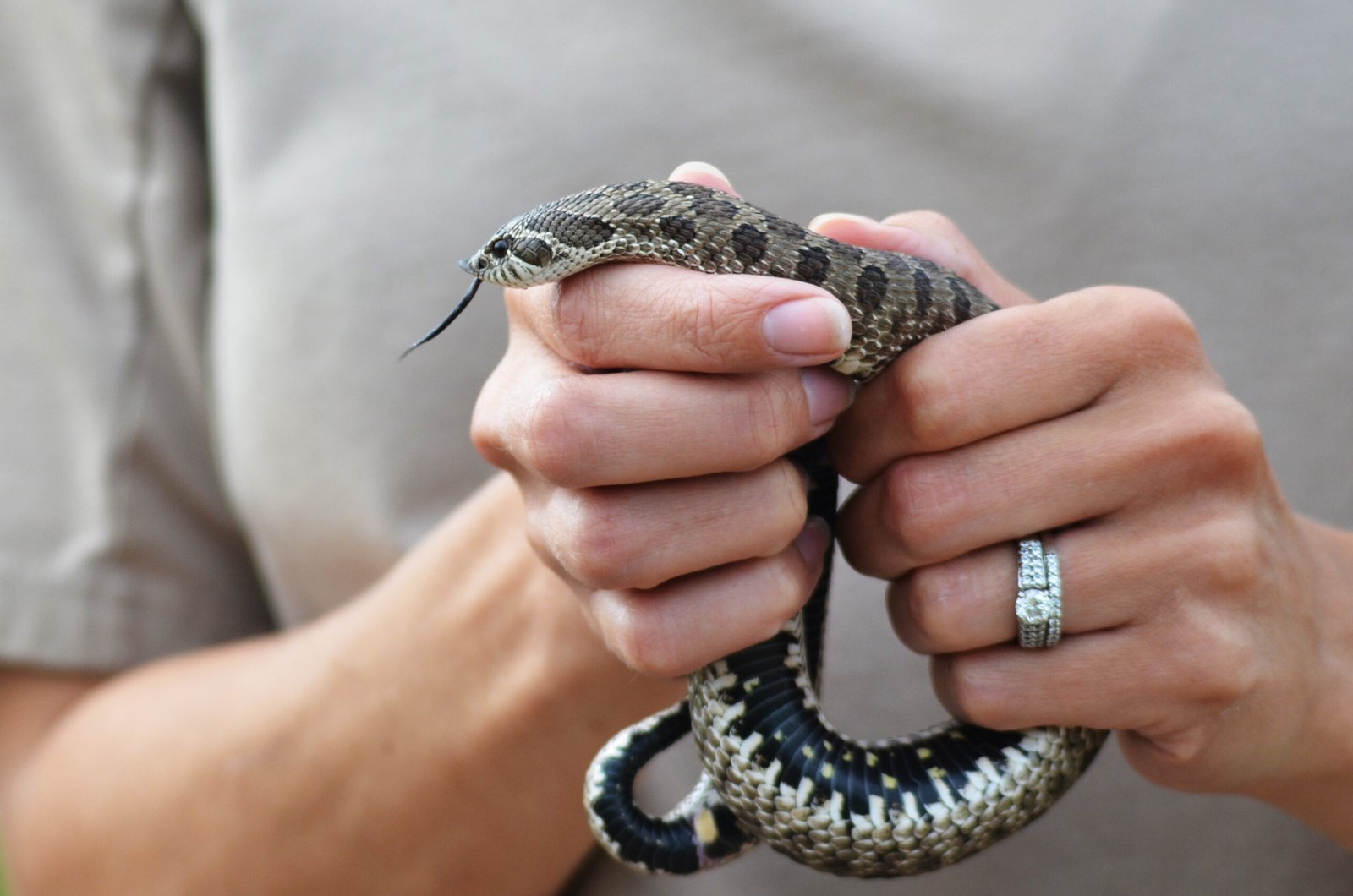
Western hognose snakes are the comedians of the snake world, often acting with dramatic flair. When threatened, they might hiss, flatten their necks, or even play dead—but their bark is much worse than their bite. These snakes stay relatively small, rarely exceeding two feet, and have simple enclosure needs. Western hognose snakes thrive on a basic diet of mice and don’t require frequent feeding. Their substrate should allow for burrowing, giving them a chance to display their natural behaviors. They adapt well to captive life and, with regular cleaning and occasional handling, remain healthy and happy with little effort. Their quirky personalities and unique upturned noses make them irresistible to many snake lovers.
Milk Snake: Vibrant Colors and Low Demands
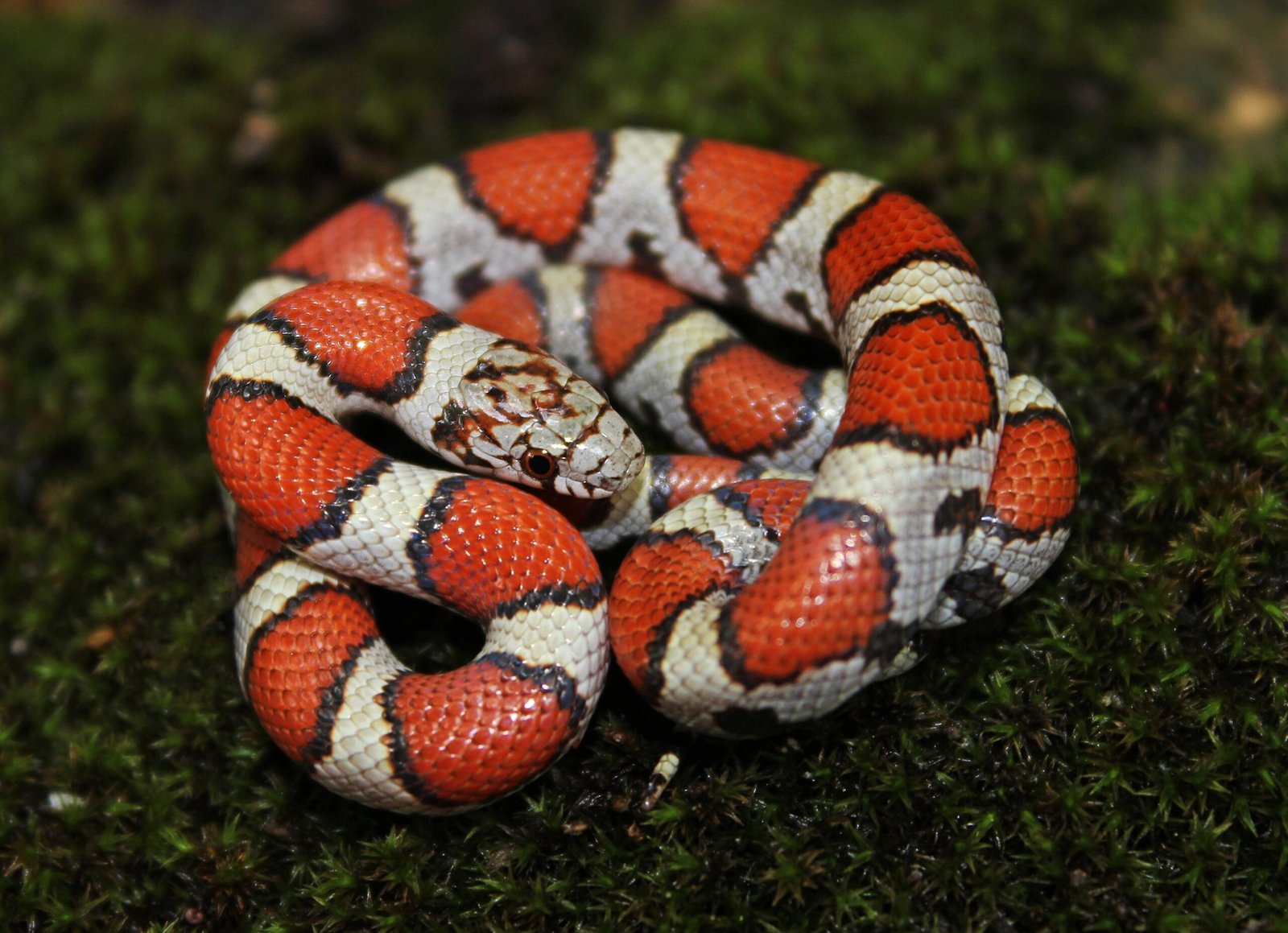
Milk snakes are the living jewels of the snake world, sporting dazzling bands of red, black, and white or yellow. Don’t let their striking appearance fool you—their care is refreshingly simple. Milk snakes are easy to house, needing just a basic terrarium, a warm hide, and clean water. They eat well on a diet of mice, and their resilient nature means they’re less prone to illness than some other species. Milk snakes are generally non-aggressive and adapt quickly to gentle handling. Cleaning their enclosure is a straightforward task, and their infrequent feeding schedule keeps things even simpler. If you want a pet that’s as beautiful as it is undemanding, the milk snake might just be your perfect match.
House Snake: The Understated Gem

House snakes might not win any awards for flashy colors, but their calm demeanor and adaptability make them a hidden treasure for keepers seeking low-maintenance pets. Native to Africa, these snakes are small—usually two to three feet—and thrive in basic setups. They tolerate a range of temperatures and don’t need any special humidity controls. House snakes are known for their voracious appetites and rarely turn down a meal, which makes feeding stress-free. Their gentle temperament and easy-going nature mean they rarely cause trouble, and they hardly ever fall ill if kept clean. For anyone who wants a no-nonsense, reliable snake, house snakes are a solid, underrated choice.
Choosing a low-maintenance snake is a great way to enjoy the fascinating world of reptiles without the stress of constant care. With their easygoing nature and simple needs, these snakes make perfect companions for beginners or busy pet lovers. Just a little attention goes a long way in keeping them happy and healthy!
Born and bred in South Africa, a Capetonian at heart. Amy-Leigh’s love for nature and animals was inherited from her Dad. He loves taking the family on road trips to experience nature at its finest; Amy-Leigh’s favourite being whale watching in Hermanus and spotting Kudu along the West Coast. Amy-Leigh holds a BA in English Literature and Communication Studies.


