

You brought home the dog of your dreams. Maybe you imagined lazy Sunday mornings with a calm pup snoozing on the couch beside you. Or maybe you were ready for adventure – trail runs, fetch marathons, a canine partner who could match your every move. Whatever picture you painted in your head, one thing is certain: your dog had its own ideas.
The truth is, not all dogs are wired the same. Some come into your life like a warm cup of tea, steady and soothing from day one. Others arrive more like a double espresso left unattended. Understanding what separates an easygoing dog from a high-intensity one is not just fascinating, it is genuinely life-changing for both of you. Let’s dive in.
It Starts in the Brain: How Temperament Is Built

Here is a surprising fact that most dog owners never fully appreciate: your dog’s personality is not random. It is the result of genetics, selective breeding, brain structure, and environment all working together in real time. Research has connected personality and skill differences in dogs to six different parts of the brain, including the regions controlling drive and reward, social communication, and fight or flight responses. That is not a small thing. That is wiring.
Personality in dogs can be defined as “a set of behaviors that are consistent over context and time,” and studies have long tried to identify broad personality traits that are stable and consistent throughout a dog’s life. So when your Basset Hound refuses to sprint across the yard while your neighbor’s Border Collie cannot stop circling, that is not stubbornness versus enthusiasm. That is biology. Research confirms that breed and age have the strongest associations with dog personality traits, with some environmental factors – especially puppyhood socialization – also playing a meaningful role.
The Easygoing Dog: What Makes Them Tick
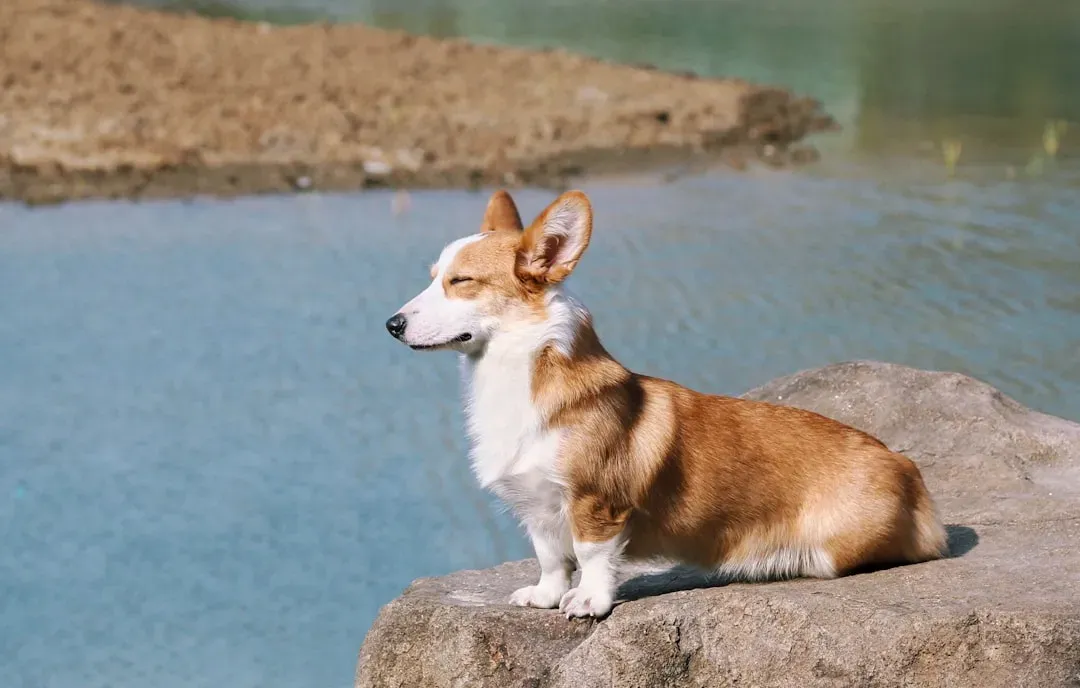
Let’s be real: easygoing dogs are the ones that seem to just… fit. They adapt. They settle. They sigh contentedly on the rug while chaos unfolds around them. Calm dog breeds are expected to maintain composure in certain situations, able to react to stimuli in a measured way, often without growling, lunging, or showing signs of stress. Think of it like this – an easygoing dog is the emotional equivalent of someone who can read a book in a busy coffee shop without once looking up.
Not every dog is bursting with energy or ready for a nonstop adventure. Some dogs have a naturally calm and easygoing temperament that makes them perfect companions for those who prefer a slower pace of life, whether they live in a cozy apartment, work from home, or simply enjoy peaceful moments. Research also shows that having a calm dog around can actually help reduce stress and lower blood pressure, making them wonderful emotional support companions. That is a genuine health benefit sitting at your feet every evening.
The High-Intensity Dog: Misunderstood, Not Misbehaved
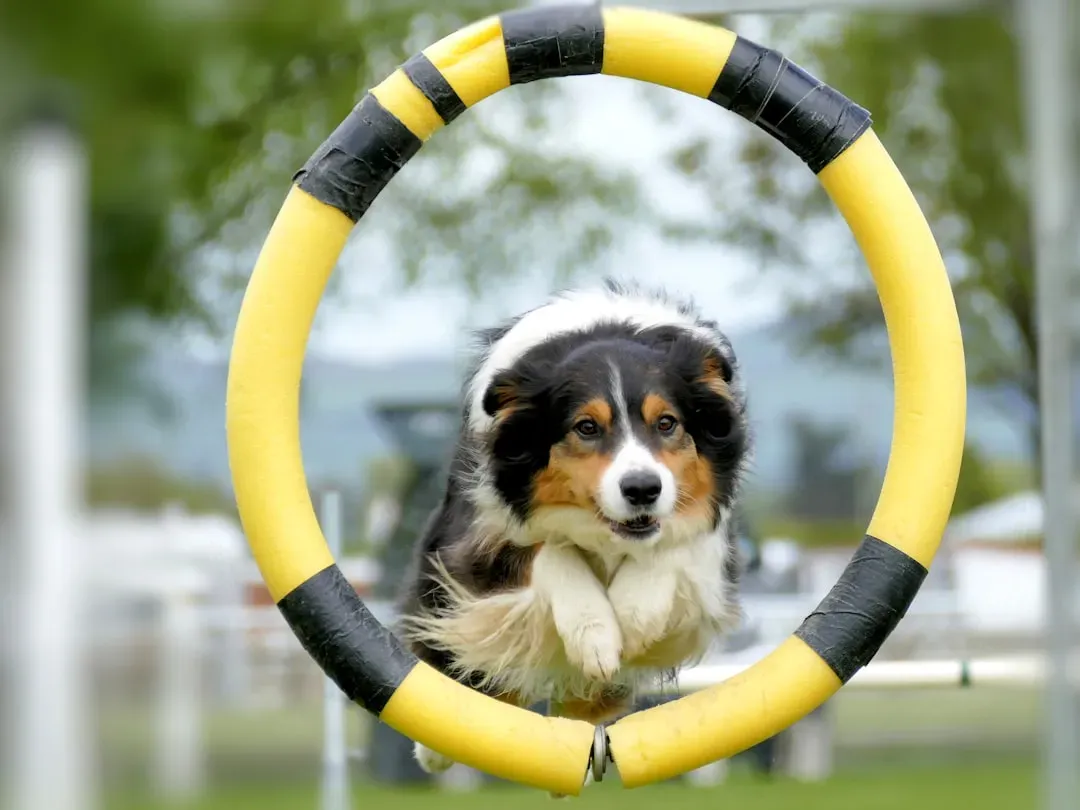
High-intensity dogs get a bad reputation. People label them as difficult, disobedient, or just plain exhausting. Honestly, that is deeply unfair. These dogs are not broken. They are simply operating at a frequency most owners were not prepared for. Typically high-energy, high-drive dogs do best with owners who are willing to put in extra effort with training and exercise, and these dogs tend to excel at dog sports like agility, barn hunt, and freestyle.
Dog breeds originally bred for specific jobs, especially herding, working, or hunting, are most prone to intensity because they have high genetic drives that need fulfillment – breeds like Border Collies, Australian Shepherds, Kelpies, German Shepherds, and Labradors. These dogs require both intense physical exercise and daily mental challenges to prevent destructive behaviors. The problem is never the dog. The problem is the mismatch between what the dog needs and what the owner provides. Once you bridge that gap, everything changes.
Reading the Room: Key Behavioral Cues to Watch For
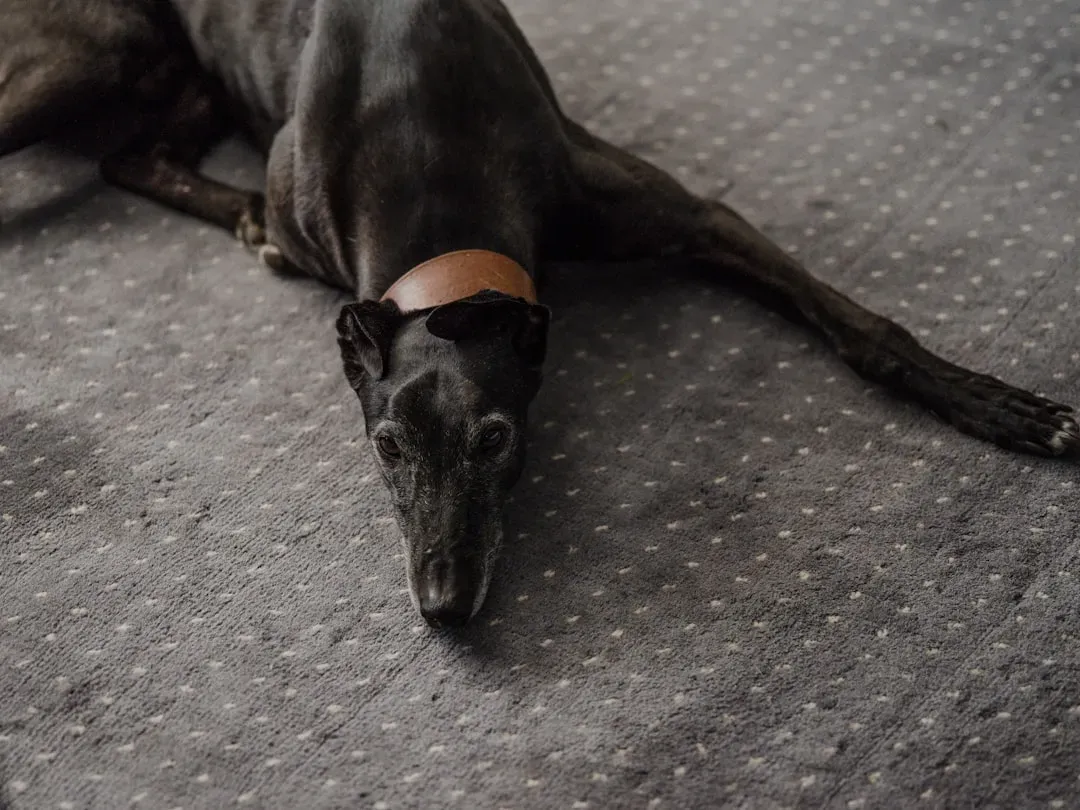
Knowing whether your dog is easygoing or high-intensity is not always obvious from a first glance. A Greyhound, for instance, looks built for endless speed. Despite their racing background and muscular build, Greyhounds are surprisingly calm and gentle at home, earning a reputation as “couch potatoes” because they love to lounge and relax indoors. Appearances can be wildly misleading.
Easygoing dogs tend to settle quickly after activity, engage without fixating, and recover fast from new or startling experiences. High-intensity dogs, on the other hand, leave a trail of behavioral cues. Common signs of a dog running hot include pacing, excessive barking, mouthiness, sudden bursts of zoomies, difficulty responding to familiar cues, trouble settling even after activity, panting, dilated pupils, and restlessness. These behaviors are signals that the dog needs a break, not correction. Understanding that difference is one of the most compassionate things you can do as a dog owner.
When Intensity Becomes a Problem: The Understimulation Trap

Here is where things get really important. A high-intensity dog that is not given enough to do does not simply sit quietly and wait. Their brain starts looking for work, and it will find it whether you approve or not. It is easy to assume your pet is content if they get a daily walk, but for many dogs – especially high-energy breeds – a simple walk is not enough. When their brains are neglected, they turn into furry little problem solvers who start digging holes, destroying furniture, or barking up a storm. Without proper outlets, they often destroy household items and even their own dog essentials.
Chronic boredom, which is a state of severe understimulation, is strongly linked to anxiety and can lead to depression in dogs. When a dog has no control over its environment or routine and cannot express its natural behaviors, it can become stressed and anxious, leading to compulsive actions like excessive licking or depressive symptoms like lethargy and loss of appetite. That chewed-up couch leg is not spite. It is a cry for help wrapped in foam stuffing.
The Overstimulation Side: Too Much of a Good Thing
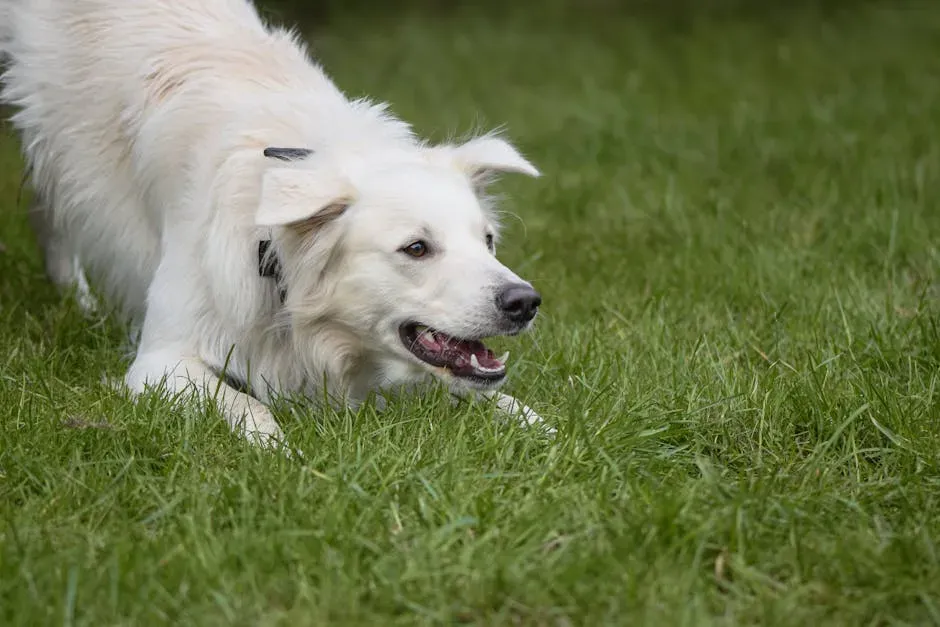
On the flip side, even the most energetic dog can reach a breaking point. Overstimulation is just as real a problem as understimulation, and it is frequently misread as bad behavior. When the volume of stimuli becomes too intense or too constant, a dog can tip into a state of overstimulation – and this is not “bad behavior,” it is a nervous system response. Busy dog parks, loud homes, chaotic playdates, or even a jam-packed training session can push a dog from excited to overwhelmed in minutes.
High-drive working breeds like Border Collies, Belgian Malinois, Jack Russell Terriers, and Australian Shepherds often show intense arousal spikes and struggle with developing an off-switch. These dogs benefit from shorter park visits, mandatory structured breaks, and avoiding highly stimulating activities like group chase games, as their arousal escalates faster and takes longer to decline than moderate-drive breeds. Prevention tip: think of your high-intensity dog’s nervous system like a phone battery. Even the most powerful battery needs to recharge, or it crashes.
Lifestyle Match: Pairing the Right Dog With the Right Home

This is the conversation nobody has before they fall in love with a breed online. Dogs, like humans, have different energy levels, and it is one of the most important factors when choosing a breed for your personality and lifestyle. You want a pet that lives life at a similar pace as you so you can best meet their needs for mental stimulation and physical activity. A mismatch is not a failure of love. It is a failure of information, and it happens all the time.
A high-energy owner with a sensitive dog might create overstimulation, while a sedentary lifestyle might understimulate an active breed. Imagine bringing a marathon runner home to an apartment and expecting them to be happy with a ten-minute stroll around the block. That is what it feels like to a Border Collie living with someone whose idea of exercise is reaching for the TV remote. A truly low-energy dog combines a relaxed temperament with limited exercise needs. Some giant breeds like Greyhounds are actually excellent apartment dogs because they are quiet and inactive indoors.
Training Approaches: One Size Does Not Fit All
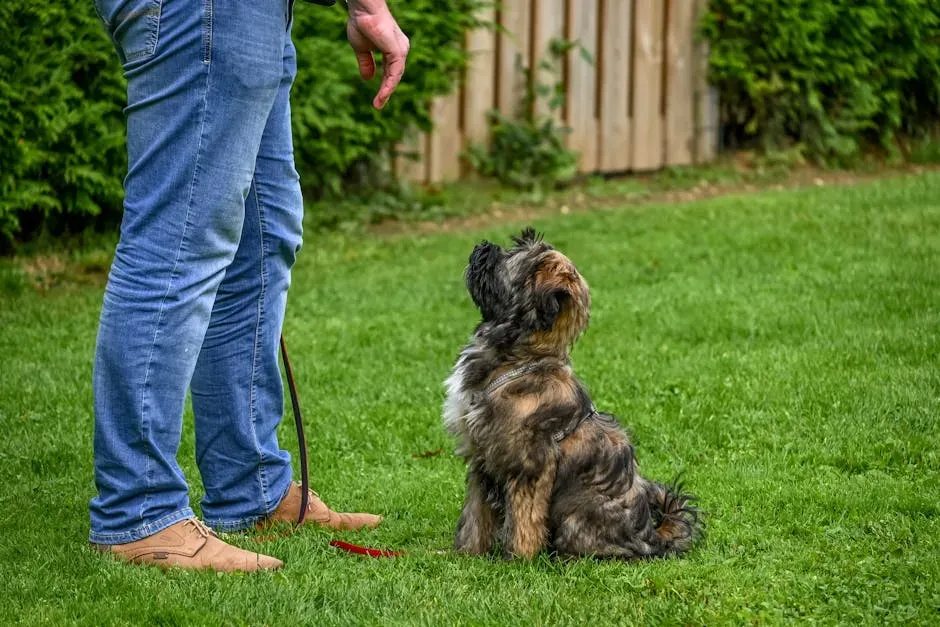
Easygoing dogs and high-intensity dogs do not just require different amounts of exercise. They require fundamentally different training philosophies. Working breeds like Border Collies, Belgian Malinois, and Labs need structure and tasks, not endless fetch. Calm walks, focused scent work, and controlled off-leash sessions engage their brain without burning out their nervous system. Throwing more physical activity at a high-drive dog without mental stimulation is like giving a chess champion a treadmill. It helps, but it misses the point entirely.
For calmer dogs, the approach shifts. Because breeds like Golden Retrievers love to learn and retrieve, obedience training, agility, or fetch games are great ways to expend energy, and because they are eager to please, they respond well to obedience training, making them one of the best dogs for first-time owners. Teaching contentment means giving your dog the space and opportunity to make good choices and reinforcing them. Avoid constantly engaging or entertaining them. Allow quiet downtime. Reinforce calm behaviors like lying quietly, waiting, or staying near you without prompting.
Health Considerations: What Intensity Means for the Body

It is worth talking about what high versus low intensity means not just for behavior, but for physical health. Since low-energy dogs do not burn as many calories as active breeds, they are more prone to weight gain. To prevent obesity, feed them a balanced diet with appropriate portion sizes, and choose high-quality dog food rich in protein and healthy fats but low in unnecessary fillers.
High-intensity dogs face their own set of risks. If overstimulation is left unaddressed, it can have long-term effects on a dog’s overall well-being. Chronic overstimulation can lead to increased anxiety, heightened aggression, and a decreased ability to cope with daily stressors. Meanwhile, low-energy dog breeds are often prone to health issues such as joint problems, obesity, and respiratory difficulties, making routine vet visits essential to monitor their health and catch any concerns early. Your vet can also provide tailored advice on diet, exercise, and preventive care. Whatever your dog’s intensity level, their body is keeping score – so regular checkups are non-negotiable.
Conclusion: Know Your Dog, Know Yourself

At the end of the day, there is no objectively better type of dog. Easygoing dogs are not lazy. High-intensity dogs are not difficult. They are just different expressions of the extraordinary range of canine personality. All dogs, regardless of their breeding, are individuals. It is essential to look beyond your dog’s breed to try to understand the traits that make up their personality. The better you know your dog, the fewer misunderstandings you will have in the future.
The real work of being a great dog owner is not about controlling your dog. It is about truly seeing them. Observe their cues, honor their limits, challenge them in the right ways, and give them the rest they need. Whether your dog is a world-class napper or a tireless adventurer, they are asking you to understand them. The question worth sitting with tonight is this: how well do you really know the dog sleeping at your feet?
What do you think about it? Tell us in the comments – is your dog a calm soul or a bundle of pure, wonderful intensity?


