
You’ve probably heard someone call a dog “bad” before. Maybe it was the neighbor’s dog who barks too much, or a rescue with a complicated past, or even a pup who just doesn’t seem to fit into the perfect family portrait. Here’s the thing, though. There’s really no such thing as a bad dog. Sure, there are dogs with challenges, dogs who’ve been let down by humans, dogs who need a bit more patience than others. These pups deserve understanding, not labels.
So many dogs end up in shelters simply because people didn’t see their potential or couldn’t handle behaviors that, honestly, are often fixable. The truth is, most of these dogs are just misunderstood, scared, or never given the chance to learn what’s expected of them. Let’s dive into why every single one of these remarkable creatures deserves a second shot at the happy life they were always meant to have.
Why ‘Bad Dog’ Labels Are Dangerously Misleading
Let’s be real. When we slap a label on a dog calling them “bad,” we’re not describing the dog at all. We’re describing our own frustration, our own lack of understanding, or sometimes just plain ignorance about what dogs actually need. Environmental factors cause aggression, not a particular breed or type of dog, and environmental influences are often the cause of aggression in dogs.
Think about it this way. If a child acts out in school, we don’t just write them off as a bad kid forever. We look at what’s happening in their life, what they need, how we can help them succeed. Dogs deserve the same consideration. Most behaviors we humans find problematic actually stem from fear, anxiety, lack of training, or unmet needs. A dog who’s pulling on the leash isn’t trying to ruin your walk, they’re excited or never learned how to walk calmly. A dog who barks at strangers might just be scared and trying to protect themselves.
The really frustrating part? About 75% of animals are surrendered for adoption due to human circumstances, and the behavior or personality of the animal only accounts for 8% of surrenders. We’re giving up on dogs for reasons that often have nothing to do with them at all.
The Shelter Reality: Stress Changes Everything
Picture yourself suddenly dropped into a noisy, unfamiliar place filled with strangers and chaos. You’d probably be pretty anxious too, right? That’s exactly what shelter life feels like for dogs. Studies show it takes 10 days for a dog’s stress hormones to come back to a normal level after being in the shelter for just two weeks. The dog you see pacing frantically in a kennel or cowering in the corner might be a completely different animal once they’re in a calm home environment.
With more animals staying longer in shelters, and multiple other factors converging simultaneously such as staffing and veterinarian shortages, as well as an increasing proportion of animals with greater medical and behavioral needs, many shelters continue to face an ongoing capacity crisis. What this means is that dogs are often judged at their absolute worst moment. They’re overwhelmed, frightened, and showing behaviors that don’t represent who they truly are.
I’ve seen it happen countless times. A dog labeled as “too hyper” or “doesn’t like people” in the shelter becomes the calmest, sweetest companion once given time to decompress in a proper home. The shelter environment itself creates or exaggerates so many of the behaviors that get dogs deemed unadoptable.
Misunderstood Breeds and Unfair Stereotypes
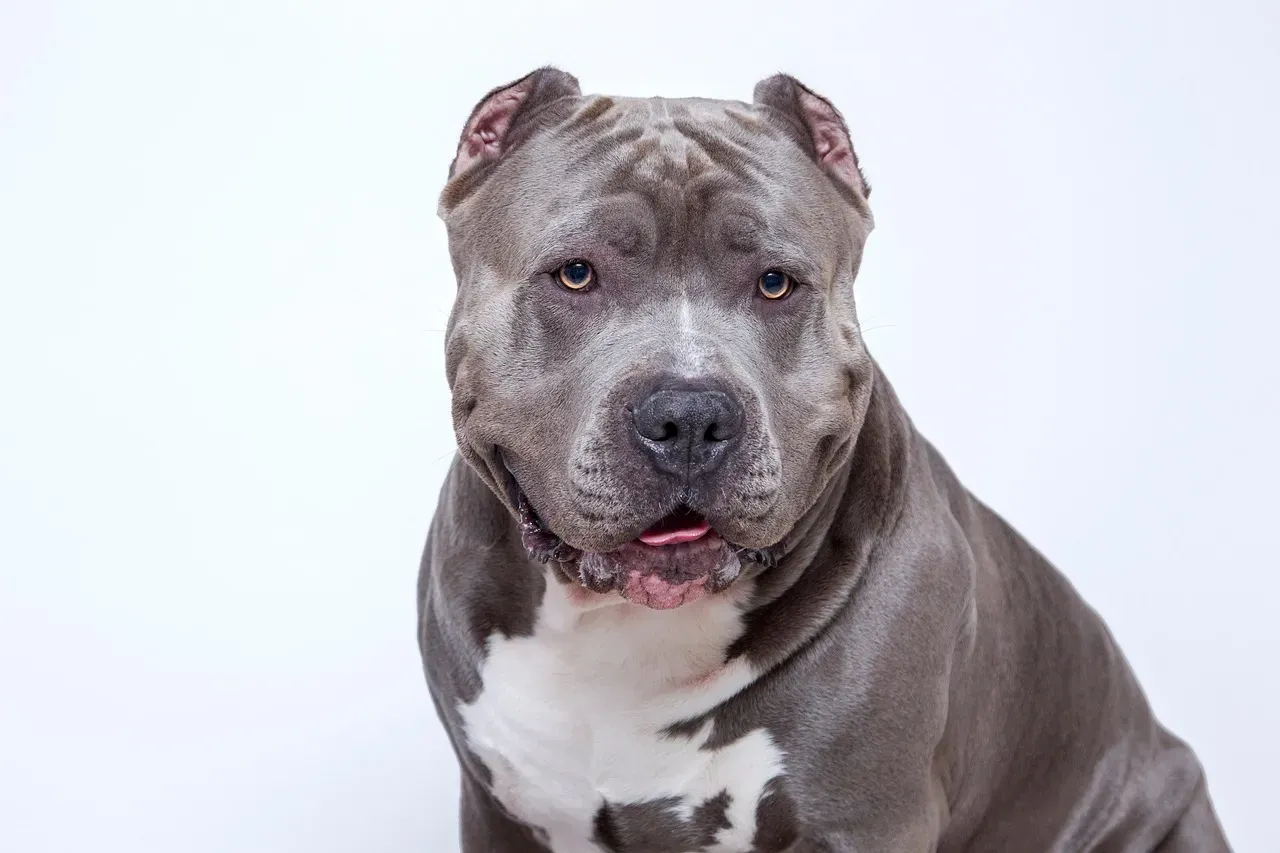
Some dogs never even get a fair chance because of how they look. This “nanny dog” has now become the most persecuted breed in the United States, maybe the world, yet he used to be known as a gentle family dog, capable of being trusted to watch children. Pit bulls, Rottweilers, German Shepherds, even sweet Dobermans get written off before anyone bothers to meet them.
Pit bulls and rottweilers can also be misused by people who either train them to appear aggressive or who don’t train them at all, which makes them seem unruly or scary to others, and it’s important to understand that any dog is capable of biting or showing aggression when put in a situation that makes it fearful. The problem isn’t the breed, it’s what humans have done to them or failed to do for them.
Honestly, breed stereotypes do more harm than we realize. They prevent wonderful dogs from finding homes and perpetuate myths that have zero scientific backing. I think the saddest part is watching families pass by an incredible dog simply because of misinformation they read online or heard from someone who never actually spent time with that breed. Most dog breeds that find themselves discriminated against time and time again owe their bad rap to humans, and misunderstood dog breeds have been perpetuated through lack of education and irresponsible pet ownership and breeding.
The Incredible Power of Rehabilitation and Training
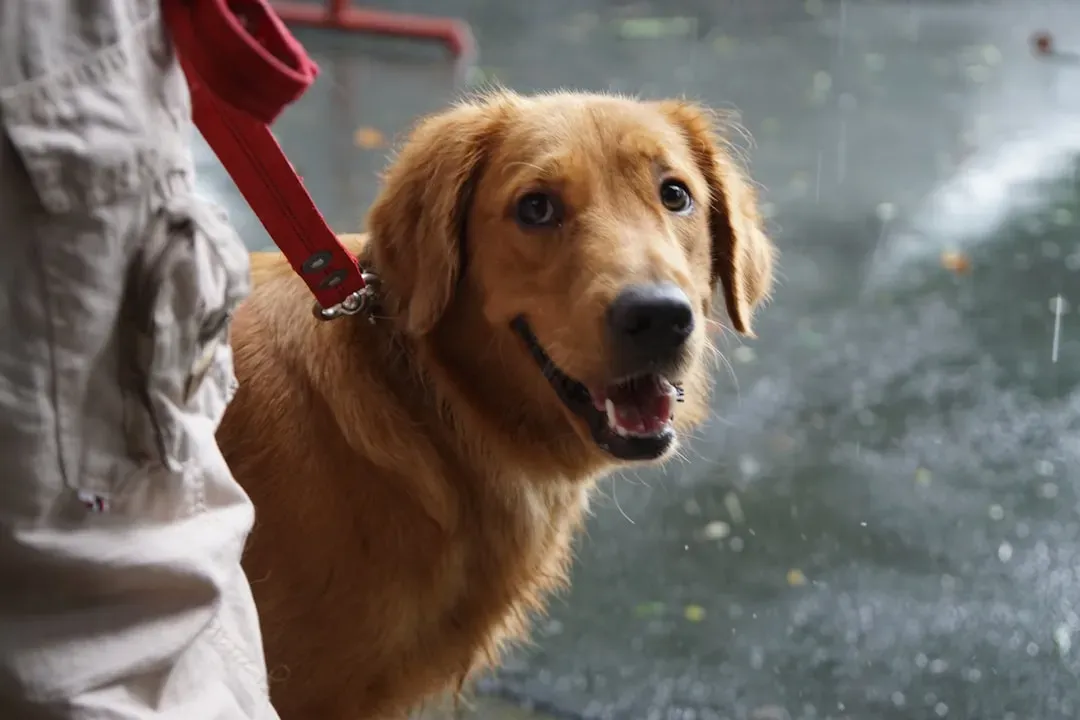
Here’s where things get exciting. Dogs are remarkably resilient creatures. The shelter has an 87% success rate in rehabilitating undersocialized dogs, and since then, the BRC’s full-time staff has expanded from five to more than 30 employees, including veterinarians, research scientists studying behavioral therapy and trainers. Those are dogs who came from horrific situations, puppy mills, hoarding cases, severe neglect. If they can overcome their trauma, imagine what a dog with less severe issues can accomplish.
Modern dog training has given us the tools and knowledge on how to reduce and at times even eradicate reactivity in dogs, and by understanding dog behavior and where it stems from, we can devise a training plan. The methods work. They really do. It just takes patience, consistency, and understanding that progress isn’t always linear.
I know it sounds crazy, but I’ve watched dogs go from being unable to be touched to seeking out affection. From lunging at every dog they see to walking calmly past them. After six weeks of intensive treatment for fear and anxiety at the Behavioral Rehabilitation Center, Coconut’s fear subsided as her trust increased, and when Coconut “graduated” from our program, she’d learned to love going on walks, relish a good scratch, make new friends, and explore new places. These transformations aren’t miracles, they’re the result of proper training and someone believing in the dog.
What Happens When Dogs Get Their Second Chance
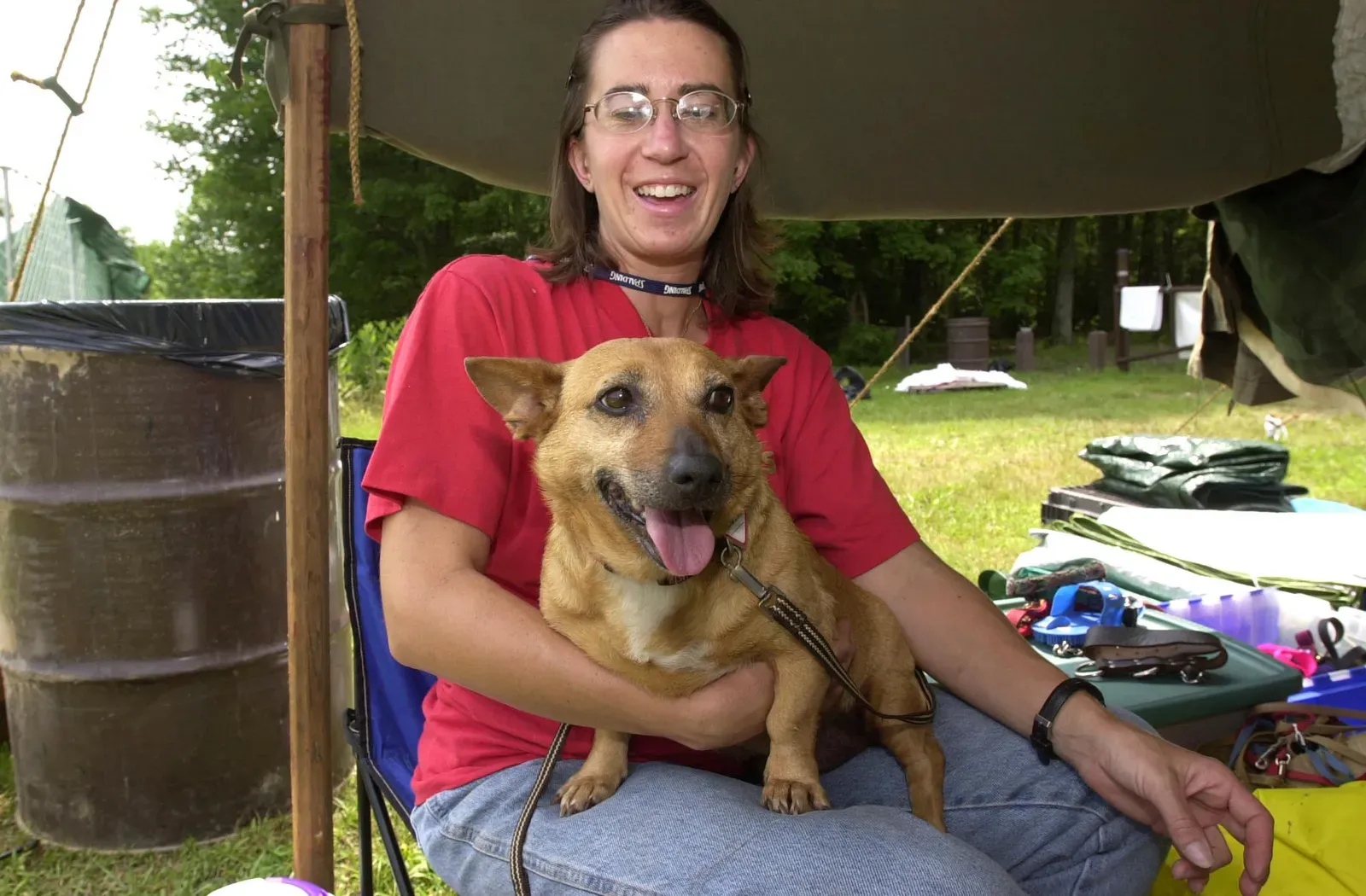
The transformation that happens when a shelter dog finally finds their forever home can be absolutely stunning. The photos of Bandit in the shelter showed him scared and timid, but as soon as he went home with Rodriguez, he could not stop smiling, and ever since being adopted, he has not stopped smiling. That right there is what we’re fighting for.
Though shelter dogs’ behavior changes tend to ebb and flow in the first 6 months after adoption, 100% of owners at the study’s end reported their pet had adjusted well to their forever home, and by the study’s end, 93.7% of owners rated their dog’s overall behavior as excellent or good and 100% reported their pet had adjusted to the new home extremely or moderately well. These statistics tell us something crucial. When given time, support, and patience, nearly every dog can settle into a home successfully.
The first few months require adjustment. Dogs might show behaviors they didn’t display at first, or they might slowly come out of their shell. That’s completely normal. What matters is that people stick with them through that process instead of giving up when things get a little challenging.
How You Can Make a Difference
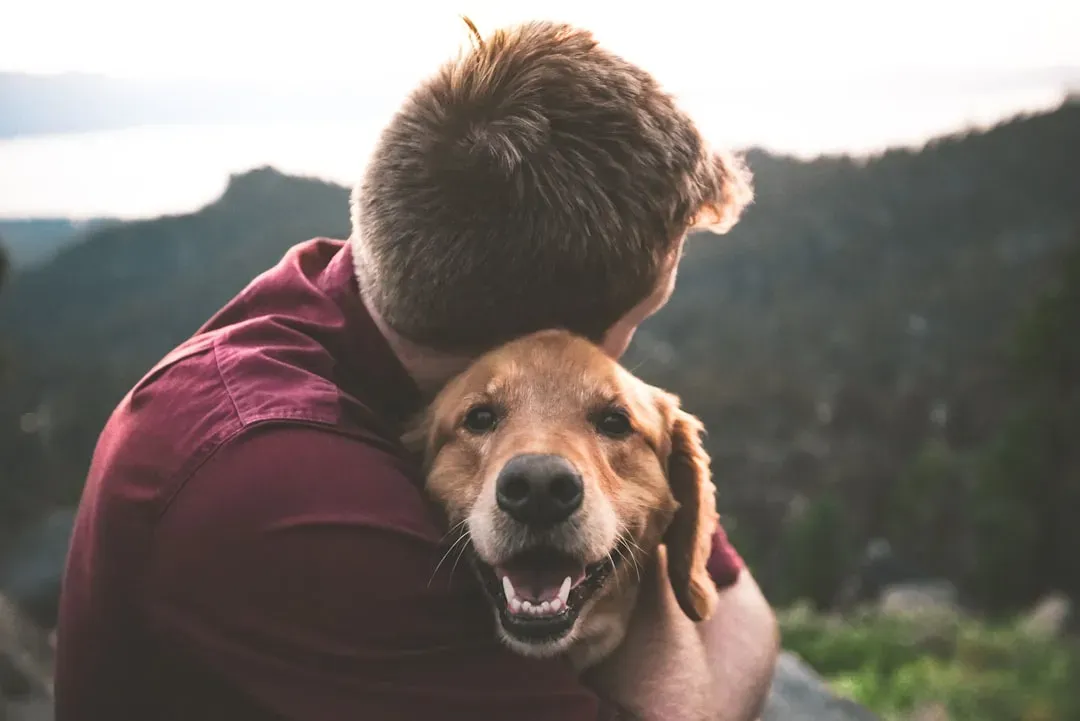
So what can you actually do? First, challenge your own assumptions. When you hear someone call a dog “bad” or “aggressive,” ask questions. What’s really going on with that dog? What do they need? Second, if you’re considering adding a dog to your family, don’t overlook the ones with a little baggage. Sometimes the best companions are the ones who know what it’s like to have nothing and appreciate everything you give them.
With many shelters across the country seeing increasing proportions of animals with medical and behavioral challenges who require more intensive resources and support, the ASPCA is pioneering behavioral rehabilitation programs and enabling more shelters and rescues to treat behaviorally challenged animals to give them the best chance of finding a loving home. Support these programs. Volunteer if you can. Foster if you’re able. Even just spreading accurate information helps combat the stereotypes that keep good dogs waiting.
Training matters too. If you adopt a dog who needs some extra help, invest in positive reinforcement training. Work with professionals who understand behavior modification. Give your dog the tools they need to succeed instead of expecting them to just figure everything out on their own. Remember, these dogs didn’t fail their previous families. Their previous families failed them.
Conclusion: Every Dog Deserves Hope
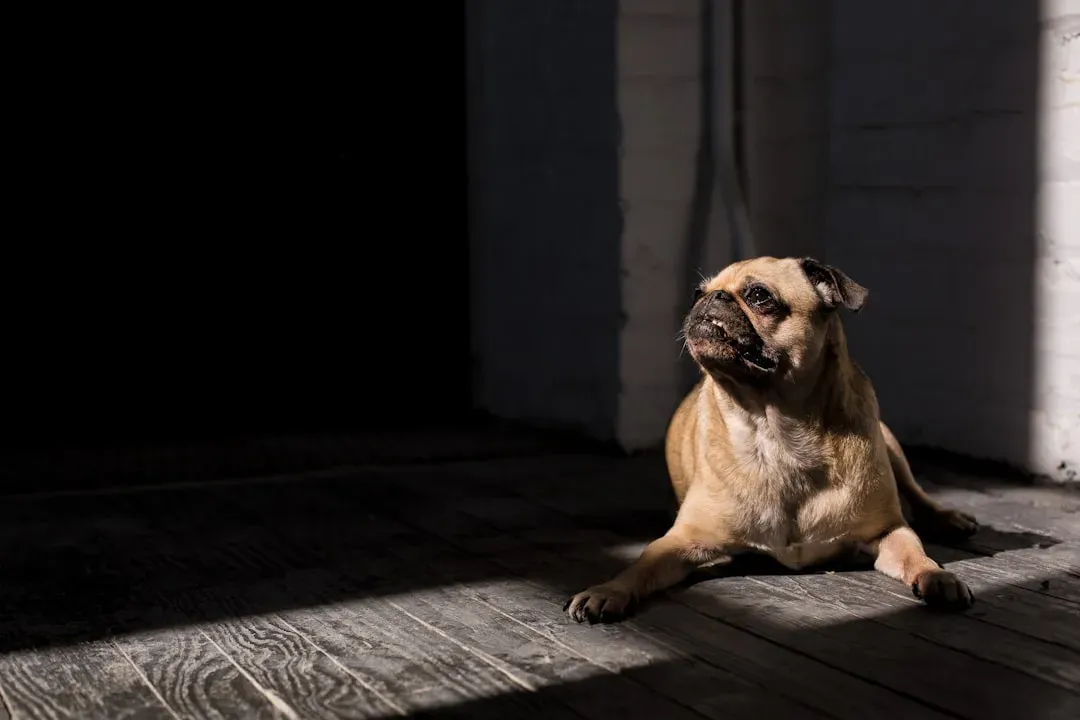
No dog wakes up wanting to be difficult. No dog dreams of ending up in a shelter, unwanted and misunderstood. Every single one of them just wants what we all want: safety, love, and a place to belong. When we label dogs as “bad,” we’re closing the door on their potential and robbing ourselves of the chance to witness something pretty incredible, the moment a broken dog realizes they’re finally safe.
The truth is, there are no bad dogs. Only dogs who’ve had bad luck, bad training, or bad circumstances. They’re all capable of change, growth, and becoming the loyal companions they were meant to be. It just takes someone willing to see past the label and look at the dog standing in front of them. Someone willing to say, “You deserve another chance.”
What do you think? Have you ever given a misunderstood dog a second chance? Share your story in the comments.


