

You’ve probably heard someone call their dog “bad” at some point. Maybe it was at the park, or at the vet’s office, or even in your own home during a particularly frustrating moment. The label sticks easily, doesn’t it? Yet here’s something most people don’t realize: dogs labeled as “bad” are rarely acting out of spite or defiance. More often than not, they’re simply misunderstood.
I’ve spent years working with dogs and their devoted humans, and honestly, the same patterns emerge time and time again. What looks like stubbornness is usually confusion. What seems like aggression is often fear. What appears to be disobedience might actually be a dog trying desperately to communicate something we’re just not hearing. Dogs don’t wake up plotting ways to ruin your favorite shoes or terrorize the mailman. They’re responding to their environment, their emotions, and their needs in the only ways they know how.
When Fear Wears an Aggressive Mask
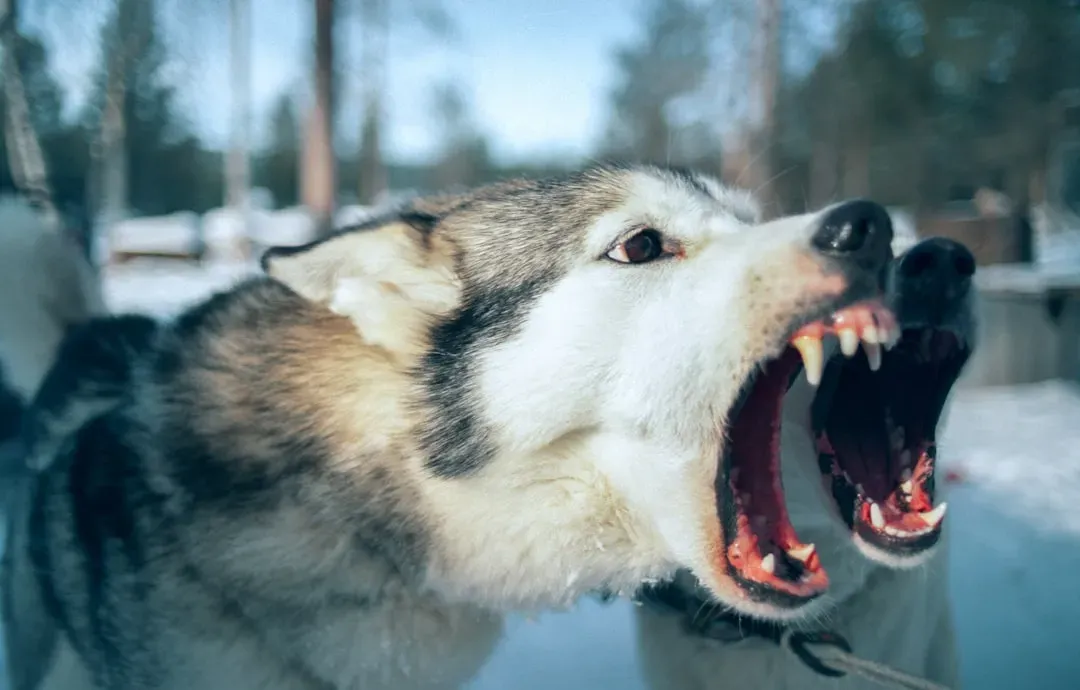
Aggression isn’t a personality trait but rather a behavior, and it’s often how a dog communicates when they feel unsafe, stressed, or trapped. Think about that for a moment. The dog lunging at strangers on walks isn’t necessarily mean. They might be terrified.
A majority of dog aggression stems from fear, anxiety, uncertainty or lack of confidence. Picture a dog backed into a corner with no escape route. Their options become limited. Fear aggression happens when a dog wants to increase distance between himself and a trigger, essentially saying he doesn’t want to engage, and when their message is ignored and distance is not created, they feel trapped and might escalate their behavior.
The truly heartbreaking part? Punishment worsens the problem by making the dog more fearful and scared, so they want to lash out more, creating a vicious cycle of escalation. When we yell at a frightened dog, we’re essentially confirming their worst fears. We become part of the problem rather than the solution.
Reading the Signals They’re Desperately Sending
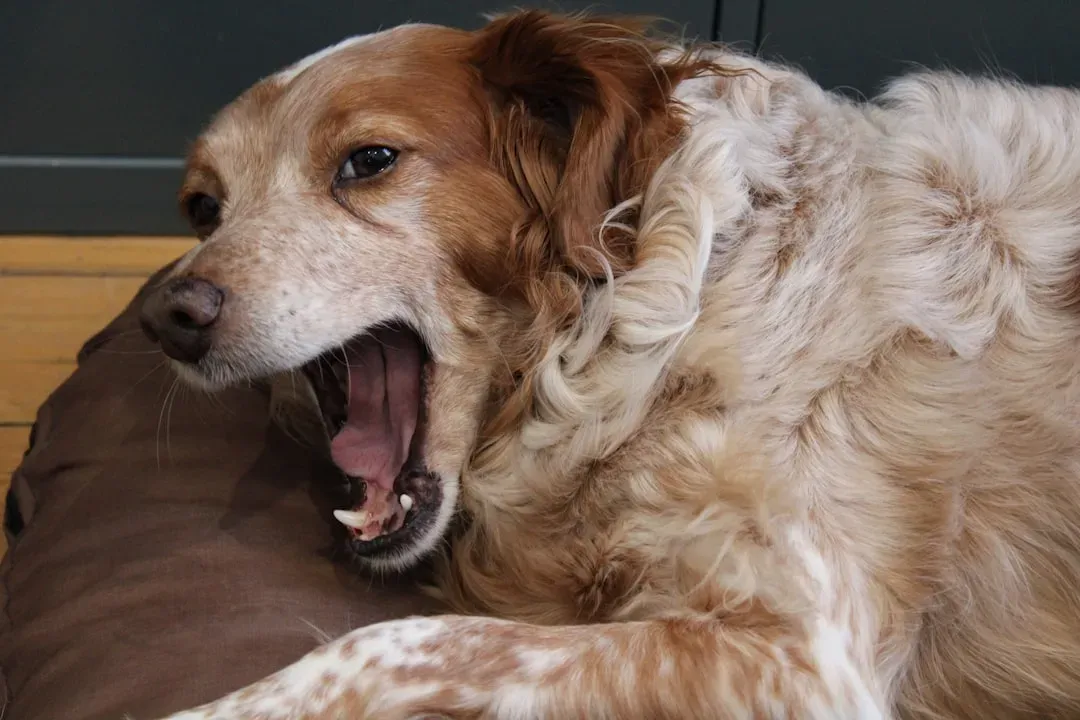
Dogs are constantly talking to us. We just need to learn their language. Dogs yawn when they’re stressed, and according to experts, dogs use yawning to calm themselves in tense situations and to calm others, including their owners. That adorable yawn during a vet visit isn’t sleepiness. It’s anxiety.
Stress signs to look for include whale eye (when dogs reveal the whites of their eyes), tucked ears or tail, raised hackles, lip-licking, yawning, and panting. Once you start noticing these signals, you’ll see them everywhere. Your dog who “suddenly” snapped at a child probably gave multiple warnings before that moment.
While growling can appear aggressive to people, it’s a dog’s way of expressing discomfort, fear, or stress, and it’s often a warning signal, not always a sign of aggression. Yet many well-meaning owners punish growling, inadvertently teaching their dog to skip the warning and go straight to biting. We need to respect these communications, not silence them.
The Hidden Pain Behind Problem Behaviors

Here’s something that catches people off guard. When dogs are suffering from a medical condition that causes pain, chronic inflammation, or other imbalances, they frequently overreact to situations that otherwise would not feel so threatening to them. That grumpy old dog who snaps when touched might not be mean. They might be hurting.
Dogs often display behavioral changes when experiencing health problems or physical pain, and just like humans, they can’t verbally communicate their discomfort, so they may express it through changes in behavior. I’ve seen countless cases where addressing an underlying health issue completely transformed a dog’s demeanor. Suddenly, the “aggressive” dog becomes gentle again.
This is why veterinary exams should always be the first step when dealing with behavioral changes. A thorough veterinary exam with bloodwork should be the first step to see whether the aggression is a symptom of an underlying infection, hormone imbalance, unseen injury, or even a reaction to medication, and once the underlying medical problem is addressed, behavior may improve significantly.
Environmental Stress and the Invisible Triggers

Lack of enrichment, inadequate space, loud noises, or changes in their routine can all trigger stress and lead to behavioral issues. Dogs are creatures of habit and predictability. That furniture rearrangement you did last week? Your dog might still be processing it. The new work schedule that leaves them alone for longer periods? That’s stressful.
Dogs chew and dig for various reasons, including boredom, teething, and exploration, and these behaviors are natural but can become problematic if not properly managed. We call them destructive, but often they’re just desperately seeking stimulation or trying to cope with anxiety. A bored dog isn’t a bad dog. They’re an under-exercised, under-stimulated dog trying to entertain themselves.
Changes in work schedules or daily routines can lead to separation anxiety or acting out behaviors, and dogs may develop destructive habits or excessive vocalization when their routine is disrupted. Think about how you feel when your entire routine gets upended. Dogs experience similar stress, they just can’t tell us about it with words.
Breaking the Cycle with Understanding and Action
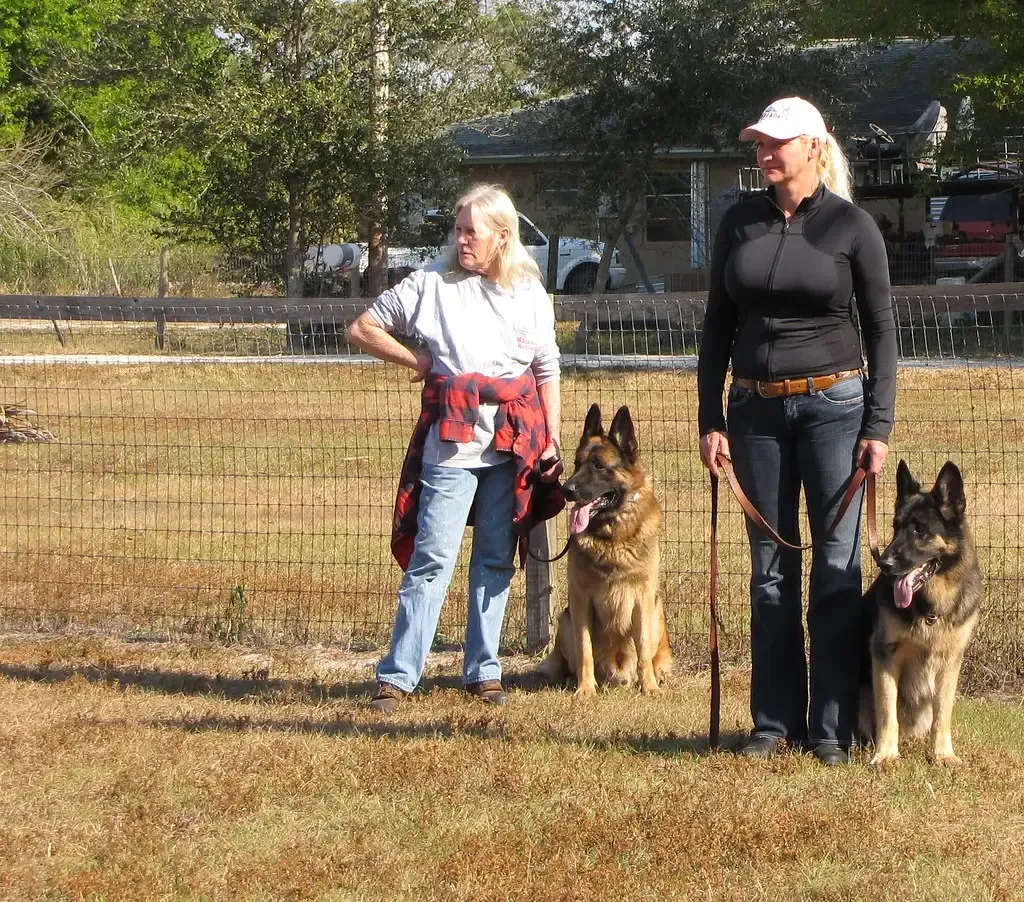
Behavioral issues are not breed-specific problems but instead often result from the relationship between people and their dogs, and dogs, like children, need to be taught proper behavior and manners. The good news? Nearly every behavioral issue is addressable with patience, consistency, and proper understanding.
Counterconditioning is one training strategy, and its purpose is to change your dog’s response to the stimuli responsible for anxiety, usually by replacing the anxious or aggressive behavior with a more desirable behavior, like sitting or focusing on the owner. This takes time. It requires us to see the world from our dog’s perspective and work with them, not against them.
Dogs will probably not grow out of bad behavior, and if a puppy learns that begging for food gets him a treat or that growling at visitors is treated as cute, he won’t suddenly unlearn these behaviors as an adult dog unless trained not to. Early intervention matters tremendously. What we excuse as puppy behavior becomes ingrained adult behavior.
The truth is, there are very few genuinely “bad” dogs out there. There are fearful dogs, anxious dogs, bored dogs, painful dogs, and misunderstood dogs. There are dogs who never learned proper manners and dogs whose humans never learned to read their signals. Once we shift our perspective from labeling to understanding, everything changes. The dog who seemed impossible suddenly becomes workable. The relationship that felt broken starts to heal.
What do you think? Has your perspective on “problem” dogs shifted? Sometimes all it takes is seeing through their eyes to realize they’ve been trying to tell us something all along.


