

You’ve probably noticed it before – the way your dog just doesn’t seem like himself anymore. Maybe he’s sleeping more than usual, or that favorite squeaky toy that once sparked pure joy now sits untouched in the corner. Perhaps those eager morning greetings have faded into something quieter, more distant. It’s heartbreaking to watch, and honestly, it leaves most of us feeling completely helpless.
Here’s the thing: dogs experience emotional lows just like we do. Research shows that roughly one in five dogs display depression-like behaviors on a weekly basis. That’s not a small number. Yet so many of us miss the signs or brush them off as “just a bad day.” This isn’t about being a bad dog parent – it’s about understanding what’s really going on beneath that fur and those soulful eyes. Let’s dive into what canine depression actually looks like, why it happens, and most importantly, how you can help your best friend find their spark again.
What Depression Actually Looks Like in Your Dog

Spotting depression in dogs isn’t always straightforward because they can’t exactly tell us how they’re feeling. The main indicator is a change in normal demeanor, particularly when dogs seem unwilling to engage in activities they previously enjoyed. Think about the dog who used to bolt to the door at the word “walk” but now barely lifts their head.
Common signs include loss of appetite, changes in eating patterns, and lethargy with dogs sleeping more than usual. You might also notice withdrawal from family members or, conversely, unusually clingy behavior where your dog suddenly can’t bear to be away from you. Depression can present as low energy, changes in sleeping habits, and even signs of aggression including howling or whining.
The tricky part? These symptoms can also signal physical illness. Lethargy, appetite loss, and altered sleep can appear with thyroid imbalance, infection, dental trouble, and arthritis. This is exactly why your first stop should always be the vet’s office to rule out medical causes before assuming it’s purely emotional.
The Hidden Triggers Behind Your Dog’s Blues

Depression in dogs is most often caused by big changes, such as the loss of a significant human or an environmental change like a move. Dogs are incredibly sensitive to their environments and the emotional states of those around them. Studies show that dogs display the same stress levels as their owners, and some may become depressed if their owner shows signs of depression.
Major life transitions hit dogs harder than we might expect. House moves, a new baby, changes in their owner’s work patterns, and even children going back to school can mean a change in routine and have an effect on your dog. I’ve seen dogs who thrived when their humans worked from home during lockdowns completely fall apart when their people returned to the office.
Underlying disease is a major cause of depression, particularly in dogs with chronic health conditions like diabetes or chronic pain from conditions such as arthritis. Pain doesn’t just hurt physically – it weighs on the spirit. Working and herding dogs have a genetic impulse to be active and engaged, and depriving them of this ability can lead to symptoms of depression. A bored Border Collie isn’t just restless – they can become genuinely depressed.
Why Your Vet Visit Matters More Than You Think
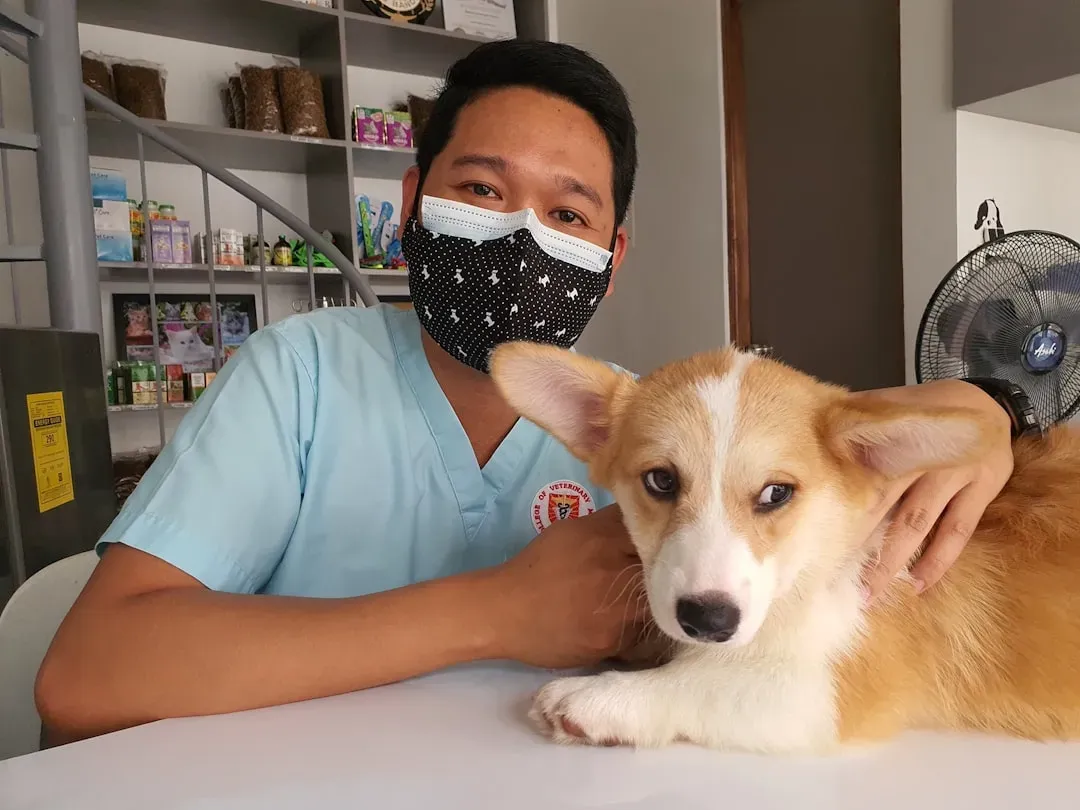
Let’s be real: you can’t DIY diagnose canine depression. Depression is difficult to diagnose and is often a diagnosis of exclusion, meaning you have to rule out all potential medical causes before assuming this is something behavioral. Your vet will conduct a thorough physical exam and may recommend blood work or urinalysis to get a complete picture of your dog’s health.
Always rule out pain or illness first, as lethargy and appetite loss can appear with various conditions, and a vet exam including basic blood panel will confirm whether you’re dealing with body aches or emotional blues. This step is absolutely critical. Imagine treating a dog for depression when they actually have a painful dental abscess – you’d be missing the real problem entirely.
Once physical causes are ruled out, some dogs may benefit from a consultation with a veterinary behaviorist who can identify depression and offer guidance on next steps. These specialists focus on complex emotional conditions and can create tailored treatment plans that address your specific dog’s needs.
Simple Changes That Make a Real Difference

Dogs are amazingly resilient, and if there is a significant event associated with their depression, some simple environmental and social changes can make a huge difference, such as spending extra time with them, taking them on extra fun walks, playing tug, or having grooming sessions. Sometimes the solution is simpler than we imagine.
Anxious or depressed dogs benefit from predictable routines and environments, closely monitored social interaction, and lots of physical activity, with consistent feeding and exercise times even on weekends. Dogs find enormous comfort in knowing what comes next. When their world feels chaotic, a solid routine becomes an anchor.
Mental stimulation is just as crucial as physical exercise. Simple tweaks like toy rotations keeping only three toys out at once and swapping weekly, food puzzles like treat balls or muffin-tin hide-and-seek meals, scent trails with low-sodium broth, and window watch posts can engage problem-solving skills and spark curiosity. Never underestimate the power of a good sniff walk where your dog gets to explore new smells at their own pace. Mental stimulation such as exploring new places, training, or using puzzle feeders helps prevent boredom and depression.
When Love and Exercise Aren’t Enough
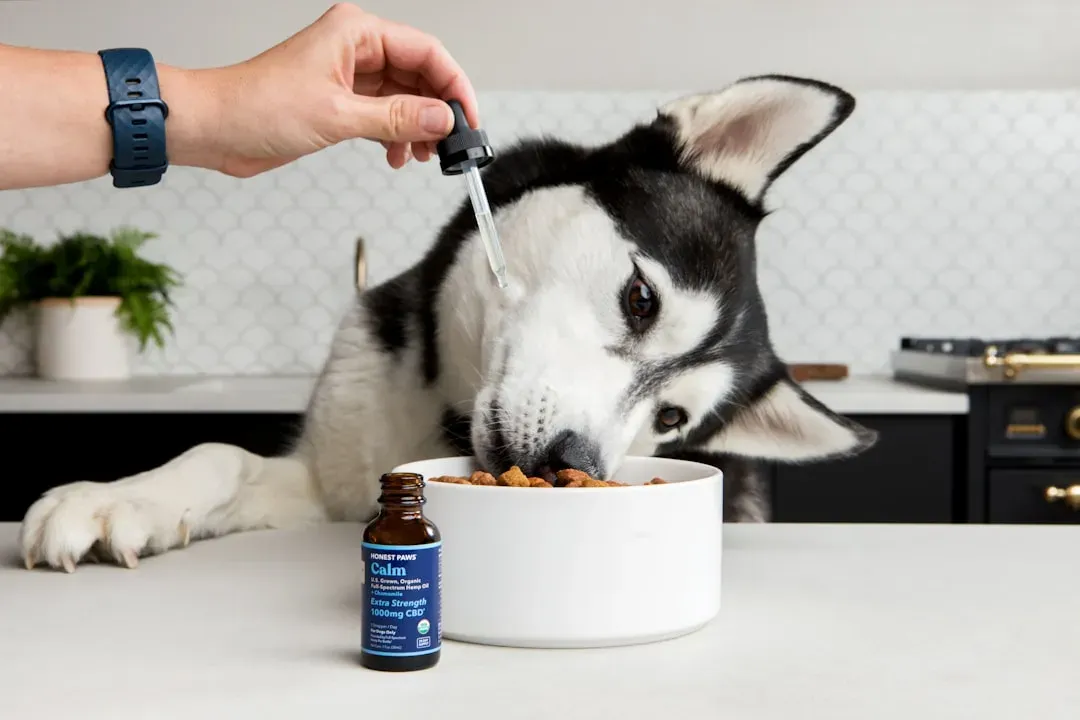
Here’s where things get a bit more serious. If nothing else works, medications can help dogs get past their depression, with medications for depressed dogs being the same as those used by depressed humans like Paxil, Prozac, and Zoloft, as well as Clomicalm for separation anxiety. I know medication can feel like a big step, but sometimes it’s exactly what your dog needs.
It can take up to two months for drugs to become effective, but unlike people who often remain on antidepressants for years, most dogs can get better in six to twelve months and then be taken off the drugs. The goal isn’t lifelong medication – it’s giving your dog the neurochemical boost they need to respond to behavioral interventions and environmental enrichment.
It’s important that people deal with the problem before it gets too bad, as most cases can be successfully treated early on with behavior modification and environmental enrichment. Don’t wait until your dog has completely withdrawn or stopped eating altogether. Early intervention makes all the difference in how quickly and completely your dog recovers.
Building a Depression-Proof Life for Your Dog
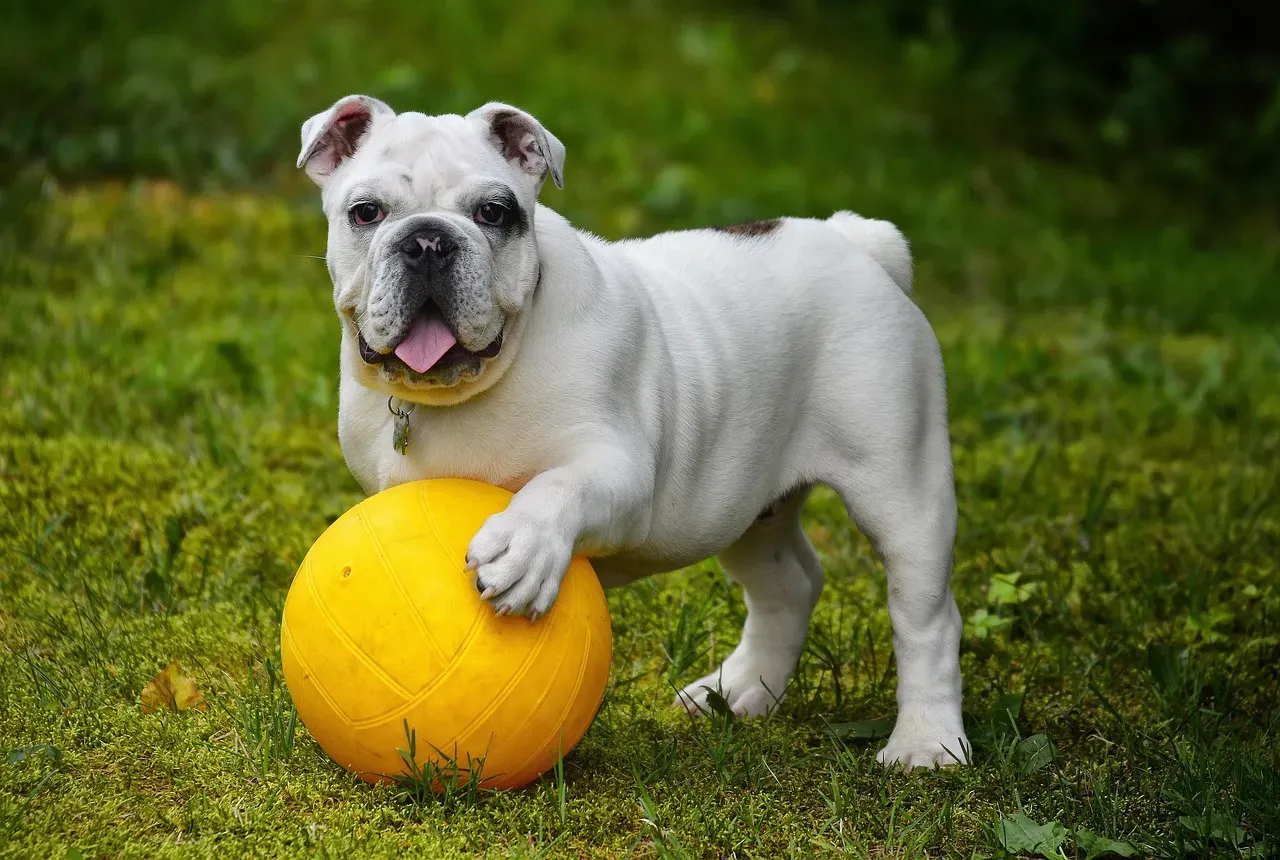
Prevention truly is worth a pound of cure. Ensuring your dog receives regular veterinary care identifies health issues early before depression develops, while providing enough mental stimulation, regular walks, socialization, training, and managing anxiety through major life transitions is important. Think of it as building emotional resilience in your dog.
Exercise and mental stimulation are crucial to reducing your dog’s anxiety and stress, making sure your dog gets plenty of exercise whether walks, backyard time, or playtime, and taking them to see and smell new places rather than the same block each day. Variety is the spice of life – for dogs too. If you anticipate a major change like a move or new baby, talk to your vet beforehand about strategies to help your dog cope.
Social connections matter deeply for dogs. If your dog enjoys being with other dogs, consider taking them to quality doggy daycare when you have to be away, and visits to the dog park can be another way to give your pup social time to prevent depression. However, know your dog – some dogs find dog parks stressful rather than enjoyable, and that’s perfectly okay. What matters is finding the right social outlets for your individual dog’s personality.
Finding Hope When Your Dog Is Down
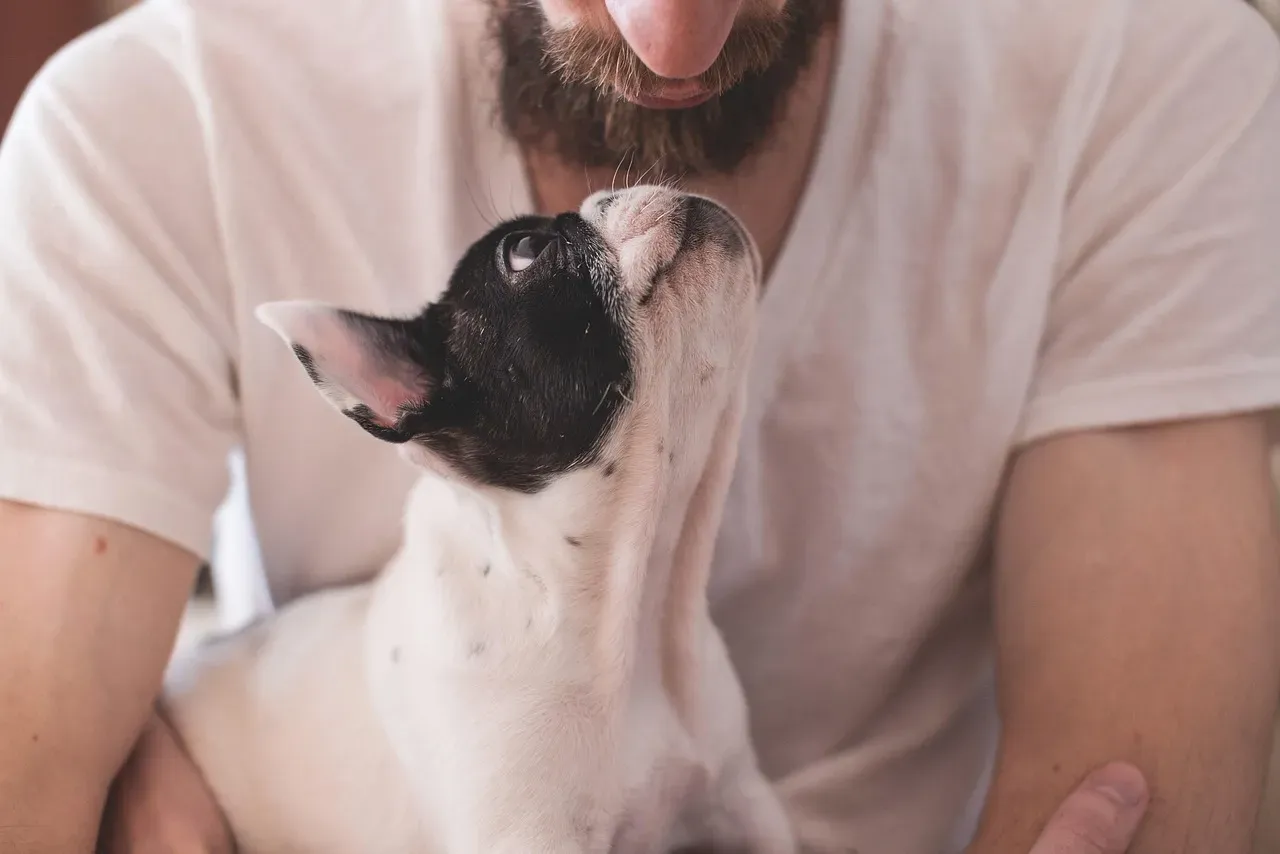
Recovery from dog depression largely depends on the cause, and in many cases the dog simply needs time, especially true for dogs experiencing sudden home changes like loss of a family member or a new baby, with adjustment time varying greatly among individual dogs. Patience is your greatest tool here. Some dogs bounce back in days; others need weeks or even months.
The good news is that dogs can often overcome depression on their own, taking anywhere from days to months depending on the dog and situation, with the love and care of their owners and sometimes veterinary guidance helping them overcome the blues. You’re not powerless in this situation. Your presence, consistency, and willingness to adapt to your dog’s needs can make an enormous difference.
Remember that every dog is unique. What works for one might not work for another. Stay observant, stay patient, and don’t hesitate to lean on professionals when you need guidance. Your dog has been there for you through countless moments – now it’s your turn to be there for them.
Your dog’s emotional wellbeing matters just as much as their physical health. Depression isn’t a character flaw or something to ignore – it’s a real condition that deserves real attention and care. With the right support, most dogs can rediscover their joy and return to being the happy companion you know and love. What changes have you noticed in your dog’s behavior lately? Pay attention to those small shifts – they might be telling you something important.


