

You know that moment when you see a Border Collie catch a frisbee mid-air with jaw-dropping precision, or when you watch an Australian Shepherd effortlessly herd sheep across a sprawling field? It’s easy to fall in love with the idea of owning one of these magnificent, high-energy breeds. They’re stunning, athletic, incredibly smart. What’s not to love, right?
Here’s the thing, though. Those dogs you’re admiring? They’re working roughly two to three hours every single day, burning through energy that would leave most of us gasping for air. Most hyper dog breeds need a minimum of one to two hours of intensive exercise daily, and some need even more than that. I think it’s important to be honest from the start: high-energy breeds are not for everyone, no matter how appealing they might seem.
Let’s dive into what it really means to live with one of these powerhouse dogs, and why understanding their true nature could save both you and a potential furry friend from heartbreak down the road.
What Makes a Breed “High-Energy” in the First Place

High-energy dogs aren’t just dogs who like to play a lot. These breeds were traditionally bred for jobs like herding, hunting, and guarding, and they love having a job to do, whether that’s chasing sheep, retrieving game, or performing tricks in the backyard. Think about it: these dogs were literally designed to work all day long.
High-energy dogs are typically characterized by their boundless enthusiasm and need for regular, vigorous activity, which is a result of their genetics, historical roles, and unique personalities. Border Collies, for instance, were bred to manage livestock across rugged terrain with incredible stamina and laser focus. Belgian Malinois were developed for police and military work due to their intense drive. It’s all about purpose and function.
These dogs are often highly intelligent, requiring both mental and physical exercise to stay happy and avoid boredom. Their brains are constantly seeking stimulation, puzzle-solving, challenges. A simple walk around the block? That barely scratches the surface for them.
The Reality Check: What Happens When Their Needs Aren’t Met

Let’s be real. If left alone for long periods of time, the high-energy dog will get into trouble, and she may bark, whine, dig, jump the fence or chew. This isn’t about a dog being naughty or poorly trained. This is about a dog with pent-up energy desperately seeking an outlet.
Without enough exercise and mental stimulation, these dogs tend to channel their energy into destructive behaviors like chewing or excessive barking. I’ve seen it firsthand: chewed-up furniture, holes dug in the backyard, neighbors complaining about constant noise. It’s heartbreaking, honestly.
Without proper outlets for their energy, high-energy breeds often develop problematic behaviors like excessive barking, destructive chewing, or compulsive behaviors. Some dogs may even resort to self-mutilation, like excessive licking or chewing themselves, just to release that built-up energy. These are signs of a dog in distress, not a “bad” dog.
The Daily Commitment: More Than Just a Quick Walk
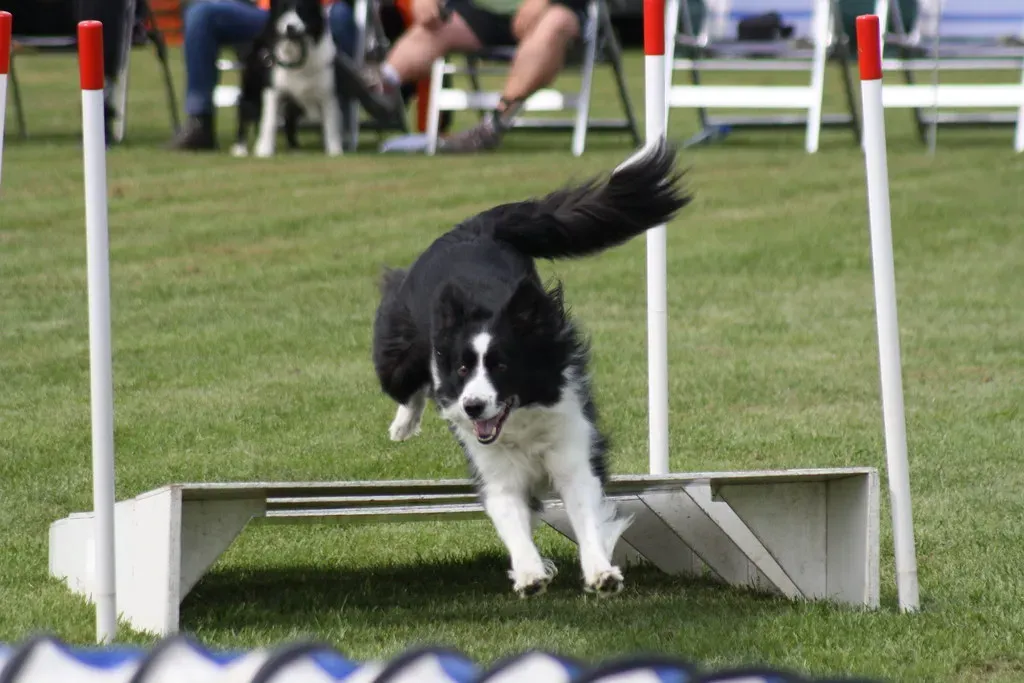
So what does it actually take to keep a high-energy breed happy and healthy? If you establish a daily exercise routine – two to three times a day for 10 to 30 minutes – the dog will learn to relax during the day until it’s time for her outing. That’s the bare minimum, though.
Border Collies, often considered the smartest dog in the world, need physical activity of 120-150 minutes per day, plus 45-60 minutes of training per day. That’s nearly four hours dedicated to your dog every single day. Four hours. Let that sink in.
These dogs need mental as well as physical exercise. A tired body isn’t enough if their mind is still racing. Puzzle toys, agility training, scent work, advanced obedience drills – these are all essential parts of the routine. Simply running your dog isn’t going to cut it. They need challenges that engage their remarkable intellect.
Mental Stimulation: The Other Half of the Equation

Physical exercise alone doesn’t do the trick for these intelligent breeds. Mental stimulation is just as important for dogs as physical exercise, and mental exercises can actually make dogs even more tired than physical exercise. Some experts even say that roughly 20 minutes of sniffing games can be equivalent to an hour’s worth of walking when it comes to enrichment.
Interactive toys, puzzle feeders, scent trails, hide-and-seek games – these activities tap into your dog’s natural instincts and give their brain a proper workout. Puzzle toys, advanced training, agility courses, scent work, and interactive games provide essential mental stimulation that helps prevent destructive behaviors in energetic breeds.
I think one of the biggest mistakes new owners make is assuming that physical exhaustion equals a content dog. It doesn’t. These breeds were built to think on their feet, make independent decisions, solve problems. Without that mental engagement, they become restless, anxious, and difficult to manage.
Are You Actually Ready? An Honest Self-Assessment

Here’s where we need to have a heart-to-heart. Before you bring home that adorable herding breed puppy, ask yourself some tough questions. Do you genuinely have three or more hours every single day to dedicate to exercise and training? Not just on weekends or when the weather’s nice – every day, rain or shine.
When choosing a dog breed, you should consider your activity level and the energy level of your potential companion, determining whether you would find certain dogs’ lively and energetic personalities invigorating or potentially overwhelming, as understanding a breed’s energy requirements is critical for ensuring a harmonious match. Be brutally honest with yourself.
Most hyper breeds need access to large, secure outdoor spaces and owners who can dedicate significant time to their exercise needs, and urban dwellers should carefully consider their ability to provide adequate exercise opportunities before choosing an energetic breed. Living in a small apartment with no yard? That’s going to make things exponentially harder.
If you work long hours, travel frequently, or prefer quiet evenings on the couch, a high-energy breed probably isn’t your best match. There’s no shame in that. It’s about finding the right fit for your actual lifestyle, not the lifestyle you wish you had.
Conclusion

High-energy dog breeds are absolutely remarkable animals. Their intelligence, athleticism, and loyalty make them extraordinary companions – for the right people. Given the right situation and guidance, these dogs can become wonderful additions to your home. That’s the key phrase: the right situation.
If you’re an active person who genuinely enjoys spending hours outdoors, someone who loves training and teaching, someone who sees dog ownership as a full-time commitment rather than a casual hobby, then a high-energy breed might be perfect for you. These dogs can bring incredible joy, purpose, and adventure to your life.
However, if you’re drawn to these breeds primarily because of their looks or their reputation for intelligence, please pause and reconsider. There are dozens of wonderful, lower-energy breeds that make equally loving companions without the intense demands. Choosing a dog that matches your true lifestyle – not your idealized version of it – is one of the kindest things you can do for both yourself and your future pet.
What do you think? Does the reality of high-energy breeds surprise you, or does it match what you expected?


