
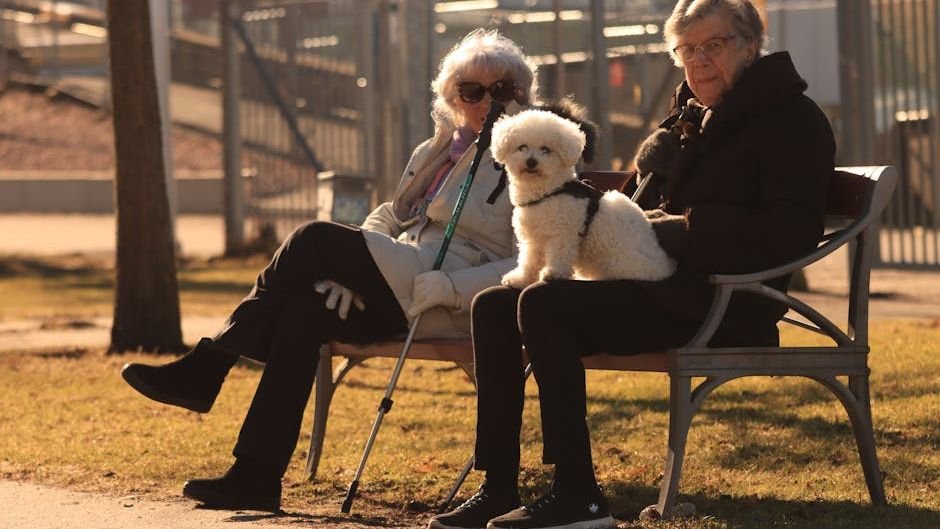
Picture this: a quiet Sunday morning, a warm cup of tea, and a gentle gray-muzzled dog resting its head on your knee. No chaos, no chewing through your favorite shoes, no bouncing off the walls. Just pure, unhurried connection. It sounds almost too good to be true, right?
Here’s the thing – older dogs and seniors share something that younger dogs and busy lifestyles simply can’t replicate: the ability to truly appreciate the slow, meaningful moments. There’s a reason so many older adults who adopt senior dogs say it genuinely changed their lives. The science backs it up, shelter workers will tell you the same, and honestly, anyone who has ever loved an older dog just gets it.
If you’ve been on the fence about welcoming an older canine companion into your home, or if you’re simply curious about what the fuss is all about, prepare to be moved. Let’s dive in.
They Fit Your Lifestyle Like a Glove
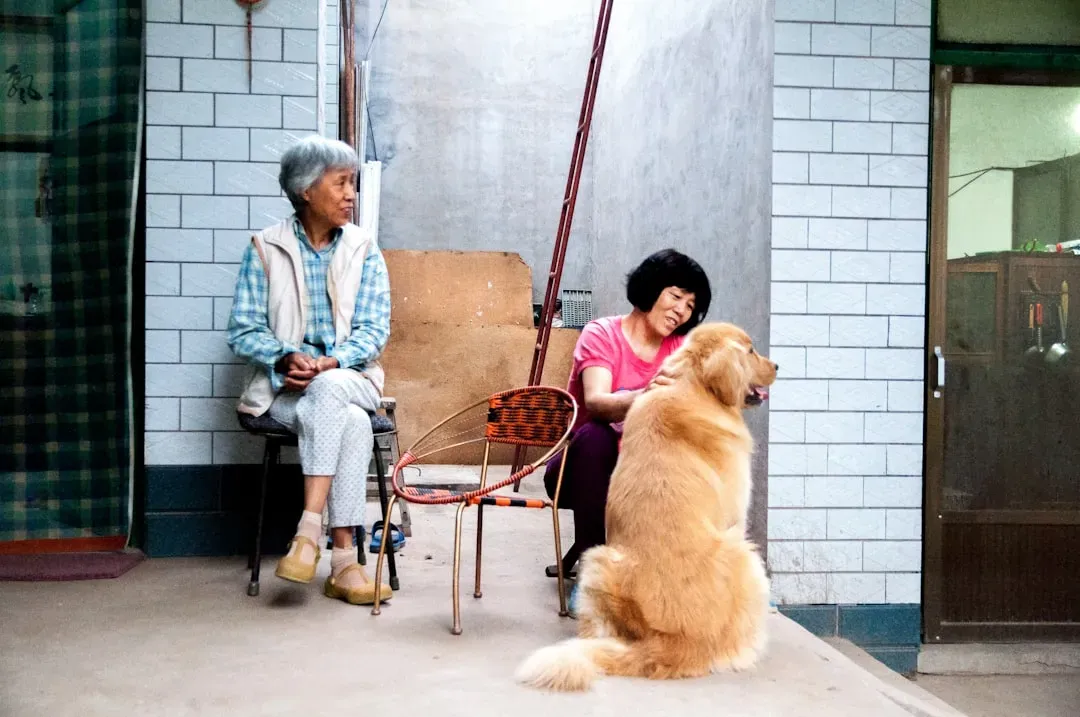
One of the most underrated things about older dogs is how naturally they slot into a quieter routine. Senior dogs are generally calmer and more relaxed, and families used to living a more relaxed lifestyle who still want to add a canine companion can genuinely benefit from choosing one. Think of it like finding a roommate who already prefers staying in on a Friday night, someone who won’t drag you anywhere you don’t want to go.
Older dogs tend to have better manners, often come housetrained, and are not as destructive as a puppy. They are calmer, more relaxing to be around, and need less exercise. That’s not a compromise. That’s a genuine lifestyle match. You get companionship without the exhausting chaos of puppyhood.
When bringing home an older dog, what you see is what you get. Their personality has already been shaped, so there should be no surprises down the line. No guessing games, no dramatic behavioral phases. Just a dog who shows up as themselves, fully formed and ready to love you.
The Science-Backed Health Boost You Didn’t Know You Needed
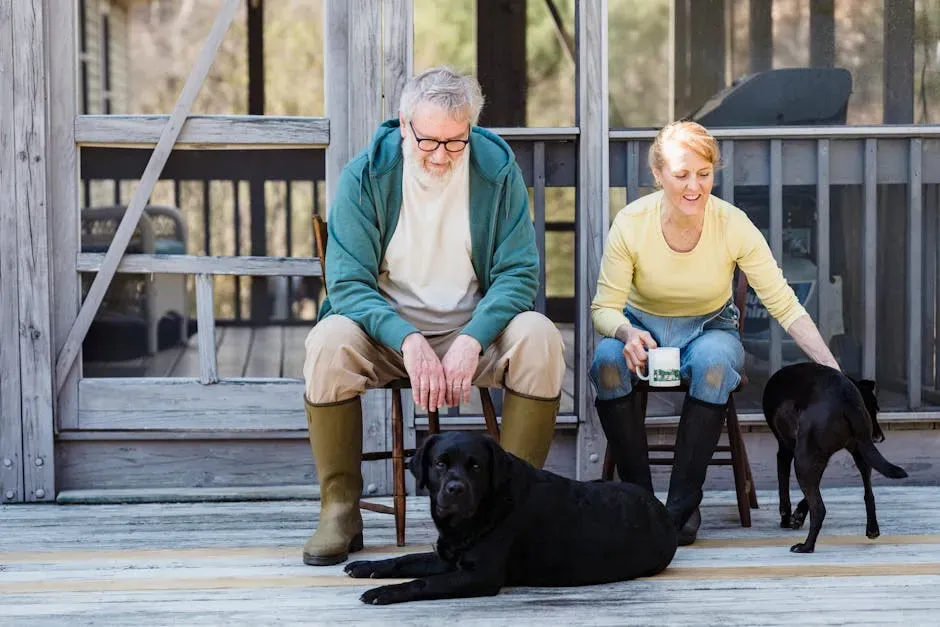
Let’s be real: most people adopt a dog because they want love and companionship, not a prescription. Yet the health benefits that come with dog ownership, especially for seniors, are genuinely hard to ignore. Dog owners have lower blood pressure and healthier cholesterol levels, and a lower risk of heart disease, than non-owners. That is not a small thing.
A study by the University of Michigan, sponsored by AARP, found that roughly seven in ten older adults said their pet helps them cope with physical or emotional symptoms, and nearly half said their pets help take their mind off pain. That kind of relief is the sort doctors sometimes struggle to provide with medication alone.
Research has revealed that pet owners over the age of 65 visit the doctor roughly a third less than people without pets. That stat really does stop you in your tracks. An older dog essentially doubles as a gentle, four-legged wellness routine. Not bad for a creature who just wants cuddles and a good walk.
A Natural Remedy for Loneliness and Isolation
Loneliness and isolation are major concerns for aging adults, particularly those who live alone or have limited access to social activities. Owning a dog can provide emotional support and companionship, directly reducing those feelings of loneliness. And honestly, in a world that moves faster than ever, the quiet loyalty of a dog hits differently when the house feels too quiet.
In a study of adults 60 years or older, pet owners were roughly a third less likely to consider themselves lonely than non-pet owners. Think about that for a moment. Something as simple as having a dog by your side can fundamentally shift how connected you feel to the world around you. It’s not magic, it’s a bond.
Research has found that being a pet owner was the third most common way people meet others in their neighborhoods, and pet owners were significantly more likely than non-pet owners to get to know people nearby. Walking that silver-muzzled dog around the block? It turns out to be one of the most effective social strategies a senior can have.
Mental Health Wins That Go Deeper Than You Think
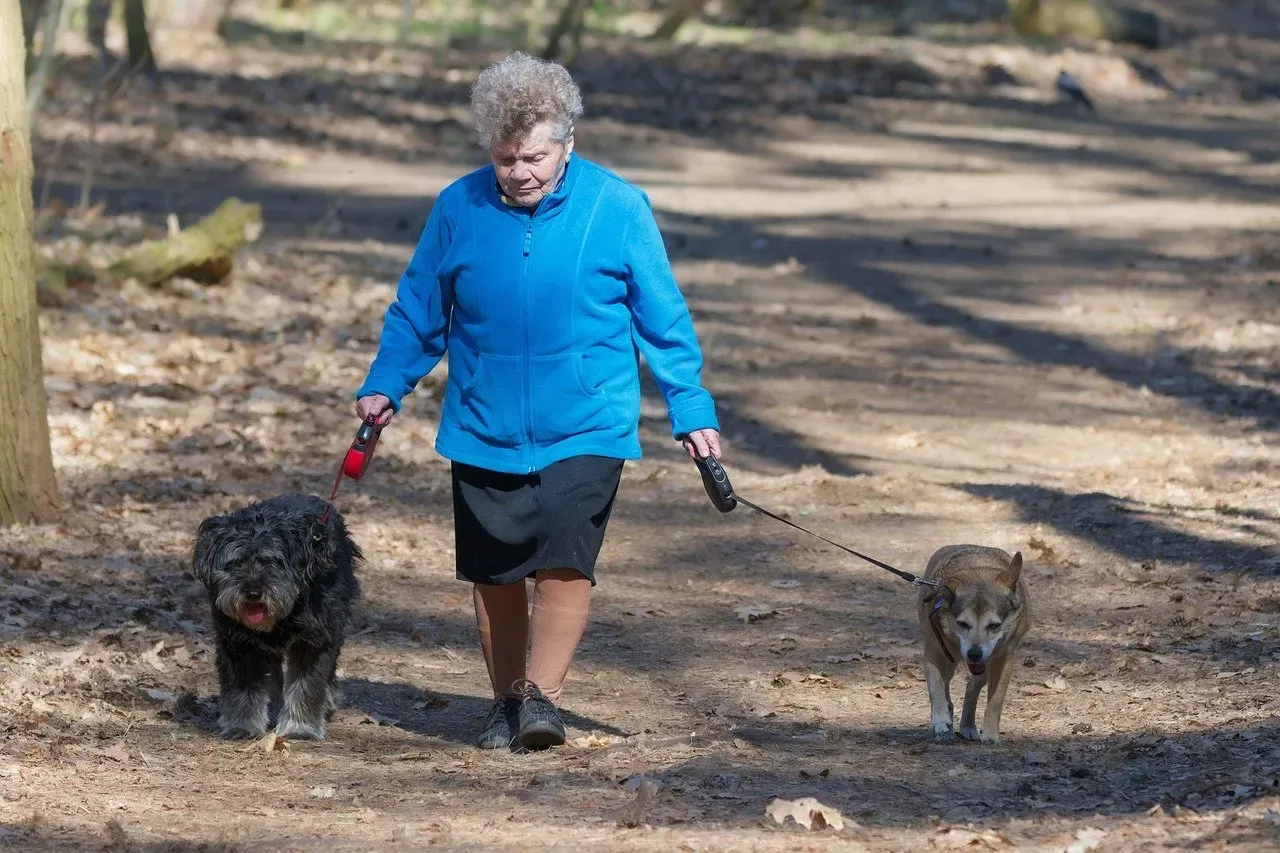
Petting a dog causes your body to release oxytocin, often called the “love hormone,” reducing stress and improving mental health. Dogs can also help alleviate negative feelings, including depression, grief, or anxiety, providing a calming presence that softens the emotional challenges many seniors face. It’s a two-way exchange, really. You take care of them, they quietly take care of you.
Dog ownership can provide a great source of mental stimulation for seniors, helping keep their minds sharp and active. Taking a dog for regular walks or to the park benefits both physical and emotional health and helps stimulate the mind in new ways. Seniors are exposed to different sights and sounds and are even presented with various problem-solving opportunities while out walking.
The responsibility of caring for a pet fosters a sense of purpose and routine, promoting physical activity and social engagement. Pets have also been shown to alleviate symptoms of depression and anxiety, offering a natural form of therapy that enhances seniors’ psychological well-being. Purpose is something we don’t talk about enough in conversations around aging. An older dog gives you a reason to get up in the morning, rain or shine.
Keeping an Older Dog Healthy: What Every Senior Owner Should Know
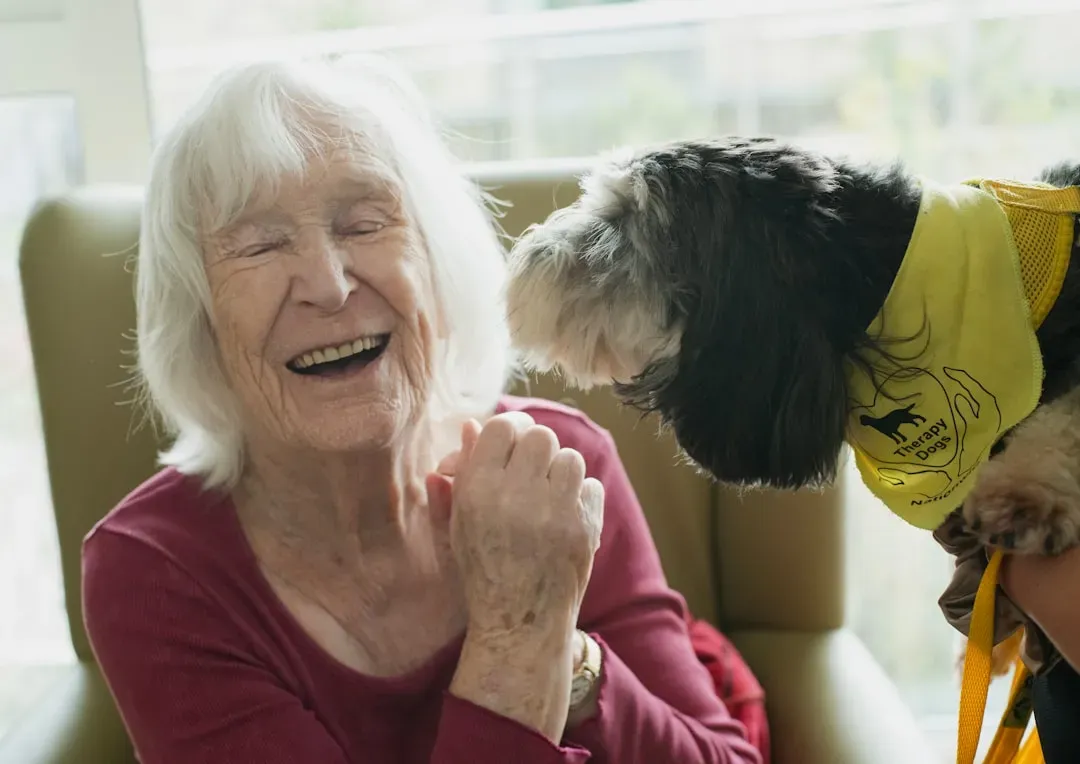
Here’s where it gets practical, because loving an older dog well means knowing what to watch for. Regular vet visits and lab testing often allow you to catch health issues before they become clinically obvious, making them easier and less expensive to treat. For healthy senior dogs, wellness visits at least once every six months with yearly lab work are recommended, and dogs with health conditions may need more frequent checkups.
There are some changes in a pet’s health or behavior that owners may assume are just “old age,” like being less playful or losing weight, but they might actually have a medical cause and need treatment. Being observant and taking your dog to the vet if you notice a behavioral change is critically important. A dog who suddenly seems distant, stops eating with enthusiasm, or limps on a walk is trying to tell you something. Listen closely.
Senior dogs have different nutritional needs from younger dogs, including food that is easier to digest and different amounts of calories and certain nutrients to help them age well. Typically, switching to a senior dog food is recommended around age six, depending on the size of the dog. Small adjustments like raised food bowls, non-slip rugs on hardwood floors, and a cozy orthopedic bed can make an enormous difference in their daily comfort.
Why Adopting a Senior Dog Is One of the Most Rewarding Decisions You Can Make
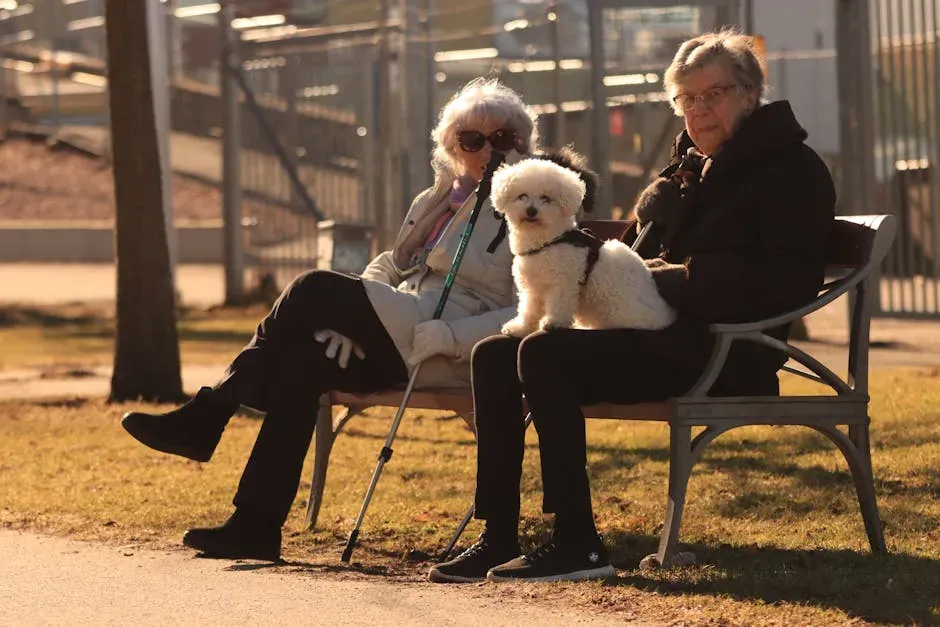
According to statistics from the ASPCA Adoption Center, only about a quarter of senior dogs in shelters are adopted, compared to the majority of younger canines. When senior dogs remain unadopted, they face the risk of being euthanized at overcrowded kill shelters. That’s a number that’s hard to sit with. These dogs have so much left to give, and they are often overlooked simply because of their age.
Older dogs make great companions for older adults because they aren’t as energetic as puppies and they’re often already house-trained. The match between an older dog and a senior human isn’t just convenient, it’s genuinely symbiotic. Two beings who both need a gentler pace, steady affection, and someone to share the quiet hours with.
If a senior dog has already been socialized and had positive experiences with humans, they’ll likely settle into life at your home quickly. They appreciate all positive interactions and will show you their gratitude through love, cuddles, and lots of licks. I think that’s one of the most beautiful aspects of adopting an older dog. They seem to know. They show up with gratitude written all over their gray little faces.
Conclusion: The Gray Muzzle Knows Best

Older dogs don’t make headlines the way puppies do. They don’t go viral for bouncing around adorably or doing something ridiculous on camera. What they do is something quieter and, honestly, more profound. They sit with you. They understand stillness. They match your energy without you having to ask.
For seniors navigating the beautiful and sometimes challenging landscape of later life, an older dog can be the most uncomplicated form of joy available. The health benefits are real, the emotional rewards are deep, and the companionship is the kind that doesn’t require constant upkeep or explanation. It simply exists, warm and steady, right there beside you.
If there is one thing worth taking away from all of this, it’s that choosing an older dog is not settling. It’s choosing wisdom, calm, and love that has already learned how to be patient. The next time you walk through a shelter and lock eyes with a gray-muzzled soul in the corner, ask yourself: what if this is exactly the companion you’ve been looking for? What do you think? Share your experience with older dogs in the comments below.


